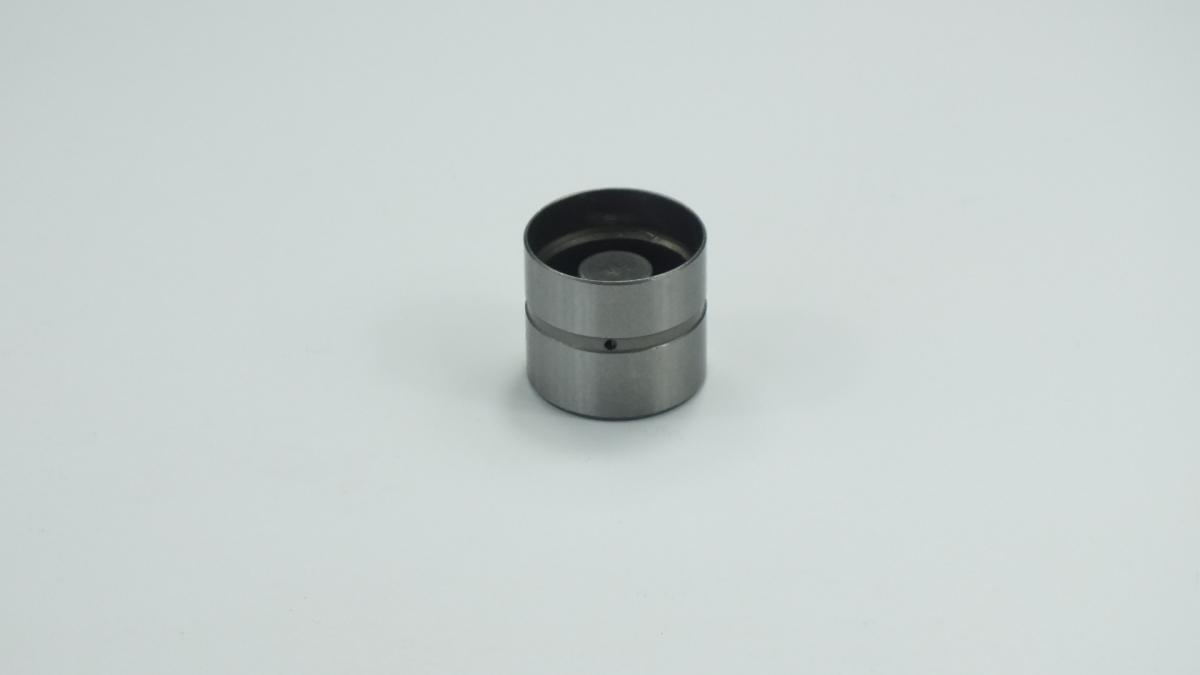
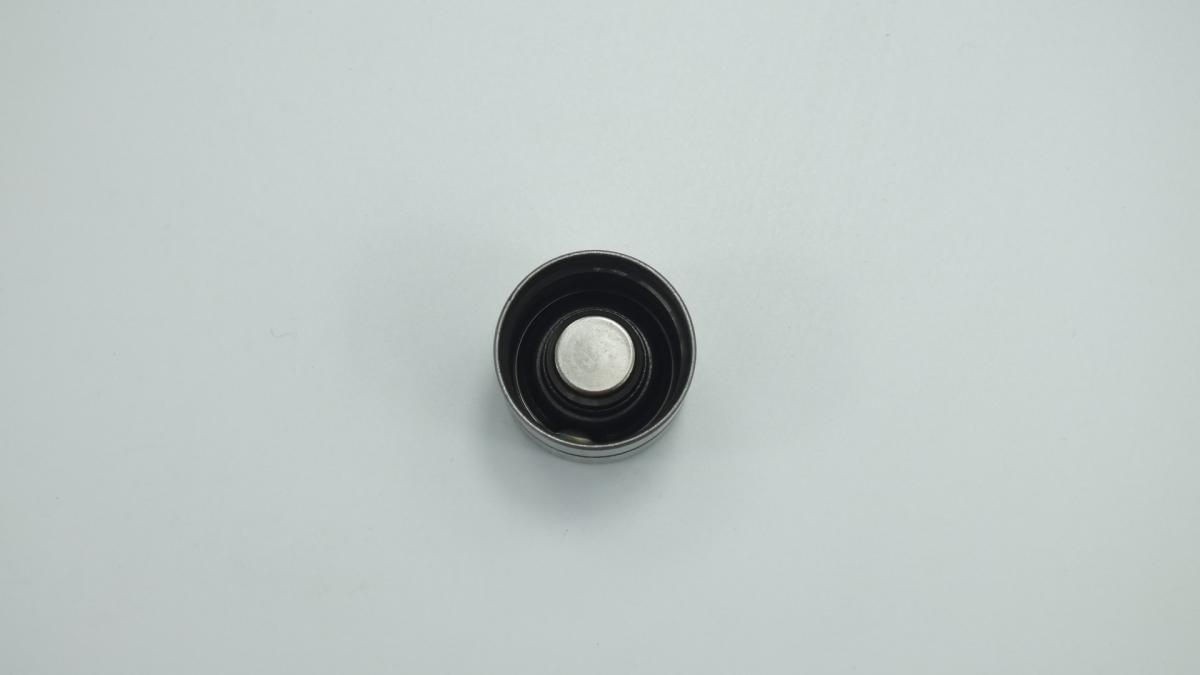
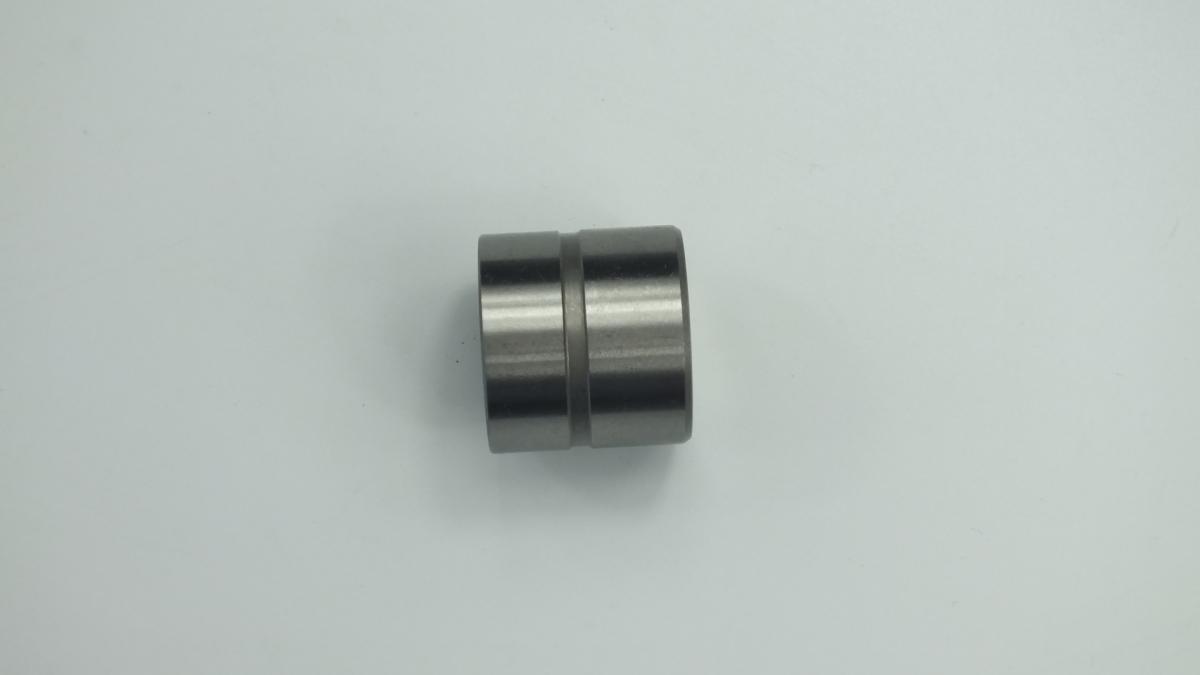
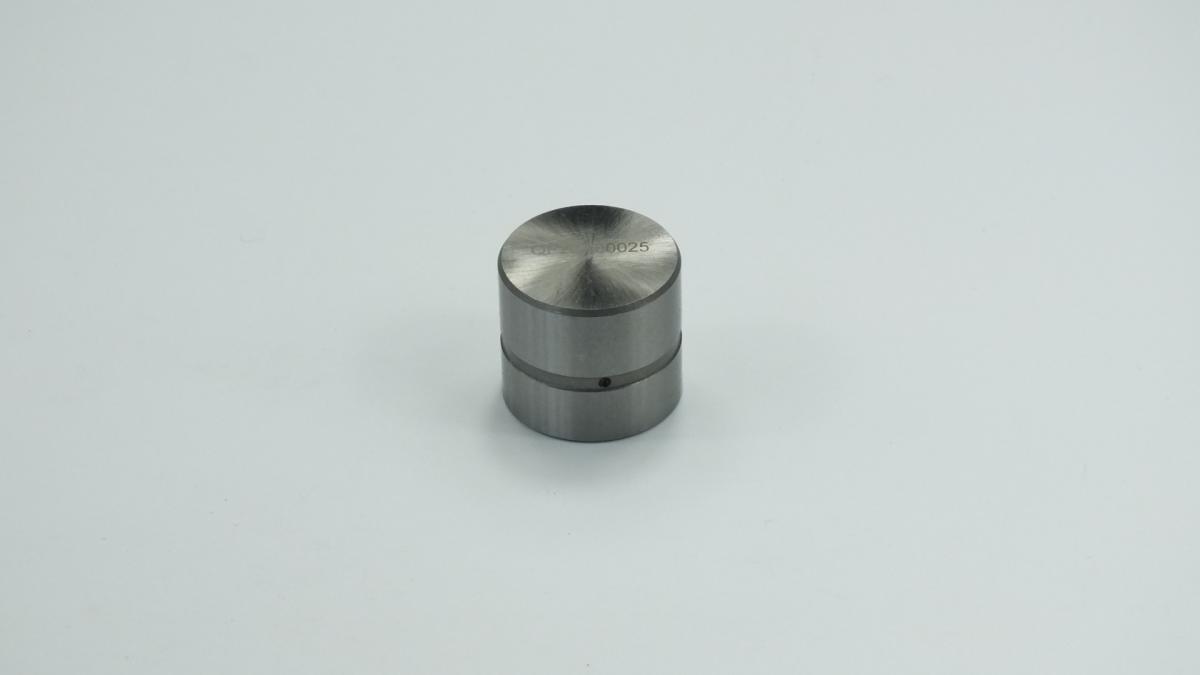
FIAT/ALFA/LANCIA 46815383 LIFTER VALVE
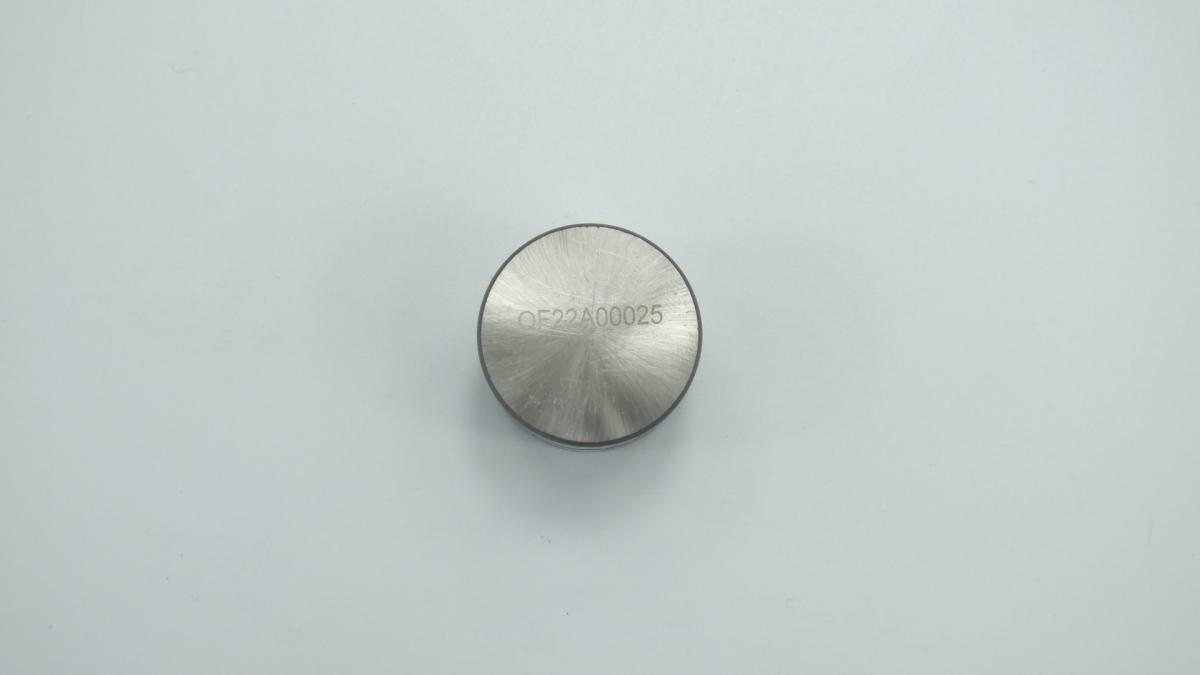
Product Specifications
| FIAT/ALFA/LANCIA | 46815383 |
| FIAT/ALFA/LANCIA | 46821634 |
| FIAT/ALFA/LANCIA | 46765629 |
| FIAT/ALFA/LANCIA | 55193839 |
| FIAT/ALFA/LANCIA | 46448011 |
| IVECO | 4676567629 |
| IVECO | 46815383 |
The LIFTER VALVE is the intermediate mechanical or hydraulic element positioned between the camshaft lobe and the valve stem that transmits the cam lobe's lift profile into valve opening movement while rotating continuously on its own axis to distribute cam lobe contact wear evenly across the full tappet face area, significantly extending both cam lobe and tappet service life compared to a non-rotating contact. Three principal tappet designs are in current production: the solid bucket tappet — a precision-ground hardened steel or chilled cast iron cylinder that slides directly in a bore machined into the cylinder head and contacts the cam lobe on its crown face, requiring periodic manual valve clearance adjustment by selecting shims of the correct thickness to maintain the OEM-specified running clearance; the hydraulic bucket tappet — a sealed cylinder containing an internal oil-fed plunger mechanism that automatically compensates for thermal expansion and wear to maintain zero valve clearance at all times without manual adjustment, providing near-silent valve train operation; and the roller finger follower — a pivot-mounted lever with a needle roller bearing at the cam contact point that reduces friction at the lobe interface and allows more aggressive cam lobe profiles for improved breathing efficiency on high-output engines. All designs are lubricated by pressurised oil delivered through drillings in the cylinder head from the main gallery, forming a hydrodynamic oil film between the tappet bore and tappet body during operation.
This unit — FIAT/ALFA/LANCIA 46815383 — is manufactured to OEM-equivalent specifications: tappet bore diameter and clearance to head bore, crown face hardness and surface finish for cam lobe contact, internal plunger mechanism travel and check valve characteristics on hydraulic designs, roller needle bearing load rating and cage material on finger follower designs, and oil feed hole position and diameter are matched to the original part. Supplied as a direct replacement for standard fitment. Available wholesale from 1.25 USD, MOQ 200 pcs, production lead time 55-60 days.
Valve tappets fail through crown face spalling and pitting from fatigue loading after high mileage — particularly on engines with extended oil change intervals that allow the oil's anti-wear additive package to deplete — through hydraulic plunger stiction from varnish deposits in the oil passages that prevent the plunger from extending fully, causing collapsed tappet noise, and through tappet bore seizure from oil starvation during a lubrication failure event. A tappet with a spalled crown face must always be replaced simultaneously with the camshaft lobe it contacts — a damaged tappet face will destroy a new cam lobe at an accelerated rate from first contact, and a worn cam lobe will destroy a new tappet at the same rate as the original.
- Tag or mark every tappet with its bore position before removal — tappets that are being returned to service must be reinstalled in exactly the same bore they were removed from; a tappet that has worn a matched pair with its bore will develop rapid wear and noise if moved to a different bore due to the microscopic differences in bore diameter and surface finish between positions; use numbered tags, a divided tray, or a dedicated tappet storage board to maintain bore identity throughout the service.
- Inspect every cam lobe and every tappet crown face under good lighting before deciding which components to replace — the cam lobe and its corresponding tappet must be assessed as a matched pair; a tappet with visible pitting, spalling, or a flattened crown face must be replaced together with the cam lobe it contacts; a smooth, round, polished crown face with no pitting can be reused in its original bore provided the corresponding cam lobe also shows no flat spots or spalling.
- Coat the tappet bore walls, tappet body outer surface, and crown face with fresh engine oil immediately before installation — the tappet-to-bore clearance is lubricated by a hydrodynamic oil film that requires several seconds to establish after a dry start; a dry tappet body scuffing against a dry bore during the first rotation of the camshaft on startup causes immediate surface galling that shortens both tappet and bore service life; never install tappets dry.
- On hydraulic tappets, pre-fill the oil feed chamber before installation where possible — submerge new hydraulic tappets in clean engine oil for a minimum of 30 minutes before installation, pumping the plunger manually to purge air from the internal chamber; a hydraulic tappet installed completely dry requires several minutes of engine running at elevated oil pressure to fill its internal plunger mechanism — during this period the tappet is collapsed and the valve train produces a loud ticking that may alarm the technician unnecessarily.
- On solid tappet engines, measure the valve clearance with the new tappets installed before refitting the camshaft and valve cover — new tappets are supplied in a range of sizes; select shims that produce the correct cold valve clearance specified in the OEM service data for intake and exhaust valves separately; verify clearances on all valves with a feeler gauge before assembly as incorrect clearances produce noise on tight valves and reduced power and fuel economy on loose valves.
- Install the new LIFTER VALVE (FIAT/ALFA/LANCIA 46815383), refit the camshaft and bearing caps to the correct torque sequence, refill with fresh engine oil of the correct specification, start the engine and run at 2,000 RPM for 5 minutes to allow hydraulic tappets to fill completely and cam lobes to bed in, then confirm valve train noise has reduced to the normal background level before returning the vehicle to service.
| Part | Reason for Combined Replacement |
|---|---|
| Camshaft OEM ref. varies by engine and position | The camshaft lobe and its corresponding tappet form a matched wear pair — a tappet with a damaged crown face will immediately begin wearing the new camshaft lobe from first contact, and a worn camshaft lobe with a flat spot will destroy a new tappet at an accelerated rate. Any tappet showing crown face pitting or spalling must be replaced simultaneously with the camshaft lobe it contacts; inspecting and replacing both as a pair is the only way to ensure the new components achieve their full design service life. |
| Engine Oil and Oil Filter Grade and specification per OEM requirement | Tappet failure from varnish deposits invariably occurs in oil that has exceeded its service life and lost its detergent and anti-wear additive package. Fitting new hydraulic tappets into an engine filled with old degraded oil will cause the same varnish deposit formation in the new tappet oil galleries within a short period. Always perform a complete oil and filter change simultaneously with tappet replacement, and in severe varnish cases perform an engine flush cycle before refilling to remove deposits from the gallery walls. |
| Valve Cover Gasket Application-specific perimeter gasket | Tappet replacement requires removing the valve cover and camshafts, making the valve cover gasket accessible and disturbed. The gasket must be replaced every time the valve cover is removed — refitting with the old compressed gasket produces an oil leak on the first heat cycle. Including the gasket in the tappet service kit eliminates a return visit for an oil leak shortly after the valve train service. |