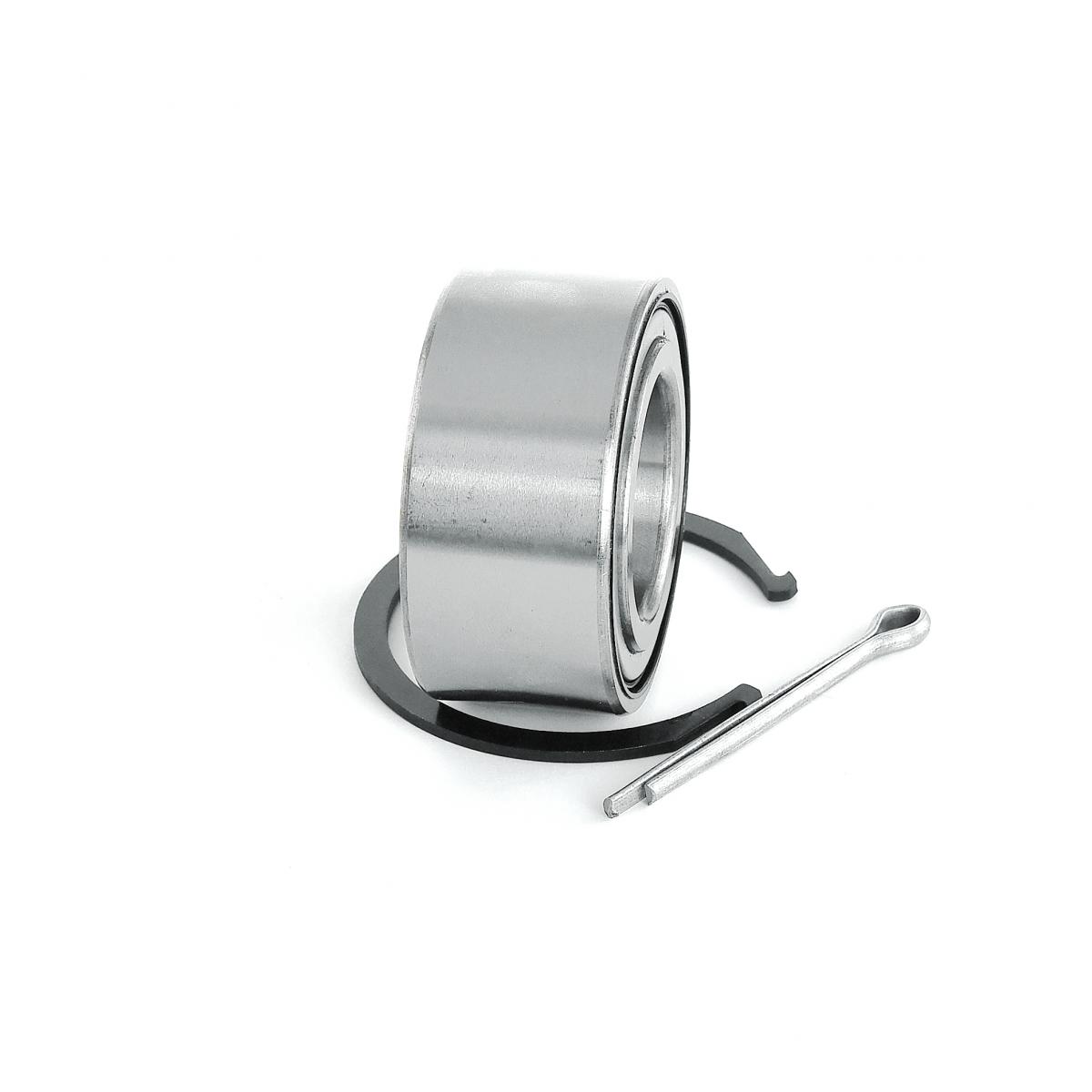
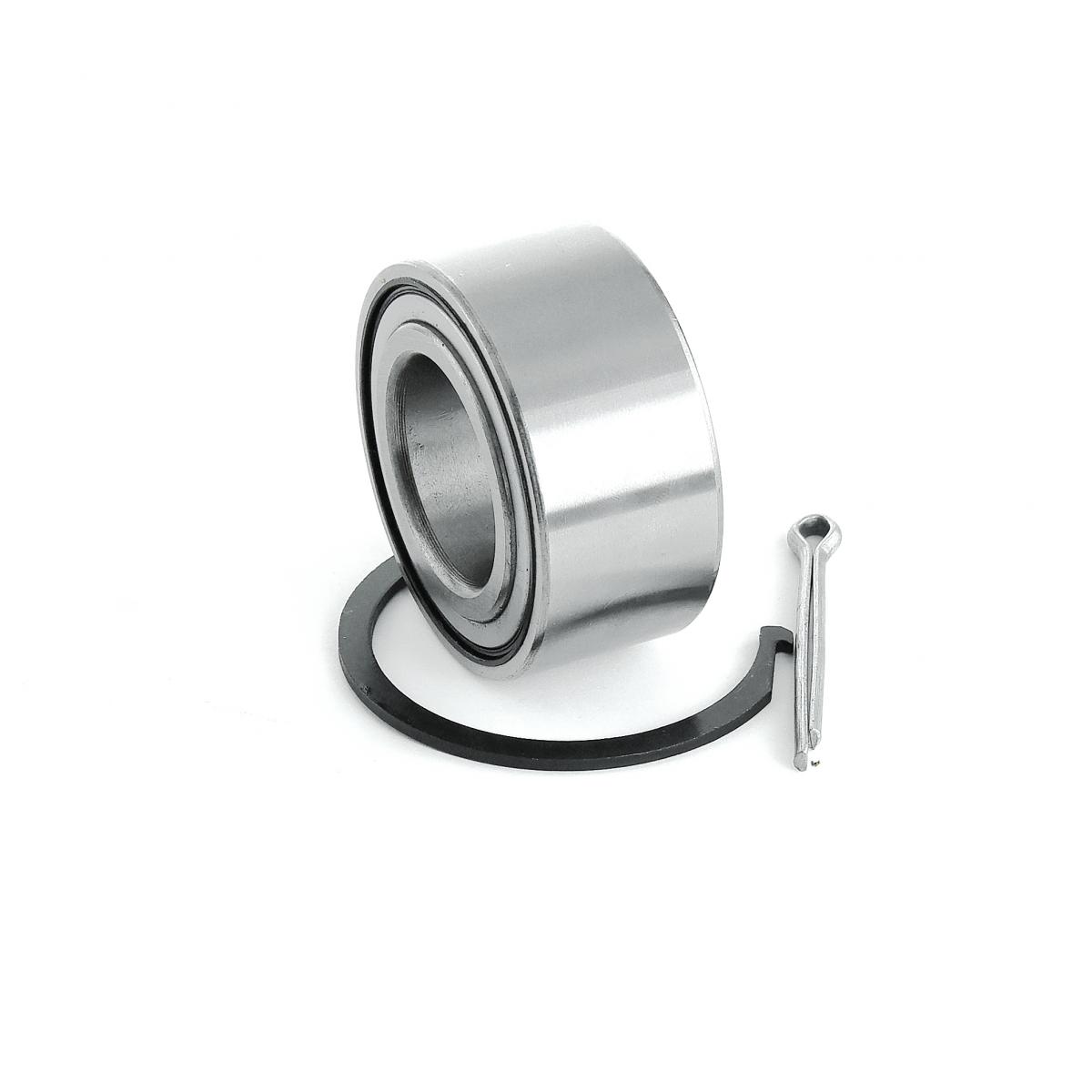
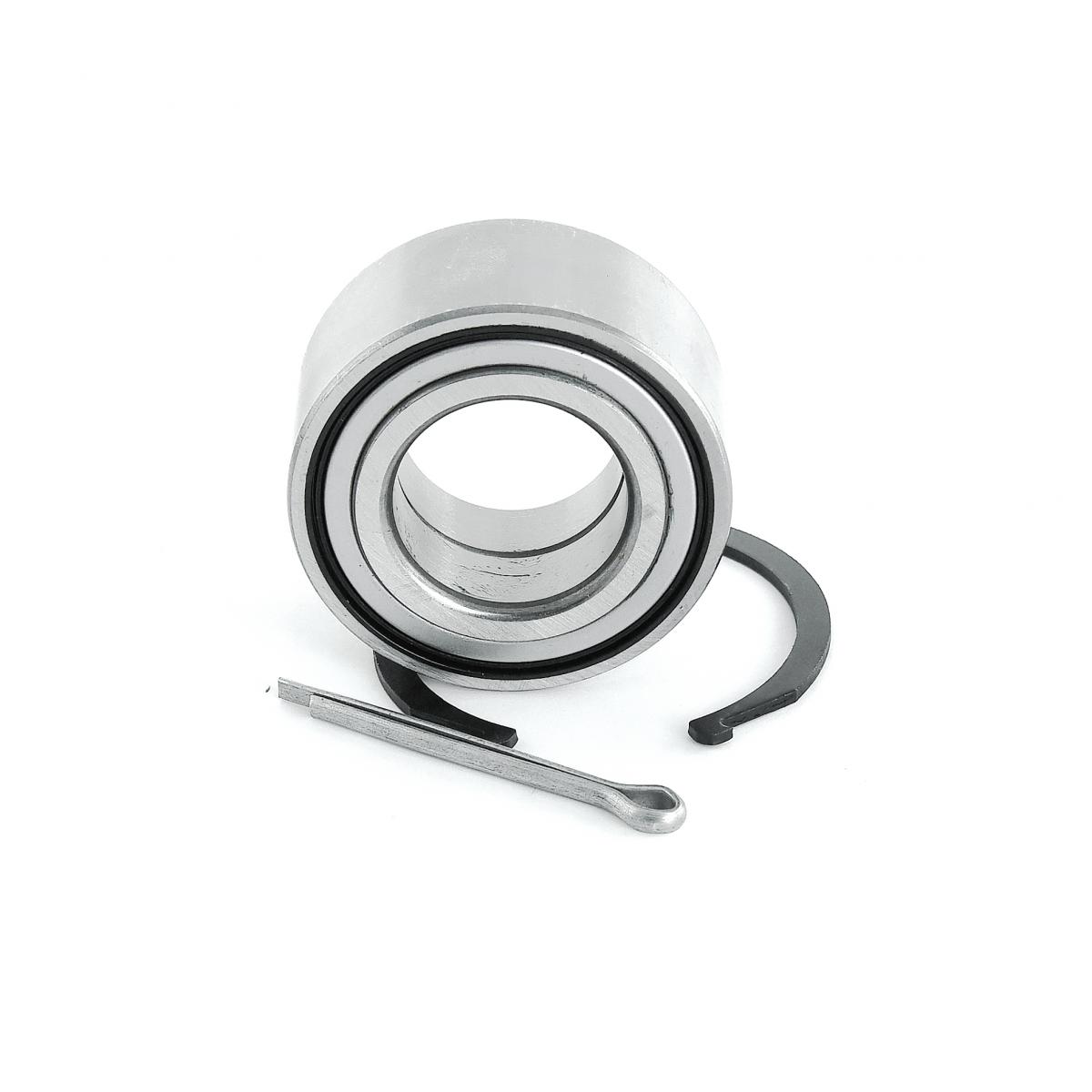
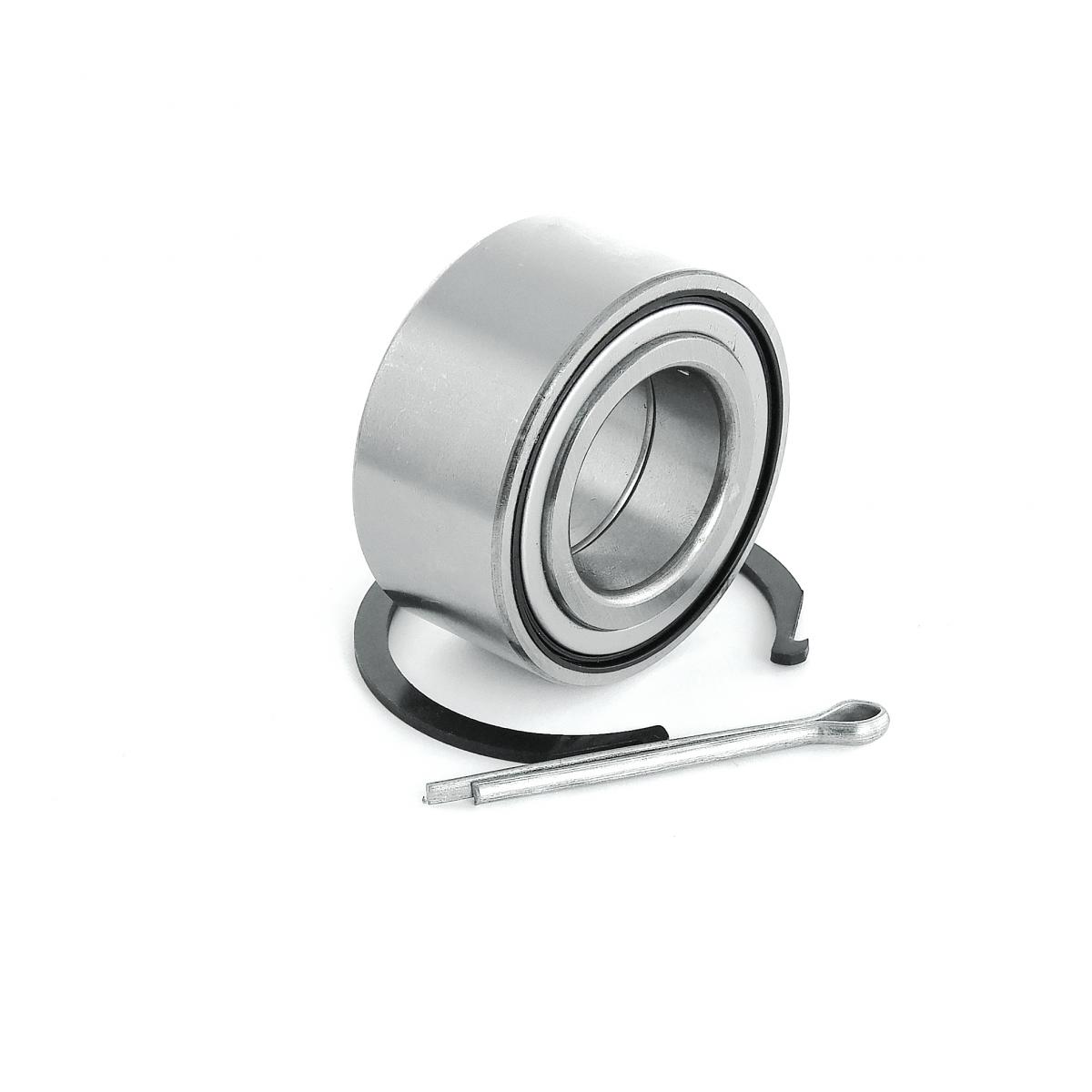
HYUNDAI/KIA 517202D000 HUB BEARING
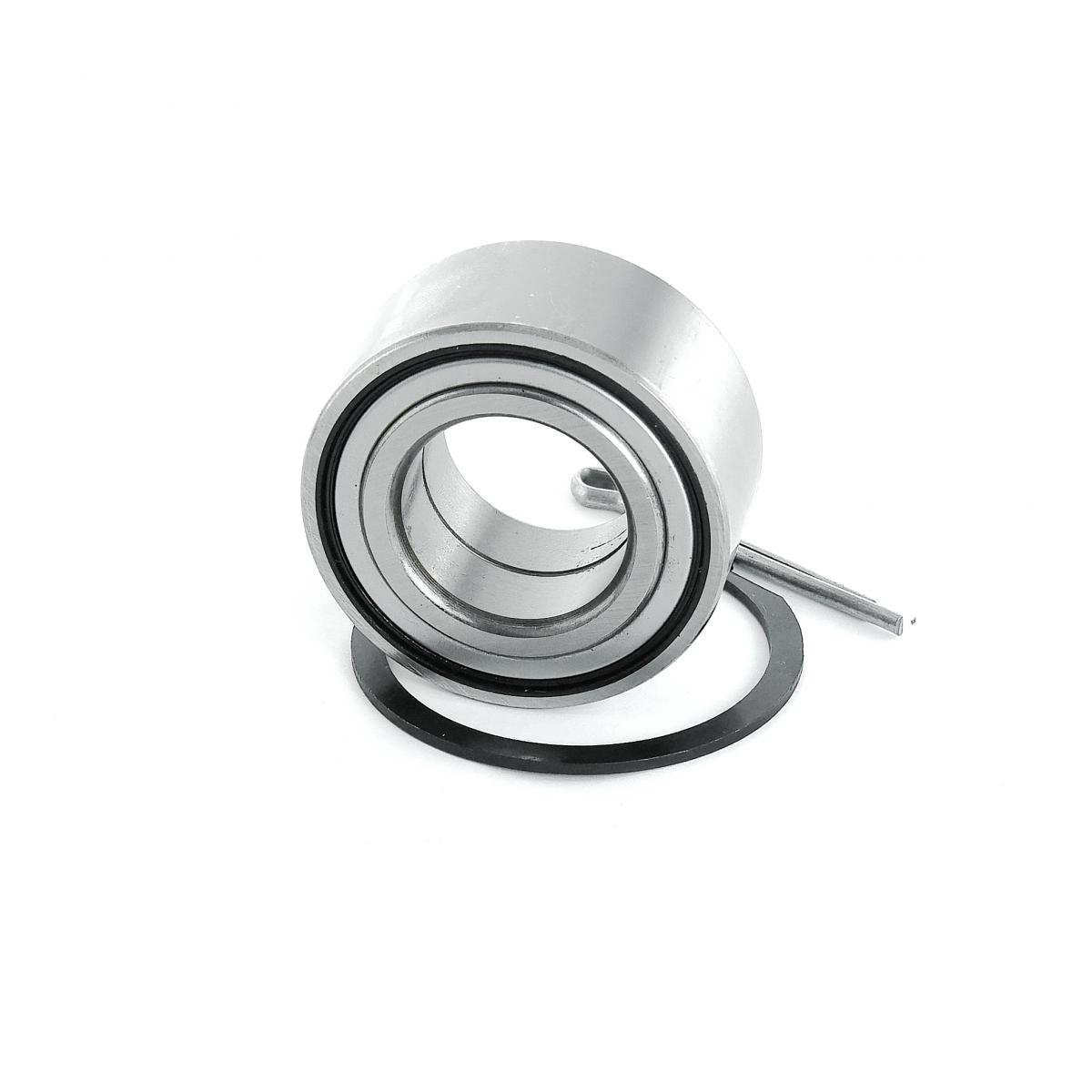
Product Specifications
| HYUNDAI/KIA | 517202D000 |
| HYUNDAI/KIA | 517202D100 |
| MILES | DWB0069 |
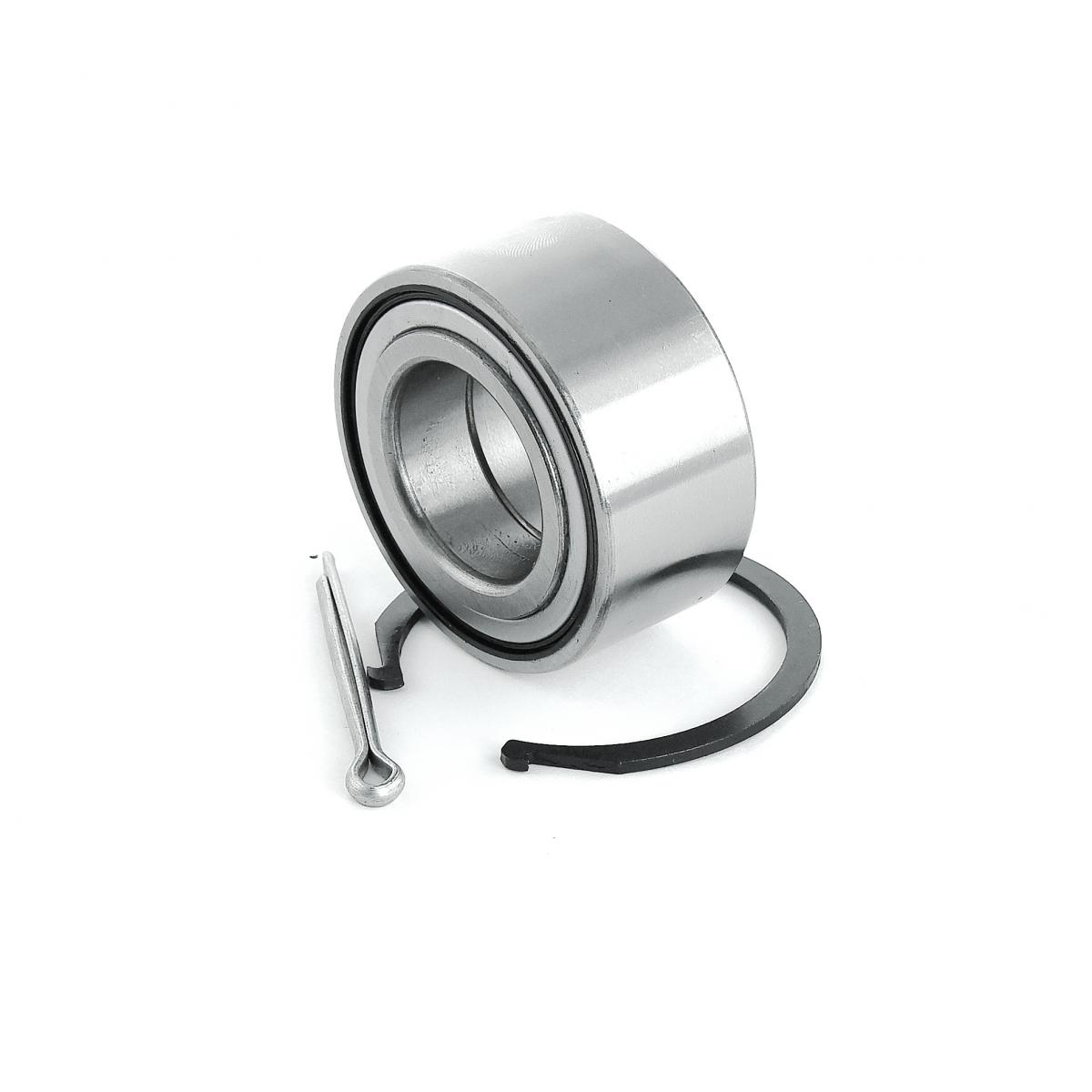
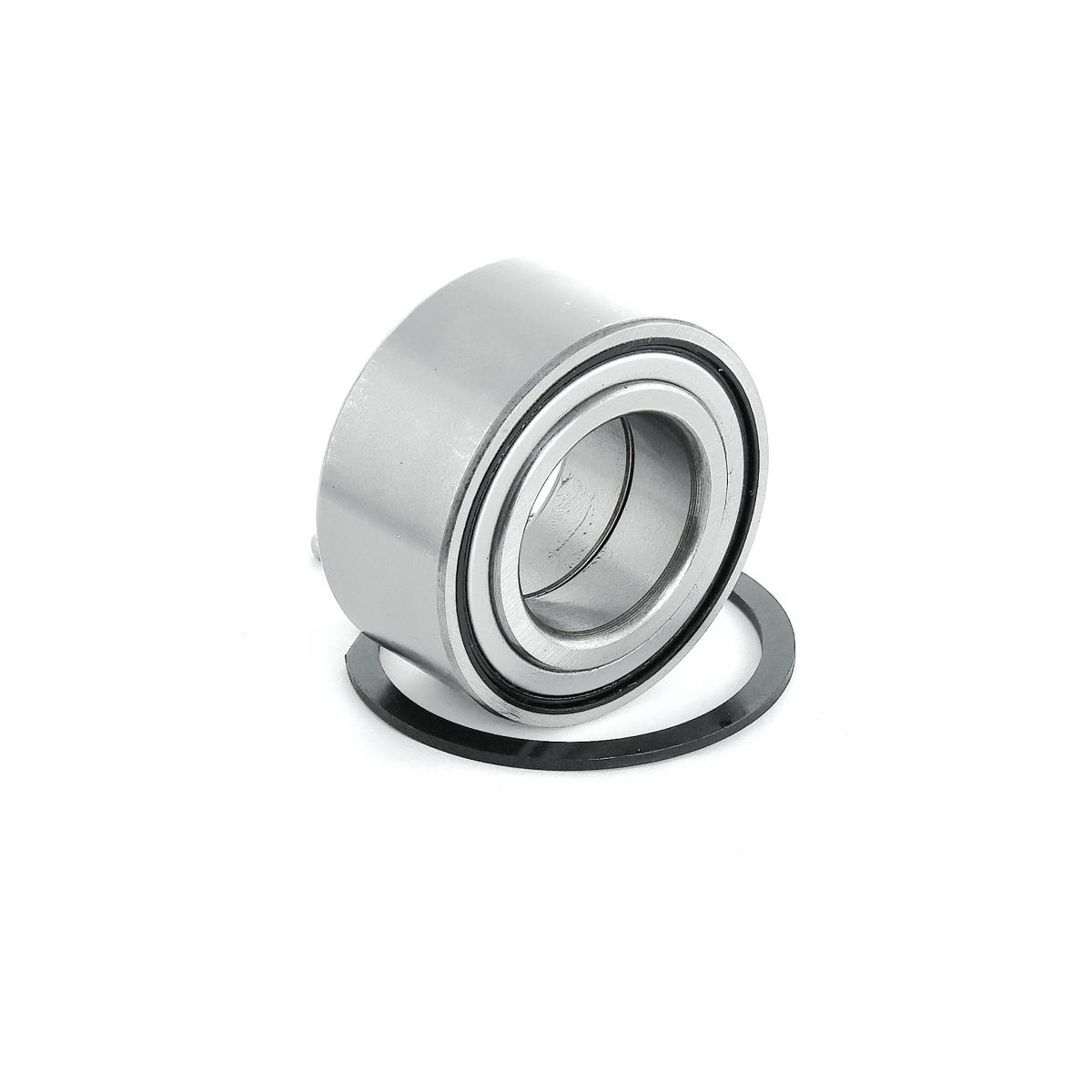
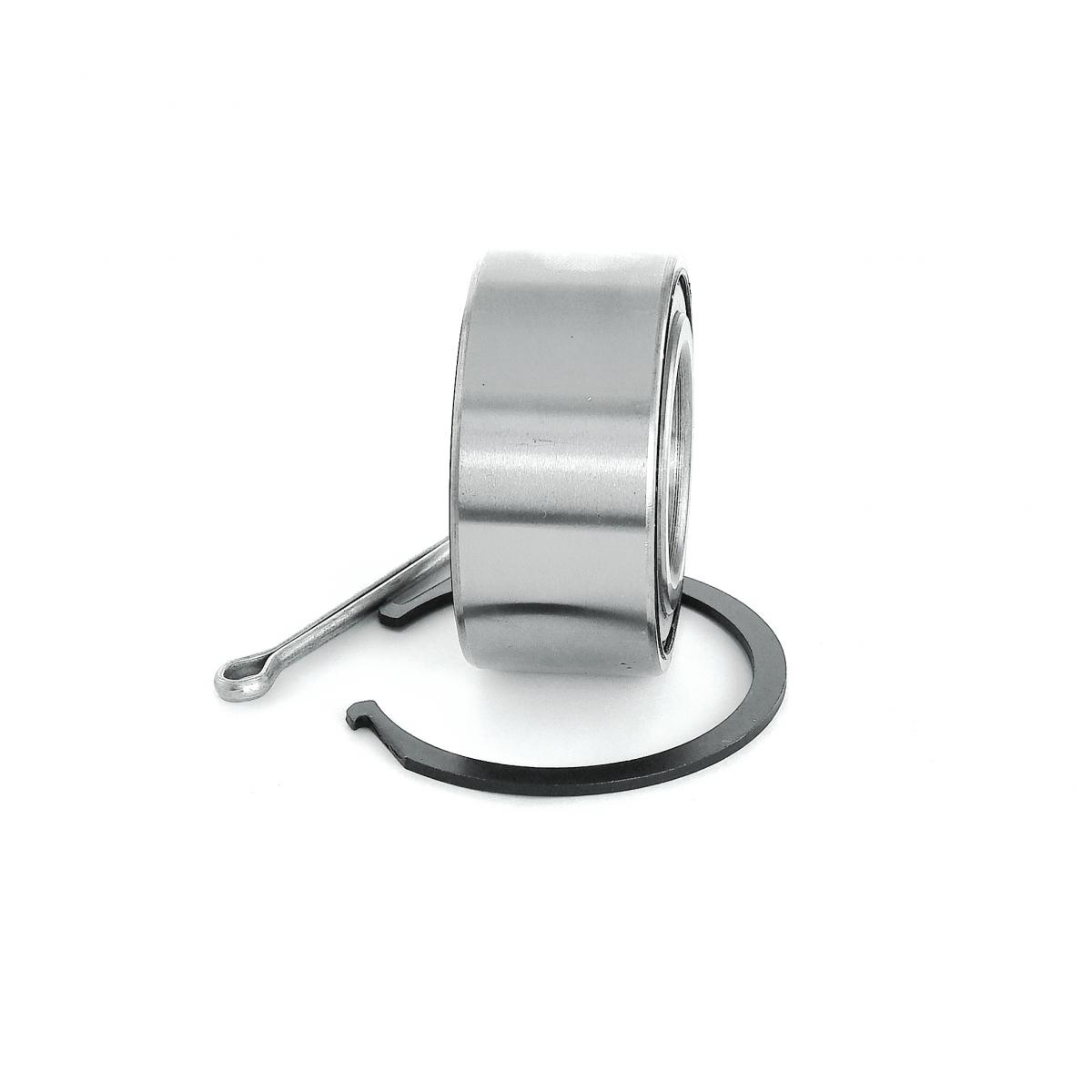
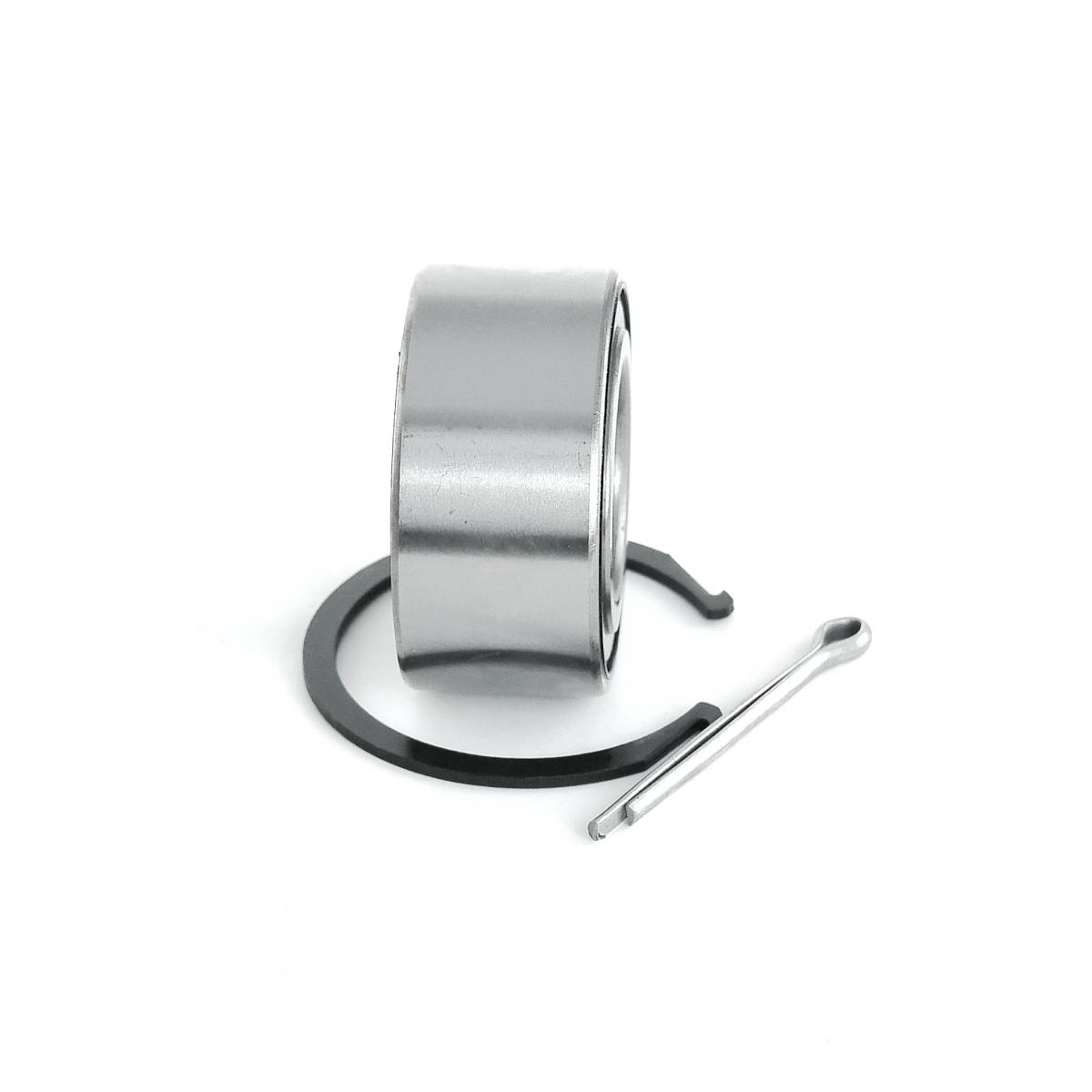
The HUB BEARING is a wheel hub bearing assembly — a precision preloaded double-row angular contact ball bearing or tapered roller bearing unit that supports the rotating wheel and hub against the combined radial loads from the vehicle's weight and the dynamic vertical forces from road irregularities, the axial loads from cornering lateral forces and braking, and the moment loads from the lateral offset between the tyre contact patch and the bearing centreline, while maintaining the wheel's precise rotational axis relative to the suspension knuckle or beam axle through the bearing's designed service life. The modern hub bearing assembly — supplied as a sealed, preloaded, grease-filled unit — integrates what was previously a two-separate-bearing arrangement requiring periodic adjustment and regreasing into a single maintenance-free cartridge that is pressed or bolted to the steering knuckle as a complete unit; on driven axles the inner ring incorporates internal splines that engage the constant velocity joint's stub shaft for torque transmission. The ABS wheel speed sensor function is integrated into the bearing assembly on virtually all modern applications: a magnetic encoder ring — a multipole permanent magnet ring bonded to the bearing's rotating inner ring — generates a pulsating magnetic field as the ring rotates, which the fixed ABS sensor detects and converts into a wheel speed signal at a frequency proportional to rotational speed; the encoder ring is factory-installed and sealed inside the bearing unit, requiring no external mounting or gap adjustment.
This unit — HYUNDAI/KIA 517202D000 — is manufactured to OEM-equivalent specifications: bearing outer diameter and housing bore diameter for the knuckle press-fit, bearing inner ring bore and stub shaft spline for the CV joint engagement on driven axles, bolt circle and mounting flange geometry, factory preload and internal clearance class, integrated ABS encoder ring pole count for the wheel speed signal frequency, and dual-lip seal compound for road water and road salt exclusion are matched to the original part. Supplied as a complete pre-greased sealed unit. Available wholesale from 4.68 USD, MOQ 50 pcs, production lead time 10-70 days.
Hub bearings fail through raceway fatigue spalling after high mileage — the subsurface rolling contact fatigue that initiates after the bearing's design life of accumulated load cycles has been exhausted, producing progressive pitting and eventual detachment of raceway material that generates the characteristic rumbling noise; through accelerated contamination wear from seal failure caused by deep water wading, high-pressure jet washing directed at the hub, or kerb impacts that deform the outer ring and compromise seal lip contact; and through false brinelling from vibration during transport or storage that creates Hertzian contact dents in the raceways before the bearing enters service.
- Measure the knuckle housing bore diameter before pressing in the new bearing — a housing bore that has been enlarged by a spinning outer ring from the previous bearing failure will not provide the interference fit the new bearing requires; measure the bore at two perpendicular orientations and compare against the OEM tolerance; a bore enlarged beyond 0.05 mm requires knuckle replacement or bore sleeving before the new bearing is installed — pressing a bearing into an oversize bore allows it to spin under cornering loads and reproduces the failure within a short period.
- Use a hydraulic press with the correct driver cup diameter to install the new bearing — never drive a hub bearing in with a hammer and drift regardless of the urgency of the repair; impact installation concentrates force on one arc of the bearing's outer or inner ring and Brinell-dents the raceways, destroying the bearing before the vehicle moves; always apply force through a driver cup that contacts the full outer ring circumference evenly across the bearing face; the driver cup must not contact the seal lips or the encoder ring on the inboard face.
- Press the bearing to the correct seated depth — fully to the housing shoulder or to the specified depth mark — a bearing that is not fully seated leaves a gap between the outer ring face and the housing shoulder, reducing the interference fit contact area and allowing the ring to spin under high cornering loads; confirm full seating by measuring the bearing face depth relative to the housing face and comparing against the OEM specification before assembling the hub or attaching the knuckle to the suspension.
- Confirm the ABS encoder ring orientation before final installation — the integrated encoder ring is positioned on a specific face of the bearing's inner ring; installing the bearing with the encoder face pointing away from the ABS sensor produces no wheel speed signal; the correct orientation is marked on the bearing by the OEM — typically the encoder face is identified by a colour marking or by proximity to the bearing's part number stamp; confirm the encoder ring faces the correct direction before pressing the bearing into the housing.
- Torque the hub nut to the OEM specification using a calibrated torque wrench and a new single-use hub nut — the hub nut preloads the bearing's inner ring; overtightening applies excessive axial preload that increases rolling resistance and rapidly elevates bearing operating temperature, accelerating raceway fatigue; undertightening allows inner ring movement that frettes the stub shaft splines and allows the inner ring to spin relative to the shaft; the OEM torque value — typically 180–300 Nm — is critical and must be applied with a calibrated wrench, not estimated by feel; always use a new hub nut as the old nut's locking feature has been deformed and cannot reliably maintain the specified torque.
- Install the new HUB BEARING (HYUNDAI/KIA 517202D000), torque the hub nut and secure with a new cotter pin or deform the new nut's locking collar, lower the vehicle, drive at 20 km/h in a quiet area and confirm no rumbling or grinding noise from the replaced bearing, confirm the ABS warning light extinguishes after the first few metres of driving, and recheck the hub nut torque after the first 50 km to confirm it has not relaxed before returning the vehicle to service.
| Part | Reason for Combined Replacement |
|---|---|
| ABS Wheel Speed Sensor External sensor — where not integrated in bearing | On designs where the ABS sensor is an external sensor mounted adjacent to the bearing rather than integrated into it, the sensor's air gap to the encoder ring changes whenever the bearing is replaced due to manufacturing tolerances in the new bearing's encoder ring position relative to the hub face. Check the sensor air gap against the OEM specification after bearing installation; a sensor that cannot achieve the correct air gap with the adjustment provisions available requires replacement simultaneously with the bearing to restore correct ABS signal amplitude. |
| Brake Disc and Pads Axle pair — OEM ref. varies | Hub bearing replacement requires removing the brake caliper and disc for knuckle access on most designs. With the disc removed, measure its thickness and runout — a disc that has been in service alongside a failed bearing may have developed lateral runout from hub runout transmitted through the bearing's inner ring play. A disc showing runout above 0.05 mm requires machining or replacement to prevent brake judder with the new bearing. Inspect pad thickness simultaneously — replacing pads at the same time as the bearing eliminates a repeat caliper removal within a short interval. |
| CV Joint Outer (Drive Shaft) OEM ref. varies — driven axle applications | On driven axle hub bearings, the hub nut removal for bearing access also exposes the CV joint's stub shaft spline engagement with the bearing inner ring. With the stub shaft withdrawn, inspect the spline teeth on both the shaft and the bearing inner ring for fretting corrosion from inner ring movement caused by the failed bearing's loss of preload; fretting-damaged splines allow micro-movement between the shaft and hub that produces clicking noises and premature bearing failure in the replacement bearing from inner ring spin. Replace the outer CV joint simultaneously if spline fretting is found. |