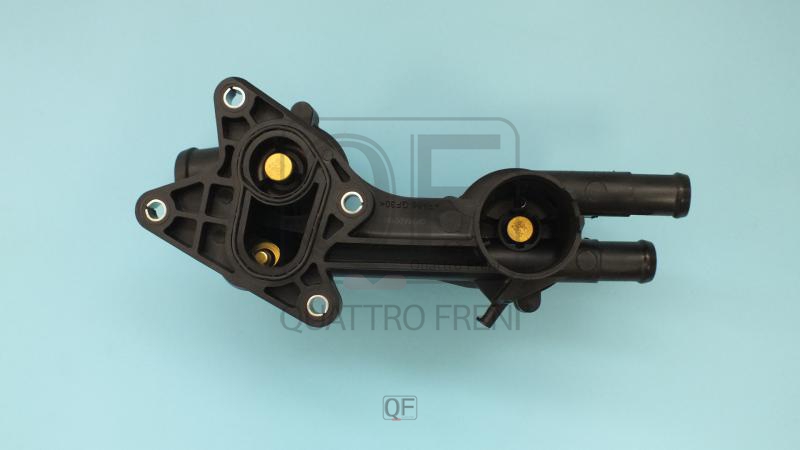
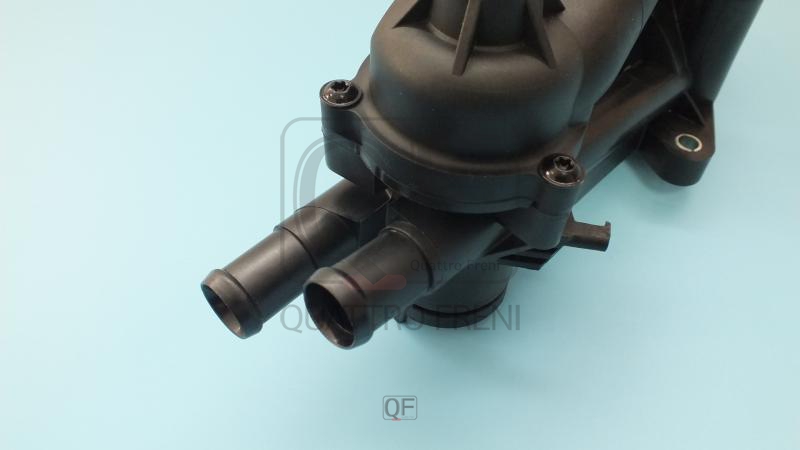
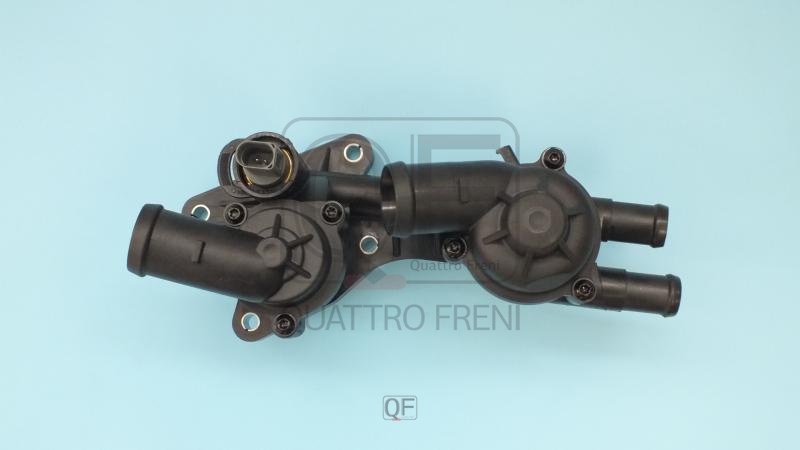
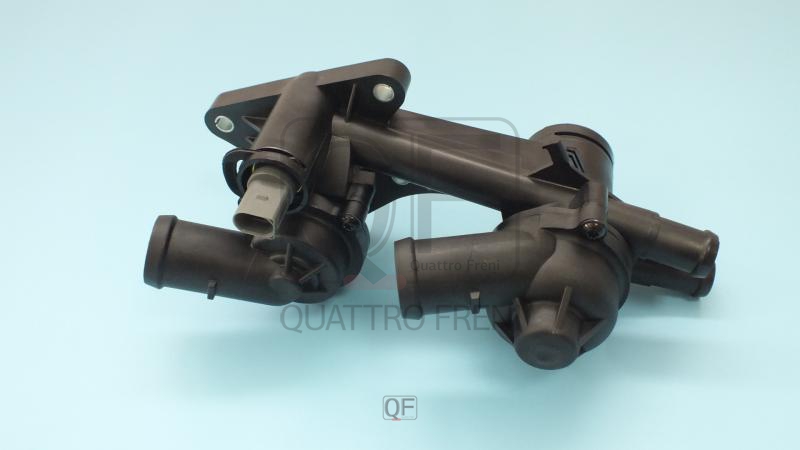
VAG 03C121111AM THERMOSTAT INLET
Product Specifications
| VAG | 03C121111AM |
| VAG | 03C121026AF |
| VAG | 03C121026AR |
| VAG | 03C121026M |
| VAG | 03C121111AE |
| VAG | 03C121111H |
| VAG | 03C121111K |
| VAG | 03C121111P |
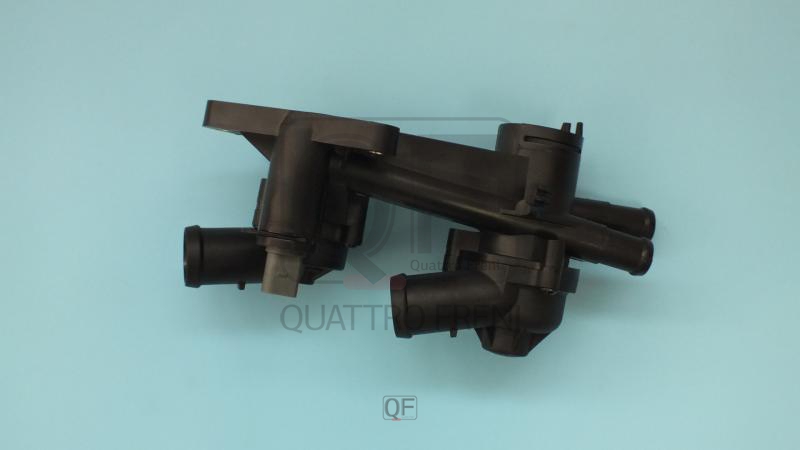
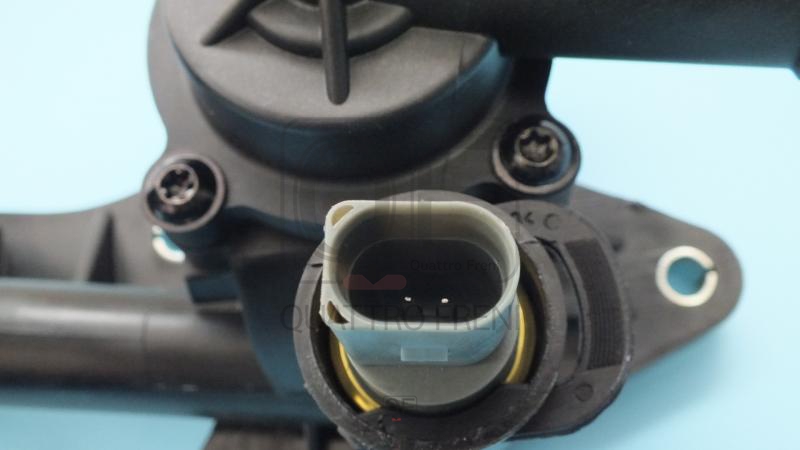
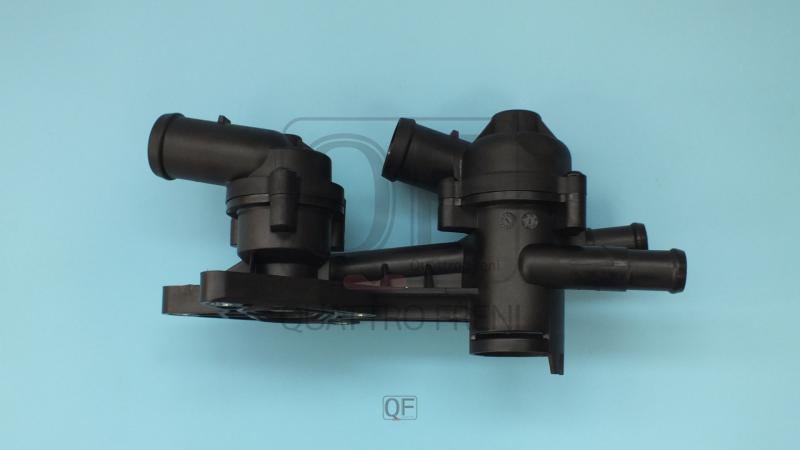
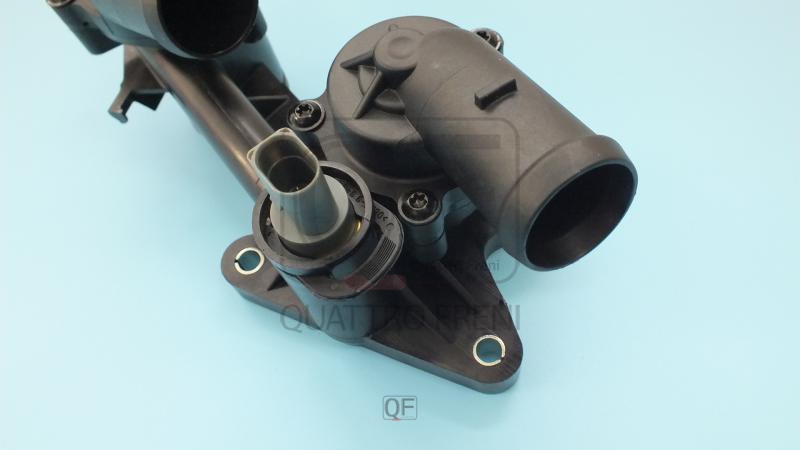
The part listed as 03C121111AE / 03C121111AM THERMOSTAT INLET is a coolant thermostat housing assembly — a combined unit integrating the thermostat element, the coolant inlet / regulator housing body, and provisions for the coolant temperature sensor. It is designed for Volkswagen Group vehicles equipped with the EA111 engine family: small-displacement 1.4 L and 1.6 L naturally aspirated and turbocharged petrol units (engine codes including CFNA, CFNB, CLSA, CLPA, CLRA, CJAA, and related variants). The assembly cross-references two OEM numbers: 03C121111AE (original release) and its direct successor 03C121111AM (current revision), which are physically and functionally interchangeable.
The thermostat element inside the housing contains a wax pellet that responds to coolant temperature. When the engine is cold, the wax is contracted and the thermostat valve remains closed: coolant is diverted away from the main radiator and circulates only through the engine block and heater core, allowing the engine to reach operating temperature as rapidly as possible. At approximately 83°C the wax begins to expand, progressively opening the thermostat valve. By approximately 95–97°C the valve is fully open, allowing the full coolant volume to circulate through the radiator for maximum heat rejection.
Precise control of coolant temperature is critical for fuel efficiency, emissions performance, and engine longevity on VAG EA111-equipped vehicles. A thermostat that is stuck open prevents the engine from reaching operating temperature, degrading fuel economy and increasing wear. A thermostat stuck closed causes rapid overheating and risks cylinder head gasket failure. The housing-integrated design used on the EA111 platform means the thermostat element and housing are replaced as a single unit, simplifying servicing and eliminating the risk of mismatched components.
Net weight of the assembly: 0.6 kg.
Common failure modes and indicators of a faulty thermostat housing assembly on VAG EA111-engined vehicles:
Relevant OBD-II / VAG DTC Codes:
Note: P0128 is the most reliable indicator of a failed thermostat on VAG EA111 applications. Before replacing the assembly, confirm the coolant temperature sensor is functioning correctly and that the cooling system is free of air pockets. Use VCDS, OBD Eleven, or a compatible VAG scanner for accurate diagnosis.
Customs description for commercial invoice / declaration: Automotive engine coolant thermostat housing assembly. Final customs classification is determined by the importing country’s customs authority.
| Brand | Model | Years | Engine / Code | Key OEM Ref. |
|---|---|---|---|---|
| VOLKSWAGEN | Polo (6R / 6C) | 2010 – 2020 | 1.4L MPI (CLPA) / 1.6L MPI (CLSA, CFNA, CFNB) | 03C121111AE / 03C121111AM |
| VOLKSWAGEN | Jetta Mk6 / AV (162, 163) | 2011 – 2018 | 1.6L MPI (CLRA) | 03C121111AE / 03C121111AM |
| VOLKSWAGEN | Golf Mk5 / Mk6 | 2007 – 2009 | 1.4L / 1.6L MPI (EA111) | 03C121111AE / 03C121111AM |
| VOLKSWAGEN | Tiguan (5N) | 2010 – 2018 | 1.4L TSI (EA111 variant) | 03C121111AE / 03C121111AM |
| AUDI | A1 (8X) / A1 Sportback (8XA) | 2010 – 2015 | 1.4L TFSI (CFNA, CFNB) | 03C121111AM |
| AUDI | A3 (8P1 / 8PA / 8P7) | 2007 – 2013 | 1.4L TFSI (EA111) | 03C121111AM |
| SKODA | Fabia (5J) | 2009 – 2014 | 1.6L MPI (CLSA) | 03C121111AE / 03C121111AM |
| SKODA | Rapid (NH) | 2013 – 2022 | 1.6L MPI (CFNA) | 03C121111AE / 03C121111AM |
| SEAT | Ibiza (6J / 6P) | 2013 – 2015 | 1.6L MPI (BTS, CNKA) | 03C121111AE / 03C121111AM |
Based on OEM cross-reference numbers listed on this page. 03C121111AM is the current revision, superseding 03C121111AE; both are physically interchangeable. Always verify fitment using your VIN or engine code. Seat and Skoda fitment confirmed by Hoffer / Spareto OEM cross-reference data.
| Part | Reason for Joint Replacement |
|---|---|
| Coolant Temperature Sensor (ECT Sensor) | The ECT sensor is mounted directly in or adjacent to the thermostat housing. Coolant leaks from the housing accelerate sensor corrosion. Since the cooling system is already drained for housing replacement, fitting a new sensor at the same time eliminates a common secondary failure point at no additional labour cost. |
| Coolant Hoses (Upper / Lower Radiator Hose) | Hoses must be removed to access the thermostat housing. On high-mileage EA111-equipped vehicles, rubber hoses are typically at or near the end of their service life. Replacing hoses during the same service visit prevents a repeat coolant drain job caused by a burst hose shortly after thermostat replacement. |
| Coolant / Antifreeze (G12+ / G13) | The cooling system must be partially or fully drained for housing replacement. Replacing degraded or contaminated coolant at the same time restores proper corrosion inhibitor levels and freeze protection. VAG recommends coolant renewal at 2-year or 60,000 km intervals on EA111 applications. |
| Water Pump | The water pump is driven by the timing belt / auxiliary belt on EA111 engines and is often replaced on the same service interval as the thermostat when the cooling system is opened. A failing water pump bearing or impeller will rapidly cause overheating even after thermostat replacement, making pre-emptive replacement cost-effective. |
| Expansion Tank / Coolant Reservoir Cap | The expansion tank cap maintains cooling system pressure. A faulty cap that cannot hold pressure causes coolant to boil at abnormally low temperatures, mimicking thermostat failure symptoms. Replacing the cap — a low-cost item — at the same time as the thermostat housing eliminates this variable and ensures correct system pressure is maintained after the repair. |