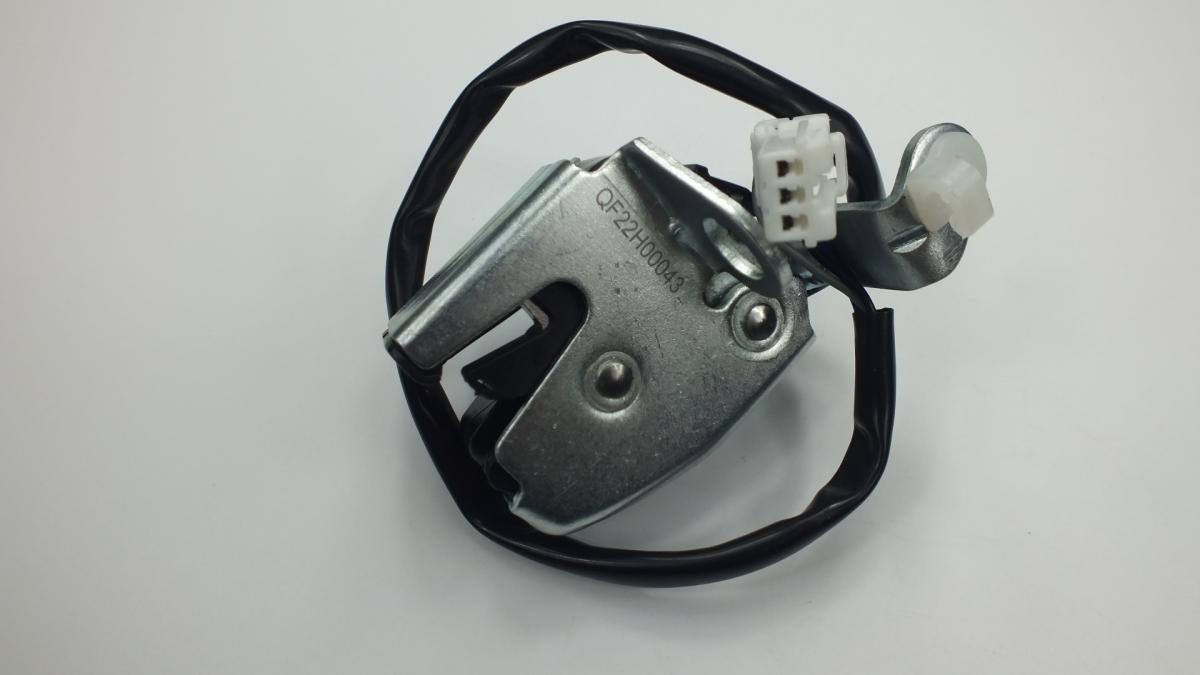
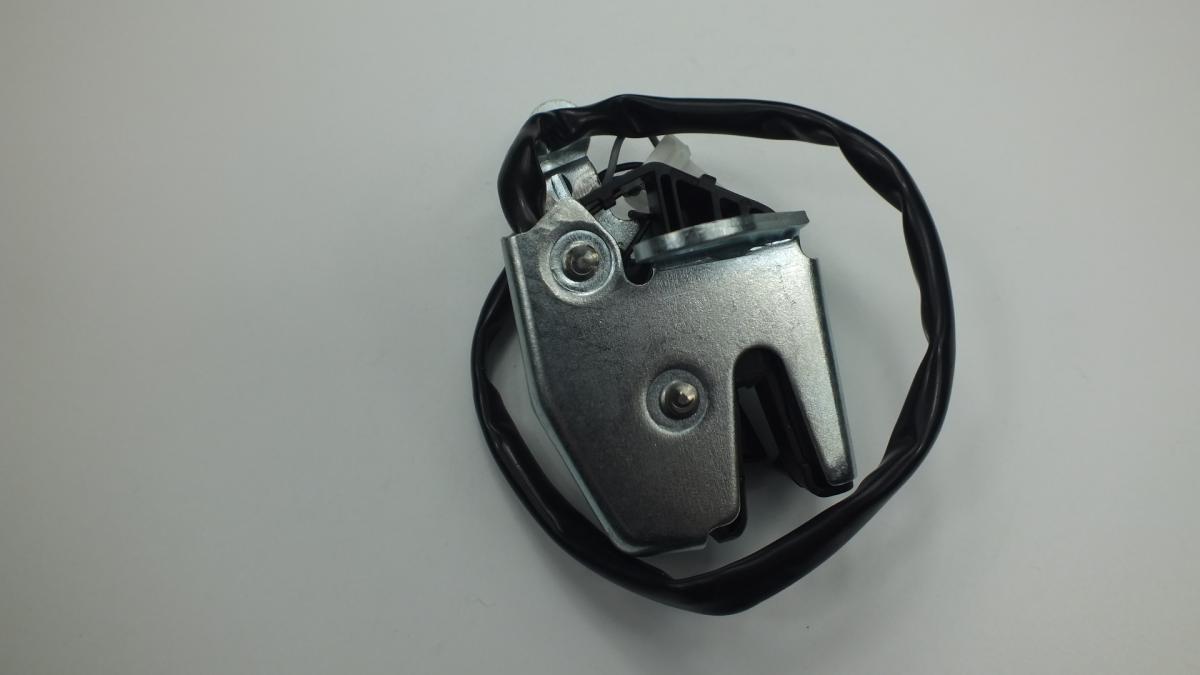
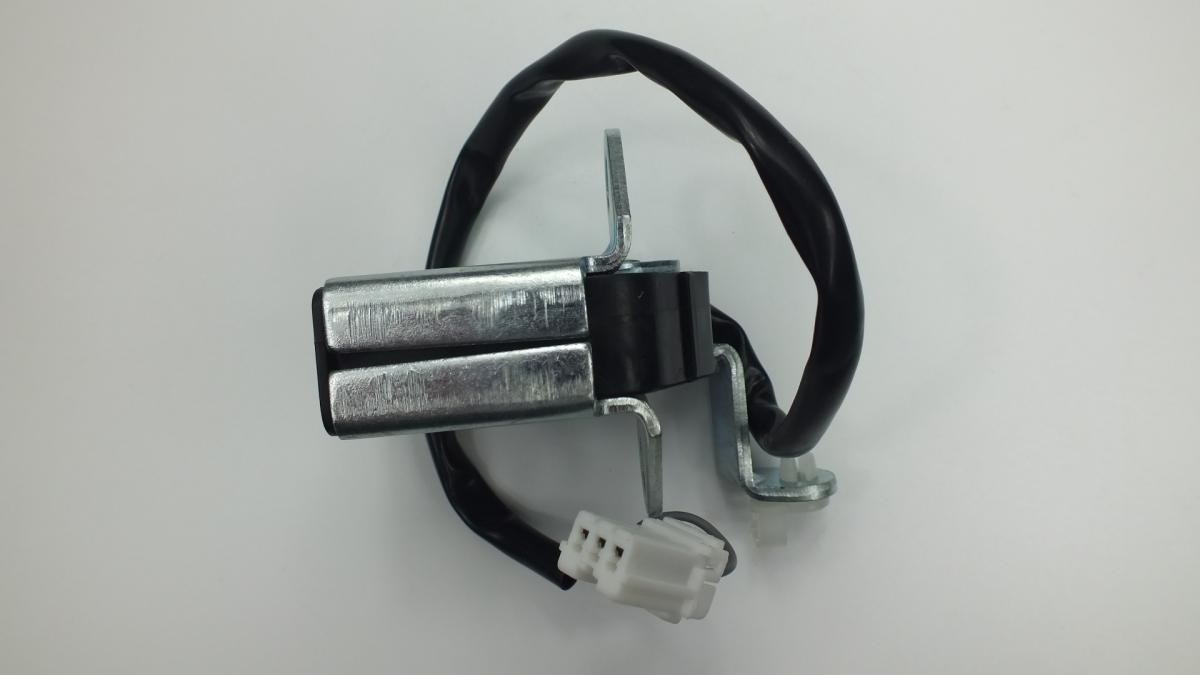
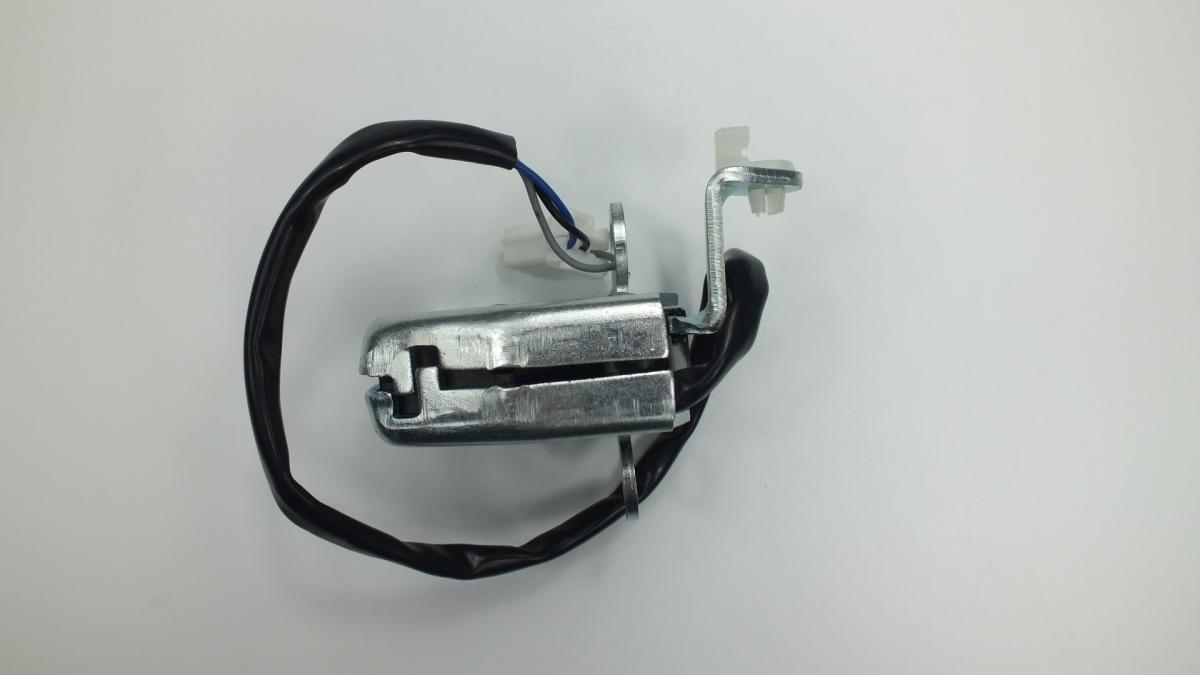
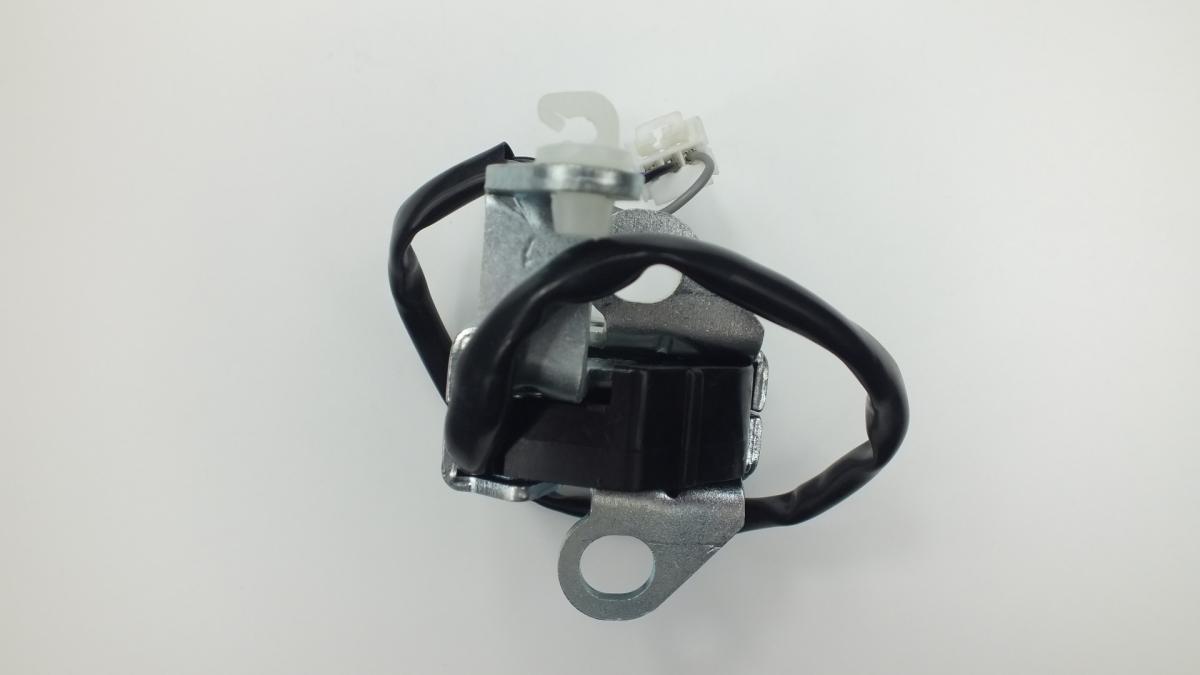
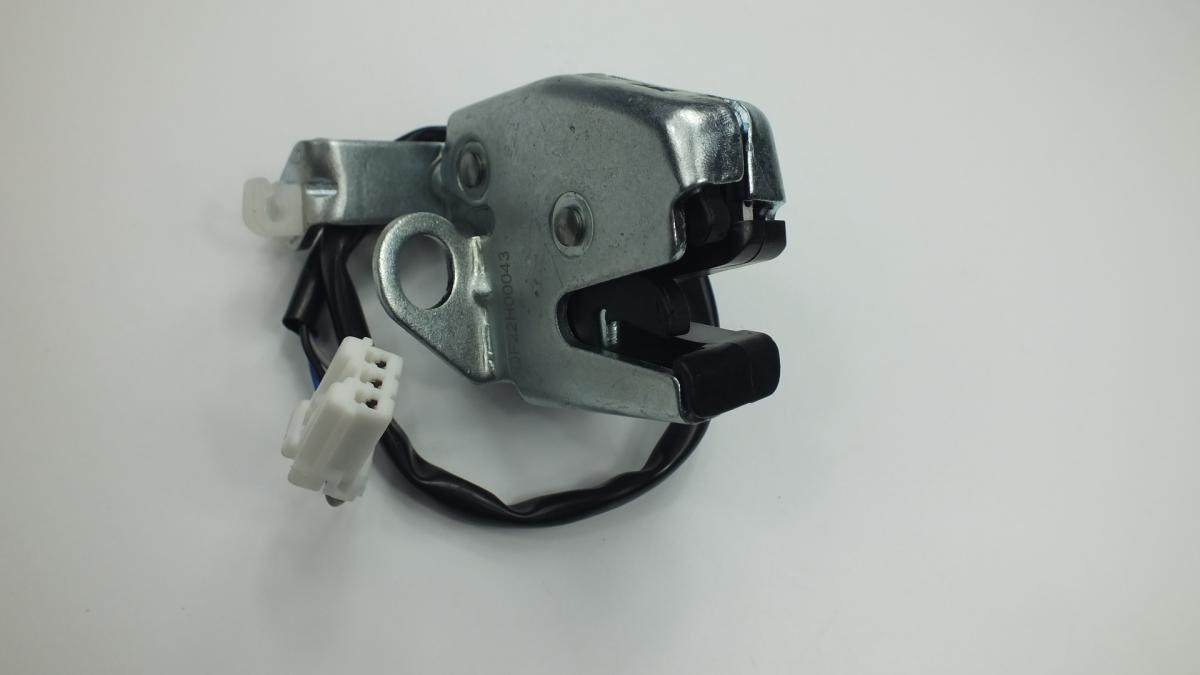
FIAT/ALFA/LANCIA 51757821 LOCK ASSY LUGGAGE
Product Specifications
| FIAT/ALFA/LANCIA | 51757821 |
| FIAT/ALFA/LANCIA | 46821518 |
| FIAT/ALFA/LANCIA | 0000051757821 |
The LOCK ASSY LUGGAGE is the electromechanical latch assembly mounted in the boot lid, tailgate, or rear hatch that secures the closure panel to the body striker pin when closed, releases the panel on command from the interior boot release button, exterior handle, remote key fob, or proximity sensor, and on vehicles with powered tailgates, provides the engagement point for the powered opening and closing drive. The assembly integrates the same functional elements as a door lock in a configuration adapted for the boot environment: a latch fork and pawl that engage the body striker; a release lever actuated by the release cable or electric actuator that disengages the pawl from the fork to open the boot; an electromagnetic or motorised actuator for remote release; and on vehicles with a super-lock or deadlock system, a secondary mechanism that prevents release even if the boot trim is removed and the release cable is manually pulled. On vehicles with a rear licence plate-mounted exterior handle or touch-sensor release, the lock assembly also carries the electrical interface for the capacitive or resistive touch sensor that signals the BCM to activate the release actuator. The boot lock must maintain its closed force against the boot seal compression load and road vibration throughout the vehicle's service life without developing rattle or perceived looseness that the driver experiences as a quality fault.
This unit — FIAT/ALFA/LANCIA 51757821 — is manufactured to OEM-equivalent specifications: latch fork engagement depth and striker pin tolerance, pawl spring force, actuator motor voltage and travel, release lever cable attachment geometry, mounting bolt pattern and sealing gasket profile, and connector pinout are matched to the original part. Supplied as a direct replacement for standard fitment. Available wholesale from 2.84 USD, MOQ 100 pcs, production lead time 16 days.
Boot lock assemblies fail through actuator motor winding failure after high cycle counts producing a boot that cannot be opened by remote or button and can only be released by manual cable pull; latch fork spring fatigue causing the boot to not hold closed firmly and bounce open on rough roads; plastic pawl housing fracture from low-temperature embrittlement causing the pawl to disengage unexpectedly; and cable attachment point wear producing increasing release actuation force that progresses to complete cable detachment. A boot that does not latch fully closed presents a safety risk from the unsecured panel opening during driving and a security risk from the apparent security of a closed but unlatched boot.
- Before removing the lock assembly, confirm whether the boot lid is currently in a locked or open-latch state — a lock that has failed in the closed and locked position traps the boot shut; access for removal requires reaching through the boot interior by folding down the rear seat back, removing the boot floor liner, and accessing the lock body through the boot aperture; if the lock is failed in the open state, standard access is available but the boot cannot be secured during the repair.
- Photograph all cable routing, clip positions, and actuator connector orientation before disconnecting anything — boot lock cable routing through the boot trim and lid structure is often non-obvious; an incorrectly routed cable after reassembly will have insufficient travel to fully release the latch, requiring complete disassembly to correct; document every detail before the first disconnection.
- Disconnect the release cable from the latch lever before unbolting the lock body — the cable end cap clips into a slot in the release lever and must be released by pressing the clip tab; attempting to unbolt the lock body while the cable is still attached pulls the cable out of its routing clips and may detach the cable from the interior release handle end, requiring additional interior trim removal to reattach.
- Verify supply voltage and ground at the actuator connector before fitting the new lock — a faulty BCM output driver or a broken wire in the boot lid harness will produce the same actuator failure code on the new lock as on the original; applying 12V directly to the actuator terminals to confirm the motor runs correctly is not possible on the new locked assembly, so confirm the circuit before installation.
- Torque all lock mounting bolts to specification and confirm the lock body is seated flush with the boot lid inner panel — a lock body that is not fully seated will not align correctly with the body striker, causing the latch fork to engage the striker at an incorrect angle; test close the boot slowly by hand to confirm the fork engages the striker cleanly and the boot latches fully closed before the actuator is connected.
- Install the new LOCK ASSY LUGGAGE (FIAT/ALFA/LANCIA 51757821), reconnect the actuator connector and release cable, reconnect the battery, use a scan tool to clear any stored boot lock fault codes, and functionally test all release methods — interior button, exterior handle, remote key fob, and touch sensor where applicable — as well as the central locking integration, before refitting all boot trim panels.
| Part | Reason for Combined Replacement |
|---|---|
| Boot Release Cable Interior handle to lock body, application-specific | The boot release cable is the mechanical link between the interior release handle and the lock's release lever. A cable whose housing end cap has worn or fractured at the latch lever attachment point — the most common cable failure point — requires replacement simultaneously with the lock body, as the worn attachment cannot be reliably repaired and will fail again at the same point on the new lock body within a short operating period. |
| Boot Lid Striker Body-side striker pin, OEM ref. varies | The body striker pin wears a groove from repeated latch fork engagement over high mileage. A grooved or corroded striker reduces the fork's effective engagement depth on the new lock assembly, causing incomplete latching and boot rattle. If the striker shows visible grooving or surface corrosion beyond the chrome plating, replace it simultaneously with the lock to restore full engagement geometry and eliminate the risk of the boot bouncing open on rough roads. |
| Boot Lid Gas Strut Left and right support struts, OEM ref. varies | Boot gas struts that have lost their nitrogen charge force the driver to manually lift and prop the boot lid on every opening, placing repeated high-force loads on the latch and striker as the heavy unsupported boot is pulled closed. This abnormal closing force accelerates latch fork wear and pawl fatigue. If the gas struts are discharged on a vehicle where the boot lock has failed, replace both struts simultaneously with the lock to prevent the same closure force pattern from shortening the new lock's service life. |