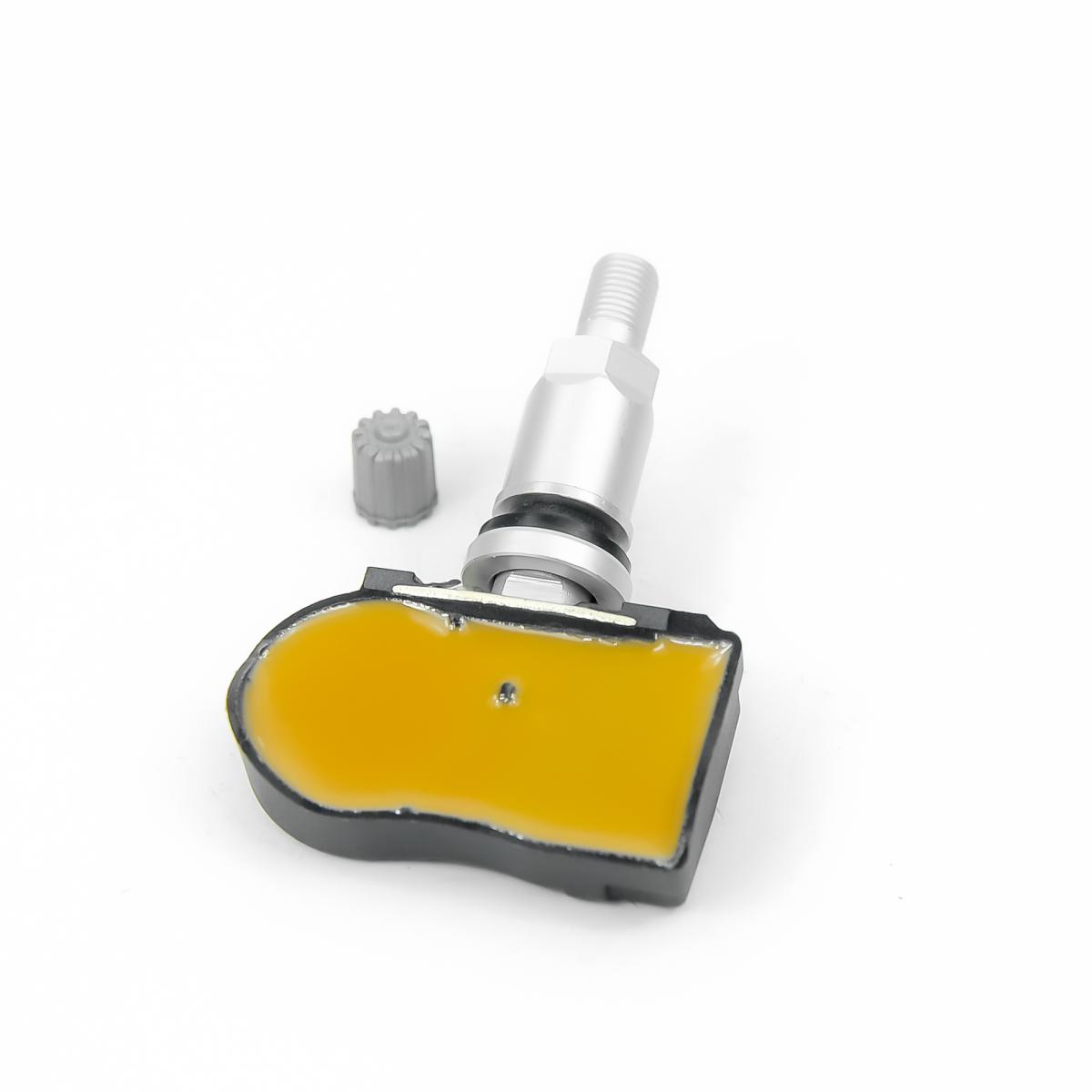
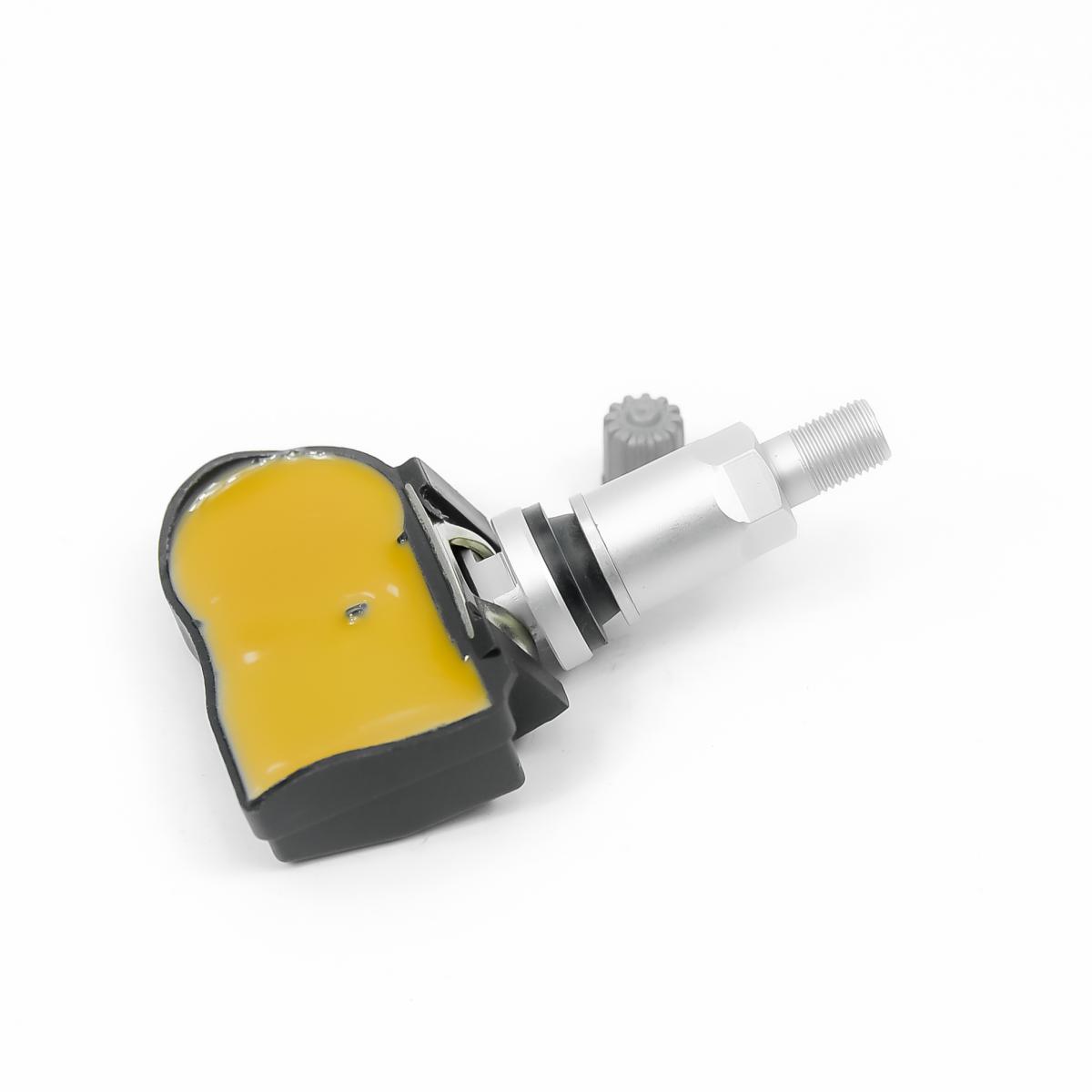
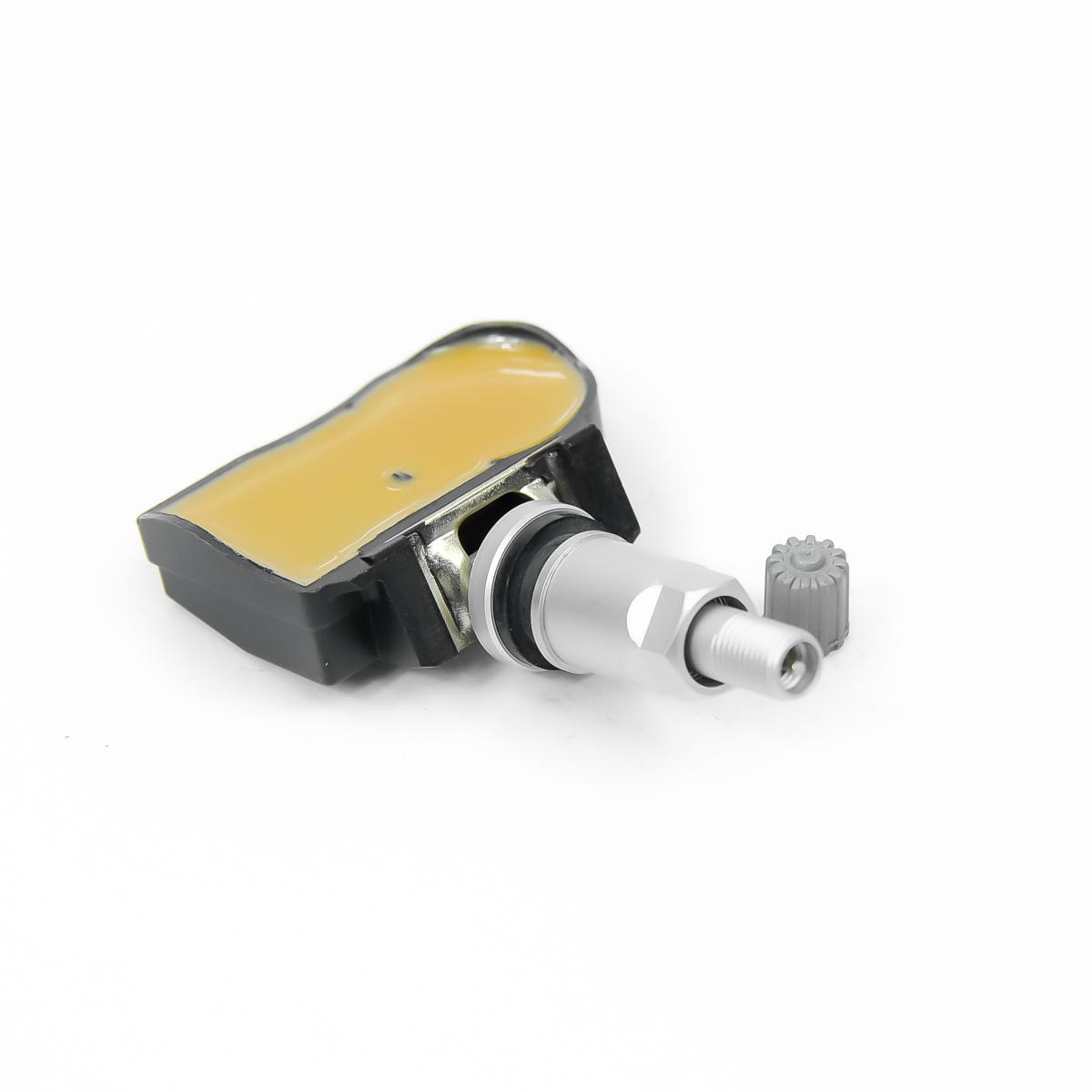
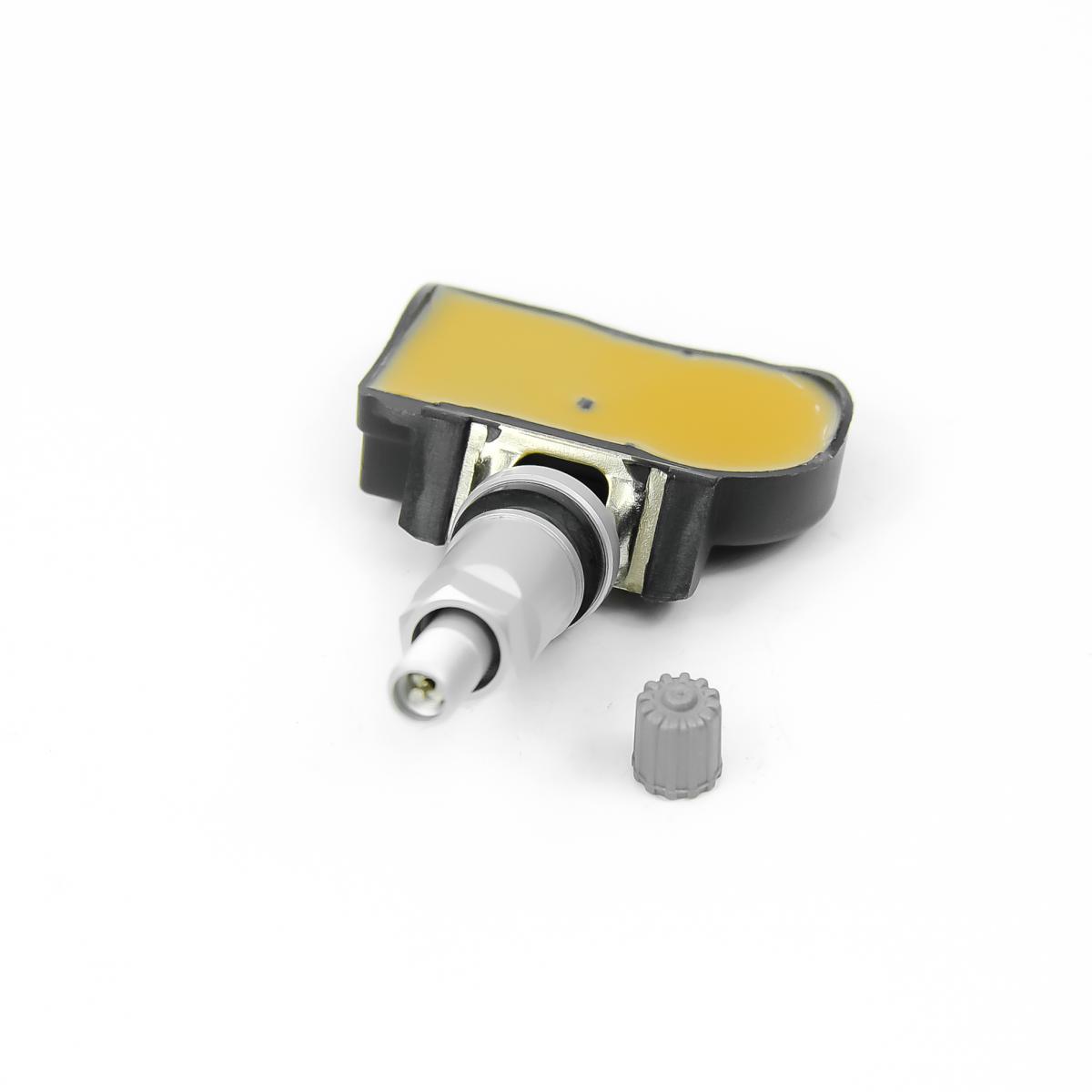
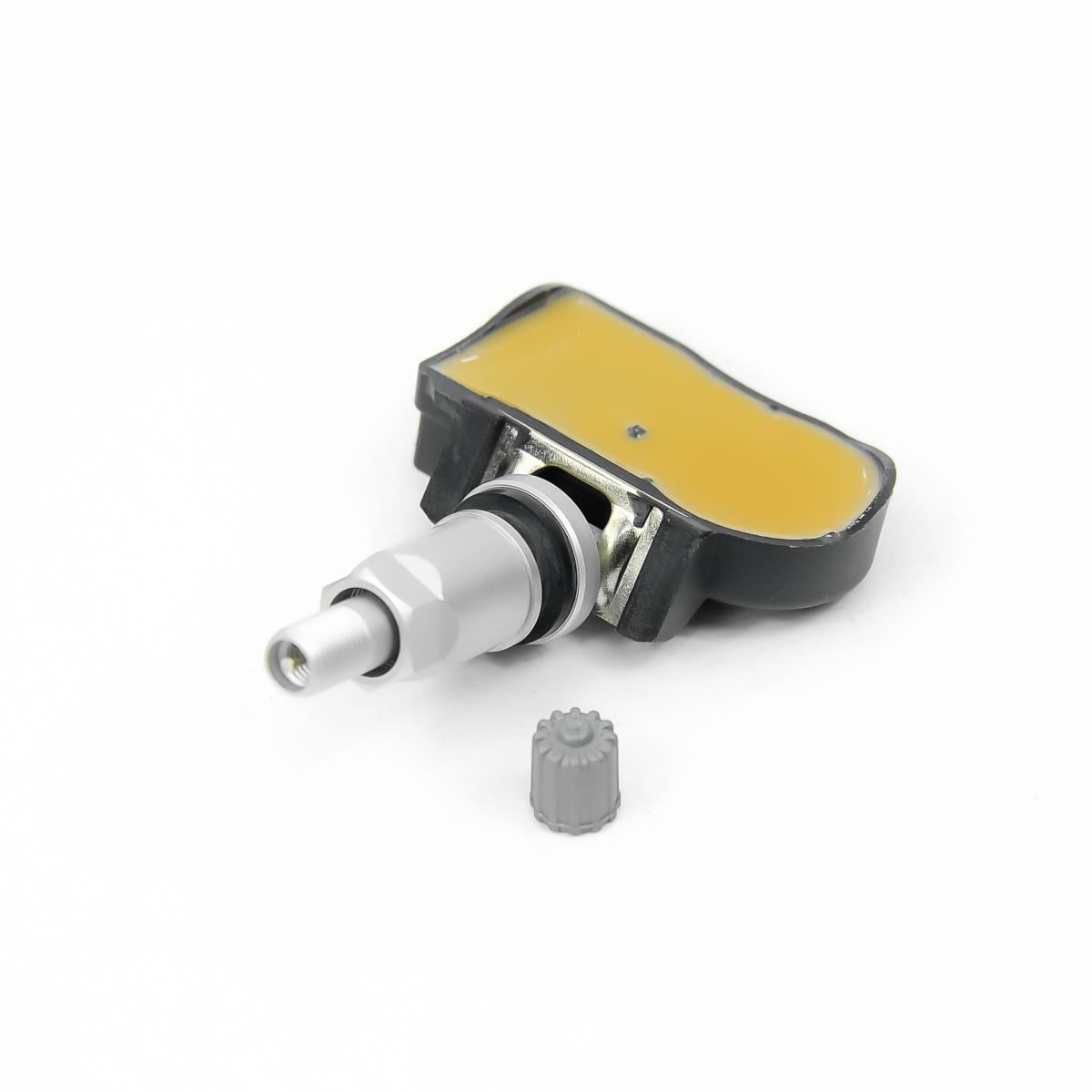
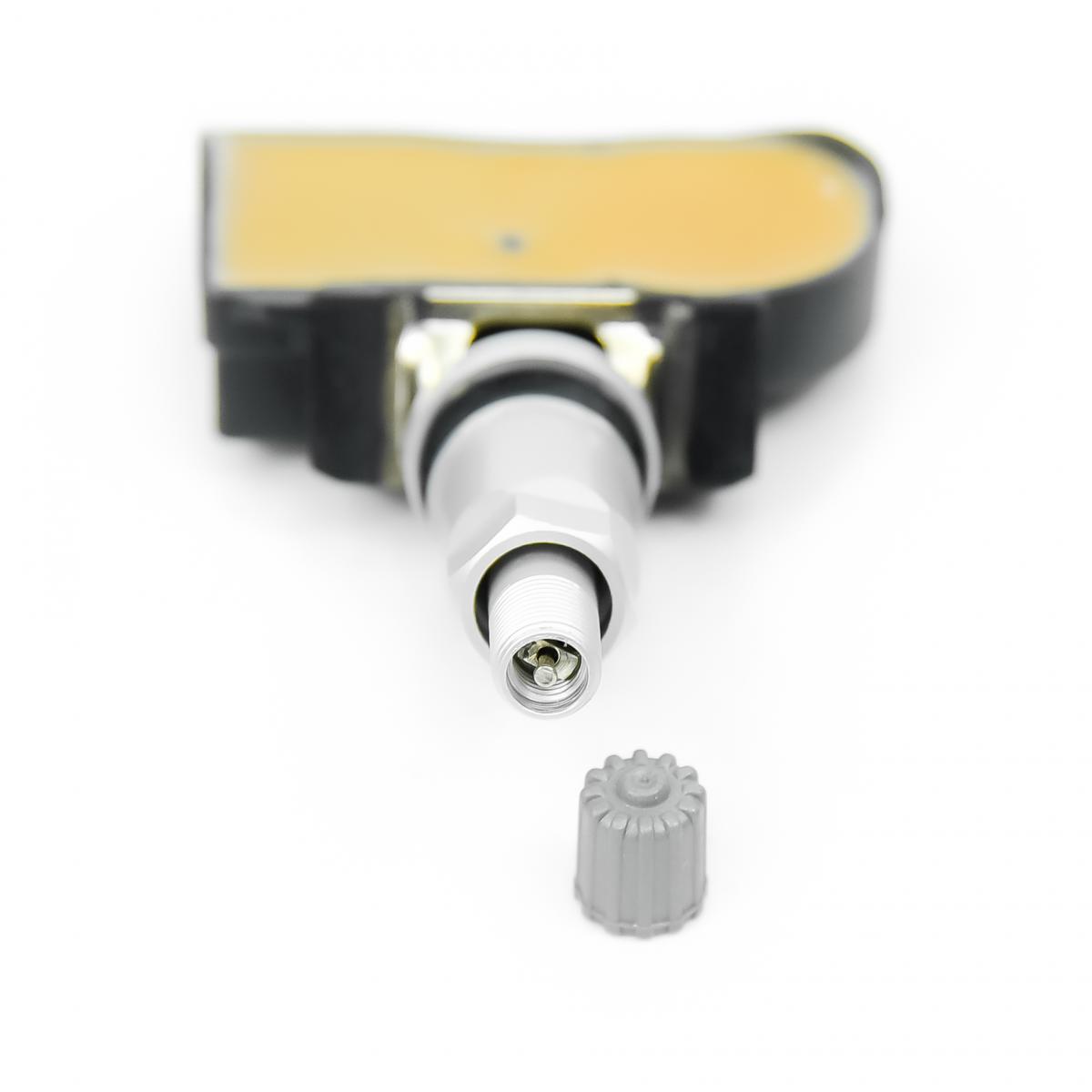
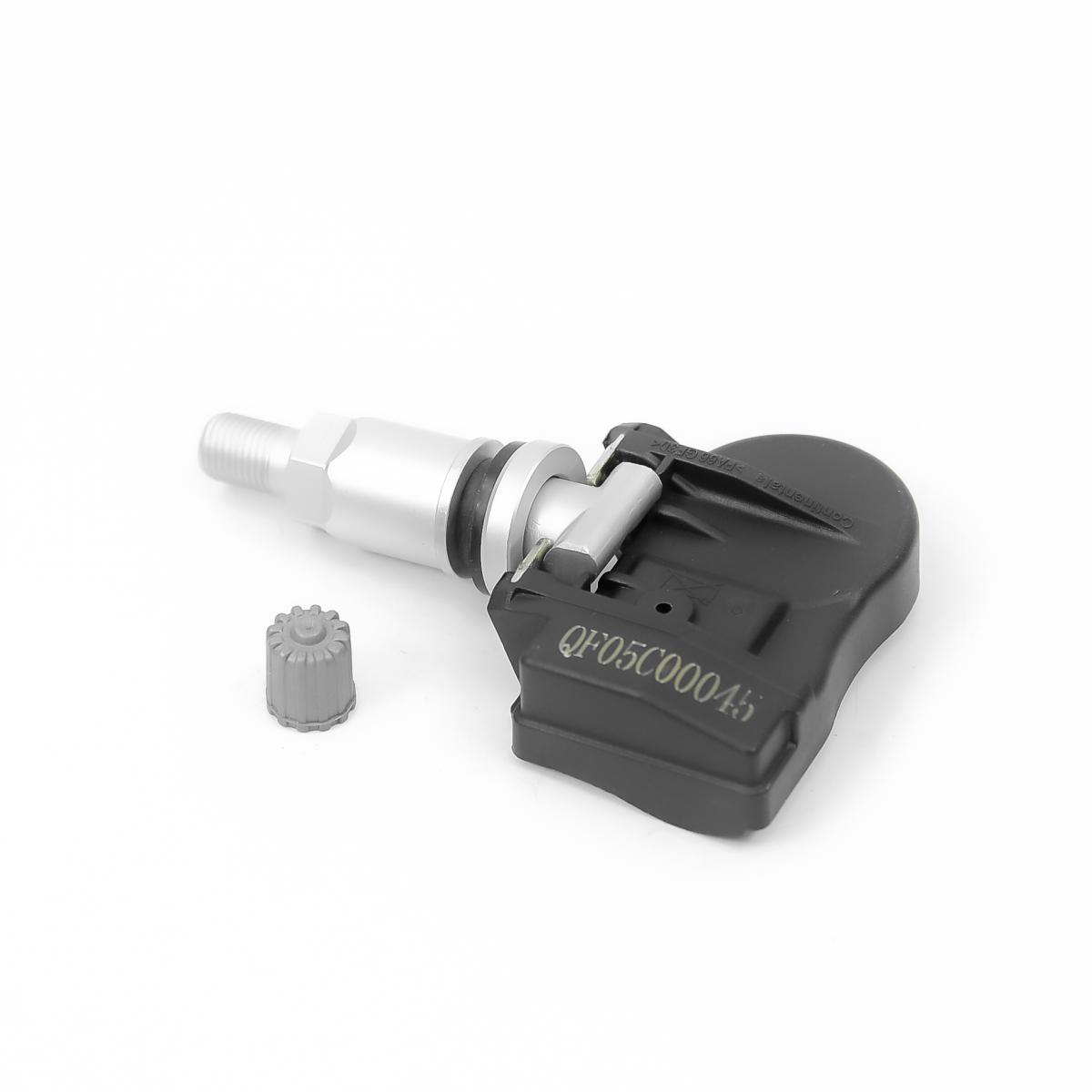
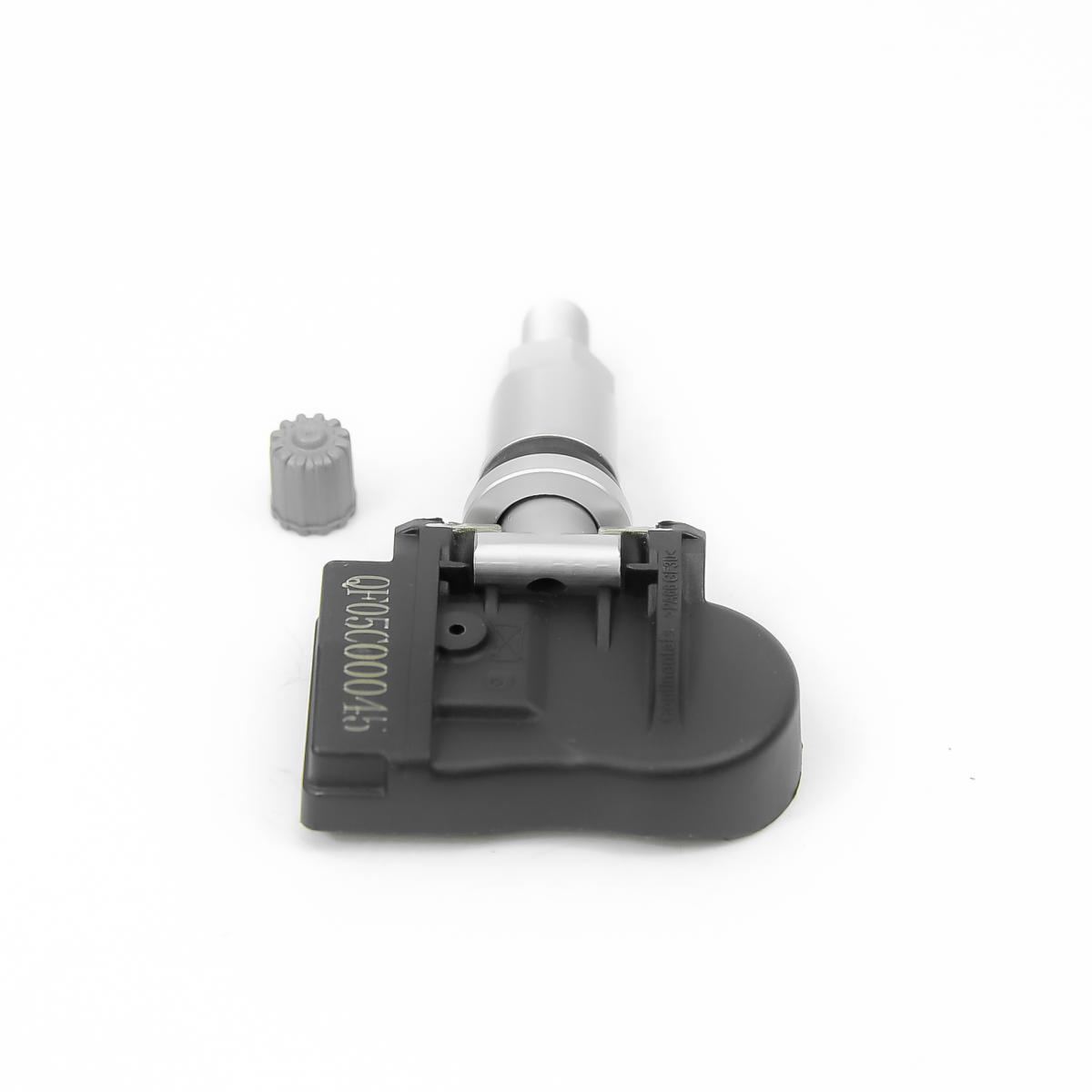
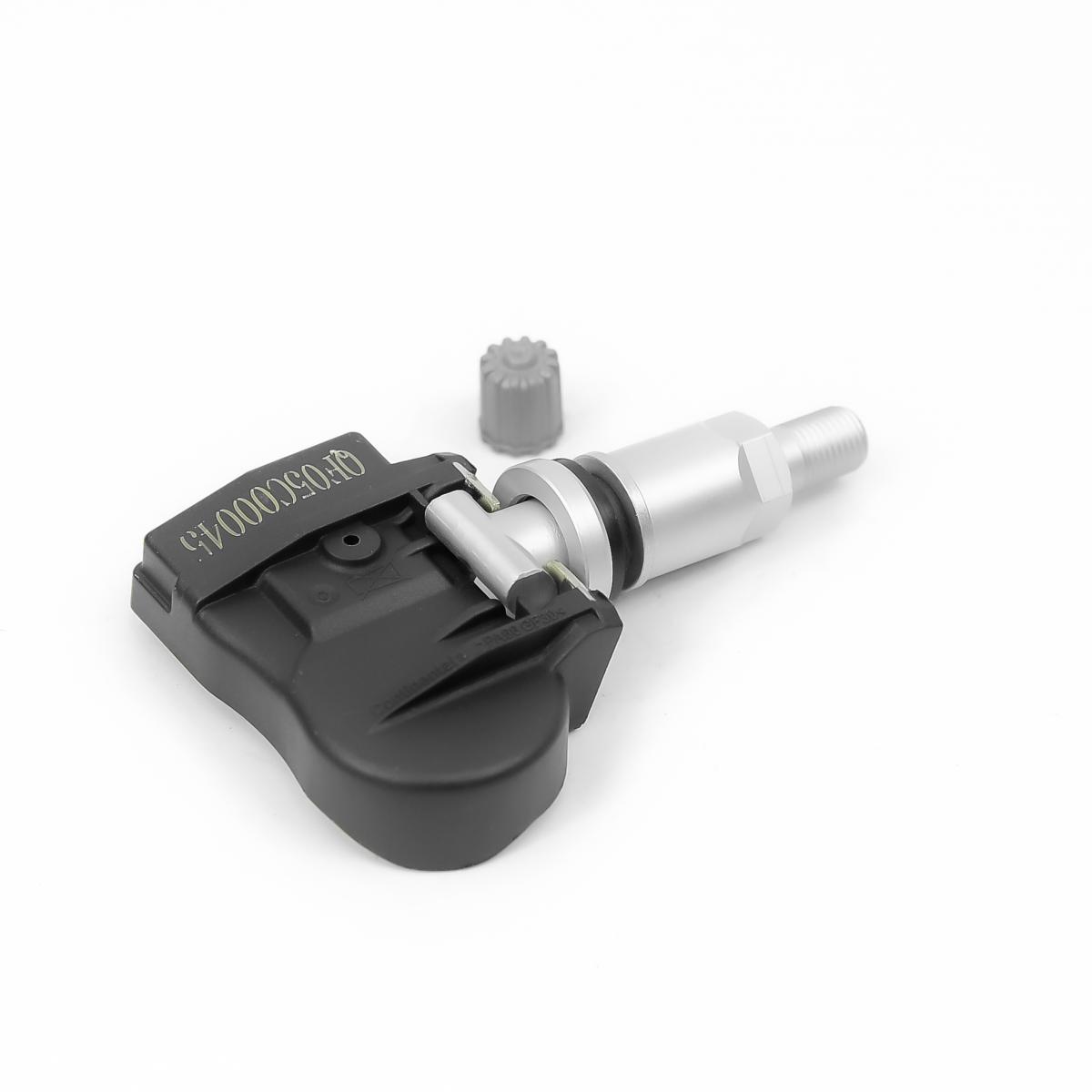
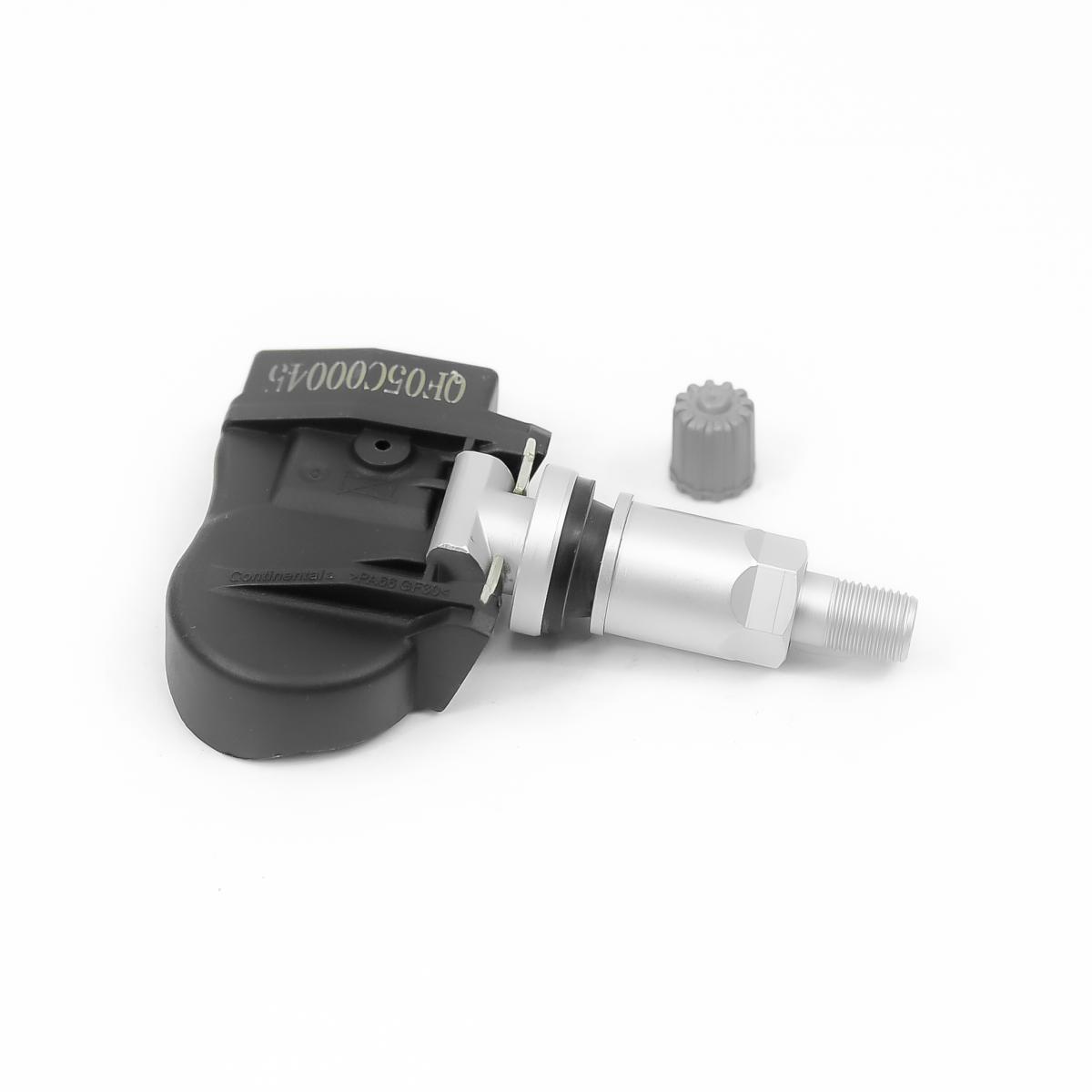
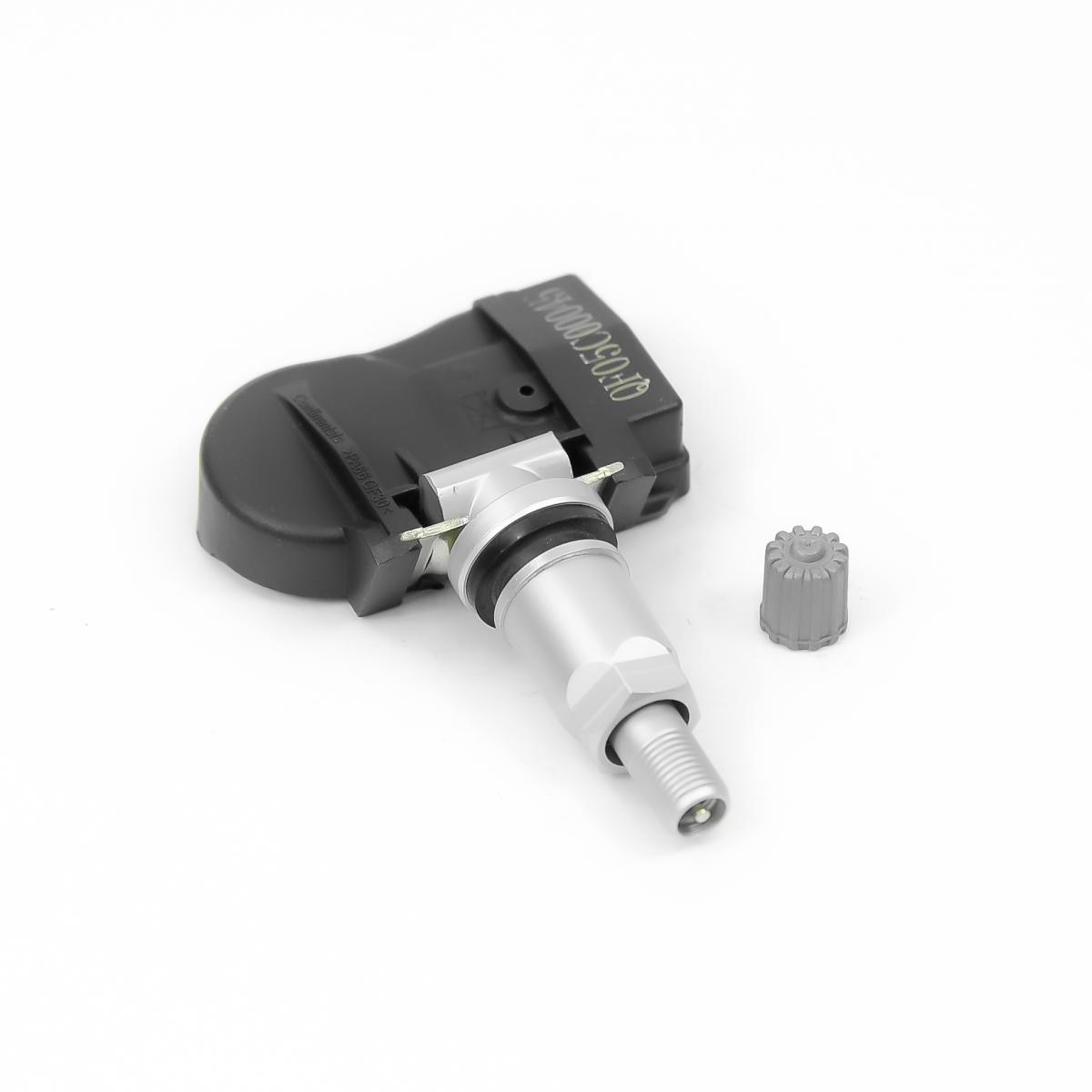
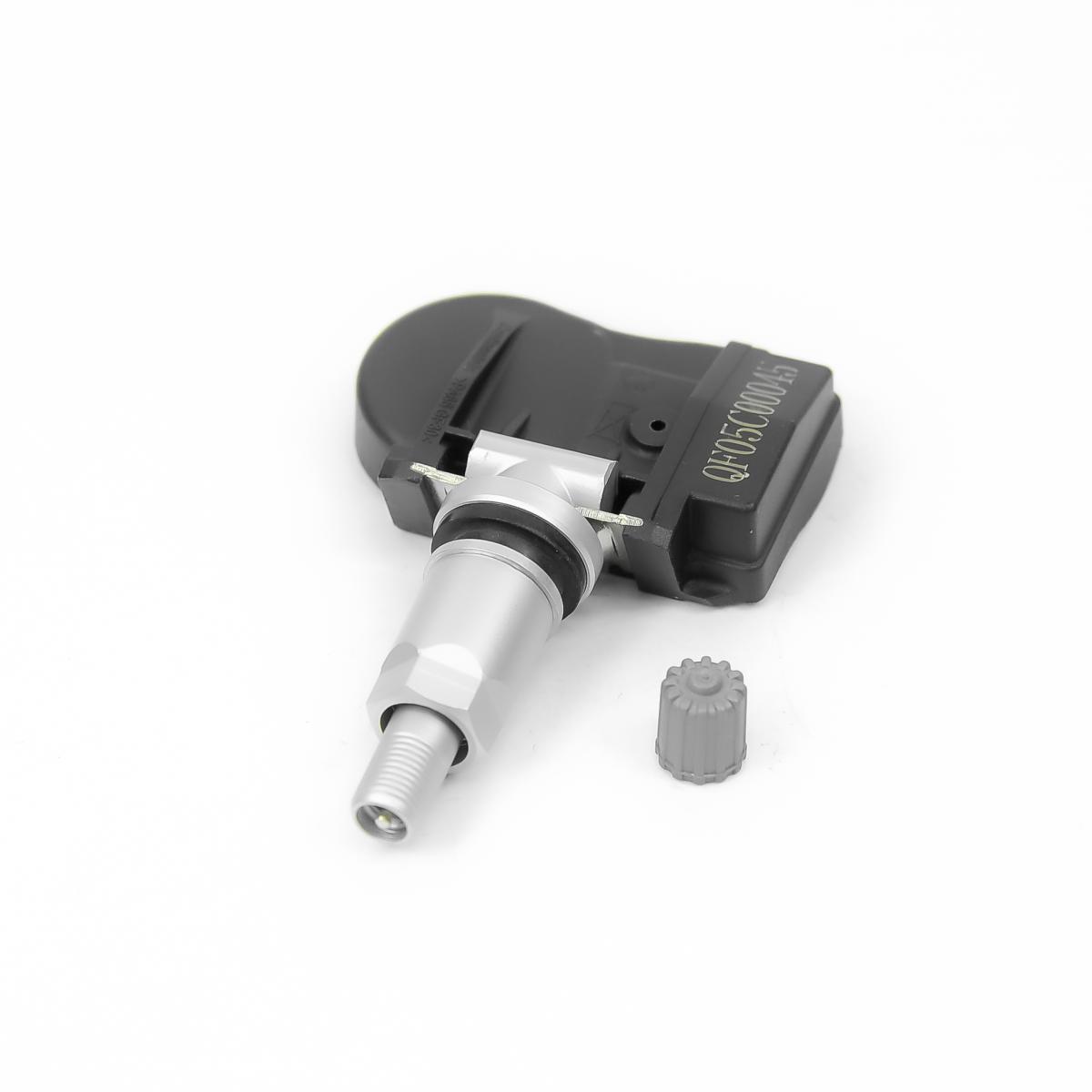
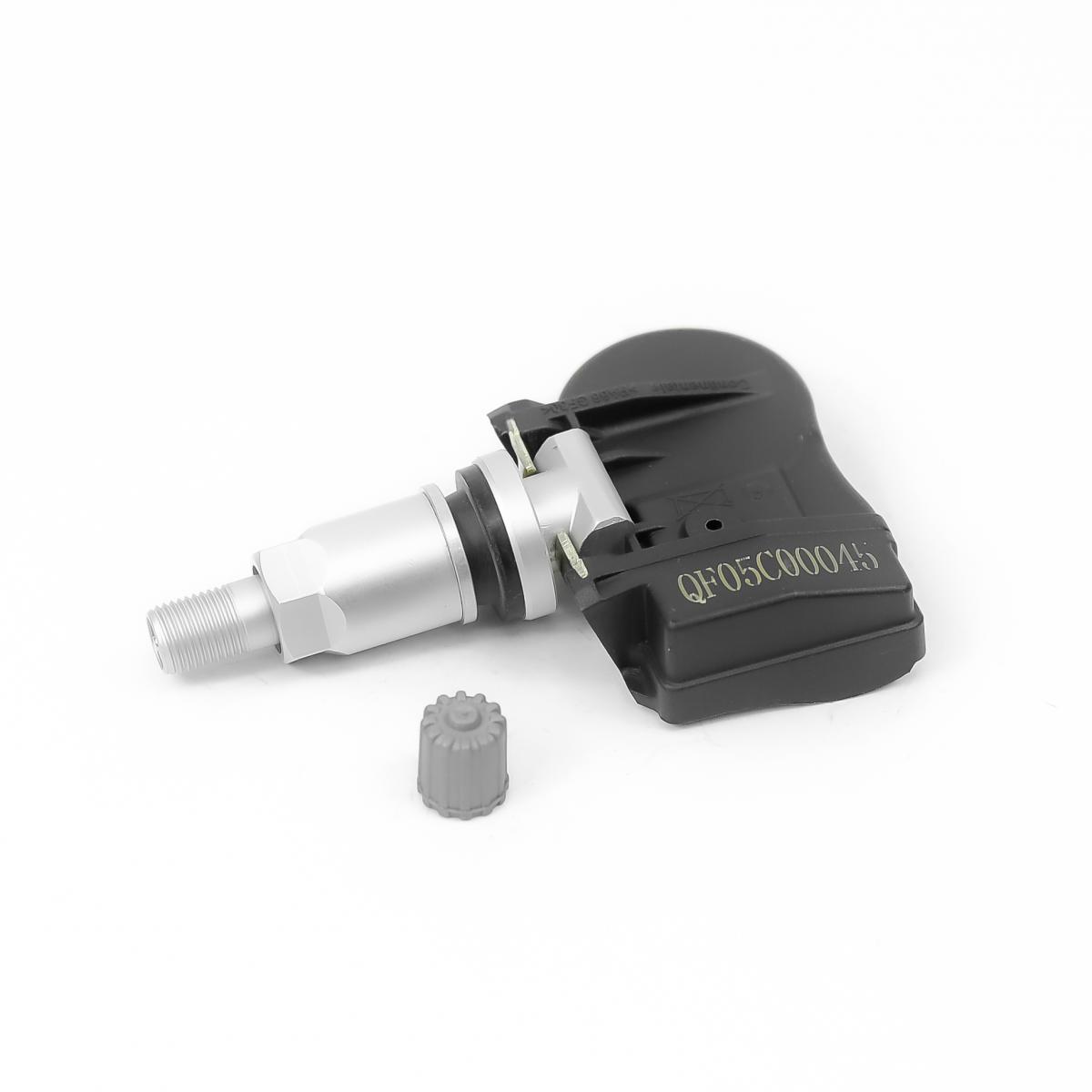
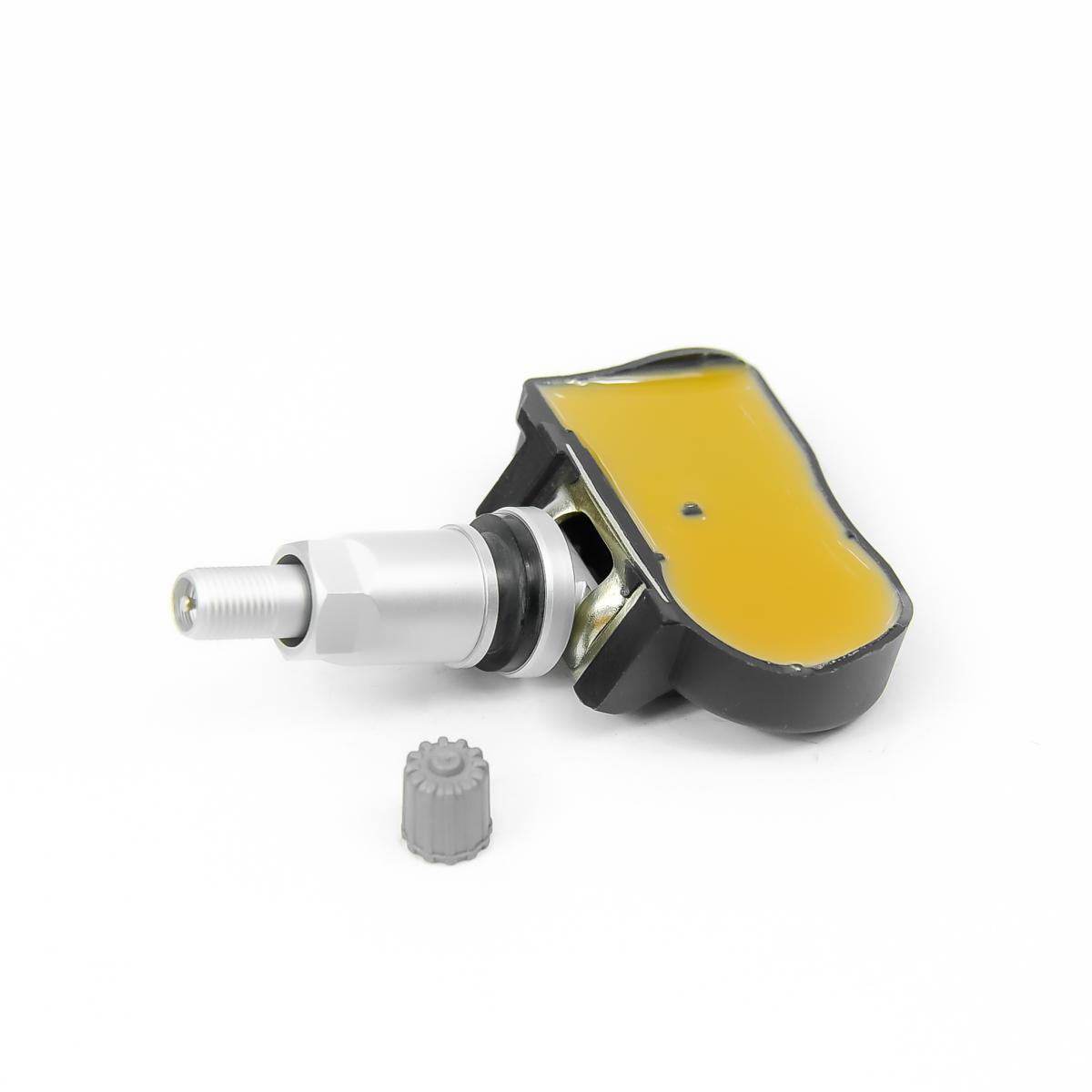
CHRYSLER 68001696AB TPMS SENSOR
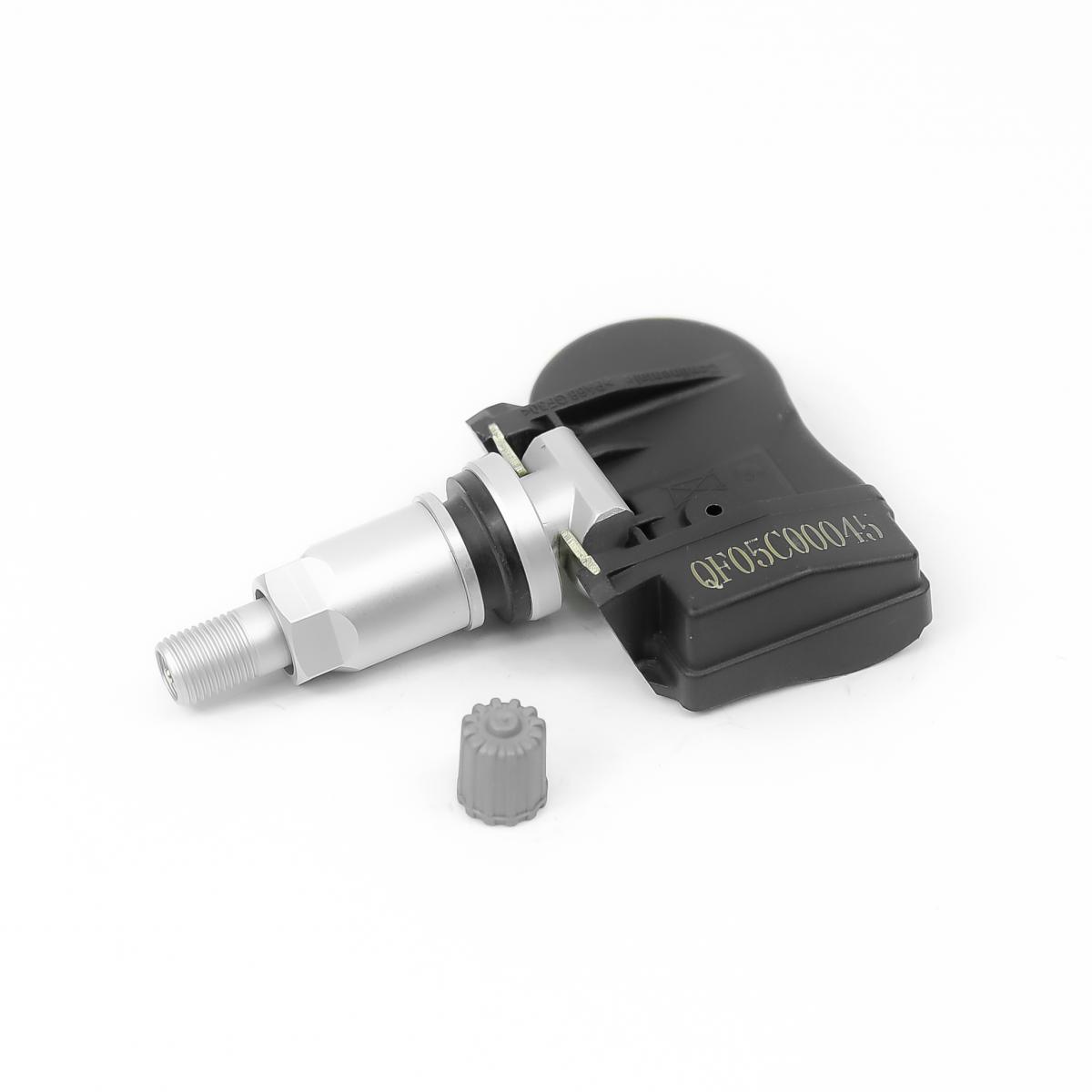
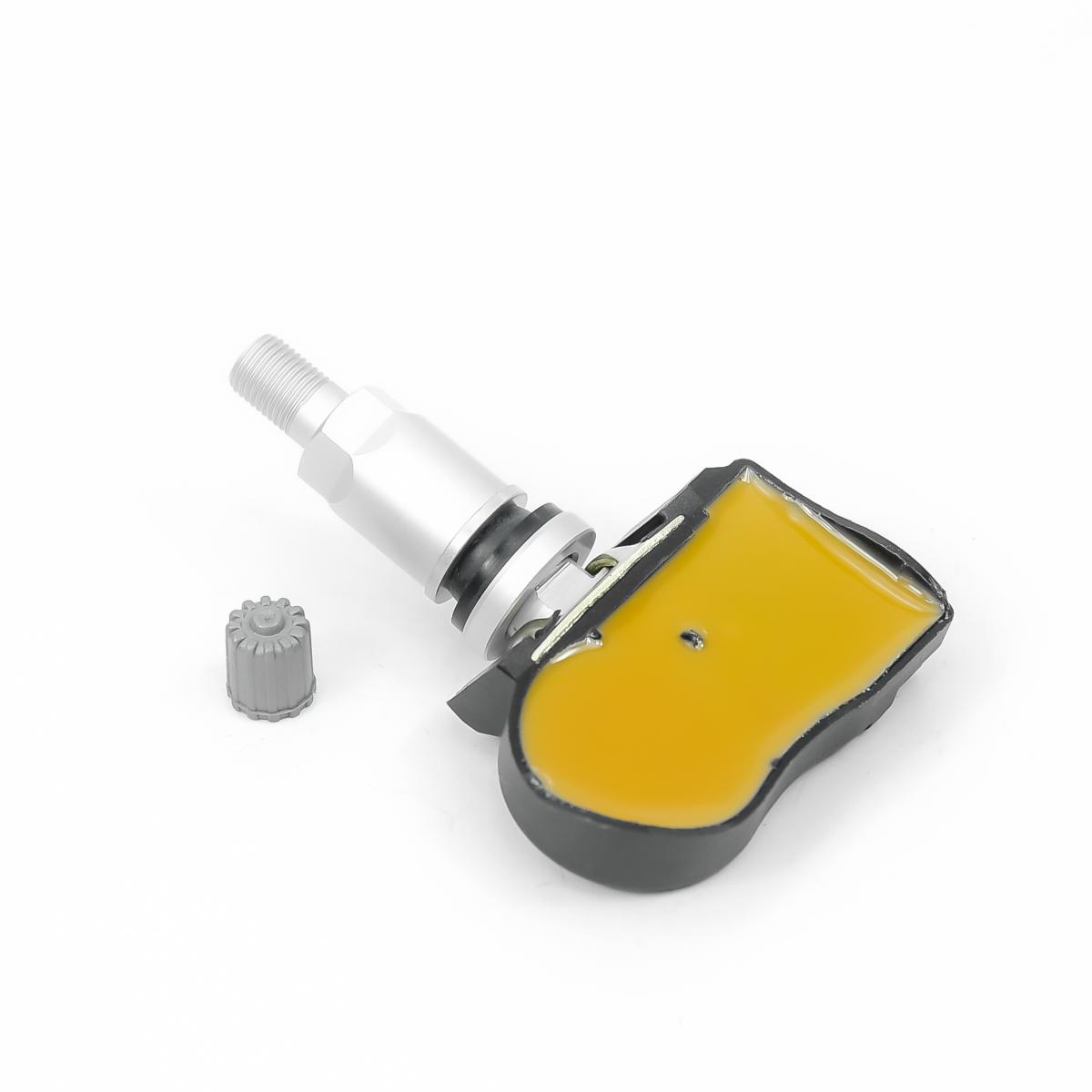
Product Specifications

Product quality
OEM Equivalent Grade
starstarstar
50 sold
Wholesale price USD $9.54
Wholesale price CNY ¥64.8
bolt MOQ (Minimal order)
100 pcs
local_shipping Production time
43 days
package_2 Shipping Weight: 0.036 kg
CHRYSLER 68001696AB
CHRYSLER 68078861AA
CHRYSLER 56053030AB
CHRYSLER 68001696AA
CHRYSLER 56053030AA
CHRYSLER 5139640AA
CHRYSLER 68078861AB
Overview & Operating Principle

The TPMS SENSOR is a battery-powered wireless sensor mounted inside the wheel on the tyre valve stem or on a dedicated band clamp on the drop-centre of the rim that continuously measures tyre inflation pressure and internal air temperature, transmitting this data via low-frequency RF signal — typically 315 MHz or 433.92 MHz depending on the market — to the vehicle's TPMS receiver module at intervals of 15–60 seconds during driving and on pressure-change events. The sensor integrates a MEMS piezoelectric pressure transducer rated to the tyre's maximum inflation pressure, a temperature sensor, a low-power microcontroller that encodes sensor readings along with the unit's unique 32-bit ID, a miniature lithium battery with a rated service life of 5–10 years or 100,000–160,000 km, and an RF transmitter. The TPMS receiver or body control module decodes each sensor's transmission, associates it with the known wheel position, and triggers a dashboard warning if pressure drops more than 25% below the vehicle's recommended cold inflation pressure as required by UNECE Regulation 64 and US FMVSS 138.

This unit — CHRYSLER 68001696AB — is manufactured to OEM-equivalent specifications: RF transmission frequency, sensor ID programming capability, pressure measurement range and accuracy, valve stem thread size and sealing configuration, operating temperature range, and physical dimensions for rim compatibility are matched to the original part. Supplied ready for programming to the vehicle's TPMS system. Available wholesale from 9.54 USD, MOQ 100 pcs, production lead time 43 days.

TPMS sensors have a finite service life determined primarily by battery depletion — the internal lithium battery cannot be replaced and the complete sensor unit must be replaced when battery voltage drops below the transmission threshold. Battery life is shortened by frequent pressure checks triggering transmissions, extreme temperature cycling, and high-mileage use in cold climates where the battery discharges faster. A TPMS warning light that appears after a winter season on a high-mileage vehicle and cannot be cleared by inflating the tyres to correct pressure is the characteristic presentation of battery-depleted sensors rather than actual tyre deflation.

Symptoms & Diagnostics
TPMS warning light illuminated with all tyres confirmed at correct pressure by a calibrated gauge — the most common presentation of sensor battery depletion or sensor failure; the BCM has lost the RF signal from one or more sensors and defaults to the warning state; read TPMS module fault codes to identify which wheel position has lost communication.
TPMS warning light that illuminates after a tyre or wheel change and cannot be cleared despite correct tyre pressures — the replacement wheel or tyre does not contain a registered sensor, or the sensor was damaged during tyre demounting; the BCM is not receiving a valid transmission from the expected wheel position.
TPMS system showing an incorrect pressure reading for one wheel that does not match a calibrated gauge measurement — the sensor's pressure transducer has drifted out of calibration or the sensor is transmitting corrupted data due to low battery voltage; a sensor reading more than 0.2 bar from actual pressure consistently is at end of life.
Intermittent TPMS warning that appears and clears on its own without tyre pressure changes — marginal battery voltage causing the sensor to transmit erratically; the signal is present when the battery recovers slightly in warmer conditions and absent when cold reduces battery output below the transmission threshold.
Air leak from the valve stem area of the wheel after a tyre service — the valve stem body of a metal-stem TPMS sensor has corroded through in a road salt environment, or the valve core seal has been damaged during tyre fitting; distinguish from sensor body damage by applying soapy water to the valve area with the tyre inflated.
TPMS warning immediately after seasonal tyre changeover to a second set of wheels — the sensors in the second wheel set have not been registered to the BCM, or the sensors in the second set have depleted batteries; use a TPMS programming tool to read and register the sensor IDs from all four wheels of the second set before the changeover.
Logistics & Customs
International HS Code
8543.70
EAEU Customs Code (TN VED)
8543 70 900 9
Typical Net Weight
0.036 kg
Country of Manufacture
China
Standard MOQ
100 pcs
Production Lead Time
43 days
Always verify the exact 8-digit or 10-digit subheading with your customs broker for the destination country, as tariff schedules and duty rates vary by jurisdiction.
Installation Tips
  1. Read and record the existing sensor IDs from all four wheels using a TPMS programming tool before demounting any tyre — on some vehicles the BCM stores sensor IDs in a sequence that is difficult to reconstruct once the sensors are removed; recording all IDs before starting work ensures the registration data is preserved even if a sensor is damaged during tyre service.
  2. Demount the tyre on a tyre changer with a TPMS-safe head to avoid impact damage to the sensor body — position the tyre changer breaking blade away from the valve stem and sensor location; a sensor body struck by a tyre lever or breaking blade will crack the housing, destroying the pressure transducer and RF circuitry. Note the valve stem position on the rim before demounting to confirm sensor orientation on reassembly.
  3. Replace the complete sensor service kit — valve core, valve cap, nut, and grommet seal — every time a TPMS sensor is removed from the rim. These are single-use sealing components; a reused valve grommet that has compressed set will leak air under the inflation pressure of the tyre, producing a slow deflation that triggers the same TPMS warning the sensor replacement was intended to resolve.
  4. Program the new sensor ID to the vehicle's BCM before mounting the tyre on vehicles requiring pre-registration — use a TPMS tool to either clone the original sensor ID onto the new programmable sensor (where the vehicle system permits), or to write the new sensor's factory ID into the BCM's wheel position table. Programming before tyre mounting allows the tool to confirm successful registration before the sensor is sealed inside the tyre.
  5. Torque the valve stem nut to specification (typically 4–8 Nm depending on sensor design) using a torque wrench — overtightening crushes the grommet seal and splits the aluminium valve stem; undertightening allows the sensor to rotate on the rim drop-centre under centrifugal force, potentially shearing the valve stem at speed.
  6. Install the new TPMS SENSOR (CHRYSLER 68001696AB), mount and balance the tyre, inflate to the correct cold pressure, perform the vehicle's TPMS relearn procedure as specified — either automatic (drive above 25 km/h for 10–20 minutes), manual button sequence, or scan tool registration depending on the vehicle system — and confirm the dashboard TPMS display shows correct pressure for all four wheel positions before returning the vehicle to service.
Tools: TPMS programming tool with vehicle coverage, tyre changer with TPMS-safe head, torque wrench, TPMS service kit (valve core, cap, nut, grommet), calibrated tyre pressure gauge, OBD-II scanner with TPMS module access.
Frequently Asked Questions
Should all four TPMS sensors be replaced simultaneously when one has failed due to battery depletion?
Replacing all four sensors simultaneously is strongly recommended when battery depletion is the failure cause. TPMS sensor batteries deplete at the same rate across all four wheels — if one has reached end of battery life, the remaining three are at the same stage and will fail within the same season. Replacing all four in one tyre service operation eliminates repeat tyre demounting costs and ensures the full set has a matching remaining service life. ok.parts supplies TPMS sensors individually and in sets of four at wholesale MOQ from 9.54 USD per unit, making bulk replacement economical for fleet and workshop stocking.
Is a TPMS relearn or registration procedure always required after sensor replacement, and what does it involve?
Yes, registration is required on all direct TPMS systems after sensor replacement. The BCM must associate the new sensor's unique 32-bit RF ID with the correct wheel position — without registration the BCM does not recognise the new sensor's transmissions and the TPMS warning remains active. The registration method varies by manufacturer: automatic relearn requires driving above 25 km/h for 10–20 minutes while the BCM scans for new sensor IDs; manual relearn uses a specific button or menu sequence in the instrument cluster; scan tool relearn requires a TPMS programming tool to write the sensor IDs directly to the BCM. Always confirm the correct procedure for the specific vehicle before returning it to service.
How does the OEM-equivalent aftermarket unit compare to the genuine OEM part?
OEM-equivalent units in this catalogue replicate the current OEM design geometry and material specification. Quality is verified against OEM cross-reference data. When ordering in bulk, confirm with our team that the specification matches the latest OEM revision for your application.
Is white-label or custom packaging available for wholesale orders?
Yes. ok.parts works directly with the manufacturing facility and can accommodate neutral white-label packaging or fully branded packaging with your company logo, part numbers, and barcode. Minimum order quantities and lead times for custom packaging may differ from standard stock. Contact the team via the inquiry form to discuss your specific requirements.
Frequently Replaced Together