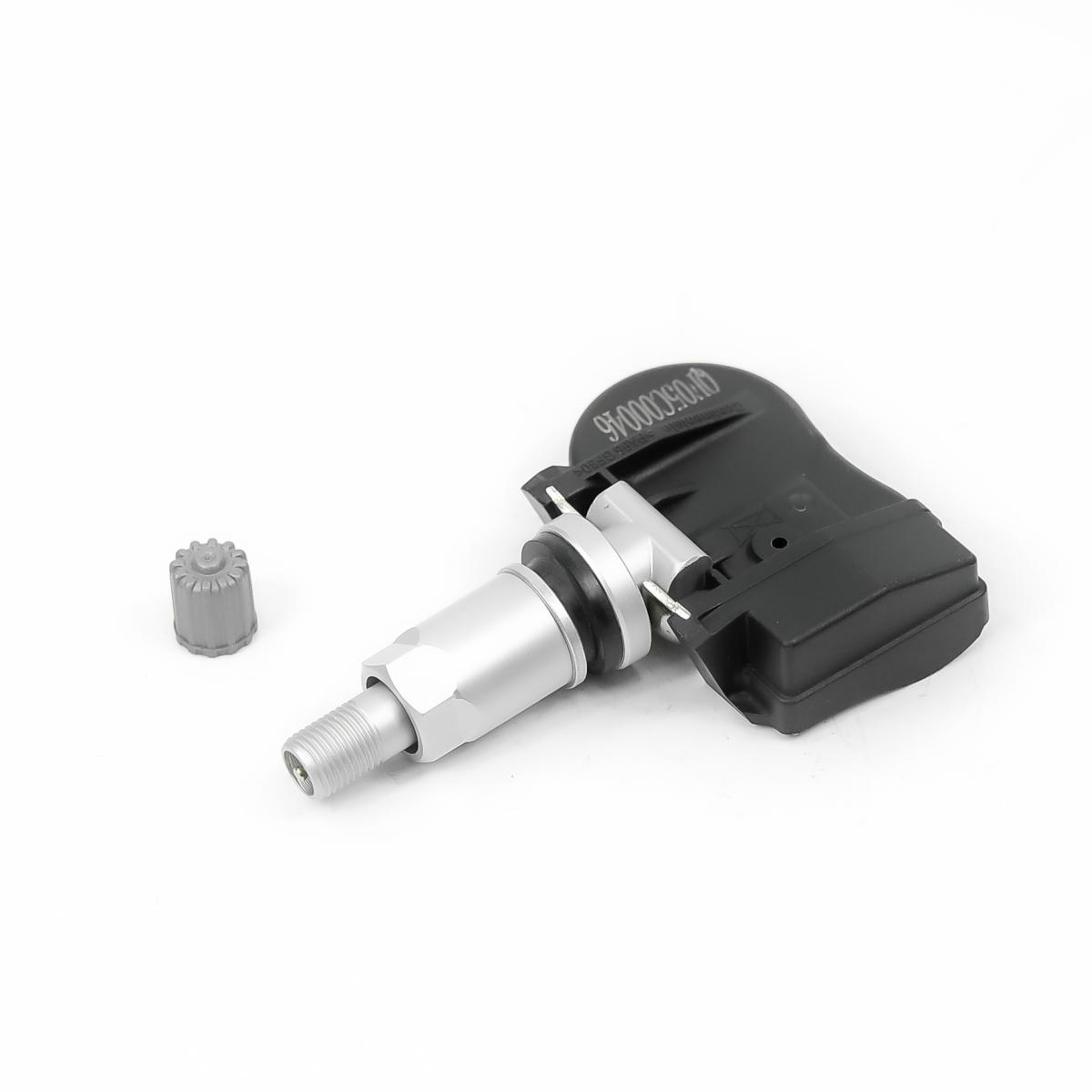
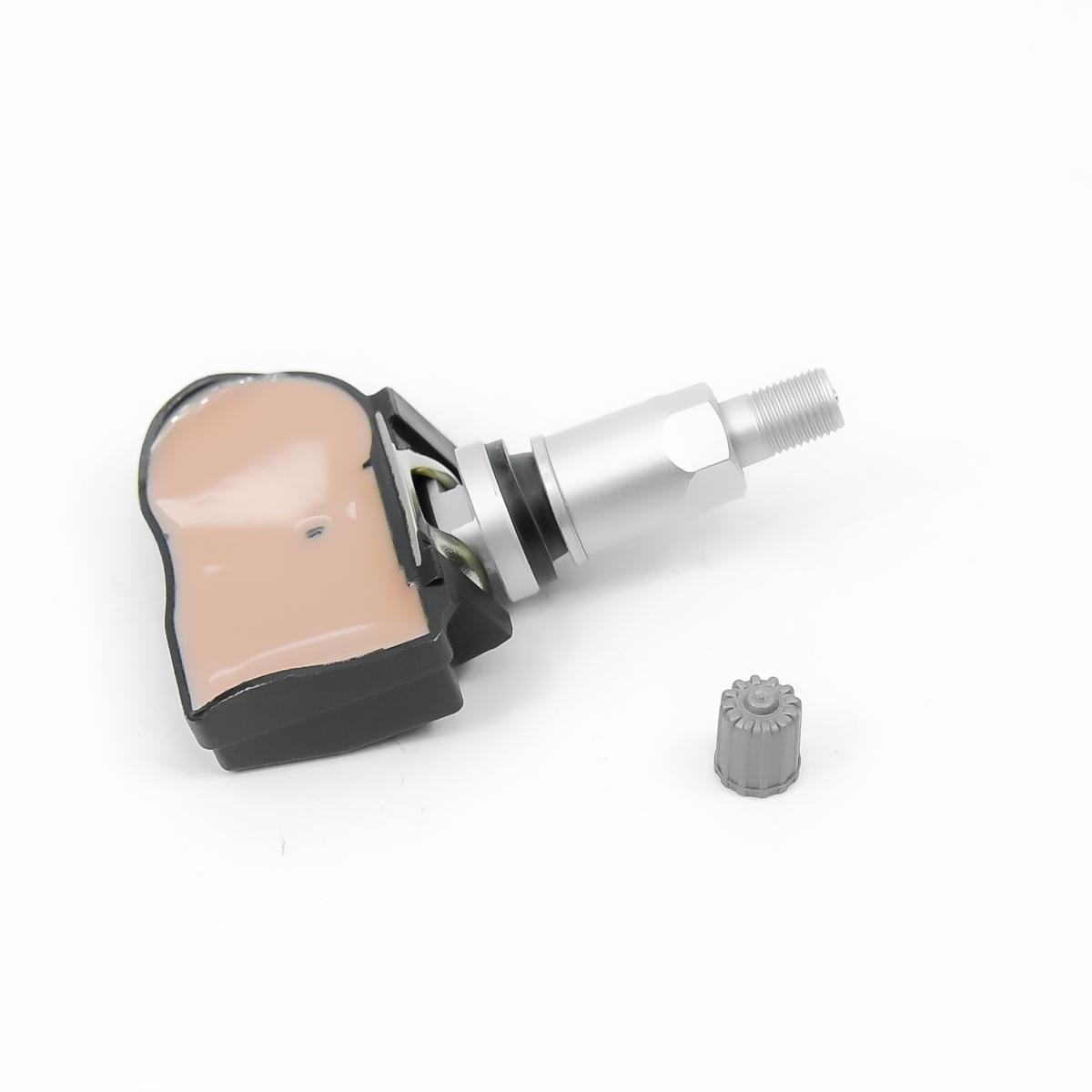
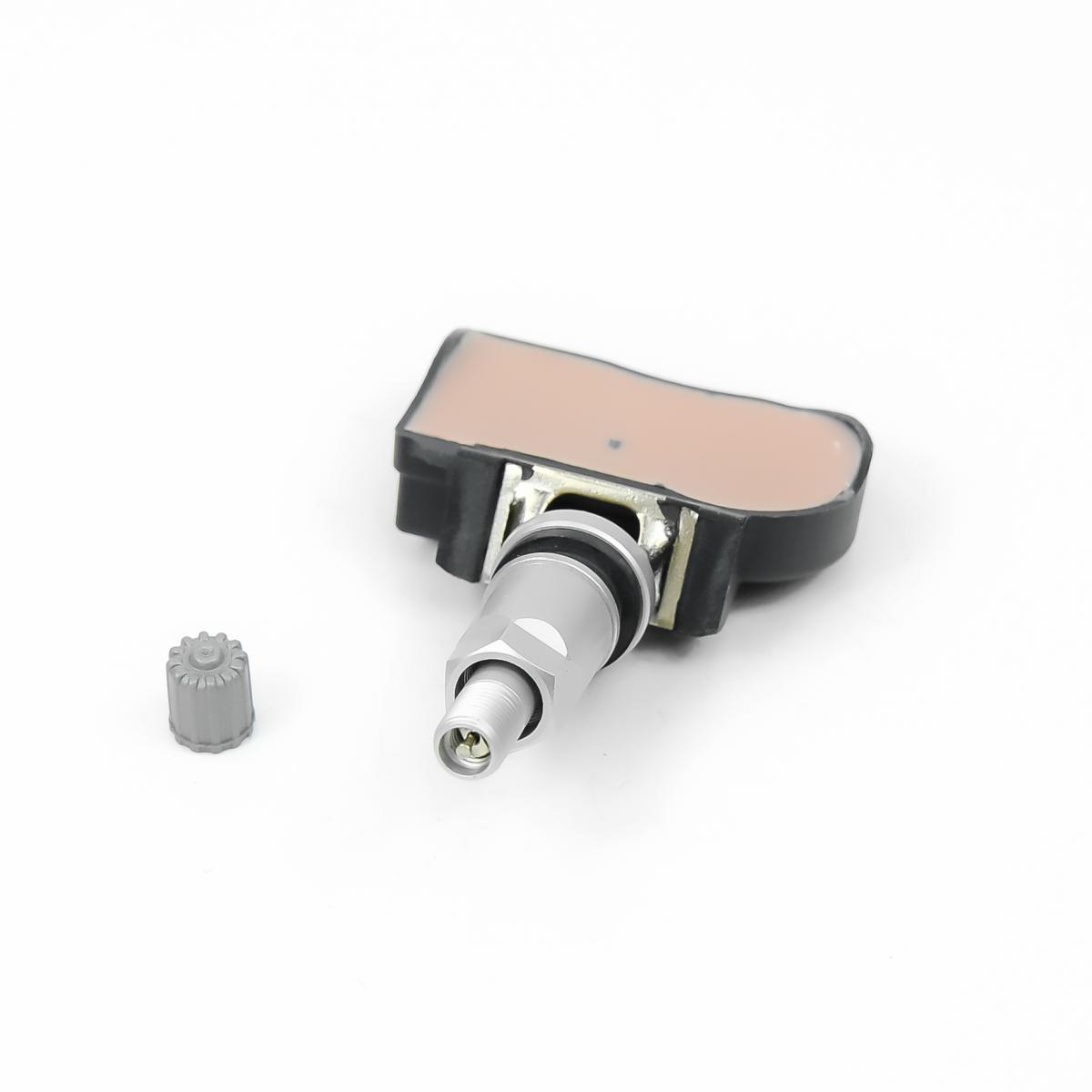
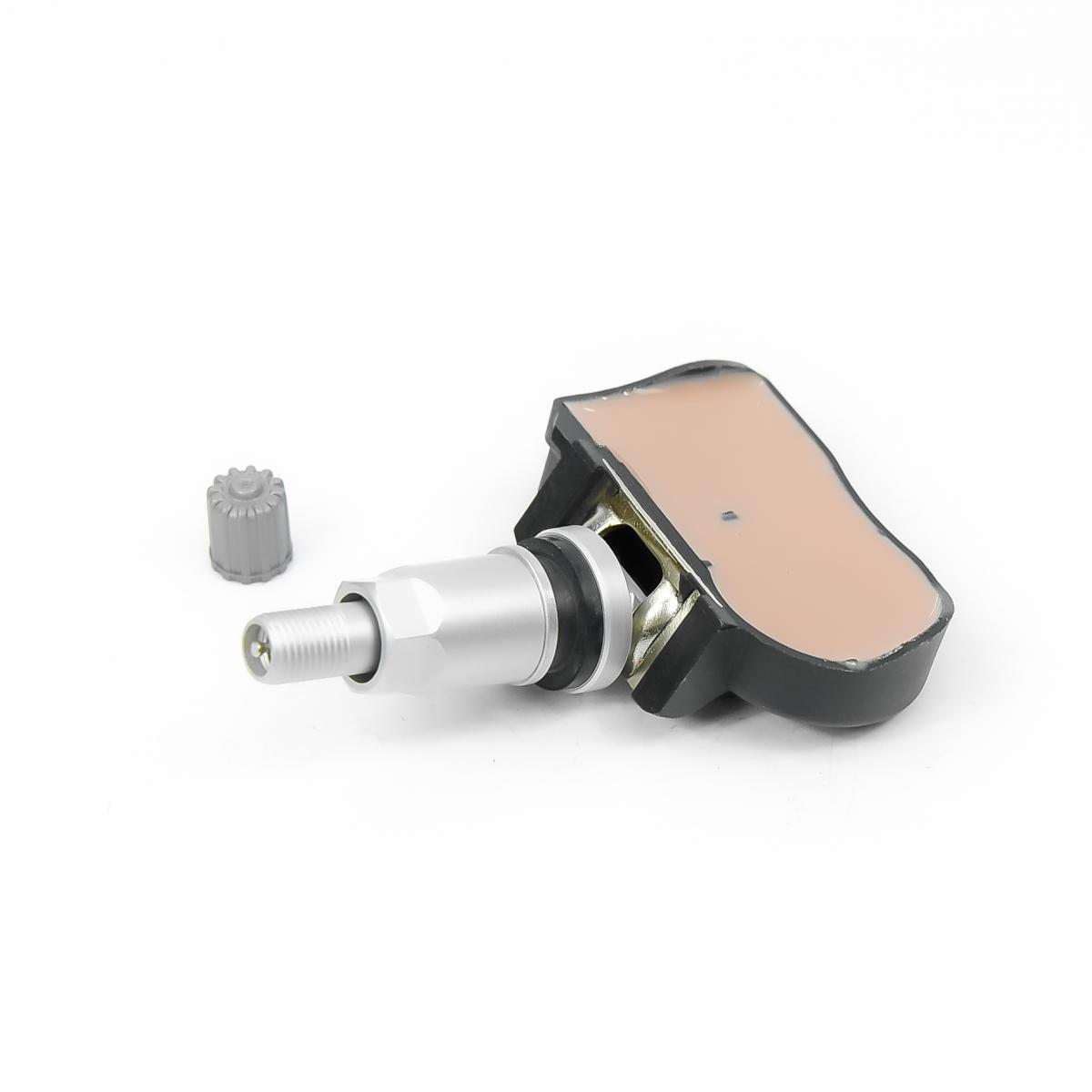
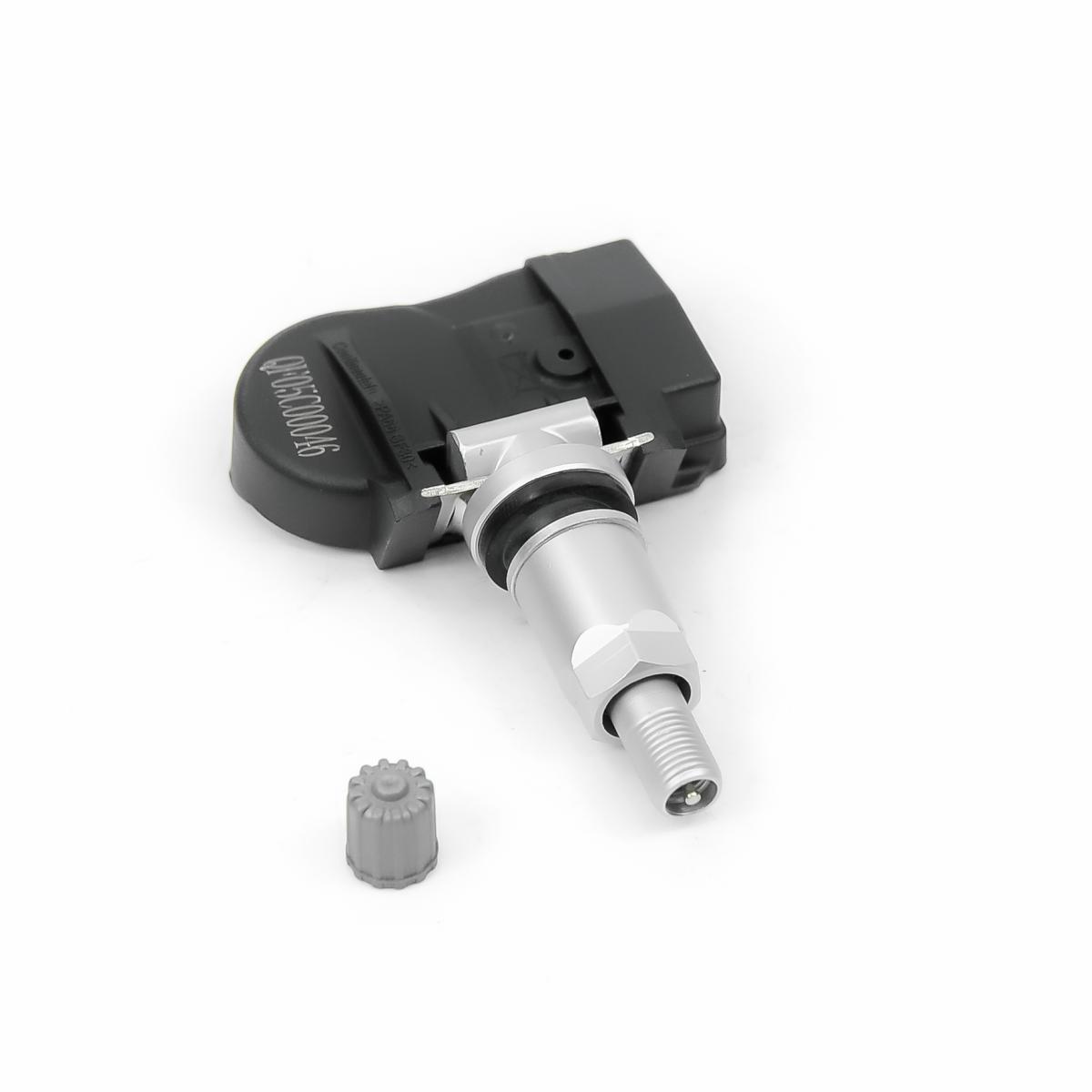
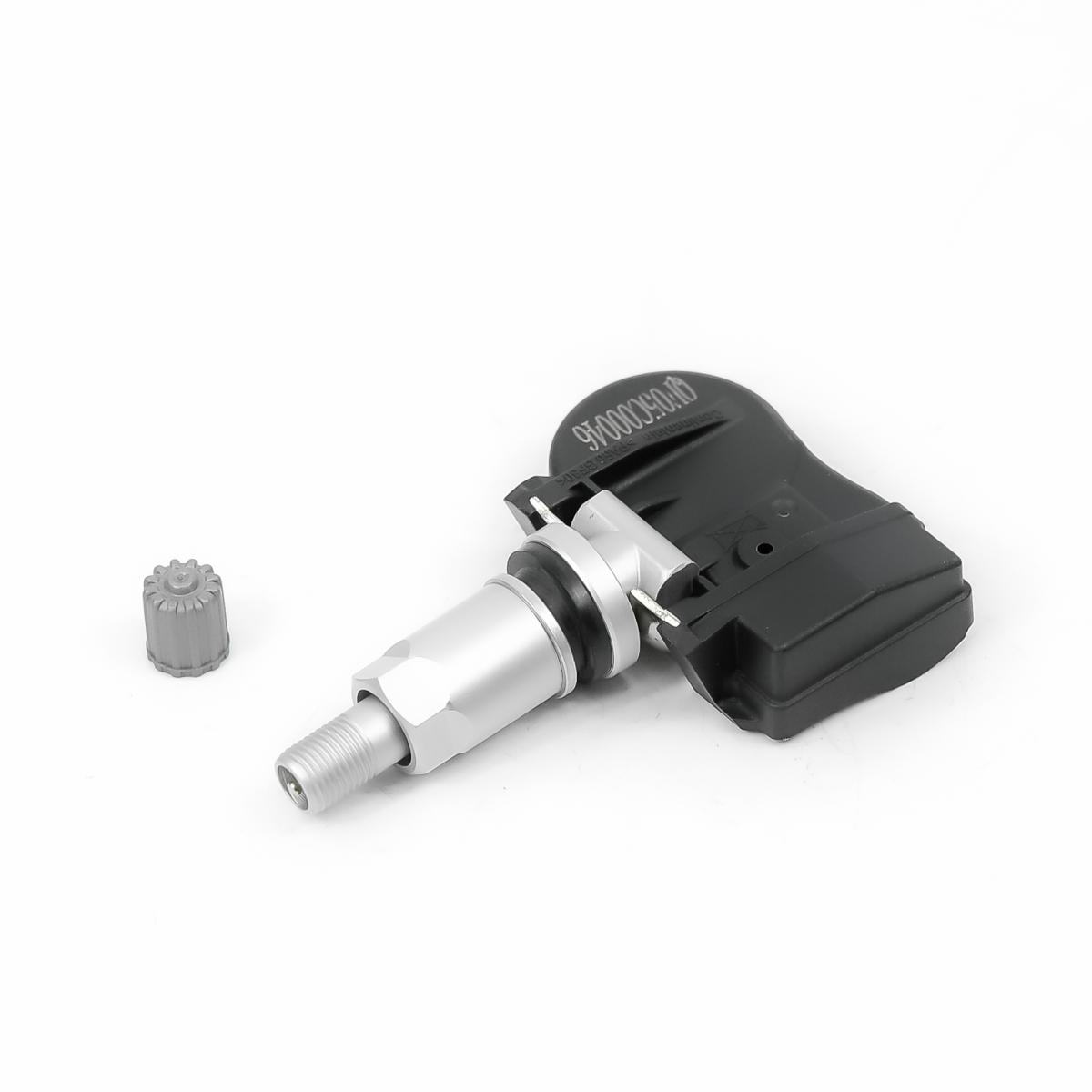
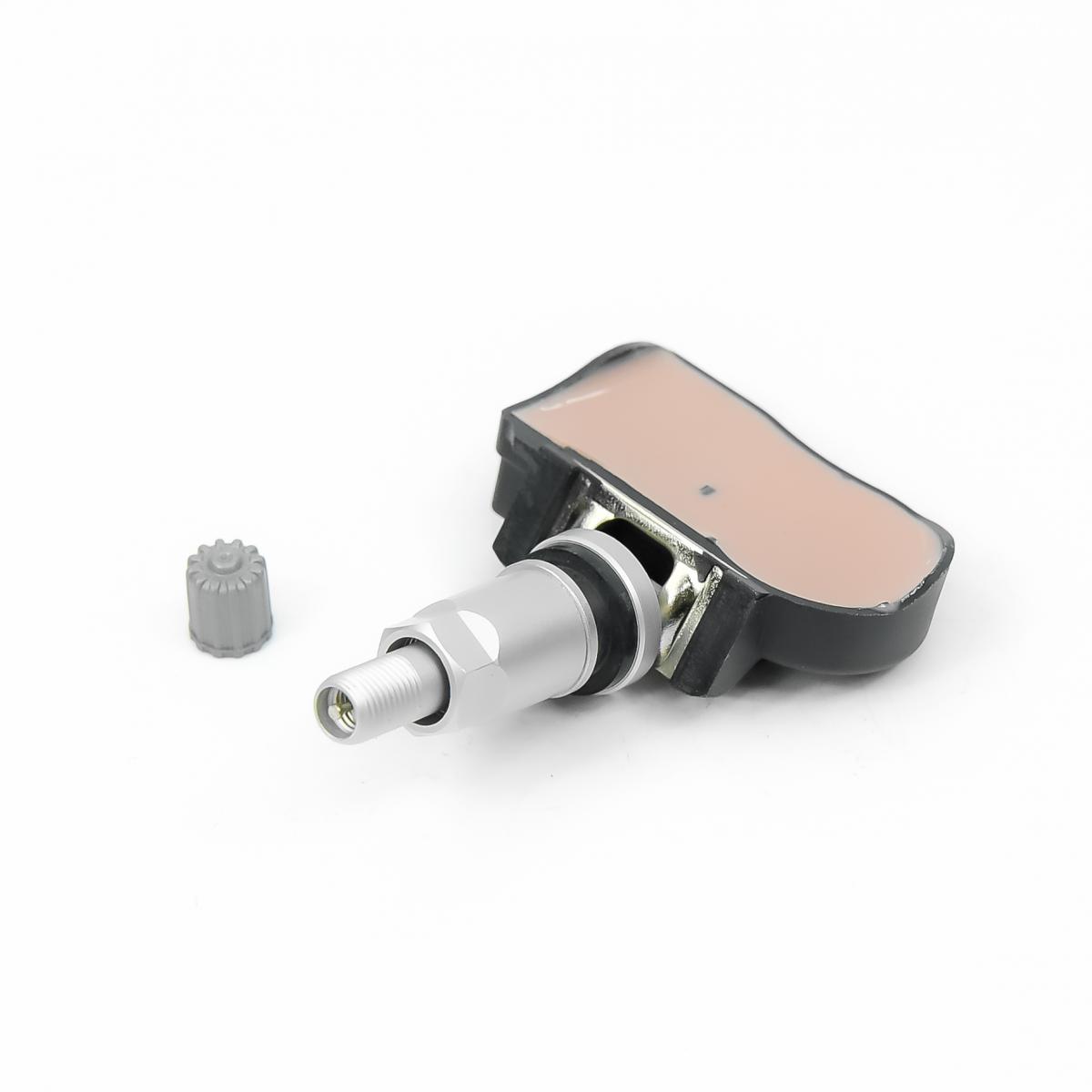
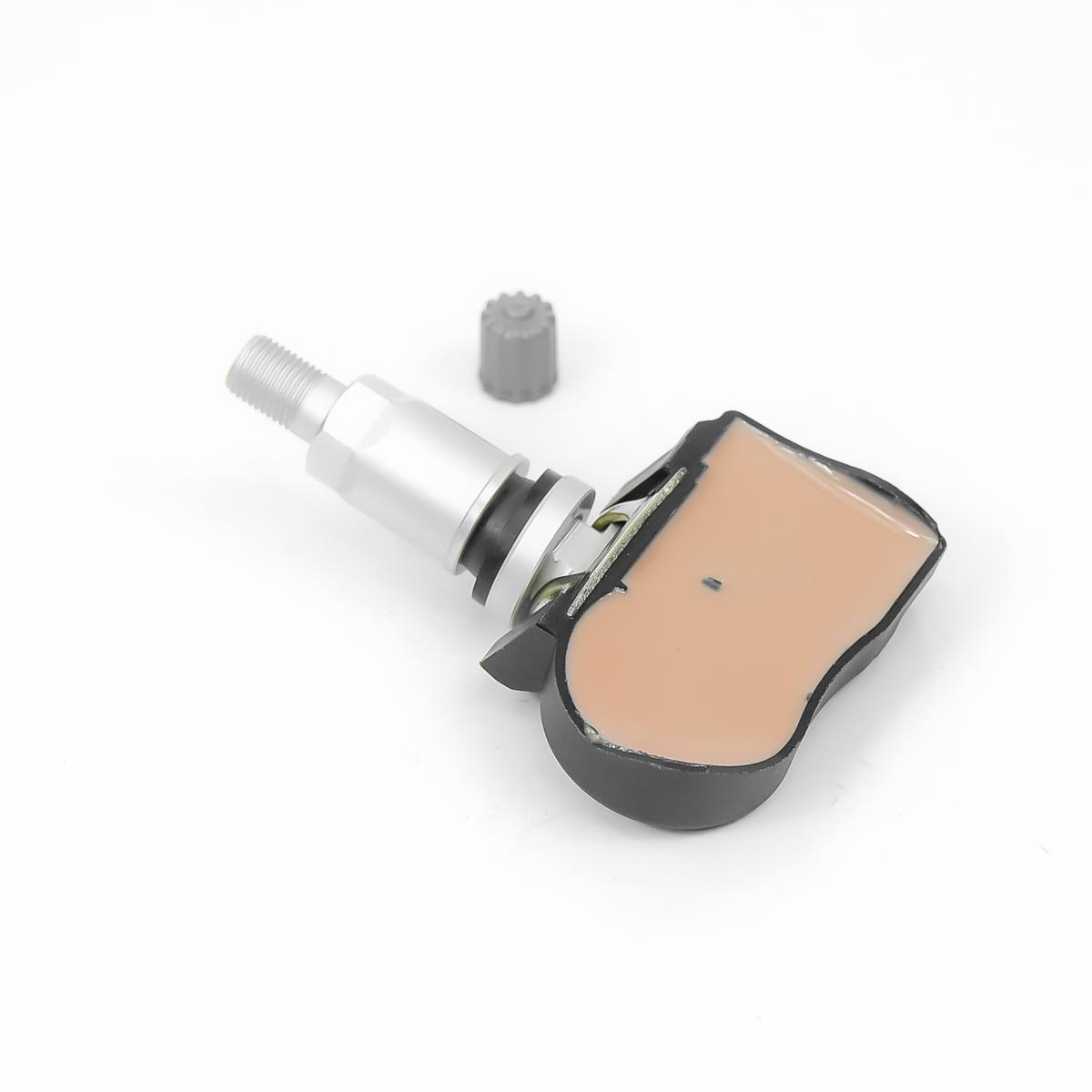
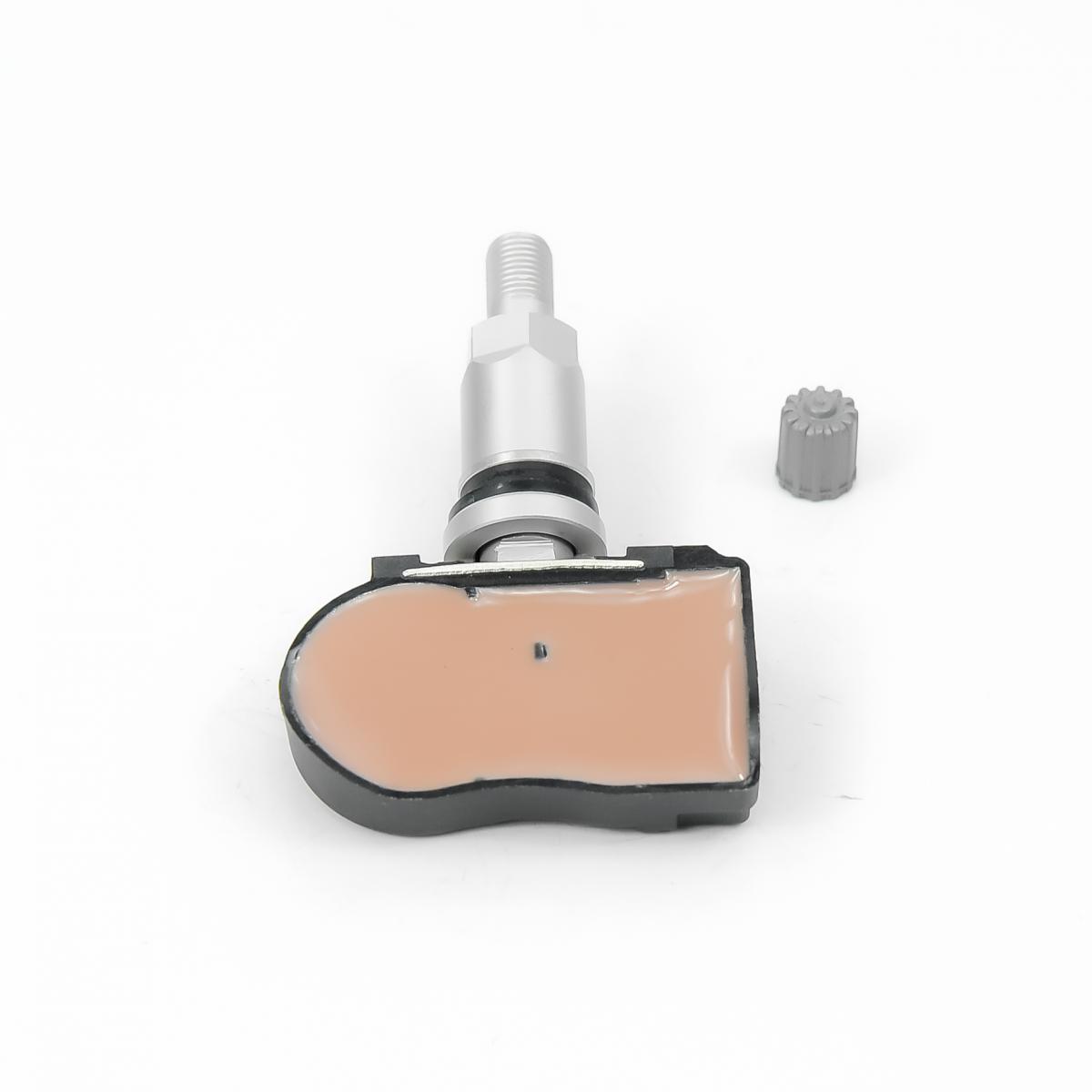
CHRYSLER 68078768AB TPMS SENSOR
Product Specifications
| CHRYSLER | 68078768AB |
| CHRYSLER | 56029481AB |
| CHRYSLER | 68001698AA |
| CHRYSLER | 56053031AB |
| CHRYSLER | 56029359AA |
| CHRYSLER | 56053031AC |
| CHRYSLER | 68001698AB |
| CHRYSLER | 68078768AA |
| CHRYSLER | 56029481AA |
| CHRYSLER | 56053031AD |
| CHRYSLER | 68001698AC |
| CHRYSLER | 68078768AC |
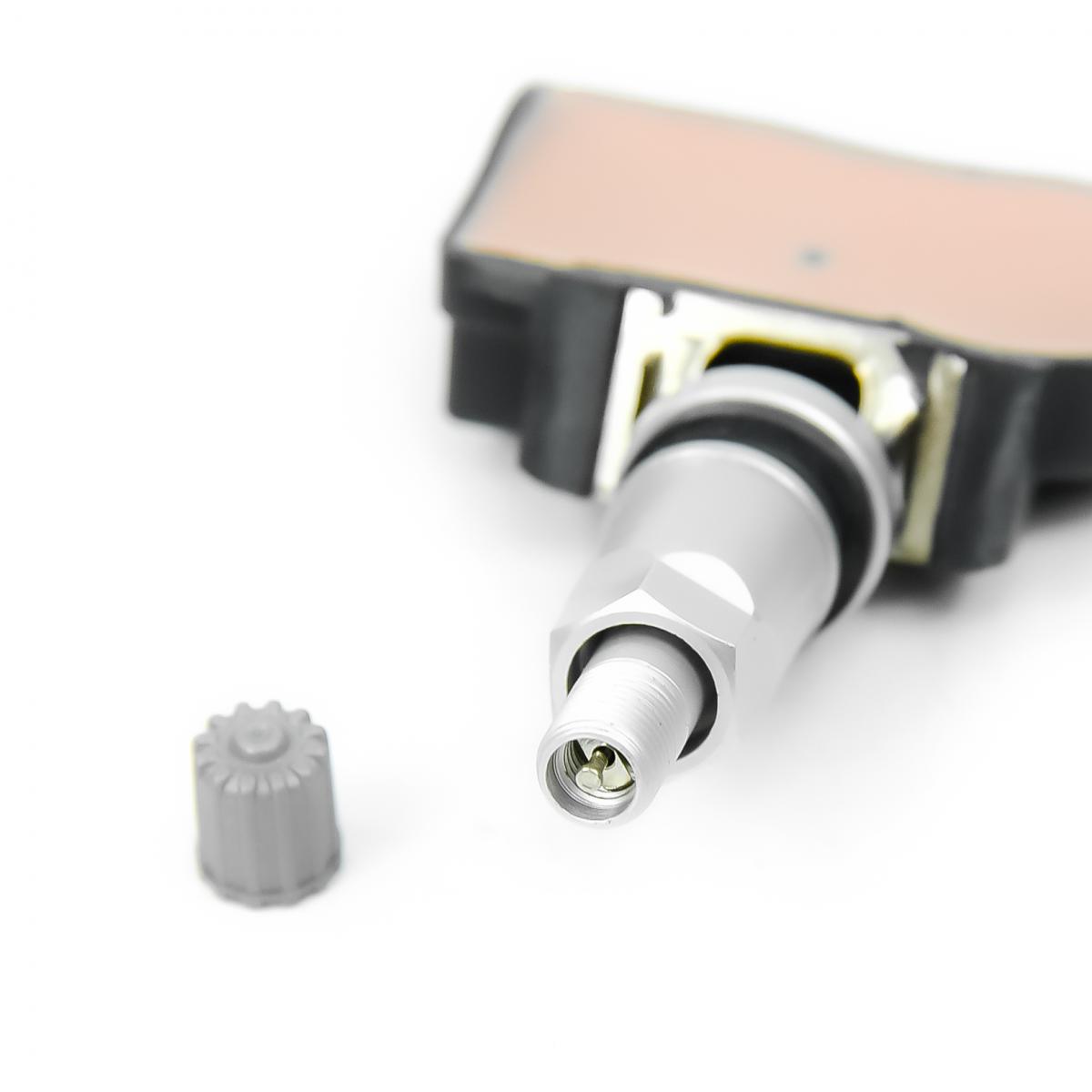
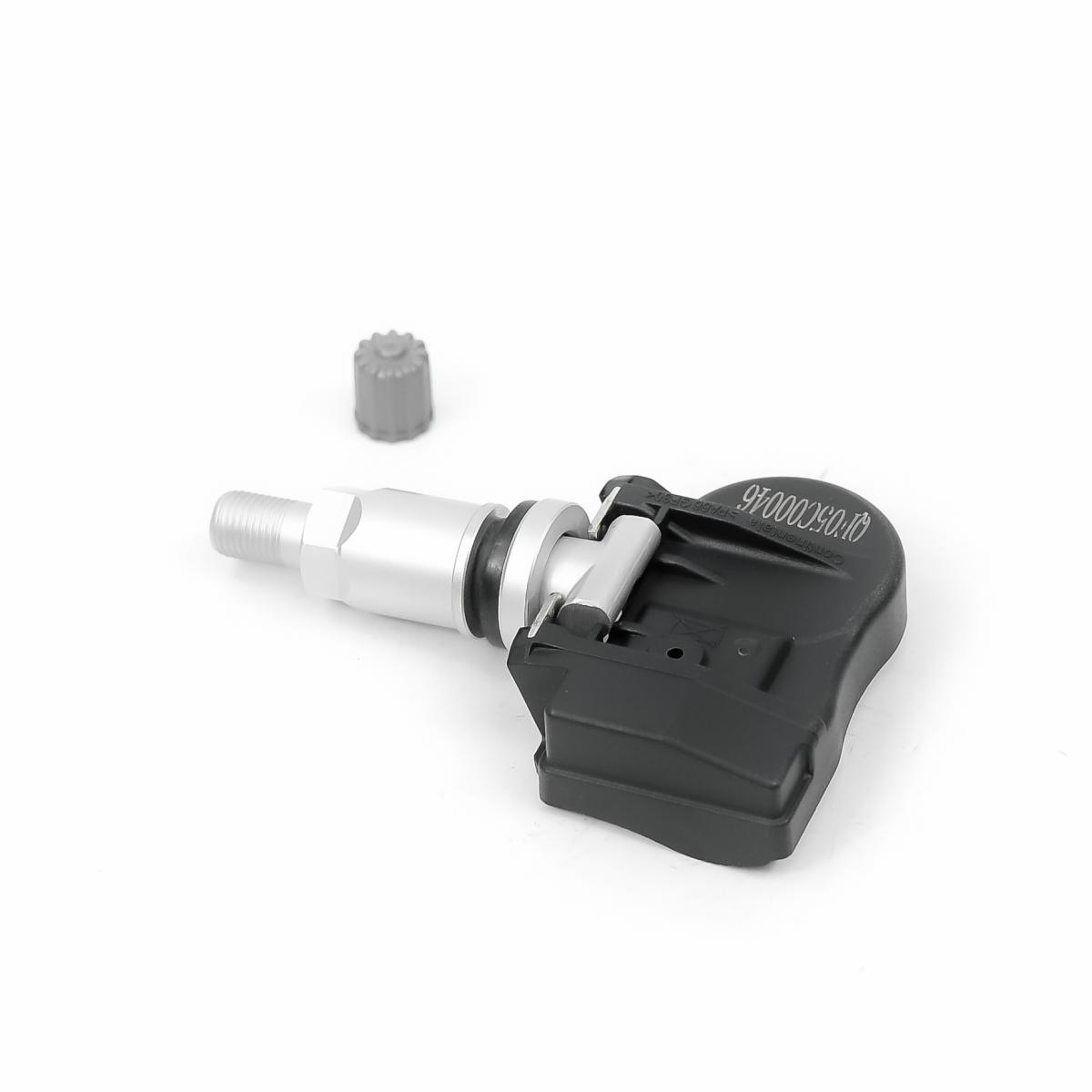
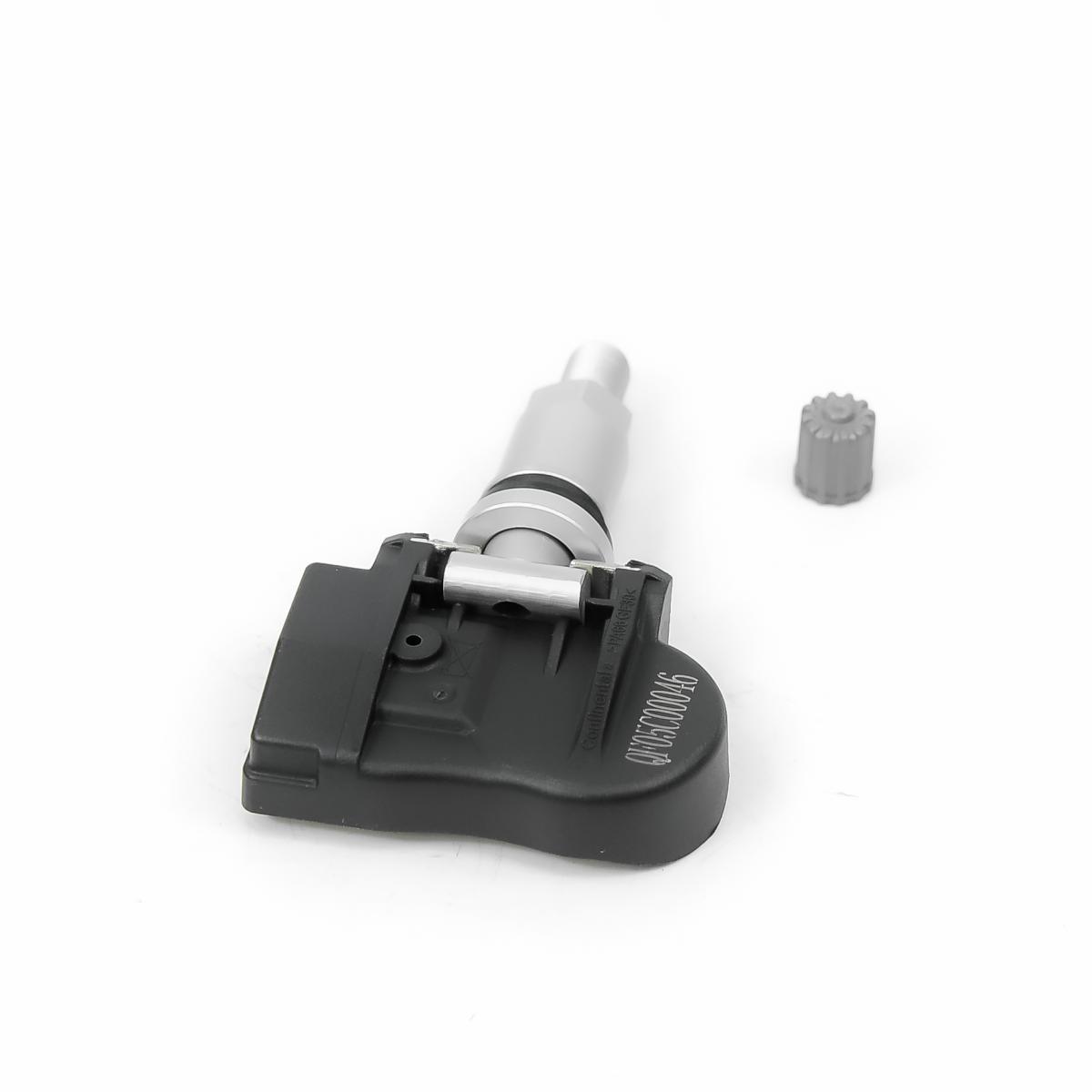
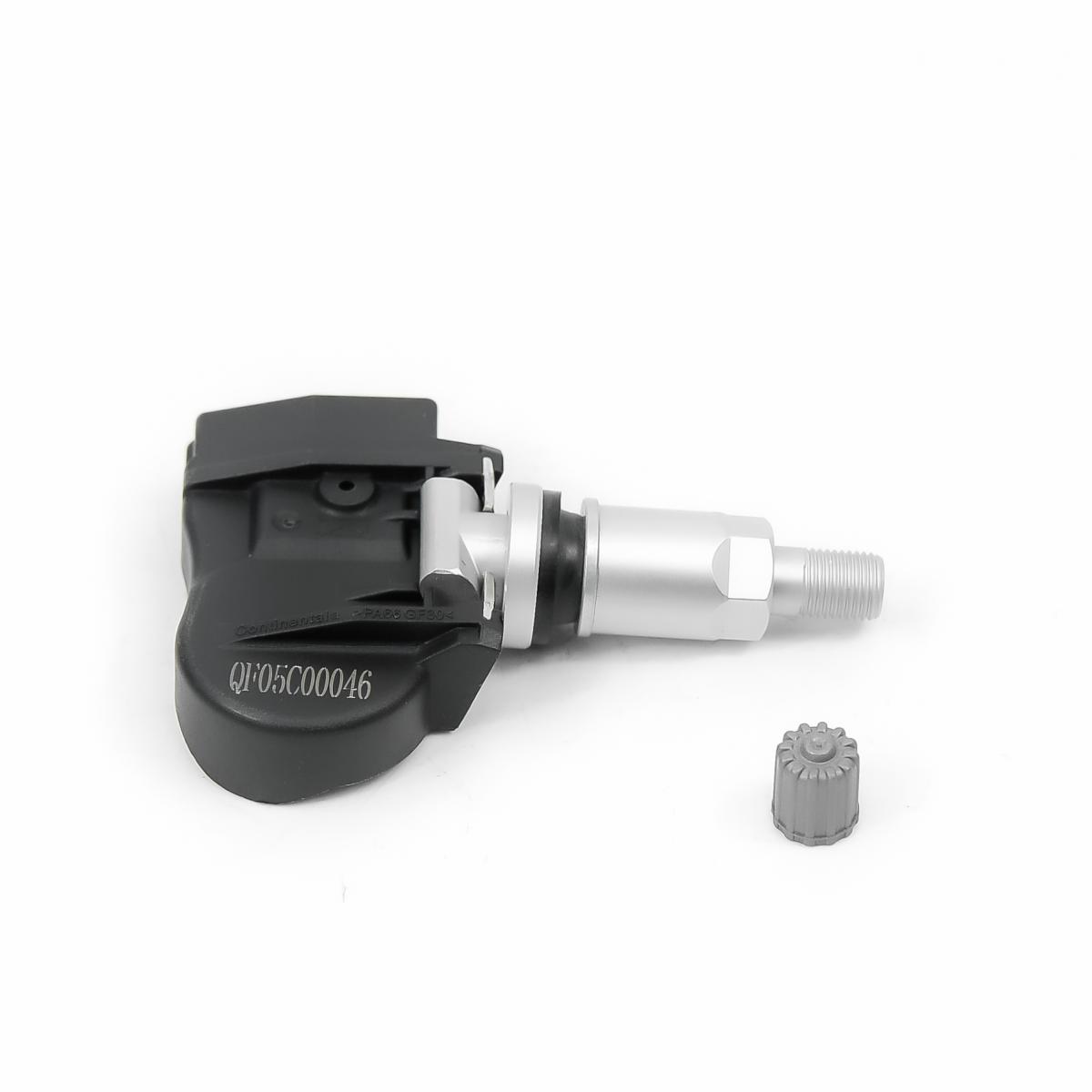
The TPMS SENSOR is a battery-powered wireless sensor mounted inside the wheel on the tyre valve stem or on a dedicated band clamp on the drop-centre of the rim that continuously measures tyre inflation pressure and internal air temperature, transmitting this data via low-frequency RF signal — typically 315 MHz or 433.92 MHz depending on the market — to the vehicle's TPMS receiver module at intervals of 15–60 seconds during driving and on pressure-change events. The sensor integrates a MEMS piezoelectric pressure transducer rated to the tyre's maximum inflation pressure, a temperature sensor, a low-power microcontroller that encodes sensor readings along with the unit's unique 32-bit ID, a miniature lithium battery with a rated service life of 5–10 years or 100,000–160,000 km, and an RF transmitter. The TPMS receiver or body control module decodes each sensor's transmission, associates it with the known wheel position, and triggers a dashboard warning if pressure drops more than 25% below the vehicle's recommended cold inflation pressure as required by UNECE Regulation 64 and US FMVSS 138.
This unit — CHRYSLER 68078768AB — is manufactured to OEM-equivalent specifications: RF transmission frequency, sensor ID programming capability, pressure measurement range and accuracy, valve stem thread size and sealing configuration, operating temperature range, and physical dimensions for rim compatibility are matched to the original part. Supplied ready for programming to the vehicle's TPMS system. Available wholesale from 8.82 USD, MOQ 100 pcs, production lead time 43 days.
TPMS sensors have a finite service life determined primarily by battery depletion — the internal lithium battery cannot be replaced and the complete sensor unit must be replaced when battery voltage drops below the transmission threshold. Battery life is shortened by frequent pressure checks triggering transmissions, extreme temperature cycling, and high-mileage use in cold climates where the battery discharges faster. A TPMS warning light that appears after a winter season on a high-mileage vehicle and cannot be cleared by inflating the tyres to correct pressure is the characteristic presentation of battery-depleted sensors rather than actual tyre deflation.
- Read and record the existing sensor IDs from all four wheels using a TPMS programming tool before demounting any tyre — on some vehicles the BCM stores sensor IDs in a sequence that is difficult to reconstruct once the sensors are removed; recording all IDs before starting work ensures the registration data is preserved even if a sensor is damaged during tyre service.
- Demount the tyre on a tyre changer with a TPMS-safe head to avoid impact damage to the sensor body — position the tyre changer breaking blade away from the valve stem and sensor location; a sensor body struck by a tyre lever or breaking blade will crack the housing, destroying the pressure transducer and RF circuitry. Note the valve stem position on the rim before demounting to confirm sensor orientation on reassembly.
- Replace the complete sensor service kit — valve core, valve cap, nut, and grommet seal — every time a TPMS sensor is removed from the rim. These are single-use sealing components; a reused valve grommet that has compressed set will leak air under the inflation pressure of the tyre, producing a slow deflation that triggers the same TPMS warning the sensor replacement was intended to resolve.
- Program the new sensor ID to the vehicle's BCM before mounting the tyre on vehicles requiring pre-registration — use a TPMS tool to either clone the original sensor ID onto the new programmable sensor (where the vehicle system permits), or to write the new sensor's factory ID into the BCM's wheel position table. Programming before tyre mounting allows the tool to confirm successful registration before the sensor is sealed inside the tyre.
- Torque the valve stem nut to specification (typically 4–8 Nm depending on sensor design) using a torque wrench — overtightening crushes the grommet seal and splits the aluminium valve stem; undertightening allows the sensor to rotate on the rim drop-centre under centrifugal force, potentially shearing the valve stem at speed.
- Install the new TPMS SENSOR (CHRYSLER 68078768AB), mount and balance the tyre, inflate to the correct cold pressure, perform the vehicle's TPMS relearn procedure as specified — either automatic (drive above 25 km/h for 10–20 minutes), manual button sequence, or scan tool registration depending on the vehicle system — and confirm the dashboard TPMS display shows correct pressure for all four wheel positions before returning the vehicle to service.