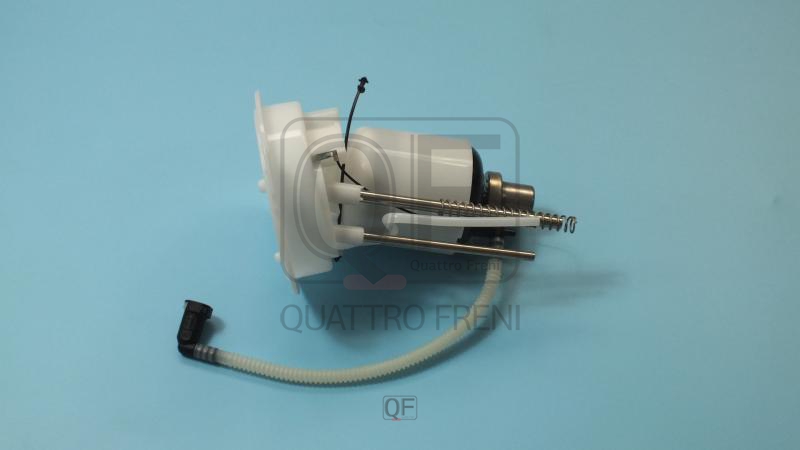
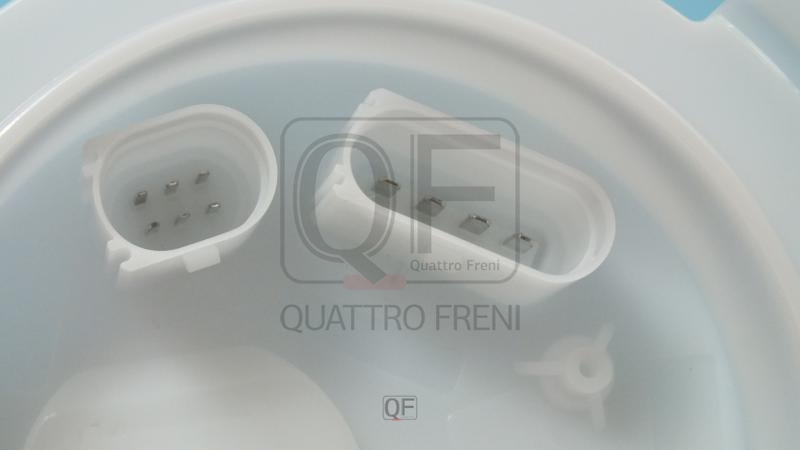
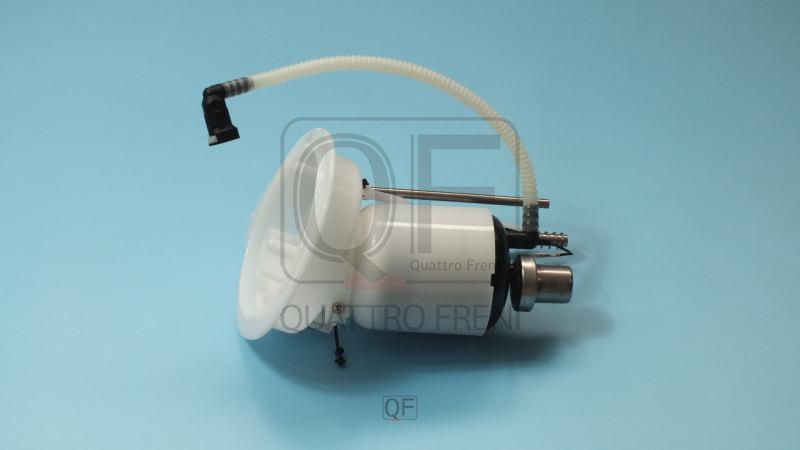
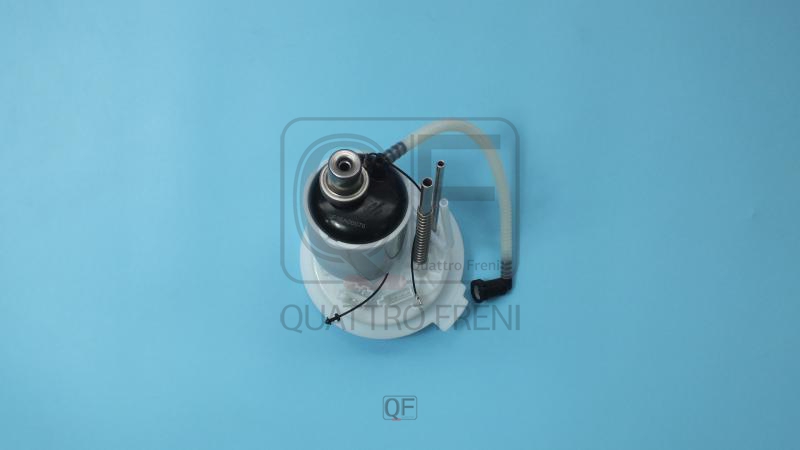
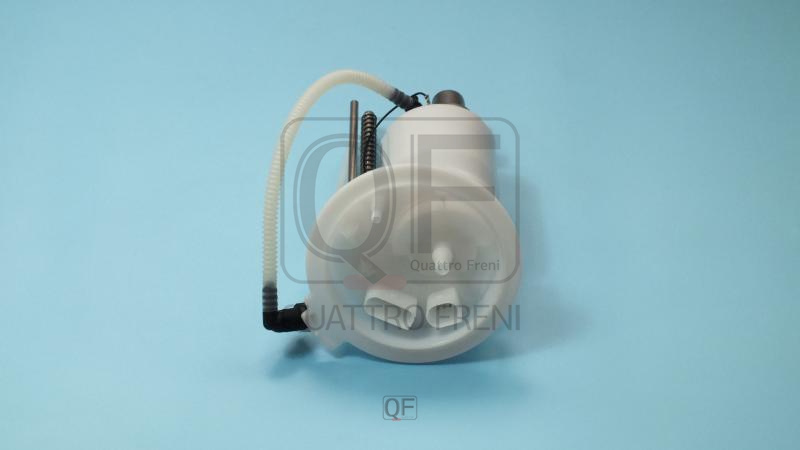
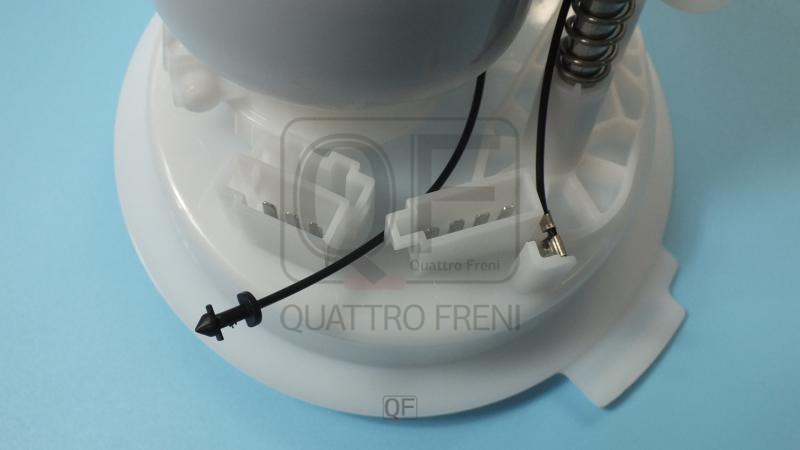
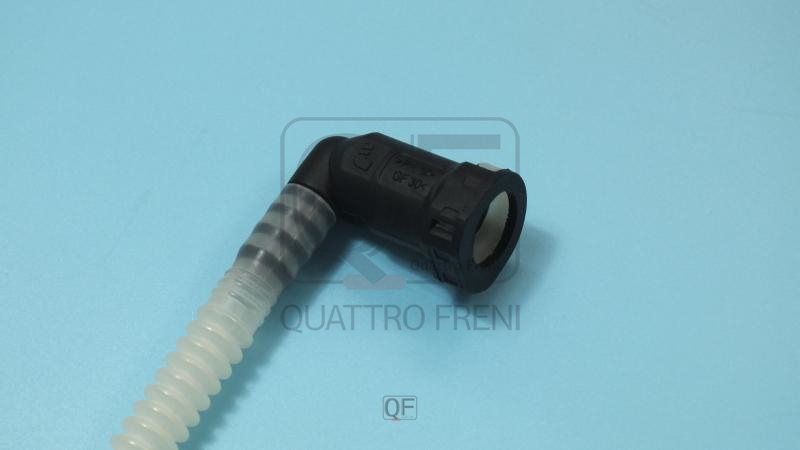
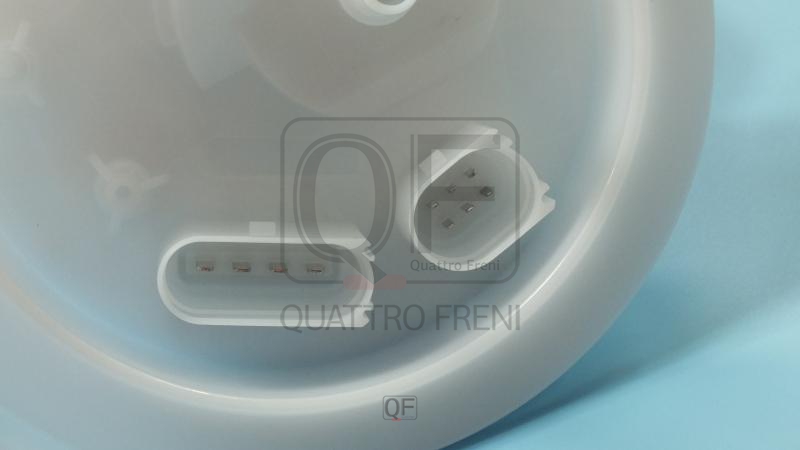
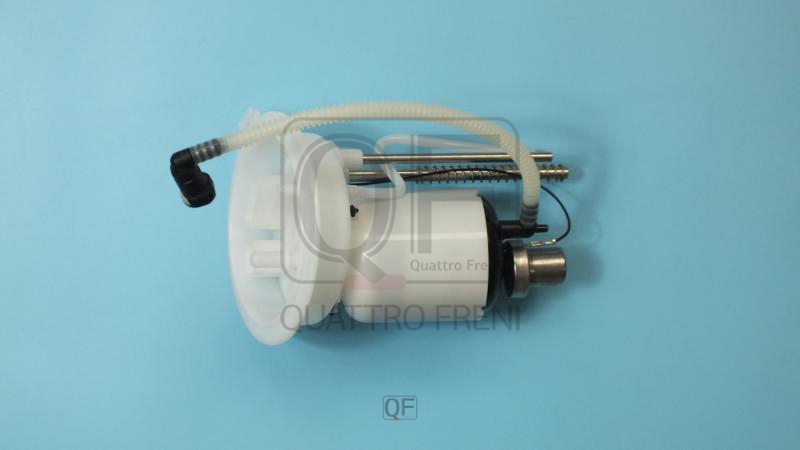
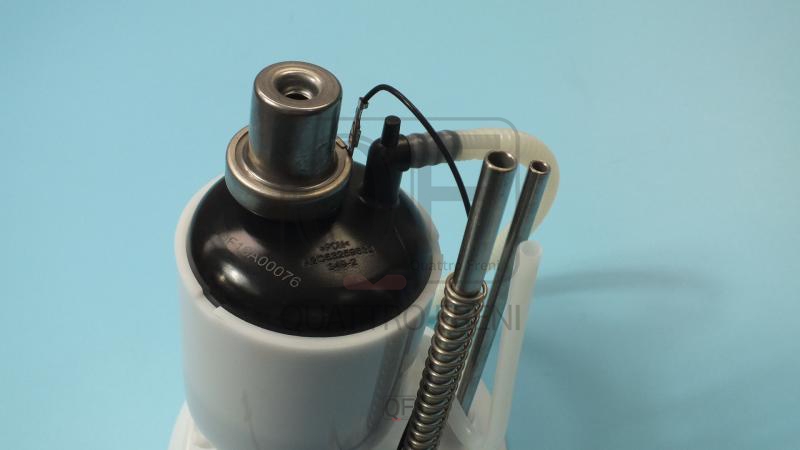
VAG 4G0201317A FUEL FILTER
Product Specifications
| VAG | 4G0201317A |
| VAG | 4G0201317B |
The FUEL FILTER is a filtration element installed in the fuel delivery circuit between the fuel tank and the fuel injectors that removes particulate contamination, water, and microbial growth from the fuel before it reaches the high-precision components of the injection system. On petrol engines the filter is typically a pleated paper or synthetic element rated at 10–30 microns, installed either inline in the underbody fuel line or integrated into the in-tank fuel pump module. On diesel engines filtration demands are significantly higher — diesel injection systems operate at pressures up to 2,000 bar in common rail designs, and injector nozzle clearances are measured in single-digit microns; diesel fuel filters therefore incorporate a primary element rated at 10–30 microns combined with a water separator bowl that collects emulsified water before it reaches the injection pump and injectors, where it would cause immediate corrosion damage.
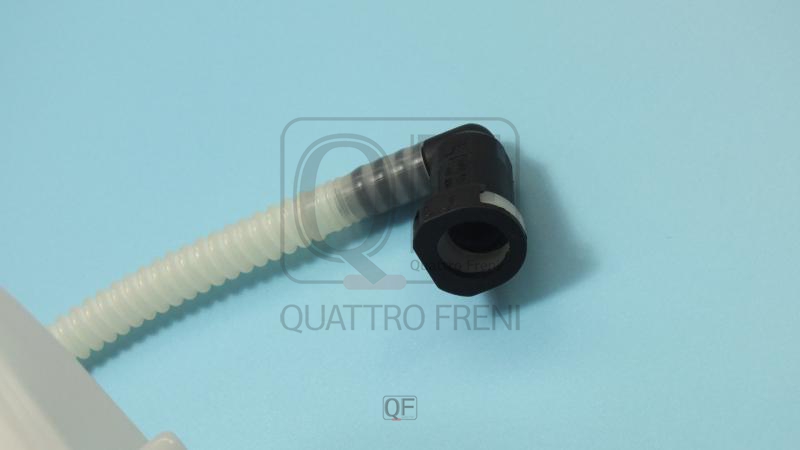
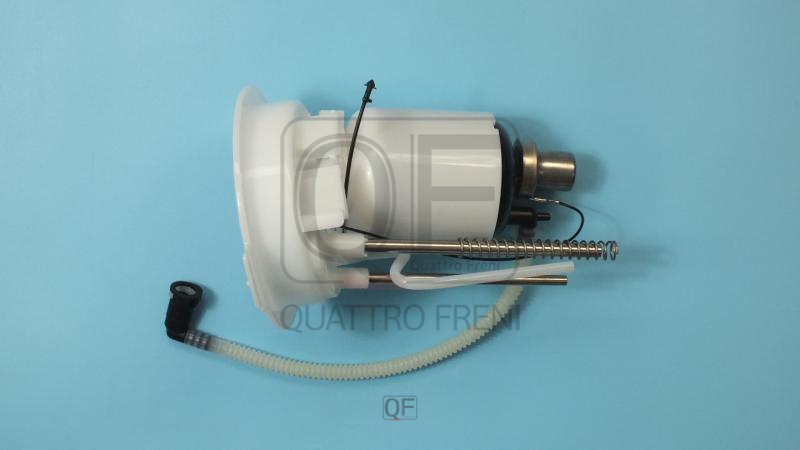
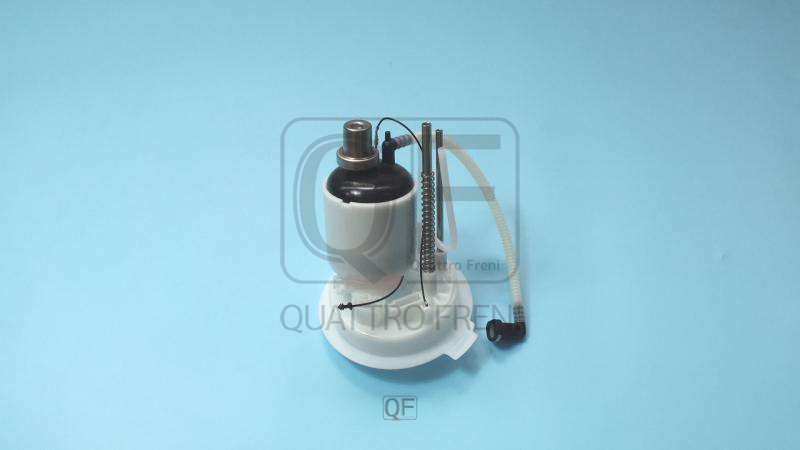
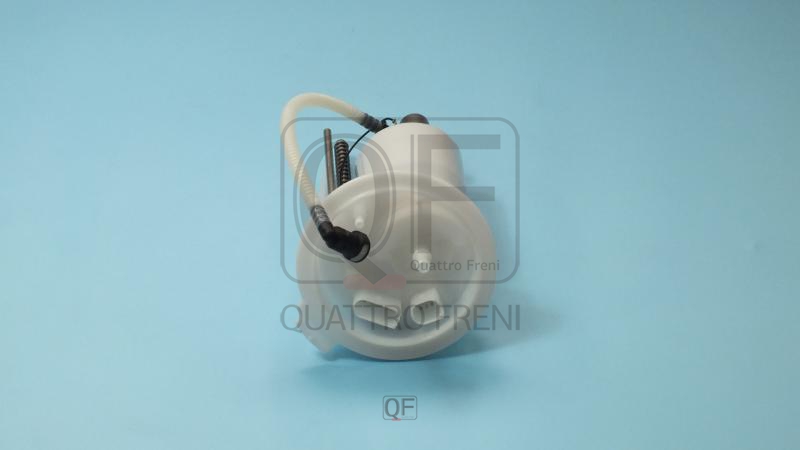
This unit — VAG 4G0201317A — is manufactured to OEM-equivalent specifications: filter medium grade and micron rating, housing thread size or cartridge dimensions, water separator bowl capacity where applicable, flow rate at rated differential pressure, and end fitting port sizes are matched to the original part. Supplied as a direct replacement for standard fitment. Available wholesale from 14.66 USD, MOQ 50 pcs, production lead time 20-45 days.
Fuel filter restriction develops progressively as the element captures particulates and wax crystals — diesel filters are particularly susceptible to wax plugging in cold weather when fuel quality is marginal. A partially blocked filter forces the fuel pump to work against elevated backpressure, accelerating pump wear and reducing flow rate at high engine loads. Replace at the OEM-specified interval regardless of symptoms — a filter that has not yet caused driveable symptoms may already be forcing the pump to operate at the limit of its capacity, shortening pump service life significantly.
- Depressurise the fuel system before disconnecting any fuel line — locate and remove the fuel pump fuse or relay, crank the engine until it stalls, then crank once more to bleed residual pressure. On diesel common rail systems rail pressure can exceed 1,500 bar when the engine is stopped — wait at least 30 seconds after shutdown before loosening any fuel line fitting. Disconnect the negative battery terminal before beginning work.
- Position absorbent cloths and a suitable fuel container under the filter before disconnecting the inlet and outlet lines — residual fuel in the filter housing and lines will drain immediately on disconnection. Work in a well-ventilated area away from ignition sources; petrol vapour is heavier than air and accumulates at ground level.
- Note the flow direction arrow on the filter body before removal and confirm the replacement is installed in the same orientation — fuel filters are directional; installing in reverse forces fuel through the filter medium against its designed flow direction, reducing filtration efficiency and increasing pressure drop across the element.
- Replace all sealing washers, O-rings, and banjo bolt copper washers supplied with the new filter or available as a separate seal kit — reusing old seals on a pressurised fuel system is a fire risk. On diesel filters with a water separator bowl, inspect the bowl drain valve and replace if the seal shows cracking or the valve does not close positively.
- On diesel filters with a manual priming pump, prime the system by pumping until firm resistance is felt before attempting to start the engine — a diesel injection system run dry of fuel will introduce air into the high-pressure pump, requiring extended cranking or a bleed procedure to purge before the engine will start.
- Install the new FUEL FILTER (VAG 4G0201317A), tighten all fittings to OEM specification, reconnect the battery and fuel pump fuse, cycle the ignition key to ON three times for 5 seconds each cycle to prime the system, then start the engine and inspect all disturbed connections for fuel leaks before returning the vehicle to service.