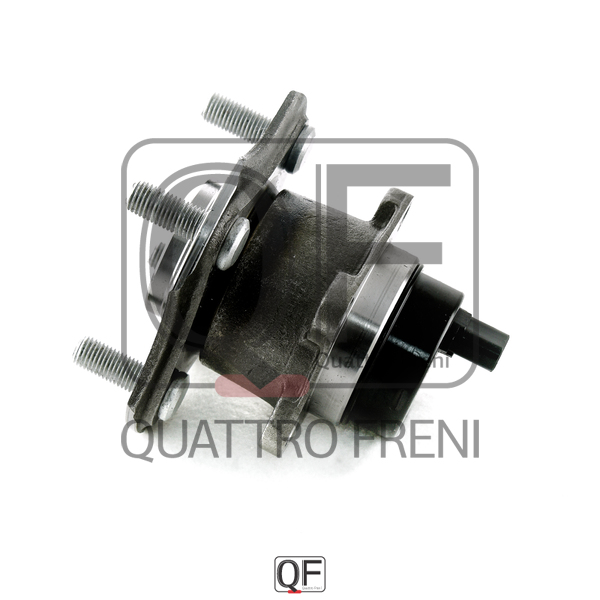
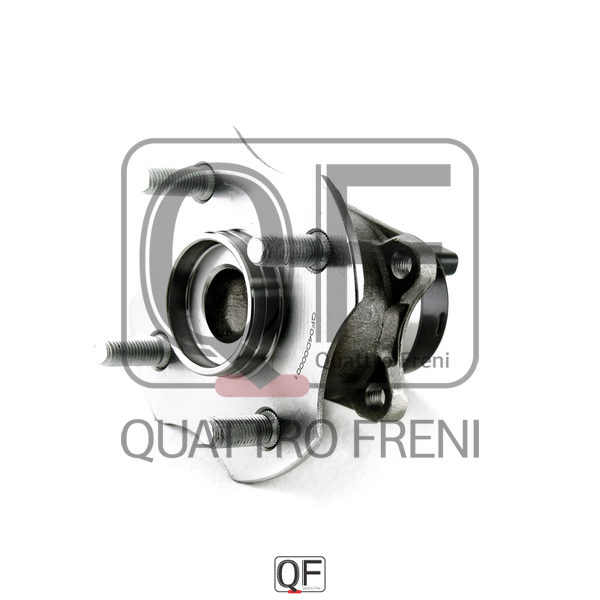
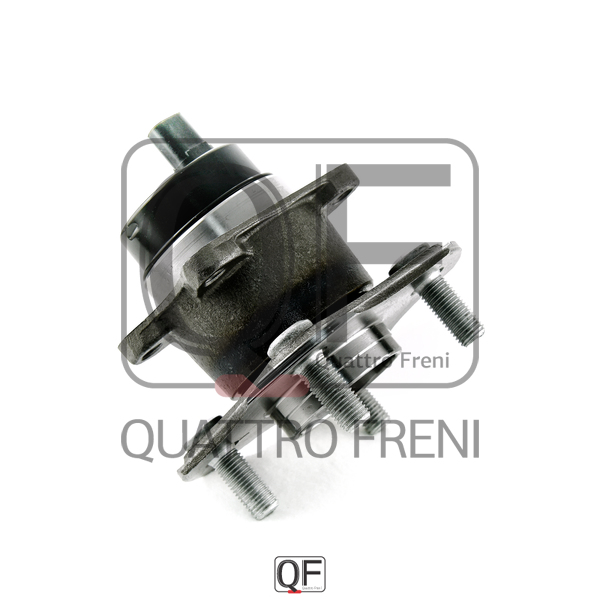
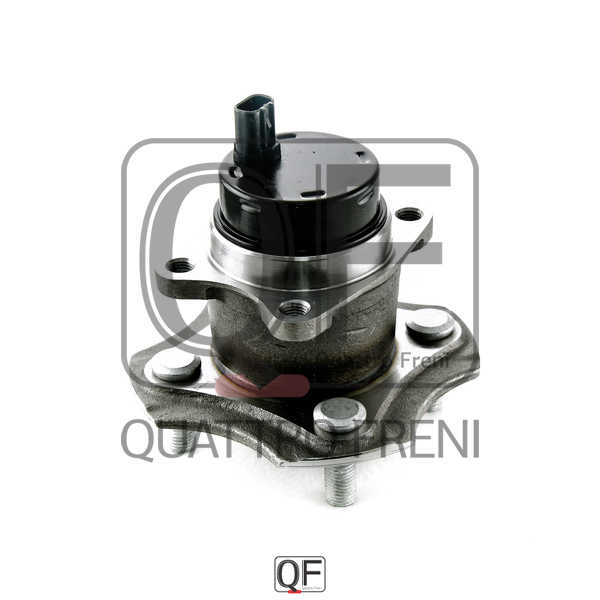
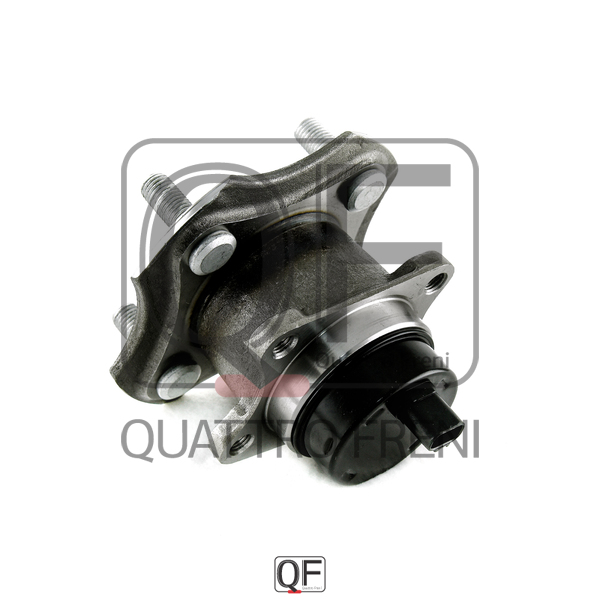
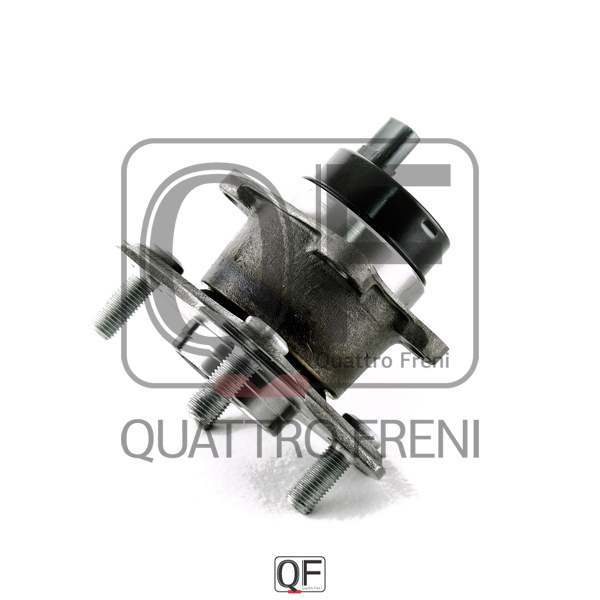
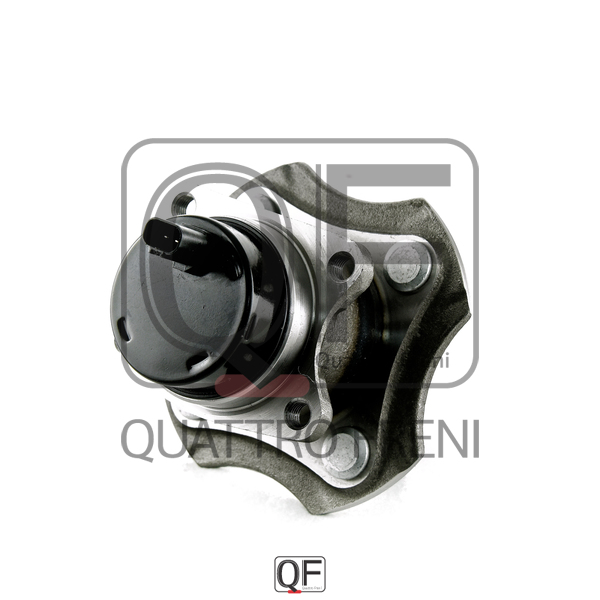
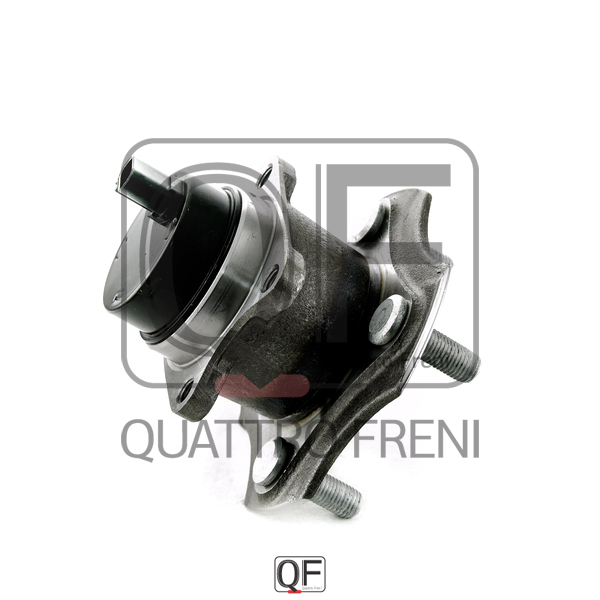
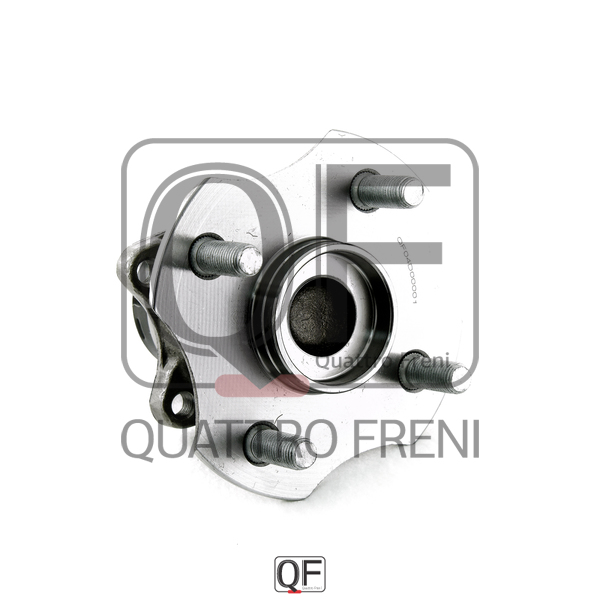
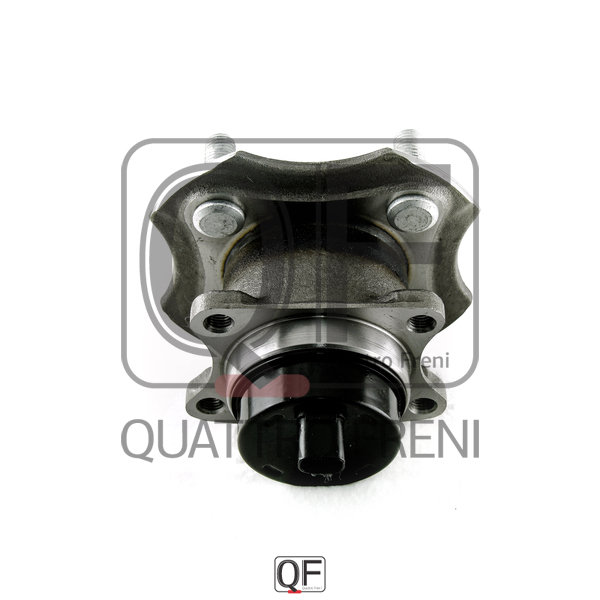
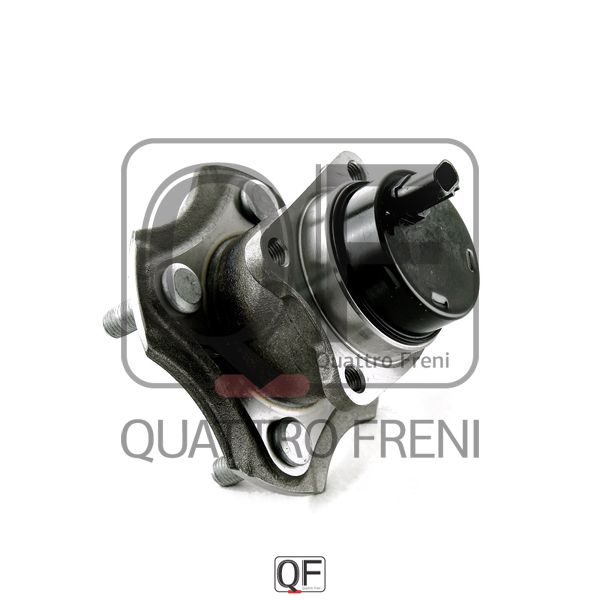
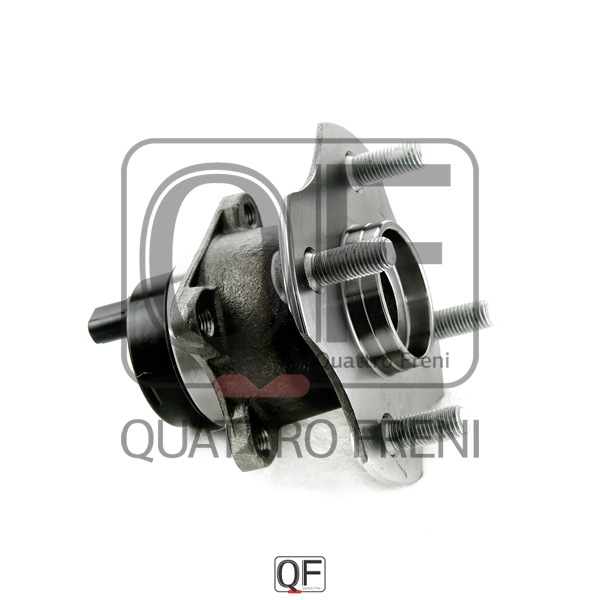
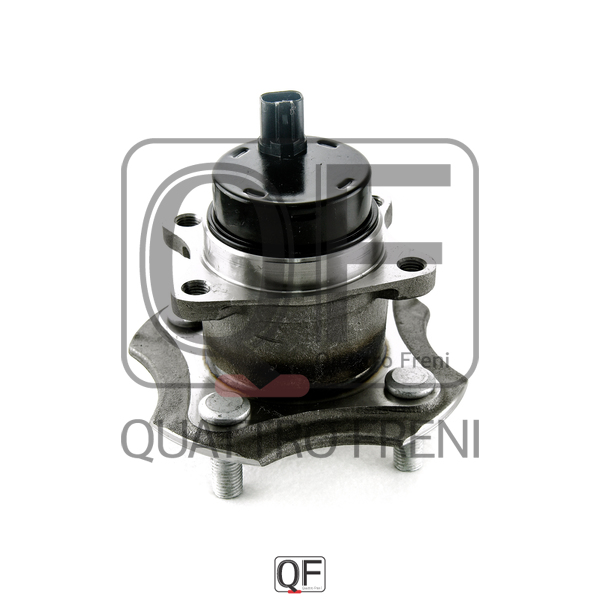
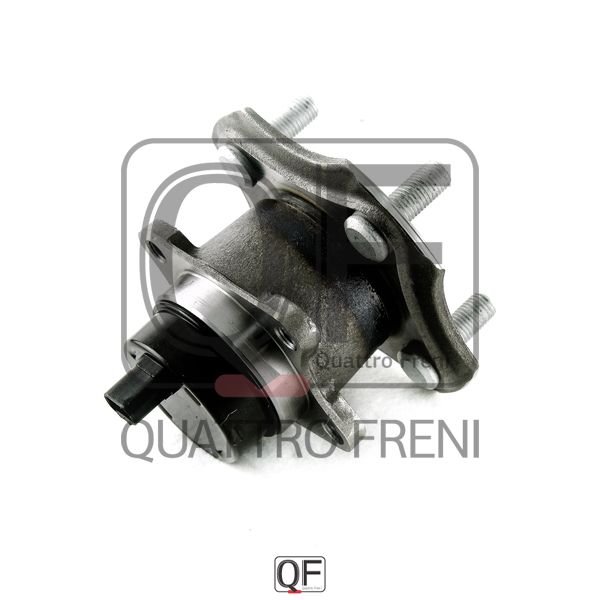
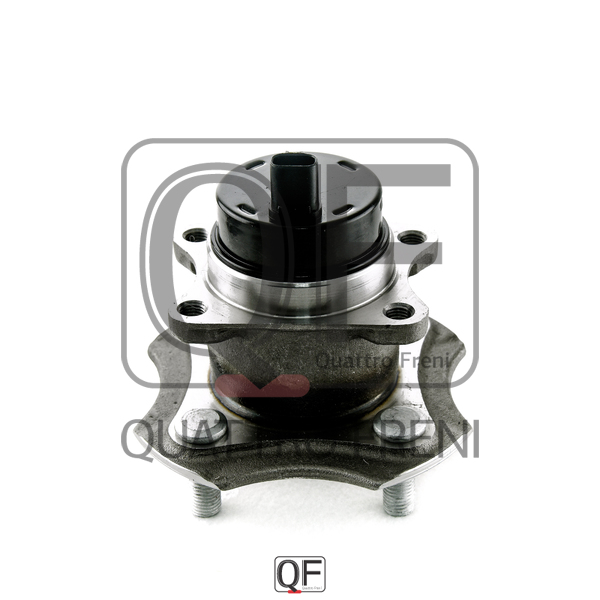
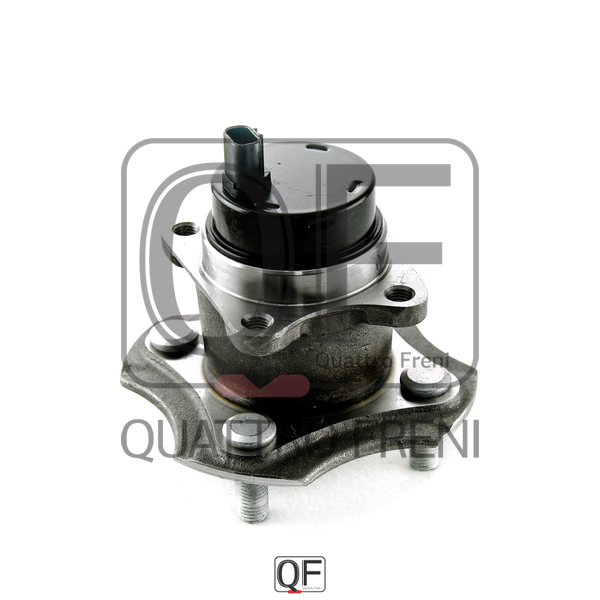
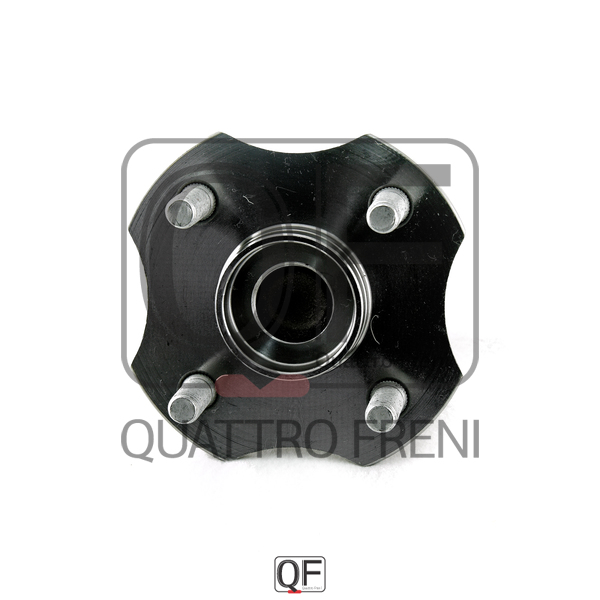
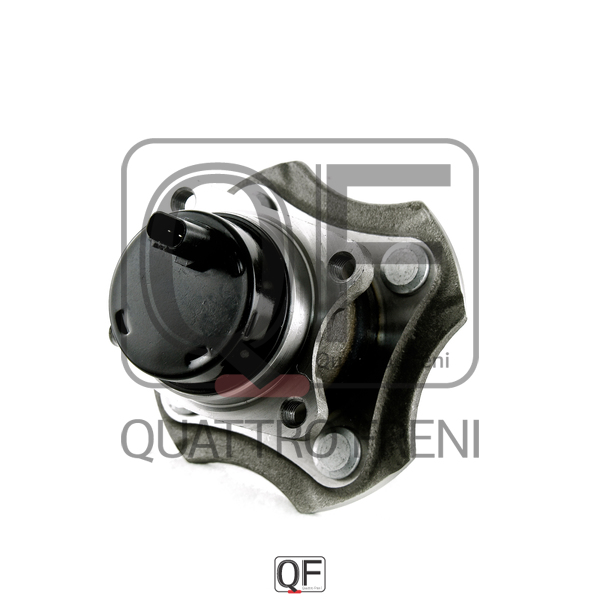
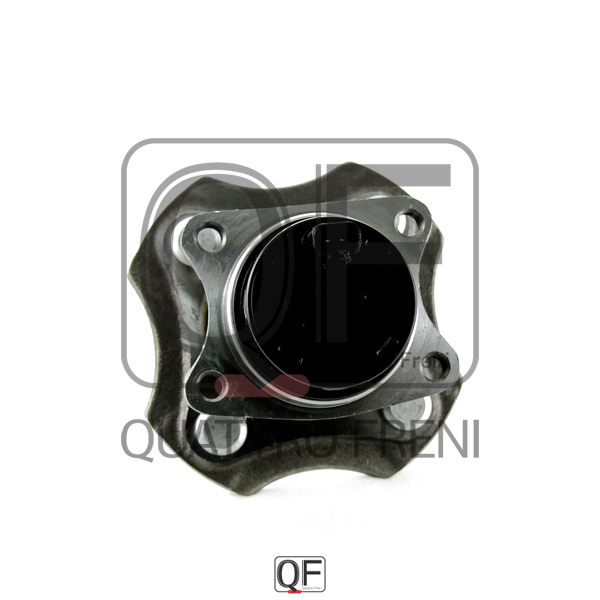
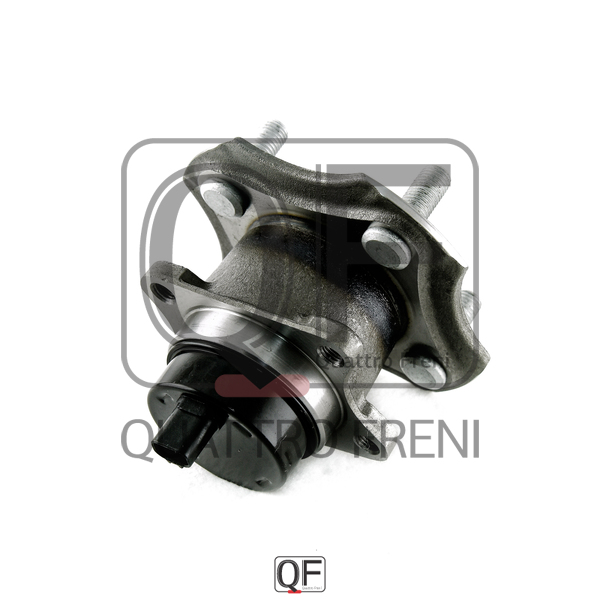
GEELY 1014003295 HUB BEARING ASSY
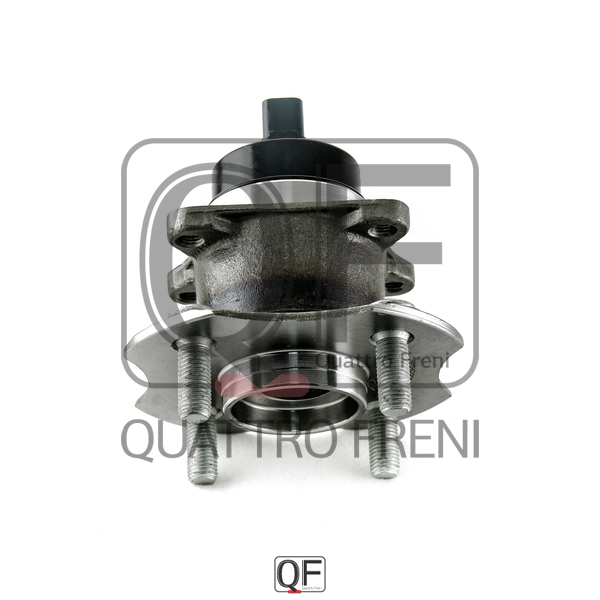
Product Specifications
| GEELY | 1014003295 |
| MILES | DB83358 |
The HUB BEARING ASSY is a preloaded double-row angular-contact ball bearing or tapered roller bearing assembly that supports the wheel hub on the steering knuckle or axle carrier, carrying the full radial and axial loads generated at the tyre contact patch during cornering, braking, and acceleration while maintaining precise wheel alignment geometry throughout the wheel's rotational speed range. Modern hub bearing units are supplied as sealed, pre-greased, pre-preloaded cartridge assemblies in three generations of design: Generation 1 units are separate inner and outer ring bearing assemblies pressed into the knuckle bore and onto the stub axle, requiring a separate hub and a locknut to apply axial preload — these are still used on some rear axles; Generation 2 units are an outer ring pressed into the knuckle bore with flanged inner races that bolt to the hub face — the bearing unit and hub are separate components; Generation 3 units are fully integrated hub bearing assemblies where the outer ring presses into the knuckle bore and the inner ring incorporates the wheel bolt flange directly, combining hub and bearing in a single replaceable unit. On driven axles the inner ring bore is splined to receive the driveshaft stub; on non-driven axles the bore is solid. All Generation 3 units on ABS-equipped vehicles incorporate an integrated ABS reluctor ring — a magnetic encoder ring or toothed ring — on the inner race outer face that provides the wheel speed signal to the ABS sensor.
This unit — GEELY 1014003295 — is manufactured to OEM-equivalent specifications: bearing outer diameter for knuckle bore press fit, inner ring spline dimensions for driveshaft engagement, wheel bolt flange bolt circle diameter and bolt hole count, ABS reluctor ring pole count and signal amplitude, overall axial width, and bearing dynamic and static load ratings are matched to the original part. Supplied as a complete pre-greased and pre-preloaded assembly ready for installation. Available wholesale from 15.9 USD, MOQ 50 pcs, production lead time 60-90 days.
Hub bearings fail through raceway fatigue spalling from high-mileage cumulative load cycling, seal degradation allowing water and road salt ingress that accelerates raceway corrosion, and impact damage from kerb strikes or severe pothole impacts that dent the raceways — a single high-impact load event that produces a visible flat spot on the raceway destroys the bearing's fatigue life immediately. ABS sensor reluctor ring damage — from corrosion, debris impact, or incorrect bearing installation that cracks the encoder ring — produces wheel speed sensor faults and ABS deactivation that persist until the bearing is replaced.
- Use a hydraulic press with the correct support plates and driver cups to remove the old bearing and install the new unit — never drive a hub bearing in or out with a hammer and drift; impact force concentrates on one point of the bearing outer race, causing Brinell indentation damage on the raceways before the bearing is even installed; always apply force evenly through the full circumference of the outer race using a driver cup matched to the race outer diameter.
- Measure the knuckle bore diameter before pressing in the new bearing — a bore that has been enlarged by a previous oversized bearing or by corrosion-induced fretting will not hold the new bearing's interference fit under cornering loads; the bearing outer race will rotate in the bore, destroying both the bore and the bearing within a short operating period; confirm the bore is within the OEM tolerance for interference fit before installation.
- Apply force only to the outer race when pressing the bearing into the knuckle bore — never apply installation force through the inner race or through the rolling elements; force transmitted through the rolling elements to the outer race during pressing causes immediate Brinell damage on the raceways; use a driver cup whose outer diameter contacts only the outer race face and whose inner diameter clears the inner race completely.
- On driven axles, do not install the driveshaft nut until the vehicle is lowered onto the ground — the hub bearing inner race spline must be prevented from rotating during nut torquing; with the wheel on the ground and the vehicle weight on the tyre, apply the footbrake to hold the hub stationary while the driveshaft nut is torqued to OEM specification — typically 200–350 Nm; a driveshaft nut insufficiently torqued allows axial movement of the driveshaft stub in the bearing spline, producing a fretting wear pattern that destroys the bearing inner race spline within a short mileage.
- Torque the bearing-to-knuckle mounting bolts (on bolt-flange designs) evenly in a diagonal sequence to the OEM specification; on press-fit designs confirm the bearing outer race is fully seated flush with or below the knuckle bore face before releasing the press; a bearing that is not fully pressed home has reduced effective bearing width and will fail prematurely under axial cornering loads.
- Install the new HUB BEARING ASSY (GEELY 1014003295), lower the vehicle and torque the driveshaft nut to specification, refit the wheel, clear any stored ABS wheel speed sensor fault codes with a scan tool, perform a test drive monitoring all four wheel speeds on live data to confirm the new bearing's ABS reluctor ring is producing a clean signal, and check for bearing noise on a steady 80 km/h cruise with gradual steering left and right before returning the vehicle to service.
| Part | Reason for Combined Replacement |
|---|---|
| Driveshaft Nut Single-use stretch nut, thread pitch per OEM specification | The driveshaft nut is a single-use stretch fastener that must be replaced every time it is removed — reusing a previously torqued stretch nut produces insufficient clamping force regardless of the torque wrench reading, allowing axial play of the driveshaft stub in the bearing spline that destroys the new bearing's inner race spline within a short operating period. Always include a new driveshaft nut in the bearing replacement parts order. |
| ABS Wheel Speed Sensor OEM ref. varies by wheel position | The ABS wheel speed sensor is located immediately adjacent to the hub bearing reluctor ring and is removed during bearing replacement access. A sensor that has been in service alongside a corroded or damaged reluctor ring may have a contaminated or pitted sensing face that produces signal noise even with a new clean reluctor ring. Inspect the sensor tip for corrosion deposits and replace the sensor simultaneously if any surface contamination is present to ensure clean signal quality on the new bearing's reluctor ring. |
| Steering Knuckle OEM ref. varies by axle position | A knuckle bearing bore that has been enlarged by fretting corrosion from a spinning outer race — identified by a bearing that can be removed without a press or that falls out under its own weight — cannot retain the new bearing's interference fit under cornering loads. Attempting to install a new bearing in an oversized bore using adhesive or bearing fit compound is not a reliable repair in a safety-critical steering component. Replace the knuckle simultaneously with the bearing when bore diameter is confirmed outside OEM tolerance. |