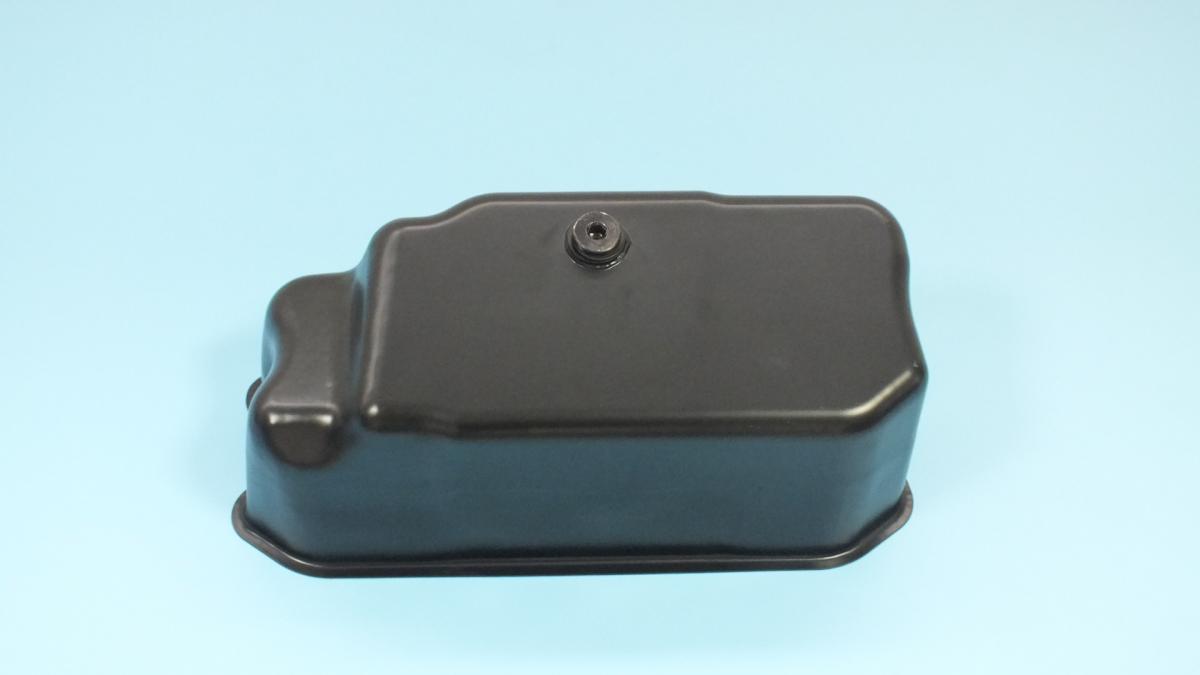
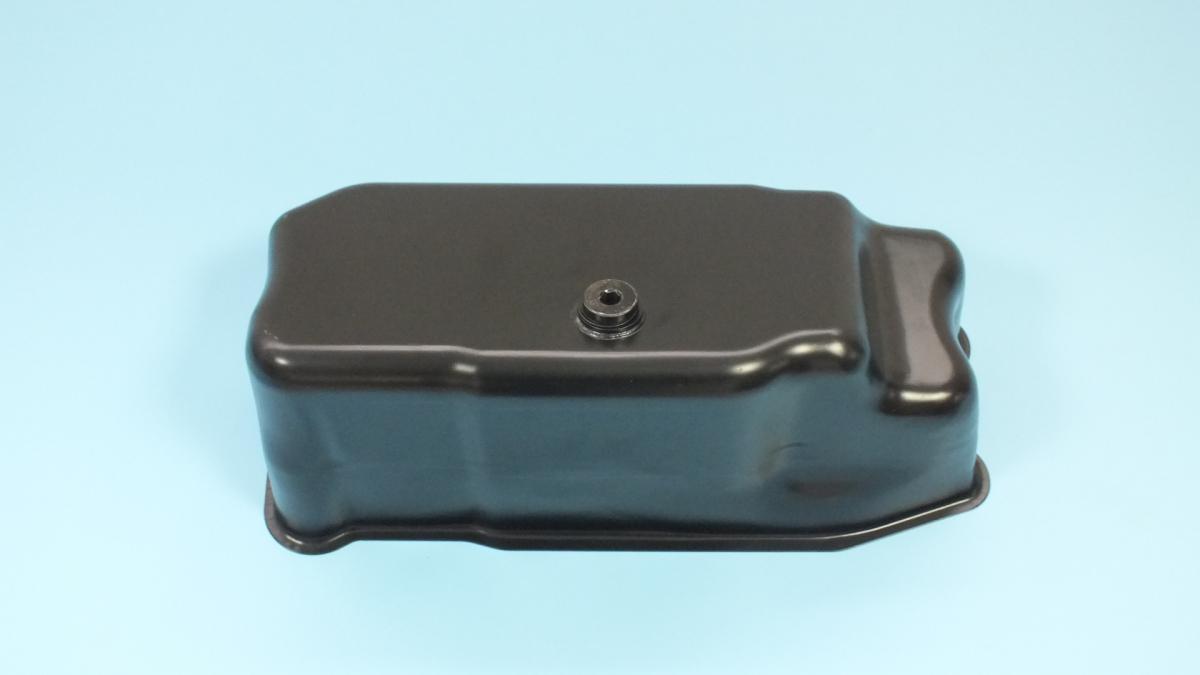
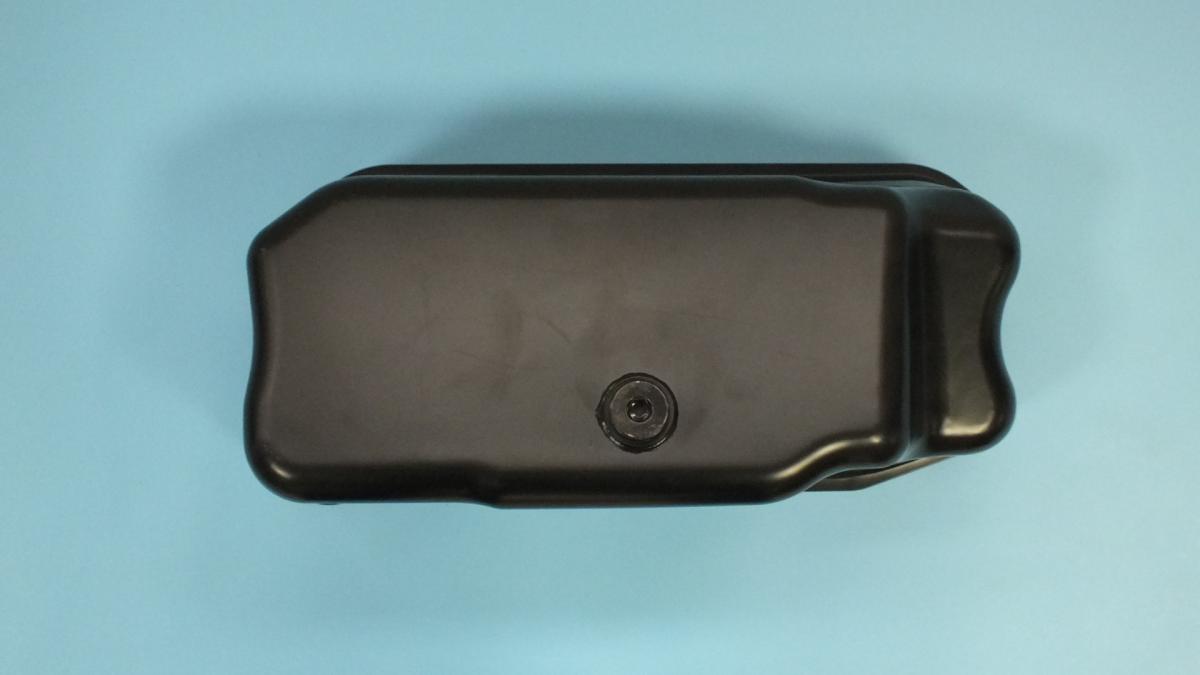
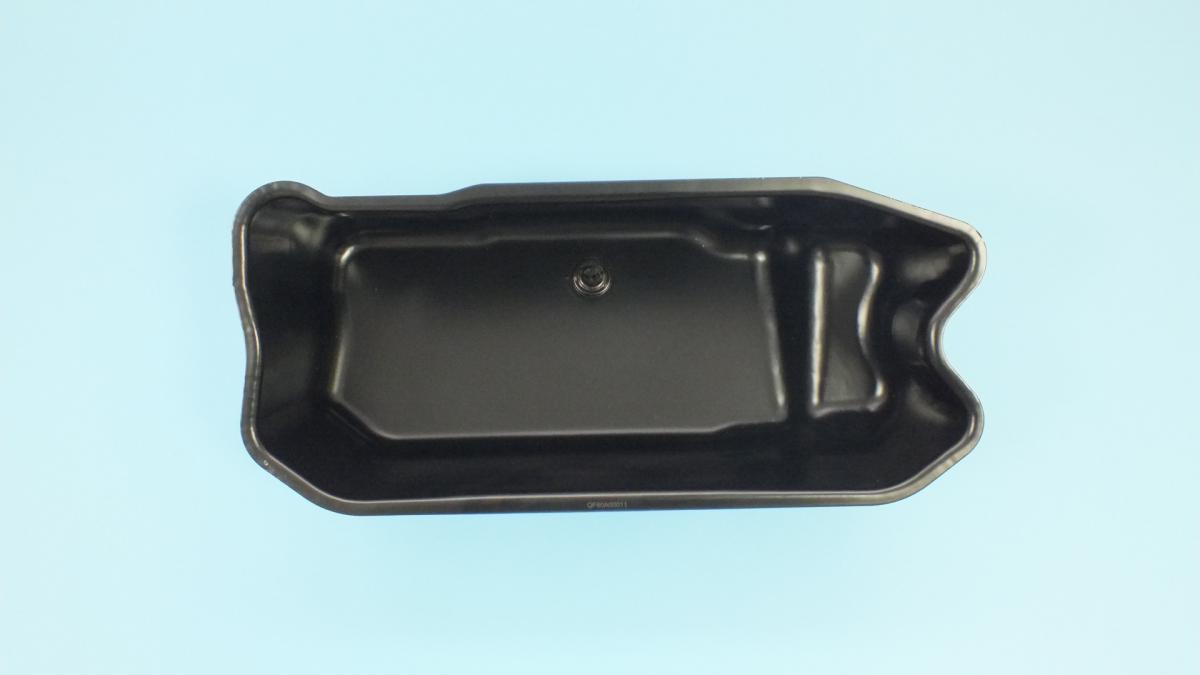
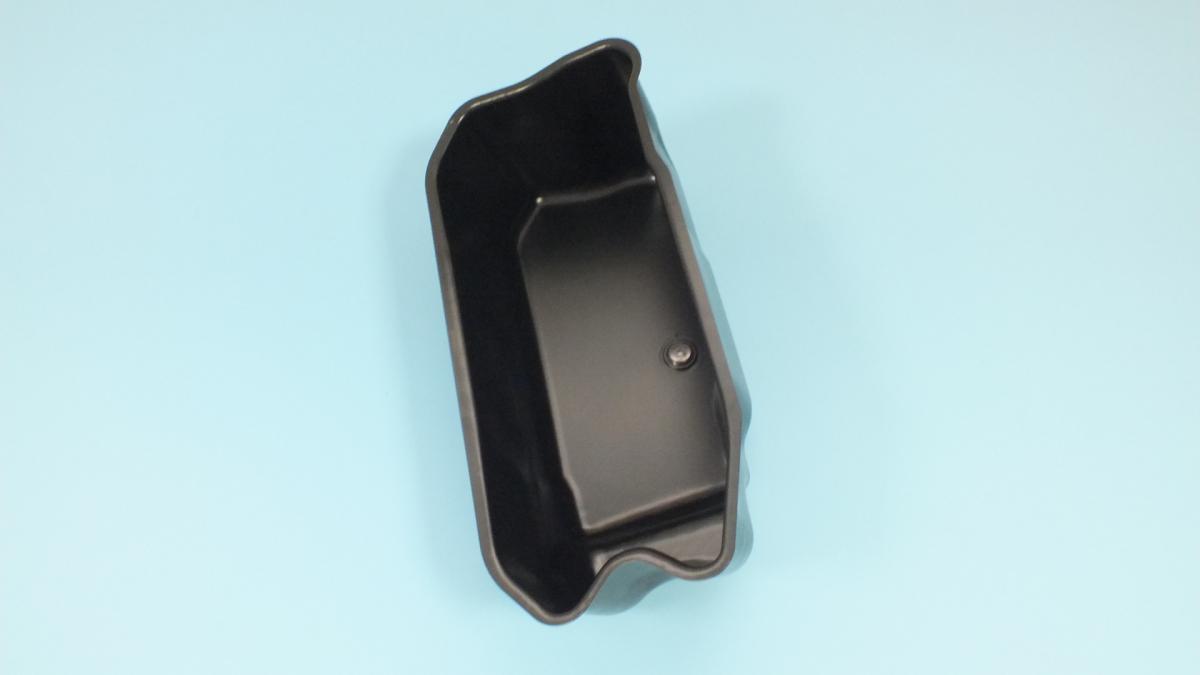
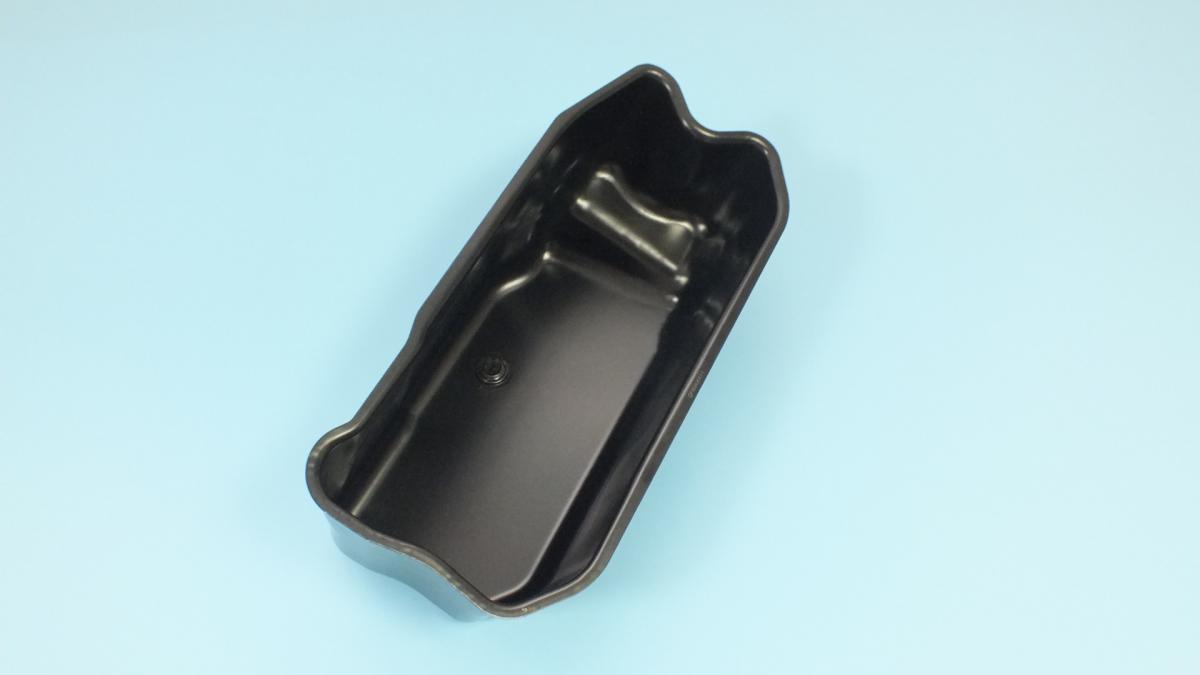
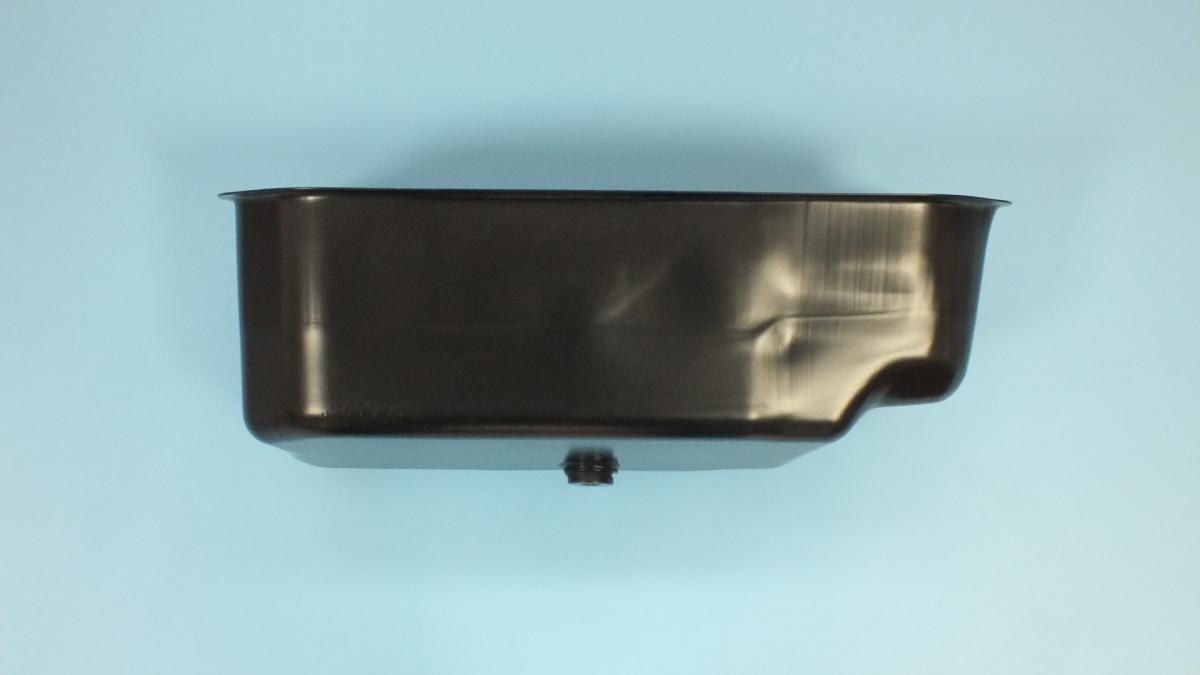
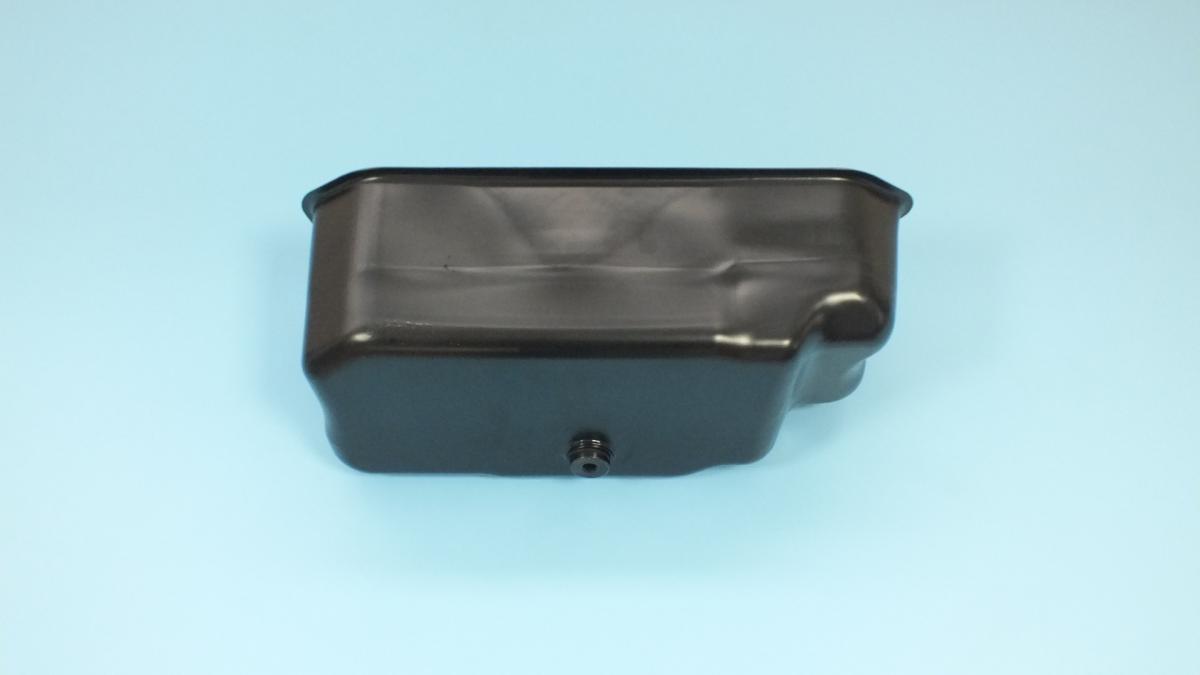
FIAT/ALFA/LANCIA 504328878 PAN ASSY-OIL
Product Specifications
| FIAT/ALFA/LANCIA | 504328878 |
| FIAT/ALFA/LANCIA | 504018305 |
| FIAT/ALFA/LANCIA | 0000504328878 |
| IVECO | 504328878 |
The PAN ASSY-OIL is the pressed steel or cast aluminium reservoir bolted to the underside of the engine block that stores the engine's full oil capacity — typically 4–8 litres depending on the engine displacement and specification — provides the oil sump from which the pickup tube draws oil to the pump under all normal driving orientations, and houses the oil drain plug for periodic oil changes. The pan performs several secondary functions beyond simple oil storage: its internal volume provides the air space above the oil surface that allows oil aeration from the crankshaft and connecting rod splashing to dissipate before the oil is re-ingested by the pickup tube; baffles or windage trays moulded or welded into the pan interior prevent oil surge away from the pickup under hard cornering, braking, and acceleration that would momentarily uncover the pickup and cause oil starvation at the pump inlet; and the pan's large surface area exposed to the underbody airstream provides a contribution to oil temperature management that is calibrated into the engine's thermal design. On modern engines with an integrated dry-sump or semi-dry-sump oil system the pan may also house an oil-to-water heat exchanger port or a scavenge pump mounting flange as part of the engine's active oil temperature control strategy.
This unit — FIAT/ALFA/LANCIA 504328878 — is manufactured to OEM-equivalent specifications: pan body profile and internal baffle geometry, drain plug thread size and position, oil level sensor port location where applicable, gasket or RTV sealing face flatness tolerance, mounting bolt pattern and hole positions, and overall depth and capacity are matched to the original part. Supplied as a direct replacement for standard fitment. Available wholesale from 10.65 USD, MOQ 100 pcs, production lead time 102 days.
Oil pans fail through impact damage from road debris, kerb strikes during low-speed manoeuvres, or underbody contact on steep gradients — a cracked or punctured pan loses oil catastrophically and will cause complete engine seizure within minutes of continued operation at low oil pressure. Gasket joint leaks develop from over-tightened drain plugs that distort the pan flange, from thermal cycling fatigue of RTV sealant on high-mileage engines, and from loose mounting bolts caused by vibration. A slow pan gasket seep is frequently the root cause of chronic low oil level complaints where no single puddle is visible — the oil burns off the hot exhaust before reaching the ground.
- Drain the engine oil completely before removing the pan — removing the pan with oil in the engine will spill the entire oil capacity into the work area and onto exhaust components; drain through the drain plug first, then remove the pan; on vehicles where the pan cannot be removed without partially lowering the subframe or removing the exhaust, plan the access sequence before starting to avoid having hot exhaust components in the work area during pan handling.
- Clean the engine block mating face meticulously after removing the old pan — this is the most critical step for a leak-free result; use a plastic or brass scraper to remove all old gasket material or RTV sealant from the block face, then finish with fine abrasive cloth to achieve a flat, clean metal surface; any residual material creates a high spot that prevents the new gasket or RTV bead from sealing and guarantees a leak on the first heat cycle.
- On pans sealed with a formed gasket, fit the new gasket dry or with a thin film of the gasket compound specified by the OEM; do not apply additional RTV sealant over a formed gasket as the excess is squeezed into the oil circuit where it breaks off and blocks the oil pickup screen. On pans sealed with RTV sealant, apply a continuous 3–4 mm diameter bead of the correct RTV type in a single pass around the full perimeter inside the bolt holes, assemble within 10 minutes before the RTV skins over, and allow to cure for the OEM-specified time before filling with oil.
- Install all pan mounting bolts by hand before torquing any of them — starting bolts in a random sequence on a pressed steel pan distorts the flange and prevents the gasket from seating uniformly; hand-start all bolts, then torque in a spiral pattern from the centre outward in two passes — first pass to half torque, second pass to final torque; never exceed the OEM torque specification as over-tightening on aluminium thread inserts strips the block threads.
- Fit a new drain plug washer and torque the drain plug to OEM specification before refilling — the drain plug washer is a single-use crush seal; reusing the old washer on a new pan produces an immediate oil seep at the drain plug that is indistinguishable from a pan gasket leak; always fit a new washer and torque to specification rather than tightening until it feels tight.
- Install the new PAN ASSY-OIL (FIAT/ALFA/LANCIA 504328878), allow RTV to cure for the specified period before filling with oil, fill with the correct grade and quantity of engine oil, start the engine and inspect the pan gasket joint and drain plug immediately for leaks, run to operating temperature, re-check the oil level and all joint faces, and confirm no leaks before returning the vehicle to service.
| Part | Reason for Combined Replacement |
|---|---|
| Oil Pan Gasket Formed rubber or fibre, engine-specific | The oil pan gasket is a single-use sealing element that must always be replaced with the pan — reusing an old compressed gasket on a new pan face guarantees an oil leak on the first heat cycle. On engines where the pan is sealed with RTV rather than a formed gasket, use the correct RTV specification for the engine — standard grey RTV is not interchangeable with high-temperature black RTV on turbocharged engines where pan temperatures are significantly higher. |
| Oil Drain Plug and Washer M12, M14, or M16 per engine specification | The drain plug washer is a single-use crush seal that must be replaced at every oil change and every pan removal. A drain plug that has been over-tightened may have deformed the pan boss thread — fit a new drain plug and washer on the new pan and torque to specification rather than tightening by feel. Never reuse a drain plug that shows thread damage or a head that has been rounded by an incorrect tool. |
| Engine Oil and Oil Filter Grade and specification per OEM requirement | Oil pan replacement requires complete oil drainage and constitutes a full oil service by definition. Refilling a new pan with old oil negates the purpose of the pan replacement and introduces the contaminants from the old oil charge into the fresh sealing surfaces of the new pan gasket joint. Always refill with fresh engine oil of the correct specification and simultaneously replace the oil filter to complete a full lubrication system service. |