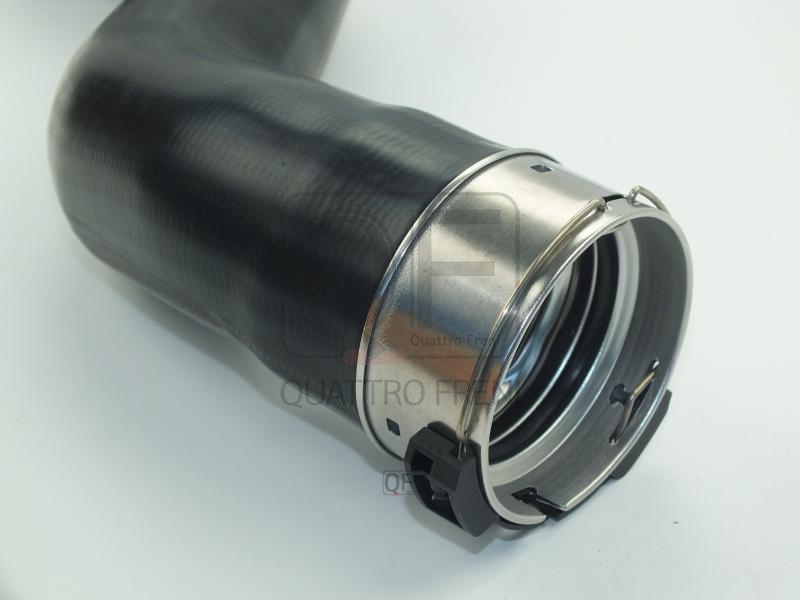
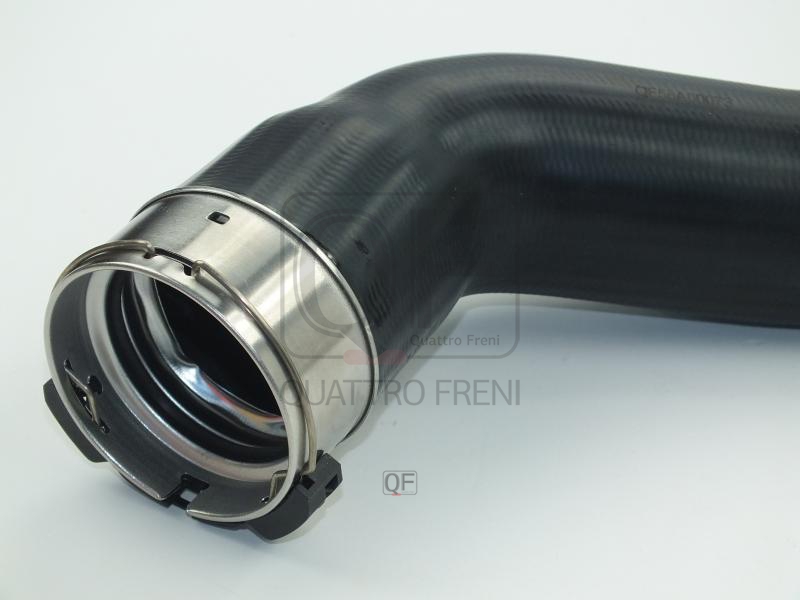
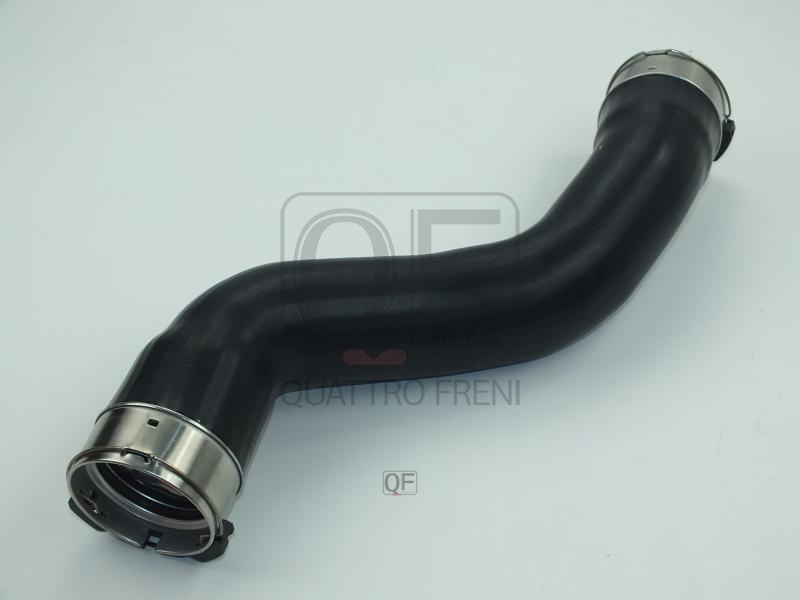
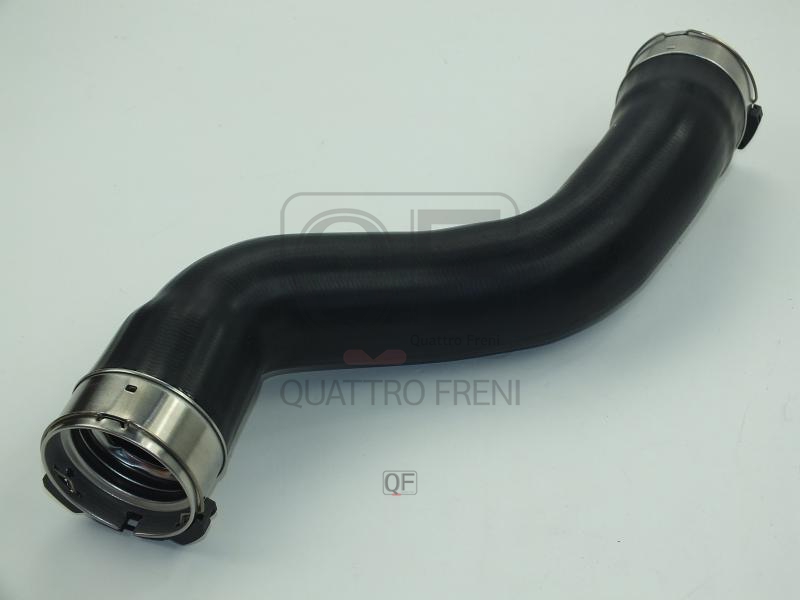
MERCEDES-BENZ A2045280000 HOSE
Product Specifications

Product quality
OEM Equivalent Grade
starstarstar
60 sold
Wholesale price USD $14.66
Wholesale price CNY ¥99.6
bolt MOQ (Minimal order)
30 pcs
local_shipping Production time
125 days
package_2 Shipping Weight: 0.7 kg
MERCEDES-BENZ A2045280000
MERCEDES-BENZ A2045282782
MERCEDES-BENZ 2045282782
MERCEDES-BENZ 2045280000
MERCEDES-BENZ A071283
Overview & Operating Principle

The HOSE is a flexible conduit that routes fluid or air between rigid components in the engine, cooling, fuel, brake, power steering, or air induction systems, accommodating relative movement between the connected components caused by engine torque reaction, thermal expansion, and suspension articulation. Hose construction is matched to the specific demands of each system: coolant hoses use reinforced EPDM rubber rated to 130°C continuous service; high-pressure fuel hoses use multi-layer fluoropolymer-lined braided construction rated to system operating pressure; brake hoses use a steel-braided PTFE or rubber inner liner rated to 200 bar; air intake hoses use silicone or reinforced rubber with low permeability to prevent unmetered air bypass; and power steering hoses use high-pressure crimped steel-end assemblies rated to 150–200 bar.

This unit — MERCEDES-BENZ A2045280000 — is manufactured to OEM-equivalent specifications: inner diameter, wall thickness, material compound, pressure rating, temperature range, and end fitting geometry or clamp bead profile are matched to the original part. Supplied as a direct replacement for standard fitment. Available wholesale from 14.66 USD, MOQ 30 pcs, production lead time 125 days.

Hoses degrade through inner wall delamination, external surface cracking from UV and ozone exposure, electrochemical degradation at metal end fittings, and softening or hardening of the rubber compound from heat cycling and fluid saturation. A hose that appears intact externally may have a partially collapsed inner wall restricting flow, or a delaminated inner layer that is shedding particles into the fluid circuit. Squeeze coolant hoses by hand when cold — a hose that feels abnormally soft, mushy, or that does not spring back immediately has lost its structural integrity and should be replaced proactively before it fails under pressure.

Symptoms & Diagnostics
Visible fluid leak at the hose body or at the end fitting connection — pinhole leak, crack, or clamp failure allowing coolant, fuel, brake fluid, or power steering fluid to escape; use UV dye to trace seepage to its exact source before condemning a specific hose.
Engine overheating or coolant loss without visible external puddle — a pinhole leak in a coolant hose that only opens under operating pressure and temperature may seal when the engine cools, leaving no trace on the ground; pressure-test the cooling system to identify intermittent leaks.
Soft brake pedal or brake pedal that slowly sinks to the floor under sustained pressure — a brake hose that has failed internally, with the inner liner ballooning under hydraulic pressure to absorb pedal travel without transmitting force to the caliper; the hose may appear intact externally.
Check Engine light with MAF or throttle-related codes, rough idle, or lean fuel trim — a cracked air intake or intercooler hose allowing unmetered air to bypass the MAF sensor; the ECU cannot compensate for the unmeasured airflow and fuelling becomes erratic.
Power steering whine, heavy steering, or fluid loss from the power steering reservoir — a leaking high-pressure power steering hose losing fluid under the operating pressure of the power steering pump; the noise is caused by air entering the system as fluid level drops.
External surface cracking, swelling, or surface hardening visible on hose inspection — UV, ozone, and heat degradation of the outer rubber layer; surface cracking indicates the inner layers are at a similar stage of degradation and the hose should be replaced proactively before a failure under pressure occurs.
Logistics & Customs
International HS Code
4009.31
EAEU Customs Code (TN VED)
4009 31 000 0
Typical Net Weight
0.7 kg
Country of Manufacture
China
Standard MOQ
30 pcs
Production Lead Time
125 days
Always verify the exact 8-digit or 10-digit subheading with your customs broker for the destination country, as tariff schedules and duty rates vary by jurisdiction.
Installation Tips
  1. Depressurise and drain the relevant system before disconnecting any hose — allow the cooling system to cool completely before opening coolant hoses; depressurise the fuel system before disconnecting fuel lines; bleed the brake system pressure; and turn the steering to full lock to relieve power steering pressure. Never open a pressurised system without confirming pressure has been released.
  2. Photograph the hose routing, clamp positions, and any anti-chafe sleeves before removal — hose routing is critical for correct clearance from hot exhaust components and moving parts. A hose reinstalled on an incorrect path will chafe, overheat, or restrict fluid flow at a bend point.
  3. Inspect the pipe stubs, barbs, or port faces at both ends of the hose run for corrosion, scale buildup, or damage. Clean aluminium and steel stubs with a wire brush and wipe with a clean cloth — scale or corrosion particles left on the stub will be ingested into the system or will prevent the new hose from seating fully on the barb.
  4. Lubricate rubber hose ends with a small amount of clean system fluid — coolant for coolant hoses, clean brake fluid for brake hoses — to ease installation over barbed stubs without tearing the inner liner. Never use petroleum-based grease or oil on rubber hoses as these swell and degrade the rubber compound.
  5. Position all clamps correctly — spring clamps should be positioned with the clamp body over the hose bead, not on the smooth section; worm-drive clamps should be tightened to OEM specification (typically 2–4 Nm for coolant hoses) and positioned so the screw head is accessible for future service. Do not overtighten worm-drive clamps as this cuts into the hose outer layer.
  6. Install the new HOSE (MERCEDES-BENZ A2045280000), refill the system with the correct fluid, bleed any air from the circuit where required, start the engine and bring to operating temperature, then inspect all disturbed connections for leaks under pressure before returning the vehicle to service.
Tools: appropriate drain container, hose clamp pliers (spring clamp type), torque screwdriver for worm-drive clamps, wire brush for stub cleaning, UV dye kit for leak verification, cooling system pressure tester where applicable.
Frequently Asked Questions
Should adjacent hoses be replaced simultaneously when one hose has failed?
On vehicles above 100,000 km, replacing all hoses in the same circuit simultaneously is strongly recommended. Hoses in the same system share the same age, fluid exposure, and thermal history — if one has failed, the others are at the same stage of internal degradation. Replacing all coolant hoses in a single service visit, for example, avoids repeated coolant drain and refill operations within a short period. ok.parts supplies individual hoses and system hose sets at wholesale MOQ from 14.66 USD per unit.
Is system bleeding or ECU adaptation required after replacing a hose?
Bleeding requirements depend on the system. Cooling systems must be bled of air after any hose replacement — run the engine with the heater set to maximum temperature and the expansion tank cap removed until the thermostat opens and coolant circulates without air bubbles; some vehicles have bleed screws at the highest point of the circuit. Brake systems require bleeding at the caliper furthest from the master cylinder after any brake hose replacement to purge air from the new hose. Power steering systems self-bleed by turning lock-to-lock several times at idle. Fuel and air intake hose replacement requires no bleeding.
How does the OEM-equivalent aftermarket unit compare to the genuine OEM part?
OEM-equivalent units in this catalogue replicate the current OEM design geometry and material specification. Quality is verified against OEM cross-reference data. When ordering in bulk, confirm with our team that the specification matches the latest OEM revision for your application.
Is white-label or custom packaging available for wholesale orders?
Yes. ok.parts works directly with the manufacturing facility and can accommodate neutral white-label packaging or fully branded packaging with your company logo, part numbers, and barcode. Minimum order quantities and lead times for custom packaging may differ from standard stock. Contact the team via the inquiry form to discuss your specific requirements.
Frequently Replaced Together