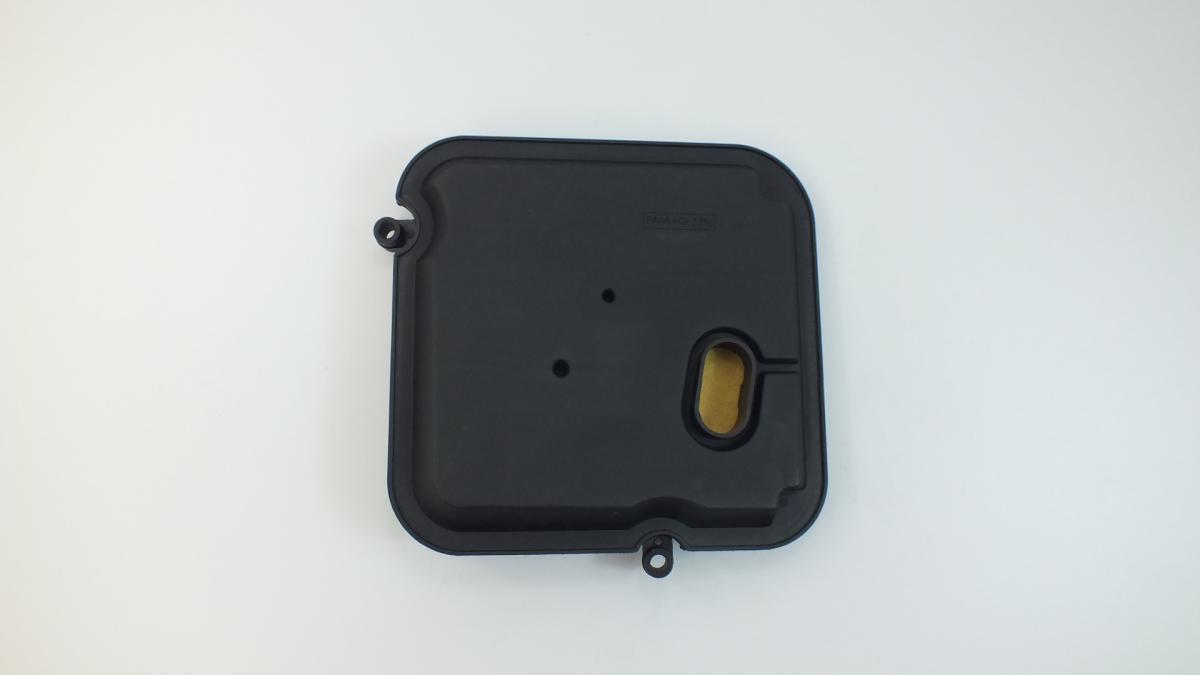
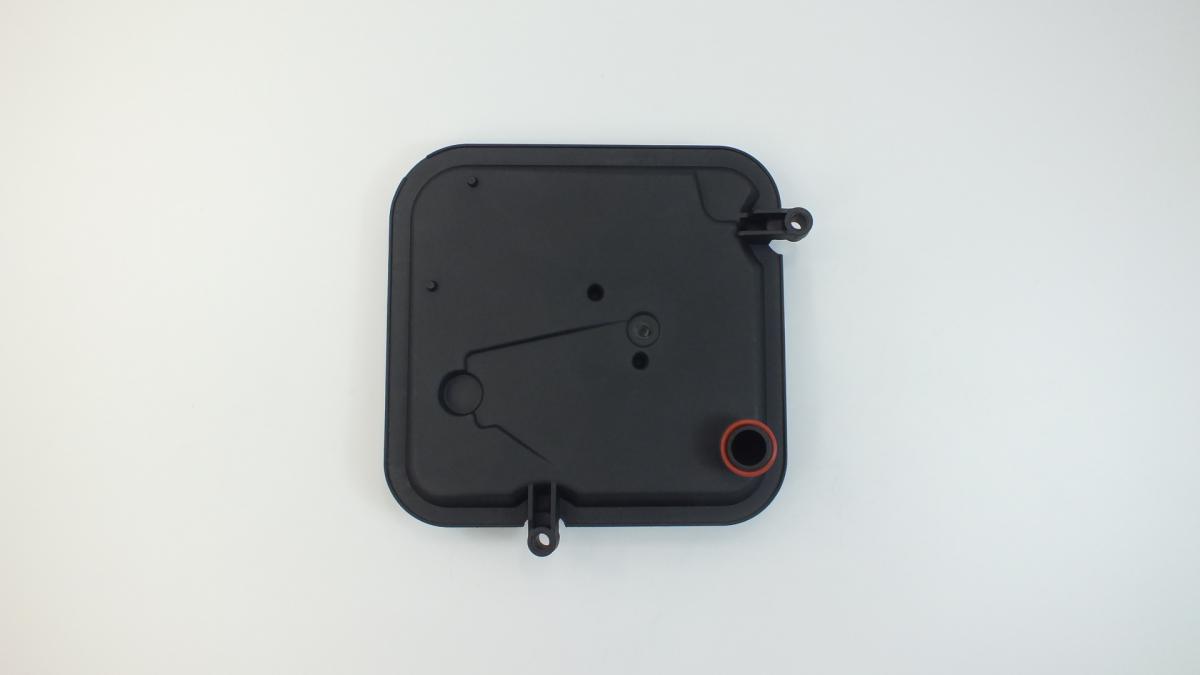
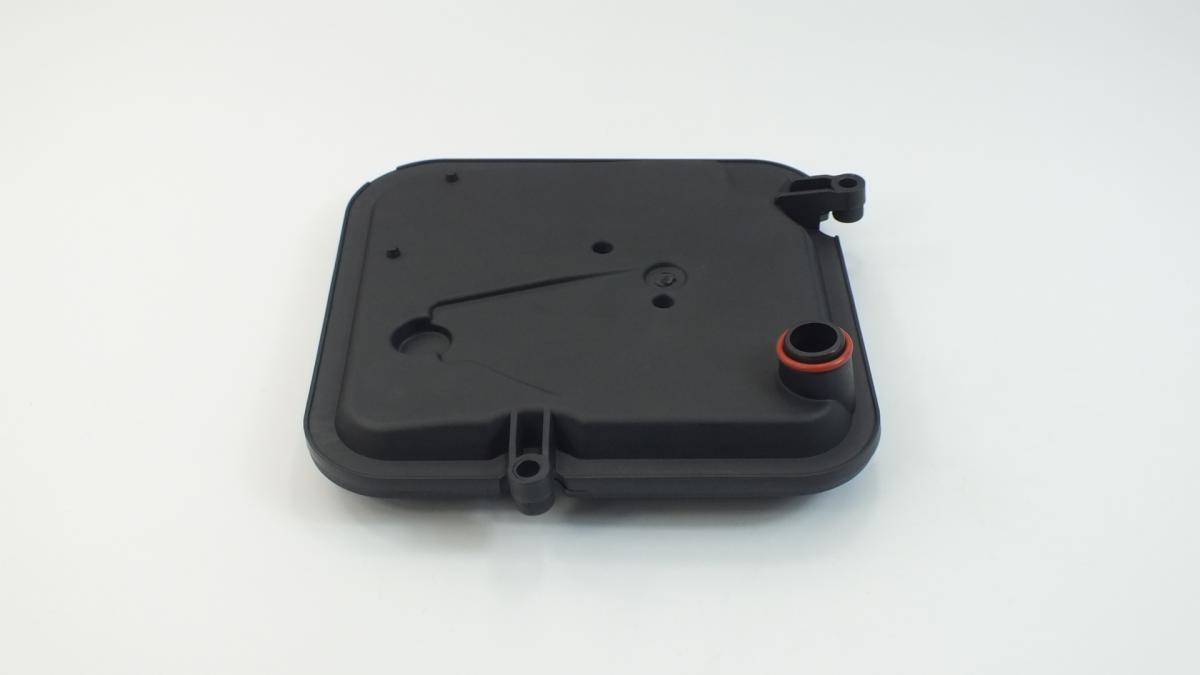
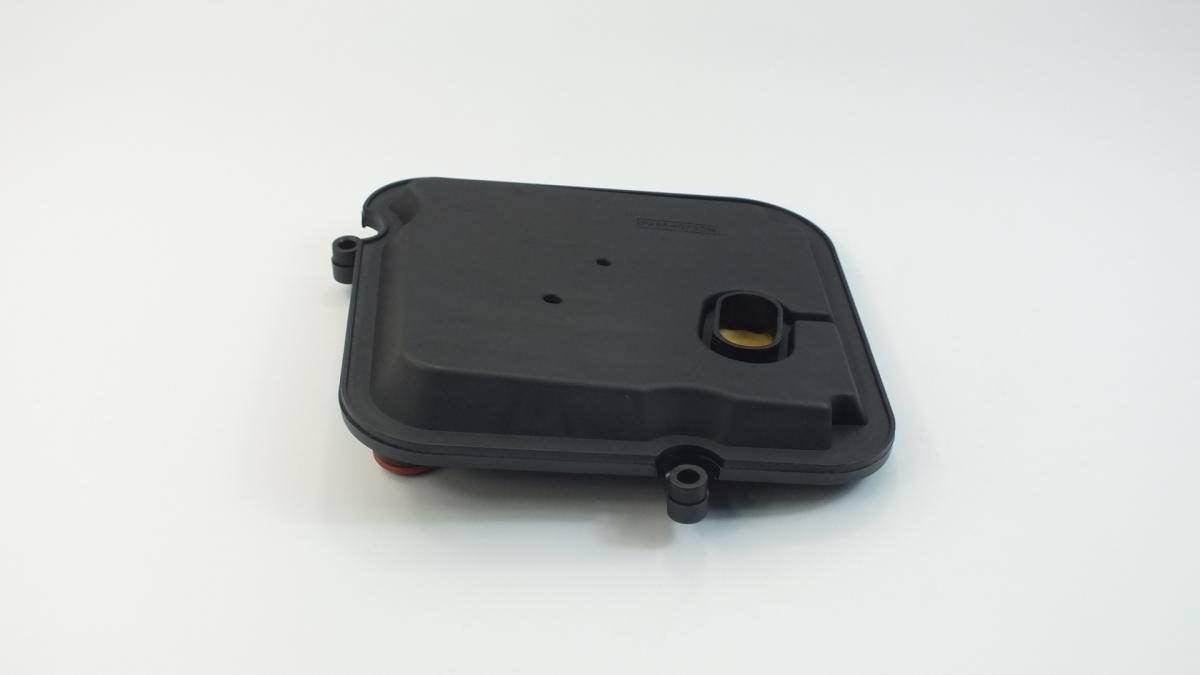
CHRYSLER 52852913AB FILTER
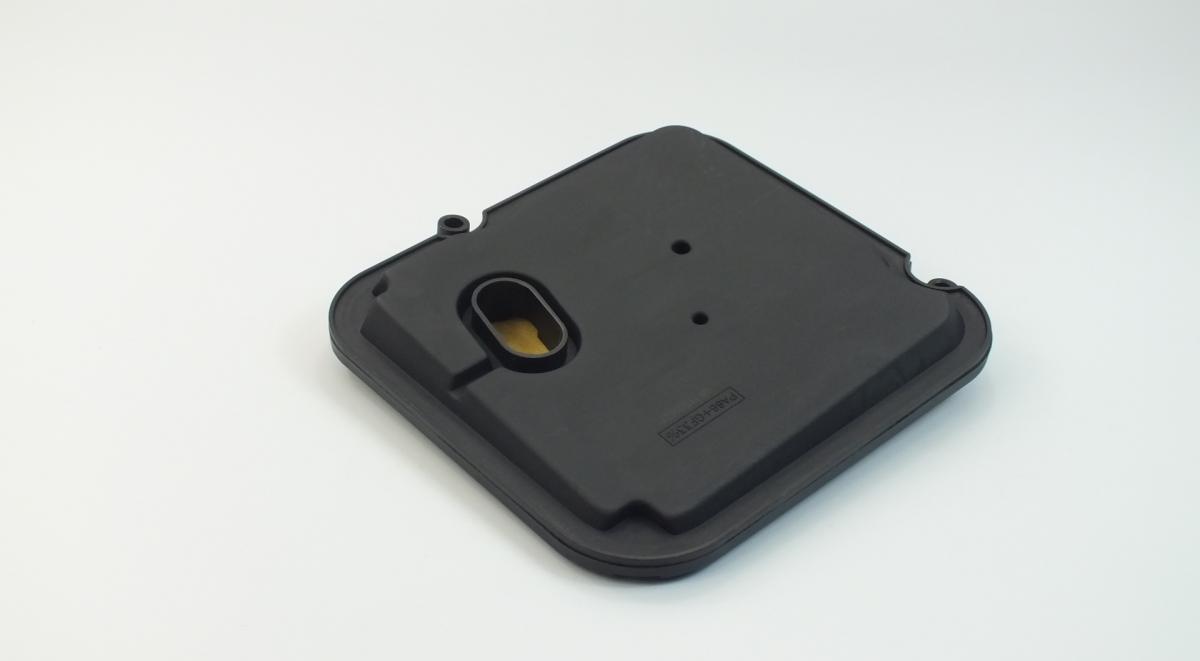
Product Specifications
| CHRYSLER | 52852913AB |
| CHRYSLER | 52852913AA |
| CHRYSLER | 68059549AA |
The FILTER is the inlet strainer filter fitted at the suction port of the windscreen or rear window washer pump — a small-mesh polypropylene or nylon basket or disc filter that prevents particulate contamination from the washer fluid reservoir from entering the pump's impeller chamber, protecting the pump's close-tolerance impeller and volute from abrasive grit, mineral scale deposits, and debris that would otherwise cause accelerated impeller wear, volute scratching, and progressive pump output degradation. The filter is positioned at the pump's inlet port — either snap-fitted into the suction tube that extends into the reservoir interior, press-fitted into the pump body inlet bore, or clipped onto the pump's inlet stub — where it screens all fluid drawn from the reservoir before it contacts any moving pump component. The mesh aperture size is calibrated to pass washer fluid and dissolved additives freely while capturing particles above approximately 100–300 microns that would cause impeller surface wear; too fine a mesh blocks rapidly with mineral scale from hard water washer fluid and starves the pump; too coarse a mesh allows abrasive particles through that scratch the impeller and reduce pump pressure output. On vehicles with heated washer systems, the filter also prevents scale from the heating element from reaching the pump impeller when the heater element sheds deposits.
This unit — CHRYSLER 52852913AB — is manufactured to OEM-equivalent specifications: filter outer diameter and length for press-fit or snap-fit engagement in the pump inlet port or suction tube, mesh aperture size and open area for the correct flow rate at minimum pump restriction, material compound for washer fluid and methanol additive resistance, and overall assembly geometry for the specific reservoir and pump configuration are matched to the original part. Supplied as a direct replacement for standard fitment. Available wholesale from 3.01 USD, MOQ 50 pcs, production lead time 20-50 days.
Washer pump inlet filters fail through complete blockage from mineral scale deposits that accumulate from hard-water washer fluid evaporation — the water evaporates through the reservoir venting while the dissolved calcium and magnesium carbonates remain, forming a progressive scale cake on the filter mesh; through physical collapse of the filter basket structure from material embrittlement after extended contact with methanol-based winter washer fluid; and through filter body fracture when the pump is removed for service and the filter is forced rather than correctly extracted. A blocked filter produces a washer pump that runs audibly but delivers no fluid at the jets — the pump motor is operating but cannot draw fluid through the blocked mesh — a symptom that is consistently misdiagnosed as pump failure, causing unnecessary pump replacement without addressing the actual blockage.
- Confirm the filter is the cause of the no-flow fault before removing the pump — with the reservoir at a reasonable fluid level, disconnect the pump outlet hose at the pump, activate the washer — the pump motor sound should be audible; if no fluid emerges from the disconnected outlet hose during pump operation, the suction side is blocked; extract the filter from the pump inlet and inspect the mesh for blockage; this two-minute diagnostic step prevents unnecessary pump removal on the majority of washer system no-flow calls.
- Drain or syringe sufficient washer fluid from the reservoir to expose the pump inlet area before removing the pump or filter — working with the reservoir partially drained prevents fluid spillage during pump removal and allows the filter to be accessed and extracted without the reservoir need for complete draining; a turkey baster or syringe can remove 300–500ml from the reservoir through the filler neck quickly.
- Extract the old filter using the correct technique for the specific fitment type — press-fit filters in the pump body inlet bore are extracted by gently pulling the pump from the reservoir grommet and then removing the filter from the pump inlet with needle-nose pliers; suction tube filters snap onto the tube end and are removed by pulling straight off; never use a screwdriver to pry the filter as this fractures the brittle polypropylene body and leaves fragments in the pump inlet that block the new filter immediately.
- Clean the reservoir interior before fitting the new filter — pour 200ml of dilute citric acid solution (10g citric acid per litre of warm water) into the reservoir, agitate by hand, and drain; this dissolves the calcium and magnesium scale deposits on the reservoir walls that would otherwise shed particles onto the new filter from the first use; rinse with clean water and drain before filling with fresh washer fluid.
- Press or snap the new filter fully onto the pump inlet or suction tube until it seats completely against its stop — a filter that is partially engaged allows fluid to bypass the mesh through the gap between the filter body and the pump inlet bore, allowing unfiltered fluid to reach the impeller; confirm the filter is fully seated by applying firm finger pressure and feeling for the engagement click or the solid bottomed-out resistance of a press-fit installation.
- Install the new FILTER (CHRYSLER 52852913AB), refill the reservoir with fresh washer fluid of the correct seasonal concentration, activate the washers and confirm strong jet flow at all nozzle positions, cycle the system five times to confirm sustained flow without progressive reduction that would indicate a partial remaining blockage, and check for any fluid leaks at the pump reservoir grommet before returning the vehicle to service.
| Part | Reason for Combined Replacement |
|---|---|
| Washer Pump Front and/or rear — OEM ref. varies by vehicle | A pump that has been operating against a partially blocked filter for an extended period has been running at above its rated current draw from the elevated suction restriction — the increased electrical load accelerates motor brush and commutator wear. If the pump has been producing reduced flow for more than a few months before the filter blockage was identified, measure the pump's no-load current draw against its rated specification; a pump drawing above rated current requires replacement alongside the filter to prevent imminent pump motor failure. |
| Washer Nozzles Front and rear — OEM ref. varies by bonnet and tailgate | Mineral scale that accumulated in the reservoir and blocked the pump filter will have also deposited scale in the nozzle orifices, reducing jet velocity and altering spray pattern direction. Clean all nozzles with a fine pin to clear the orifice and confirm the jet pattern is correctly aimed at the windscreen after the pump filter is replaced; a nozzle with scale-distorted orifice geometry produces an off-target jet that misses the wiper's swept arc regardless of pump pressure. |
| Washer Fluid Summer or winter concentration per climate | Filter replacement is the correct time to drain and refill the washer reservoir with fresh fluid of the correct seasonal concentration — old fluid that has been in the reservoir through the filter blockage period will have elevated mineral content from partial evaporation and may contain the same scale particles that caused the original filter blockage. Draining the reservoir completely and refilling with fresh demineralised-water-based washer fluid after filter replacement removes the scale reservoir and extends the new filter's service life. |