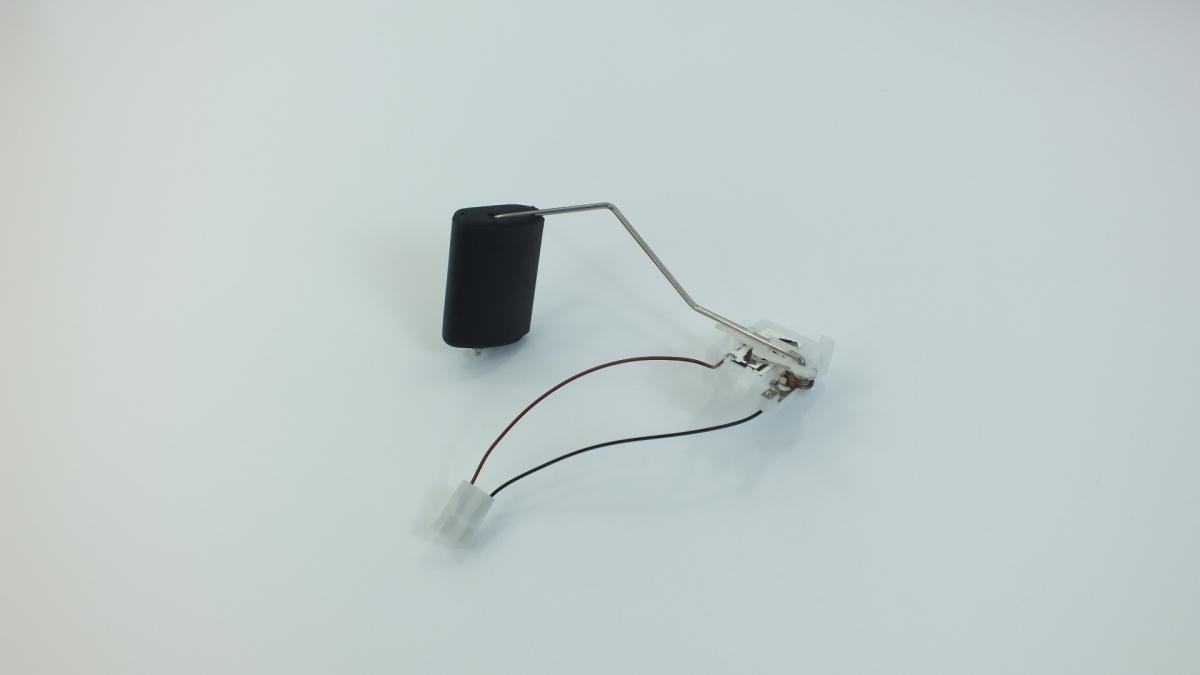
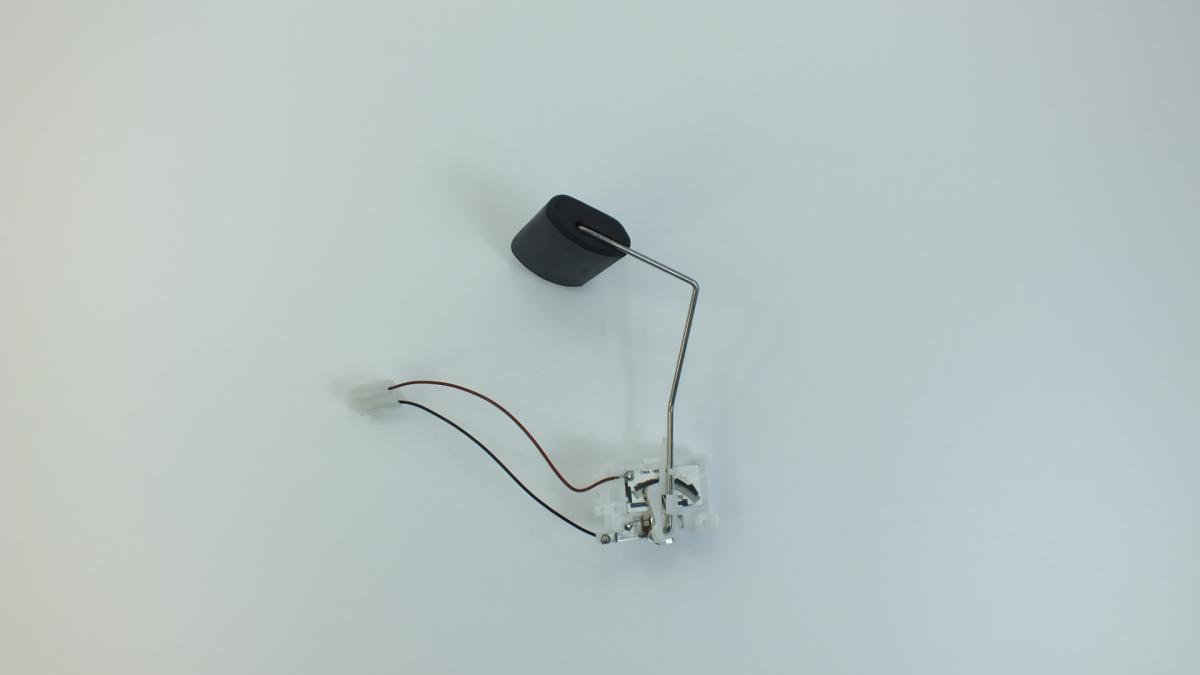
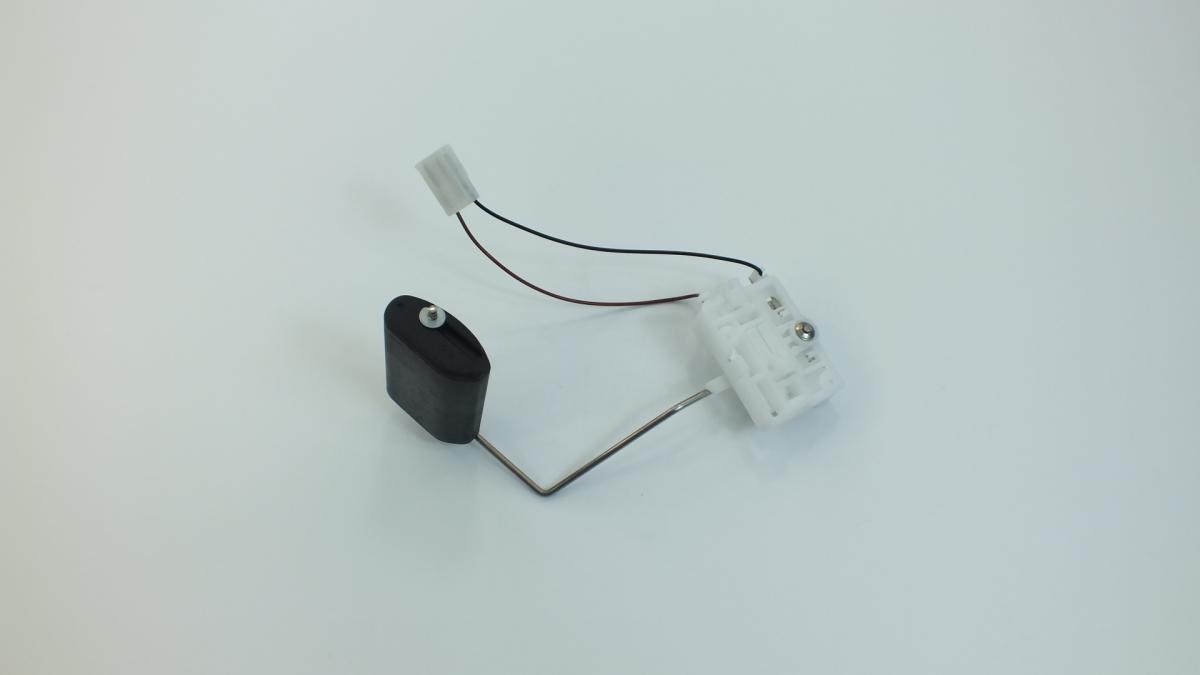
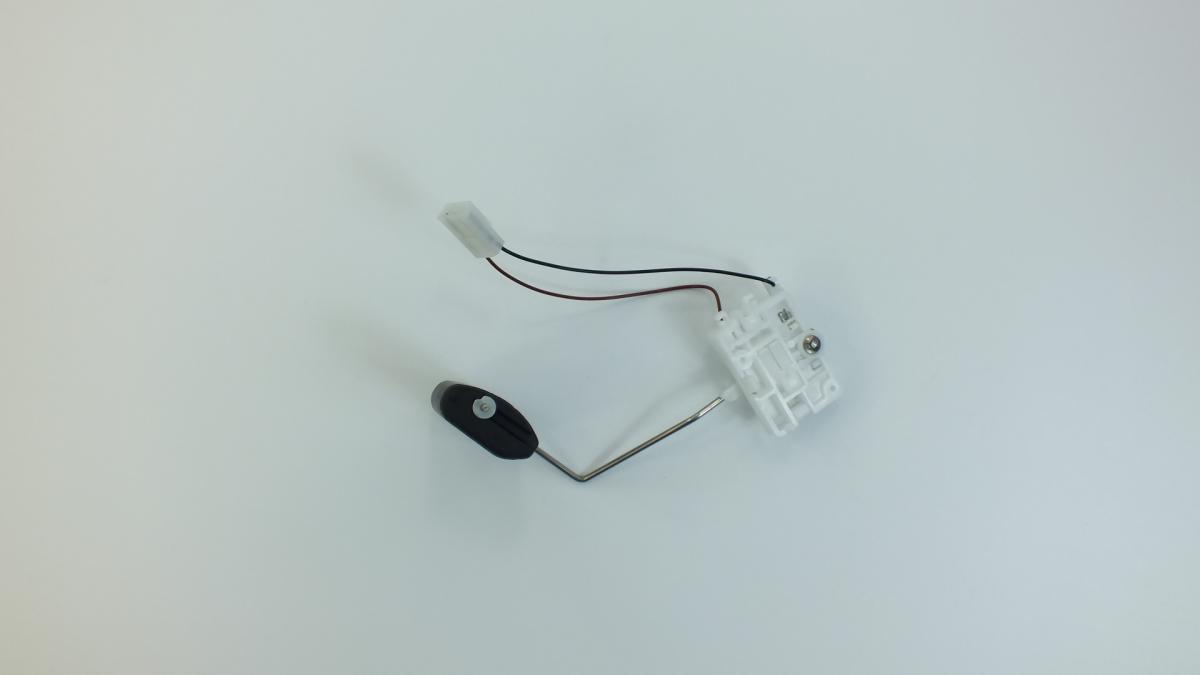
HYUNDAI/KIA 944602B000 FUEL LEVEL SENSOR
Product Specifications
| HYUNDAI/KIA | 944602B000 |
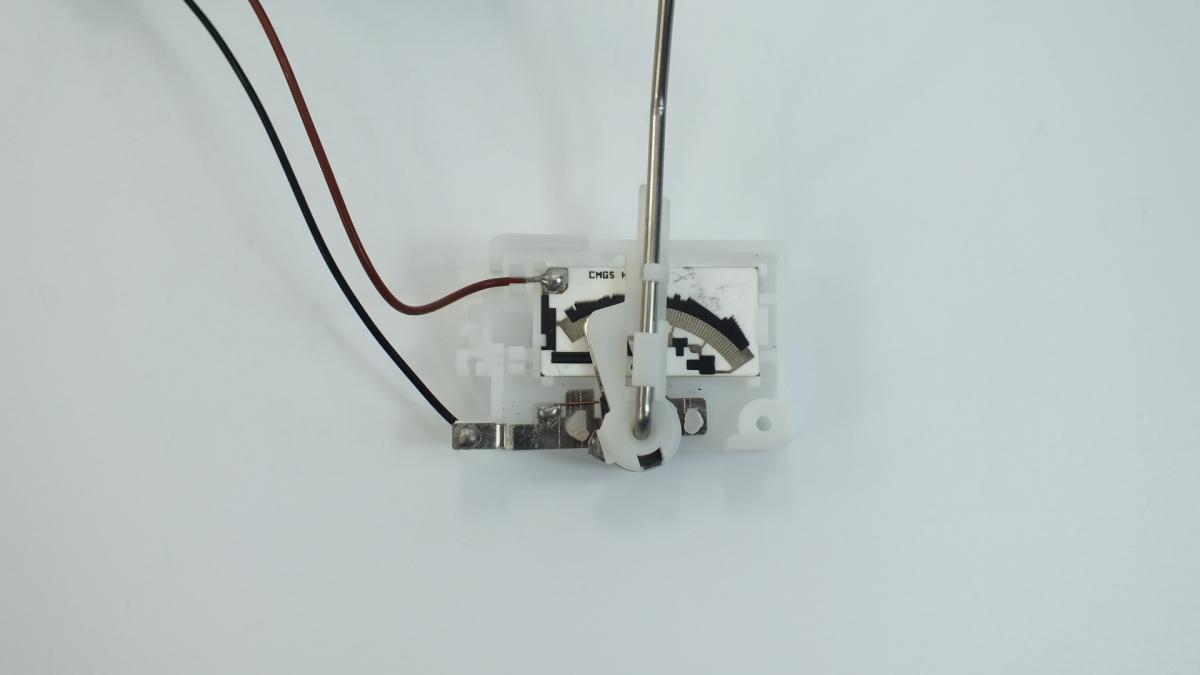
The FUEL LEVEL SENSOR is a float-type resistive position sensor installed inside the fuel tank — typically integrated with or mounted adjacent to the in-tank fuel pump module — that continuously measures the fuel level by tracking the vertical position of a buoyant float on the fuel surface, converting this position into a variable resistance signal that the instrument cluster fuel gauge and the ECU fuel consumption calculator use to indicate fuel quantity to the driver and to trigger the low fuel warning at the calibrated threshold. The sensor mechanism consists of a hollow sealed plastic or foam float attached to a pivot arm; as the fuel level rises or falls, the arm rotates a wiper contact across a resistive track — typically 20–300 ohms from empty to full — changing the resistance in the sensor circuit proportionally to fuel level. The instrument cluster gauge circuit applies a reference voltage across this resistance and measures the resulting current or voltage to position the gauge needle. On vehicles with saddle-shaped split fuel tanks, two separate level sensors are installed — one in each tank half — with the ECU averaging or selecting the lower reading to prevent the gauge from showing an erroneously high level when fuel has settled asymmetrically to one side during cornering or on a slope.
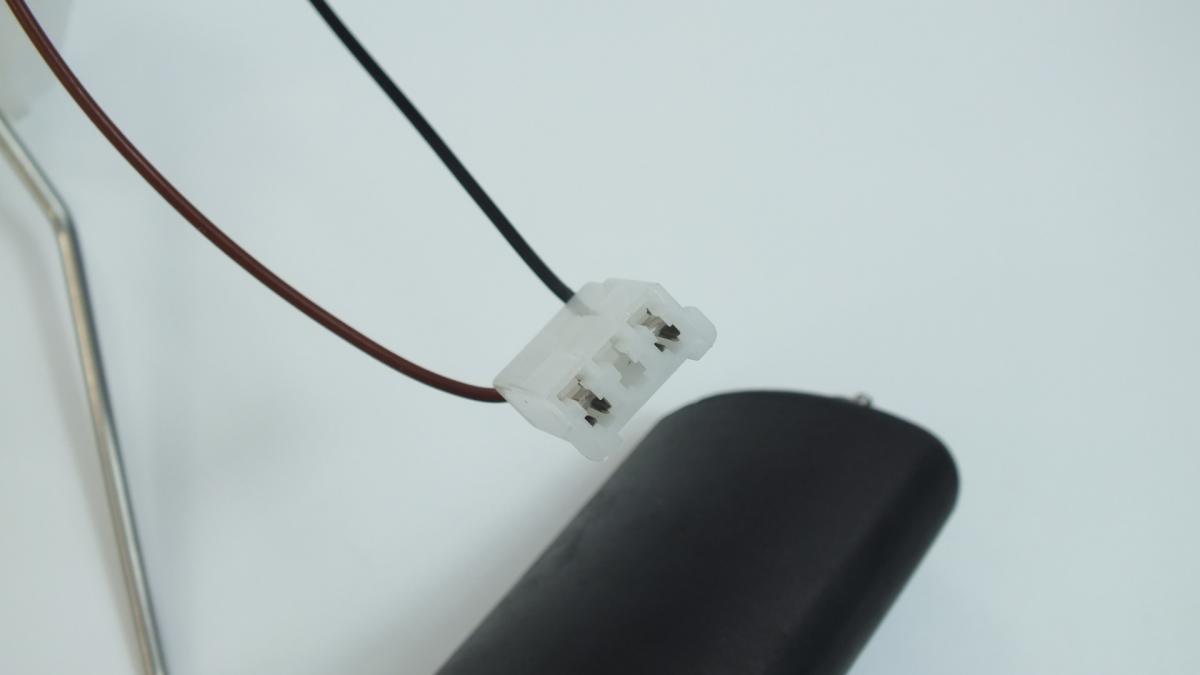
This unit — HYUNDAI/KIA 944602B000 — is manufactured to OEM-equivalent specifications: float buoyancy and pivot arm length for the correct empty and full resistance values in this specific tank geometry, resistive track total resistance range and linearity, pivot arm mounting flange geometry for fuel pump module or tank flange integration, wiring connector pinout, and fuel compatibility for the target application (petrol, diesel, or flex-fuel E85) are matched to the original part. Supplied as a direct replacement for standard fitment. Available wholesale from 2.65 USD, MOQ 30 pcs, production lead time 24 days.
Fuel level sensors fail through resistive track wear producing dead spots in the gauge reading — the gauge needle jumps or sticks at specific positions corresponding to the worn track zones while reading correctly at other levels; through float flooding — the sealed float develops a micro-crack, absorbs fuel, loses buoyancy, and sinks permanently, reading empty regardless of actual fuel level; through pivot arm corrosion or fatigue fracture in ethanol-blended fuel environments; and through wiper contact corrosion from water contamination of the fuel supply. A level sensor fault can strand a driver who fills the tank based on a stuck gauge showing empty, or cause unexpected fuel exhaustion on a stuck gauge showing full.
- Depressurise the fuel system and drain the tank to below the pump module flange level before removing the pump module — the pump module sits at the top of the fuel tank; on vehicles where draining is not practical, be prepared for fuel to flow back into the tank cavity from the module housing when the locking ring is broken — have absorbent cloths and a fuel-safe container ready and work in a well-ventilated area away from all ignition sources.
- Photograph the pump module orientation mark relative to the tank flange before removal — the arrow or index mark on the module flange must align with the corresponding tank mark on reinstallation; incorrect orientation positions the float arm travel arc at the wrong plane relative to the tank's internal depth profile, producing gauge readings that are correct at one fuel level but severely offset at all others.
- On sensors integrated into the pump module, compare the new float arm geometry against the old unit before installation — some replacement sensors require the arm to be bent to a specific angle before fitting; a straight arm installed in a tank designed for an angled arm places the float at the wrong height relative to the fuel surface at full and empty, producing permanent gauge offset errors that cannot be corrected by adjustment.
- Replace the pump module flange O-ring or gasket simultaneously with the sensor — the O-ring seals the tank opening and must be renewed every time the module is removed; a reused O-ring that has compressed to a permanent set around the tank flange will not seal reliably under fuel pressure cycling, producing a fuel leak at the tank top that is a fire risk regardless of how carefully the locking ring is torqued.
- Torque the pump module locking ring to OEM specification using the correct dedicated spanner tool — the locking ring has notched or serrated drive points that require a specific fuel tank locking ring spanner; using a hammer and drift to tighten the ring damages the ring notches and risks cracking the tank flange boss; correct torque is typically 60–100 Nm and must be confirmed with a torque wrench engaged through the spanner tool.
- Install the new FUEL LEVEL SENSOR (HYUNDAI/KIA 944602B000), refuel the vehicle to a known quantity, switch on the ignition and allow the gauge to stabilise for 30 seconds, confirm the gauge reading corresponds to the known quantity, drive over a speed bump and through a corner to verify the float moves freely and the gauge reading is stable; clear any stored fuel level fault codes with a scan tool before returning the vehicle to service.
| Part | Reason for Combined Replacement |
|---|---|
| Fuel Pump Module In-tank electric pump assembly, OEM ref. varies | The fuel pump and level sensor share the same pump module assembly and the same tank access operation. On high-mileage vehicles where the level sensor has failed, inspect the pump's output pressure and current draw simultaneously — a pump producing below-specification pressure or drawing above-rated current is approaching end of life and should be replaced alongside the sensor to avoid a repeat tank access for a pump failure within a short interval. |
| Pump Module Flange Seal O-ring or gasket, tank-specific | The pump module flange seal is a single-use component that must be replaced every time the module is removed from the tank. A seal that has taken a compression set around the tank flange aperture will not provide a reliable fuel-tight seal on reinstallation. A fuel leak at the tank top is a fire hazard. Always include the flange seal in the replacement parts order before beginning tank access work. |
| Fuel Strainer / Pre-Filter Mesh sock filter on pump inlet | The mesh strainer on the fuel pump inlet captures tank sediment and water contamination. A strainer that has accumulated sediment over high mileage restricts pump suction and contributes to pump cavitation. Replacing the strainer simultaneously with the level sensor during the same tank access eliminates a contributing cause of pump wear and completes the full fuel delivery system service in a single operation. |