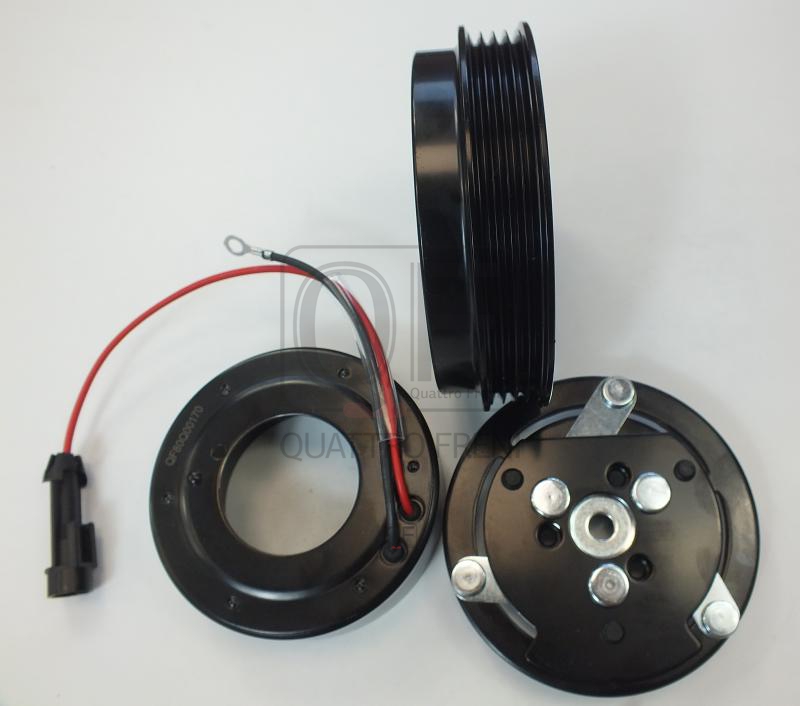
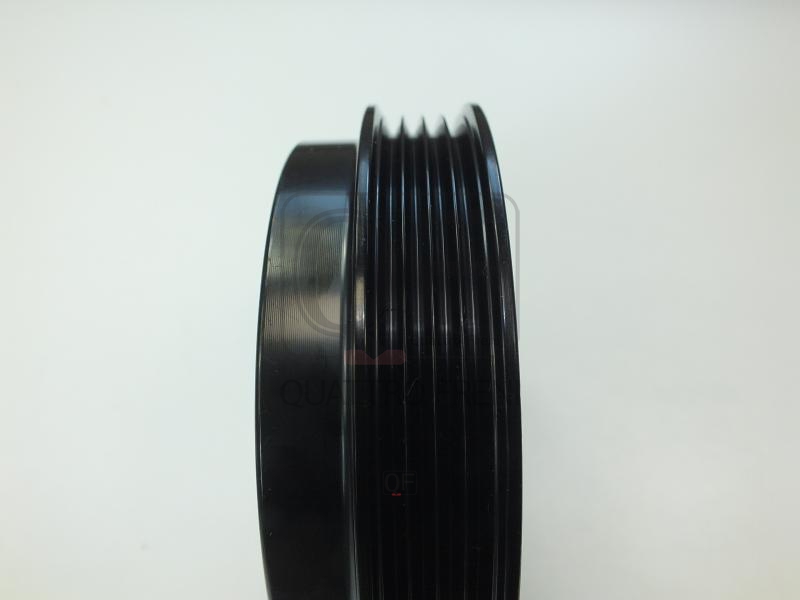
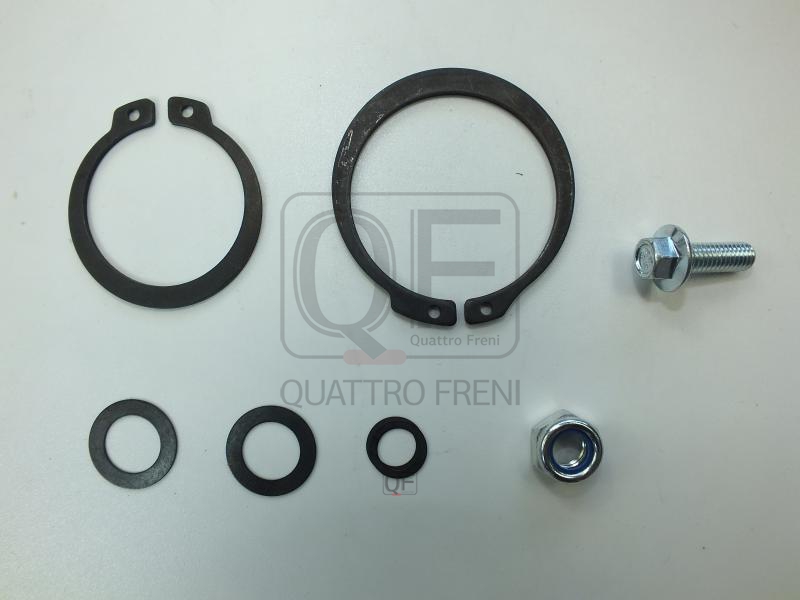
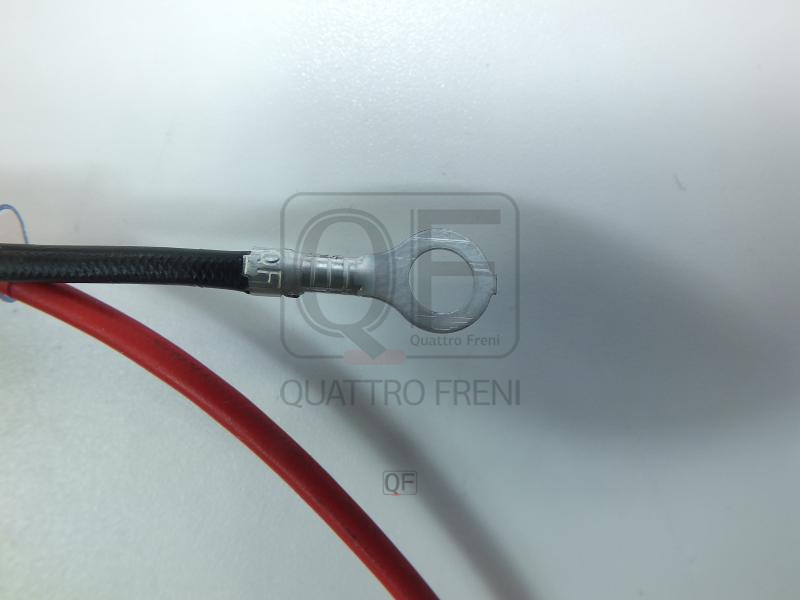
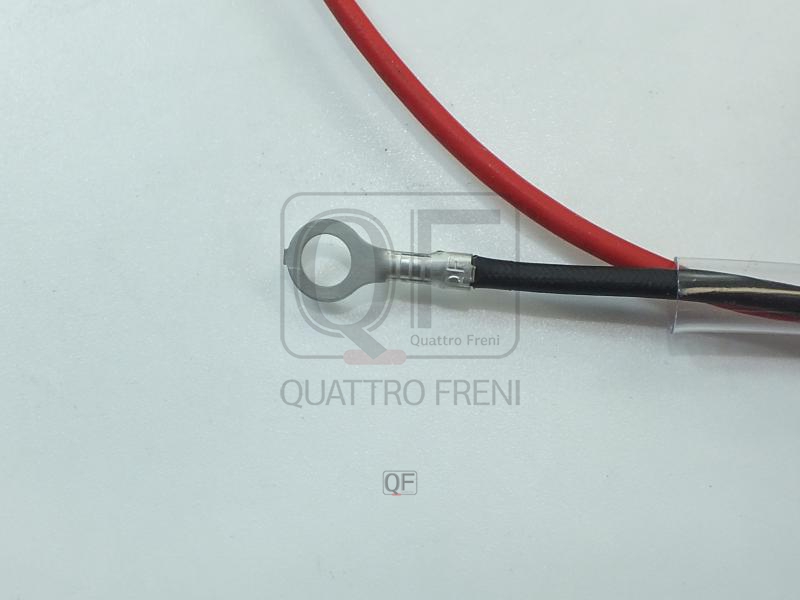
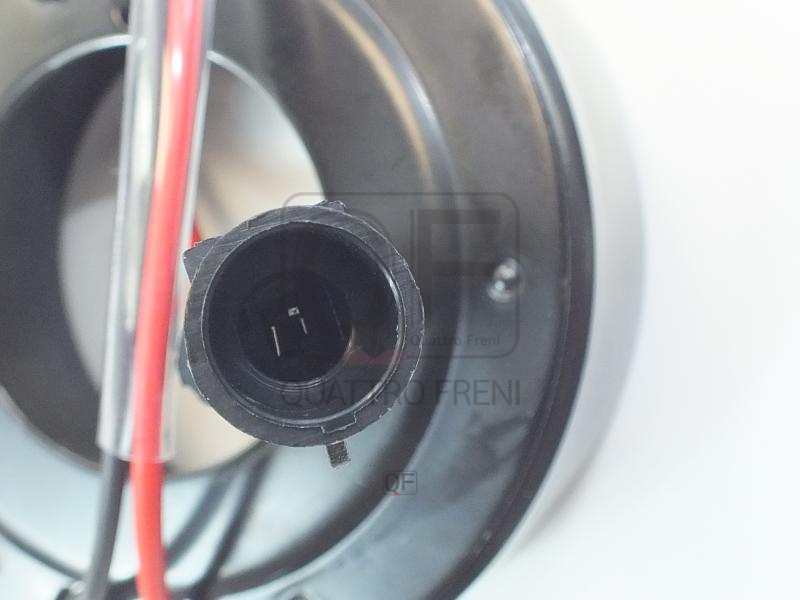
FIAT/ALFA/LANCIA 504384357 CLUTCH ASSY
Product Specifications

Product quality
OEM Equivalent Grade
starstarstar
50 sold
Wholesale price USD $20.7
Wholesale price CNY ¥141.6
bolt MOQ (Minimal order)
50 pcs
local_shipping Production time
40 days
package_2 Shipping Weight: 2.15 kg
FIAT/ALFA/LANCIA 504384357
FIAT/ALFA/LANCIA 504005418
FIAT/ALFA/LANCIA 71724259
FIAT/ALFA/LANCIA 71721759
FIAT/ALFA/LANCIA 0000504384357
Overview & Operating Principle

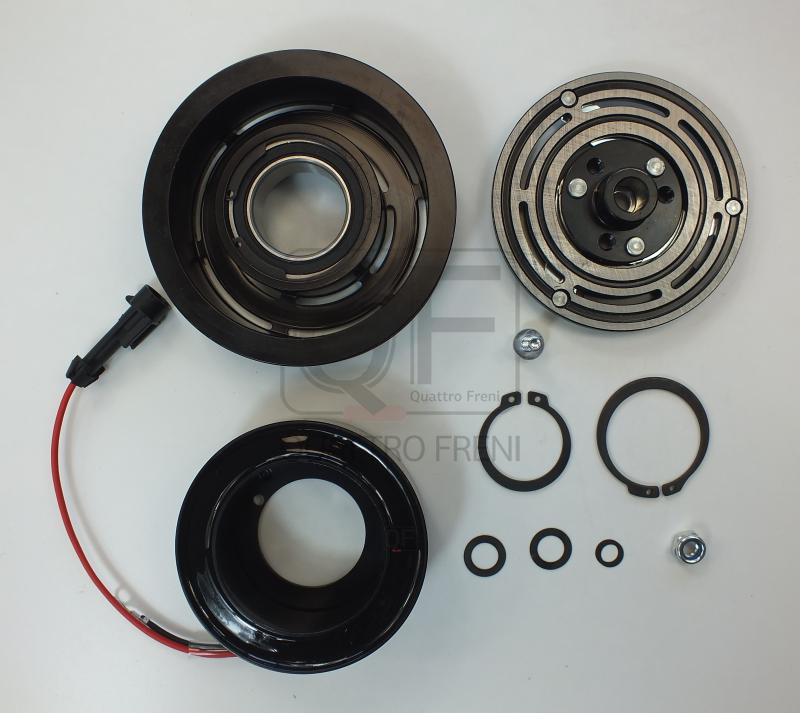
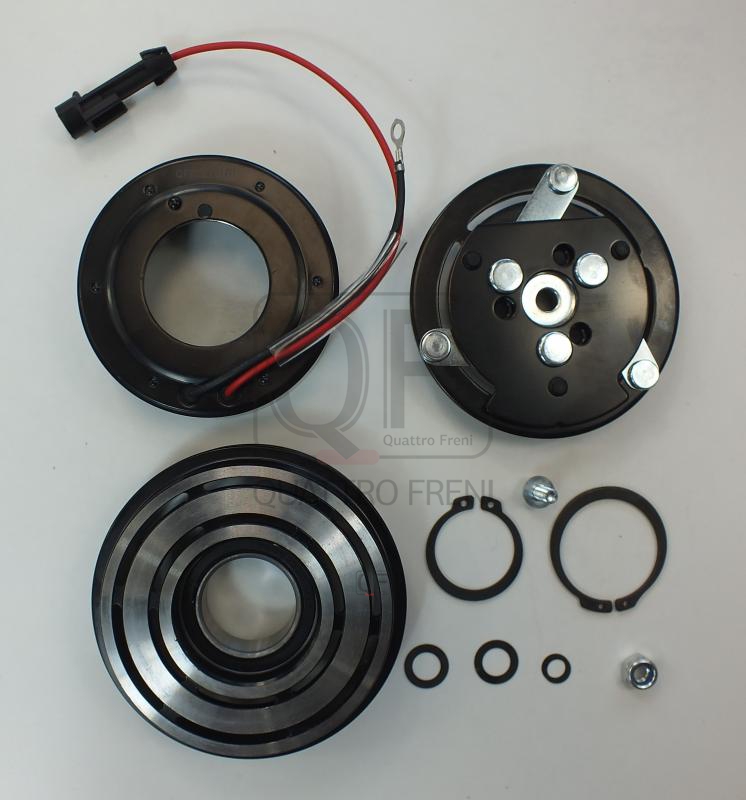
The CLUTCH ASSY is the electromagnetic clutch assembly mounted on the nose of the AC compressor shaft that engages and disengages the compressor from the engine accessory drive belt on command from the AC control module, allowing the compressor to be driven only when cooling is required without adding parasitic drag to the engine when the AC system is off. The assembly consists of three components: a rotor — a cast iron or pressed steel pulley that runs continuously on a bearing pressed onto the compressor nose and is driven by the accessory belt at all times regardless of AC status; an electromagnet coil housing mounted stationary on the compressor body behind the rotor that generates a magnetic field when energised by the AC relay; and a drive plate — a spring-steel disc bolted to the compressor shaft nose — that is attracted across the air gap to the rotor face when the coil is energised, coupling the rotor's rotational energy to the compressor shaft. The air gap between the drive plate and the rotor face is critical: the OEM-specified gap of 0.3–0.6 mm ensures the drive plate is fully released when the coil is de-energised and fully engaged without slipping when energised. A gap outside this range causes either dragging friction when disengaged or slipping and overheating when engaged.

This unit — FIAT/ALFA/LANCIA 504384357 — is manufactured to OEM-equivalent specifications: rotor outer diameter and belt groove profile, bearing inner and outer race dimensions, electromagnet coil resistance and ampere-turn rating, drive plate spring steel grade and friction face material, compressor shaft thread and hub spline dimensions, and air gap specification are matched to the original part. Supplied as a complete assembly or as individual components depending on the failure mode. Available wholesale from 20.7 USD, MOQ 50 pcs, production lead time 40 days.

AC compressor clutch assemblies fail through drive plate friction face glazing or burning from repeated slip events caused by an oversized air gap or low coil voltage, rotor bearing failure producing a characteristic continuous squeal from the belt area that changes pitch when the AC is switched on, electromagnet coil open-circuit or short-circuit failure preventing engagement, and drive plate hub key shear from a seized compressor applying full belt load against a locked shaft. Always diagnose whether the failure is isolated to one component — coil, bearing, or drive plate — before replacing the complete assembly, as individual components are available separately and represent significantly lower cost than a complete clutch.

Symptoms & Diagnostics
AC system not cooling despite the compressor being commanded on — the clutch drive plate is not engaging; confirm by observing the drive plate face while a second person activates the AC — the plate should snap to the rotor with an audible click; no movement with the coil energised indicates a failed coil, open-circuit wiring, or a drive plate with insufficient magnetic attraction force from an oversized air gap.
Continuous squealing or grinding noise from the belt area that is present regardless of AC status — the rotor bearing has failed; the rotor runs continuously on the bearing whether the clutch is engaged or not, so a failed bearing produces noise at all times; confirm by temporarily removing the accessory belt and rotating the rotor by hand — a rough, noisy, or seized bearing confirms replacement is required.
AC cooling that works correctly for a few minutes then stops, with the drive plate visibly slipping on the rotor face — the air gap is outside specification, the drive plate friction material is glazed, or coil voltage is low; slipping generates heat that further glazes the friction surfaces, causing the problem to worsen progressively; measure the air gap and coil supply voltage before replacing components.
Burning rubber or hot metal smell from the engine bay with the AC on — the drive plate is slipping under load, generating friction heat between the plate and rotor faces; sustained slipping will burn the friction material from the drive plate face and score the rotor contact surface, requiring replacement of both components.
AC clutch engaging with an abnormally loud bang rather than a clean click — the air gap is significantly larger than specification, requiring the drive plate to travel further before contact and generating a higher-impact engagement; measure the gap with a feeler gauge and reset to the OEM specification using the shim washers behind the drive plate hub before replacing any component.
Accessory belt squealing or being thrown from the pulleys — a seized rotor bearing or a locked compressor shaft has prevented the rotor from turning, stalling the belt; inspect the rotor for free rotation by hand with the belt removed before assuming the belt or tensioner is at fault; a seized compressor must be investigated for internal failure before a new clutch assembly is fitted.
Logistics & Customs
International HS Code
8414.30
EAEU Customs Code (TN VED)
8414 30 810 0
Typical Net Weight
2.15 kg
Country of Manufacture
China
Standard MOQ
50 pcs
Production Lead Time
40 days
Always verify the exact 8-digit or 10-digit subheading with your customs broker for the destination country, as tariff schedules and duty rates vary by jurisdiction.
Installation Tips
  1. Confirm the AC compressor shaft rotates freely by hand before fitting the new clutch — grip the old drive plate or the shaft directly after removing the old assembly and rotate; a shaft that is stiff, gritty, or completely seized indicates internal compressor failure; fitting a new clutch to a seized compressor will destroy the new drive plate hub key within the first engagement cycle and may throw the accessory belt.
  2. Remove the drive plate using a dedicated clutch hub puller — never use a hammer or pry bar to remove the drive plate from the shaft as this damages the compressor shaft thread and distorts the hub; thread the puller into the drive plate hub centre thread and apply steady pulling force until the hub releases from its taper or spline fit on the shaft.
  3. Remove the rotor and bearing assembly using a rotor puller after unbolting the electromagnetic coil housing — the rotor bearing outer race is an interference fit on the compressor nose; use the correct puller to apply force to the bearing inner race through the rotor hub; never strike the rotor casting as this cracks the rotor and damages the bearing race seats on the compressor nose.
  4. Press the new rotor bearing onto the compressor nose using a bearing driver of the correct inner race diameter — apply force only to the bearing inner race; pressing through the outer race distorts the bearing and produces immediate noise on first operation; confirm the bearing seats flush against its shoulder on the compressor nose before fitting the coil housing.
  5. Set the drive plate air gap to the OEM specification using feeler gauges after fitting the drive plate hub onto the shaft — the gap is adjusted by adding or removing the thin shim washers supplied with the clutch kit between the hub and the shaft shoulder; measure the gap at three equally spaced points around the circumference and confirm it is uniform to within 0.1 mm to prevent uneven engagement load on the drive plate springs.
  6. Install the new CLUTCH ASSY (FIAT/ALFA/LANCIA 504384357), energise the coil by applying 12V directly to the coil connector and confirm the drive plate snaps to the rotor cleanly with a single click and no slip, refit and tension the accessory belt, recharge the AC system if it was opened during access, and verify AC cooling performance across the full temperature range before returning the vehicle to service.
Tools: clutch hub puller, rotor puller, bearing driver set, feeler gauge set (0.3–0.6 mm range), torque wrench for drive plate centre bolt, 12V test lead for coil energisation check, AC manifold gauge set if system was opened.
Frequently Asked Questions
Should the complete clutch assembly always be replaced, or can individual components — coil, bearing, or drive plate — be replaced separately?
Individual component replacement is entirely appropriate when the failure is isolated to one part. A failed coil with a serviceable rotor bearing and drive plate requires only the coil housing replacement. A failed rotor bearing with a serviceable coil and drive plate requires only the bearing — pressed out of the existing rotor and a new bearing pressed in, or a complete rotor-bearing sub-assembly. A glazed or burned drive plate with a serviceable rotor and coil requires only the drive plate and hub. Complete assembly replacement is appropriate when multiple components have failed simultaneously — typically after a drive plate slip event that has burned both the drive plate and scored the rotor face. ok.parts supplies complete clutch assemblies and individual sub-components at wholesale MOQ from 20.7 USD.
Is AC system refrigerant recovery required before replacing the compressor clutch?
No refrigerant recovery is required for clutch replacement on its own — the clutch assembly is mounted externally on the compressor shaft nose and does not require opening the refrigerant circuit. The AC system remains sealed throughout the clutch replacement procedure. Refrigerant recovery is only required if the compressor itself is being replaced or if the compressor must be removed to access the clutch due to vehicle-specific packaging constraints. Always confirm the refrigerant circuit remains sealed and check system pressure on a manifold gauge set after clutch replacement before running the AC to verify no accidental refrigerant loss occurred during the repair.
How does the OEM-equivalent aftermarket unit compare to the genuine OEM part?
OEM-equivalent units in this catalogue replicate the current OEM design geometry and material specification. Quality is verified against OEM cross-reference data. When ordering in bulk, confirm with our team that the specification matches the latest OEM revision for your application.
Is white-label or custom packaging available for wholesale orders?
Yes. ok.parts works directly with the manufacturing facility and can accommodate neutral white-label packaging or fully branded packaging with your company logo, part numbers, and barcode. Minimum order quantities and lead times for custom packaging may differ from standard stock. Contact the team via the inquiry form to discuss your specific requirements.
Frequently Replaced Together