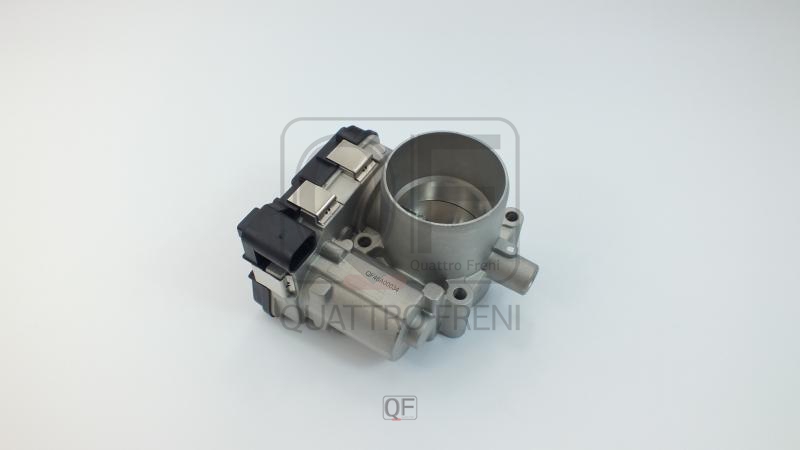
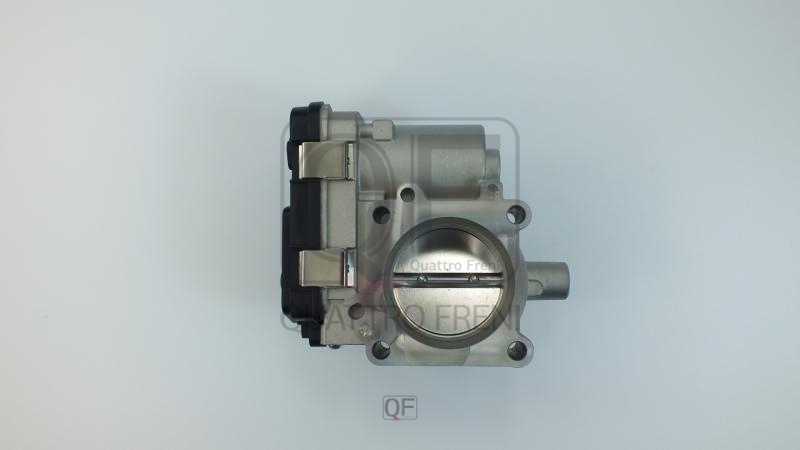
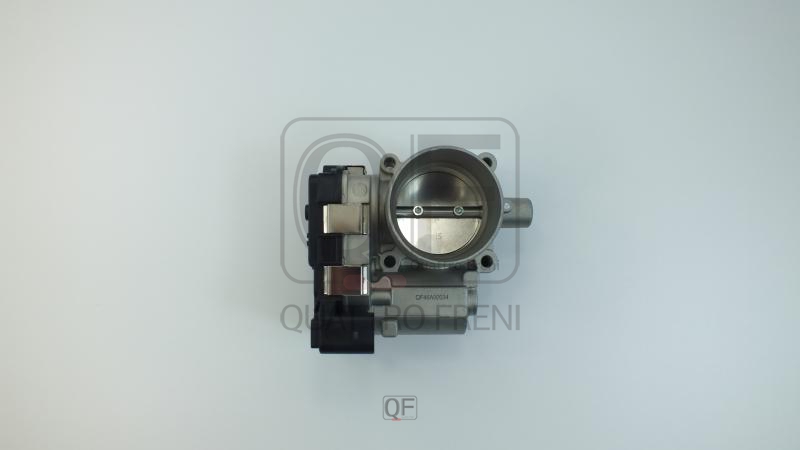
VAG 03F133062B THROTTLE BODY
Product Specifications
| VAG | 03F133062B |
| VAG | 03C133062L |
| VAG | 03C133062N |
| VAG | 03C133062M |
| VAG | 03C133062A |
| VAG | 03C133062AA |
| VAG | 03C133062D |
| VAG | 03C133062Q |
| VAG | 03F133062 |
| VAG | 03F133062C |
| VAG | 03C133062AB |
| VAG | 03C133062F |
| VAG | 04E133062B |
| VAG | 04E133062R |
| VAG | 03F133062D |
| VAG | 04E133062AA |
| VAG | 04E133062N |
| MILES | AP19030 |
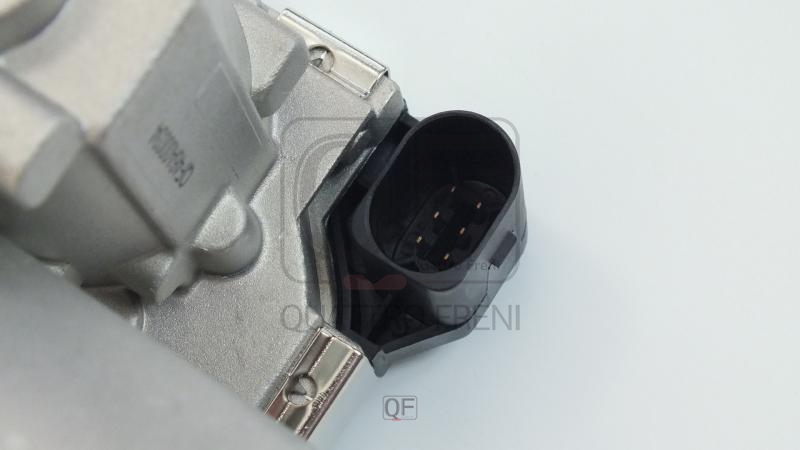
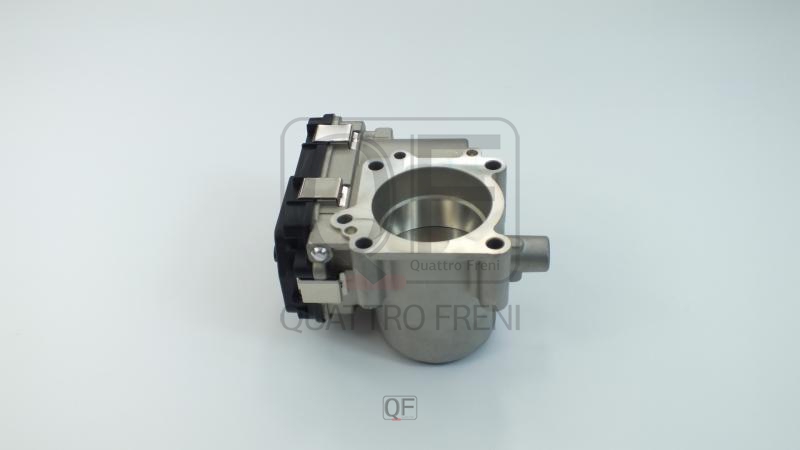
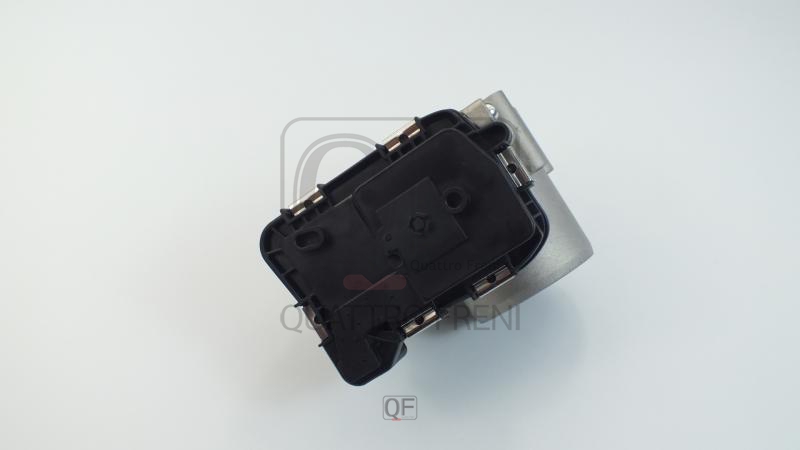
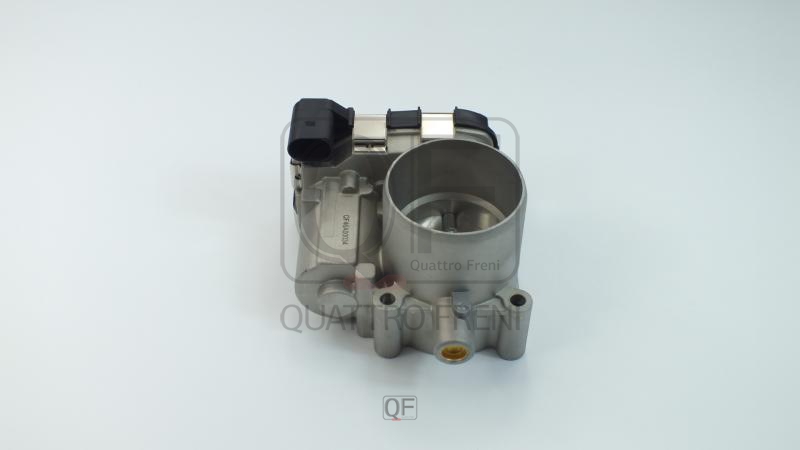
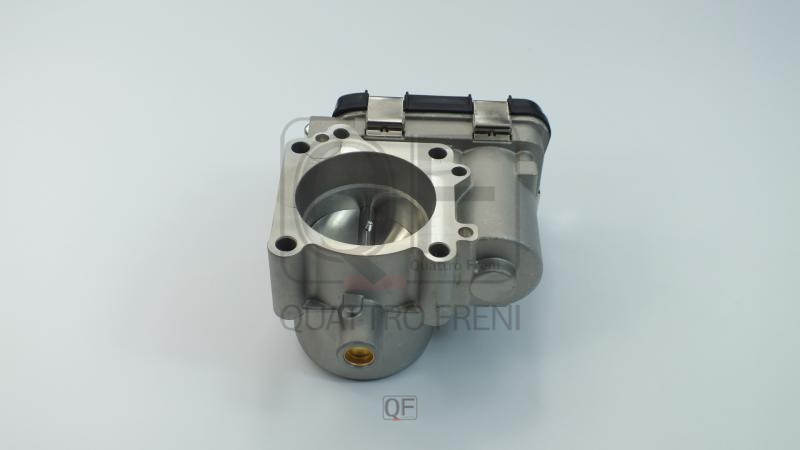
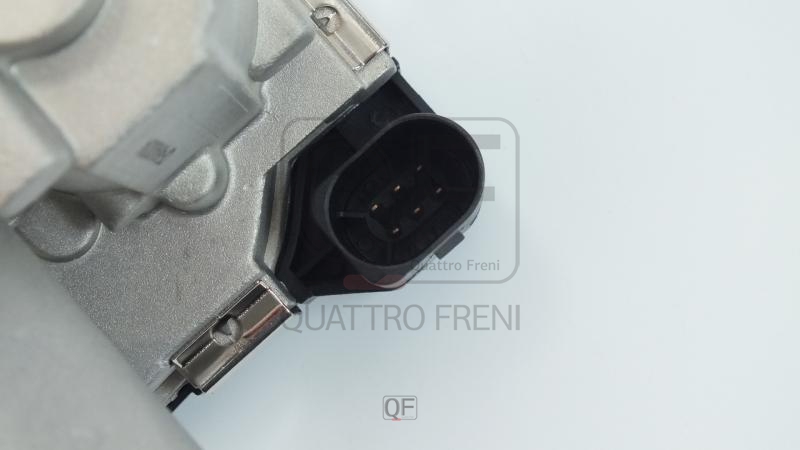
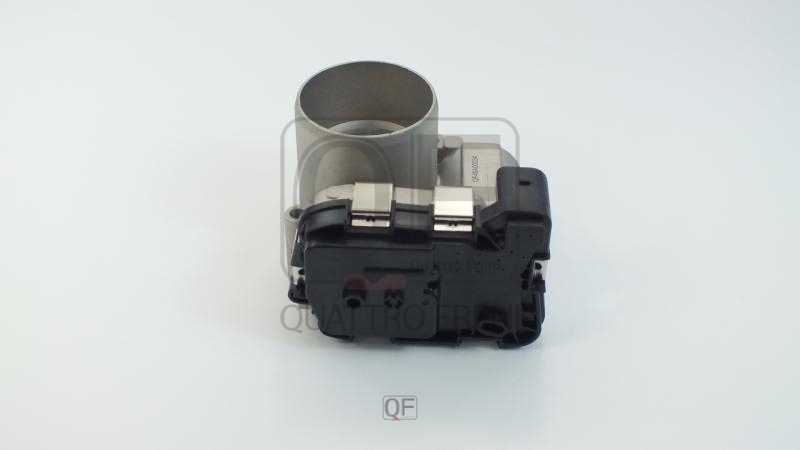
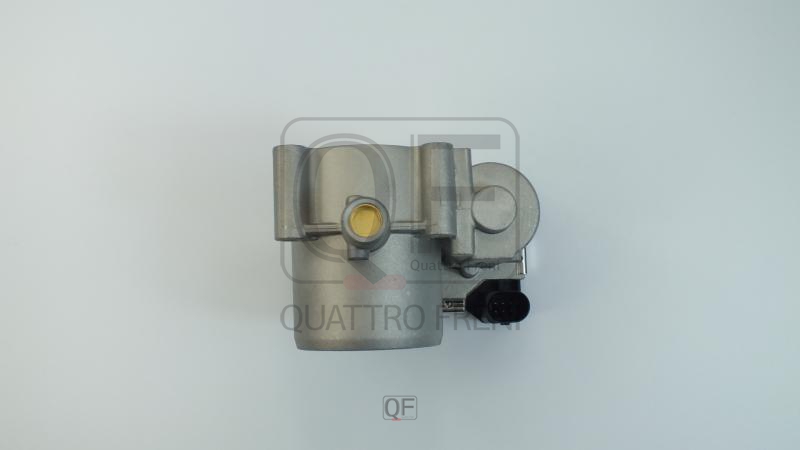
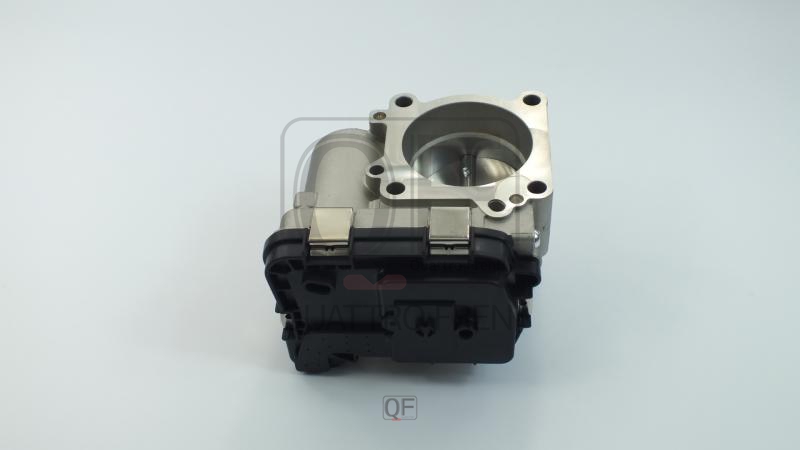
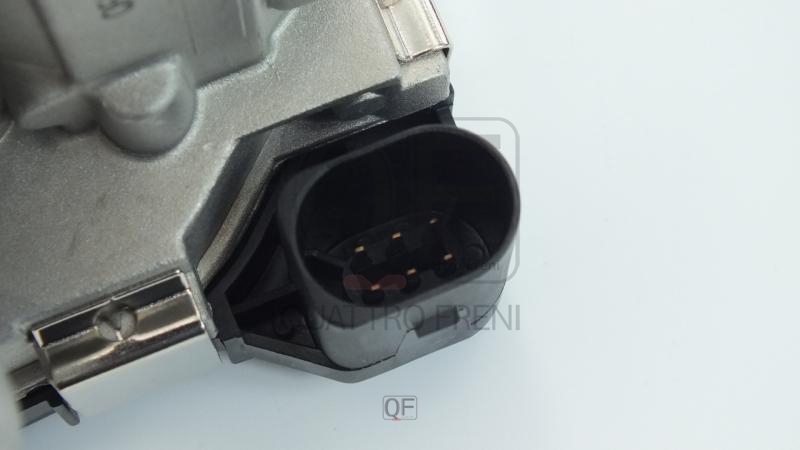
The VAG 03F133062B is an Electronic Throttle Body (drive-by-wire) for the Volkswagen Audi Group 1.2 TSI and 1.4 TSI / TFSI turbocharged petrol engines (EA111 / EA211 generations) across VW, Audi, Skoda, and Seat platforms from approximately 2010–2020. Butterfly plate driven by DC motor through a reduction gear, with dual-track position sensor providing closed-loop feedback to the ECU. One of the highest-volume VAG throttle bodies, fitted across 30+ VAG model variants. Aluminium housing, 6-pin D-shape connector, ~52 mm bore. Compatible with engine codes starting CAX, CBZ, CGP, CHP, CJZ, CMB, CPT, CPW, CXS, CYV, CZC, CZD, CZE.
Fully drive-by-wire — no mechanical cable from the pedal. The electronic pedal sends a dual-channel signal to the ECU, which commands the motor to open the plate, with continuous feedback from the dual-track sensor closing the control loop at ~100 Hz. Idle airflow is regulated entirely by plate angle — no separate idle air valve. At idle the plate is held at 3–6 degrees by closed-loop control.
The ECU uses the throttle body for torque coordination during DSG / automatic gearshifts, torque reduction during ABS / ESP interventions, and engine braking. The dual-track sensor cross-checks both signals continuously — if tracks disagree beyond tolerance, the ECU enters limp-home mode and stores codes P0120–P0124 / P0220–P0224 / P2135. Diagnosis requires VAG-capable scanner (VCDS / VAG-COM, VAS5052, ODIS, Autel MaxiSys, Launch X431) reading both TPS voltages live.
| International HS Code | 8409.99 |
| EAEU Customs Code (TN VED) | 8409 99 000 9 |
| Country of Manufacture | China |
| Quality standard | IATF 16949 |
| Hazardous goods | No |
| Packaging | Individual branded packaging with engine application label |
Electronic throttle bodies for spark-ignition engines are typically classified under HS 8409.99 (other parts suitable for use solely or principally with the engines of heading 8407 or 8408). Some jurisdictions classify electronically controlled throttle bodies under HS 9032.89 (automatic regulating instruments) — confirm the exact 10-digit subheading and applicable duty rates with your customs broker. Particularly relevant for European / Russian / CIS market shipments where the VW / Audi / Skoda / Seat fleet population is densest. Commercial invoice description: electronic throttle body assembly for spark-ignition engine, drive-by-wire type with integrated position sensor.
| Brand / Model | Engine code & details |
|---|---|
| Audi A1 (8X) | 2010–2018 — 1.4 TFSI (CAXA, CMBA, CPTA, CXSA, CXSB, CZCA, CZDD, CZEA) |
| Audi A3 (8V) / A3 Limousine | 2012–2020 — 1.2 TFSI (CJZA, CYVB), 1.4 TFSI (CMBA, CPTA, CPWA, CXSA, CXSB, CZCA, CZEA) |
| Audi Q2 (GA) / Q3 (8U) | 2011–2019 — 1.4 TFSI (CHPB, CZDA, CZDB, CZEA) |
| VW Polo (6R / 6C) | 2010–2019 — 1.2 TSI (CBZA, CBZB, CGPB, CGPC, CJZC, CJZD), 1.4 TSI (CAVE, CTHE, CAVD) |
| VW Golf VI / VII / Jetta / Beetle (5C) | 2009–2019 — 1.2 TSI (CBZA, CBZB, CYVA, CYVB, CYVD), 1.4 TSI (CAXA, CTHA, CMBA, CHPA, CPTA, CXSA) |
| VW Caddy / Touran / Sharan | 2010–2019 — 1.2 TSI (CBZA, CBZB, CYVD), 1.4 TSI (CAVA, CAVE, CZDA) |
| VW Passat (B7 / B8) / CC | 2011–2019 — 1.4 TSI (CAXA, CTHA, CDGA, CKMA, CHPA) |
| VW Tiguan (5N / AD1) | 2010–2019 — 1.4 TSI (CAVA, CTHA, CZDA) |
| Skoda Fabia (5J / NJ) | 2010–2021 — 1.2 TSI (CBZA, CBZB, CJZC, CJZD), 1.4 TSI (CTHE, CZCA) |
| Skoda Octavia (5E / III) | 2012–2020 — 1.2 TSI (CJZA, CJZB, CYVA, CYVB), 1.4 TSI (CHPA, CHPB, CPWA, CZDA) |
| Skoda Rapid (NH3) | 2012–2019 — 1.2 TSI (CBZA, CBZB, CGPC, CJZC, CJZD), 1.4 TSI (CAXA, CZCA) |
| Skoda Superb (3V / III) / Yeti / Kodiaq | 2012–2021 — 1.2 TSI (CYVB), 1.4 TSI (CZCA, CZDA, CZDB, CZEA) |
| Seat Ibiza (6J / 6P) / Leon (5F) / Toledo (NH) | 2010–2020 — 1.2 TSI (CBZA, CBZB, CJZC, CJZD), 1.4 TSI (CAVE, CTHE, CXSA, CXSB, CZCA, CZEA) |
Does NOT fit: VAG 1.6 MPI naturally-aspirated (CWVA / CWVB / CFNA / CFNB / BSE / BSF) — uses different throttle body; VAG 1.6 TDI / 2.0 TDI diesel — diesel engine with separate intake throttle; VAG 1.8 TFSI / 2.0 TFSI / 2.0 TSI (EA113 / EA888) — uses 06F / 06J / 06H series throttle bodies (different generation, different bore size); VAG 1.4 16V naturally-aspirated (BUD / BXW / CGGA family pre-TSI) — older engine, different throttle body; VAG 1.5 TSI EVO (DADA / DPCA) — new generation EA211 evo with different reference; VAG VR6 / V6 engines — different platform; VAG 2.5L 5-cylinder — different platform. Always verify engine code on cylinder block.
Difficulty: Easy. Estimated time: 30–60 minutes including throttle body adaptation. Adaptation via VAG-capable scan tool is mandatory after replacement — without adaptation the ECU commands incorrect plate angles and the engine will idle erratically or stall.
- 1Disconnect the negative battery terminal. Wait at least 1 minute for ECU power-down. The throttle motor is live with ignition on; battery disconnect prevents accidental motor activation during installation that could trap fingers.
- 2Remove the engine top cover (if fitted). Loosen the air duct hose clamp at the throttle body inlet and pull the duct free. Inspect the duct interior for cracks, oil residue, or damage — replace if required.
- 3Disconnect the 6-pin electrical connector from the throttle body. Press the locking tab and pull straight off — do not pull on the wires. Inspect connector pins for green / white oxide corrosion. Clean with electrical contact cleaner if needed.
- 4Remove the four mounting bolts securing the throttle body to the intake manifold (typically T30 Torx or 5 mm hex on VAG TSI applications). Note the bolt positions if any are different lengths. Lift the throttle body away from the manifold.
- 5Clean the intake manifold mating face with a plastic scraper. Must be flat and clean for the new gasket. Cover the open manifold port with a clean rag — do NOT spray solvent into it.
- 6Fit the new gasket to the manifold flange. Many VAG throttle bodies use a reusable rubber O-ring gasket; on this 03F133062B application, replace with the new gasket supplied (or order separately if not supplied).
- 7Install VAG 03F133062B against the manifold flange. Do NOT spray cleaner into the new throttle body bore — solvent attacks the motor lubricant and TPS track. Install the four mounting bolts hand-tight first to seat evenly.
- 8Torque the four bolts in a diagonal sequence to 8–10 Nm. Do not exceed — the throttle body flange and intake manifold threads strip easily. Reconnect the 6-pin electrical connector with locking tab fully engaged. Reinstall the air duct and tighten the hose clamp.
- 9Reconnect the battery negative terminal. Insert ignition key to position II (do not start) and wait 60 seconds for the ECU to wake and learn the new throttle body presence.
- 10Perform throttle body adaptation via VAG-capable scanner (VCDS, VAS5052, ODIS, Autel MaxiSys, Launch X431). EA111 1.2 / 1.4 TSI: VCDS Engine > Basic Settings > channel 060 ("Throttle Body Alignment"). EA211: automatic on first ignition cycle after fitting.
- 11Clear all fault codes, start engine, idle. Should stabilise in 30–60 sec at 700–850 RPM cold / 720–780 warm. Drive 5–10 km mixing idle / cruise / acceleration to refine adaptation. Verify no recurring codes.
| Part | Reference | Reason for Combined Replacement |
|---|---|---|
| Throttle Body Gasket | VAG application-specific O-ring or fibre gasket | Single-use sealing element — never reuse the old gasket. A reused compressed gasket creates an air leak between the throttle body and intake manifold that the MAF sensor cannot measure, producing lean fuelling and erratic idle. Always fit a new gasket — the cost is negligible. On VAG 1.2 / 1.4 TSI applications, the gasket is sometimes a reusable rubber O-ring; verify the type for your specific engine. |
| Mass Air Flow (MAF) Sensor | VAG 03F906461A (1.2 TSI) / 03L906461 (1.4 TSI variants) | A contaminated MAF reading low produces the same erratic idle and lean fuel trim as a fouled throttle body. If the throttle body service does not fully resolve idle quality, check MAF live data — readings below known-good at idle indicate MAF replacement. Common on 80,000+ km VAG TSI engines from oil-vapour ingestion. |
| Intake Air Duct / Hose | VAG application-specific rubber / silicone duct between MAF and throttle body | A cracked or split intake duct allows unmetered air bypassing the MAF sensor, causing lean fuelling and idle instability indistinguishable from a throttle body fault. Particularly common on 1.4 TSI EA111 (CAXA family) where the corrugated air duct cracks at the corrugation valleys after 80,000+ km thermal cycling. Inspect the full duct length during throttle body access — replace if any cracks or surface degradation visible. |
| PCV / Crankcase Ventilation Valve | VAG 03C103765 (1.4 TSI) / 03F103765 (1.2 TSI) family | The PCV valve / oil separator in the cylinder head cover is the source of carbon deposits that foul the throttle body. VAG 1.2 / 1.4 TSI engines have a known-issue PCV diaphragm that fails internally allowing excessive oil-vapour blow-through. Replacing the throttle body without addressing failed PCV produces immediate re-fouling. Always inspect PCV during throttle body service. |
| Carbon Cleaning of Intake Valves | Walnut-shell blasting service for VAG TSI | VAG 1.2 / 1.4 TSI direct-injection engines suffer from intake valve carbon buildup — same issue extends to intake valves which never see fuel detergent. Walnut-shell blasting at 80,000–120,000 km restores idle quality, throttle response, fuel economy. Throttle body is removed for shell blasting — ideal opportunity to replace it. |