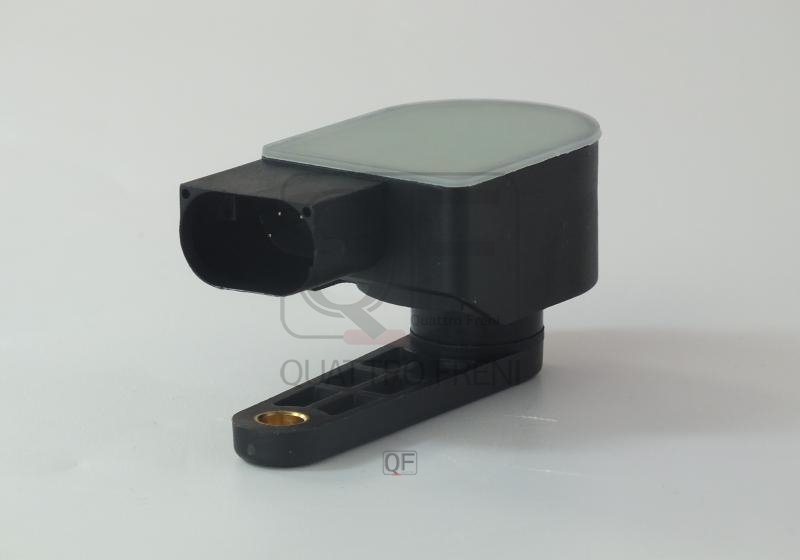
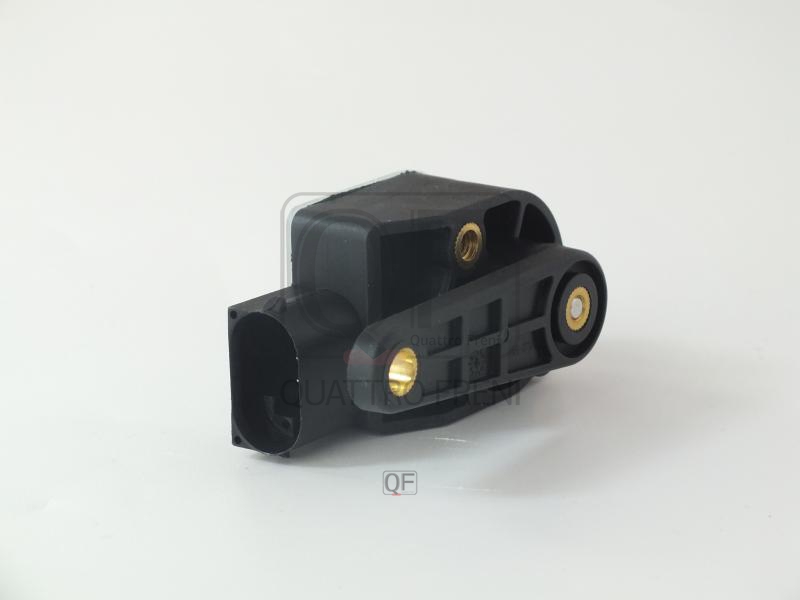
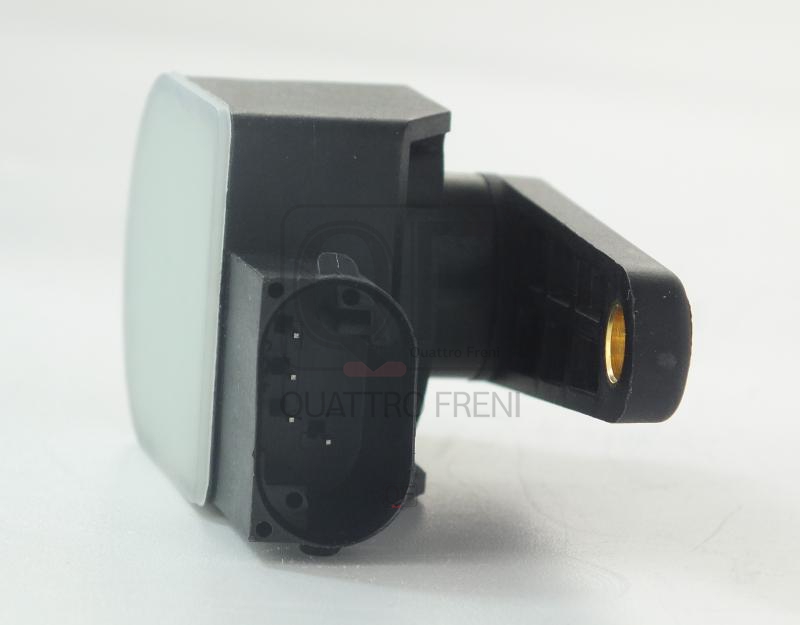
VAG 8E0907503 SENSOR SUB-ASSY
Product Specifications
| VAG | 8E0907503 |
| VAG | 4Z7616571C |
The SENSOR SUB-ASSY is a rotary or linear position sensor mounted between the vehicle body structure and the suspension control arm or axle beam that continuously measures the vertical distance between the body and the wheel centre — the ride height — at each monitored corner, converting this mechanical displacement into an analogue voltage or digital PWM signal that the suspension or lighting control module processes to manage dynamic vehicle systems. On vehicles with electronically controlled air suspension or adaptive damper systems, the sensor provides the closed-loop feedback signal that the suspension control module uses to command the compressor, valve block, or damper actuator to maintain the target ride height regardless of passenger load, luggage weight, or dynamic body attitude during cornering and braking. On vehicles with static coil spring suspension the same sensor type serves the automatic headlamp levelling system, adjusting the headlamp beam angle in real time to compensate for load-induced nose-up pitch that would otherwise dazzle oncoming drivers. The sensor mechanism is either a Hall-effect rotary sensor whose output voltage varies with the angle of a lever arm connected to the suspension via a linkage rod, or a linear potentiometer whose wiper position tracks suspension travel directly.
This unit — VAG 8E0907503 — is manufactured to OEM-equivalent specifications: sensor travel range and output voltage curve, lever arm geometry and mounting boss positions, linkage rod ball joint diameter and length, operating temperature range, connector pinout, and body mounting bracket geometry are matched to the original part. Supplied as a direct plug-and-play replacement for standard fitment. Available wholesale from 7.95 USD, MOQ 30 pcs, production lead time 19 days.
Ride height sensors fail through potentiometer track wear producing dead spots in the output signal, linkage rod ball joint wear allowing play that introduces position error into the suspension module's calculations, connector corrosion from underbody moisture and road salt, and lever arm fracture from road debris impact or suspension over-travel. A failed or inaccurate ride height sensor on an air suspension vehicle causes the compressor to run continuously trying to reach an unachievable height target, rapidly overheating the compressor motor — a sensor fault that is not diagnosed and corrected promptly converts a low-cost sensor replacement into a combined sensor and compressor replacement.
- Use a scan tool to command the suspension to standard ride height and record the sensor live voltage before disconnecting anything — confirming the faulty sensor's output at known ride height provides a baseline for verifying the new sensor's output after installation; it also confirms whether the fault is a fixed offset (drifted calibration) or a total signal loss (wiring or potentiometer failure).
- Disconnect the linkage rod from the suspension control arm ball pin before unbolting the sensor body from its bracket — releasing the linkage first allows the sensor lever to move to its free position without the linkage rod constraining it; attempting to unbolt the sensor body while the linkage is still attached under tension can snap the lever arm or strip the sensor mounting threads.
- Note the sensor lever arm angle relative to the sensor body at standard ride height by marking both with a paint pen before removal — the new sensor must be installed with the lever in the same angular position at standard ride height to ensure the suspension module's calibration reference point falls within the sensor's linear output range; a sensor installed with the lever at the wrong angle will require a full calibration procedure even if the sensor itself is functioning correctly.
- Inspect the linkage rod ball joints at both ends before refitting — press the ball joint studs laterally and axially to check for play; a linkage rod with worn ball joints introduces mechanical hysteresis into the height measurement that the suspension module cannot distinguish from an actual height change, causing the compressor or damper to hunt continuously even with a new sensor installed.
- Route the sensor wiring harness clear of moving suspension components and secure it in all original clip positions — the harness must have sufficient slack to accommodate full suspension travel in both compression and rebound without tension; a harness pulled taut at full rebound will fracture the sensor connector pins within a short period of road use.
- Install the new SENSOR SUB-ASSY (VAG 8E0907503), reconnect the linkage rod and wiring connector, lower the vehicle to a level surface at standard ride height, perform the suspension height calibration or sensor relearn procedure via scan tool as required by the OEM procedure for this vehicle, verify the sensor live voltage matches the expected value at standard ride height, clear all stored fault codes, and confirm the suspension system holds the correct height under static load before returning the vehicle to service.