VAG 95560612930 SENSOR OXYGEN
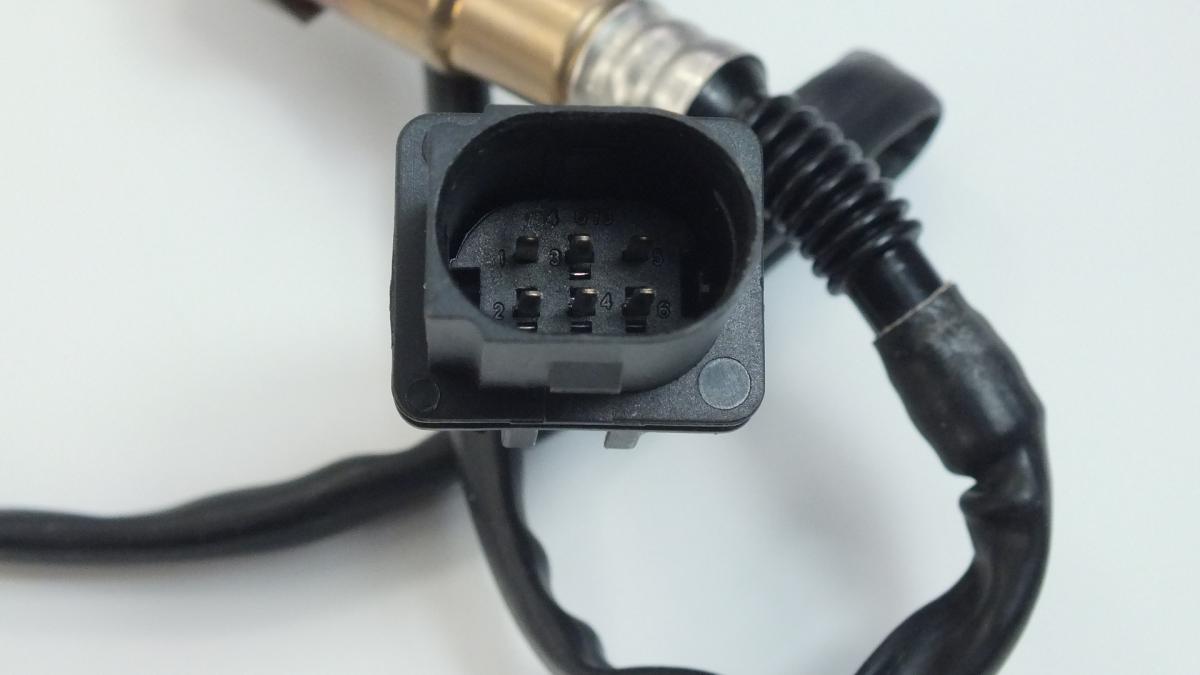
Product Specifications
| VAG | 95560612930 |
| VAG | 03C906262A |
| VAG | 03C906262BJ |
| VAG | 1K0998262L |
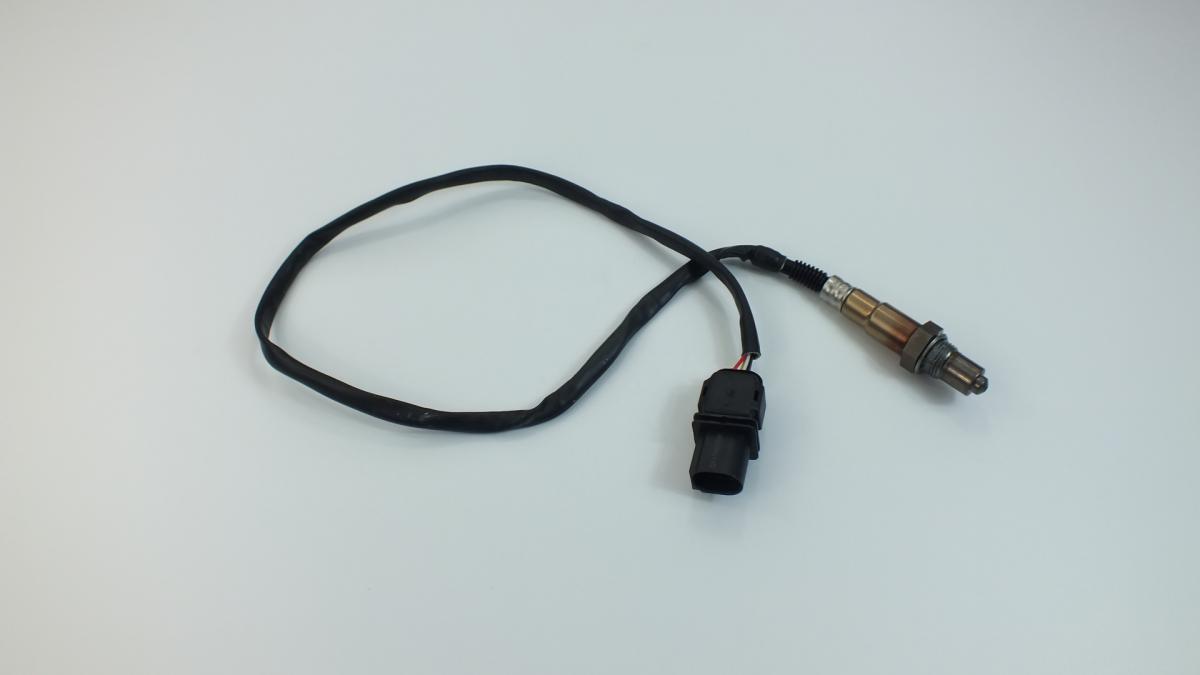
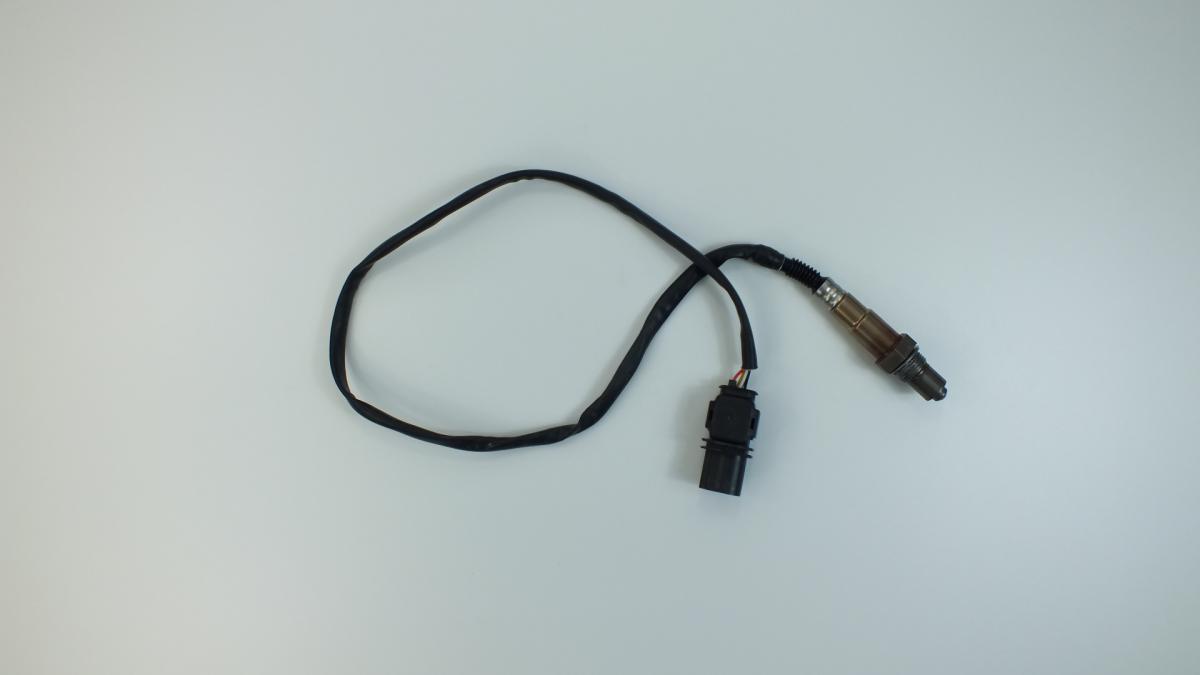
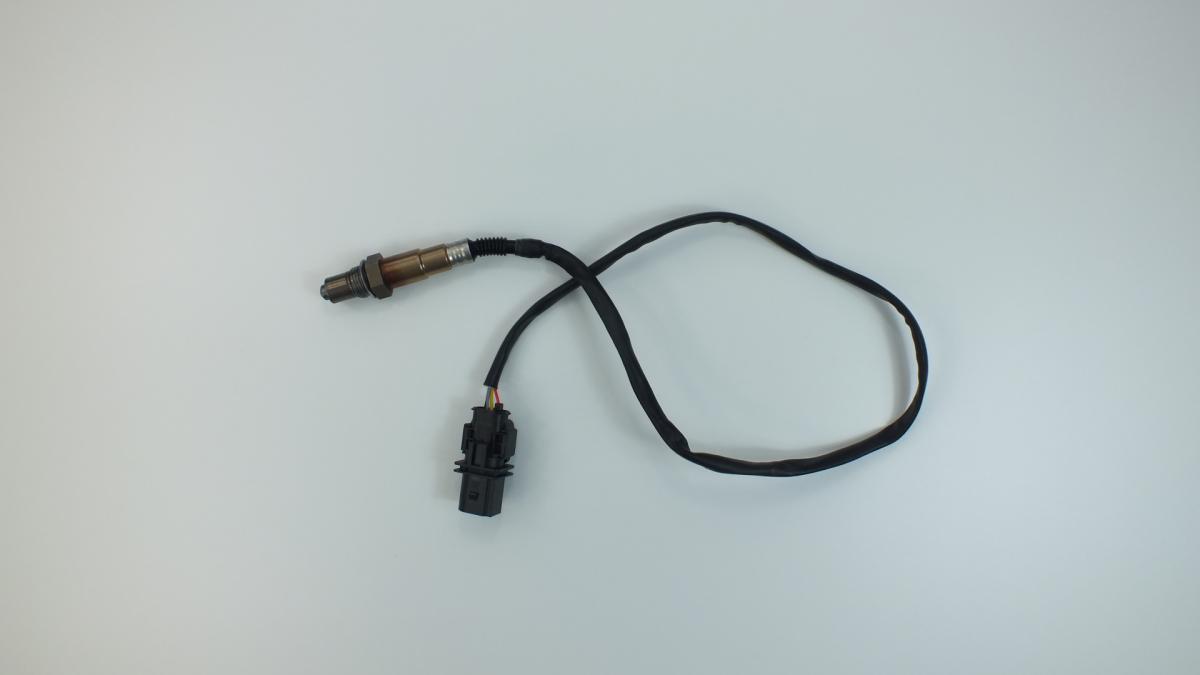
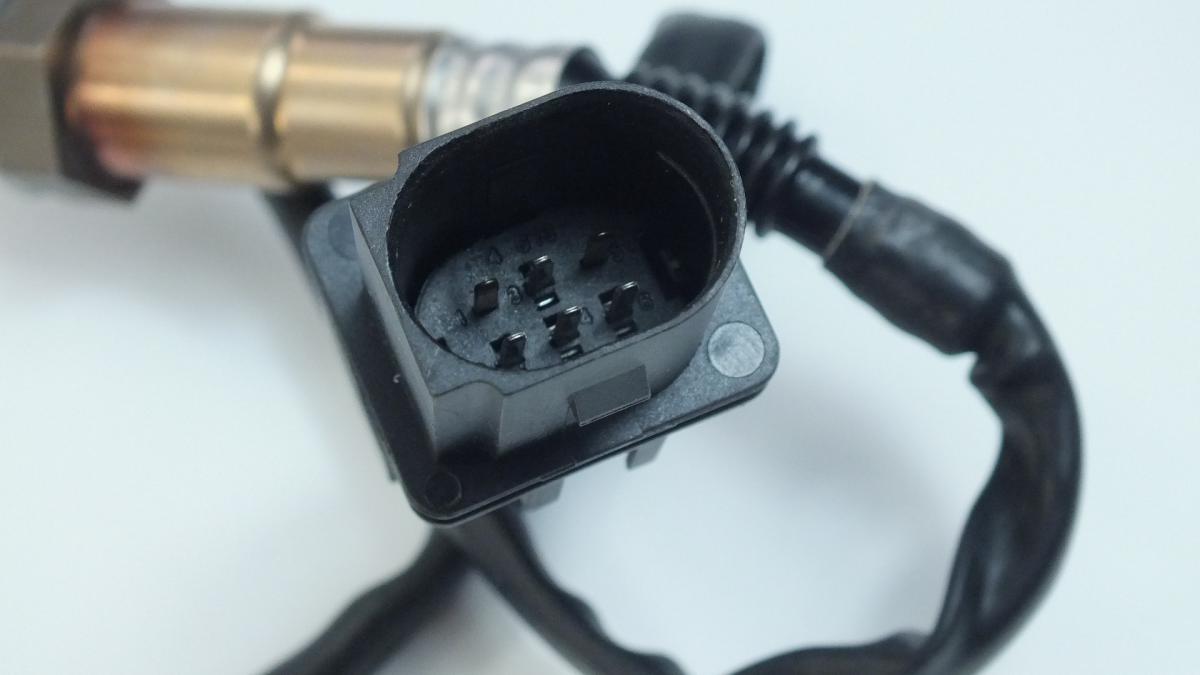
The VAG / Porsche 95560612930 is the Upstream (Pre-Catalyst) Lambda Oxygen Sensor — Cylinders 4-6 / Bank 2, fitted primarily to the Porsche Cayenne 957 (Mk II) V6 3.6L and shared with a wide range of VAG, Mercedes-Benz, Land Rover, and Ford applications through Bosch's standardised sensor design. The component is a Bosch-manufactured zirconia / wideband planar oxygen sensor with stainless steel body, M18 x 1.5 thread, integrated heater element, and 6-wire connector. The upstream position measures residual oxygen content in exhaust gas before the catalytic converter, providing the ECU with real-time air-fuel mixture feedback for closed-loop fuel injection control across all engine operating conditions.
The lambda sensor is the primary feedback element of closed-loop fuel injection. The planar zirconia element generates a voltage signal proportional to oxygen partial pressure difference between exhaust gas and reference atmospheric air. At stoichiometric AFR (lambda = 1, AFR 14.7:1 for petrol), the sensor switches between ~0.9V (rich) and ~0.1V (lean) at 1-4 Hz at warm idle. The ECU uses this oscillation to continuously trim injector pulse width.
Bosch planar construction: zirconia ceramic with platinum electrodes; integrated heater (8-15 ohm typical) bringing sensor to 650-850°C in 10-20 seconds; protective ceramic shield over sensor tip; stainless steel body with M18 x 1.5 thread; 4-wire or 6-wire connector (signal / signal ground / heater +/- pinout). Upstream sensors require higher signal accuracy than downstream.
Three failure mechanisms: (1) silicone poisoning from contaminated oil, incorrect RTV sealant, or coolant ingress; (2) lead and phosphorus poisoning from fuel contamination — degrades platinum electrodes; (3) thermal fatigue after high mileage. Always address root cause (oil burning, coolant leak) before fitting new sensor; new sensor will fail rapidly if contamination source persists.
| International HS Code | 9026.80 |
| EAEU Customs Code (TN VED) | 9026 80 200 0 |
| Country of Manufacture | China |
| Quality standard | IATF 16949 |
| Hazardous goods | No |
| Shipping weight per piece | 0.13 kg (130 grams) |
| Packaging | Individual sealed blister pack with part label, protective tip cap, and corrosion-protective packaging |
Instruments and apparatus for physical or chemical analysis, including oxygen sensors, are classified under HS 9026.80 (other instruments for measuring or checking variables of liquids or gases). Confirm exact 10-digit subheading with your customs broker. Commercial invoice description: electrochemical oxygen / lambda sensor for automotive exhaust gas analysis, planar zirconia / wideband design, integrated heater element, M18 x 1.5 thread, 12V operation, for spark-ignition gasoline engine closed-loop fuel control system.
| Primary fitment (Porsche) | Years & engine details |
|---|---|
| Porsche Cayenne 957 (Mk II) | 2007-2010 facelift V6 3.6L, upstream sensor Bank 2 (cylinders 4-6) |
| VAG Group cross-fitment | Application details |
|---|---|
| VW / Audi (03C906262A / 03C906262BJ references) | VAG 1.4 / 1.6 / 2.0L gasoline applications across multiple model lines |
| VW / Audi (1K0998262L reference) | VAG cross-platform 1K-chassis-based applications (Golf Mk5 era and related) |
| Other manufacturer cross-fitment | Reference cross-platform applications |
|---|---|
| Mercedes-Benz | References A1715400617, 1715400617, 715400617, A211540170011 — W211 E-Class and related platform applications |
| Land Rover | Reference LR001370 — selected Land Rover gasoline applications |
| Ford | Reference 1688499 — selected Ford gasoline applications |
Does NOT fit: Diesel engine variants — use different sensor specifications (typically narrower lambda range and different heater specifications); Porsche Cayenne 955 (Mk I) — uses different lambda sensor references (95560612602 / 955606128); Porsche Cayenne 958 (3rd gen) — uses newer sensor specifications with different reference numbers; Porsche Cayenne Turbo / Turbo S / GTS V8 — use V8-specific sensor references different from V6 3.6L. Always verify sensor position (upstream Bank 1 vs upstream Bank 2 vs downstream) before ordering — each position has a distinct OEM reference and mismatched sensors do not deliver correct ECU feedback. Sensor wiring routing also varies between upstream and downstream positions on the same engine; confirm cable length and connector orientation before fitting.
Difficulty: Moderate. Estimated time: 30–90 minutes depending on access (Cayenne 957 upstream Bank 2 typically requires lower undertray removal). Allow exhaust system to cool fully before commencing work — sensor operating temperature reaches 650-850°C; severe burns risk if hot.
- 1Allow exhaust system to cool completely — minimum 1 hour after engine shutdown, longer if Cayenne has been driven hard. Vehicle safely raised and supported on rated jack stands. Remove lower undertray if obstructing access.
- 2Locate target sensor by position — 95560612930 is upstream (pre-catalyst) at Bank 2 (cylinders 4-6) of Cayenne 957 V6 3.6L. The sensor mounts on the exhaust manifold / downpipe assembly with visible wire harness routing to the engine bay connector.
- 3Apply penetrating fluid to sensor thread engagement zone. Allow extended soak time (20-30 minutes for corroded installations) — oxygen sensors in exhaust position are highly prone to thread seizure from thermal cycling.
- 4Disconnect sensor wiring connector — locate in engine bay routing path; press release tab and pull connector body straight off. Inspect connector pins for corrosion or contamination — clean with electrical contact cleaner if needed before fitting new sensor.
- 5Remove sensor using dedicated oxygen sensor socket — typically 22mm with a side slot for the wiring harness passage. NEVER use open-ended spanner on sensor body — rounding the hex requires cutting sensor out. Apply steady force in counterclockwise direction.
- 6If sensor is seized: apply heat to the exhaust pipe boss (NOT the sensor body) with propane / gas torch to expand the boss metal slightly; attempt removal while boss is still warm but safe to handle. Repeat penetrating fluid application if needed.
- 7Inspect sensor thread boss after removal — clean with M18 x 1.5 thread chaser if damaged. Damaged or stripped boss requires repair with thread insert (Helicoil or TimeSert) before fitting new sensor — imperfect thread seal allows exhaust gas leak that contaminates and destroys new sensor element.
- 8Apply anti-seize compound sparingly to sensor thread ONLY — keep last 2 threads and entire sensor tip completely free of compound. Anti-seize on sensing element contaminates ceramic and causes immediate sensor failure. Use ONLY oxygen-sensor-safe nickel-based anti-seize; NEVER copper-based compound (causes false readings).
- 9Hand-thread new sensor into boss to avoid cross-threading. Rotate clockwise by hand 3-4 full turns to confirm thread engagement before applying torque wrench.
- 10Route sensor wiring harness away from hot exhaust components — secure with original clips and avoid contact with exhaust pipe / manifold. Harness resting against hot exhaust will melt insulation in minutes, causing heater circuit fault on otherwise functional new sensor.
- 11Torque sensor to OEM specification — Bosch lambda sensors typically 40-55 Nm for M18 x 1.5 thread. Use calibrated torque wrench. Undertighten = exhaust leak past thread; overtighten = sensor body crack or stripped boss thread.
- 12Reconnect wiring connector with positive click engagement. Clear stored DTCs with OBD-II / PIWIS / Durametric scanner; perform complete drive cycle (idle + part-throttle cruise + deceleration) to allow ECU to re-establish closed-loop fuel trim values. Verify sensor switching waveform on live data; confirm no return of P0130-P0167 codes after 2-3 drive cycles.
| Part | Reference | Reason for Combined Replacement |
|---|---|---|
| Bank 1 Upstream Lambda Sensor | Porsche Bank 1 sensor reference (typically related Cayenne 957 V6 upstream cylinders 1-3 reference) | On V6 engine with both upstream sensors at same mileage, opposite bank sensor is at similar wear stage. Replacing both upstream sensors simultaneously ensures symmetric fuel trim behaviour and avoids return visit for opposite bank failure within short interval. |
| Catalytic Converter | OEM reference varies by engine and emission standard | Failed upstream sensor causing sustained rich running overheats and destroys catalytic converter substrate within relatively short period. When replacing sensor confirmed causing rich fault, inspect catalytic converter for rattling (substrate collapse) and P0420/P0430 efficiency codes — damaged converter must be replaced to restore emissions compliance. |
| Spark Plugs (set of 6) | OEM reference for Porsche Cayenne 957 V6 3.6L | Rich-running condition from failed upstream sensor accelerates spark plug fouling through carbon and fuel deposits on electrode. When replacing sensor confirmed causing open-loop rich operation, inspect spark plugs and replace if heavily fouled to restore correct combustion and prevent misfire codes after sensor is fitted. |
| Exhaust Manifold Gasket | Porsche Cayenne 957 V6 exhaust manifold gasket, Bank 2 | Exhaust manifold leak upstream of oxygen sensor introduces ambient air into exhaust stream, causing sensor to read false lean signal and ECU to richen mixture excessively. If manifold leak is found during sensor removal, replace gasket simultaneously — new sensor in leaking exhaust system will produce incorrect readings and may store same fault code as original. |
| Engine Oil + Filter Service | Porsche-approved engine oil (typically Mobil 1 0W-40 or equivalent) + Porsche oil filter | If sensor failure was caused by silicone poisoning from contaminated oil, full engine oil and filter change is mandatory to prevent rapid contamination of new sensor. Inspect oil condition at sensor service; replace if showing degradation signs or if due as part of normal service interval. |