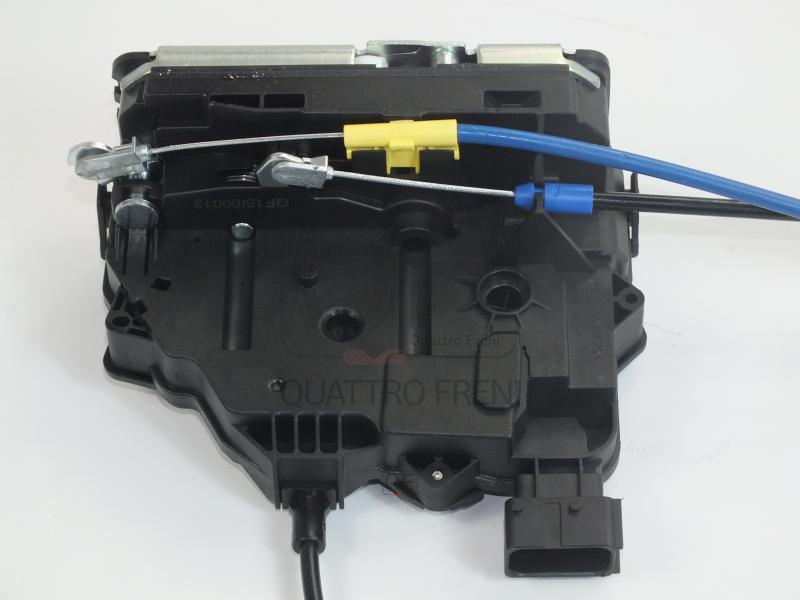
FIAT/ALFA/LANCIA 1361334080 DOOR LOCK
Product Specifications
| FIAT/ALFA/LANCIA | 1361334080 |
| FIAT/ALFA/LANCIA | 1340455080 |
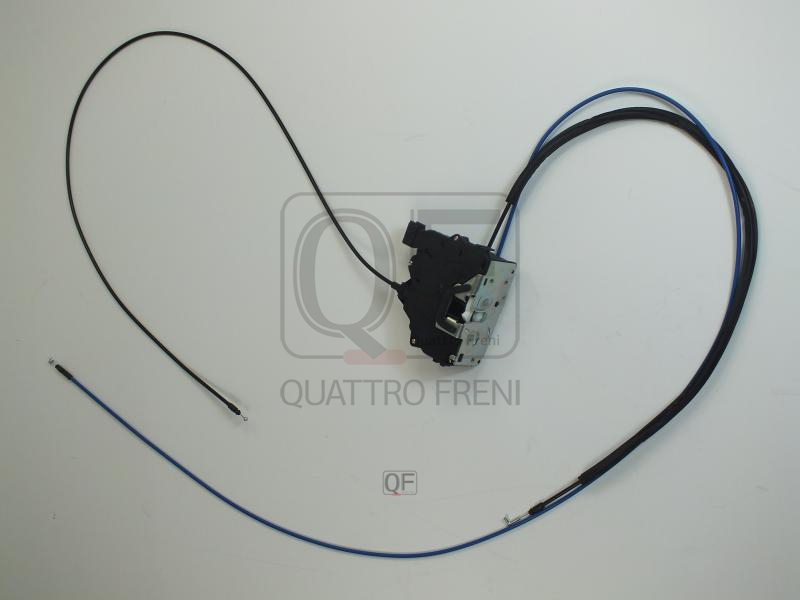
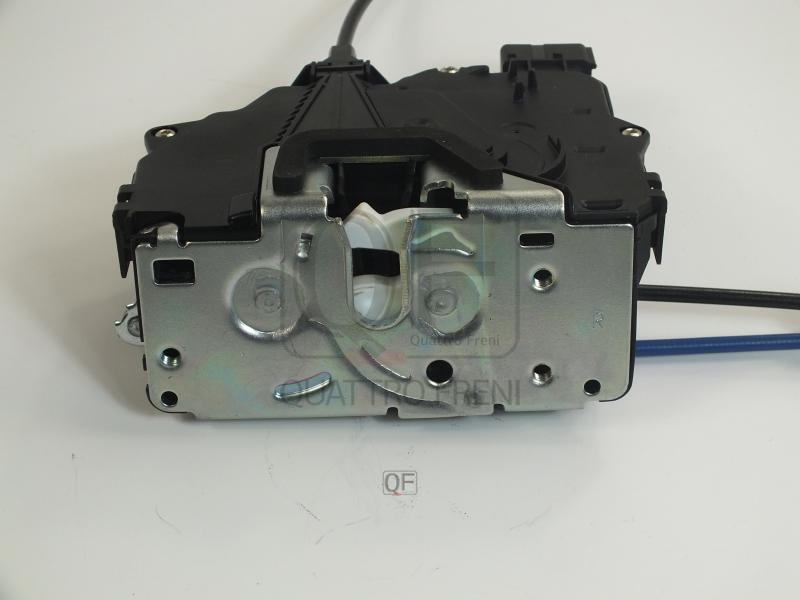
The DOOR LOCK is the electromechanical latch assembly mounted inside the door that secures the door to the body striker pin when closed, releases the door on interior or exterior handle actuation, and locks or unlocks the latch mechanism in response to the central locking system. The assembly integrates three functional elements into a single housing: the mechanical latch fork and pawl that engage the body striker; the lock/unlock lever mechanism that disables or enables the latch release when the central locking actuator rotates it; and the electric actuator motor that drives the lock lever between the locked and unlocked positions in response to signals from the body control module. On vehicles with double-locking or deadlock systems, a second actuator position mechanically disconnects the interior release linkage in addition to locking the standard mechanism, preventing entry even if the door glass is broken.
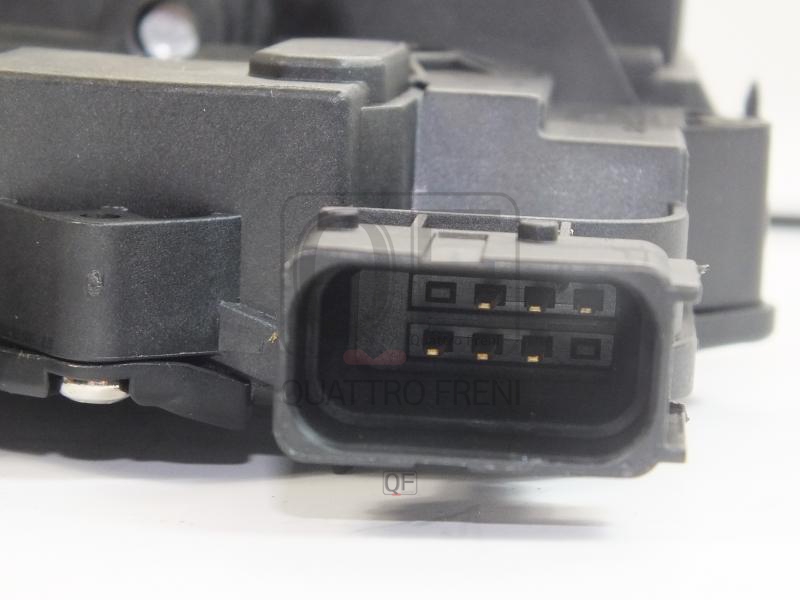
This unit — FIAT/ALFA/LANCIA 1361334080 — is manufactured to OEM-equivalent specifications: latch fork geometry and striker engagement depth, actuator motor voltage and rotation angle, lock lever travel, connector pinout, and mounting bolt pattern are matched to the original part. Supplied as a direct bolt-in replacement for standard fitment. Available wholesale from 24.84 USD, MOQ 50 pcs, production lead time 23 days.
Door lock assemblies fail through actuator motor brush wear after high cycle counts, corrosion of the lock lever pivot from moisture ingress through the door membrane, fatigue cracking of the plastic latch housing from repeated impact loading, and contamination of the latch mechanism with road grit entering through the striker slot. A lock that works intermittently — failing in cold or wet conditions but functioning when dry and warm — has internal corrosion or a partially failed actuator motor that will progress to complete failure; intermittent operation is not a stable fault state and the assembly should be replaced before the door becomes inoperable.
- Before removing the door trim panel, use a scan tool to verify whether the door is currently in a locked or unlocked state — a door lock that has failed in the locked position will trap the door closed; access may require removing the door trim from outside through the window aperture or using a slim-jim tool to manually release the latch through the door frame gap before any trim removal is possible.
- Remove the door trim panel carefully, disconnecting all electrical connectors and control rods before pulling the panel clear. Peel back the waterproof membrane from the lower edge only, preserving the butyl adhesive seal — the membrane must be resealed completely after the repair to prevent water ingress that will corrode the new latch assembly.
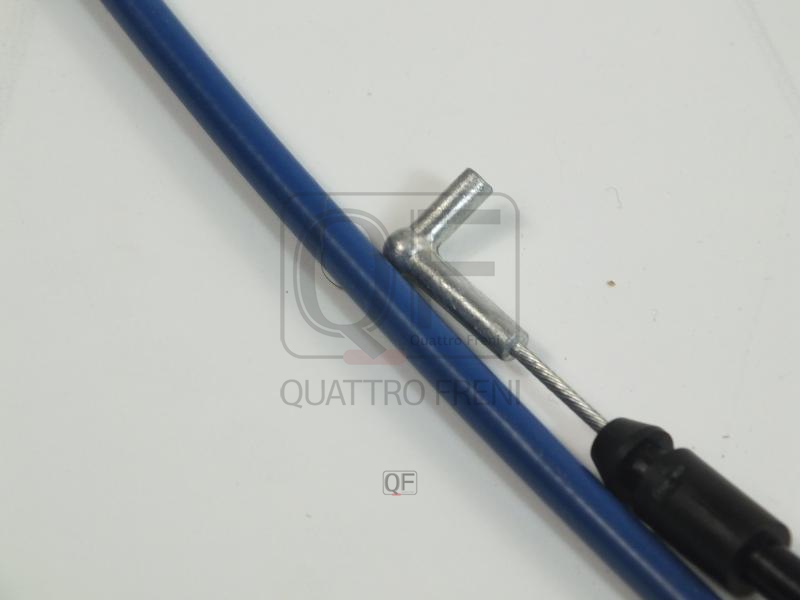
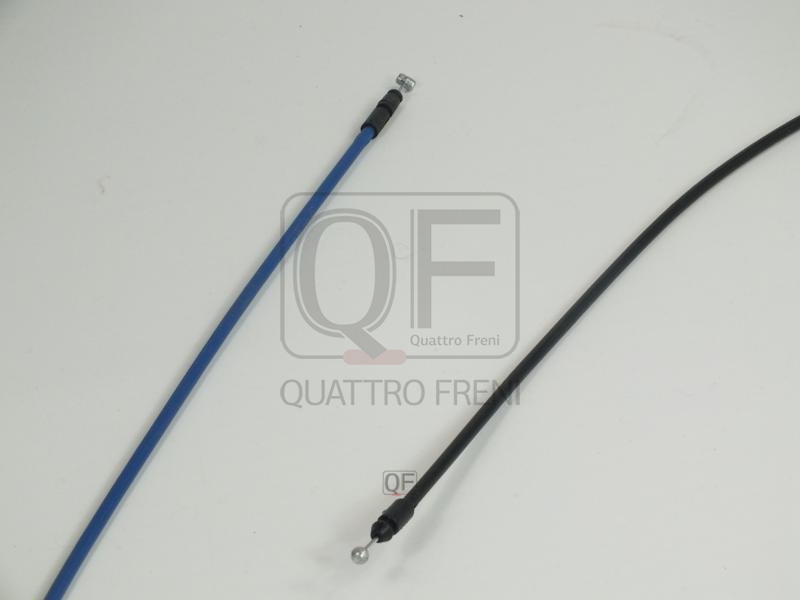
- Disconnect all linkage rods and cables from the latch before unbolting the assembly from the door end face. Linkage rod clips are single-use on most applications — note the clip type required and have replacements available before disassembly. Photograph all rod routing and clip positions; incorrect rod reassembly is the most common cause of rework on door lock replacements.
- Disconnect the latch electrical connector and unbolt the latch from the door end face (typically two or three bolts). Feed the latch body out through the door aperture, guiding the connector through the door cavity. Inspect the door end face aperture and striker slot for corrosion or deformation that may prevent the new latch from seating flush.
- Transfer all reusable linkage clips and sealing grommets to the new latch body before installation. Manually verify the latch mechanism operation — the fork should rotate freely, the pawl should engage and release cleanly, and the lock lever should move through its full travel without sticking before the assembly is installed in the door.
- Install the new DOOR LOCK (FIAT/ALFA/LANCIA 1361334080), torque the mounting bolts, reconnect all linkage rods with new clips, reconnect the electrical connector, reseal the door membrane fully with butyl tape, refit the trim panel, and functionally test all open, close, lock, and unlock operations from both interior and exterior handles and from the remote before returning the vehicle to the customer.