VAG 5K6955427A BLADE WIPER
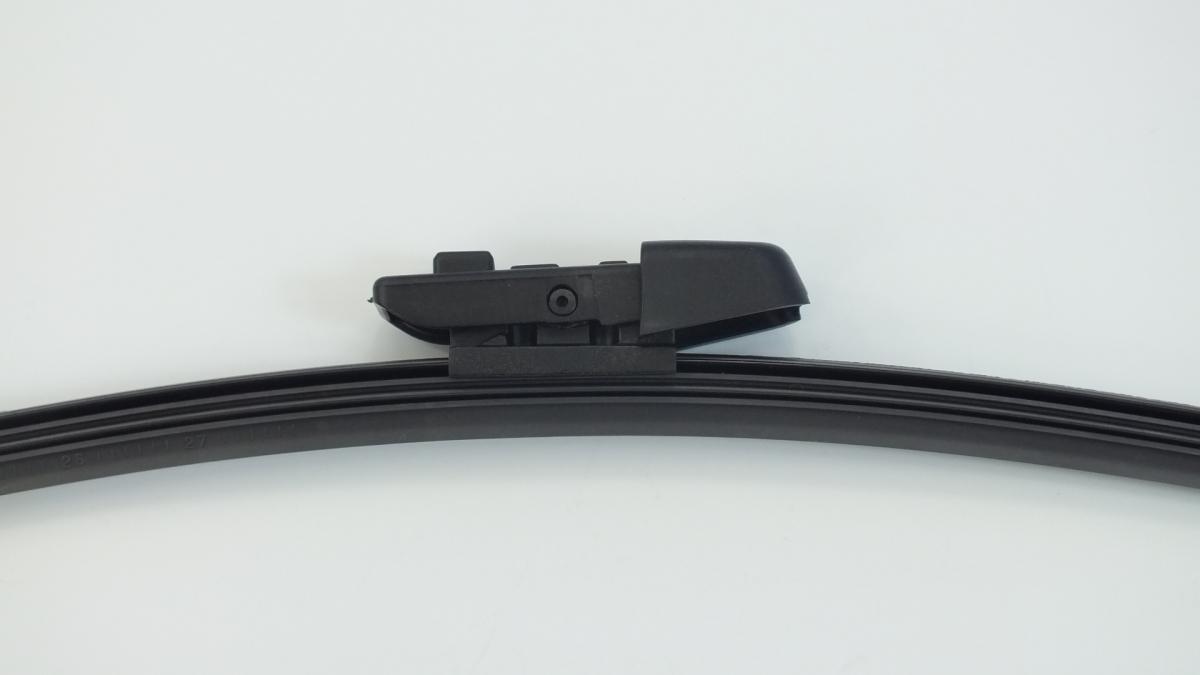
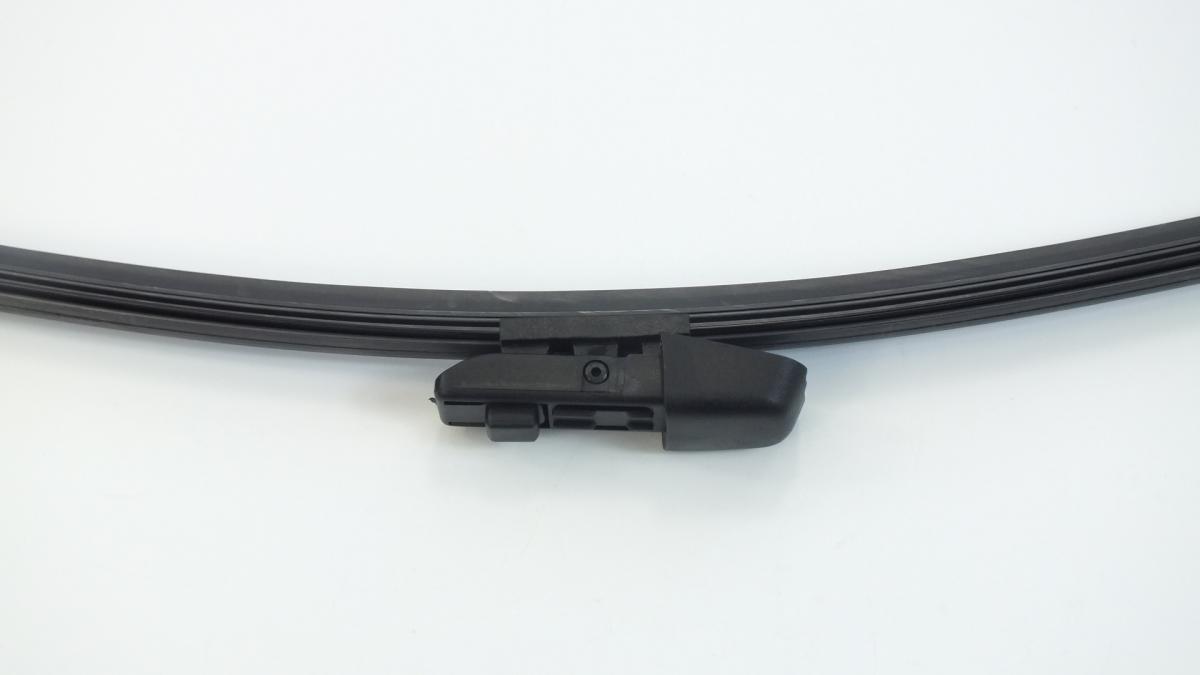
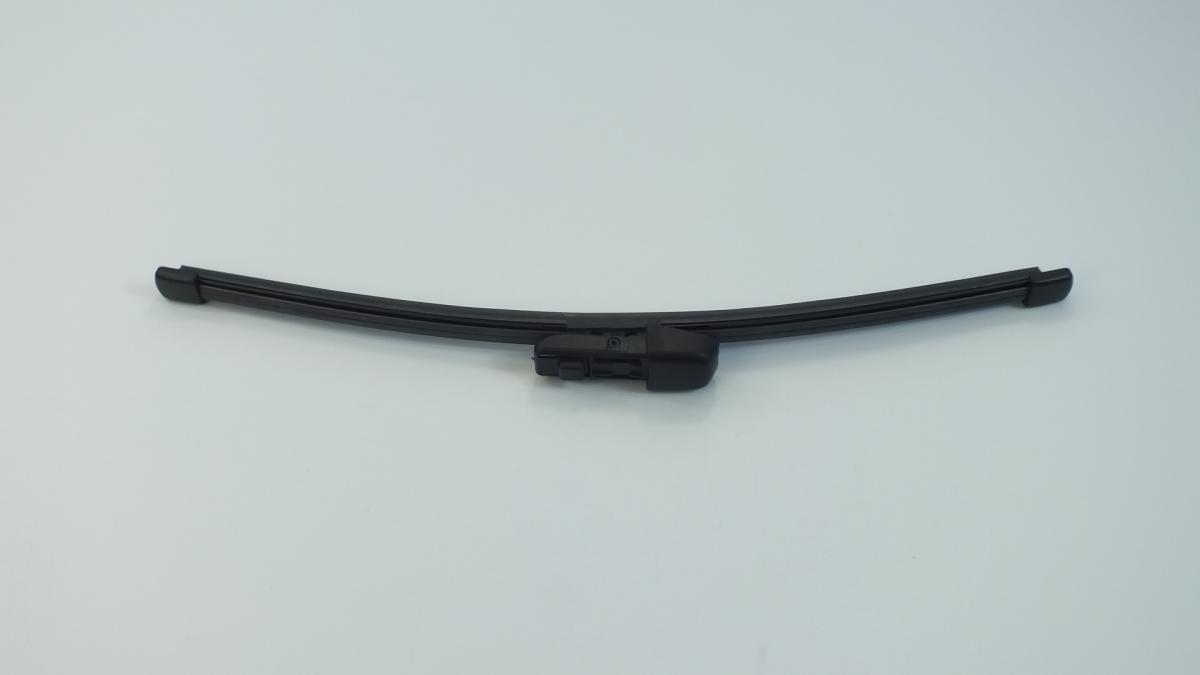
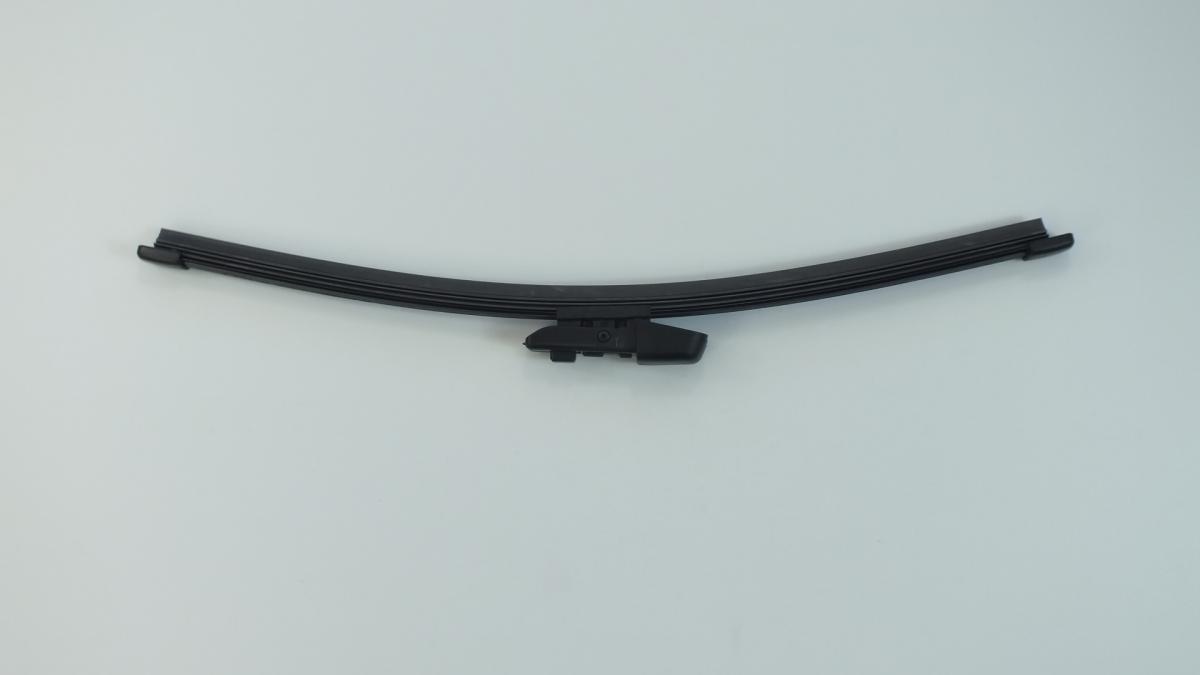
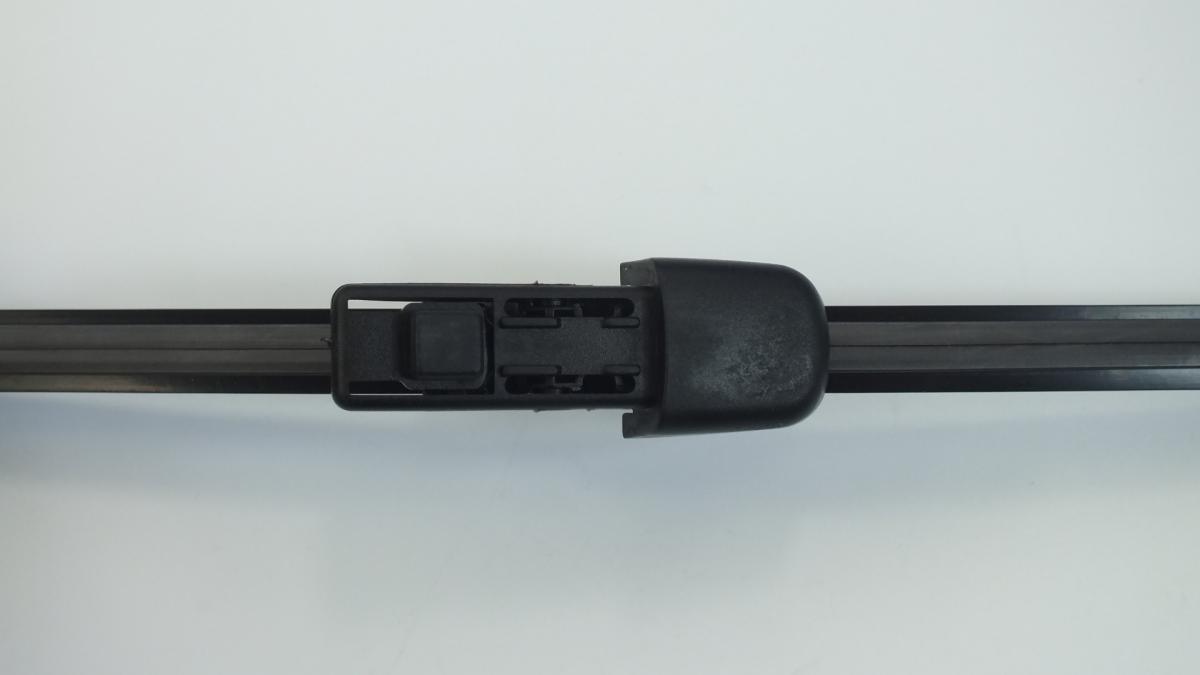
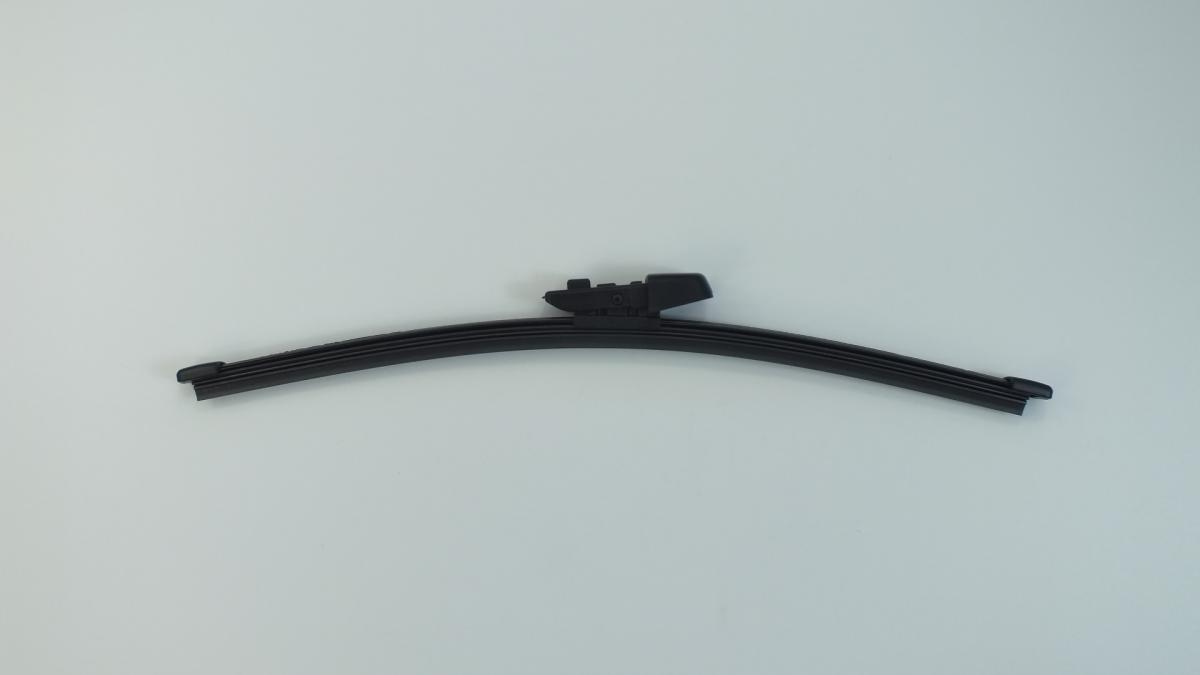
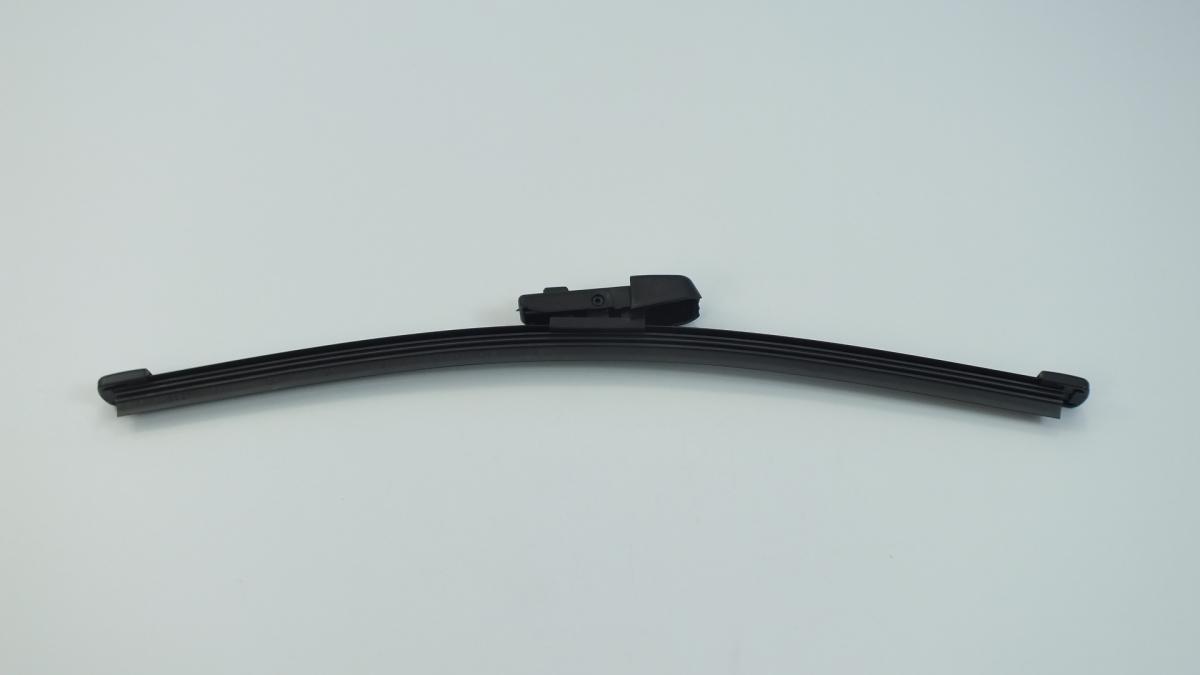
Product Specifications
| VAG | 5K6955427A |
| VAG | 5K6955427B |
| VAG | 5L6955425 |
| VAG | 5G6955427E |
| VAG | 5K6955427D |
| MILES | CWF13MA |
The BLADE WIPER is a rubber-edged wiping element mounted on the wiper arm that sweeps across the windscreen or rear window surface to clear rain, snow, road spray, and debris from the driver's critical field of view, maintaining visibility through the swept arc at all operating wiper speeds. Two principal construction types are in current production: conventional framed blades use a pressed steel or injection-moulded polymer superstructure with multiple pressure points along the blade length that distribute the wiper arm's spring pressure evenly across the curved windscreen surface through a series of yoke bridges, holding the rubber wiper element in contact with the glass at all sweep angles; flat or beam blades use a pre-curved spring steel or carbon fibre tensioner strip bonded to the rubber element without any external superstructure, providing more uniform pressure distribution across complex curved windscreen geometries, better ice and snow resistance due to the absence of yoke bridges that collect compacted snow, and reduced aerodynamic lift at high road speeds. The wiper element itself is a profiled natural or synthetic rubber extrusion with a precision-ground wiping edge — the edge geometry is optimised for the glass contact angle, wiper speed, and washer fluid type — bonded to or mechanically retained in the blade carrier. Graphite or PTFE coating on the wiping edge reduces glass friction, prevents squeal, and extends edge service life compared to uncoated rubber.
This unit — VAG 5K6955427A — is manufactured to OEM-equivalent specifications: blade length, wiper arm attachment type and clip geometry (hook, pinch tab, side pin, top lock, or bayonet), pre-curve radius to match the windscreen profile, rubber compound compound hardness and graphite coating specification, and overall swept arc coverage area are matched to the original part. Supplied as a direct replacement for standard fitment. Available wholesale from 0.53 USD, MOQ 200 pcs, production lead time 25-50 days.
Wiper blades degrade through ozone and UV hardening of the rubber wiping edge that reduces its conformability to the glass surface, contamination of the edge with silicone from tyre dressings and car care products that causes permanent smearing, physical damage from ice scraping with an ice tool rather than allowing the defrost system to clear ice, and spring pressure loss in the blade superstructure from extended parking in the raised position. The recommended replacement interval is 12 months or one annual service regardless of visible condition — a rubber edge that appears undamaged produces a smear pattern at medium speed on light rain that is only detectable during actual rain driving and not during a dry workshop inspection.
- Identify the correct wiper arm attachment type before ordering — the most common attachment systems are hook (J-hook, 9mm or 7mm), pinch tab, side pin, top lock, and bayonet; fitting the wrong attachment type requires an adaptor that adds height between the blade and arm, reducing contact pressure and glass contact conformity; confirm the attachment type from the vehicle's wiper arm profile before selecting the replacement blade.
- Support the wiper arm away from the windscreen with a folded cloth before removing the old blade — a released wiper arm that springs back onto the glass without a blade fitted will strike the glass with the metal arm tip at the full force of the arm spring, producing a chip or crack at the arm rest position; always place a folded cloth on the glass below the arm before disconnecting the blade clip.
- Engage the new blade's attachment clip onto the wiper arm hook with the blade positioned parallel to the arm until the clip audibly clicks into its locked position — an incompletely locked clip will disengage from the arm at the first high-speed wiper cycle, sending the blade across the bonnet or into the A-pillar; test the connection by applying gentle upward pull on the blade body before lowering the arm onto the glass.
- Clean the windscreen surface with isopropyl alcohol before fitting the new blade — silicone deposits, insect residue, and road film on the glass will contaminate the new blade's wiping edge on its first sweep, reducing service life from the first use; a clean glass surface also allows the new blade's rubber edge to seat correctly against the glass curvature on the first few sweeps.
- Clean the new blade's wiping edge by wiping it once along its full length with a cloth dampened with isopropyl alcohol before installation — mould release compounds and packaging film residues on new blades produce a temporary smear on the first few sweeps if not removed; this simple step ensures clean wiping performance from the first activation.
- Install the new BLADE WIPER (VAG 5K6955427A) on both driver and passenger sides simultaneously, lower both arms gently onto the clean glass, activate the washers to apply washer fluid, run both blades through several full sweep cycles, and verify the glass is cleared cleanly across the full swept arc at all wiper speeds — low, medium, and high — before confirming the installation is complete.
| Part | Reason for Combined Replacement |
|---|---|
| Rear Wiper Blade OEM ref. varies by vehicle body style | The rear wiper blade ages at the same rate as the front blades from identical UV and ozone exposure — on hatchback, estate, and SUV body styles with a rear wiper, replacing all three blades simultaneously ensures the complete wiper system is renewed in a single service visit. A streaking rear blade in wet motorway driving produces a smeared rear window that eliminates rearward visibility through the wiper's swept arc. |
| Washer Fluid Summer or winter concentration per operating climate | Correct washer fluid concentration is essential for new blade performance — plain water used in freezing conditions destroys new blades by freezing on the glass between sweeps and causing the blade to skip over ice ridges rather than sweep cleanly; summer-concentration fluid used below freezing blocks the jets and lines with ice. Always check fluid reservoir level and concentration at every blade replacement and top up with the correct seasonal mix. |
| Wiper Arm OEM ref. varies by driver or passenger position | A wiper arm with a fatigued spring produces insufficient contact pressure regardless of blade quality — the blade lifts from the glass at high speed, fails to clear the glass at the arc extremes, and chatters at low speed even when the blade rubber is in perfect condition. If new blades do not resolve wiping quality at all speeds, test arm spring pressure by manually lifting the arm and comparing its resistance to the opposite arm; replace any arm that is measurably weaker than its pair. |