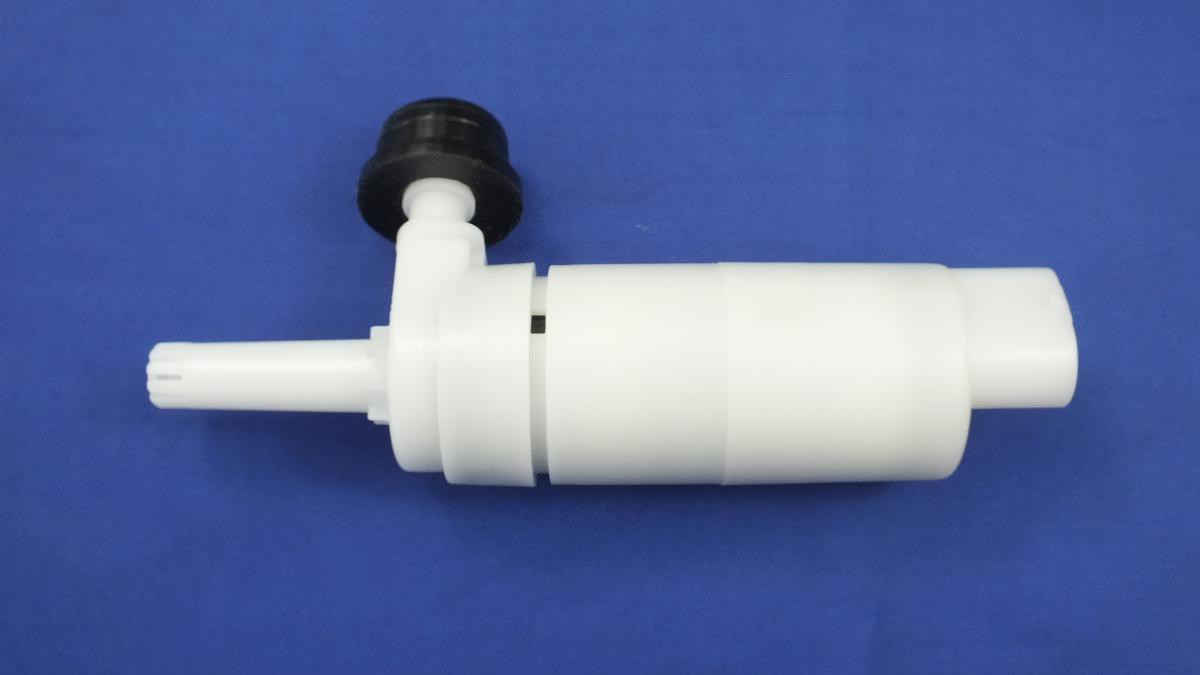
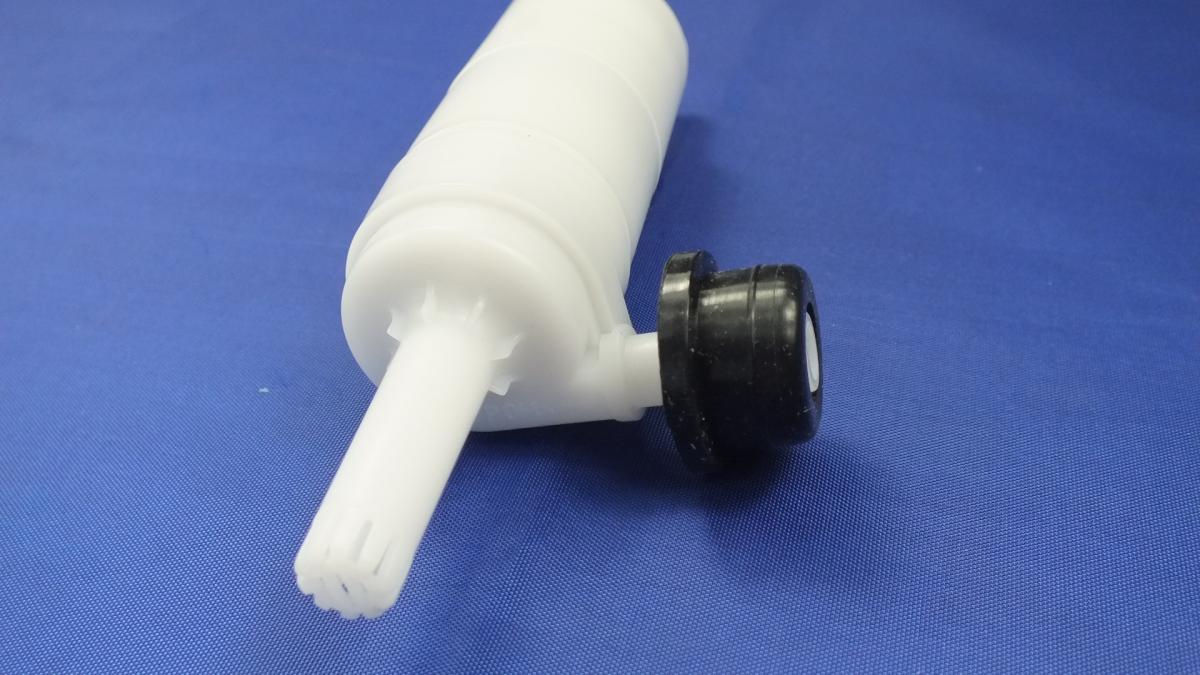
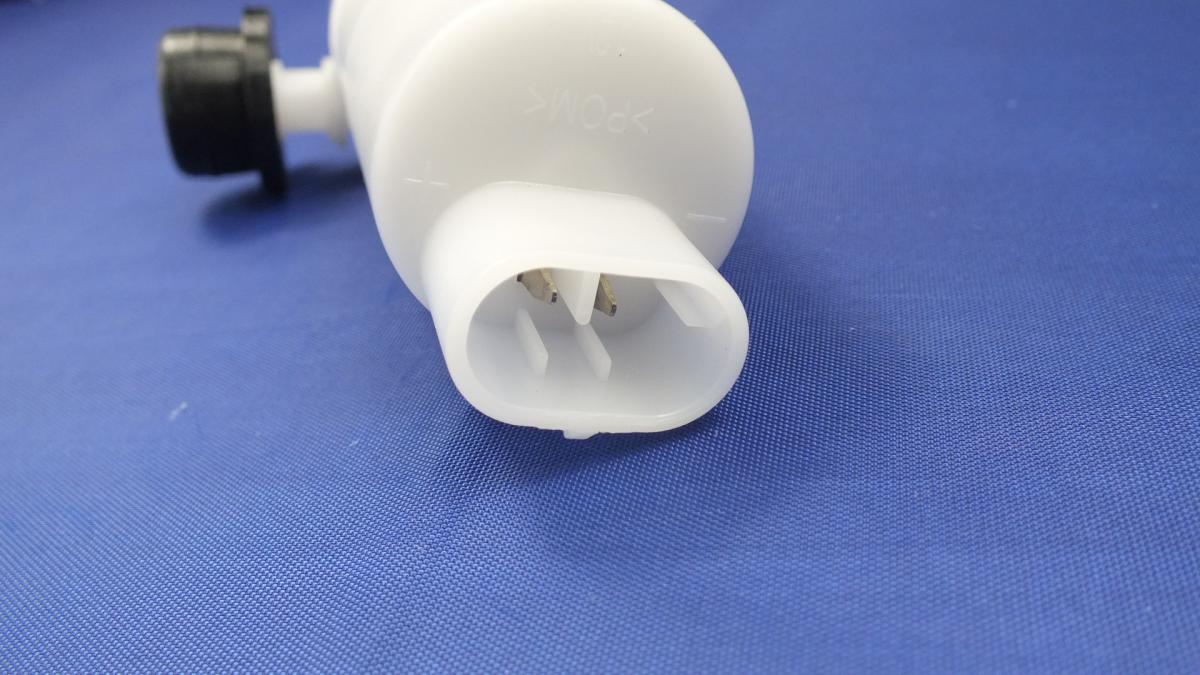
CHRYSLER 05012060AA MOTOR PUMP ASSY
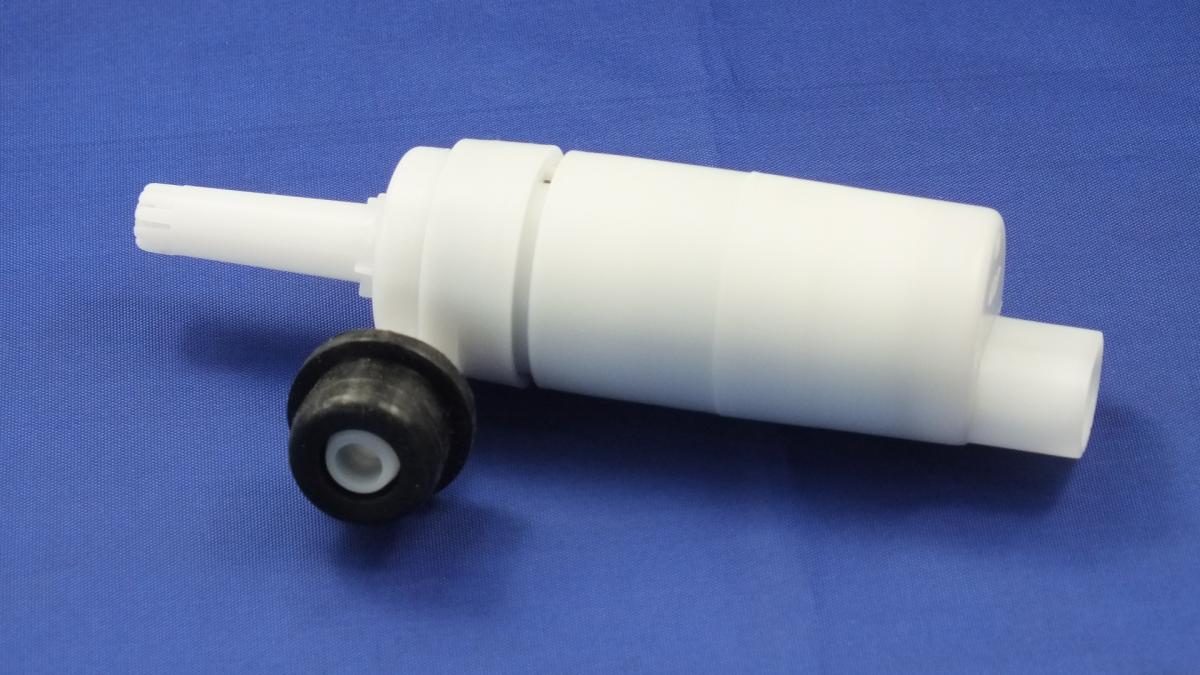
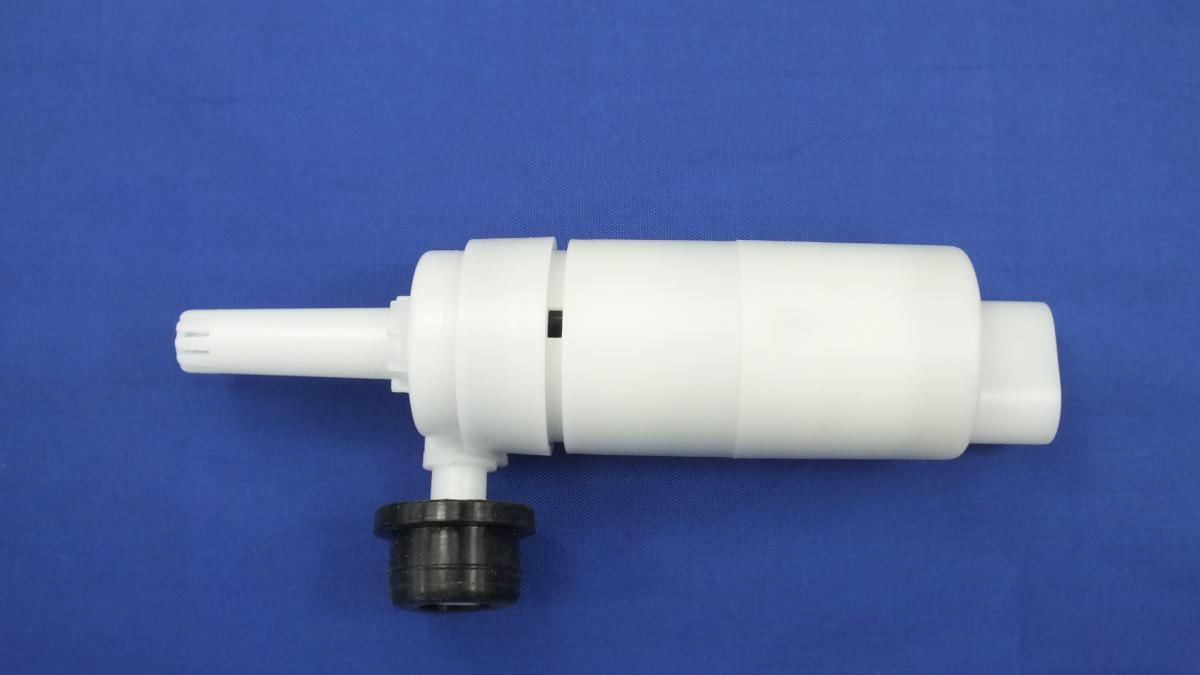
Product Specifications

Product quality
OEM Equivalent Grade
starstarstar
40 sold
Wholesale price USD $5.66
Wholesale price CNY ¥38.4
bolt MOQ (Minimal order)
20 pcs
local_shipping Production time
18 days
package_2 Shipping Weight: 0.17 kg
CHRYSLER 05012060AA
CHRYSLER 5012060AA
CHRYSLER 68041383AA
CHRYSLER 68041384AA
Overview & Operating Principle

The MOTOR PUMP ASSY is a submersible centrifugal or impeller pump assembly installed directly in the washer fluid reservoir — or occasionally inline in the washer supply line — that pressurises washer fluid and delivers it to the windscreen jets, rear window jets, and headlamp washer nozzles on command from the wiper stalk or BCM. The assembly integrates a permanent-magnet DC motor operating at 12V, a centrifugal impeller housed in a plastic volute that generates 1.5–3.0 bar of output pressure at the rated flow rate of 1.0–2.5 litres per minute, a rubber grommet that seals the pump body in the reservoir outlet port, and a wiring connector for the supply and ground circuit. On vehicles with separate windscreen and rear window wash circuits, two discrete pump units are fitted to the same reservoir — each pump is dedicated to its respective circuit and is activated independently by the wiper stalk. On vehicles with headlamp washers a third pump outlet or a T-junction from the windscreen pump circuit supplies the headlamp nozzles simultaneously with the windscreen wash activation.

This unit — CHRYSLER 05012060AA — is manufactured to OEM-equivalent specifications: motor rated voltage and current draw, impeller output pressure and flow rate, pump body outer diameter and grommet profile for reservoir port fit, outlet port barb diameter, connector pinout and locking tab geometry are matched to the original part. Supplied as a direct plug-and-play replacement for standard fitment. Available wholesale from 5.66 USD, MOQ 20 pcs, production lead time 18 days.

Washer pumps fail through motor winding burnout caused by running dry when the reservoir is empty — the washer fluid lubricates and cools the motor during normal operation, and a pump run dry for repeated cycles overheats its winding insulation and fails within a short period; impeller wear from abrasive contamination in the fluid; and grommet hardening that allows air to enter the pump inlet, reducing output pressure. Before replacing a non-functioning pump, always confirm supply voltage at the connector reaches 12V when the stalk is operated — a blown fuse or faulty relay is the most common cause of pump inoperability and is resolved without component replacement.

Symptoms & Diagnostics
No washer fluid output from any jet when the stalk is operated and the reservoir is confirmed full — confirm 12V supply at the pump connector with a multimeter while the stalk is held; if voltage is present and the pump does not run, the motor winding has failed; if no voltage is present, check the washer pump fuse and relay before replacing the pump.
Pump motor audible but no fluid output or severely reduced flow — the impeller is spinning but not generating pressure, indicating a worn or cracked impeller, a blocked inlet screen in the reservoir, or air entering the pump inlet through a hardened grommet seal; remove the pump and inspect the impeller and grommet before condemning the unit.
Rear washer inoperative while front washer functions correctly on a dual-pump system — the rear pump motor has failed independently of the front pump; confirm by applying 12V directly to the rear pump terminals; if the pump does not run under direct power, the motor is failed and the rear pump unit requires replacement.
Washer fluid leak at the reservoir outlet port — the pump body grommet has hardened and shrunk, allowing fluid to bypass the seal between the pump body and the reservoir wall; fluid loss from a leaking grommet is slow but continuous and will empty the reservoir between uses if not addressed.
Intermittent washer operation that works correctly when the fluid is cold but fails when the fluid is warm — a motor with degraded winding insulation that shorts when the insulation softens at elevated temperature; the pump runs normally until the motor warms up then stops; this thermal failure pattern confirms internal motor winding degradation.
Pump fuse blowing repeatedly — the motor winding has developed an internal short circuit drawing current above the fuse rating; replacing the fuse without replacing the pump will blow the new fuse immediately on the next wash activation; confirm by measuring motor resistance at the connector — a value significantly below the rated winding resistance confirms an internal short.
Logistics & Customs
International HS Code
8413.20
EAEU Customs Code (TN VED)
8413 20 000 0
Typical Net Weight
0.17 kg
Country of Manufacture
China
Standard MOQ
20 pcs
Production Lead Time
18 days
Always verify the exact 8-digit or 10-digit subheading with your customs broker for the destination country, as tariff schedules and duty rates vary by jurisdiction.
Installation Tips
  1. Drain or remove the washer reservoir before extracting the pump — on most vehicles the pump is installed through a grommet port in the reservoir wall below the fluid level; pulling the pump out with a full reservoir will spill several litres of washer fluid into the engine bay; drain the reservoir through the pump port into a container, or remove the reservoir from the vehicle if the pump port is inaccessible in situ.
  2. Disconnect the wiring connector and the outlet supply line before pulling the pump from its grommet port — grip the pump body firmly and pull straight out with a steady rocking motion to break the grommet seal without tearing the grommet from the reservoir wall; never pull by the wiring connector or outlet tube as this damages both.
  3. Inspect the reservoir grommet port opening after removing the pump — confirm the port bore is clean and undamaged; a cracked or deformed port opening will not seal correctly against the new pump grommet and will leak fluid around the pump body; clean any mineral scale or debris from the port bore before fitting the new pump.
  4. Lubricate the new pump grommet lightly with washer fluid or clean water before insertion — a dry grommet requires excessive force to insert and may roll or tear during installation, compromising the seal; never use petroleum-based lubricants on rubber grommets in washer fluid contact as these swell and degrade the rubber compound.
  5. Push the new pump firmly into the reservoir port until the grommet flange seats flush against the reservoir outer wall with no gap visible around the circumference — an incompletely seated pump will leak at the grommet base under pump output pressure; confirm full seating by attempting to pull the pump back out with finger pressure — it should resist removal.
  6. Install the new MOTOR PUMP ASSY (CHRYSLER 05012060AA), reconnect the outlet supply line and wiring connector, refill the reservoir with washer fluid, activate the washer system and check immediately for leaks at the grommet port, confirm full flow from all jets including rear and headlamp nozzles where fitted, and verify the pump stops immediately when the stalk is released before returning the vehicle to service.
Tools: drain container, multimeter for supply voltage and motor resistance verification, small flat-blade tool for connector release, washer fluid for grommet lubrication and reservoir refill.
Frequently Asked Questions
Should the front and rear washer pumps be replaced simultaneously when only one has failed?
On dual-pump systems where both pumps share the same reservoir and have accumulated the same mileage, replacing both simultaneously is recommended if the failed pump has burned out from running dry — both pumps were subjected to the same dry-run events and the surviving pump may have accumulated similar heat damage in its winding insulation. If the failure was caused by a specific electrical fault rather than dry running, replacing only the failed unit is appropriate. ok.parts supplies washer pumps individually and in front-rear pairs at wholesale MOQ from 5.66 USD per unit, making combined replacement cost-effective for fleet stocking.
What is the correct washer fluid specification, and does it affect pump longevity?
Washer fluid must always be used diluted to the concentration specified for the operating temperature — typically 1:3 to 1:1 with water for winter use in freezing climates. Never use plain water as the sole washer fluid as it promotes bacterial and algae growth in the reservoir that blocks the pump inlet screen and jet nozzles with biological deposits, and freezes in the pump body and lines at sub-zero temperatures, cracking the pump impeller housing. Never use engine coolant or screen wash concentrate above the recommended dilution as these damage pump seals and jet nozzle O-rings. Correct fluid concentration is the single most important factor in maximising washer pump service life.
How does the OEM-equivalent aftermarket unit compare to the genuine OEM part?
OEM-equivalent units in this catalogue replicate the current OEM design geometry and material specification. Quality is verified against OEM cross-reference data. When ordering in bulk, confirm with our team that the specification matches the latest OEM revision for your application.
Is white-label or custom packaging available for wholesale orders?
Yes. ok.parts works directly with the manufacturing facility and can accommodate neutral white-label packaging or fully branded packaging with your company logo, part numbers, and barcode. Minimum order quantities and lead times for custom packaging may differ from standard stock. Contact the team via the inquiry form to discuss your specific requirements.
Frequently Replaced Together