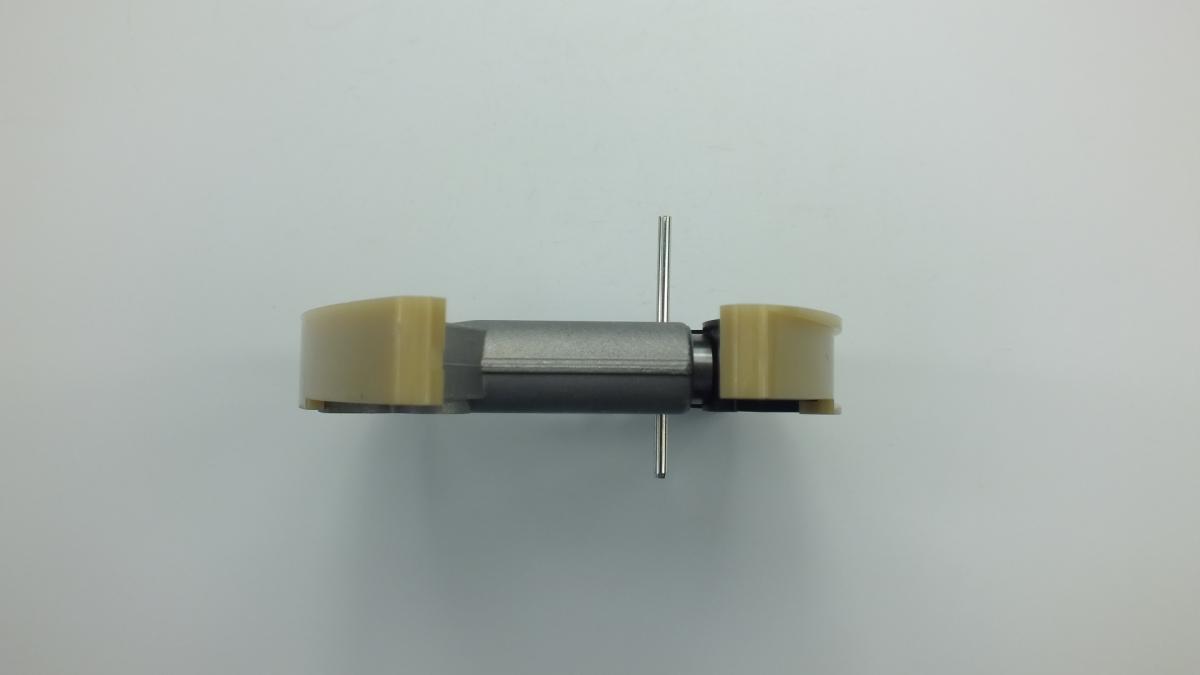
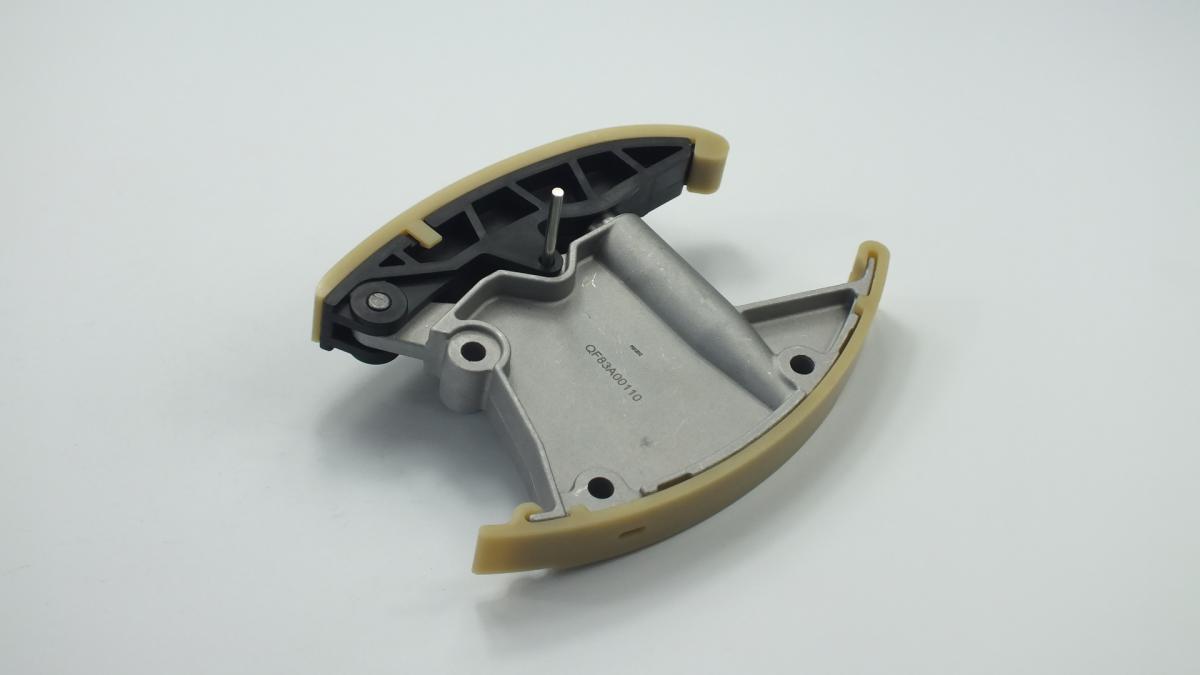
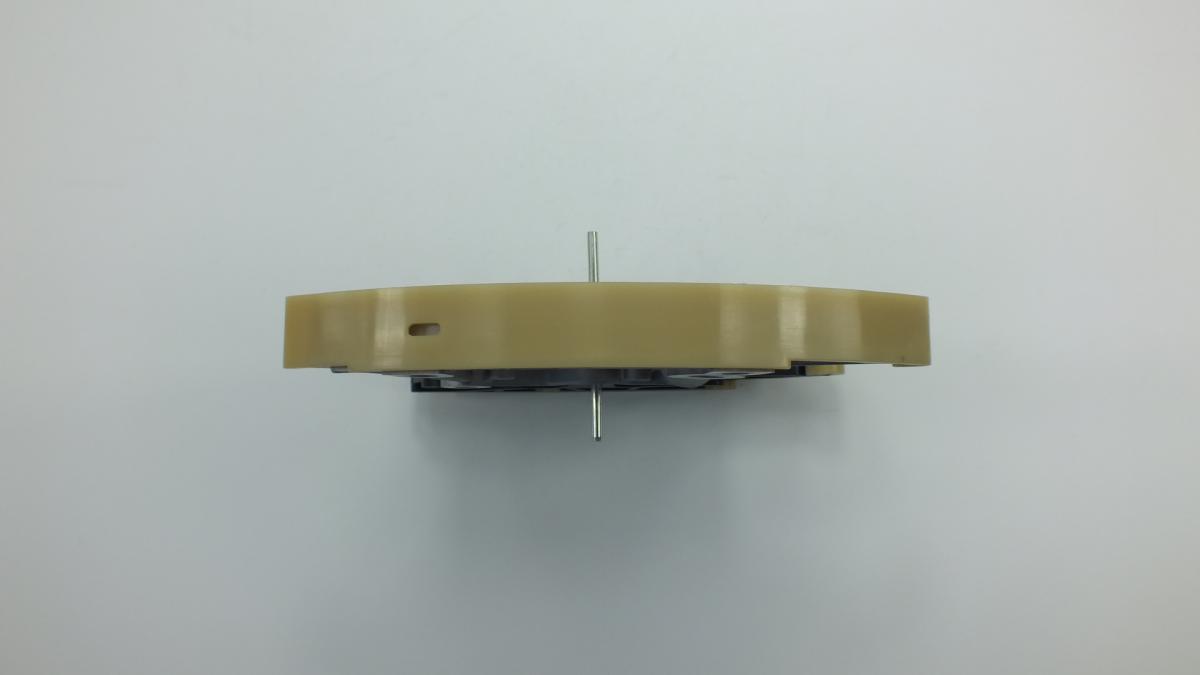
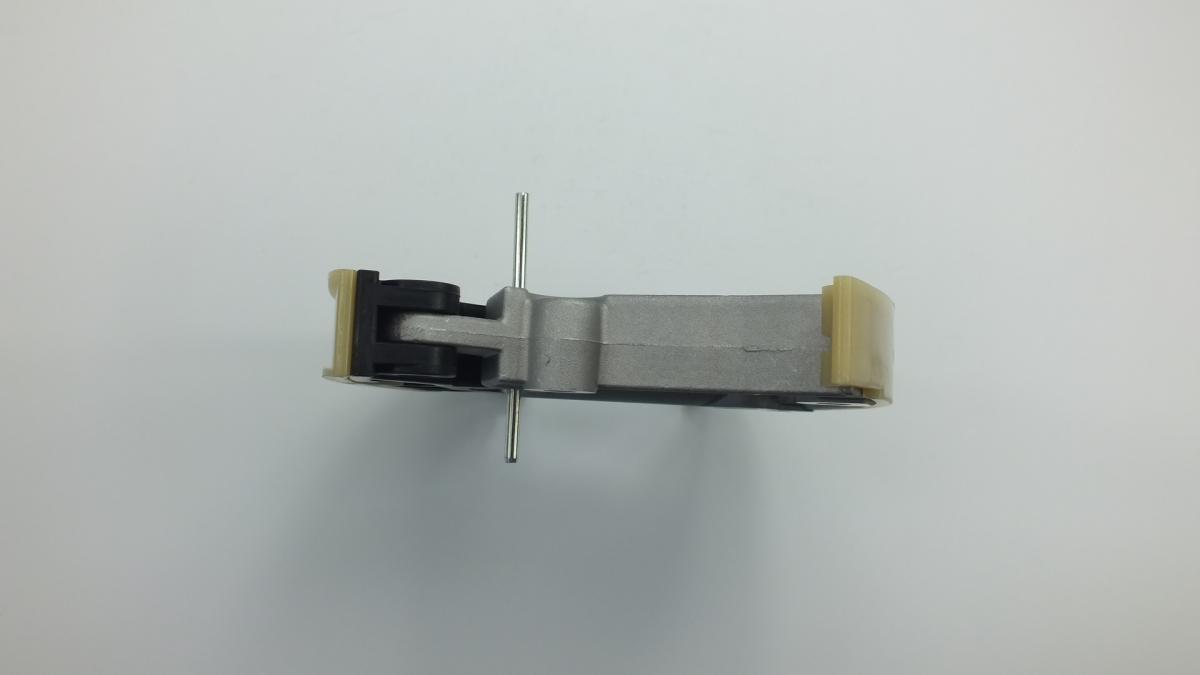
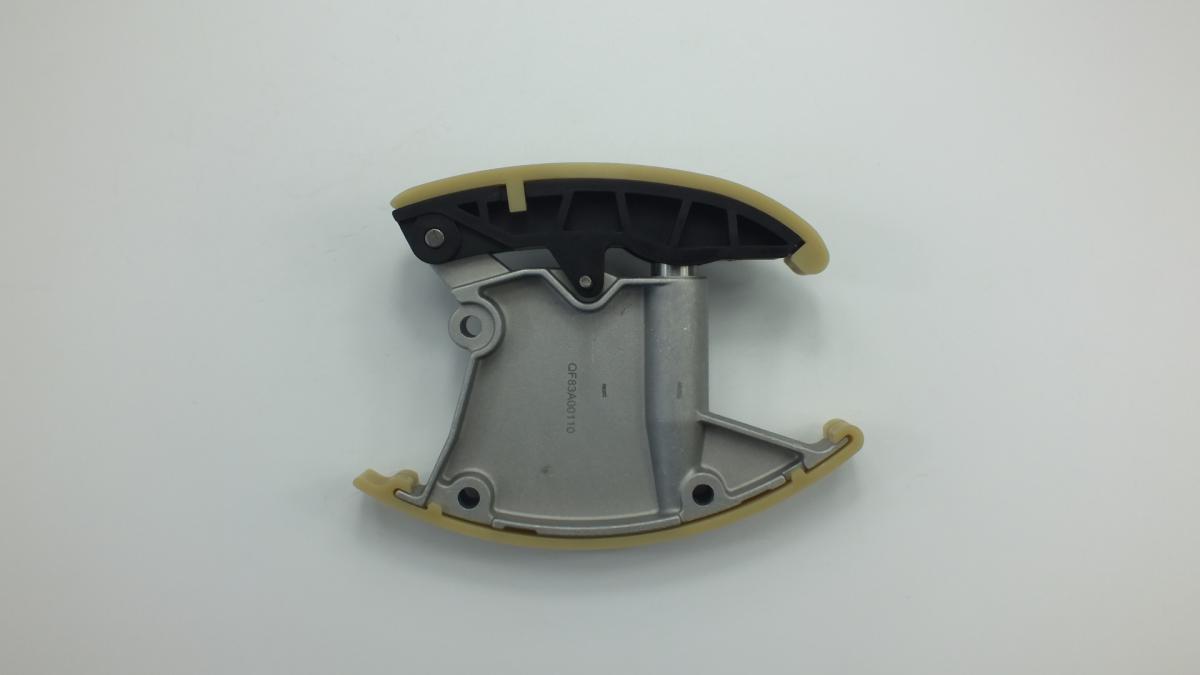
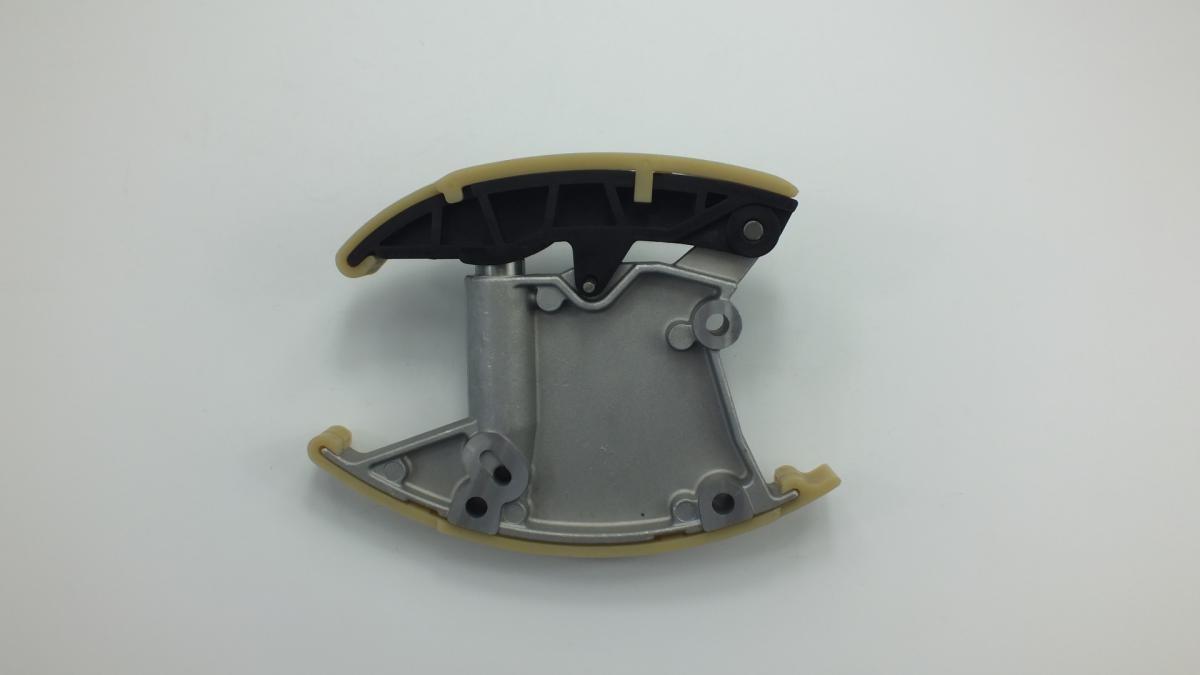
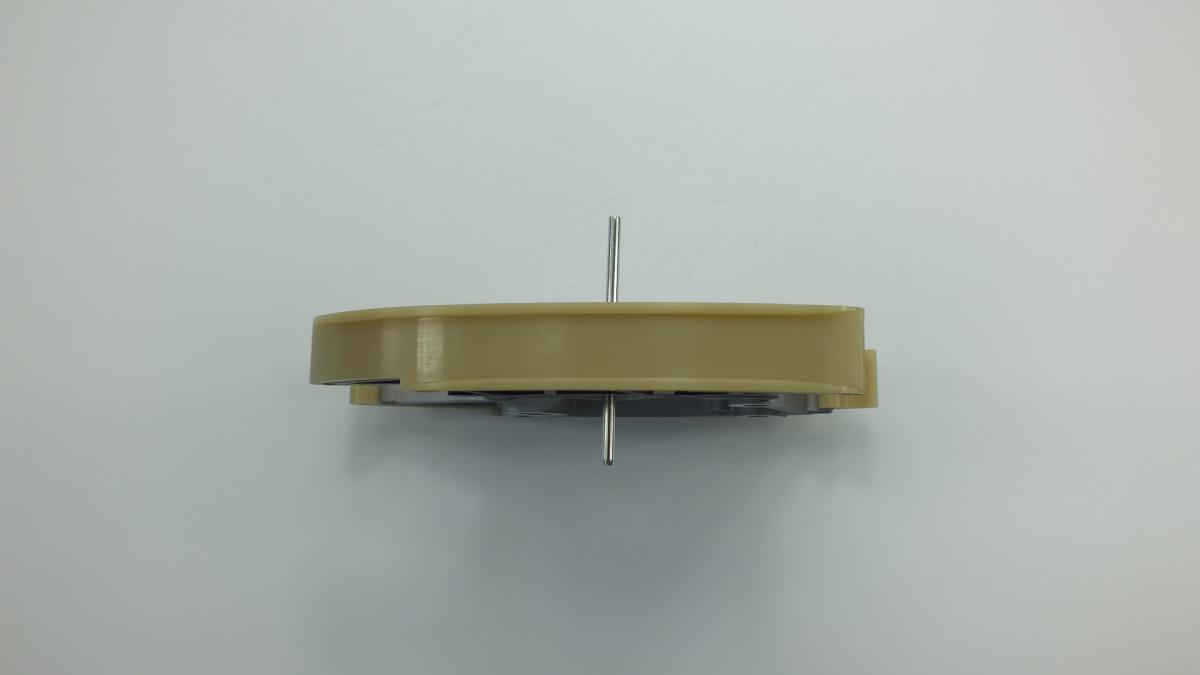
VAG/PORSCHE 059109217C TENSIONER ASSY
Product Specifications
| VAG/PORSCHE | 059109217C |
| VAG/PORSCHE | 057109217G |
The TENSIONER ASSY is a spring-loaded or hydraulic mechanism that maintains correct tension in the timing belt or timing chain throughout the engine's operating life, compensating for belt stretch, thermal expansion, and wear-induced slack. On timing belt systems the tensioner consists of a spring-loaded pivot arm carrying a smooth idler pulley that bears against the back face of the belt — the spring force keeps the belt taut across its full operating temperature and load range. On timing chain systems a hydraulic tensioner uses engine oil pressure acting on a piston to push a tensioner blade or guide rail against the chain, providing automatic slack compensation as the chain elongates with mileage. Correct belt or chain tension is critical to maintaining precise valve timing — a slack timing drive retards camshaft phasing, reducing power and increasing emissions, while an over-tensioned drive accelerates bearing and belt wear.
This unit — VAG/PORSCHE 059109217C — is manufactured to OEM-equivalent specifications: spring preload force, pivot arm geometry, pulley bearing rated load and speed, hydraulic piston travel and bleed-down rate, and mounting bolt pattern are matched to the original part. Supplied as a direct bolt-in replacement for standard fitment. Available wholesale from 19.95 USD, MOQ 50 pcs, production lead time 20-45 days.
Tensioner failure on belt-driven systems is one of the most consequential failures in engine maintenance — a seized tensioner pulley bearing or a tensioner arm that loses spring force allows the timing belt to skip teeth or snap, causing catastrophic valve-to-piston contact on interference engines. The tensioner must always be replaced as part of every timing belt service regardless of its apparent condition, as internal bearing and spring fatigue are not visible on external inspection. Never reuse a tensioner that has been removed from a running engine.
- Set the engine to TDC on cylinder 1 compression stroke before removing any timing drive components. Align all timing marks — crankshaft, camshaft, and injection pump where applicable — and photograph their positions before disturbing the belt or chain. Never rotate the engine with the timing belt removed on an interference engine.
- Relieve tension from the old tensioner before removing the timing belt — on spring-loaded pivot tensioners, insert a locking pin through the tensioner arm into the body to hold it in the retracted position. On hydraulic tensioners, compress the piston fully and insert a retaining pin to prevent extension during installation.
- Remove the old tensioner and inspect the timing belt or chain for cracking, fraying, glazing, or tooth profile wear. On belt systems, inspect all idler pulleys for bearing play and seal leakage — a failed idler on a freshly tensioned belt will cause belt failure within a short mileage.
- Install the new tensioner in the retracted and locked position — do not release the locking pin until the belt is correctly routed over all pulleys and the timing marks are verified aligned. On hydraulic chain tensioners, prime the unit with clean engine oil before installation by depressing the piston several times in a container of oil.
- Release the tensioner locking pin to allow the spring or hydraulic pressure to apply tension to the belt or chain. Rotate the engine by hand through two full crankshaft revolutions and recheck all timing marks — confirm they return to their correct positions at TDC. Any timing mark misalignment after rotation indicates incorrect belt routing and must be corrected before starting the engine.
- Install the new TENSIONER ASSY (VAG/PORSCHE 059109217C), torque the mounting bolt to OEM specification (typically 20–50 Nm depending on application), refit the timing cover, refill any coolant or oil disturbed during access, start the engine, and listen for correct quiet running before returning the vehicle to service.