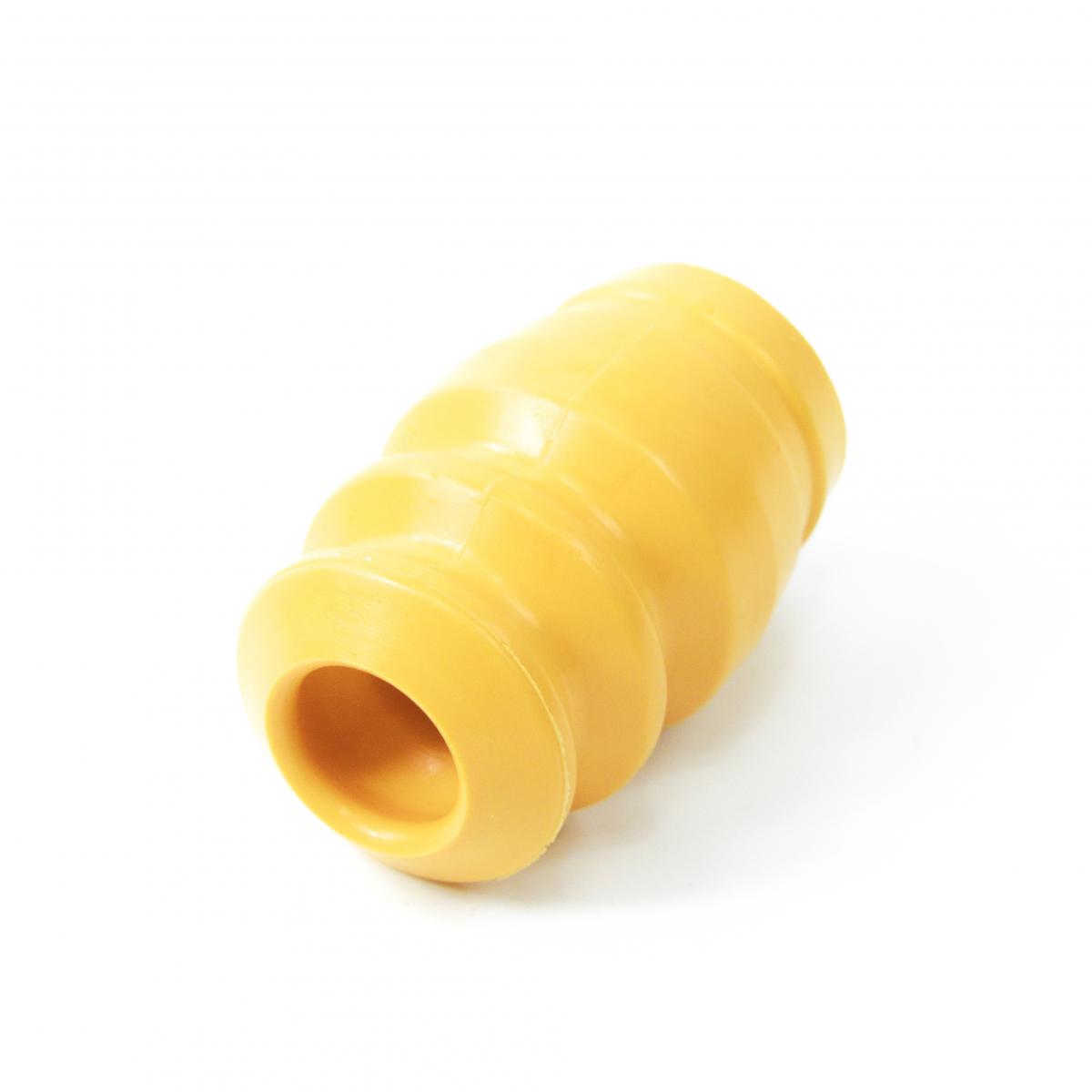
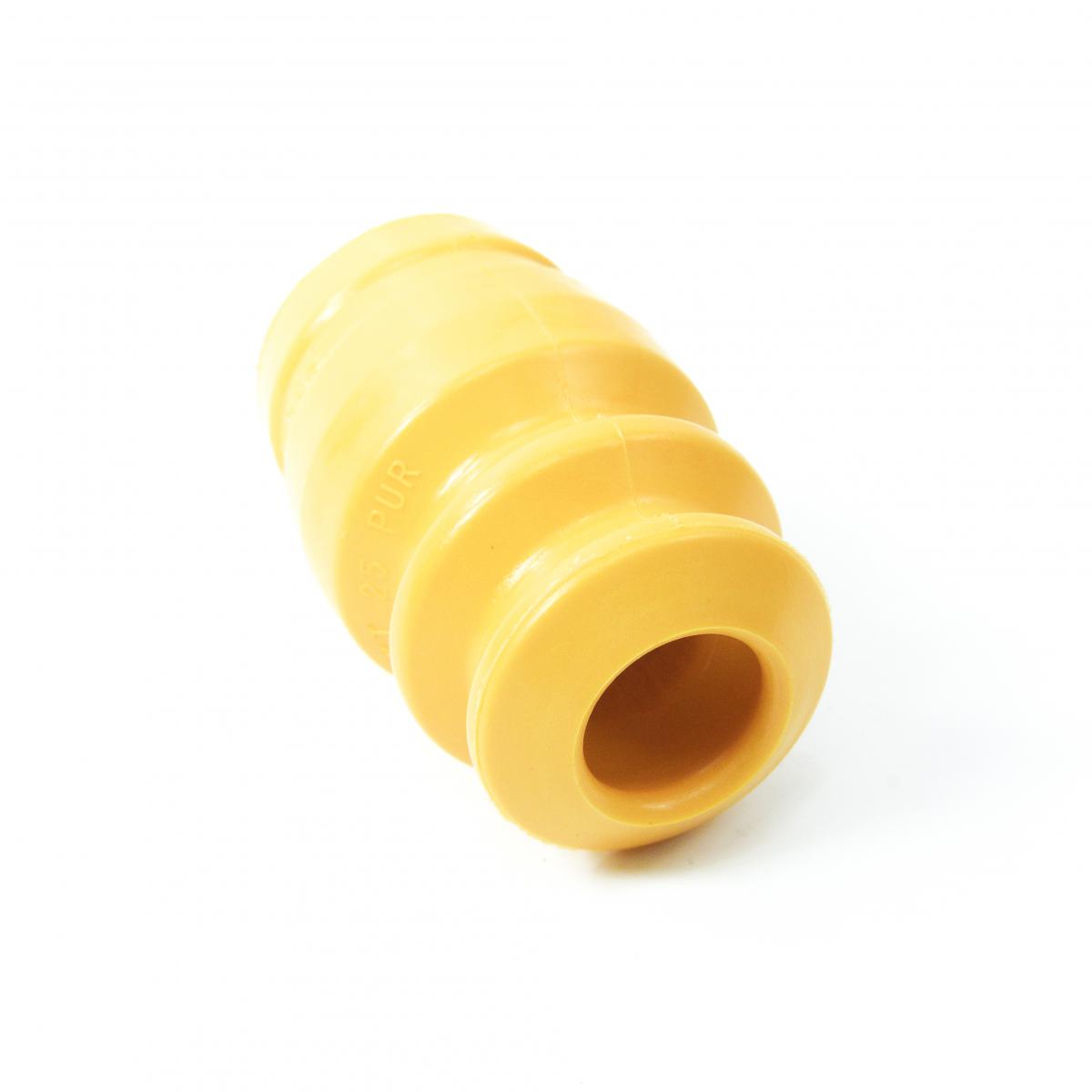
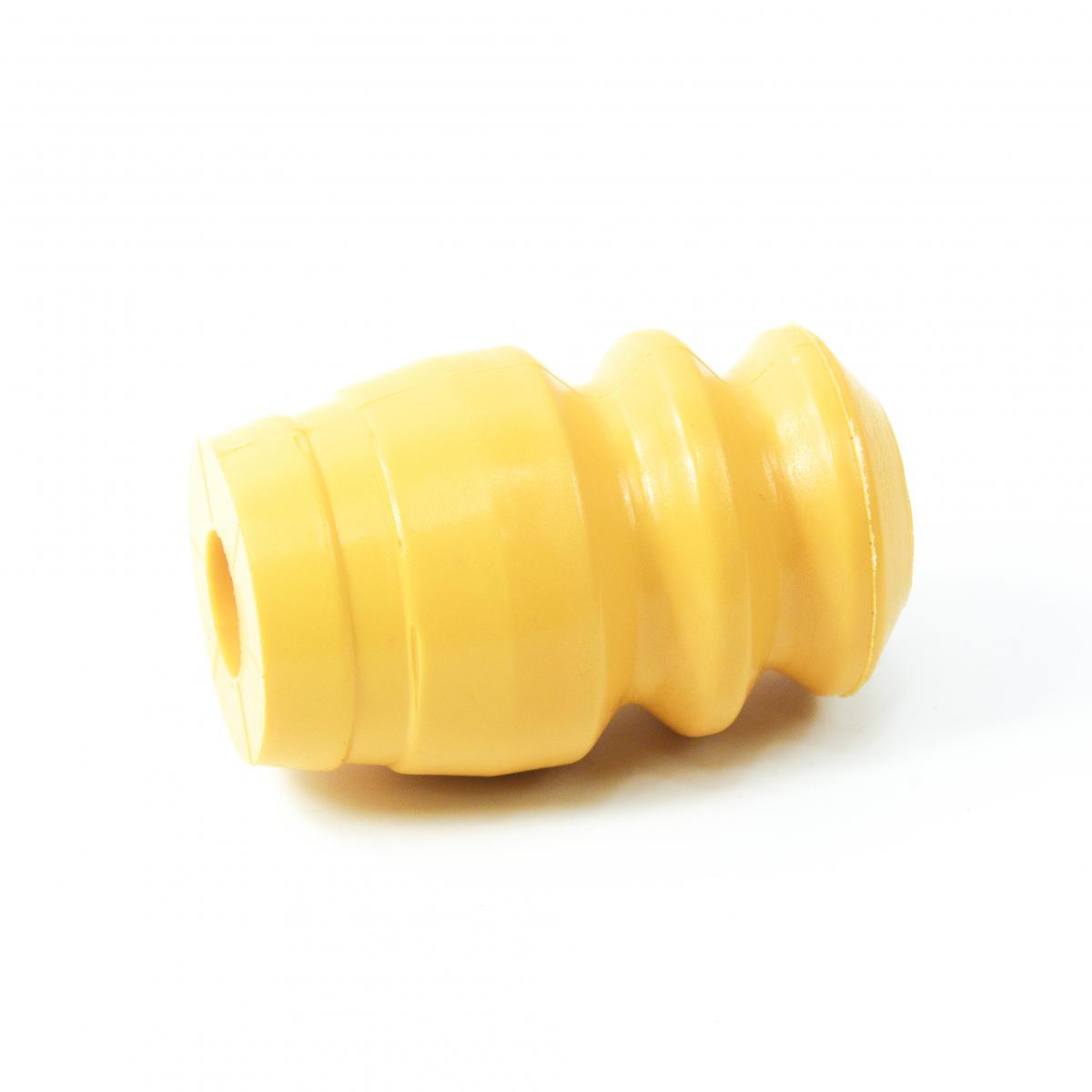
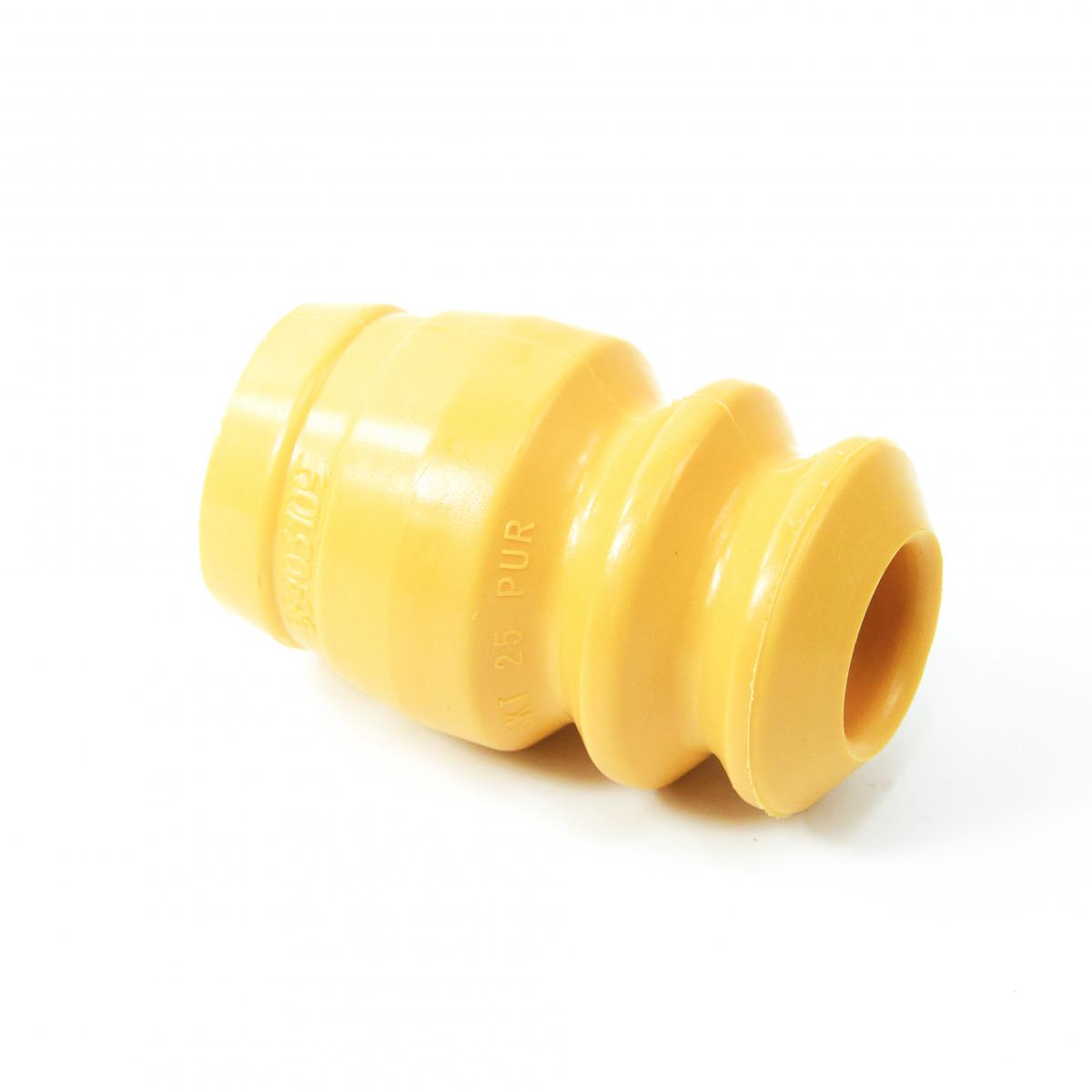
FEBEST CHDNUB BUMPER SPRING
Product Specifications
| FEBEST | CHDNUB |
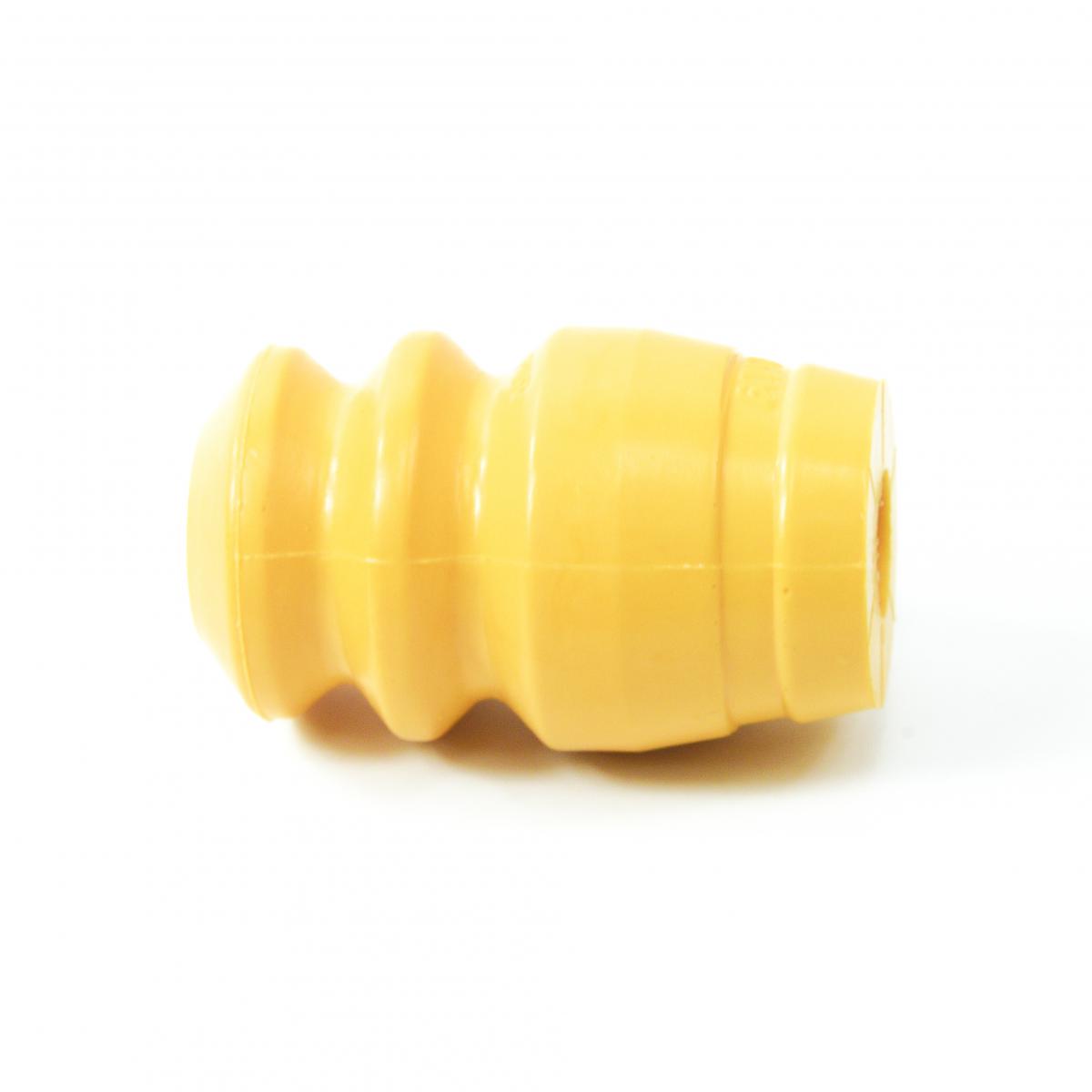
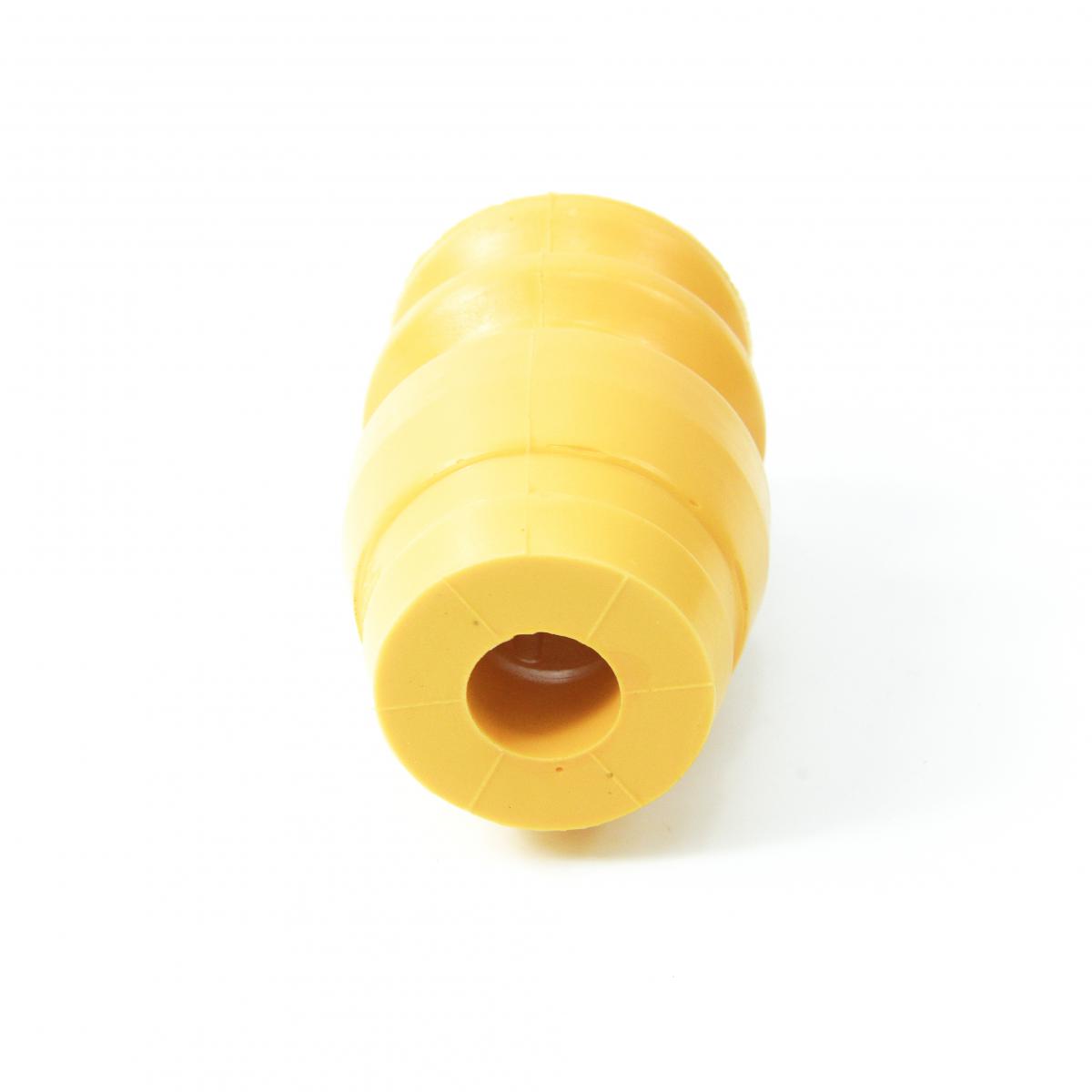
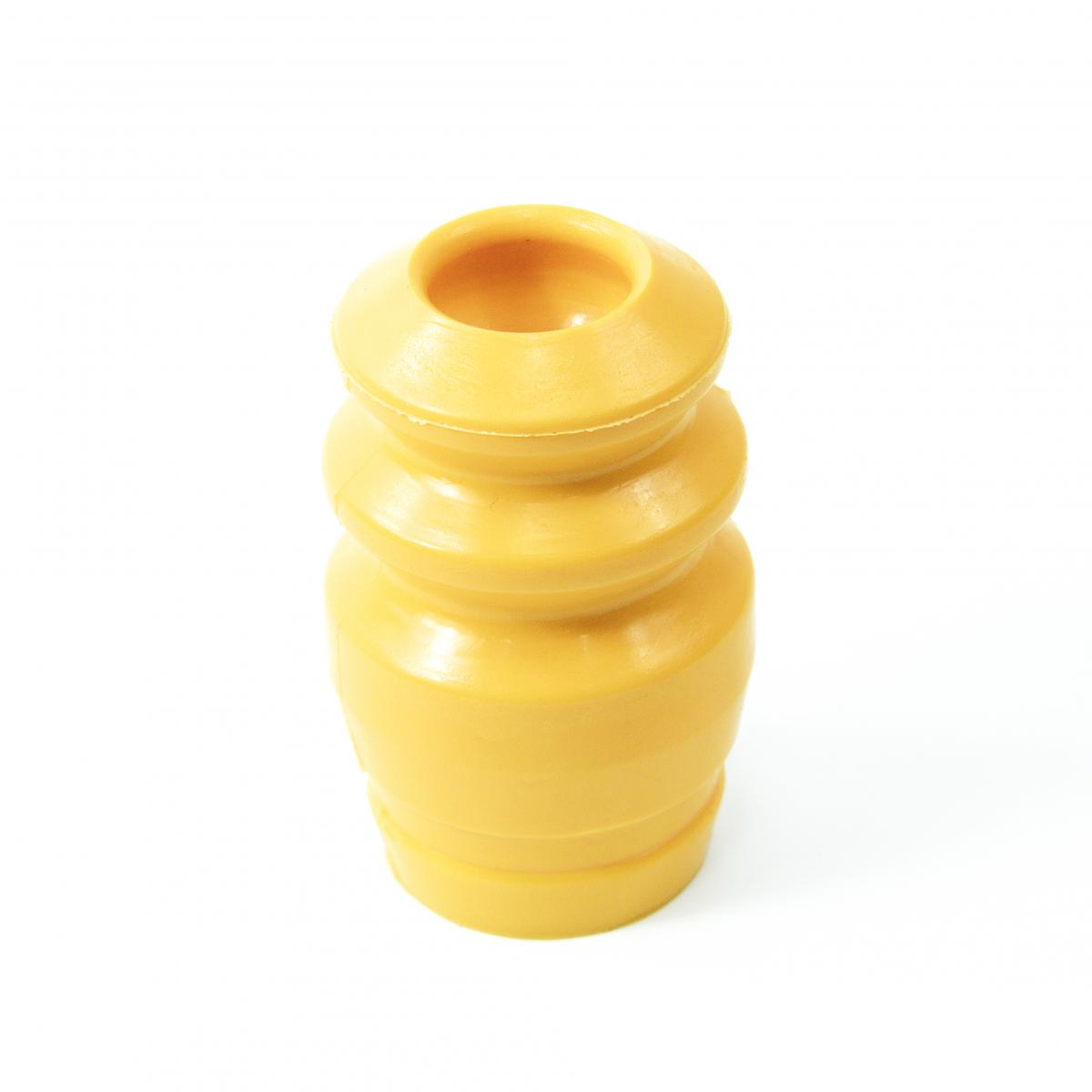
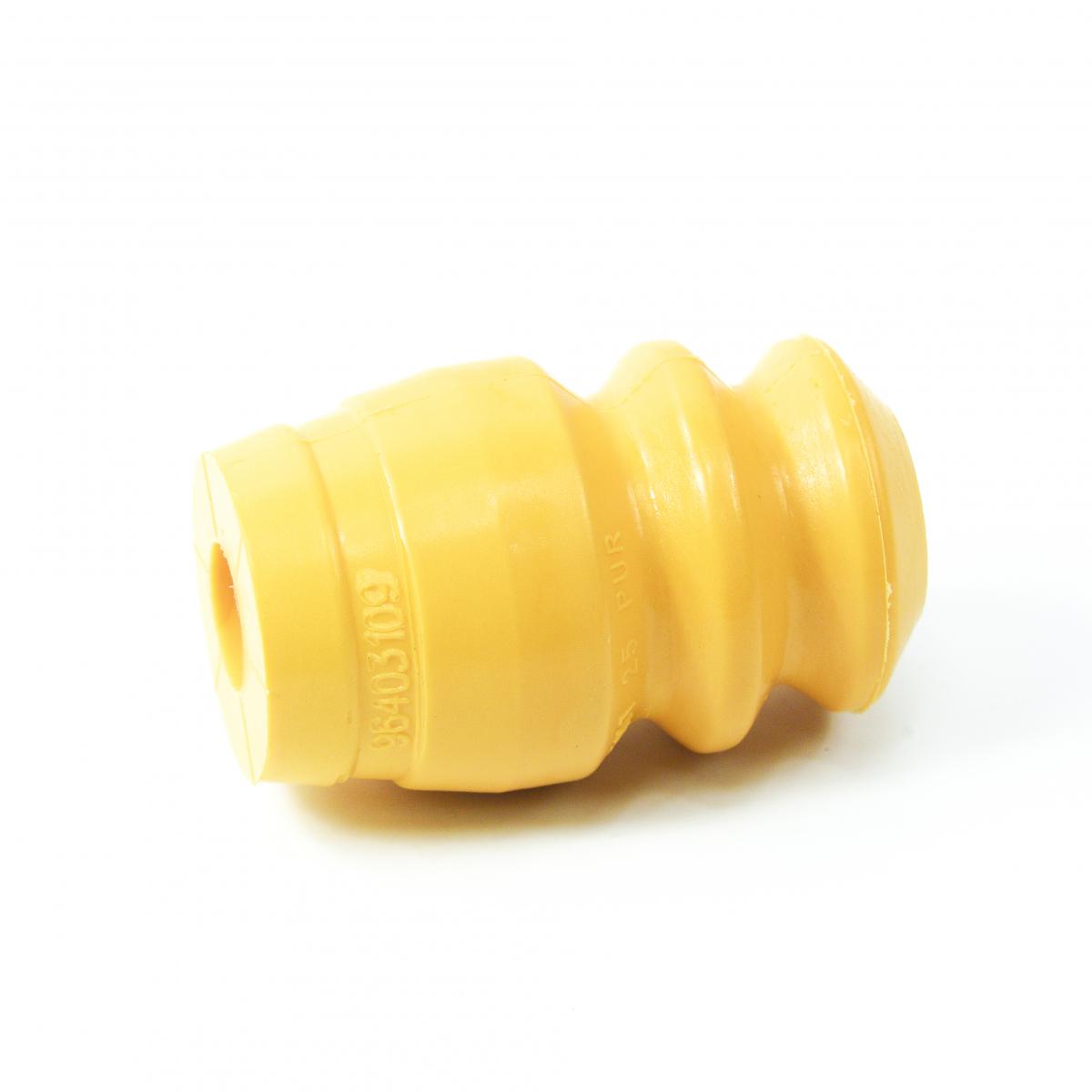
The BUMPER SPRING is a progressive-rate rubber or polyurethane compression stop — also called a jounce bumper, rebound bumper, or bump stop — that is mounted on the shock absorber piston rod or on a fixed bracket within the suspension travel envelope to provide a controlled elastic deceleration of the suspension at the extremes of its designed travel range, preventing metal-to-metal contact between the moving suspension components and the body or subframe structure when wheel travel exceeds the range that the primary coil spring alone can accommodate without bottoming out. The bump stop operates as an auxiliary spring that comes into contact with the spring seat, the body bump stop receiver, or the shock absorber upper mount only when suspension deflection exceeds a defined threshold — typically the final 20–40 mm of bump travel — at which point the progressive geometry of the bumper's profile begins to generate a rapidly increasing resistance force that supplements the coil spring rate and absorbs the remaining kinetic energy of the wheel's upward travel. The progressive rate characteristic — achieved through the tapered or stepped geometry of the bumper's cross-section — means the resistance increases non-linearly with deflection, providing a soft initial contact that becomes significantly stiffer as deflection increases; this progressive response prevents the abrupt deceleration that a linear-rate hard stop would produce while still absorbing the full impact energy at maximum wheel travel. Rebound bumpers perform the equivalent function at the rebound extreme of travel, limiting wheel drop on the compression damper piston rod or on a fixed bracket to prevent over-extension of the shock absorber, CV joint, and brake hose at full droop.
This unit — FEBEST CHDNUB — is manufactured to OEM-equivalent specifications: bumper outer diameter and height, progressive rate geometry and taper profile, bore diameter for piston rod fit where the bumper mounts on the rod, material compound Shore hardness for the designed progressive spring rate, and contact face geometry for the body receiver or spring seat interface are matched to the original part. Supplied as a direct replacement for standard fitment. Available wholesale from 0.55 USD, MOQ 50 pcs, production lead time 34 days.
Bump stops fail through permanent compression set — the rubber or polyurethane takes a set under sustained static loading and cannot recover its original height, reducing both its travel reserve before contact and its progressive spring rate at contact; through ozone and heat hardening that reduces the material's compliance and converts the progressive contact characteristic into a near-rigid impact; and through fatigue cracking at the maximum compression zone from repeated high-amplitude impacts on vehicles used on severely degraded road surfaces. A hardened bump stop that has lost its progressive characteristic produces the same abrupt bottoming sensation as a missing bump stop, and a bump stop with permanent compression set produces this contact earlier in the travel range than designed.
- Always replace bump stops in axle pairs simultaneously — both bump stops on the same axle are exposed to identical loading, temperature, and age conditions; if one has failed from compression set or hardening, the opposite is at the same material state; replacing only the failed side creates a significant compliance mismatch between left and right that causes the vehicle to handle asymmetrically under heavy suspension loading, particularly on straight-line braking over rough surfaces.
- On MacPherson strut applications, use a spring compressor to access the bump stop on the piston rod — the bump stop sits around the piston rod inside the coil spring and is accessible only after the spring is compressed and the top mount nut is removed; always use two independent spring compressors symmetrically positioned on the coil before loosening the top nut; confirm both compressors are fully engaged and under load before applying any rotational force to the top nut.
- Confirm the new bump stop's bore diameter matches the piston rod diameter before installation — bump stops for different applications on the same vehicle platform may look similar externally but have different bore diameters; a bore too large allows the bump stop to slide down the rod and contact the dust boot during normal suspension travel; a bore too small prevents the bump stop from fitting over the rod without deforming the rubber.
- Inspect the body bump stop receiver or spring seat contact face for deformation before installing the new bump stop — a receiver that has been impacted by a hardened or missing bump stop may have a permanent indentation that alters the contact geometry with the new bumper; a deformed receiver reduces the effective travel reserve before contact and concentrates the contact load on a smaller area of the new bumper's face, accelerating compression set.
- Do not apply lubricants to the bump stop surface or the piston rod bore — petroleum-based lubricants cause rubber bump stops to swell and degrade, and silicone lubricants reduce the friction that holds the bumper on the rod during rebound travel; install the bump stop dry; if retention on the rod is a concern, a small amount of rubber-compatible silicone spray can be applied to the rod to ease installation without affecting the bump stop material.
- Install the new BUMPER SPRING (FEBEST CHDNUB) on both sides of the axle simultaneously, reassemble the strut assembly with the spring and top mount torqued to OEM specification, lower the vehicle to ride height, perform a corner bounce test — press firmly on each corner and release — confirming the vehicle returns to rest in one controlled movement without bouncing or harsh bottoming, and verify the suspension operates quietly over a road test before returning the vehicle to service.
| Part | Reason for Combined Replacement |
|---|---|
| Shock Absorber Dust Boot OEM ref. varies by axle position | The dust boot and bump stop are a matched set that share the same piston rod and are accessed simultaneously during strut disassembly. A dust boot that has been mechanically damaged by contact with a compressed bump stop, or that shows cracking from the same age-related ozone degradation as the failed bump stop, must be replaced simultaneously. Supplying both as a kit eliminates a repeat strut disassembly within a short interval for the dust boot. |
| Shock Absorber / Strut OEM ref. varies by axle position | A shock absorber that has been subjected to repeated metal-to-metal impacts from a missing or fully hardened bump stop will have damage to its internal valve stack from the abrupt deceleration at the mechanical end stop. With the strut disassembled for bump stop access, test the shock absorber by manually pushing and pulling the piston rod through its full travel — a serviceable damper provides consistent resistance through the full stroke; a damper with internal valve damage shows a sudden free zone at the end of the stroke where resistance drops abruptly. |
| Coil Spring OEM ref. varies by axle position | A coil spring accessed during bump stop replacement should be inspected for height reduction from fatigue and for corrosion cracks at the lower coil. A spring whose free height has reduced significantly is contributing to the excessive bump travel that accelerates bump stop wear by positioning the bump stop closer to its contact point at normal ride height. Replacing a fatigued spring simultaneously with the bump stop restores the designed travel reserve between normal ride height and bump stop contact. |