VAG 03C121110G THERMOSTAT
Product Specifications
| VAG | 03C121110G |
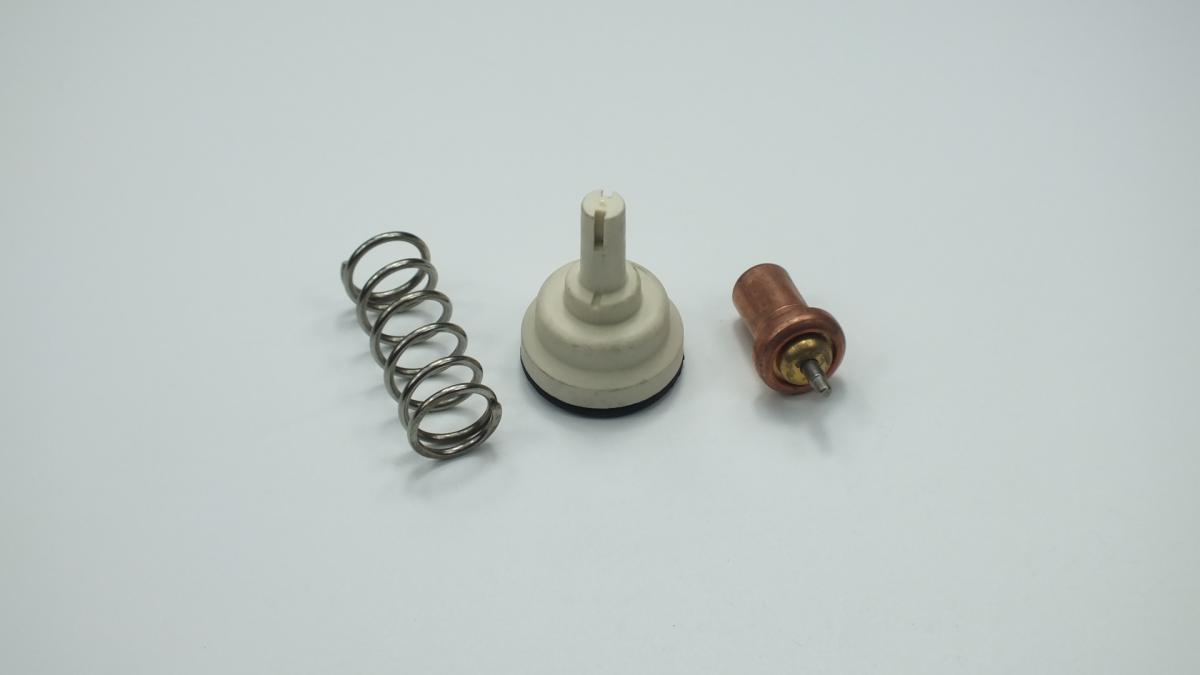
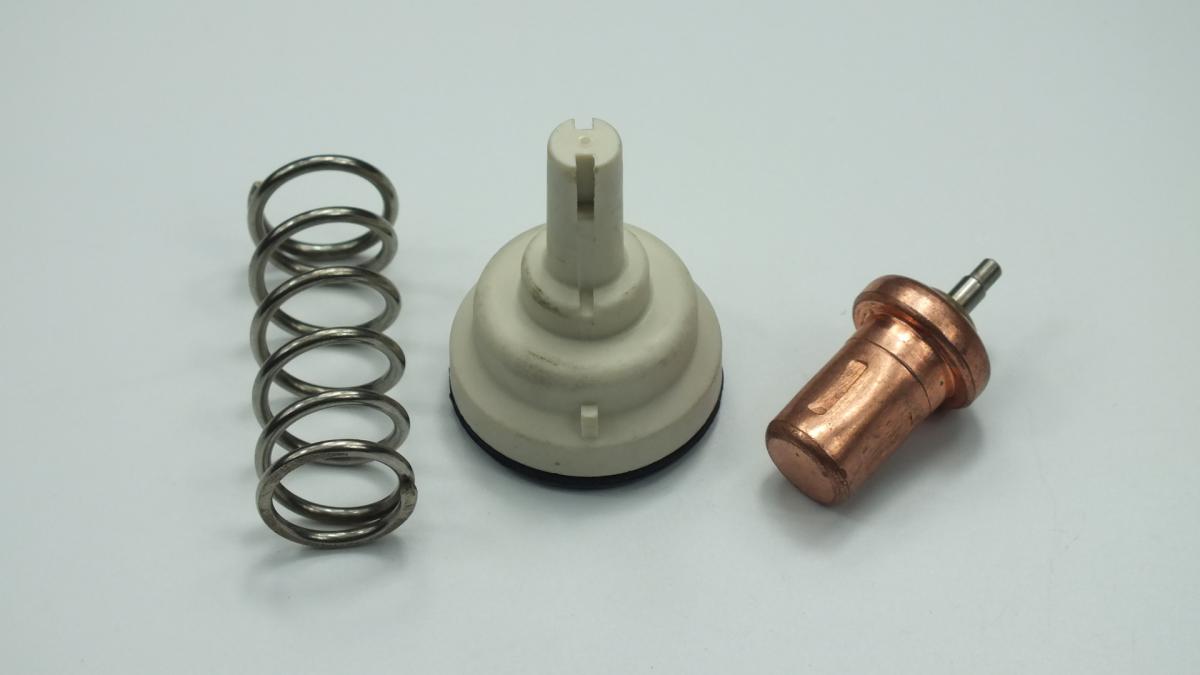
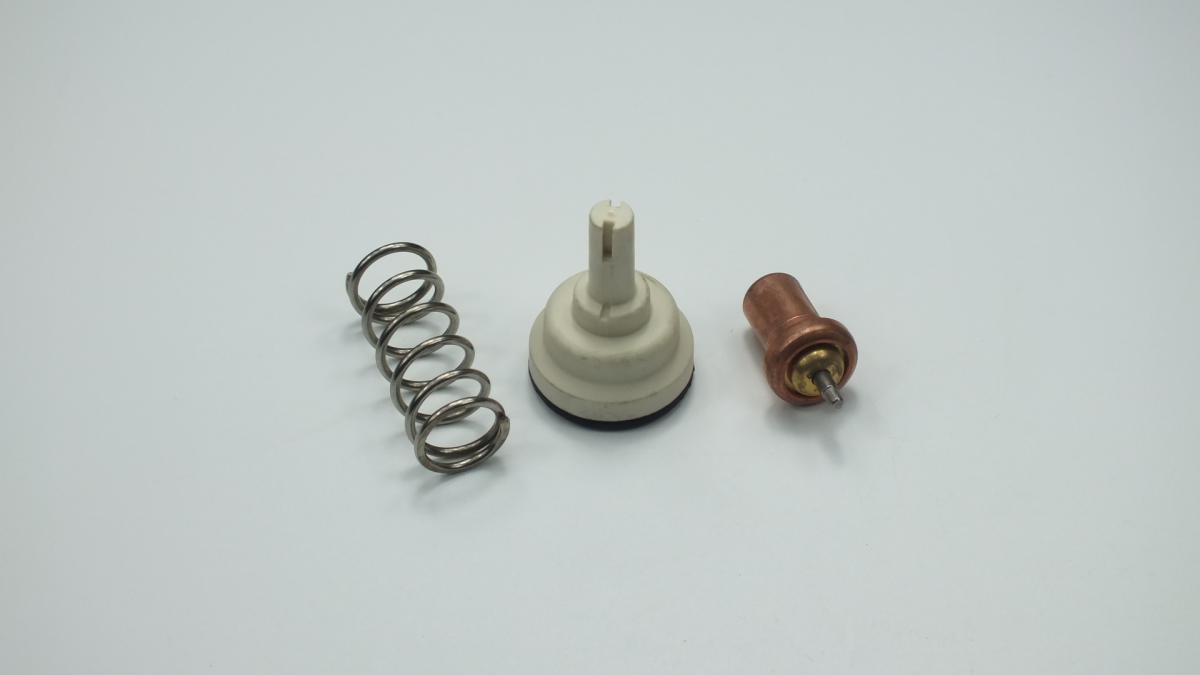
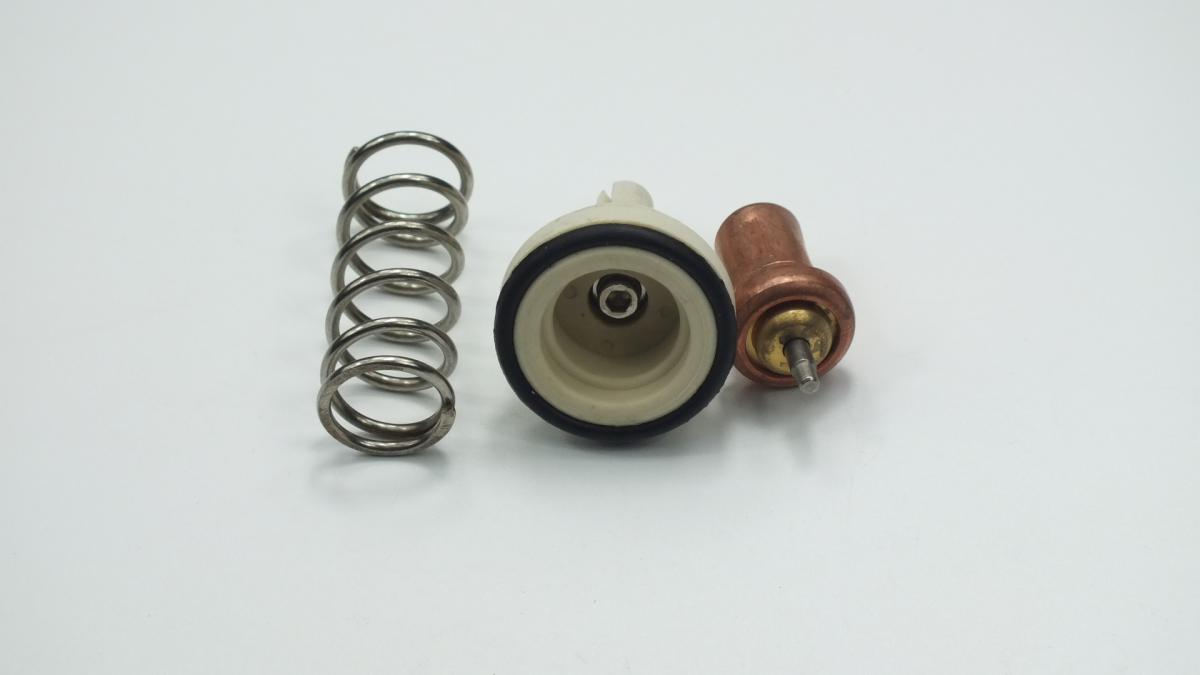
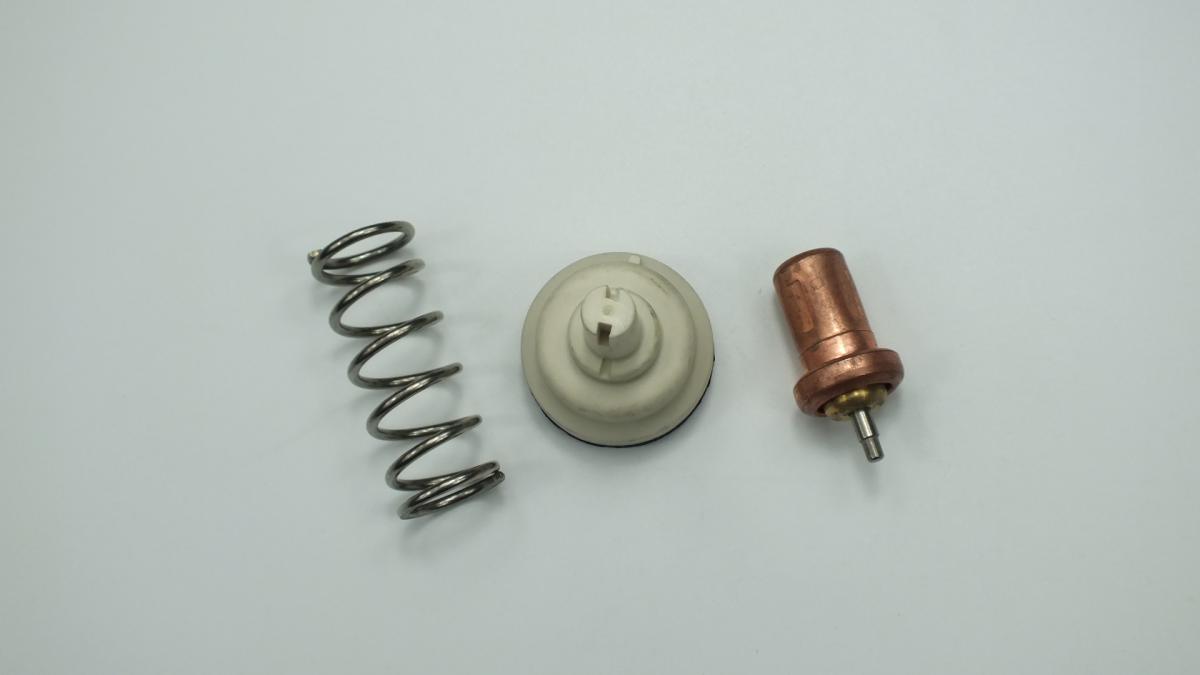
The THERMOSTAT is a wax-element thermostatic valve installed in the engine cooling circuit that controls coolant flow between the engine block and the radiator, holding the coolant within the narrow temperature band — typically 85–105°C — at which the engine achieves its designed combustion efficiency, emissions compliance, and lubrication oil viscosity. During cold start and warm-up the thermostat remains closed, blocking flow to the radiator and forcing coolant to circulate only through the engine block and heater matrix in a short bypass loop that accelerates warm-up rate; this reduces cold-start fuel consumption, hydrocarbon emissions, and engine wear from cold-oil operation by the maximum amount possible. As coolant reaches the thermostat's calibrated opening temperature — stamped on the thermostat body, typically 82°C, 87°C, or 92°C depending on the engine design — the wax element in the thermal actuator expands, compressing a rubber insert that forces the valve piston against a return spring and progressively opens the main valve disc, allowing increasing coolant flow through the radiator as temperature rises above the opening point. The thermostat reaches full open at approximately 10–15°C above its opening temperature, providing the full radiator flow required for maximum heat rejection at high engine load. On engines with map-controlled or electrically heated thermostats, the ECU can advance or retard the thermostat opening point by applying a heating current to an electrical element in the wax actuator, enabling variable temperature management for fuel economy optimisation at part load.
This unit — VAG 03C121110G — is manufactured to OEM-equivalent specifications: opening temperature and full-open temperature, valve disc diameter and maximum lift, bypass port geometry, housing flange dimensions and gasket face profile, and on map-controlled thermostats, heater element resistance and connector pinout are matched to the original part. Supplied as a direct replacement for standard fitment. Available wholesale from 3.1 USD, MOQ 100 pcs, production lead time 78 days.
Thermostats fail in two modes with opposite symptoms: a thermostat stuck closed prevents flow to the radiator at all temperatures, causing rapid overheating; a thermostat stuck open allows continuous full radiator flow from cold, preventing the engine from reaching operating temperature — causing rich fuelling, increased wear, heater output below cabin comfort level, and on modern ECU-managed engines, a thermostat monitor fault code. A thermostat stuck open is the more common failure mode and is frequently overlooked because the engine does not overheat — the temperature gauge simply never reaches its normal position and fuel consumption increases without an obvious cause.
- Allow the engine to cool fully before opening the thermostat housing — the thermostat housing is a primary pressure point in the cooling circuit; opening it with the engine at operating temperature releases pressurised coolant at 110–120°C causing severe burns; always confirm the system is fully cold and depressurised by opening the expansion tank cap before loosening any housing bolt.
- Drain sufficient coolant to bring the level below the thermostat housing before removing the housing cover — on many engines the thermostat housing is positioned high in the circuit and only a partial drain is needed; collect the drained coolant in a sealed container and inspect it for contamination — oil droplets, rust particles, or scale indicate additional cooling system issues that should be addressed before refilling.
- Note the thermostat orientation before removal — the thermostat is directional; the wax element end faces the engine block coolant flow and the valve disc faces the radiator outlet; a thermostat installed reversed will not open correctly under flow conditions and may produce intermittent overheating under high load; most thermostats have an orientation tab or bleed hole that indexes to a matching recess in the housing — confirm this alignment before tightening.
- Clean both mating faces of the thermostat housing thoroughly with a gasket scraper and finishing cloth before fitting the new gasket — residual old gasket material prevents the new gasket from sealing evenly; on aluminium housings use only a plastic scraper and fine abrasive cloth to avoid scoring the soft alloy surface that would create leak paths under the new gasket.
- Fit the new gasket dry or with the sealant type specified by the OEM — most modern thermostat gaskets are pre-formed rubber or fibre elements that seal without additional compound; applying RTV silicone to a gasket designed to seal dry traps sealant in the coolant circuit where it blocks the thermostat bypass port or accumulates in the water pump inlet.
- Install the new THERMOSTAT (VAG 03C121110G), torque the housing bolts evenly in a diagonal sequence to OEM specification, refill with the correct coolant specification, bleed all air from the circuit, start the engine and monitor coolant temperature on a scan tool live data — confirm the temperature rises to within 5°C of the thermostat opening specification and stabilises at the normal operating position before clearing any stored fault codes and returning the vehicle to service.
| Part | Reason for Combined Replacement |
|---|---|
| Thermostat Housing Gasket OEM ref. varies by engine | The thermostat housing gasket is a single-use sealing element that must be replaced every time the housing is opened. A reused gasket that has been compressed and heat-cycled will not seal reliably under system operating pressure, producing an immediate or early coolant leak at the housing joint. Always fit a new gasket with every thermostat replacement — the gasket cost is negligible relative to the thermostat and the coolant drain labour is already incurred. |
| Coolant Temperature Sensor OEM ref. varies by engine | The engine coolant temperature sensor is typically mounted in or adjacent to the thermostat housing and is disturbed during housing removal. A sensor that has drifted from its calibration curve produces the same P0128 fault code as a failed thermostat — a drifted sensor reading lower than actual temperature causes the ECU to see the coolant as perpetually below target. Replacing the sensor simultaneously with the thermostat when a P0128 code is present eliminates the sensor as a remaining diagnostic variable and completes the temperature management system service in a single operation. |
| Coolant (Engine Antifreeze) OAT or HOAT per OEM specification | Thermostat replacement requires partial cooling system drainage, making this the correct time to renew the coolant if it is overdue. Coolant with depleted corrosion inhibitors accelerates wax element degradation in the new thermostat and corrodes the aluminium housing. Refilling with fresh coolant of the correct OEM type and concentration maximises the thermostat service life and protects all aluminium cooling circuit components. |