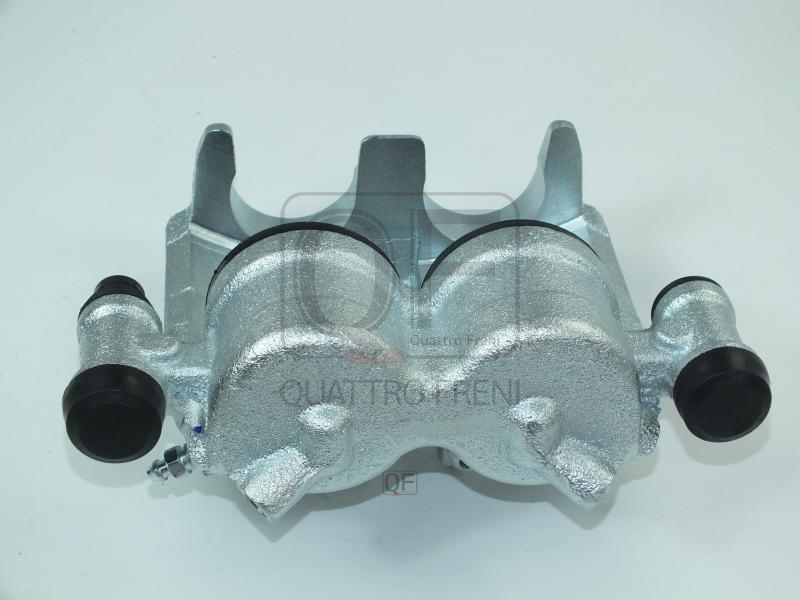
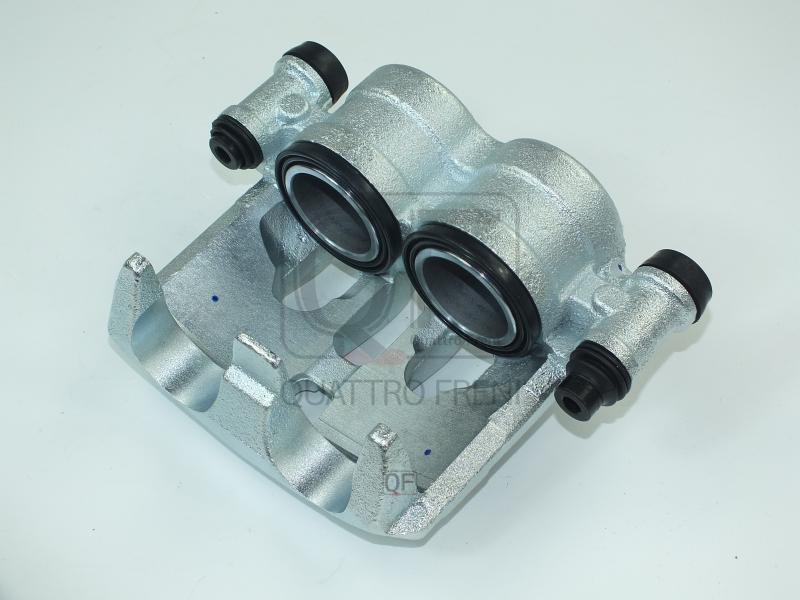
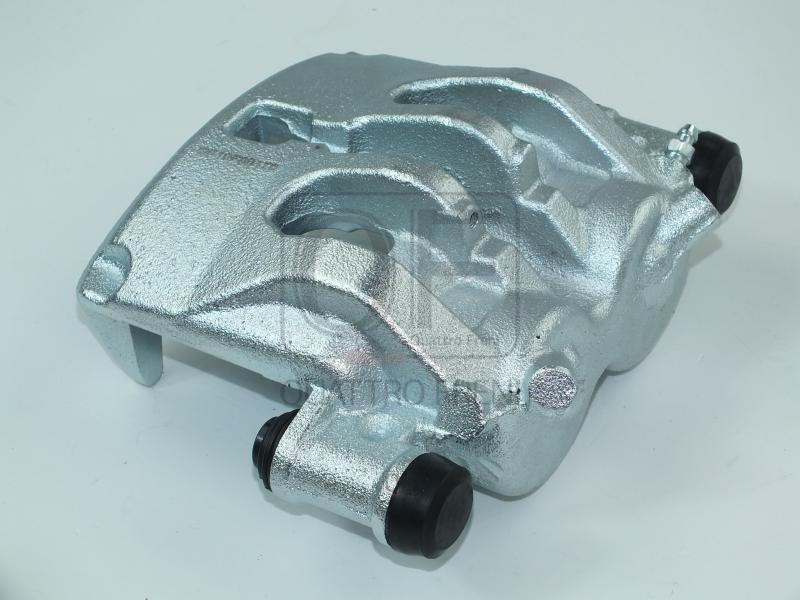
MERCEDES-BENZ A0044205783 CYLINDER ASSY, DISC
Product Specifications
| MERCEDES-BENZ | A0044205783 |
| MERCEDES-BENZ | A0034208783 |
| MERCEDES-BENZ | 0044205783 |
| MERCEDES-BENZ | 0034208783 |
The CYLINDER ASSY, DISC is the hydraulic disc brake caliper assembly that converts brake line hydraulic pressure into the mechanical clamping force that squeezes the brake pads against both faces of the rotating brake disc, generating the friction force that decelerates the vehicle. The assembly consists of a cast iron or aluminium alloy caliper body containing one or more hydraulic cylinders bored to a precise diameter, hydraulic pistons that advance under fluid pressure to push the inner brake pad against the disc face, piston seals that both seal the hydraulic circuit and provide a rollback function that retracts the piston by a calibrated distance when pressure is released to maintain the designed running clearance between pad and disc, dust boots that exclude road contamination from the piston-to-bore interface, and on floating single-piston designs, a carrier bracket with slide pins that allow the caliper body to float laterally so the outer pad is pulled against the disc by the reaction force when the piston pushes the inner pad. On rear calipers incorporating an integrated electric parking brake the assembly additionally includes a DC motor, reduction gear train, and screw-and-nut mechanism that winds the piston against the brake pads independently of the hydraulic circuit to apply and release the parking brake on command from the EPB switch or automatic hold system.
This unit — MERCEDES-BENZ A0044205783 — is manufactured to OEM-equivalent specifications: cylinder bore diameter and surface finish, piston diameter and material, caliper body mounting bolt pattern and anchor bracket geometry, hydraulic inlet port thread size and position, bleed nipple thread, slide pin bore diameter and pin length, and on EPB calipers, motor voltage and gear reduction ratio are matched to the original part. Supplied as a complete assembly ready for installation. Available wholesale from 20.84 USD, MOQ 20 pcs, production lead time 32 days.
Disc brake calipers are replaced when the cylinder bore is scored or pitted beyond the serviceable limit for seal kit repair, when the caliper body casting is cracked from overheating or impact, when the EPB motor or gear train has failed internally, when severe corrosion has seized the slide pins beyond recovery, or when a seal kit overhaul has been attempted and the caliper continues to leak or drag. A caliper that has been overheated — identified by discoloration of the body casting, boiled brake fluid in the circuit, or thermally degraded pad material — should be replaced regardless of apparent bore condition as heat distortion of the bore geometry is not visible without precision measurement.
- Open the bleed nipple before retracting the piston when removing the old caliper — pushing the piston back against a closed hydraulic circuit forces contaminated old fluid through the ABS modulator solenoid valves, dislodging valve seat deposits and potentially blocking the modulator; always open the nipple slightly and collect the displaced fluid in a container before compressing the piston; on rear EPB calipers use the vehicle's scan tool EPB service mode to retract the piston electrically rather than using a wind-back tool without first activating the service mode.
- Clean the anchor bracket slide pin bores and the caliper mounting face thoroughly before fitting the new caliper — apply a wire brush to the slide pin bores to remove all corrosion deposits and old grease; the new caliper's slide pins must move freely through their full travel without sticking; apply a thin film of the correct caliper slide pin lubricant — copper-free, brake fluid compatible — to the cleaned pin bores and the full length of each slide pin before assembly.
- Confirm the new caliper's hydraulic inlet port thread is compatible with the existing brake line fitting before installation — replacement calipers occasionally have different thread standards from the original depending on the supply source; compare the port thread to the brake line fitting before connecting; forcing an incompatible fitting into a mismatched port cross-threads the hydraulic connection and creates a brake fluid leak under pressure that is extremely difficult to repair without caliper removal.
- Torque the caliper mounting bolts and hydraulic line fitting to OEM specification using a torque wrench — caliper mounting bolts on modern vehicles are often single-use stretch bolts that must be replaced rather than reused; check the OEM specification before refitting old bolts; the hydraulic line fitting must be torqued correctly — undertorquing produces an immediate fluid leak, overtorquing rounds the fitting hex and cracks the line end.
- On rear EPB calipers, perform the EPB service mode piston extension procedure via scan tool before fitting the brake pads — the new caliper's piston must be extended to the correct service position before pads are installed; fitting pads with the piston in the fully retracted factory position prevents correct pad-to-disc clearance and requires a repeat EPB service mode activation after installation; follow the vehicle-specific EPB service procedure precisely.
- Install the new CYLINDER ASSY, DISC (MERCEDES-BENZ A0044205783), connect the brake line, bleed the circuit at the new caliper until no air bubbles are present at the bleed nipple, pump the pedal to seat the pads against the disc, confirm pedal height and firmness meet specification, on EPB rear calipers perform the EPB application and release test via scan tool, inspect for fluid leaks under firm pedal pressure, and complete a brake bed-in procedure before returning the vehicle to service.
| Part | Reason for Combined Replacement |
|---|---|
| Brake Pads Axle set, OEM ref. varies | Caliper replacement requires retracting the piston fully and removing the existing pads — this is the mandatory time to inspect pad thickness and replace the pads if they are at or near minimum thickness. Installing a new caliper with worn pads means the piston will advance significantly from new to worn, stressing the new piston seal more than necessary and requiring a repeat piston retraction and pad replacement within a short service interval. |
| Brake Disc OEM ref. varies by axle position | A caliper that has been dragging or leaking will have subjected the brake disc to abnormal thermal and mechanical loading — overheating causing hard spots and thickness variation, or uneven pad transfer from asymmetric clamping. Measure the disc for runout and minimum thickness before refitting; a disc that is outside specification will cause brake judder and uneven wear on the new caliper's pads within a short period and should be replaced simultaneously. |
| Brake Fluid DOT 4 or DOT 5.1 per OEM specification | Caliper replacement requires opening the brake hydraulic circuit and bleeding the new caliper, making this the correct time to renew the brake fluid if it is overdue. Moisture-saturated fluid with reduced wet boiling point promotes corrosion of the new caliper's bore and piston and increases the risk of vapour lock under heavy braking conditions. Always refill with fresh brake fluid of the correct specification when replacing a caliper to protect the new unit and restore full circuit boiling point margin. |