HYUNDAI/KIA 813712F000 CABLE
Product Specifications
| HYUNDAI/KIA | 813712F000 |
| HYUNDAI/KIA | 813722F000 |
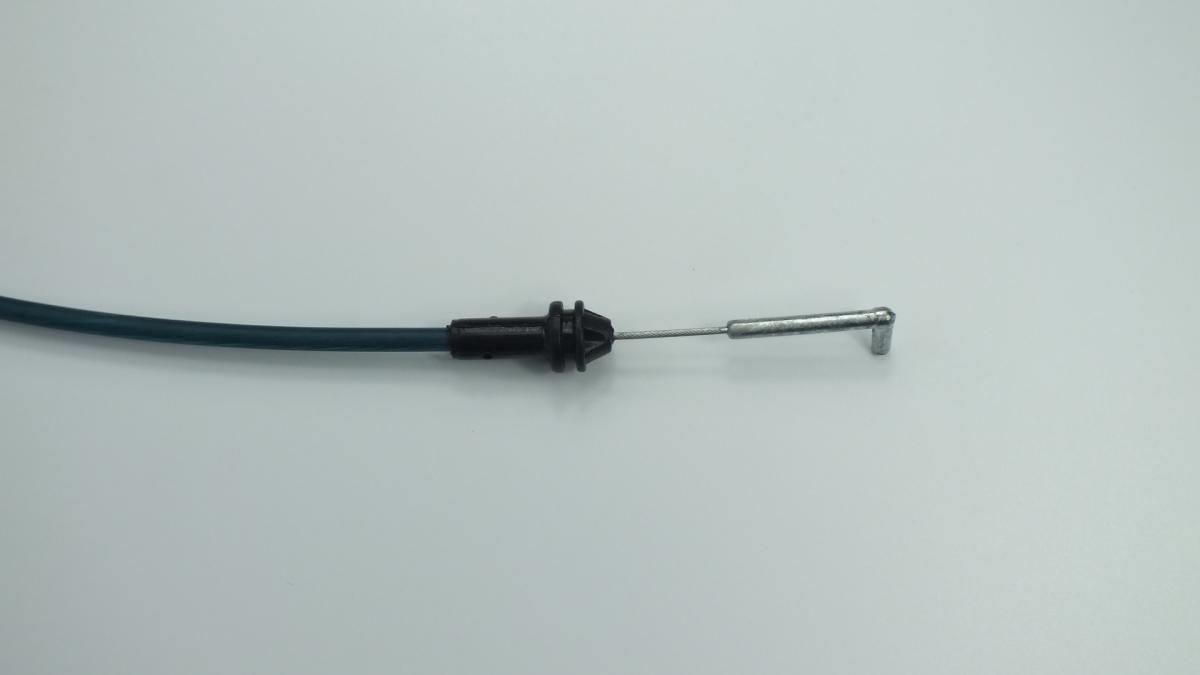
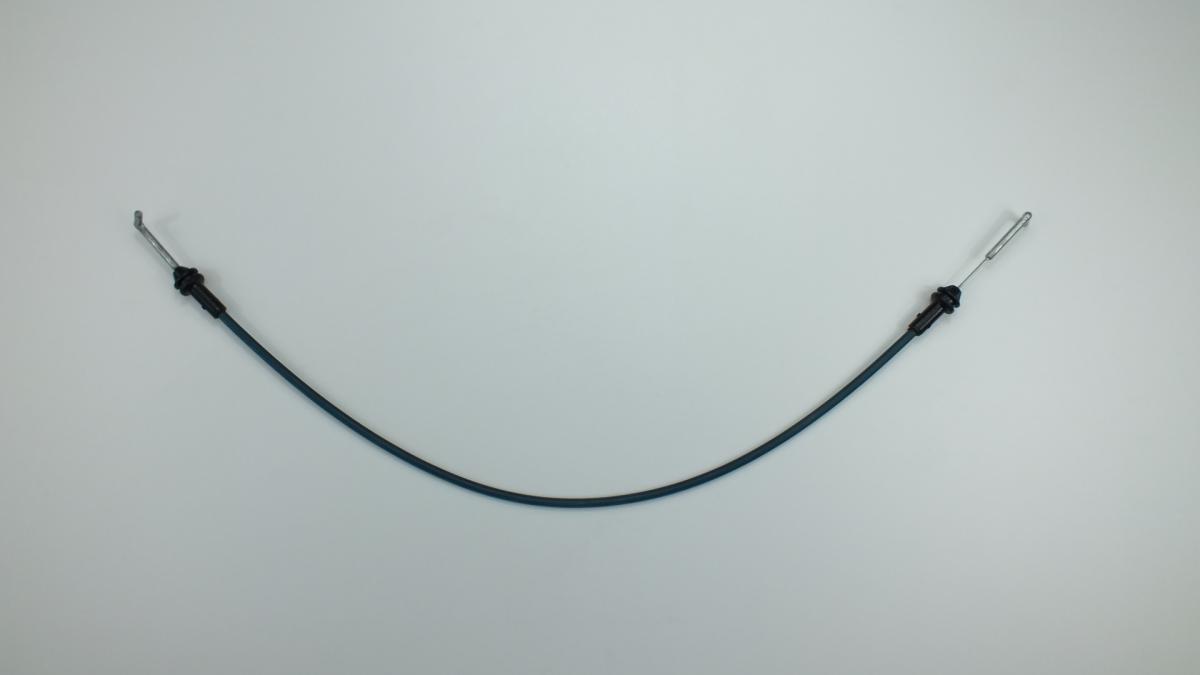
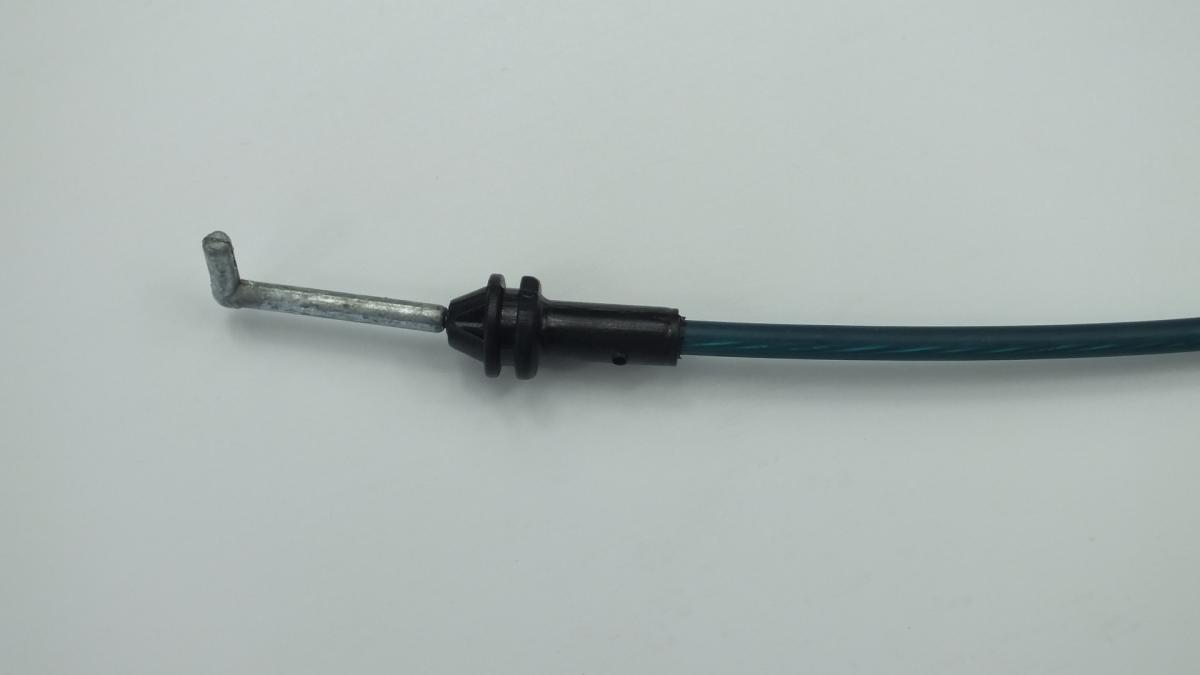
The CABLE is a Bowden cable assembly used to mechanically transmit a manual pull input — from an interior release handle, a lever, or a remote release button — through the vehicle body structure to a latch, lock, or flap mechanism at a remote location, releasing or actuating the target component without requiring electrical power or a direct mechanical linkage between operator and mechanism. Bowden cables of this type appear at multiple locations throughout the vehicle body: the bonnet release cable connects the interior release lever under the dashboard to the primary bonnet latch and from there to the secondary safety catch; door inner release cables connect the interior door handle to the door latch release lever; the boot lid release cable connects the interior boot release button or handle to the boot latch mechanism; the fuel flap release cable connects the interior flap release lever to the spring-loaded fuel flap latch; and the door outer handle cable connects the exterior handle to the latch on vehicles using cable-operated external handles rather than direct mechanical linkage. All designs share the same construction principle: a multi-strand steel inner wire slides within a semi-rigid polymer-lined outer conduit whose ends are anchored at fixed points, so that any pull on the inner wire at the handle end is transmitted as an equal displacement at the latch end regardless of the cable's routing path and bend angle.
This unit — HYUNDAI/KIA 813712F000 — is manufactured to OEM-equivalent specifications: inner wire diameter and tensile strength, outer conduit diameter and flexibility rating, overall conduit length, end fitting geometry at both the handle and latch ends, inner wire travel range, and corrosion protection treatment of the inner wire are matched to the original part. Supplied as a complete ready-to-install assembly. Available wholesale from 0.59 USD, MOQ 500 pcs, production lead time 43 days.
Body release cables fail through inner wire strand fatigue from repeated flexing at tight bend radii — individual strands break progressively, increasing cable stiffness until the release handle feels heavy and eventually a complete wire break occurs; through outer conduit collapse or kinking at a sharp routing bend that permanently restricts inner wire travel and prevents the cable from transmitting its full displacement to the latch mechanism; through inner wire corrosion from moisture ingress at the conduit end seals in underbonnet and door environments; and through end fitting clip fracture that detaches the cable from the latch lever, producing immediate and total loss of the release function. A cable that has been stiff for some time before breaking has given an audible warning — increasing handle effort is the early indicator that allows planned replacement before the vehicle is immobilised by an inaccessible bonnet, door, or boot.
- On bonnet cable failures where the cable has broken with the bonnet closed, gain access to the latch before ordering the replacement cable — reach through the grille opening or the front wheel arch with a long hook, screwdriver, or stiff wire to manually push or pull the latch release lever; on some vehicles a second person pulling the bonnet upward while the latch lever is manually released is required; confirm the bonnet can be opened before the new cable is available to avoid a vehicle being immobilised awaiting parts.
- Photograph the complete cable routing — every clip position, grommet passage, and conduit anchor point — before removing the old cable; a body release cable routed incorrectly after replacement will have tighter bend radii than the OEM design, increasing inner wire friction and reducing available travel at the latch end; an incorrectly routed cable may appear to work initially but will fail prematurely from the increased friction and may not provide sufficient travel to fully release the latch under all conditions.
- Route the new cable through all original conduit clips and body grommets in sequence, working from the latch end toward the handle end — fitting the latch end first ensures the correct conduit length is available at the handle end without excess slack or tension; excess conduit slack allows the outer conduit to compress rather than remaining rigid when the inner wire is pulled, reducing effective latch displacement; excess tension prevents the conduit from following the body panel movement during door or bonnet operation.
- Confirm the new cable's end fitting clip engages the latch lever ball pin fully before closing the panel — press the clip onto the ball pin until an audible click is felt and then tug the cable firmly to confirm it is retained; a clip that appears engaged but has not fully seated will detach on the first hard pull at the handle, immediately reproducing the original failure.
- Test the release function through five complete cycles before refitting any trim panels — pull the release handle firmly and confirm the latch releases cleanly on every cycle; check that the handle returns to its resting position freely after each pull; confirm the latch re-engages correctly when the panel is closed; only refit interior trim and door cards after the cable function is confirmed across its full operating range.
- Install the new CABLE (HYUNDAI/KIA 813712F000), secure all conduit clips and body grommets, refit all trim panels, and perform a final functional test of the complete release sequence — including the secondary safety catch where applicable on bonnet cables — before returning the vehicle to service.
| Part | Reason for Combined Replacement |
|---|---|
| Latch or Lock Assembly Bonnet, door, boot, or fuel flap latch — application-specific | A cable that has been operating with increasing stiffness over an extended period has been transmitting abnormal pull forces to the latch release lever, fatiguing the lever pivot and the cable attachment ball pin. If the latch release lever shows wear at its cable attachment point or the latch itself shows corrosion or stiff operation when tested by hand after the cable is disconnected, replace the latch simultaneously with the cable — a worn latch lever attachment will fracture the new cable's end fitting within a short operating period from the same overload condition. |
| Interior Release Handle Door pull handle or release lever — application-specific | The interior release handle is the operator input end of the cable assembly and is subject to the same high cycle count as the cable. On door and boot cables, the handle pivot and cable attachment point accumulate wear at the same rate as the cable inner wire. A handle whose cable attachment slot has enlarged from wear will not transmit the full handle travel to the inner wire, reducing effective cable displacement at the latch end — a new cable attached to a worn handle may not provide sufficient travel to release the latch under all conditions. |
| Conduit Routing Clips Application-specific body panel clip set | The plastic clips that route and anchor the cable conduit to the body panel and door inner structure become brittle from age and UV exposure and frequently fracture during cable removal. A conduit that is not correctly clipped at every original anchor point will vibrate against adjacent panels, creating rattles, and may adopt a tighter bend radius at the unclipped section that increases inner wire friction and shortens the new cable's service life. Always have a set of replacement clips available before beginning any release cable replacement. |