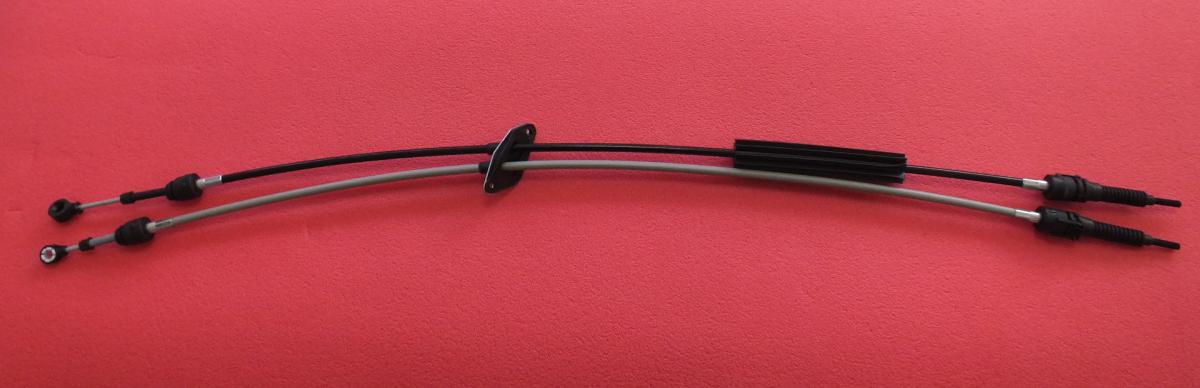
MERCEDES-BENZ A9092670000 TRANSMISSION CABLE
Product Specifications
| MERCEDES-BENZ | A9092670000 |
| MERCEDES-BENZ | A9092670100 |
| MERCEDES-BENZ | A909267000028 |
| MERCEDES-BENZ | 9092670000 |
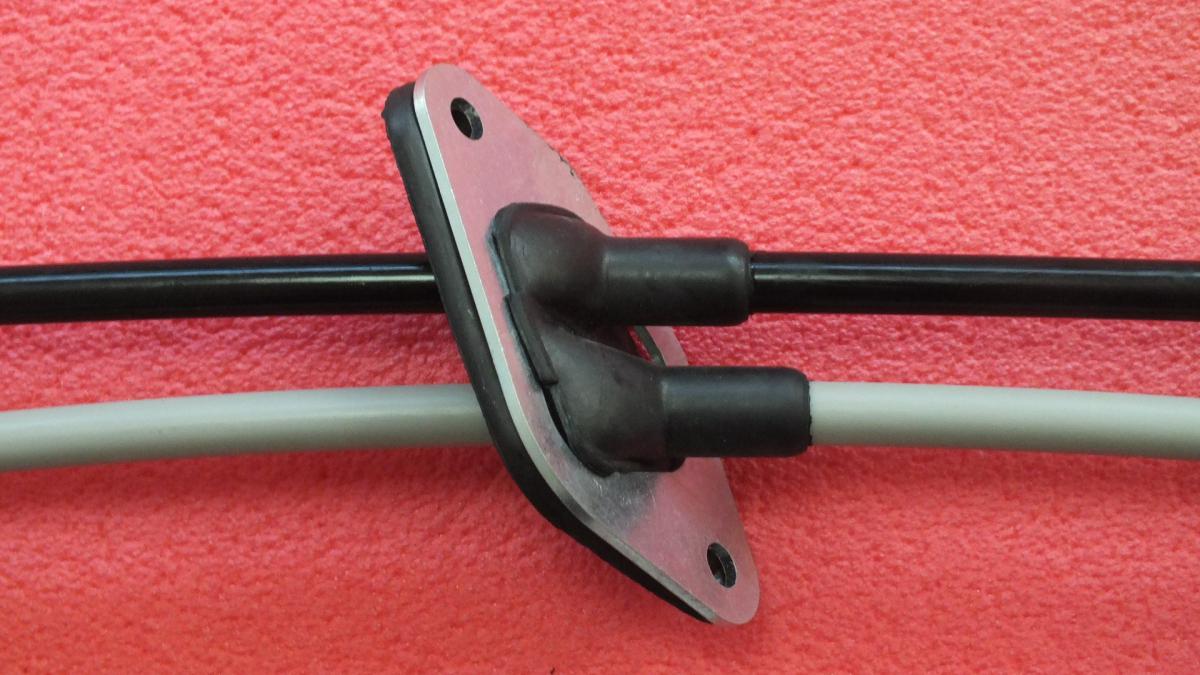
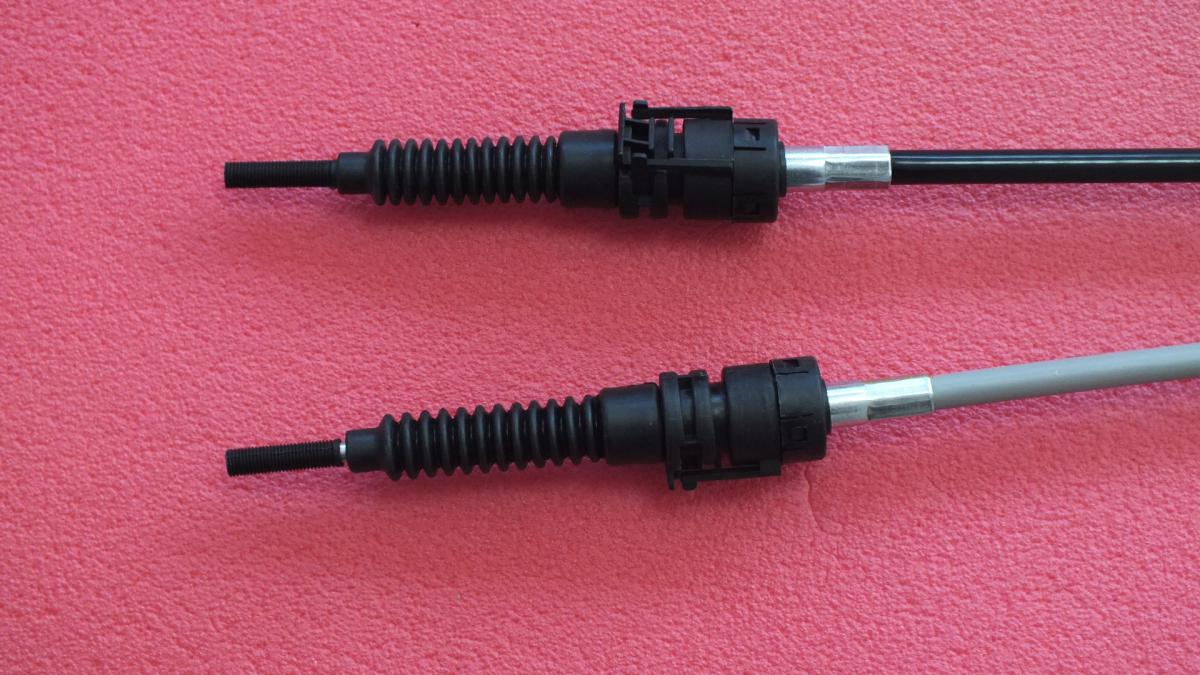
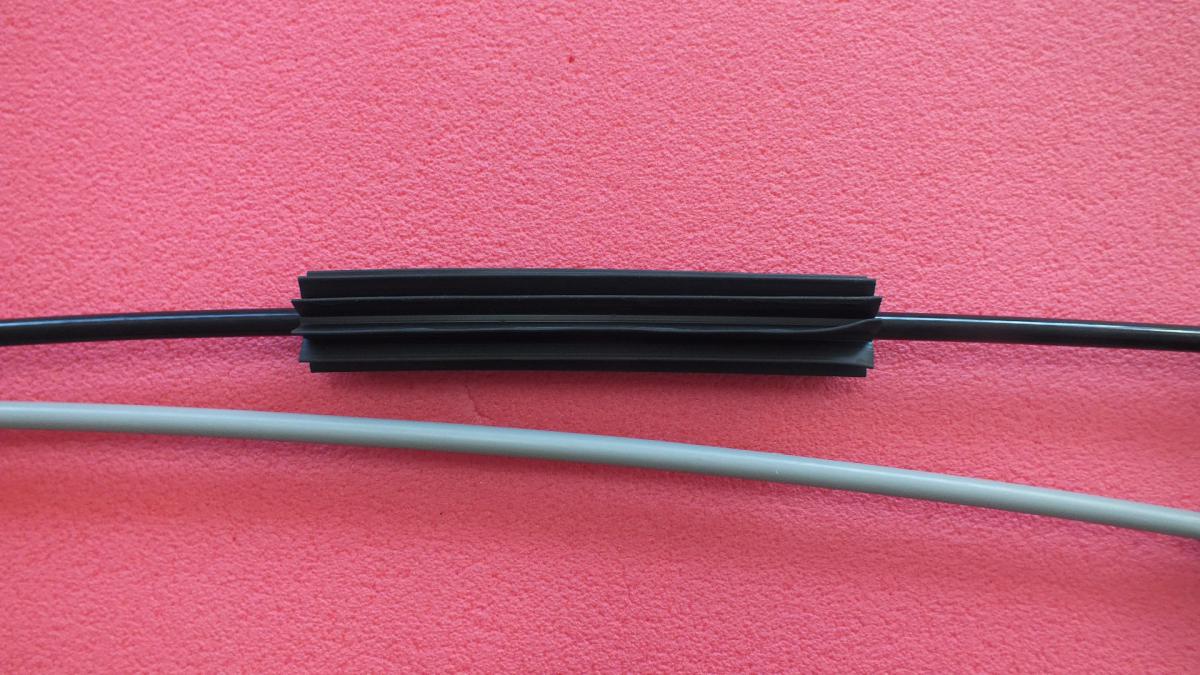
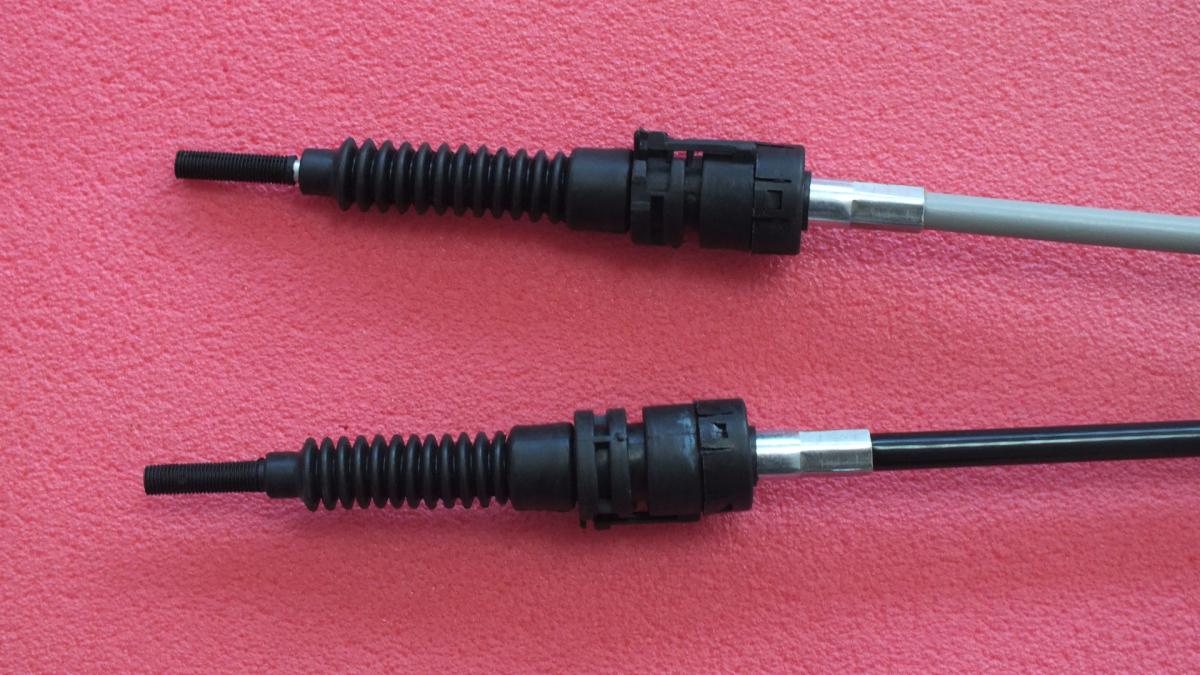
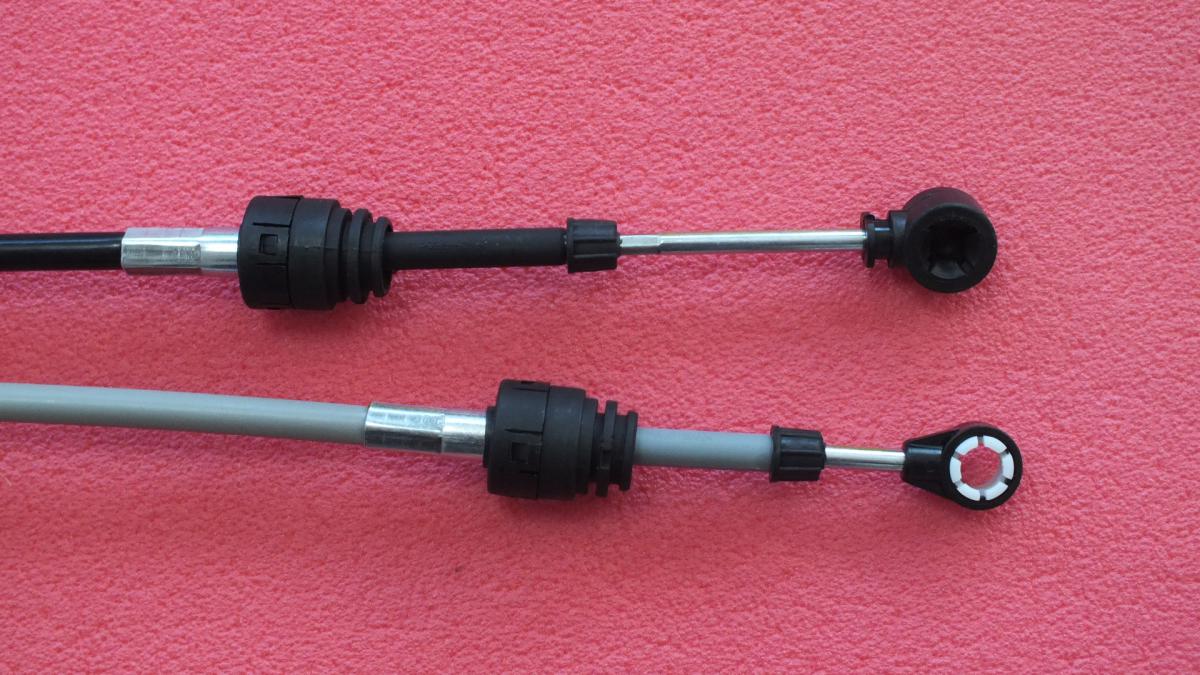
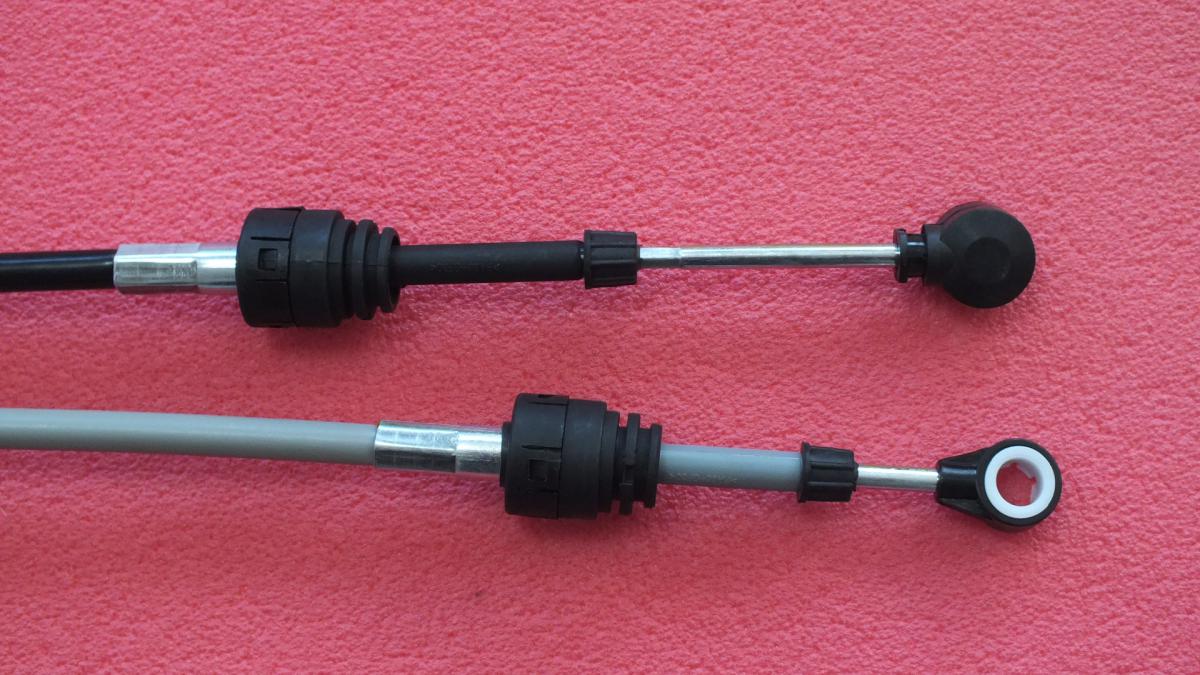
The TRANSMISSION CABLE is a Bowden cable assembly that mechanically transmits the gear selector lever or shifter's movement through the cabin bulkhead to the transmission gear selection mechanism, converting the driver's hand input at the gear knob into the precise linear or rotational displacement required to engage the selected gear ratio inside the manual gearbox or to select the drive range on an automatic transmission. The cable consists of a high-tensile steel inner wire — either a single twisted strand or a multi-strand construction for flexibility — that slides with minimal friction within a semi-rigid outer conduit lined with PTFE or nylon; end fittings at each end attach the inner wire to the transmission selector arm ball pin or lever and to the gearshift mechanism inside the cabin, while the outer conduit is anchored at both bulkhead passage points to provide a fixed reference against which the inner wire travels. Manual gearbox applications typically use two separate cables — one for the selection plane (lateral movement between gear planes) and one for the engagement plane (fore-aft movement within a gear plane) — whose combined travel precisely positions the gearbox internal selector fork. Automatic transmission selector cables transmit the PRNDL selector lever position to the transmission inhibitor/range sensor assembly or directly to the manual valve in the valve body.
This unit — MERCEDES-BENZ A9092670000 — is manufactured to OEM-equivalent specifications: inner wire diameter and tensile strength, conduit outer diameter and flexibility rating, end fitting ball socket or clip geometry at both the transmission and selector ends, overall conduit length and inner wire travel range, and mounting bracket and conduit anchor clip positions are matched to the original part. Supplied as a direct replacement for standard fitment. Available wholesale from 8.66 USD, MOQ 100 pcs, production lead time 60 days.
Gear selector cables fail through inner wire strand fatigue and progressive wire breakage — individual strands fracture under repeated flexing, increasing effective cable stiffness until a full break occurs; through outer conduit contamination that increases inner wire friction, causing the gear selection movement to feel heavy and imprecise; through end fitting clip fracture that detaches the cable from the transmission selector arm — resulting in immediate loss of all gear selection; and through conduit kinking at a sharp routing bend that permanently deforms the conduit and creates a high-friction sticking point in the cable's travel. A partial cable failure typically presents as progressive gear selection difficulty before the complete failure event, providing a warning period during which replacement can be planned.
- Note the transmission selector arm position before disconnecting the cable — place the transmission in neutral (manual) or Park (automatic) and mark the selector arm's angular position relative to the transmission housing with a paint pen; this reference position is required during cable adjustment after installation to confirm the cable is correctly positioned at the mid-point of its travel range in the neutral or Park position.
- Route the new cable through all original conduit anchor clip and routing bracket positions following the exact path of the old cable — photograph the full routing before removal; a cable routed with tighter bends than the OEM design has increased inner wire friction and reduced travel range; never route the cable over sharp edges or in contact with exhaust components; ensure a minimum bend radius of 100 mm at every bend point.
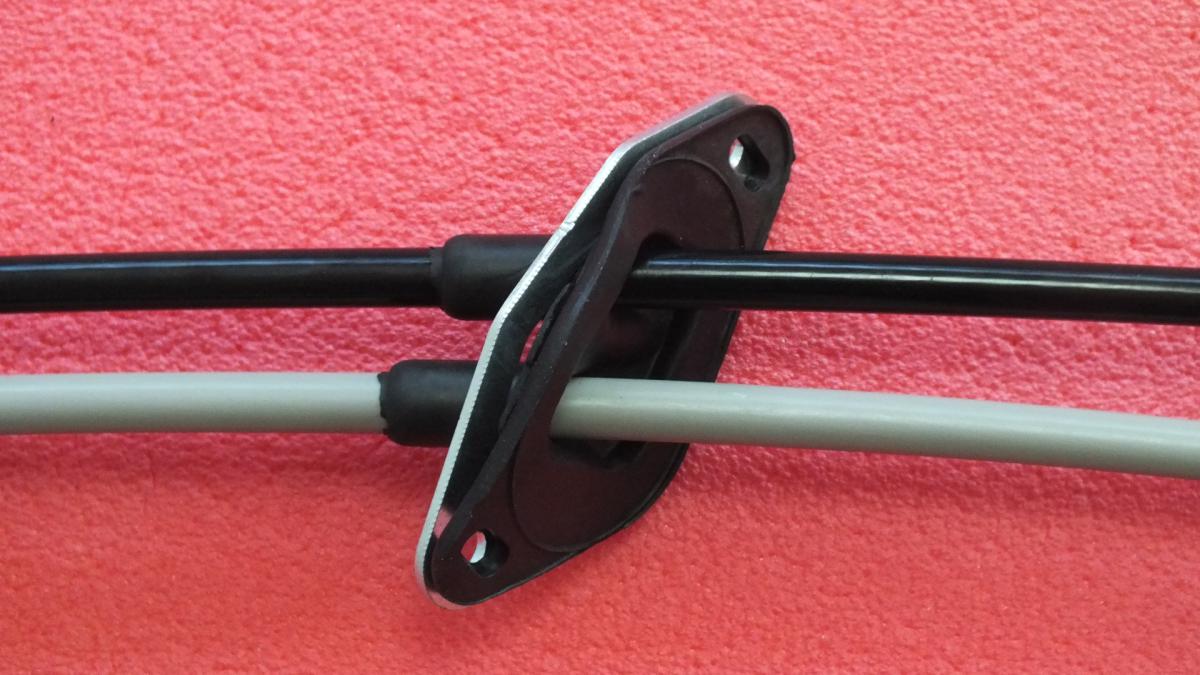
- Anchor the outer conduit at both ends before connecting the inner wire end fittings — the conduit must be fully seated in both its bulkhead grommet and its transmission housing anchor bracket before the inner wire is attached to any lever; a conduit that is not fully anchored will pull through its mounting under cable tension, producing a cable that appears connected but has incorrect effective travel.
- Set the cable adjustment to the mid-point of the available adjustment range before making the final end fitting connection — most gear selector cables have an adjuster barrel or a sliding anchor bracket that sets the resting position of the inner wire relative to the conduit; setting this to mid-range maximises the available travel in both directions and allows fine adjustment after the cable is connected and gear selection is tested.
- On manual gearboxes, verify all gear positions are accessible and synchromesh engages cleanly after installation — with the engine off and clutch depressed, move the gear lever through every gear position in the correct H-pattern sequence and confirm each gear engages without resistance; if any gear requires excessive force or is unreachable, adjust the cable adjuster barrel incrementally until all positions are equidistant and equally accessible.
- Install the new TRANSMISSION CABLE (MERCEDES-BENZ A9092670000), secure all conduit clips and grommets, reconnect all end fittings, start the engine and road test through all gear positions under load — confirming smooth engagement and positive gear selection feel — before returning the vehicle to service; on automatic transmissions verify the P-R-N-D-L positions on the instrument cluster match the actual transmission range selected.
| Part | Reason for Combined Replacement |
|---|---|
| Gear Selector Cable End Clip Set Application-specific plastic retention clips | The plastic end clips that retain the cable inner wire to the transmission selector arm ball pin and to the gearshift mechanism lever are single-use fasteners that fracture if removed — the clip's retention barb is designed to lock permanently on installation; prying a clip off to remove the old cable destroys it. Always have a complete set of new end clips available before beginning cable removal; reusing a fractured clip produces an immediately loose cable end fitting that detaches under the first gear change. |
| Gear Selector Cable Grommet Set Bulkhead and floor passage grommets | The rubber grommets where the gear selector cable passes through the cabin bulkhead or floor panel seal the cable passage against water, noise, and exhaust gas ingress. Old grommets that have been compressed around the cable for high mileage have taken a permanent set and will not seal correctly around the new cable's conduit outer diameter; water ingress through a failed grommet reaches the conduit and inner wire, causing the same cold-weather binding that may have contributed to the original cable failure. Replace all grommets simultaneously with the cable. |
| Transmission Selector Arm Ball Stud Application-specific threaded stud | The ball stud on the transmission selector arm that the cable end clip engages is subject to wear from the clip rocking against it during each gear change. A worn ball stud has a reduced diameter that allows the new cable end clip to rock or wobble rather than seating firmly, producing imprecise gear selection and increasing the risk of clip disengagement under load. Inspect the ball stud diameter against the OEM specification and replace if measurable wear is found. |