HYUNDAI/KIA 416051M000 HOSE
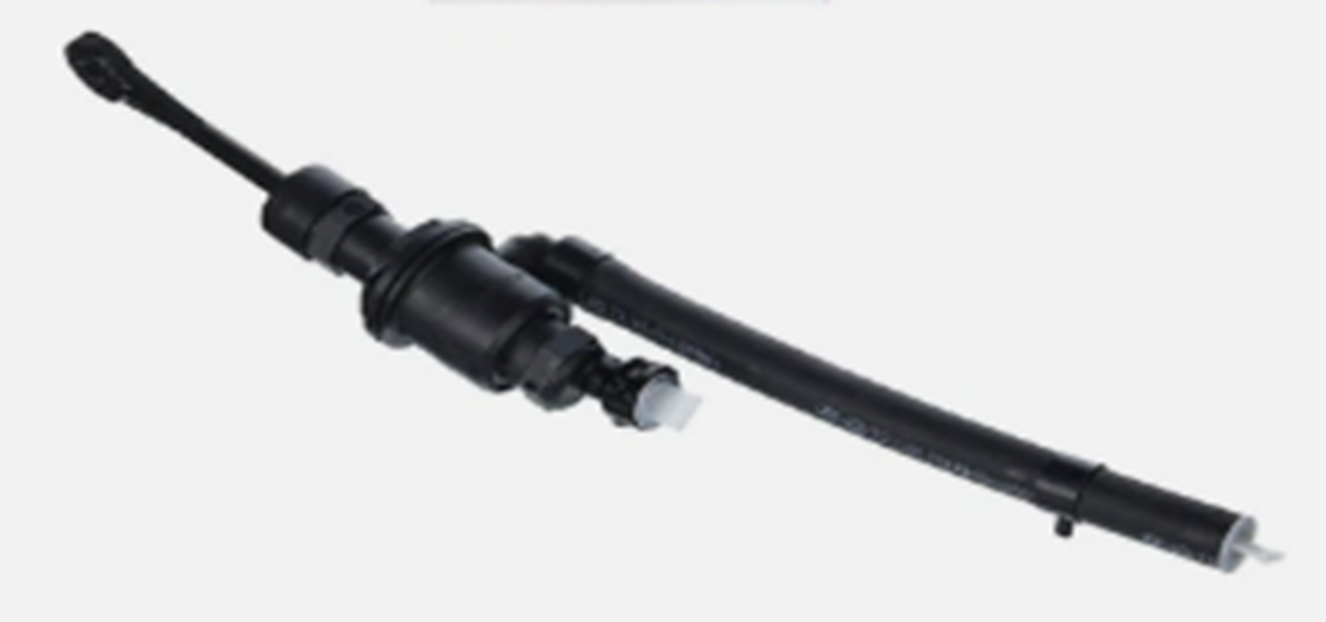
Product Specifications
| HYUNDAI/KIA | 416051M000 |
The HOSE is a flexible conduit that routes fluid or air between rigid components in the engine, cooling, fuel, brake, power steering, or air induction systems, accommodating relative movement between the connected components caused by engine torque reaction, thermal expansion, and suspension articulation. Hose construction is matched to the specific demands of each system: coolant hoses use reinforced EPDM rubber rated to 130°C continuous service; high-pressure fuel hoses use multi-layer fluoropolymer-lined braided construction rated to system operating pressure; brake hoses use a steel-braided PTFE or rubber inner liner rated to 200 bar; air intake hoses use silicone or reinforced rubber with low permeability to prevent unmetered air bypass; and power steering hoses use high-pressure crimped steel-end assemblies rated to 150–200 bar.
This unit — HYUNDAI/KIA 416051M000 — is manufactured to OEM-equivalent specifications: inner diameter, wall thickness, material compound, pressure rating, temperature range, and end fitting geometry or clamp bead profile are matched to the original part. Supplied as a direct replacement for standard fitment. Available wholesale from 10.6 USD, MOQ 50 pcs, production lead time 15-55 days.
Hoses degrade through inner wall delamination, external surface cracking from UV and ozone exposure, electrochemical degradation at metal end fittings, and softening or hardening of the rubber compound from heat cycling and fluid saturation. A hose that appears intact externally may have a partially collapsed inner wall restricting flow, or a delaminated inner layer that is shedding particles into the fluid circuit. Squeeze coolant hoses by hand when cold — a hose that feels abnormally soft, mushy, or that does not spring back immediately has lost its structural integrity and should be replaced proactively before it fails under pressure.
- Depressurise and drain the relevant system before disconnecting any hose — allow the cooling system to cool completely before opening coolant hoses; depressurise the fuel system before disconnecting fuel lines; bleed the brake system pressure; and turn the steering to full lock to relieve power steering pressure. Never open a pressurised system without confirming pressure has been released.
- Photograph the hose routing, clamp positions, and any anti-chafe sleeves before removal — hose routing is critical for correct clearance from hot exhaust components and moving parts. A hose reinstalled on an incorrect path will chafe, overheat, or restrict fluid flow at a bend point.
- Inspect the pipe stubs, barbs, or port faces at both ends of the hose run for corrosion, scale buildup, or damage. Clean aluminium and steel stubs with a wire brush and wipe with a clean cloth — scale or corrosion particles left on the stub will be ingested into the system or will prevent the new hose from seating fully on the barb.
- Lubricate rubber hose ends with a small amount of clean system fluid — coolant for coolant hoses, clean brake fluid for brake hoses — to ease installation over barbed stubs without tearing the inner liner. Never use petroleum-based grease or oil on rubber hoses as these swell and degrade the rubber compound.
- Position all clamps correctly — spring clamps should be positioned with the clamp body over the hose bead, not on the smooth section; worm-drive clamps should be tightened to OEM specification (typically 2–4 Nm for coolant hoses) and positioned so the screw head is accessible for future service. Do not overtighten worm-drive clamps as this cuts into the hose outer layer.
- Install the new HOSE (HYUNDAI/KIA 416051M000), refill the system with the correct fluid, bleed any air from the circuit where required, start the engine and bring to operating temperature, then inspect all disturbed connections for leaks under pressure before returning the vehicle to service.