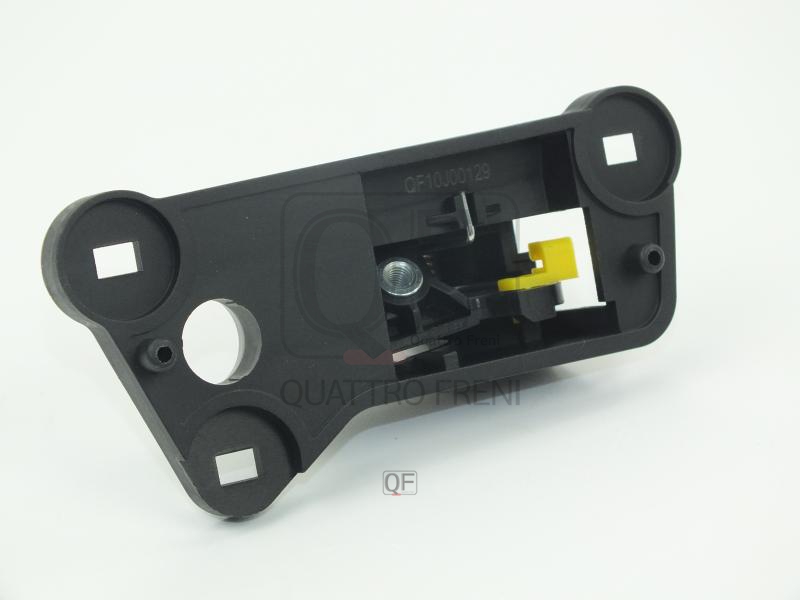
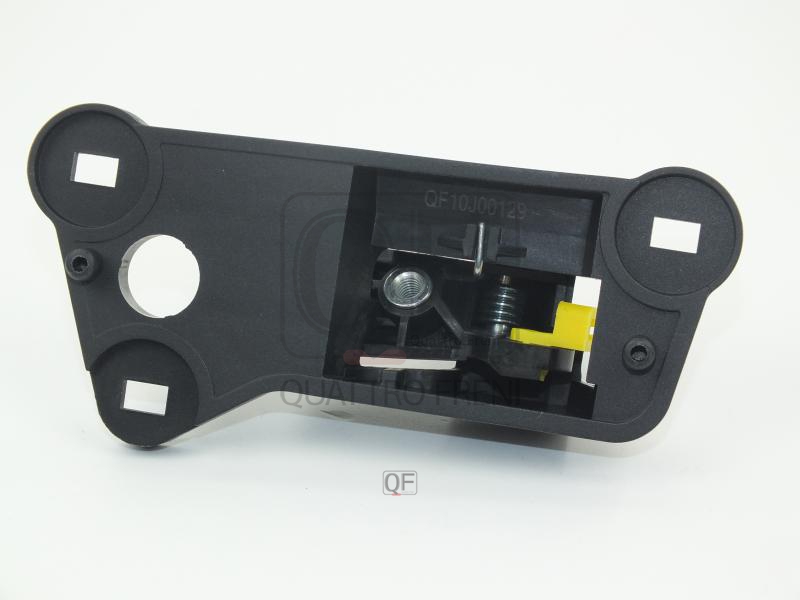
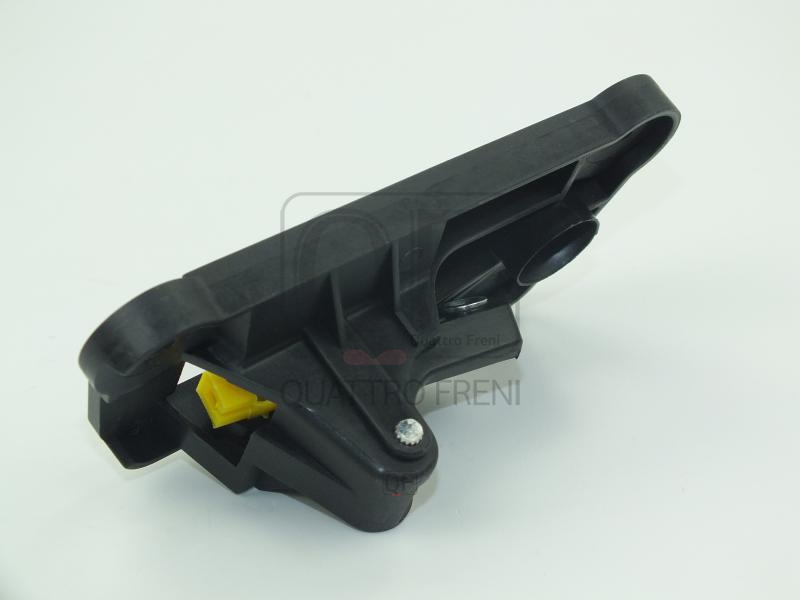
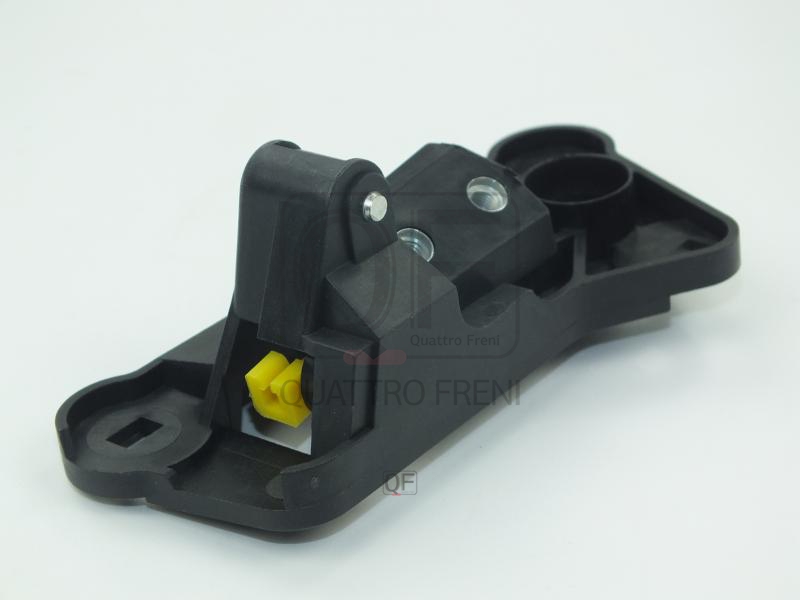
FIAT/ALFA/LANCIA 1340497080 BRACKET
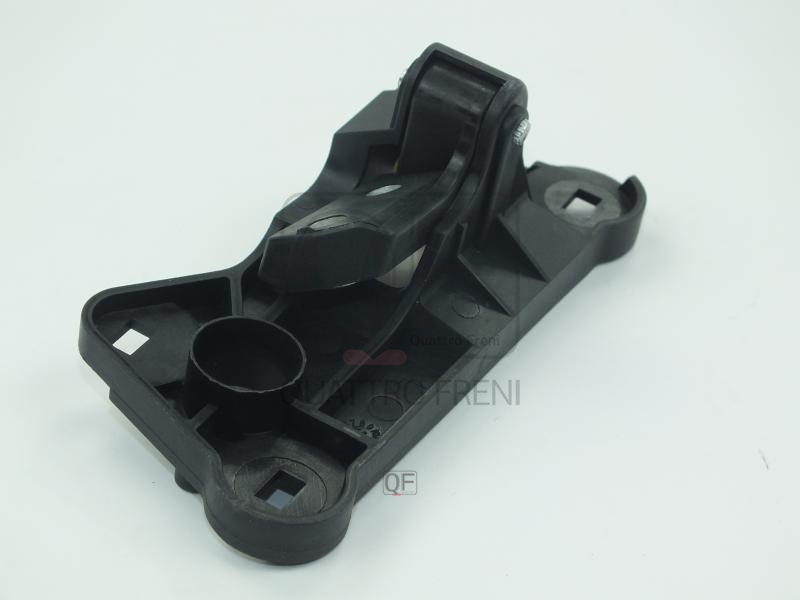
Product Specifications
| FIAT/ALFA/LANCIA | 1340497080 |
| FIAT/ALFA/LANCIA | 0001340497080 |
The BRACKET is a structural mounting bracket — manufactured from injection-moulded glass-filled polyamide, die-cast aluminium, or pressed steel depending on the vehicle platform — that locates and retains the headlamp assembly in its correct position within the front body structure, transferring the headlamp's static weight and road vibration loads into the vehicle's front end support frame or body panel reinforcement while maintaining the precise dimensional relationship between the headlamp housing and the adjacent body panels required for the designed gap and flush alignment. Modern front-end structures use a network of brackets connecting the headlamp assembly to the front end carrier at typically three to five attachment points: a forward lower mounting that resists fore-aft displacement from aerodynamic and vibration loading; an inboard upper mounting that positions the headlamp relative to the bonnet aperture; and an outboard lateral mounting at the wing panel interface that controls the gap and flush between the lamp lens edge and the wing surface. On vehicles with active grille shutters, adaptive cruise control radar, or headlamp levelling systems, the bracket also provides the mounting surface for these integrated components. The bracket's dimensional accuracy is critical not only for appearance — incorrect gap and flush to the bonnet and wing is immediately visible as a panel alignment defect — but for beam aim: the headlamp's beam aim adjustment mechanism is referenced to the bracket's position in the body structure, and a bracket that has been bent or distorted shifts the beam aim in proportion to the distortion even after correct aim adjustment has been performed at the lamp's internal aim screws.
This unit — FIAT/ALFA/LANCIA 1340497080 — is manufactured to OEM-equivalent specifications: mounting hole positions and diameters for front end carrier attachment, headlamp locating pin or slot positions and tolerances, material grade and section geometry for the required stiffness under vibration loading, and corrosion protection treatment are matched to the original part. Supplied as a direct replacement for standard fitment. Available wholesale from 4.08 USD, MOQ 50 pcs, production lead time 30 days.
Headlamp mounting brackets fail almost exclusively from frontal collision damage — even low-speed parking impacts that leave the headlamp lens visually undamaged will frequently crack or deform the bracket that positions the lamp, shifting the headlamp forward, inward, or downward from its design position; a bracket with a hairline crack may hold the headlamp in position at rest but flex under road vibration, producing an intermittent headlamp rattle and progressively worsening gap alignment. Bracket failure from corrosion alone is less common but occurs on steel brackets in high-salt environments where the bracket corrodes through at its mounting tabs before the headlamp body shows any visible deterioration.
- Inspect the front end carrier and body panel attachment points for deformation before fitting the new bracket — a low-speed impact that damaged the bracket will frequently also have deformed the front end carrier or wing inner panel at the bracket's attachment points; a deformed carrier or panel face produces the same headlamp misalignment on a new bracket as on the damaged original; confirm all bracket attachment point faces are flat and undamaged before installing the new bracket.
- Transfer any integrated components from the old bracket to the new unit before installation — headlamp levelling motor mounting bosses, active grille shutter actuator brackets, radar mounting provisions, and wiring harness routing clips are frequently part of the bracket assembly; confirm all transferred components are correctly oriented and fully seated on the new bracket before the headlamp is mounted.
- Install the new bracket loosely on all attachment points before tightening any single fastener — the bracket's multiple attachment points must all engage their corresponding features simultaneously for the bracket to adopt its correct position; tightening one attachment point before the others are engaged distorts the bracket into a stressed position that alters the headlamp's dimensional reference from the first installation.
- Torque all bracket attachment bolts to OEM specification in a diagonal sequence — typical values are 6–12 Nm for polymer bracket mounting into front end carrier bosses; undertightening allows bracket movement under road vibration; overtightening cracks the mounting bosses of polymer brackets or strips the threaded inserts in composite carriers; always use a calibrated low-range torque wrench rather than tightening by feel.
- Verify headlamp gap and flush alignment before performing beam aim adjustment — the bracket positions the headlamp in the body structure; if the gap and flush to the bonnet and wing are not correct after bracket installation, the bracket is incorrectly positioned and must be repositioned before aim adjustment is performed; aim adjustment with the headlamp in the wrong position shifts the beam aim away from the regulatory target in proportion to the positional error.
- Install the new BRACKET (FIAT/ALFA/LANCIA 1340497080), mount the headlamp assembly on the new bracket, verify gap and flush alignment to the bonnet and adjacent wing panel, perform headlamp beam aim adjustment on a calibrated aim screen, and confirm both the dimensional alignment and the beam aim meet the regulatory specification before returning the vehicle to service.
| Part | Reason for Combined Replacement |
|---|---|
| Headlamp Assembly OEM ref. varies by side and model year | A bracket failure caused by a frontal impact will frequently have also damaged the headlamp housing — lens cracking, reflector displacement, or mounting tab fracture on the lamp body itself. Inspect the headlamp housing, lens, and all lamp mounting points thoroughly after removing the damaged bracket; a lamp that appears undamaged from the exterior may have internal reflector displacement or cracked mounting tabs that will prevent correct positioning on the new bracket. |
| Front End Carrier / Headlamp Support Panel OEM ref. varies by front end architecture | The front end carrier that the headlamp bracket attaches to is subject to the same impact forces that damaged the bracket. A carrier with deformed attachment boss faces or cracked mounting provisions cannot locate the new bracket at the correct dimensional position regardless of bracket quality. Confirm the carrier's attachment surfaces are flat and undamaged before fitting the new bracket; a deformed carrier requires replacement simultaneously with the bracket to restore correct headlamp positioning. |
| Wing / Fender Panel OEM ref. varies by side | A low-speed frontal impact that deforms the headlamp bracket typically also deforms the wing panel at the headlamp-to-wing interface. Fitting a new bracket and headlamp against a deformed wing produces a gap and flush defect at the lamp-to-wing joint that cannot be corrected by bracket or lamp repositioning — it requires the wing to be replaced or straightened to restore the correct body surface for the headlamp to reference against. |