MERCEDES-BENZ A9063200433 ABSORBER ASSY
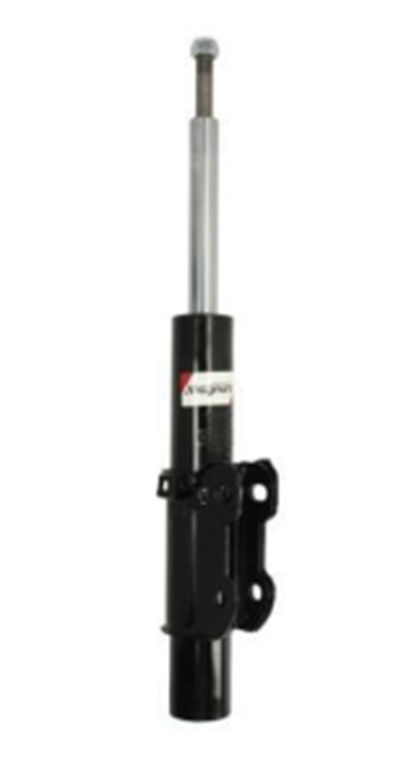
Product Specifications
| MERCEDES-BENZ | A9063200433 |
| MERCEDES-BENZ | A9063205530 |
| MERCEDES-BENZ | A9063206230 |
| MERCEDES-BENZ | A9063206330 |
| MERCEDES-BENZ | A9063206730 |
| MERCEDES-BENZ | A9063206630 |
| MERCEDES-BENZ | 9063200433 |
| MERCEDES-BENZ | 2E0413023AM |
| MERCEDES-BENZ | 2E0413023AN |
| MERCEDES-BENZ | 9063205530 |
| MERCEDES-BENZ | 9063206230 |
| MERCEDES-BENZ | 2E03413023 |
| MERCEDES-BENZ | 2E0413023 |
| MERCEDES-BENZ | 2E0413023AG |
| MERCEDES-BENZ | 2E0413023AR |
| MERCEDES-BENZ | 2E3413023 |
| MERCEDES-BENZ | A2E03413023 |
| VAG | 2E0413023AG |
| VAG | 2E0413023AM |
| VAG | 2E0413023AN |
| VAG | 2E0413023AR |
| VAG | 2E3413023 |
| VAG | 2E0413023 |
| VAG | 2E0413023NA |
| VAG | 2E03413023 |
| VAG | 9063205530 |
The ABSORBER ASSY is a hydraulic damping device that controls the rate of suspension spring compression and rebound, maintaining continuous tyre contact with the road surface under dynamic load conditions. A twin-tube damper — the dominant design in passenger car applications — consists of a working cylinder filled with hydraulic oil, a piston with calibrated valving that moves through the oil on a piston rod, and an outer reserve tube that accommodates displaced fluid volume. Monotube dampers, used in performance and heavy-duty applications, place the oil and a high-pressure nitrogen gas charge in a single tube separated by a floating piston, providing more consistent damping response under high thermal load.
This unit — MERCEDES-BENZ A9063200433 — is manufactured to OEM-equivalent specifications: piston rod diameter and chrome plating thickness, compression and rebound valve damping curves, overall extended and compressed length, and mounting geometry are matched to the original part. Supplied as a direct bolt-in replacement requiring no suspension modification for standard fitment. Available wholesale from 17.66 USD, MOQ 25 pcs, production lead time 30-45 days.
Shock absorbers degrade gradually as internal seals wear and oil becomes aerated, reducing damping force without producing an obvious failure event. The bounce test — pressing down firmly on each corner of the vehicle and releasing — should result in one controlled rebound with no secondary oscillation. More than one bounce indicates a damper that has lost significant damping capacity and requires replacement.
- Support the vehicle on axle stands and remove the wheel. On MacPherson strut applications, use a coil spring compressor to safely compress the spring before loosening the top mount nut — a compressed suspension spring stores significant energy and must never be released uncontrolled.
- Disconnect all ancillary brackets clipped to the damper body — brake hose brackets, ABS sensor cable clips, and ride height sensor links where fitted. Photograph routing before removal to ensure correct reinstallation.
- Remove the lower damper bolt at the hub carrier or lower arm and the upper mounting — either the top mount nuts on a strut or the upper eye bolt on a separate damper. Note the exact orientation of any eccentric bolts used for camber adjustment before removal.
- Transfer reusable components to the new damper where applicable — top mount bearing, bump stop, and dust gaiter. Inspect each item and replace if cracked, collapsed, or heavily worn. On strut assemblies, use a spring compressor to transfer the coil spring.
- Torque all fasteners with the suspension at ride height, not at full droop. Rubber bushings in suspension joints must be torqued in their neutral loaded position — torquing at full droop pre-winds the bush and causes premature failure.
- Install the new ABSORBER ASSY (MERCEDES-BENZ A9063200433), torque all fasteners to OEM specification, refit the wheel, and have the wheel alignment checked and adjusted — damper replacement on strut-type suspensions frequently alters camber and toe settings.