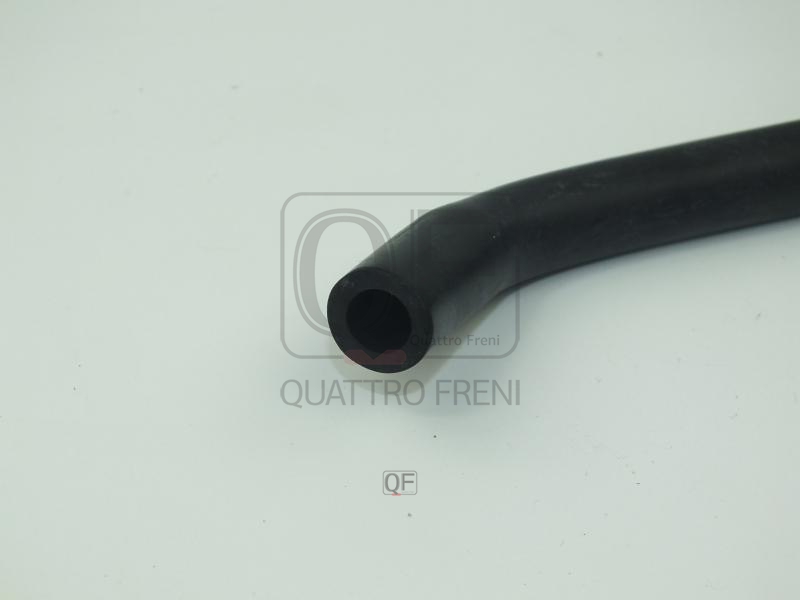
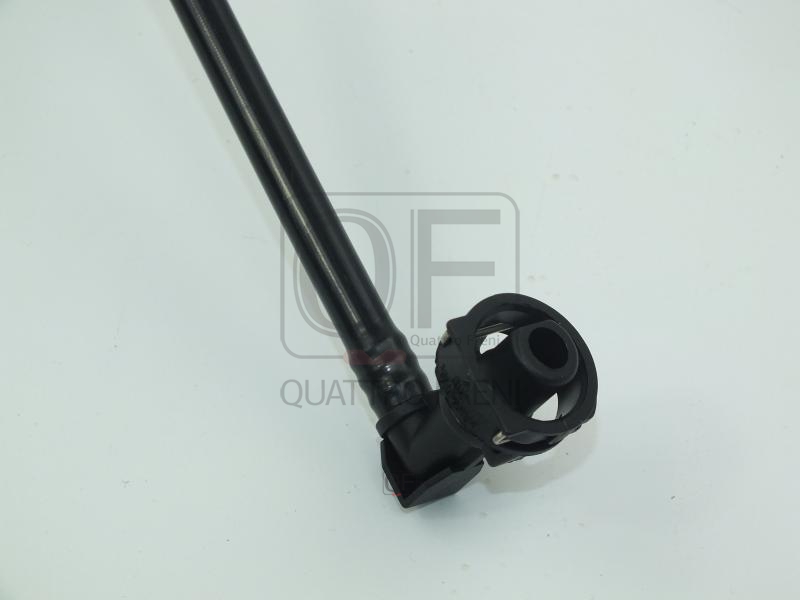
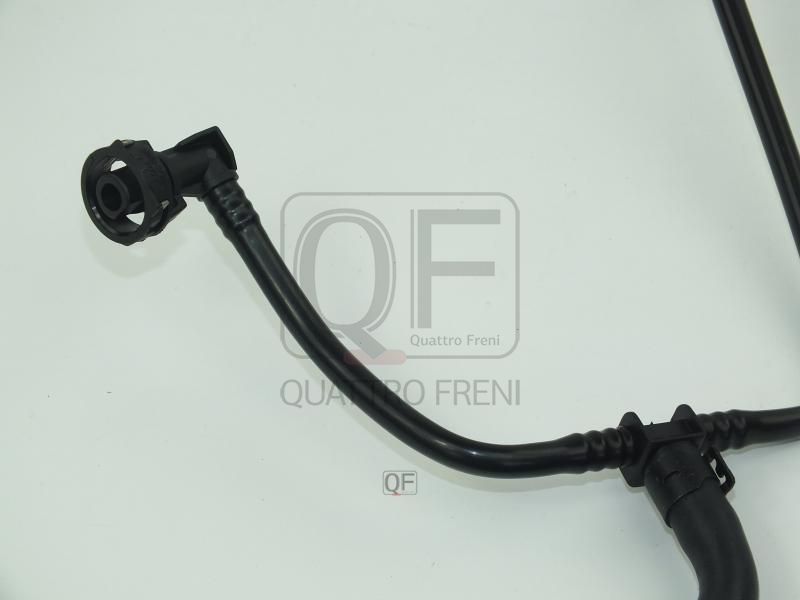
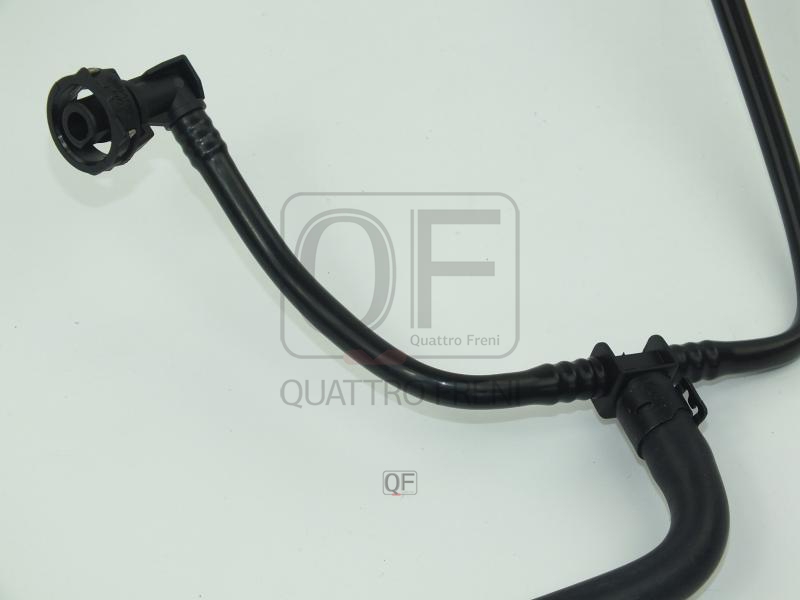
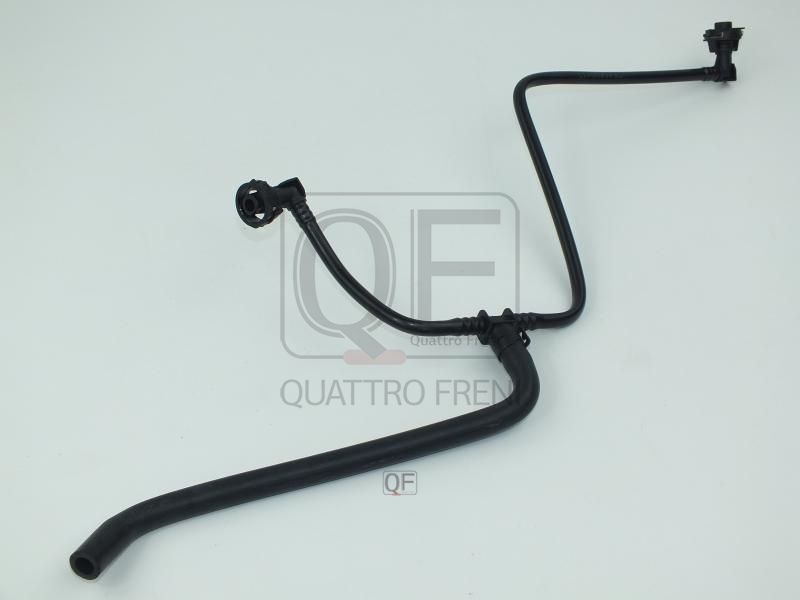
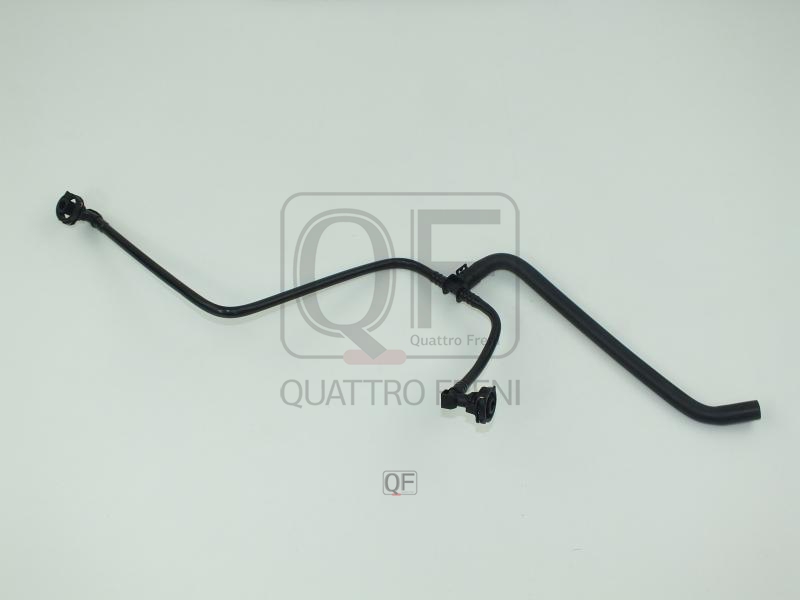
VAG 8K0121081BH COOLING WATER PIPE
Product Specifications

Product quality
OEM Equivalent Grade
starstarstar
50 sold
Wholesale price USD $2.65
Wholesale price CNY ¥18
bolt MOQ (Minimal order)
20 pcs
local_shipping Production time
21 days
package_2 Shipping Weight: 0.1 kg
VAG 8K0121081BH
Overview & Operating Principle

The COOLING WATER PIPE is a rigid or semi-rigid conduit — fabricated from aluminium, steel, or reinforced polymer — that routes coolant between fixed points in the engine cooling circuit where the relative movement between components is minimal and a flexible rubber hose is not required or not specified by the OEM. Cooling water pipes interconnect the engine block, thermostat housing, radiator, heater matrix, turbocharger cooling circuit, EGR cooler, oil-to-water heat exchanger, and cabin heater valve across a range of diameters from 8 mm auxiliary circuits to 40 mm main circuit pipes. On modern engines with multiple cooling circuits operating at different temperature setpoints — a high-temperature circuit for the engine block and a separate low-temperature circuit for the charge air cooler or transmission oil cooler — cooling pipes are routed in parallel and must not be interchanged. End connections are formed as barbed stubs for hose connection with clamps, O-ring face-seal unions, or quick-connect push-fit fittings sealed with an internal O-ring that snaps onto a machined groove on the pipe end.

This unit — VAG 8K0121081BH — is manufactured to OEM-equivalent specifications: pipe outer diameter and wall thickness, overall formed length and bend geometry, end fitting type and sealing method, material grade and corrosion protection treatment, and bracket or clip mounting positions are matched to the original part. Supplied as a direct replacement for standard fitment. Available wholesale from 2.65 USD, MOQ 20 pcs, production lead time 21 days.

Cooling water pipes fail through external corrosion perforation on aluminium and steel pipes in road salt environments — particularly at bracket clamp contact points where the pipe coating is abraded and the bare metal is exposed to trapped moisture — and through O-ring seal degradation at quick-connect fittings, which allows coolant to seep from the joint face rather than the pipe body. A corroded pipe frequently develops a pinhole leak that is only visible under system pressure, producing intermittent coolant loss without a visible puddle at rest. Pressure-testing the cooling system to 1.2–1.4 bar with a cold engine is the definitive method for locating pipe leaks that are invisible during static inspection.

Symptoms & Diagnostics
Coolant loss without a visible puddle under the vehicle — a pinhole leak in a rigid cooling pipe that only opens under operating pressure and temperature, sealing again when the system cools and depressurises; pressure-test the cold system to 1.2 bar and trace the pressure drop to the affected pipe by visual inspection or UV dye.
White mineral deposit or dried coolant residue on the pipe body or at a fitting joint — evidence of a historic or active seepage point; trace the deposit back to its highest point to locate the source, as coolant runs down before drying and the deposit location may be below the actual leak point.
Engine overheating that develops gradually over weeks combined with progressively reducing coolant level — a slow pipe leak losing coolant at a rate that exceeds normal evaporation but is too slow to produce a puddle or visible steam; the cooling system pressure test will confirm the leak before the coolant level drops to a level that causes thermal damage.
Coolant smell from the engine bay without visible leak — coolant contacting a hot exhaust component after escaping from a pressurised pipe pinhole; the smell is most noticeable immediately after shutdown when the system is still pressurised and the exhaust is cooling; inspect all pipes in the vicinity of exhaust components for corrosion.
Visible external corrosion, pitting, or green-white crystalline deposit on the pipe surface at bracket contact points — crevice corrosion under a bracket clamp has perforated or is close to perforating the pipe wall; a pipe showing through-corrosion at a bracket contact point is at immediate risk of failure and should be replaced before a leak develops.
Coolant leak at a quick-connect fitting that cannot be stopped by pressing the fitting back onto the pipe — the internal O-ring seal has swollen, cracked, or been displaced; quick-connect O-ring seals cannot be reseated once they have failed and the pipe or fitting must be replaced to restore a reliable seal.
Logistics & Customs
International HS Code
8708.91
EAEU Customs Code (TN VED)
8708 91 200 0
Typical Net Weight
0.1 kg
Country of Manufacture
China
Standard MOQ
20 pcs
Production Lead Time
21 days
Always verify the exact 8-digit or 10-digit subheading with your customs broker for the destination country, as tariff schedules and duty rates vary by jurisdiction.
Installation Tips
  1. Allow the engine to cool fully and drain the cooling system before disconnecting any cooling pipe — rigid cooling pipes are often located close to the exhaust manifold and turbocharger and retain dangerous surface temperatures long after engine shutdown; confirm all surfaces are safe to handle before beginning work. Open the expansion tank cap after the system has cooled to release residual pressure before loosening any fittings.
  2. Release quick-connect fittings by pressing the collet release ring inward while pulling the pipe straight out — never lever or twist a quick-connect fitting as this cracks the plastic retaining collar and damages the O-ring groove on the pipe end, preventing the new fitting from sealing. If a quick-connect is seized by corrosion, apply penetrating release spray and allow to soak before attempting release.
  3. Inspect both connection stubs at each end of the pipe run for corrosion, scale buildup, and O-ring groove condition before fitting the new pipe — a corroded barb stub or a damaged O-ring groove on a housing port will prevent the new pipe from sealing regardless of the condition of the pipe itself. Clean aluminium and steel stubs with a fine wire brush and wipe dry before fitting new O-rings or hose connections.
  4. Replace all O-ring seals at quick-connect fittings with new seals of the correct material specification — cooling system O-rings are formulated in EPDM compound for compatibility with glycol-based coolant; using NBR or silicone O-rings in coolant service causes rapid seal swelling and failure within a short operating period. Lightly lubricate new O-rings with clean coolant before assembly to prevent rolling during insertion.
  5. Route the new pipe exactly as the original, seating all bracket clips and ensuring the pipe has clearance from exhaust components, moving engine mounts, and accessory drive belts at all points along its length. A pipe touching an exhaust component will develop a hot spot that accelerates external corrosion and will fatigue-crack at the contact point from thermal cycling.
  6. Install the new COOLING WATER PIPE (VAG 8K0121081BH), engage all quick-connect fittings until the retaining collar clicks positively, fit and tighten all hose clamps to specification, refill the cooling system with the correct coolant specification, bleed all air from the circuit, pressure-test to 1.2 bar before starting the engine to confirm all disturbed connections are sealed, then run to operating temperature and re-check all fittings for seepage.
Tools: cooling system pressure tester, quick-connect release tool set, fine wire brush, EPDM O-ring assortment, hose clamp pliers, coolant drain container, UV dye kit for leak confirmation.
Frequently Asked Questions
Can a corroded cooling pipe be repaired with epoxy sealant or pipe repair tape as a temporary fix?
Chemical sealants and repair tapes applied externally to a pressurised cooling pipe are not reliable repairs and are not recommended for any use beyond allowing the vehicle to be driven to a workshop for proper repair. The cooling system operates at up to 1.5 bar pressure and 120°C — conditions that degrade adhesive bonds rapidly. More critically, chemical stop-leak products introduced into the coolant to seal leaks internally deposit throughout the cooling circuit, blocking the heater matrix, thermostat housing, and water pump passages, converting a single pipe replacement into a full cooling system flush and component inspection. Replace the pipe with a new OEM-equivalent unit. ok.parts supplies cooling pipes at wholesale MOQ from 2.65 USD per unit.
How can the correct replacement pipe be identified when the OEM part number is not visible on the original?
Measure the pipe's outer diameter at both ends, overall formed length along the centreline, and the type of end connection at each end (barbed stub diameter, O-ring groove outer diameter for quick-connect fittings, or union thread size). Cross-reference these dimensions with the vehicle's cooling system diagram in the OEM parts catalogue using the VIN to confirm the exact application. On engines with multiple cooling circuits, the pipe's position in the system — identified by which components it connects — is the most reliable confirmation of the correct replacement, as dimensional differences between high-temperature and low-temperature circuit pipes on the same engine can be minimal but the material specifications differ.
How does the OEM-equivalent aftermarket unit compare to the genuine OEM part?
OEM-equivalent units in this catalogue replicate the current OEM design geometry and material specification. Quality is verified against OEM cross-reference data. When ordering in bulk, confirm with our team that the specification matches the latest OEM revision for your application.
Is white-label or custom packaging available for wholesale orders?
Yes. ok.parts works directly with the manufacturing facility and can accommodate neutral white-label packaging or fully branded packaging with your company logo, part numbers, and barcode. Minimum order quantities and lead times for custom packaging may differ from standard stock. Contact the team via the inquiry form to discuss your specific requirements.
Frequently Replaced Together