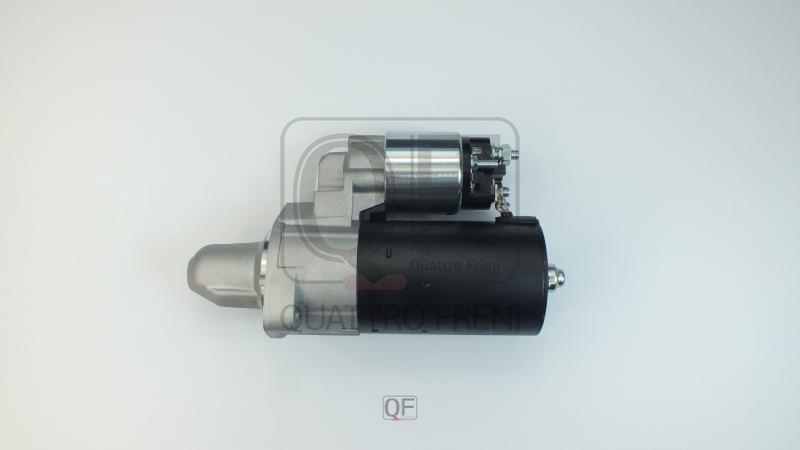
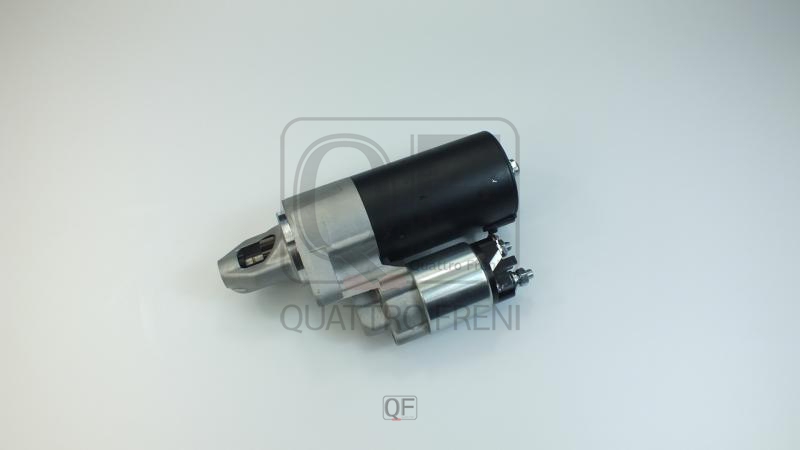
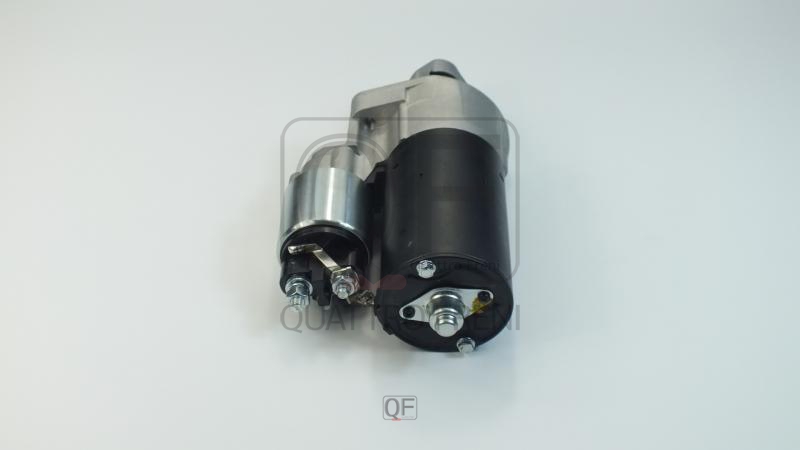
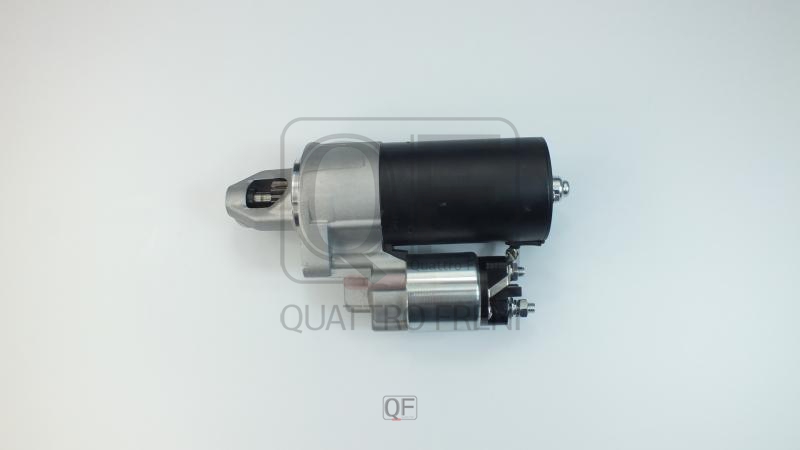
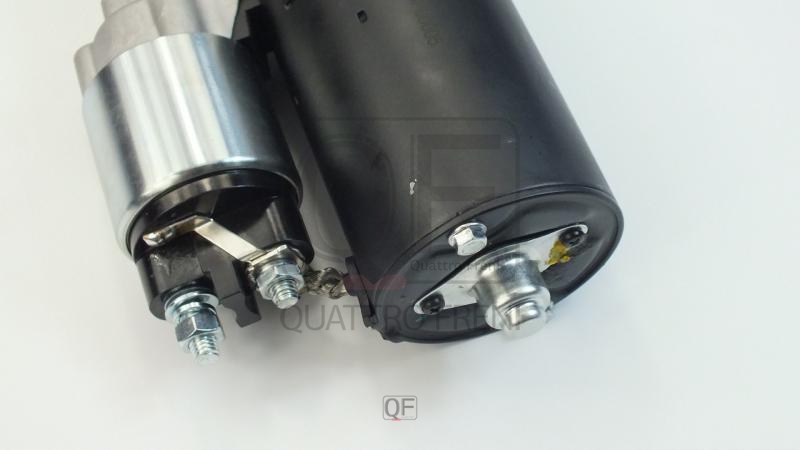
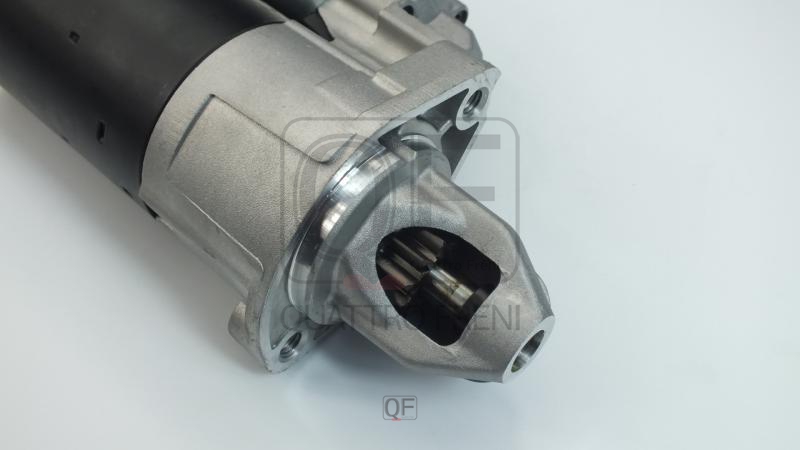
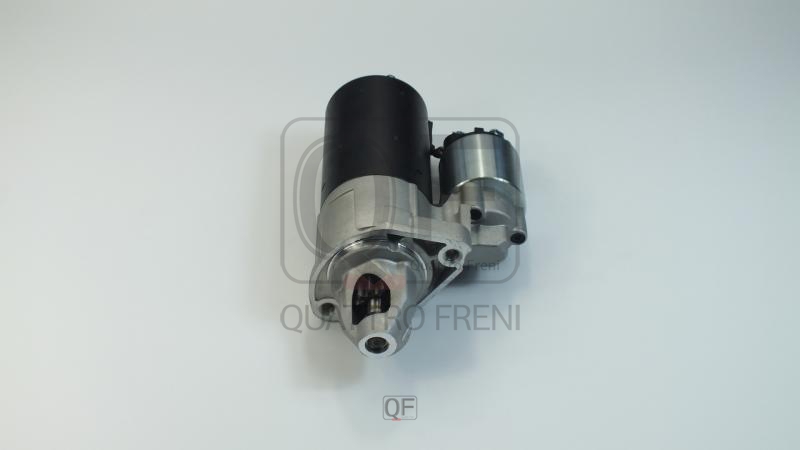
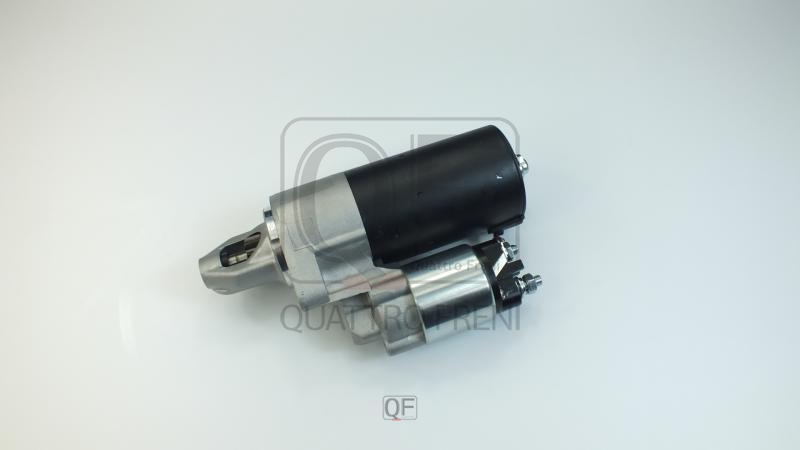
MERCEDES-BENZ A0061515901 STARTER
Product Specifications
| MERCEDES-BENZ | A0061515901 |
| MERCEDES-BENZ | A0061510501 |
| MERCEDES-BENZ | 0061515901 |
| MERCEDES-BENZ | A006151590180 |
| MERCEDES-BENZ | A006151590183 |
| MERCEDES-BENZ | A006151590187 |
| MERCEDES-BENZ | A0986021800 |
The STARTER is the engine starter motor — the high-torque direct-current electric motor that cranks the engine from rest to a speed sufficient for the combustion process to become self-sustaining, typically 100–200 RPM for petrol engines and 150–250 RPM for diesel engines. The starter assembly integrates three functional elements: the DC series-wound or permanent-magnet motor that draws 80–300 amperes from the battery to develop the torque required to overcome the engine's compression and internal friction loads during cranking; the solenoid — a two-stage electromagnetic switch mounted on the motor body that simultaneously engages the starter drive pinion with the flywheel ring gear via a plunger-operated lever mechanism (first stage) and then closes the heavy-current main contacts that connect the battery directly to the motor armature (second stage); and the overrunning clutch — a one-way roller or sprag clutch in the drive assembly that transmits motor torque to the ring gear during cranking but freewheels immediately when the engine fires and the ring gear accelerates above the pinion speed, preventing the motor armature from being destroyed by overspeed. On start-stop systems the starter is a reinforced high-cycle design rated for 300,000 or more start cycles rather than the 50,000–80,000 cycle rating of a conventional starter, achieved through upgraded brush material, armature winding gauge, and overrunning clutch bearing capacity.
This unit — MERCEDES-BENZ A0061515901 — is manufactured to OEM-equivalent specifications: motor rated voltage and cranking torque, pinion tooth count and module for the flywheel ring gear mesh, solenoid pull-in and hold-in coil resistance, main contact rating for the cranking current, overrunning clutch type and torque capacity, mounting flange bolt pattern and engagement geometry, and electrical terminal positions are matched to the original part. Supplied as a complete remanufactured or new assembly. Available wholesale from 36.21 USD, MOQ 6 pcs, production lead time 36 days.
Starter motors fail through brush and commutator wear after accumulated cranking cycles that progressively increases armature circuit resistance and reduces cranking current and torque — the engine cranks progressively more slowly until it fails to start in cold weather when oil viscosity is highest; through solenoid main contact pitting from the arcing of hundreds of amperes on every engagement that eventually increases contact resistance to the point where insufficient current reaches the motor; through overrunning clutch wear that allows the clutch to slip under high cranking load — the motor spins at above-cranking speed but does not transmit sufficient torque to turn the engine; and through pinion engagement failure from worn or damaged ring gear teeth that prevent the pinion from engaging cleanly, producing a grinding noise at every start attempt.
- Disconnect the battery negative terminal before beginning starter removal — the starter's main terminal is permanently connected to the battery positive through the fusible link with no switched protection; any contact between the main terminal or its cable and the vehicle body during removal completes a direct short circuit at the full battery current capacity, producing immediate cable and component damage and a fire risk; always disconnect the battery negative before touching any starter cable connection.
- Inspect the flywheel ring gear teeth through the starter aperture before installing the new starter — shine a torch through the starter mounting bore and rotate the engine by hand to view the full ring gear circumference; look for chipped, missing, or severely worn teeth; a ring gear with damaged teeth will chip the new starter's pinion within a short number of start cycles; a ring gear showing wear across its full circumference indicates the engine has accumulated very high mileage and the ring gear is approaching the end of its service life.
- Clean the starter mounting flange on the engine block before installation — the starter mounts on a precision machined face that locates the pinion at the correct radial distance from the ring gear centreline for correct tooth mesh depth; any corrosion deposits, debris, or raised metal on this face shift the starter's mounting position and alter the pinion-to-ring gear mesh depth — too deep causes tooth binding and grinding; too shallow causes tooth tip contact that accelerates wear; clean the face with a wire brush and confirm it is flat before fitting the new starter.
- Torque the starter mounting bolts to OEM specification — starters are heavy assemblies subject to significant reaction torques during cranking; typical mounting bolt torque is 35–55 Nm; undertightened bolts allow the starter to vibrate on its mounting face, progressively shifting the pinion position and producing a grinding engagement noise that worsens over time; torque both mounting bolts evenly to prevent the starter from cocking on the flange face.
- Apply the correct torque to all electrical terminal connections — the main battery terminal nut is typically tightened to 8–12 Nm; undertightening produces a high-resistance connection that generates heat under the hundreds-of-ampere cranking current and causes the terminal lug to overheat and melt; overtightening cracks the solenoid terminal casting; tighten the solenoid control terminal nut to 3–5 Nm — this is a small signal terminal that requires only light tightening.
- Install the new STARTER (MERCEDES-BENZ A0061515901), reconnect the battery negative, perform five start cycles and confirm crisp engagement, strong cranking speed at the rated RPM, immediate disengagement after engine fire, and no grinding or clicking anomalies; measure cranking voltage drop across the main cable connections to confirm all terminals are correctly torqued before returning the vehicle to service.
| Part | Reason for Combined Replacement |
|---|---|
| Battery AGM or EFB — OEM CCA rating per vehicle | A starter that has failed from solenoid contact pitting or brush wear has typically been drawing above-rated current from a weakened battery for an extended period before complete failure — an undercharged or degraded battery forces the starter to crank more slowly and for longer, increasing thermal load on the brushes and arcing damage on the solenoid contacts with every start cycle. Test the battery with a load tester at every starter replacement; a battery that fails the load test requires replacement simultaneously with the starter to ensure the new starter's contacts and brushes are not immediately subjected to the elevated currents produced by a failing battery's inability to maintain voltage under cranking load. |
| Starter Cable and Battery Terminal Set Positive main cable and earth strap | The main starter cable carries hundreds of amperes during every start cycle; over high mileage the cable's stranded copper conductors develop resistance from oxidation at each strand interface, and the terminal lugs corrode at their crimped attachment to the cable. A high-resistance starter cable wastes voltage across the cable that should be available at the motor terminals, reducing cranking torque. With the starter removed for access, inspect the main cable for swollen or discoloured insulation from sustained heat, and perform a voltage drop test across the full cable length; replace any cable showing more than 0.3V drop at rated cranking current. |
| Alternator OEM ref. varies by engine electrical load | A starter that has failed after a period of intermittent hard starting may have been struggling against a battery that was not being fully recharged by a failing alternator. An alternator with reduced output voltage — below 13.8V at 2,000 RPM — cannot maintain the battery's full charge capacity between start cycles; each start cycle deepens the battery's discharge, progressively reducing the voltage available to the starter on the next start. Test alternator output voltage and current at every starter replacement; an alternator producing below specification output requires replacement alongside the starter and battery to restore the complete electrical system to correct charging capacity. |