CHERY 302001044AA1 RADIATOR ASSY
Product Specifications
| CHERY | 302001044AA1 |
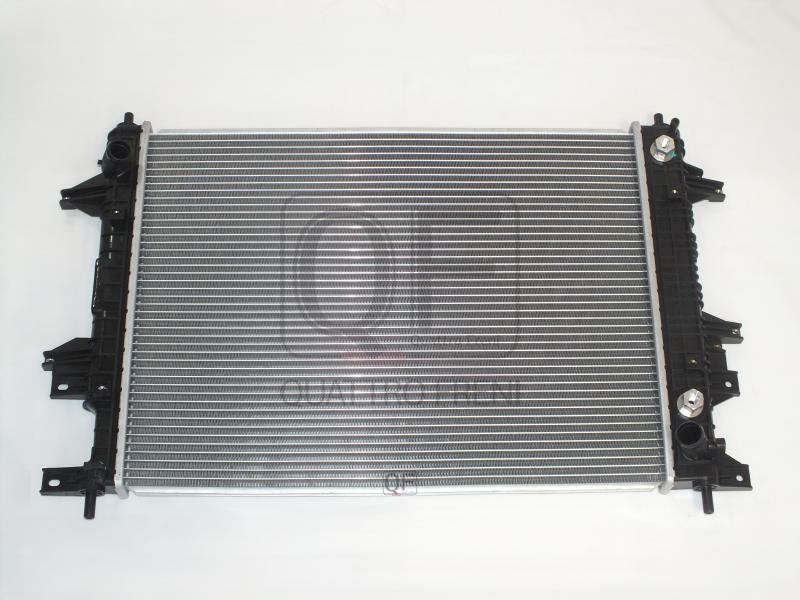
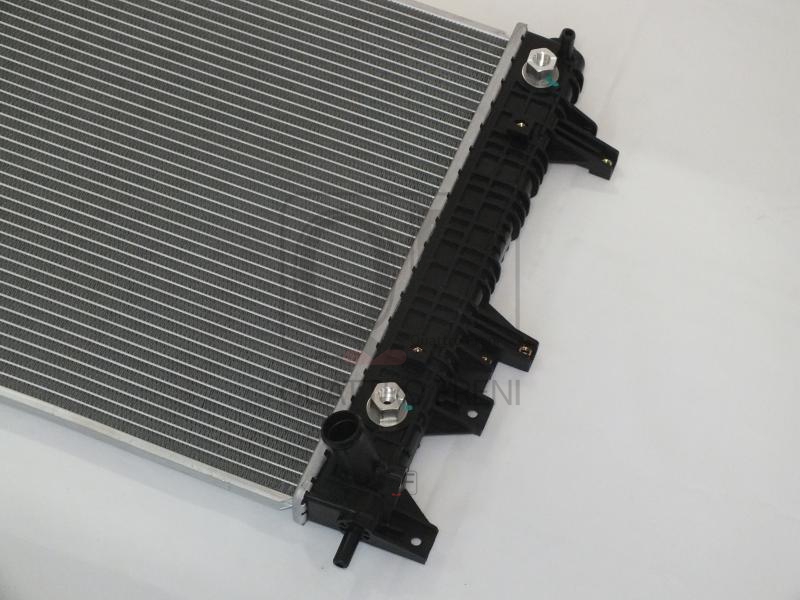
The RADIATOR ASSY is the primary heat exchanger in the engine cooling circuit that dissipates combustion heat from the coolant into the ambient airstream passing through the front of the vehicle, maintaining engine operating temperature within the narrow band — typically 85–105°C — required for efficient combustion, correct emissions, and adequate lubrication oil viscosity. Hot coolant from the engine exits the thermostat housing and enters the radiator upper tank, passes through a matrix of parallel aluminium tubes bonded to a dense array of thin aluminium fins that maximise the heat-transfer surface area exposed to the airstream, and exits the lower tank at reduced temperature to be returned to the engine water pump inlet. On vehicles with automatic transmissions the radiator typically incorporates an integrated transmission oil cooler in one of the end tanks, using coolant flow to warm the transmission fluid rapidly from cold and to cap its maximum operating temperature during sustained towing or low-speed heavy-load operation.
This unit — CHERY 302001044AA1 — is manufactured to OEM-equivalent specifications: core dimensions (height, width, and tube depth), tube pitch and fin density, tank material and connection port sizes, transmission cooler line fitting sizes where applicable, and mounting bracket and fan shroud clip positions are matched to the original part. Supplied as a direct replacement for standard fitment. Available wholesale from 23.82 USD, MOQ 200 pcs, production lead time 44 days.
Radiators fail through external fin fouling reducing airflow, internal tube blockage from coolant scale and silicate dropout in systems with overdue coolant, electrochemical corrosion of the aluminium core accelerated by coolant pH drift, and physical damage to the plastic end tanks from impact or pressure cycling fatigue at the tank-to-core crimp joint. A radiator with a partially blocked core operates within normal temperature range at steady cruise but overheats under sustained high load — towing, mountain driving, or slow traffic in summer — because the reduced flow capacity is only exceeded when heat rejection demand is highest. Coolant renewal at the OEM-specified interval is the single most effective measure for maximising radiator service life.
- Allow the engine to cool completely before opening the cooling system — a pressurised cooling system at operating temperature contains coolant at 110–120°C superheated above its atmospheric boiling point; opening the expansion tank cap or any hose connection while the system is hot will release a jet of scalding coolant and steam causing serious burns. Always wait a minimum of 60 minutes after engine shutdown before opening the system.
- Drain the coolant completely into a sealed container by opening the radiator drain plug or disconnecting the lower hose, and capture all coolant for correct disposal — coolant is toxic to animals and must not be discharged to the ground or drain. On vehicles with automatic transmission, identify and cap the transmission cooler lines before removing the radiator to prevent transmission fluid siphoning from the transmission pan.
- Remove the fan shroud, intercooler, and air conditioning condenser if mounted against the radiator face before attempting to withdraw the radiator from the vehicle — on most modern vehicles the entire cooling pack must be partially disassembled as a unit to extract the radiator without bending the fin matrix against adjacent components. Support the condenser on a hanging strap rather than allowing it to hang on its refrigerant lines.
- Transfer all rubber isolator grommets and mounting brackets from the old radiator to the new unit before installation — these grommets are critical for isolating the rigid radiator core from chassis vibration that would otherwise fatigue the tank-to-core joints. Missing or hardened grommets are a common cause of premature tank cracking on replacement radiators.
- Fit new hose clamps and inspect all coolant hoses before reconnecting — a radiator replacement is the correct time to replace any coolant hose showing surface cracking, mushiness, or age-hardening, as the cooling system will be drained and the hoses are fully accessible. Reusing a marginal hose on a new radiator risks a hose failure shortly after the repair.
- Install the new RADIATOR ASSY (CHERY 302001044AA1), refill with the correct coolant specification and concentration for the operating climate, bleed all air from the system with the heater set to maximum and the expansion tank cap removed until the thermostat opens and coolant circulates without air bubbles, pressure-test to 1.2 bar, and verify the temperature gauge stabilises at the normal operating position after a full warm-up cycle before returning the vehicle to service.