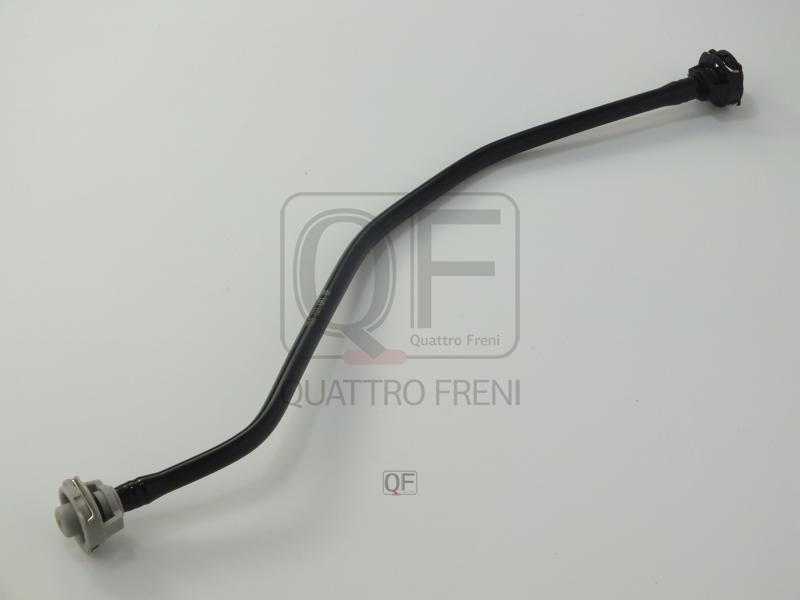
VAG 8K0121081BF TUBE
Product Specifications
| VAG | 8K0121081BF |
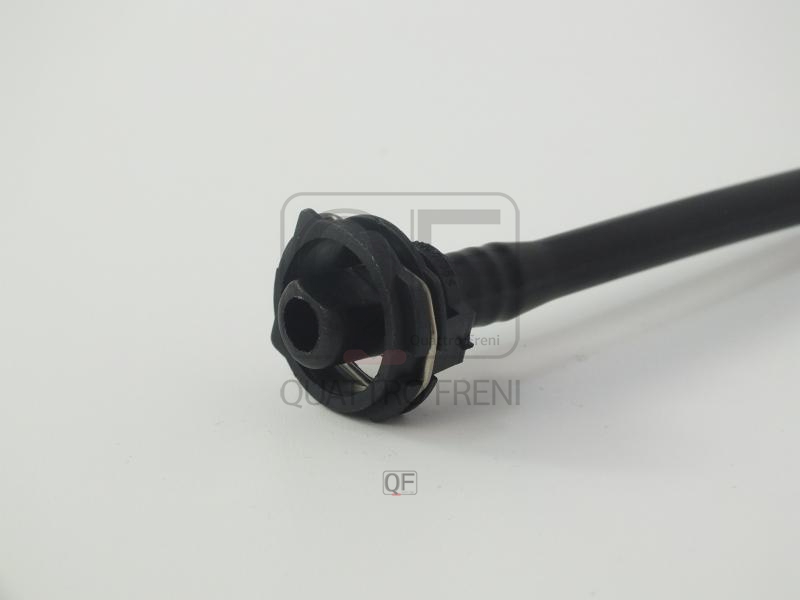
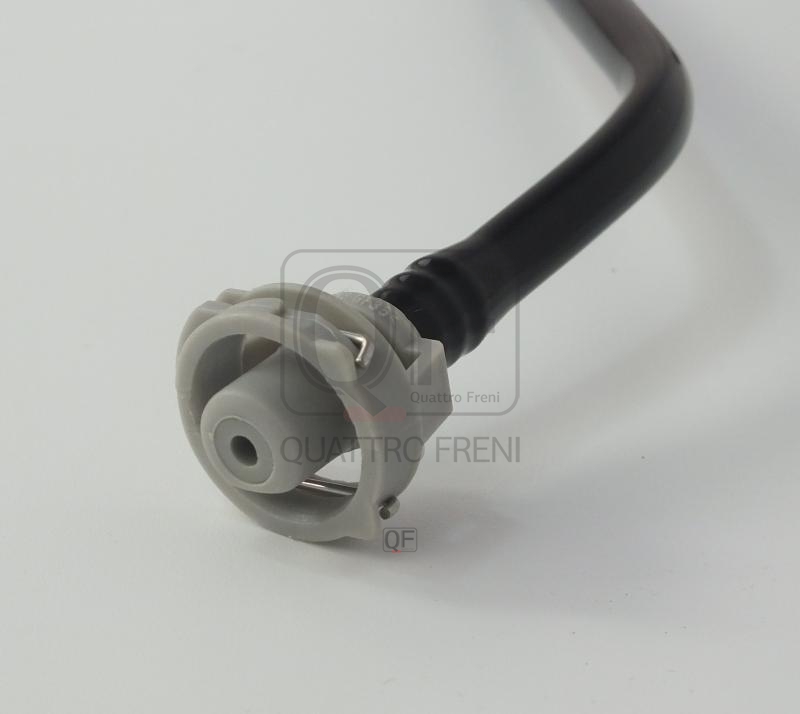
The TUBE is a precision-formed aluminium rigid line that carries fluid or refrigerant under pressure between fixed components in a vehicle system where a flexible hose is not specified by the OEM — most commonly in the air conditioning refrigerant circuit, power steering hydraulic circuit, automatic transmission oil cooling circuit, fuel delivery system, or turbocharger oil feed and return circuit. Aluminium is the preferred material for these applications because of its low weight, excellent corrosion resistance relative to steel in wet underbody environments, and its ability to be drawn into thin-wall tubes with consistent bore dimensions that maintain precise flow characteristics. Tube wall thickness ranges from 1.0–2.0 mm depending on the system operating pressure: air conditioning high-pressure liquid and discharge lines are formed from 6061 or 3003 alloy tube rated to 40–50 bar burst pressure, while power steering high-pressure lines use heavier-wall tube to withstand pump output pressures of 100–180 bar. End connections are formed as flare fittings, O-ring face-seal (ORFS) unions, banjo bolt ports, or application-specific block fittings with an integrated O-ring groove seated against a machined face on the mating component.
This unit — VAG 8K0121081BF — is manufactured to OEM-equivalent specifications: alloy grade and wall thickness, tube outer diameter, overall formed length and three-dimensional bend geometry, end fitting type and O-ring groove dimensions, bracket and clamp mounting positions, and surface treatment are matched to the original part. Supplied as a direct replacement for standard fitment. Available wholesale from 1.42 USD, MOQ 50 pcs, production lead time 32 days.
Aluminium tubes fail almost exclusively through external corrosion perforation — a galvanic corrosion process accelerated where the aluminium tube contacts a dissimilar metal bracket or clamp without an isolating grommet, and where road salt solution is trapped at the contact point under the clamp body. The resulting crevice corrosion penetrates the tube wall at a rate that increases with salt exposure frequency, producing a pinhole leak that is invisible at rest but opens under system operating pressure. Physical damage from road debris impact, overtightened clamps deforming the tube wall, and incorrect reassembly after engine work that kinks the tube at a bracket point are secondary failure causes. Inspect all aluminium tubes for external corrosion at every underbody inspection — a tube showing white powdery oxidation deposits at clamp contacts is in the early stages of perforation and should be replaced proactively.
- Depressurise and recover the system fluid before disconnecting any aluminium tube — AC refrigerant must be recovered by a licensed technician using a refrigerant recovery machine before any refrigerant line is opened; power steering and transmission lines must be depressurised by turning the steering to full lock or engaging Park and allowing pressure to dissipate; never open a pressurised aluminium line as escaping refrigerant or hot hydraulic fluid causes serious injury.
- Cap all open tube ends and component ports immediately after disconnection using dedicated blanking caps or clean cloth wrapped tightly over each opening — AC system components must not be exposed to atmospheric moisture for more than a few minutes as hygroscopic refrigerant oil absorbs water vapour that degrades the system's desiccant capacity and corrodes aluminium compressor components; power steering and transmission ports must be capped to prevent contamination of the hydraulic fluid.
- Replace all O-ring seals at every face-seal and block fitting with new O-rings of the correct material for the system — AC systems use HNBR or neoprene O-rings compatible with PAG or POE oil; power steering systems use NBR or EPDM O-rings depending on the fluid specification; transmission cooler lines use ATF-compatible seals. Lightly coat new O-rings with the system's own fluid before assembly — never use petroleum jelly or silicone grease on O-rings intended for contact with refrigerant or ATF.
- Route the new tube exactly along the OEM path, seating all bracket isolator grommets before tightening any clamp — aluminium tube must never contact a steel or cast iron bracket, body panel, or exhaust component directly; the isolating rubber grommet at each bracket point prevents the galvanic contact that causes the crevice corrosion responsible for the majority of aluminium tube failures. Replace any grommet that is missing, cracked, or hardened.
- Torque all block fittings and banjo bolts to OEM specification using a torque wrench — aluminium face-seal fittings are easily damaged by overtightening; the correct torque value compresses the O-ring sufficiently for a leak-free seal without extruding it from its groove or deforming the aluminium fitting face. Undertightening leaves the O-ring unseated and produces an immediate leak on system pressurisation.
- Install the new TUBE (VAG 8K0121081BF), refill or recharge the system with the correct fluid or refrigerant specification and quantity, pressurise and perform a static leak test before running the system under load, confirm correct system operation — cooling output on AC, steering feel on power steering, gear engagement on transmission cooling — and check all disturbed connections for seepage after the first operating cycle before returning the vehicle to service.