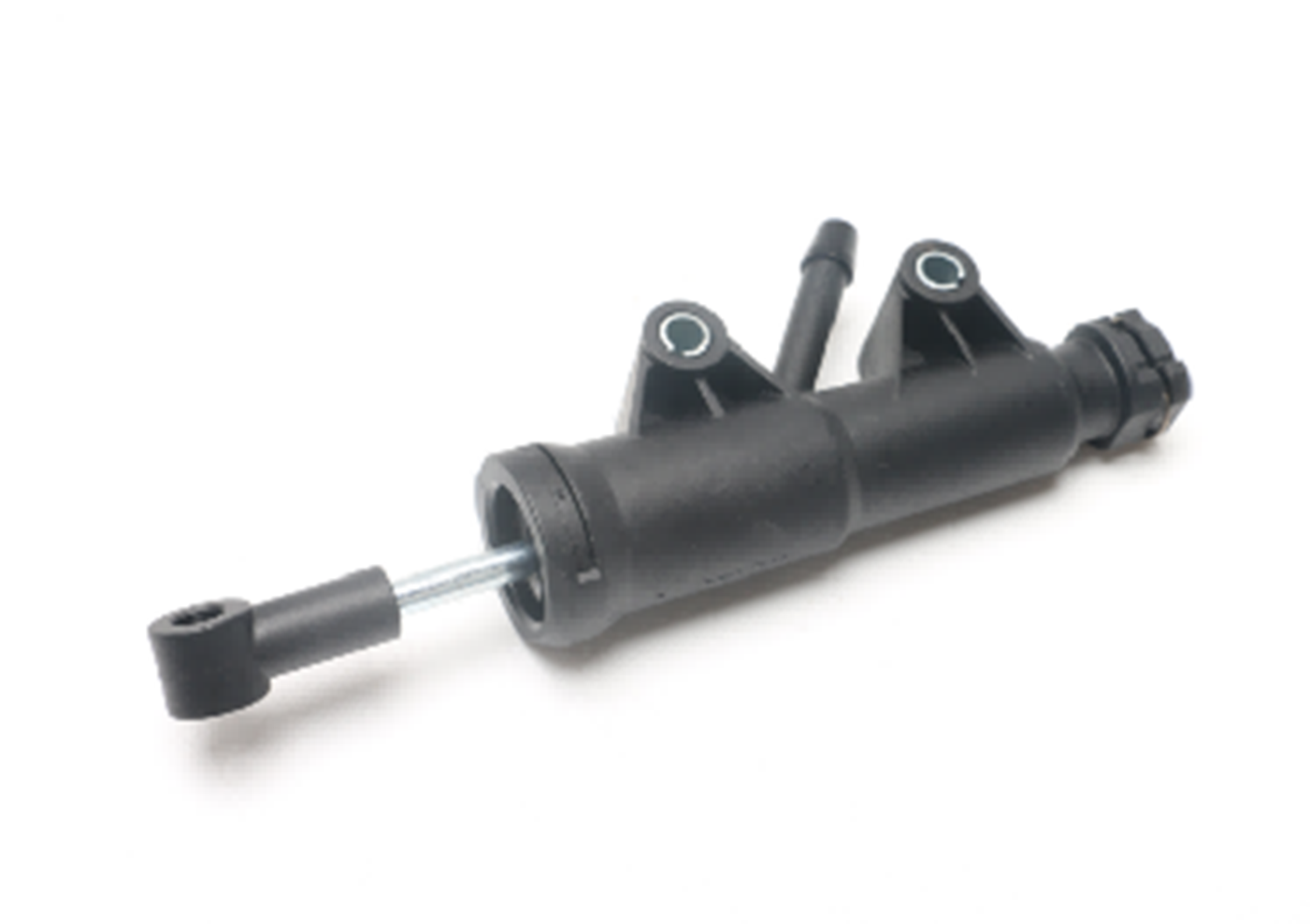
MERCEDES-BENZ A9062900212 CYLINDER ASSY CLUTCH
Product Specifications
| MERCEDES-BENZ | A9062900212 |
| MERCEDES-BENZ | A6392900012 |
| MERCEDES-BENZ | 9062900212 |
| MERCEDES-BENZ | 2E0721401C |
The CYLINDER ASSY CLUTCH is the clutch master cylinder — the hydraulic pressure-generating component of the hydraulic clutch actuation system that converts the mechanical force applied at the clutch pedal into hydraulic pressure that is transmitted through the clutch fluid line to the clutch slave cylinder or concentric slave cylinder (CSC) at the bellhousing, which in turn actuates the release bearing and diaphragm spring to disengage the clutch. The master cylinder assembly consists of a bore-machined aluminium or cast iron body, a primary cup seal and secondary cup seal on the spring-loaded piston that trap and displace the clutch fluid column when the pedal is pressed, a return spring that retracts the piston when the pedal is released, a reservoir either integral to or remote from the cylinder body that supplies replenishment fluid through a compensating port as the clutch disc wears and the slave cylinder piston travels further forward, and a push-rod that connects the piston to the clutch pedal clevis or pivot. When the clutch pedal is depressed, the piston advances past the compensating port, sealing the hydraulic circuit and generating pressure that is transmitted at equal intensity through the fluid line to the slave cylinder regardless of the pipe routing geometry — the fundamental hydraulic advantage that allows the clutch actuation force to be precisely calibrated by the master and slave cylinder bore diameter ratio independently of the cable routing and mechanical linkage constraints.
This unit — MERCEDES-BENZ A9062900212 — is manufactured to OEM-equivalent specifications: cylinder bore diameter, piston cup seal material and dimensions, reservoir port and compensating port geometry, push-rod clevis attachment or pivot geometry, fluid outlet port thread size and position, overall cylinder body length, and mounting flange bolt pattern for firewall attachment are matched to the original part. Supplied as a complete assembly with reservoir and seals where applicable. Available wholesale from 7.6 USD, MOQ 20 pcs, production lead time 20-50 days.
Clutch master cylinders fail through primary cup seal wear and swelling from fluid degradation — the seal material loses its ability to maintain hydraulic pressure against the compensating port as the piston returns, causing the clutch to creep back toward engagement during sustained pedal depression (pedal sinking); through bore corrosion from water-contaminated fluid that pits the bore wall and prevents the cup seal from sweeping cleanly; and through bypass failure where worn cup lips allow fluid to bypass the piston under pressure, producing a pedal that sinks to the floor. Unlike brake system failures which are immediately safety-critical, a failing clutch master cylinder progresses gradually — the driver typically notices the pedal sinking further over several weeks before the clutch can no longer be fully disengaged.
- Flush the complete clutch hydraulic circuit with fresh fluid before fitting the new master cylinder — degraded fluid that has absorbed moisture and accumulated rubber particles from the old failed seals will immediately attack the new master cylinder's cup seal material if it is not removed; connect a drain pipe to the slave cylinder bleed nipple, fill the reservoir with fresh fluid, and pump the old fluid through until clean fluid emerges before installing the new master cylinder.
- Inspect the fluid line between the master and slave cylinder for corrosion, damage, and blocked fittings before connecting to the new master cylinder — a corroded line with restricted internal diameter reduces the hydraulic flow rate available at the slave cylinder, producing a hard, unresponsive pedal even with a correctly functioning new master cylinder; a line fitting that is cross-threaded will produce an immediate fluid leak at the master cylinder outlet.
- Lubricate the new master cylinder push-rod clevis pin and all pedal pivot points with silicone grease — the pedal mechanism must move freely through its full travel without stiction or binding that would add to the perceived pedal effort; dry pivot pins produce a notchy pedal feel that is incorrectly attributed to the new master cylinder's piston spring rate; use silicone grease only — petroleum-based lubricants on rubber pedal bushes cause them to swell and bind.
- Adjust the push-rod length to achieve the correct pedal free play after installation — the pedal must have 2–5 mm of free travel before the push-rod contacts the master cylinder piston; insufficient free play prevents the compensating port from opening when the pedal is released, trapping pressure in the slave cylinder and causing the clutch to partially disengage at rest, dragging the input shaft; excessive free play reduces effective piston travel and increases the pedal distance required to fully disengage the clutch.
- Bleed the hydraulic circuit thoroughly after installation using either the two-person pedal pumping method or a pressure bleeder; the circuit must be completely free of air bubbles before the clutch is tested; confirm pedal feel is firm throughout the full travel with no sponginess; perform the pedal hold test — hold the pedal depressed for 30 seconds and confirm it does not sink — to verify the new master cylinder seals are holding pressure correctly before the vehicle is driven.
- Install the new CYLINDER ASSY CLUTCH (MERCEDES-BENZ A9062900212), bleed the complete hydraulic circuit, adjust pedal free play to specification, confirm firm pedal feel with no sinking under sustained depression, and road test through a full range of gear changes confirming smooth, complete clutch disengagement at every change before returning the vehicle to service.
| Part | Reason for Combined Replacement |
|---|---|
| Clutch Slave Cylinder External or concentric (CSC) — OEM ref. varies | The slave cylinder cup seals share the same fluid chemistry exposure and service life as the master cylinder — if the master has failed from seal degradation, the slave is at the same wear stage. Replacing both simultaneously eliminates a repeat hydraulic circuit bleed and slave cylinder replacement within a short interval, and ensures the complete hydraulic actuation system is renewed with matched new components operating on fresh fluid. |
| Clutch Fluid DOT 4 or OEM-specified hydraulic fluid | Clutch fluid absorbs moisture from the atmosphere through the reservoir vent and the hydraulic lines, progressively lowering its wet boiling point and accelerating rubber seal degradation. A master cylinder that has failed from seal swelling has been operating in degraded fluid that contributed to the seal's accelerated deterioration. Replacing the fluid simultaneously with the master cylinder eliminates the degraded fluid as a recurring attack on the new cylinder's seals. |
| Clutch Pedal Push-Rod and Clevis Pin OEM ref. varies — where separately replaceable | The push-rod and clevis pin at the pedal-to-master-cylinder connection accumulate wear at the clevis hole and pin diameter from the high cycle count of clutch pedal use. A worn clevis pin allows free play between the pedal and the master cylinder piston that reduces the effective piston travel, requiring the pedal to be pressed further before the clutch begins to disengage. Inspect the clevis pin diameter and clevis hole for wear when the master cylinder is removed and replace if any freeplay is detectable. |