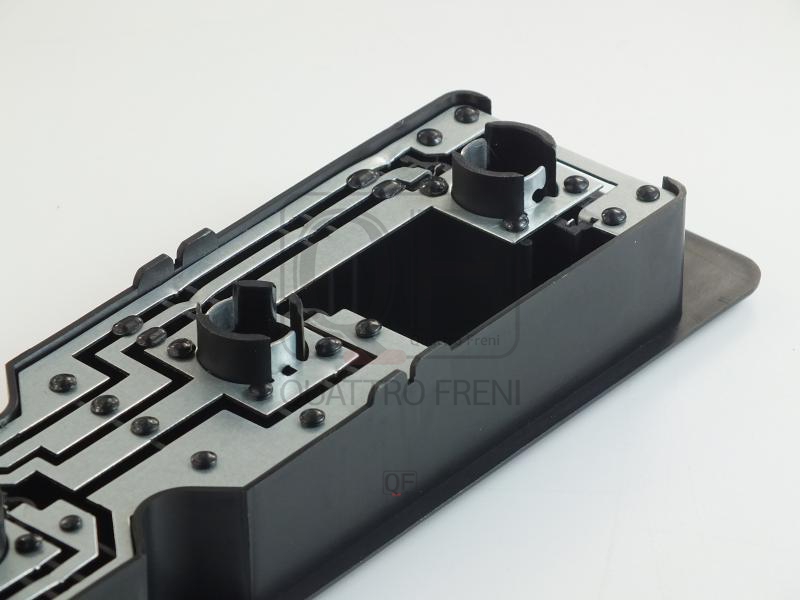
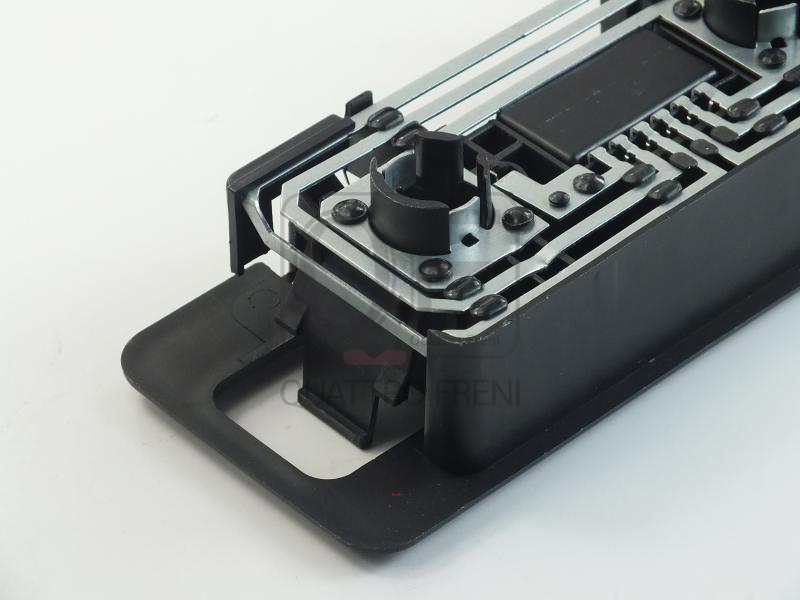
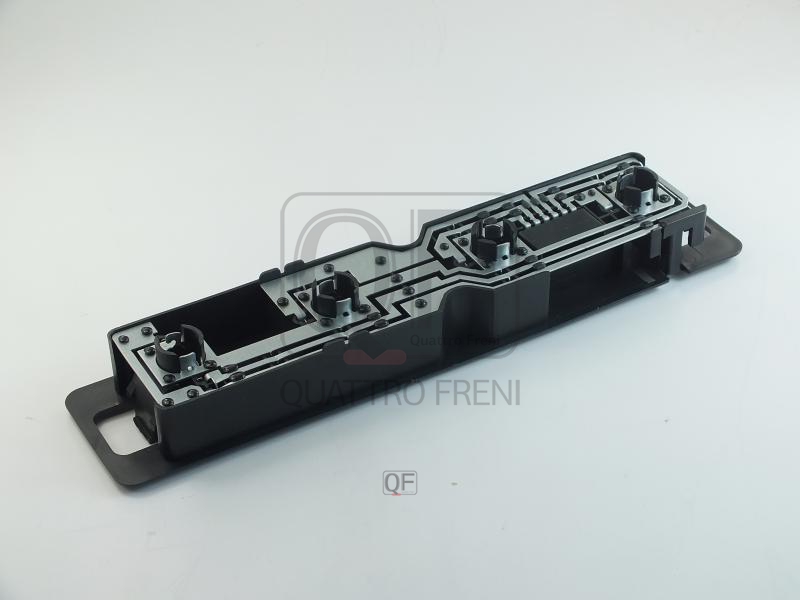
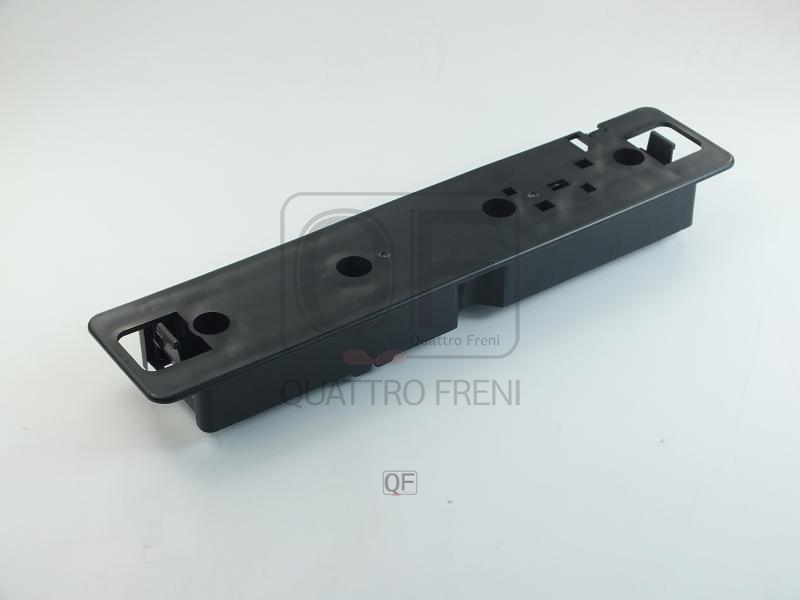
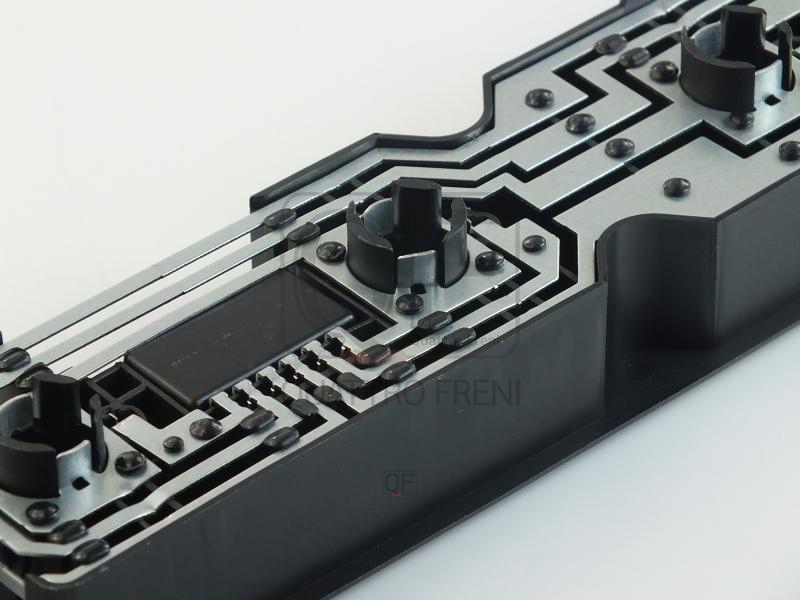
MERCEDES-BENZ A0008200877 LENS BODY
Product Specifications

Product quality
OEM Equivalent Grade
starstarstar
Wholesale price USD $4.77
Wholesale price CNY ¥32.4
bolt MOQ (Minimal order)
100 pcs
local_shipping Production time
25-55 days
package_2 Shipping Weight:
MERCEDES-BENZ A0008200877
MERCEDES-BENZ 0008200877
Overview & Operating Principle

The LENS BODY is the complete rear lamp assembly — comprising a polycarbonate or PMMA outer lens bonded or clipped to a formed housing that contains the lamp chamber, internal reflector surfaces, bulb holders or LED circuit boards, and wiring connector — that is mounted to the rear body panel or bootlid to fulfil the mandatory rear lighting functions required by ECE R7 and equivalent national regulations: tail lamp, brake lamp, direction indicator, reversing lamp, and rear fog lamp, either integrated within a single housing or distributed across adjacent lamp units depending on the vehicle's design. The lens face is injection-moulded with optically precise prism and diffuser patterns in distinct coloured zones — red for tail and brake functions, amber for the indicator, clear for reversing, and red or amber for the fog lamp depending on the market — that distribute and shape the light output from the source behind each zone to meet the minimum luminous intensity and angular coverage requirements specified in the ECE approval. On LED rear lamp assemblies a dedicated LED driver circuit board regulates current to each LED array, provides diagnostic feedback to the BCM for open-circuit detection, and incorporates thermal protection to prevent LED junction temperature from exceeding the rated maximum.

This unit — MERCEDES-BENZ A0008200877 — is manufactured to OEM-equivalent specifications: outer lens geometry and colour zone layout, housing mounting point positions and seal profile, bulb holder type and index positions or LED circuit board layout, wiring connector pinout and locking mechanism, and overall assembly dimensions for gap and flush fit to adjacent body panels are matched to the original part. Supplied as a direct bolt-in replacement for standard fitment. Available wholesale from 4.77 USD, MOQ 100 pcs, production lead time 25-55 days.

Rear lamp assemblies are damaged primarily through rear-end impacts that crack or shatter the polycarbonate lens and distort the housing, UV-induced lens yellowing and hazing on older assemblies that reduces light transmission below the ECE minimum intensity threshold, moisture ingress through degraded body seals causing internal condensation that corrodes bulb holders and LED boards, and stone chip damage to the outer lens surface. A cracked or missing rear lamp lens is an immediate roadworthiness failure item in all jurisdictions — a cracked lens that exposes internal lamp components to moisture will cause rapid electrical failure of all functions within the unit.

Symptoms & Diagnostics
Visible crack, fracture, or missing section of the outer lens — impact damage that exposes the internal reflector and bulb holders to water ingress; a cracked lens is a legal roadworthiness defect in all jurisdictions and must be replaced before the vehicle is used on public roads regardless of whether the lamp functions are currently operational.
Condensation or water pooling visible inside the lamp housing through the lens — the body seal between the housing and the vehicle panel has failed or the lens-to-housing bond has cracked, allowing water to enter the sealed lamp chamber; condensation that cannot drain will corrode bulb holders, oxidise LED boards, and cause intermittent or permanent lamp failure.
One or more lamp functions inoperative on a complete LED rear lamp assembly — an LED array or driver circuit board within the housing has failed; on LED assemblies where the driver board provides open-circuit diagnostic feedback, the BCM will log a specific lamp failure fault code identifying the affected function; LED rear lamp assemblies are not field-serviceable and the complete unit must be replaced.
Indicator hyperflash — direction indicator flashing at double the normal rate — on vehicles with LED rear indicators, the BCM detects the reduced current draw of a failed LED array as an open circuit and doubles the flash rate as a driver warning; confirm which rear indicator has failed before replacing the assembly.
Lens surface heavily yellowed, crazed, or opaque from UV degradation — the outer polycarbonate layer has lost its UV protective coating, reducing light transmission below ECE minimum intensity requirements; a yellowed lens that passes reduced illumination fails the photometric standard even when the lamp source is fully functional.
Lamp assembly misaligned relative to adjacent body panels after a minor rear impact — the housing mounting tabs or studs have fractured, allowing the assembly to shift on its remaining fixings; a misaligned rear lamp with uneven gaps to the bootlid or rear wing affects both vehicle appearance and the integrity of the body seal around the housing perimeter.
Logistics & Customs
International HS Code
8512.20
EAEU Customs Code (TN VED)
8512 20 900 0
Typical Net Weight
Country of Manufacture
China
Standard MOQ
100 pcs
Production Lead Time
25-55 days
Always verify the exact 8-digit or 10-digit subheading with your customs broker for the destination country, as tariff schedules and duty rates vary by jurisdiction.
Installation Tips
  1. Disconnect the negative battery terminal before removing any rear lamp assembly — rear lamp wiring harnesses carry live circuits for tail lamps and brake lamps that are powered with the ignition off; disconnecting the battery prevents accidental short circuits during connector removal and protects the BCM from voltage spikes caused by connector arcing on LED driver circuits.
  2. Access the mounting fasteners from inside the boot or load area by removing the trim panel covering the rear of the lamp housing — most rear lamp assemblies are retained by two or three nuts on threaded studs moulded into the housing rear face, accessible only after the boot side trim panel or lining is pulled back; do not attempt to lever the assembly from the outside as this cracks the lens at the mounting boss locations.
  3. Disconnect the wiring connector before withdrawing the assembly from the body aperture — pull the assembly outward only far enough to access the connector lock, press the release tab fully before pulling the connector straight back; forcing a connector sideways while still partially engaged bends the terminal pins and causes intermittent contact faults on the new assembly.
  4. Inspect the body aperture seal face and the grommet around the wiring harness entry point before fitting the new assembly — a corroded or damaged body aperture seal face will not retain the new housing seal, allowing water ingress into the new lamp immediately; clean the seal face with a cloth, apply a thin bead of butyl tape if the OEM seal is degraded, and confirm the harness entry grommet seals correctly around the new assembly's harness exit point.
  5. Compare the new assembly to the removed unit before installation — confirm the lens colour zone layout matches the original for the vehicle's market specification; rear lamp zone layouts differ between left-hand-drive and right-hand-drive markets, and between European, North American, and Asian specifications; fitting an incorrect market variant may place the fog lamp or reversing lamp in a position that does not comply with local regulations.
  6. Install the new LENS BODY (MERCEDES-BENZ A0008200877), seat the housing seal against the body panel, hand-tighten all mounting nuts before final torquing to avoid cocking the housing on its studs and cracking the mounting bosses, reconnect the battery, and functionally test all lamp circuits — tail, brake, indicator, reversing, and fog — before fitting the boot trim panel; on LED assemblies use a scan tool to clear any stored lamp fault codes and confirm the BCM registers all functions as operational.
Tools: trim panel removal set, socket set for mounting nuts, OBD-II scanner with BCM lamp diagnostic access, butyl tape for seal face repair if required, electrical contact cleaner for connector pins.
Frequently Asked Questions
Should both rear lamp assemblies be replaced simultaneously when only one is damaged?
Replacing only the damaged lamp is correct practice when the opposite lamp is in good condition — rear lamp assemblies are independent units and there is no functional or safety reason to replace a serviceable unit. However, on vehicles above 8–10 years of age where UV lens hazing is advanced on both sides, replacing both assemblies simultaneously ensures matching lens clarity and light output on both sides, which is relevant for the photometric balance of the brake lamp and indicator signals as seen by following drivers. ok.parts supplies rear lamp assemblies individually and in left-right pairs at wholesale MOQ from 4.77 USD per unit.
Is BCM coding or adaptation required after fitting a replacement LED rear lamp assembly?
On most vehicles a replacement LED rear lamp assembly is recognised automatically by the BCM after fault codes are cleared — the BCM detects the correct current signature from the LED driver circuit and removes the stored lamp fault. However, on vehicles with advanced lighting management systems — particularly premium European brands including BMW, Mercedes-Benz, Audi, and Volvo — the BCM may require a lamp adaptation or variant coding procedure via a manufacturer-specific scan tool to register the new assembly's electronic signature and enable all diagnostic monitoring functions. Always clear fault codes and perform a full functional test across all lamp circuits after installation before confirming the repair is complete.
How does the OEM-equivalent aftermarket unit compare to the genuine OEM part?
OEM-equivalent units in this catalogue replicate the current OEM design geometry and material specification. Quality is verified against OEM cross-reference data. When ordering in bulk, confirm with our team that the specification matches the latest OEM revision for your application.
Is white-label or custom packaging available for wholesale orders?
Yes. ok.parts works directly with the manufacturing facility and can accommodate neutral white-label packaging or fully branded packaging with your company logo, part numbers, and barcode. Minimum order quantities and lead times for custom packaging may differ from standard stock. Contact the team via the inquiry form to discuss your specific requirements.
Frequently Replaced Together