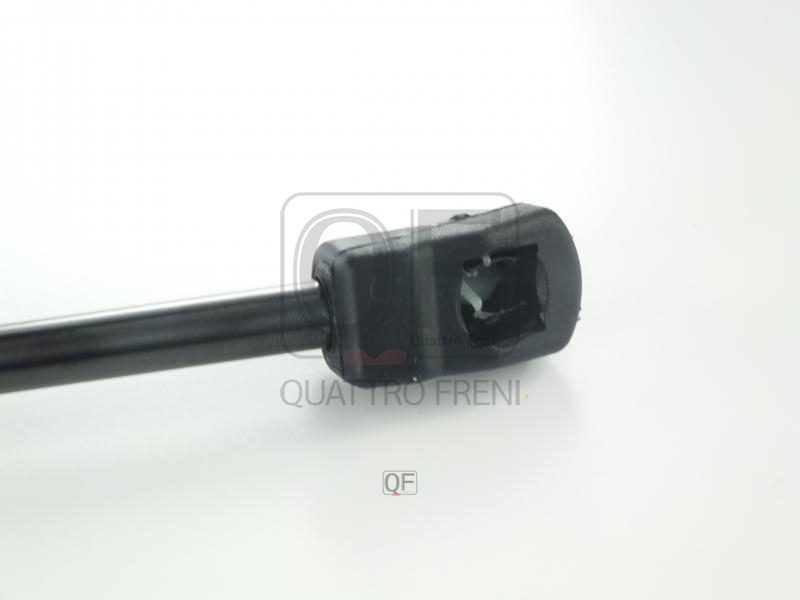
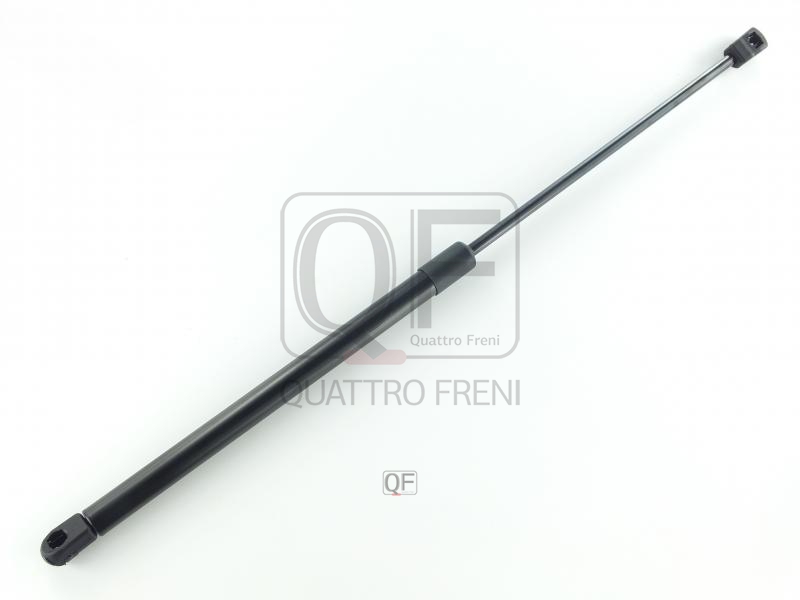
CHERY 554000485AA SUPPORT ASSY
Product Specifications

Product quality
OEM Equivalent Grade
starstarstar
10 sold
Wholesale price USD $2.3
Wholesale price CNY ¥15.6
bolt MOQ (Minimal order)
10 pcs
local_shipping Production time
21 days
package_2 Shipping Weight: 0.3 kg
CHERY 554000485AA
Overview & Operating Principle

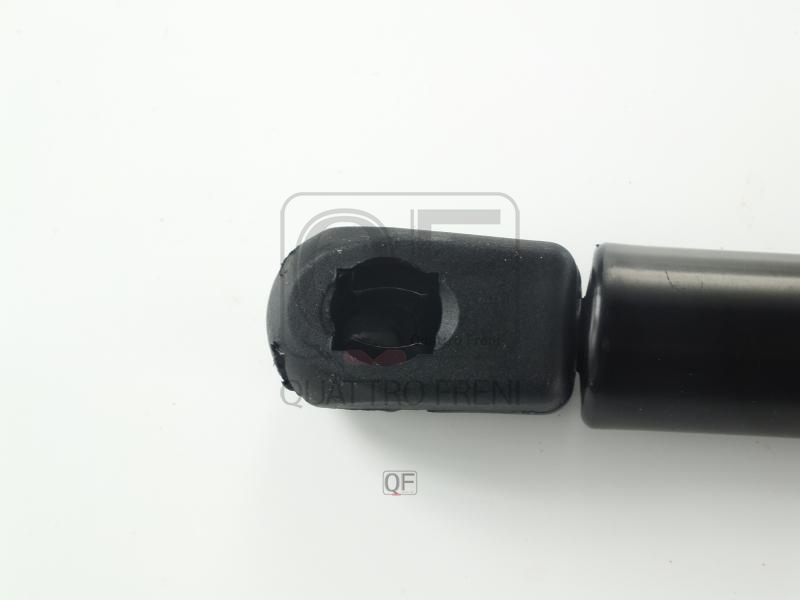
The SUPPORT ASSY is a compressed nitrogen gas strut that supports and controls the opening movement of the bonnet, tailgate, boot lid, or rear hatch, holding the panel in the fully open position without mechanical latching and providing controlled assisted opening from the closed position. The strut consists of a sealed steel cylinder charged with nitrogen gas at high pressure, a piston rod with a calibrated orifice valve that regulates gas flow between the compression and extension chambers, and ball-socket end fittings that attach to mounting pins on the body structure and the panel. Extension force is determined by the nitrogen charge pressure and piston area — this force is matched to the weight and geometry of the specific panel to ensure it opens fully and stays open under its own weight across the vehicle's specified operating temperature range.

This unit — CHERY 554000485AA — is manufactured to OEM-equivalent specifications: extended and compressed length, piston rod diameter, extension force (measured in Newtons at a defined temperature), end fitting ball diameter and socket geometry, and body tube diameter are matched to the original part. Supplied as a direct replacement for standard fitment. Available wholesale from 2.3 USD, MOQ 10 pcs, production lead time 21 days.

Gas struts lose nitrogen charge gradually through microscopic seal permeation — this process accelerates in extreme heat and cold, and with age-related seal hardening. A strut that holds the panel open in summer but allows it to drop in winter has lost sufficient charge that replacement is overdue. Always replace gas struts in pairs on the same panel — a new strut paired with a weak old unit on the opposite side will be overloaded, shortening its service life and causing the panel to open asymmetrically.

Symptoms & Diagnostics
Panel does not stay open and drops slowly or suddenly when released — the strut has lost nitrogen charge and can no longer generate sufficient extension force to support the panel weight; the panel must be propped open manually to avoid injury while working in the engine bay or boot.
Panel opens sluggishly or requires significant manual effort to raise — the strut piston valve has stiffened with age or contamination, restricting gas flow between chambers and increasing resistance to extension; the strut is nearing end of life.
Panel does not open fully to its stop position — insufficient extension force means the strut runs out of travel before the panel reaches its design open angle; the panel may appear to open correctly in warm weather but fail to reach full extension in cold conditions as nitrogen pressure drops with temperature.
Visible oil film on the piston rod — the piston rod seal has failed, allowing the damping fluid to escape; a wet rod indicates the strut will lose charge rapidly and requires immediate replacement.
Knocking or rattling from the strut mounting area when the panel is opened or closed — the ball-socket end fitting has worn, allowing the strut to rattle on its mounting pin; a worn socket will eventually disengage from the pin under load.
Panel opens and closes unevenly or twists on its hinges — one strut has failed while the other remains functional, creating asymmetric opening force; the functional strut is now overloaded and will fail prematurely if the worn unit is not replaced simultaneously.
Logistics & Customs
International HS Code
8302.30
EAEU Customs Code (TN VED)
8302 30 000 0
Typical Net Weight
0.3 kg
Country of Manufacture
China
Standard MOQ
10 pcs
Production Lead Time
21 days
Always verify the exact 8-digit or 10-digit subheading with your customs broker for the destination country, as tariff schedules and duty rates vary by jurisdiction.
Installation Tips
  1. Support the panel securely with a prop rod or assistant before disconnecting either end of the strut — a bonnet or tailgate weighing 15–25 kg will drop immediately when the strut is disconnected and can cause serious injury or panel damage. Never work under an unsupported panel.
  2. Disconnect the strut at the body end first, then at the panel end. Most OEM struts use a clip-release ball socket — insert a flat-blade screwdriver behind the retaining clip on the socket housing and lever it away from the ball pin while pulling the socket off the pin. Do not use excessive force; the clip releases with minimal effort when correctly disengaged.
  3. Note the orientation of the strut before removal — gas struts are directional. The piston rod must face downward or at the angle specified by the OEM to ensure the internal damping fluid covers the piston valve correctly. Installing a strut inverted will cause premature seal failure and incorrect damping behaviour.
  4. Compare the new strut to the old unit before installation — verify extended length, compressed length, body diameter, and end fitting ball diameter. An incorrect extended length will prevent the panel from reaching its design open angle or will force the panel beyond its hinge stop, stressing the hinge.
  5. Snap the new strut onto the mounting pins starting at the body end, then the panel end. Push the socket firmly onto each ball pin until the retaining clip clicks into its groove — an incompletely seated socket will disengage under load. Tug the strut body to confirm both ends are locked before releasing the panel support.
  6. Install the new SUPPORT ASSY (CHERY 554000485AA) on both sides of the panel simultaneously, remove the prop support, and test panel operation — the panel should open fully to its stop under its own weight with light assistance, and hold its open position without manual support across the full temperature range expected in the operating region.
Tools: flat-blade screwdriver for clip release, prop rod or assistant for panel support, clean cloth to protect paintwork around mounting pins.
Frequently Asked Questions
Should both gas struts on the same panel be replaced simultaneously?
Yes, always replace both struts on the same panel as a pair. Gas struts lose charge at the same rate on both sides — if one has failed, the other is at the same wear stage and will fail within a short period. A new strut paired with a weak unit carries a disproportionate share of the panel load, reducing its service life significantly. ok.parts supplies struts individually and in panel pairs at wholesale MOQ from 2.3 USD per unit.
Is any adjustment or calibration required after fitting new gas struts?
No adjustment or calibration is required. Gas struts are passive components with a fixed extension force determined by the nitrogen charge pressure set during manufacture. Once correctly installed on the OEM mounting pins, the panel will operate within its design parameters immediately. If the panel does not open fully or hold its position after fitting OEM-specification replacement struts, inspect the panel hinges for wear, binding, or misalignment — a stiff hinge increases the load on the struts beyond their design capacity.
How does the OEM-equivalent aftermarket unit compare to the genuine OEM part?
OEM-equivalent units in this catalogue replicate the current OEM design geometry and material specification. Quality is verified against OEM cross-reference data. When ordering in bulk, confirm with our team that the specification matches the latest OEM revision for your application.
Is white-label or custom packaging available for wholesale orders?
Yes. ok.parts works directly with the manufacturing facility and can accommodate neutral white-label packaging or fully branded packaging with your company logo, part numbers, and barcode. Minimum order quantities and lead times for custom packaging may differ from standard stock. Contact the team via the inquiry form to discuss your specific requirements.
Frequently Replaced Together