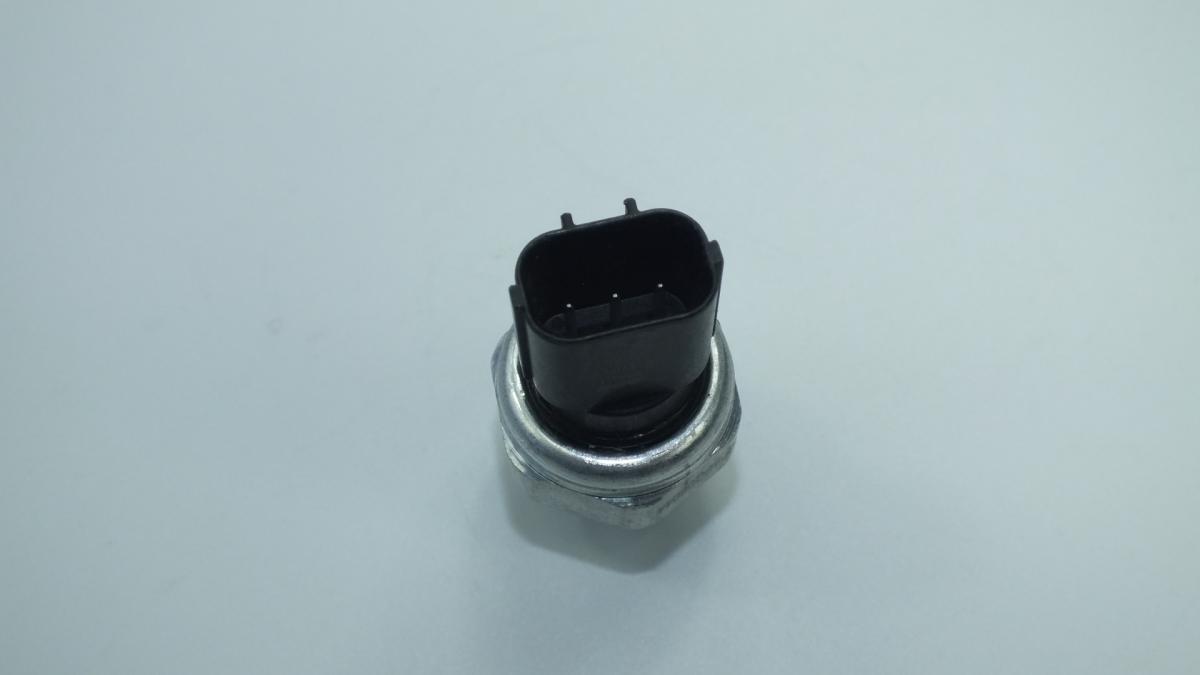
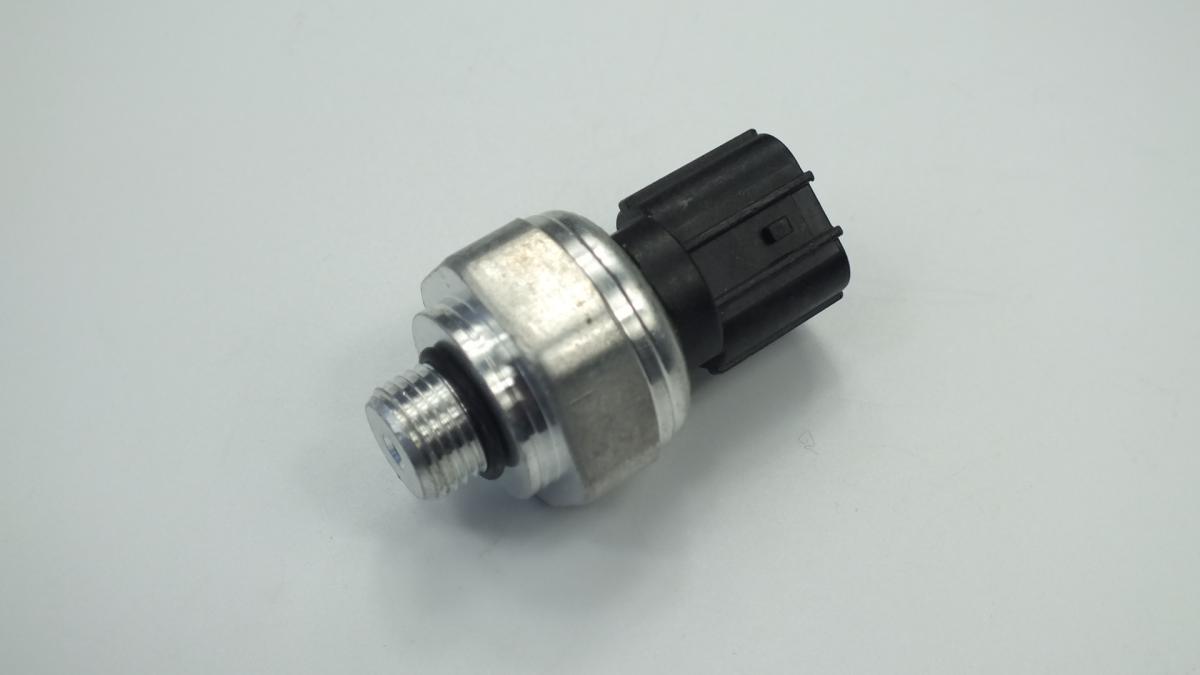
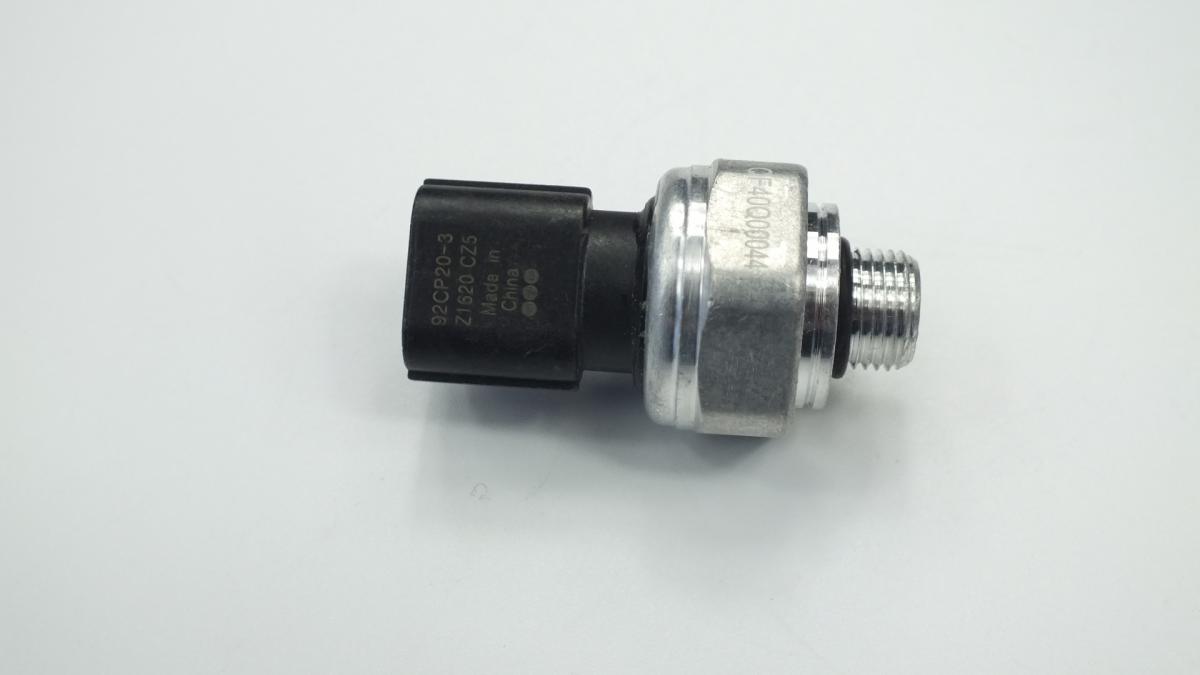
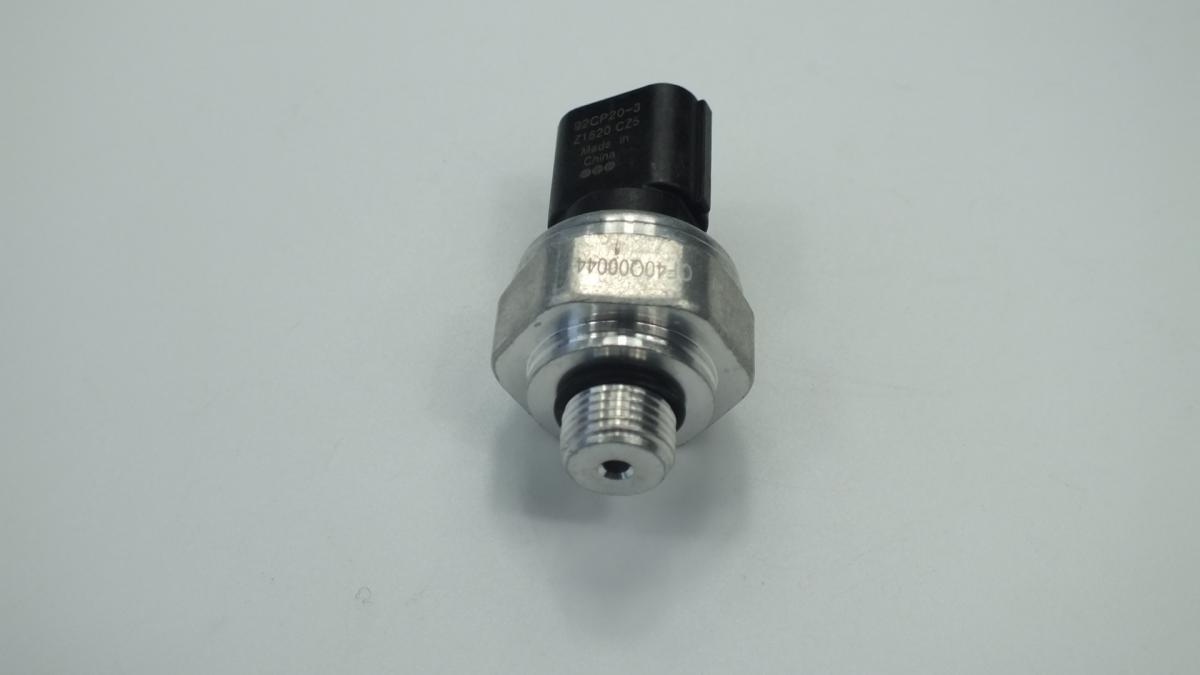
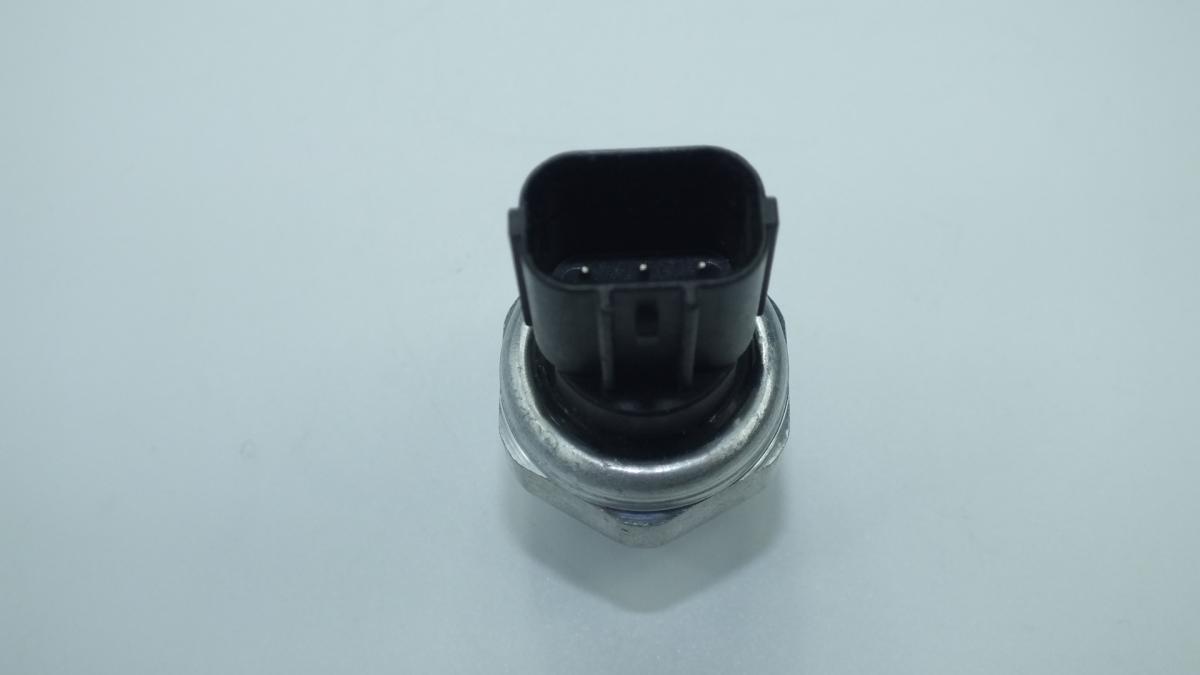
HONDA 80450SFE003 A/C REFRIGERANT PRESSURE SENSOR
Product Specifications
| HONDA | 80450SFE003 |
| HONDA | 80450S7S003 |
| HONDA | 80450SZW003 |
| HONDA | 80450T2FA01 |
| QUATTRO FRENI | QF40Q00044 |
The A/C refrigerant pressure sensor (also known as A/C pressure switch or HVAC pressure transducer) is a critical climate control component monitoring refrigerant pressure in automotive air conditioning systems protecting compressor from damage while optimizing cooling efficiency. This Honda sensor (OEM 80450SZW003, 80450SFE003, 80450T2FA01, 80450S7S003 for Honda vehicles and Acura luxury brand 2006-2024) mounts on high-pressure refrigerant line typically near condenser or receiver-dryer measuring system pressure across operating range 0-30 bar (0-435 psi) providing both analog voltage signal (0.5-4.5V proportional to actual pressure) enabling Powertrain Control Module (PCM) or climate control module to optimize compressor clutch engagement and electric cooling fan speed plus discrete pressure switch function with calibrated high-pressure cutoff (typically 27-32 bar preventing compressor operation during refrigerant overcharge, condenser blockage, or excessive ambient temperature) and low-pressure cutoff (typically 1.5-3 bar preventing operation when refrigerant charge too low risking compressor damage from inadequate oil lubrication critical for long compressor service life particularly important on Honda hybrid and electric vehicles).
The sensor employs piezo-resistive or Hall-effect pressure transducer technology where silicon diaphragm exposed to refrigerant pressure deflects proportionally to applied force changing electrical resistance of strain gauges or Hall element creating voltage output linearly related to pressure magnitude. Honda PCM receives continuous pressure signal via dedicated analog input circuit sampling 10-50 times per second enabling real-time compressor control and multi-level system protection: preventing compressor clutch relay engagement when pressure below minimum threshold (typically 1.5-3 bar or 22-44 psi) indicating insufficient refrigerant charge that would cause compressor operation without adequate oil circulation leading to bearing seizure within minutes particularly critical on Honda R134a and R1234yf systems where refrigerant and oil form single-phase mixture requiring adequate charge for oil transport, disabling compressor when pressure exceeds maximum safe limit (typically 27-32 bar or 392-464 psi) during condenser airflow restriction, refrigerant overcharge, or extreme ambient conditions preventing compressor thermal overload and potential refrigerant line rupture, modulating compressor cycling frequency based on pressure trends maintaining optimal cabin cooling while minimizing compressor clutch wear from excessive engagement cycles extending clutch bearing and friction plate service life, and controlling electric cooling fan operation (single-speed, dual-speed, or variable PWM depending on model) based on refrigerant pressure combined with engine coolant temperature ensuring adequate condenser heat rejection across all operating conditions from idle in traffic to highway cruising particularly important on Honda Civic and CR-V compact models with smaller radiator and condenser packaging.
Honda and Acura vehicles integrate pressure sensor into comprehensive climate control including Automatic Climate Control using pressure feedback to optimize compressor duty cycle, Hybrid and Electric vehicles (Accord Hybrid, Clarity, Insight, CR-V Hybrid, MDX Hybrid, NSX) where electric A/C compressor requires precise control preventing battery drain during EV-mode, Variable Displacement Compressor systems on many models using pressure data to modulate capacity from 10-100% providing smooth cooling, and Engine Thermal Management limiting compressor during maximum load. Sensor failure disables compressor - PCM interprets missing or implausible signal as fault preventing engagement regardless of user activation resulting in complete A/C loss until sensor replaced and system verified.
Common Failure Symptoms
Diagnostic Trouble Codes
| Parameter | Value |
|---|---|
| Net Weight | Approx. 0.07 kg (70 grams) |
| Country of Origin | China |
| HS Code | 9026.20.80 - Pressure measuring instruments |
| EAEU Code | 9026 20 800 0 |
Per ok.parts OEM cross-reference table: HONDA vehicles only (also fits Acura luxury brand sharing platforms)
Honda Models (Extensive Coverage 2006-2024)
Sedans: Accord (2008-2024 including Hybrid), Civic (2006-2024), Insight (2010-2014, 2019-2024 hybrid), Clarity (2017-2021 PHEV, Electric, Fuel Cell)
SUVs/Crossovers: CR-V (2007-2024), HR-V (2016-2024), Pilot (2009-2024), Passport (2019-2024)
Minivans: Odyssey (2011-2024)
Trucks: Ridgeline (2017-2024 unibody pickup)
Compact: Fit (2015-2020), CR-Z (2011-2016 hybrid sport coupe)
Wagon: Accord Crosstour (2010-2015)
Acura Models (Honda Luxury Brand - Shares Platforms)
Sedans: ILX (2013-2024), TL (2009-2014), TLX (2015-2024), RL (2007-2012), RLX (2014-2020)
SUVs: MDX (2007-2024), RDX (2007-2024)
Performance: NSX (2017-2024 hybrid supercar)
Wagon: TSX Sport Wagon (2010-2014), ZDX (2010-2013)
OEM Part Numbers (Honda Only - Per ok.parts Table)
| OEM Number | Manufacturer |
|---|---|
| 80450SZW003 | Honda current production primary number |
| 80450SFE003 | Honda supersession from earlier production |
| 80450T2FA01 | Honda alternate production variant |
| 80450S7S003 | Honda early variant for select applications |
Difficulty: Easy to Moderate. Time: 20-35 minutes. NOTE: Quick replacement minimizes refrigerant loss.
Required Tools & Supplies
- Appropriate wrench for sensor (typically 19mm or 22mm depending on application)
- Honda HDS or HIM diagnostic system for code clearing and verification
- New O-ring seal (verify included with sensor or order separately)
- A/C refrigerant oil (Honda Type S or ND-OIL for R134a systems, POE oil for R1234yf systems)
- Clean lint-free rags
- Safety glasses
- Dielectric grease for connector corrosion prevention
Installation Steps
Critical Installation Reminders
- WORK QUICKLY during sensor removal and installation - complete swap under 8 seconds
- Use correct O-ring type - R134a and R1234yf systems use different seal materials
- Apply correct Honda refrigerant oil to O-ring - Type S for R134a, POE for R1234yf
- Do NOT overtighten sensor - plastic housing cracks easily, aluminum threads strip readily
- Clean connector pins thoroughly - corrosion extremely common on Honda vehicles
- Apply dielectric grease to connector pins - critical corrosion prevention step
- Monitor for leaks after installation - even small leak causes system failure within days
- Use HDS for proper code clearing - generic scan tools may not access all Honda-specific codes