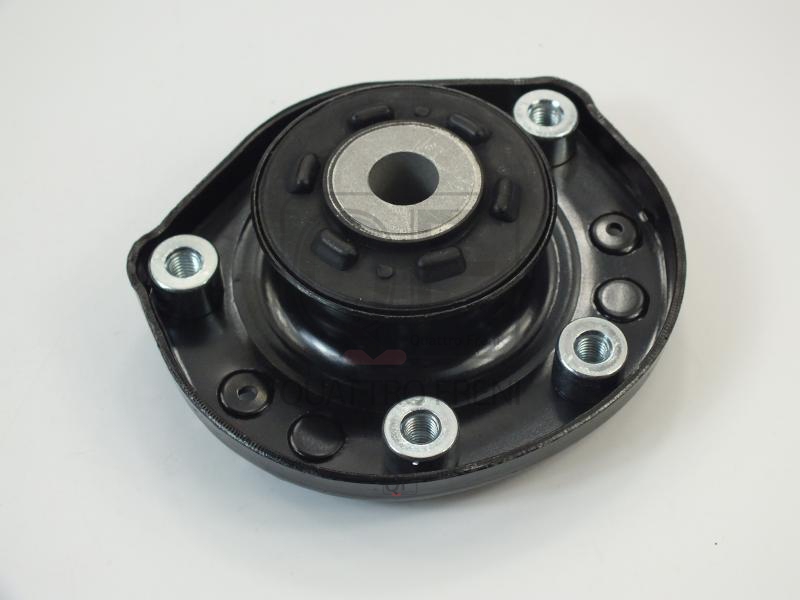
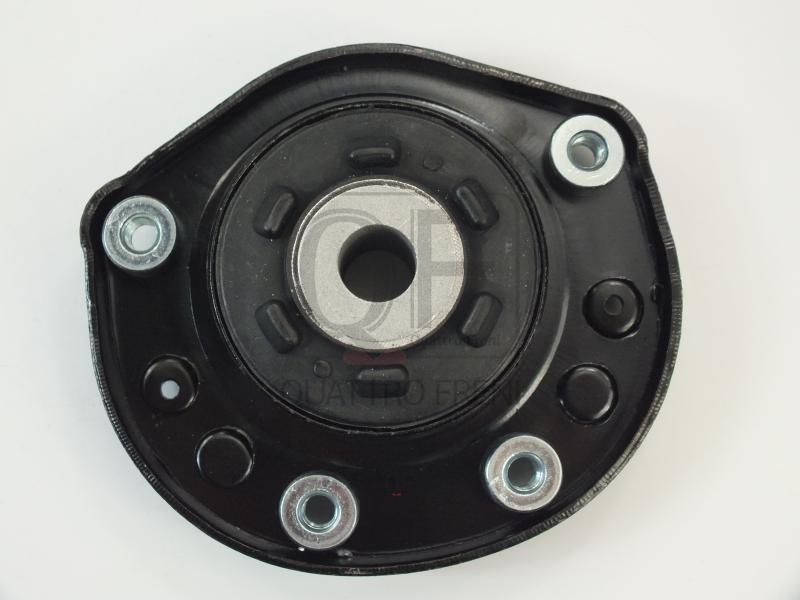
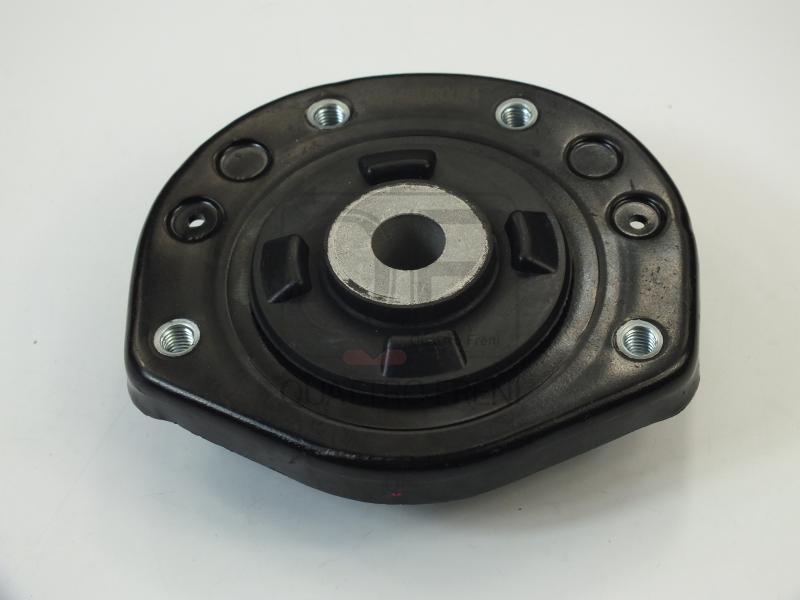
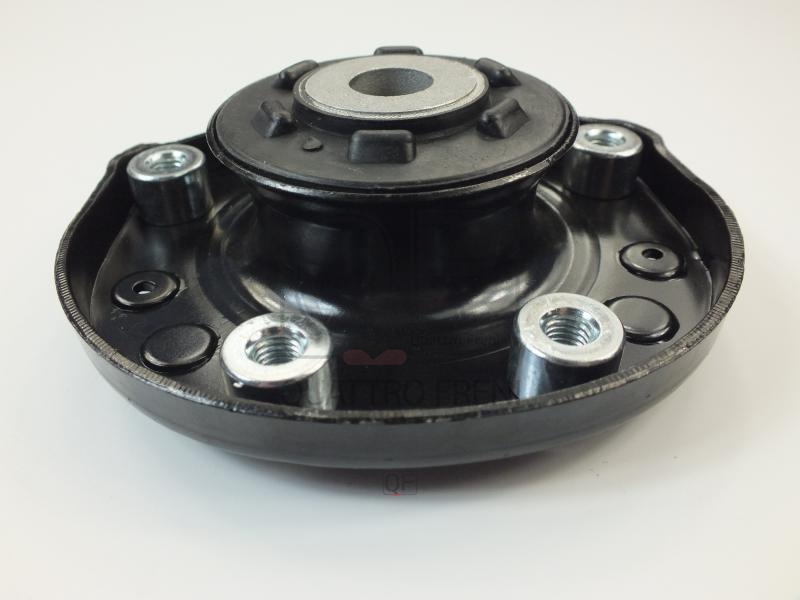
MERCEDES-BENZ A9063230520 SUPPORT SUB-ASSY
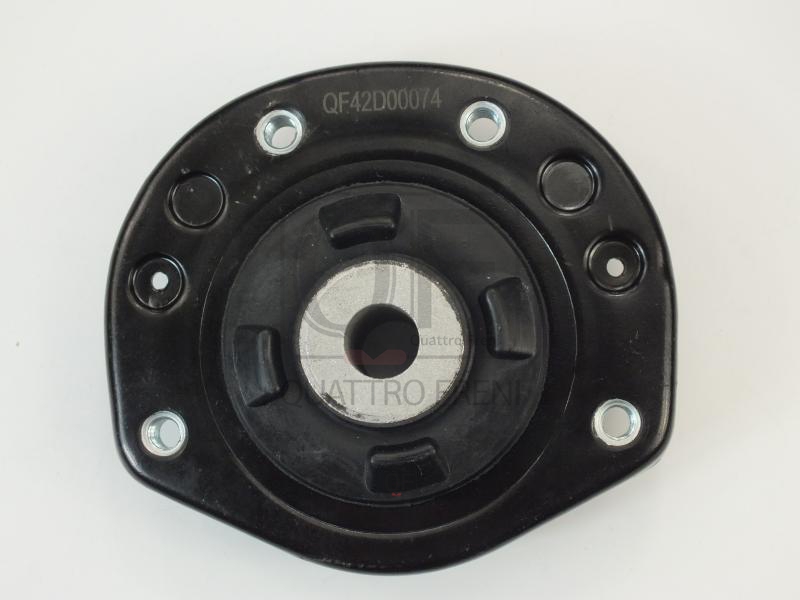
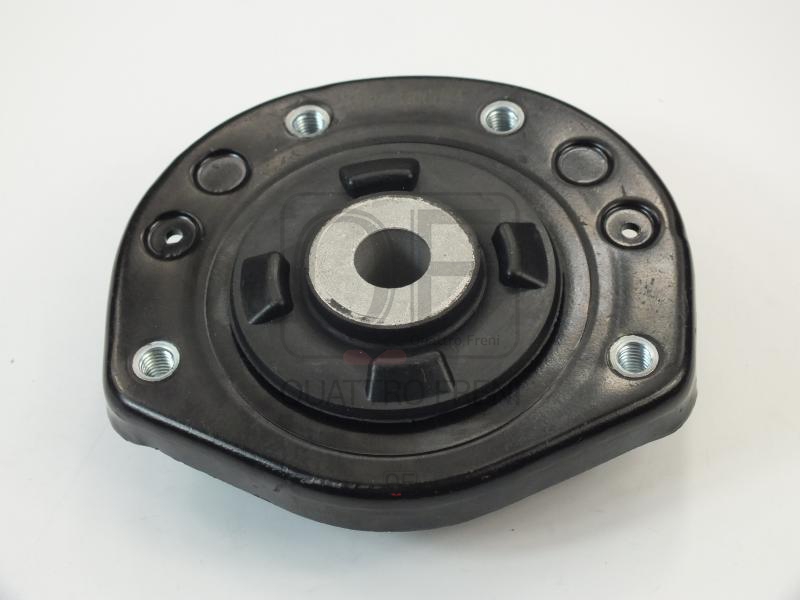
Product Specifications

Product quality
OEM Equivalent Grade
starstarstar
50 sold
Wholesale price USD $3.54
Wholesale price CNY ¥24
bolt MOQ (Minimal order)
50 pcs
local_shipping Production time
63 days
package_2 Shipping Weight: 0.6 kg
MERCEDES-BENZ A9063230520
MERCEDES-BENZ 9063230520
MERCEDES-BENZ A906323052064
MERCEDES-BENZ 68013708AA
MERCEDES-BENZ 2E0407181C
MERCEDES-BENZ 2E0407181D
MILES DB31100
Overview & Operating Principle

The SUPPORT SUB-ASSY is the upper mounting assembly that connects the top of the MacPherson strut or separate shock absorber to the vehicle body or suspension turret, isolating road-induced vibration and noise from the body structure while simultaneously allowing the strut to rotate freely during steering inputs. On MacPherson strut suspensions the assembly consists of a rubber-bonded metal isolator that absorbs axial and radial vibration, a thrust bearing or ball bearing that permits rotation of the strut body as the steering wheel is turned, and a steel bracket that distributes strut load across the suspension turret. The top mount is the single point through which all vertical suspension forces — including the full vehicle corner weight and dynamic impact loads — are transmitted into the body structure, making it one of the most highly loaded components in the suspension system.

This unit — MERCEDES-BENZ A9063230520 — is manufactured to OEM-equivalent specifications: rubber compound durometer and bonding strength, thrust bearing load rating and friction torque, bracket geometry and mounting bolt pattern, and overall axial and radial stiffness characteristics are matched to the original part. Supplied as a direct bolt-in replacement for standard fitment. Available wholesale from 3.54 USD, MOQ 50 pcs, production lead time 63 days.

Strut top mounts degrade through rubber oxidation and fatigue cracking under continuous high-cycle loading, bearing wear from accumulated steering mileage, and corrosion of the steel bracket in road salt environments. Bearing failure is the most common mode — a worn thrust bearing produces a characteristic knocking or creaking during low-speed steering manoeuvres and on full-lock turns. Always replace the top mount when replacing the strut — the assembly is fully accessible with the strut disassembled and the labour cost to return later is disproportionate to the component cost.

Symptoms & Diagnostics
Knocking or clunking from the suspension turret area on full-lock turns or during slow-speed parking manoeuvres — the thrust bearing has lost its lubricant film and the bearing races are contacting metal-to-metal under steering load; the noise is most pronounced when turning while stationary.
Single heavy knock from the front suspension when driving over a sharp speed bump or pothole — the rubber isolator has cracked or delaminated, allowing the strut to contact the metal bracket directly under high compression loads instead of transmitting the impact through the rubber element.
Steering that feels notchy, stiff, or catches at certain steering angles — a corroded or seized thrust bearing preventing smooth strut rotation during steering input; the steering effort increases suddenly as the bearing binds at specific angles.
Vibration through the steering wheel at low speed over rough surfaces — a failed rubber isolator is no longer attenuating road vibration from the strut, transmitting high-frequency inputs directly into the body and steering column.
Uneven or accelerated tyre wear after recent strut replacement — if the top mount bearing was not replaced during the strut service, a worn bearing prevents the strut from rotating correctly during steering, effectively changing the wheel's camber angle dynamically during cornering.
Visible corrosion, cracking of the rubber element, or bracket deformation visible on inspection with the bonnet open — surface rust on the bracket is cosmetic, but through-corrosion of the bracket structure or visible separation of the rubber from the metal insert requires immediate replacement before structural failure of the mount occurs.
Logistics & Customs
International HS Code
8708.80
EAEU Customs Code (TN VED)
8708 80 200 0
Typical Net Weight
0.6 kg
Country of Manufacture
China
Standard MOQ
50 pcs
Production Lead Time
63 days
Always verify the exact 8-digit or 10-digit subheading with your customs broker for the destination country, as tariff schedules and duty rates vary by jurisdiction.
Installation Tips
  1. Compress the coil spring with a spring compressor before loosening the top mount nut — the coil spring stores significant energy under compression. Never attempt to remove the top mount nut without a properly installed spring compressor; the spring will release violently if the strut assembly is disassembled without compression, causing serious injury.
  2. Mark the position of the top mount relative to the strut body and the suspension turret before removal — on vehicles where the top mount has an orientation index, correct reinstallation position is critical for the strut to align with the suspension geometry. Photograph all reference marks before disassembly.
  3. Remove the top mount nut using a socket on the piston rod hex to counter-hold the rod while loosening the nut — on most struts an Allen key or Torx socket fits the rod tip recess. Allowing the rod to spin freely will damage the internal damper valve and destroy the strut.
  4. Separate the top mount, spring seat, bump stop, and dust gaiter from the strut body and inspect each component individually. Replace the bump stop if it is collapsed, cracked, or shorter than the new bump stop supplied with the replacement mount — a collapsed bump stop allows the strut to bottom out under heavy loads, producing a harsh knock and risking piston rod damage.
  5. Assemble the new top mount onto the strut in the correct orientation, confirming the bearing is correctly seated between the mount body and the spring seat. Torque the top mount nut to OEM specification (typically 40–70 Nm) while counter-holding the piston rod — insufficient torque allows the mount to move on the rod under load, producing noise and accelerated bearing wear.
  6. Install the new SUPPORT SUB-ASSY (MERCEDES-BENZ A9063230520) into the suspension turret, aligning the mounting studs with the turret holes, torque the turret nuts to OEM specification, release and remove the spring compressor, refit the wheel, and have wheel alignment checked — top mount replacement on strut suspensions affects camber and requires alignment verification before road use.
Tools: coil spring compressor, torque wrench, piston rod counter-hold socket (Allen or Torx), socket set, alignment gauge or workshop alignment check.
Frequently Asked Questions
Should strut top mounts be replaced in pairs or only the worn side?
Replacing both front top mounts simultaneously is strongly recommended, particularly on vehicles above 100,000 km. Both mounts accumulate identical bearing and rubber fatigue — if one bearing has failed, the opposite side is typically at the same wear stage. Replacing both during one strut service eliminates a repeat spring compression job and alignment fee within a short period. ok.parts supplies individual mounts and axle pairs at wholesale MOQ from 3.54 USD per unit.
Is wheel alignment required after replacing strut top mounts?
Yes, without exception on MacPherson strut suspensions. The top mount position defines the strut's angle relative to the body, which directly affects camber. Even when the new mount is geometrically identical to the original, reassembly variation and new rubber compliance will shift camber from its previous setting. Always perform a four-wheel alignment check immediately after top mount replacement — never return a vehicle to the customer without confirming alignment is within specification.
How does the OEM-equivalent aftermarket unit compare to the genuine OEM part?
OEM-equivalent units in this catalogue replicate the current OEM design geometry and material specification. Quality is verified against OEM cross-reference data. When ordering in bulk, confirm with our team that the specification matches the latest OEM revision for your application.
Is white-label or custom packaging available for wholesale orders?
Yes. ok.parts works directly with the manufacturing facility and can accommodate neutral white-label packaging or fully branded packaging with your company logo, part numbers, and barcode. Minimum order quantities and lead times for custom packaging may differ from standard stock. Contact the team via the inquiry form to discuss your specific requirements.
Frequently Replaced Together