VAG 059198212 REPAIR
Product Specifications
| VAG | 059198212 |
| VAG | 059129711AF |
| VAG | 059129711AG |
| VAG | 059129711AL |
| VAG | 059129711BF |
| VAG | 059129711BJ |
| VAG | 059129711BL |
| VAG | 059129711BP |
| VAG | 059129711BQ |
| VAG | 059129711BR |
| VAG | 059129711BS |
| VAG | 059129711CG |
| VAG | 059129711CH |
| VAG | 059129711CK |
| VAG | 059129711CL |
| VAG | 059129711DC |
| VAG | 059129711T |
| VAG | 059129712AR |
| VAG | 059129712BA |
| VAG | 059129712BB |
| VAG | 059129712BC |
| VAG | 059129712BE |
| VAG | 059129712BF |
| VAG | 059129712BG |
| VAG | 059129712BH |
| VAG | 059129712BL |
| VAG | 059129712BM |
| VAG | 059129712BN |
| VAG | 059129712BQ |
| VAG | 059129712BR |
| VAG | 059129712BS |
| VAG | 059129712BT |
| VAG | 059129712CA |
| VAG | 059129712E |
| VAG | 059129712H |
| VAG | 059129712N |
| VAG | 059129712P |
| VAG | 059129712T |
| VAG | 059129712 |
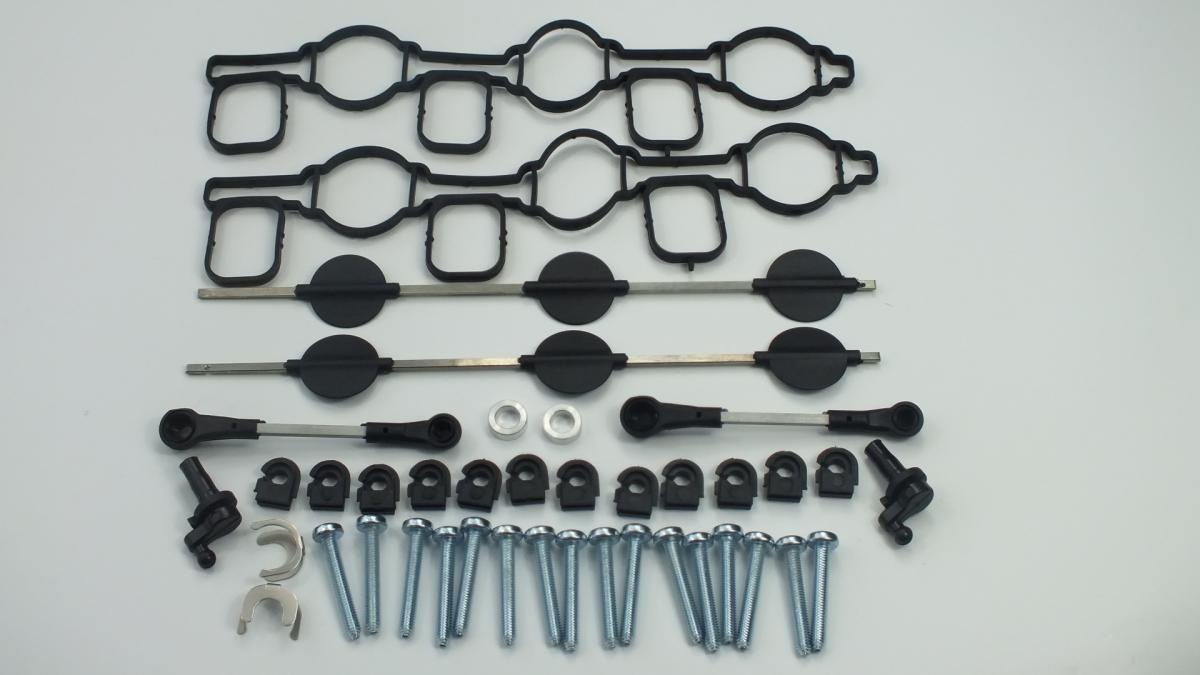
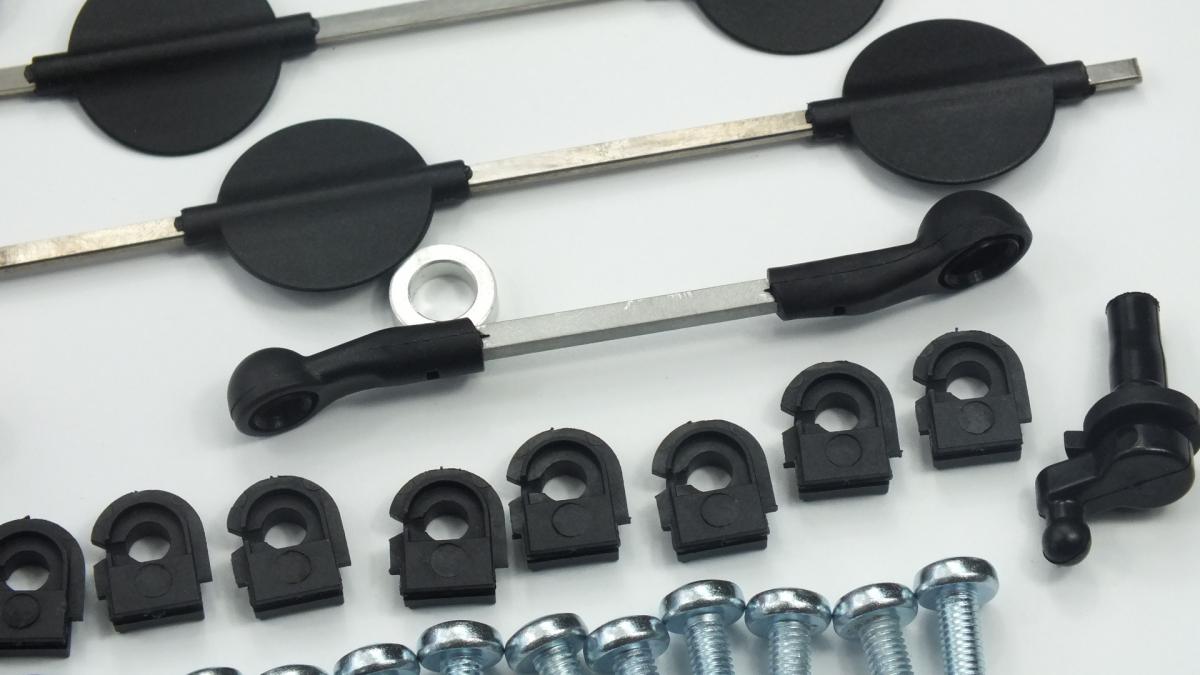
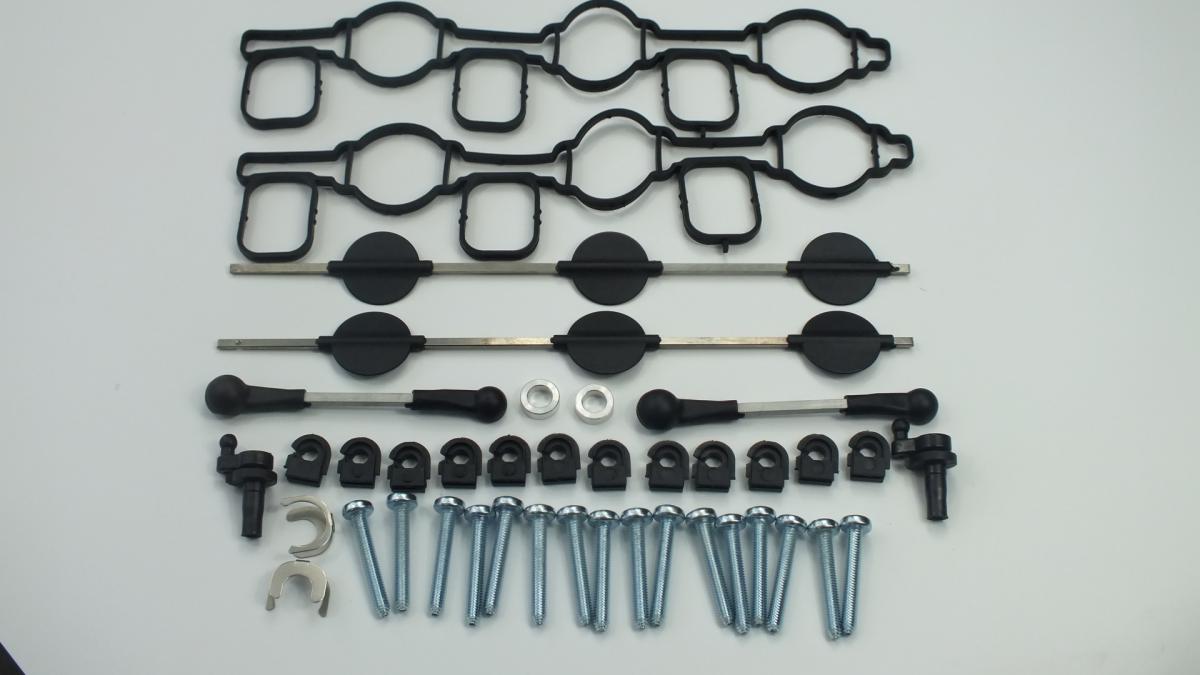
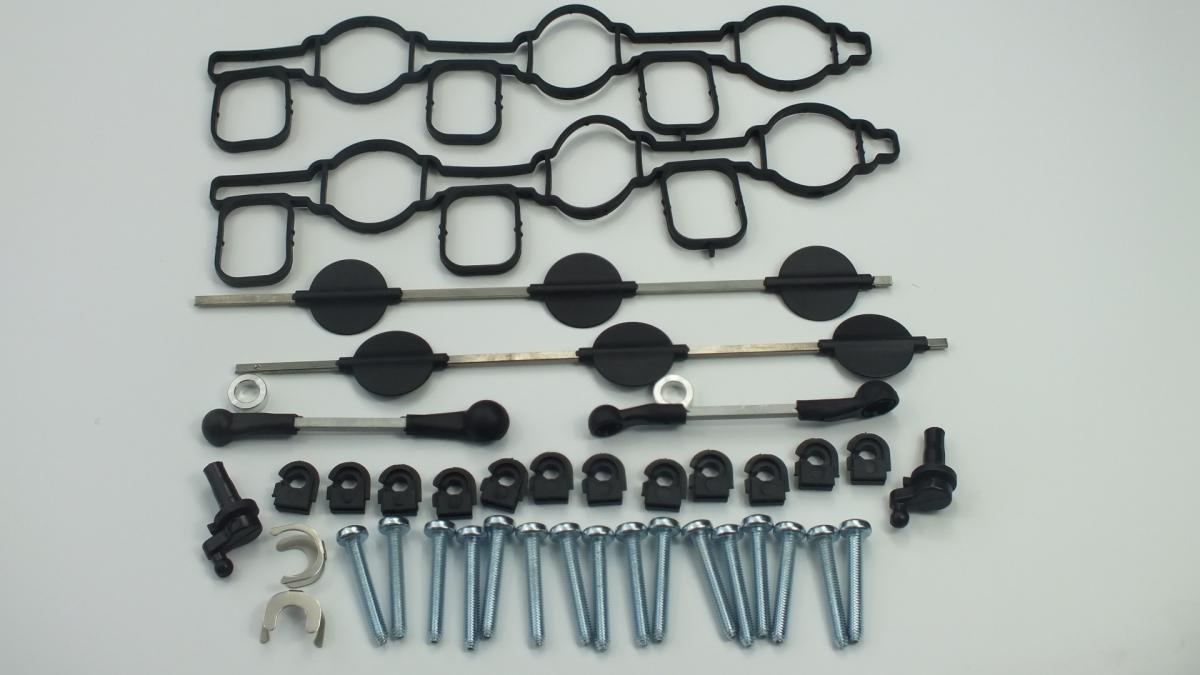
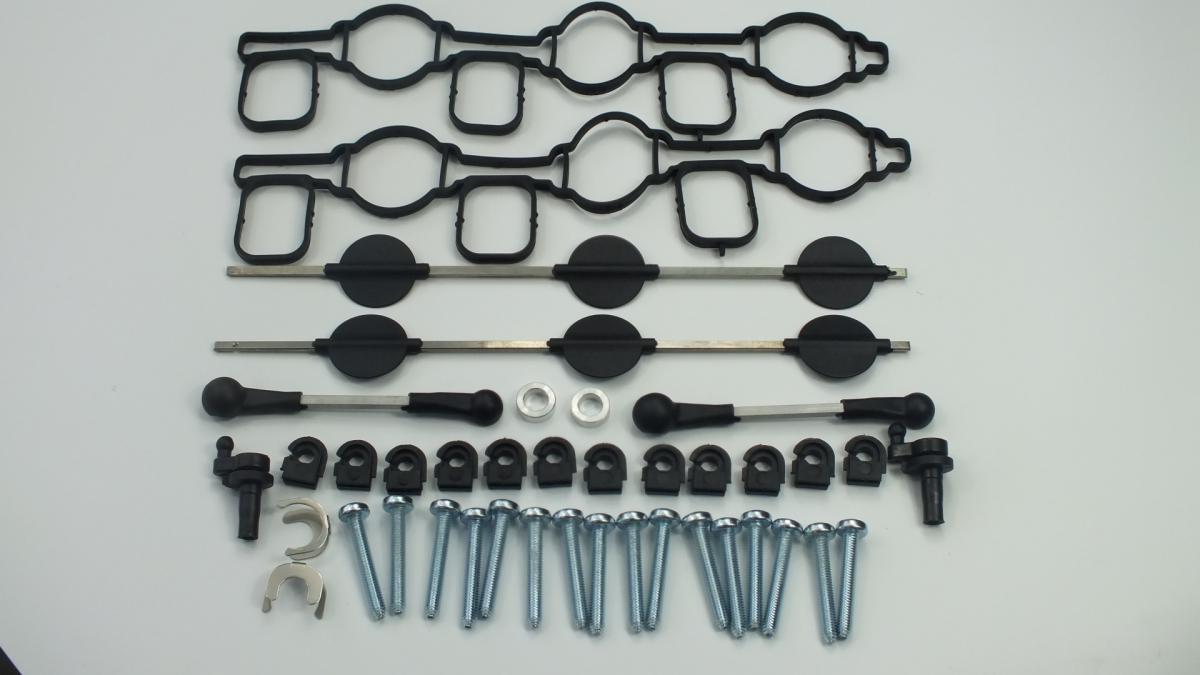
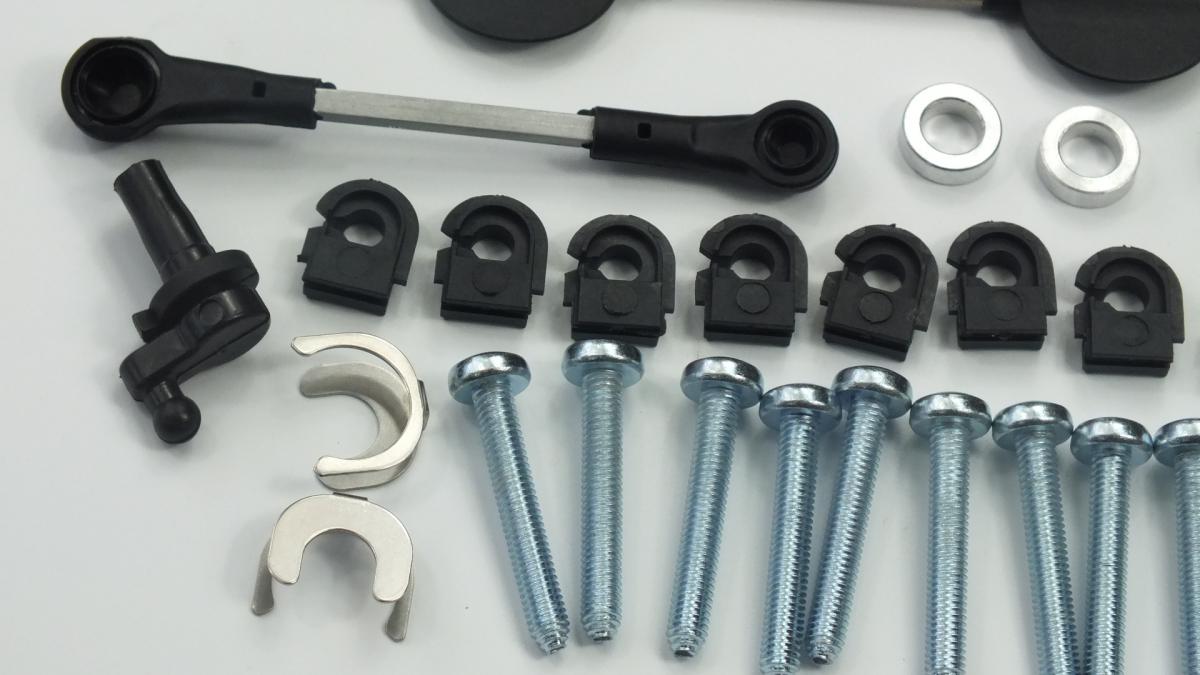
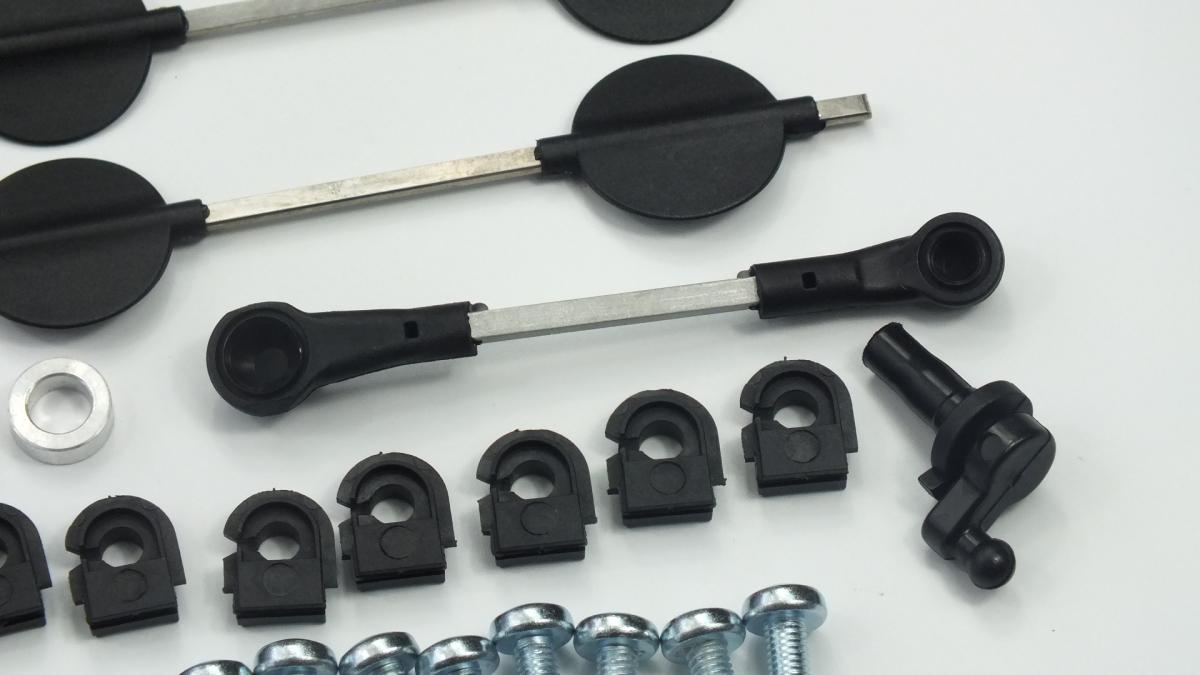
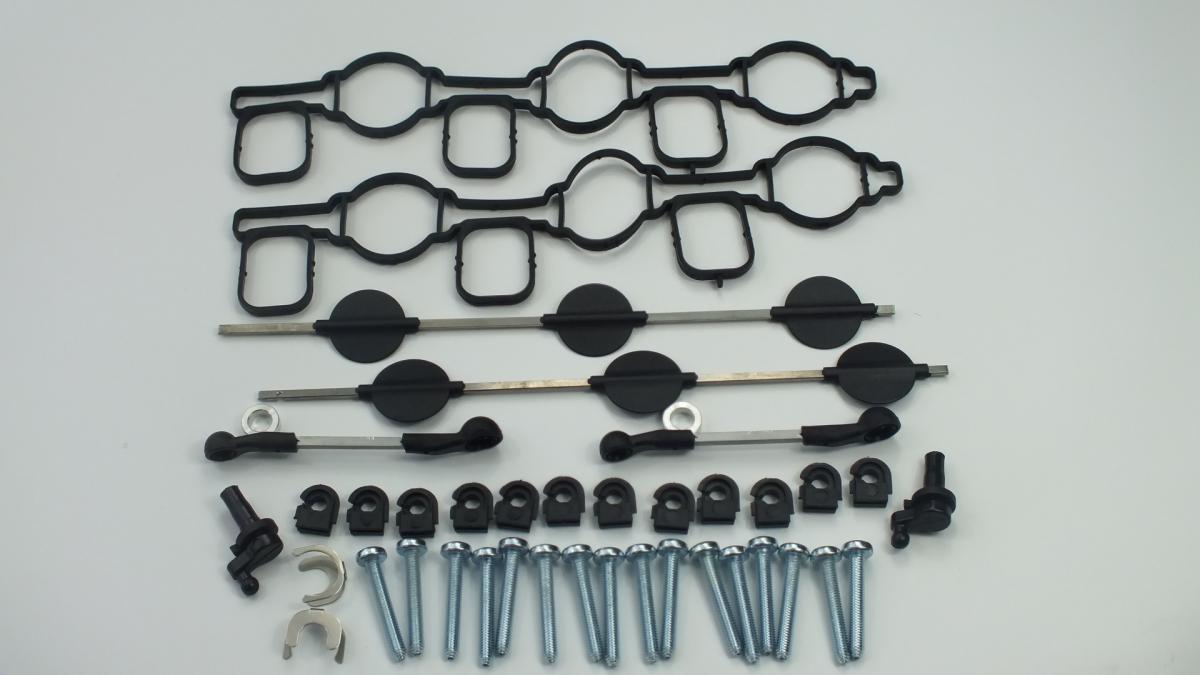
The REPAIR KIT is an internal engine component responsible for providing all small components required to restore a specific assembly to serviceable condition without replacing the entire assembly — typically includes seals, O-rings, clips, springs, and wear items. It operates under high thermal and mechanical stress conditions and must maintain dimensional accuracy over the full service life of the engine.
Components in this category are manufactured from materials specified to match OEM tolerances, including material hardness, surface finish, and dimensional accuracy. Incorrect fitment or out-of-tolerance parts will cause accelerated wear of mating surfaces, oil leaks, or engine performance degradation.
This category covers passenger car, light commercial, and heavy-duty engine applications. Always verify the OEM part number, engine code, and displacement before ordering. Supply is from factory-direct sources with full batch traceability.
- Perform a complete engine diagnosis before disassembly. Confirm the failed component is the root cause rather than a downstream symptom of another failure (e.g., oil starvation, overheating, or using incorrect lubricant grade).
- Drain all relevant fluids before disassembly. Mark all wiring harness connectors, vacuum lines, and hose connections with tape and marker before removal.
- Clean all mating surfaces thoroughly before installing the new component. Residual old gasket material or debris will cause immediate leaks or fitment issues.
- Lubricate all moving parts with fresh engine oil before assembly. Do not install any internal engine component dry.
- Torque all fasteners to OEM specification in the correct sequence. Engine fasteners — particularly cylinder head bolts and main bearing caps — must be torqued in multiple stages using a calibrated torque wrench.
- After reassembly, fill with fresh oil and coolant and run the engine at idle for several minutes. Check for leaks at all disturbed joints before returning the vehicle to service.