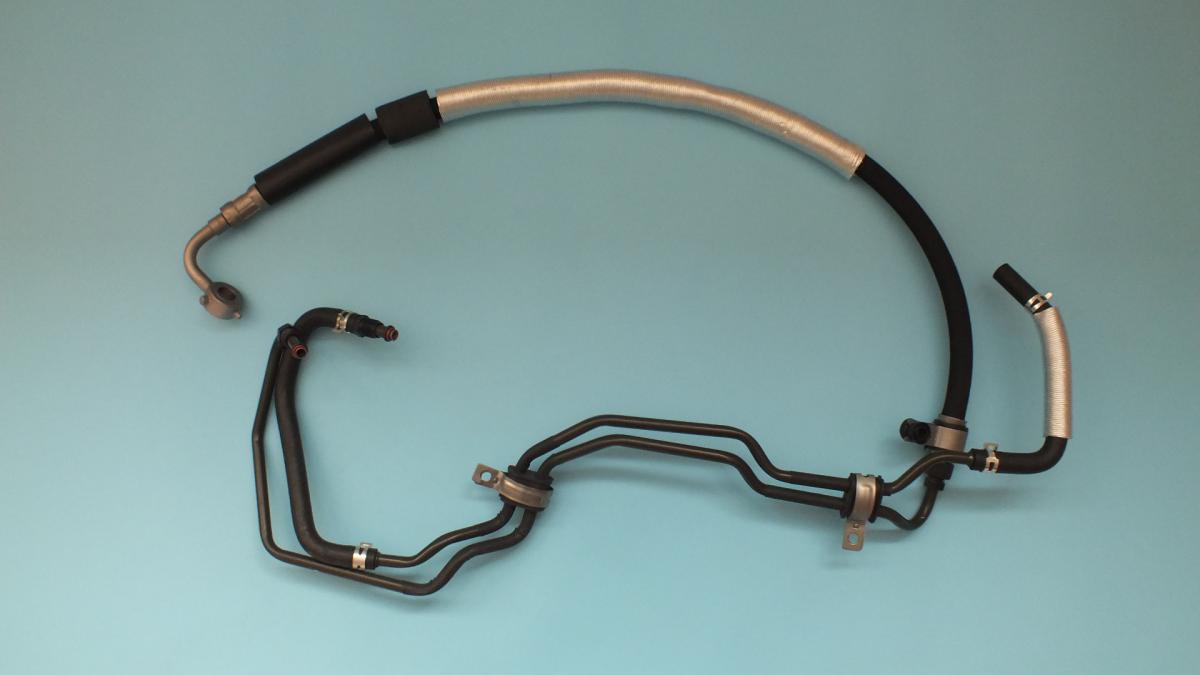
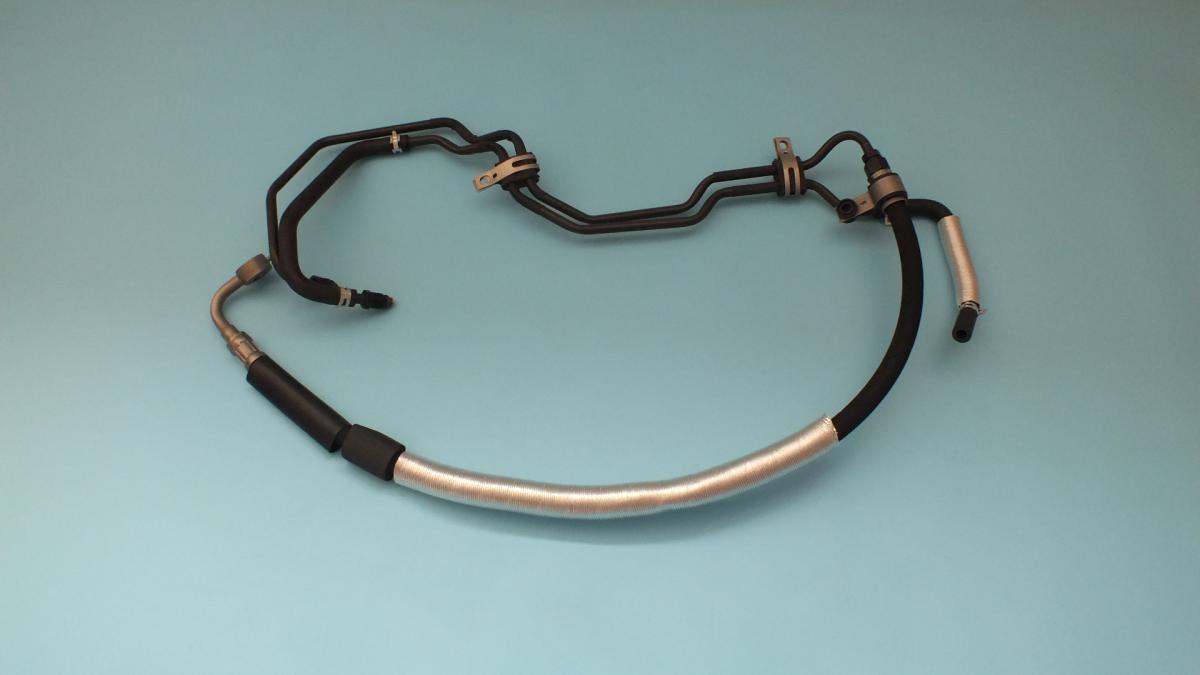
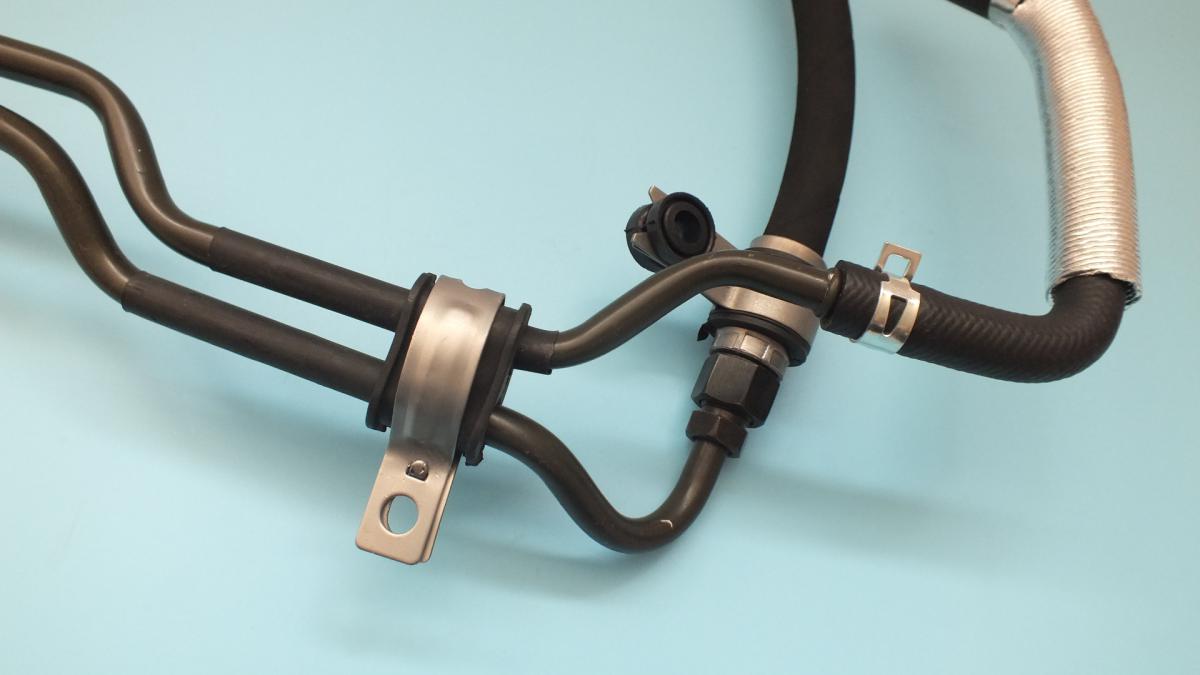
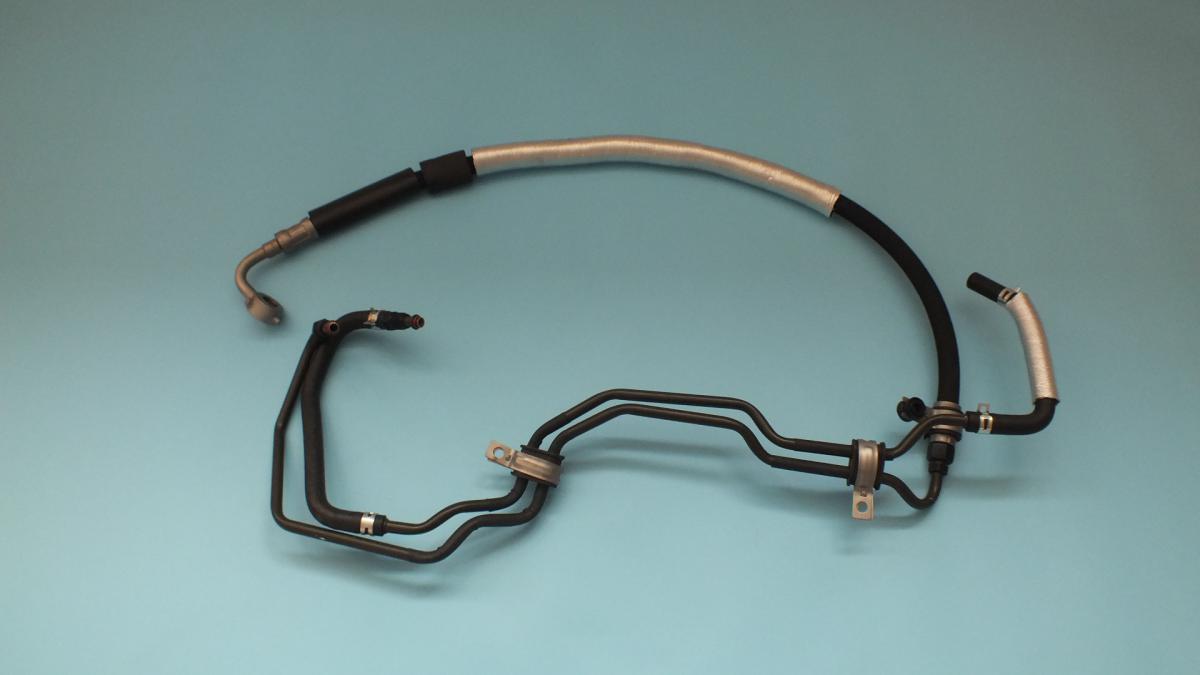
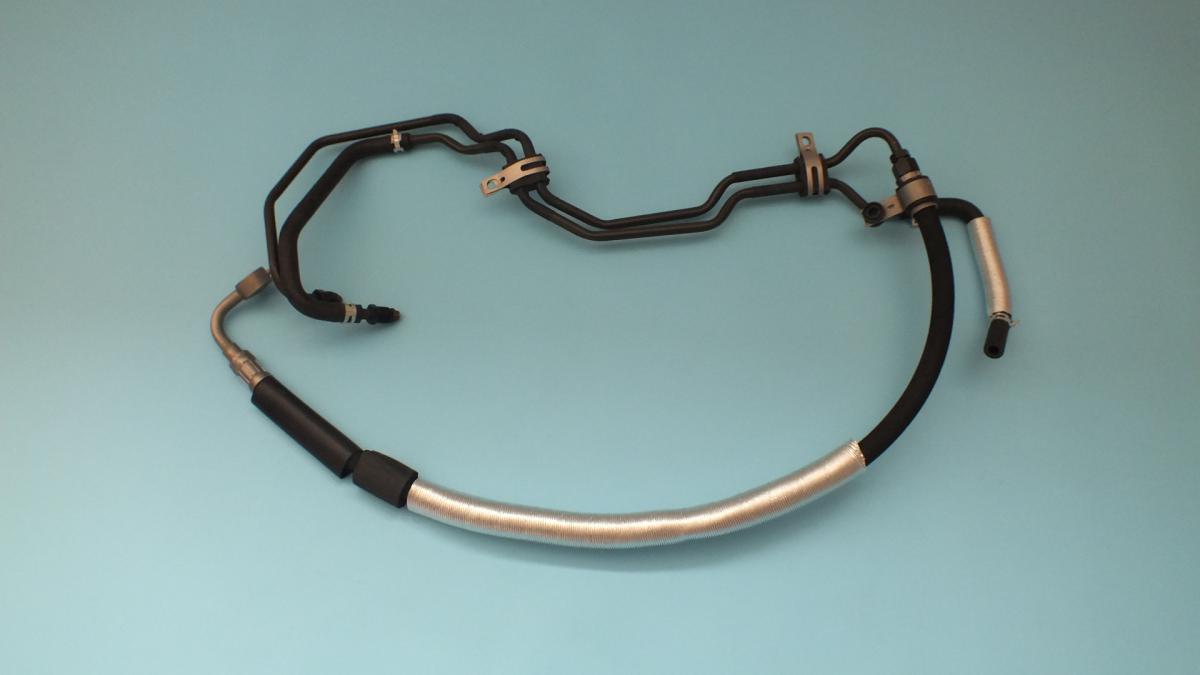
HYUNDAI/KIA 575102E001 TUBE ASSY PRESSURE
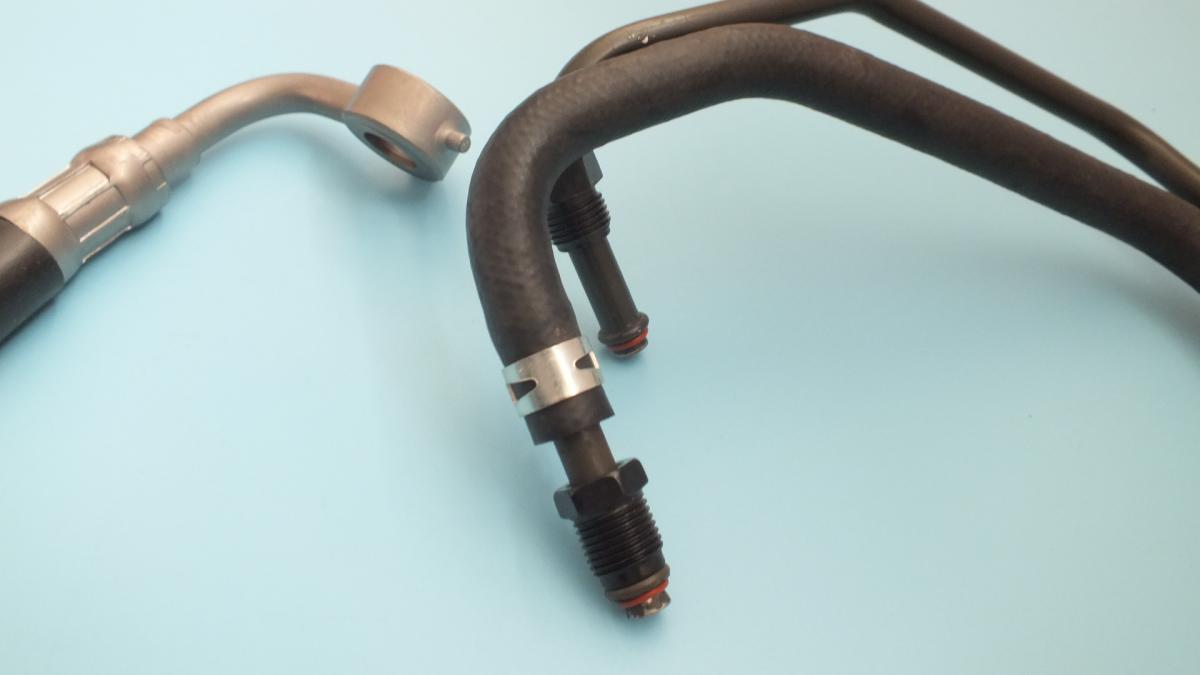
Product Specifications
| HYUNDAI/KIA | 575102E001 |
| HYUNDAI/KIA | 575102E000 |
| HYUNDAI/KIA | 575102E050 |
| HYUNDAI/KIA | 575102E200 |
| HYUNDAI/KIA | 575101G000 |
| HYUNDAI/KIA | 575101F010 |
| HYUNDAI/KIA | 5751020 |
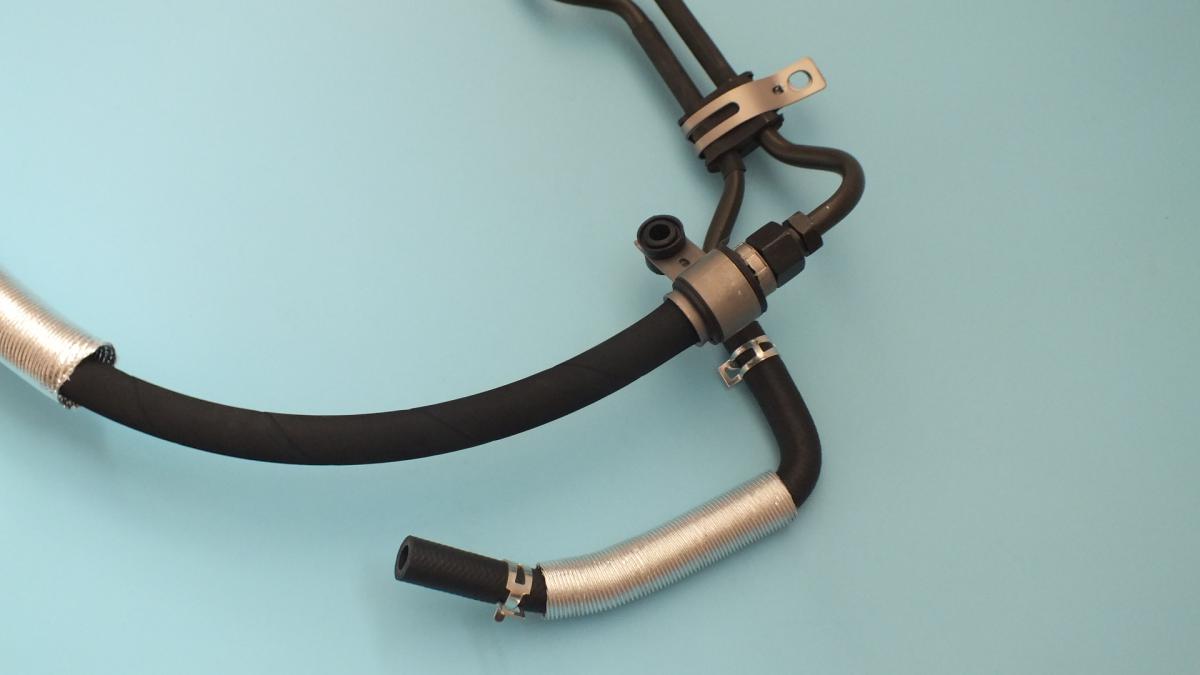
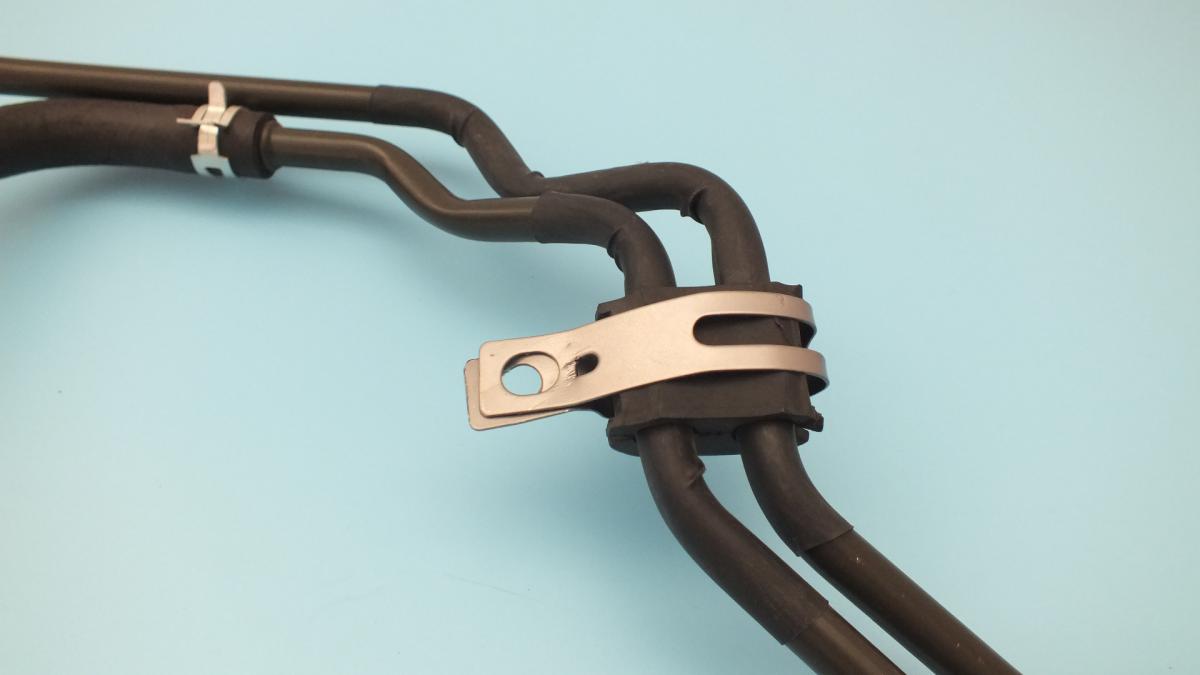
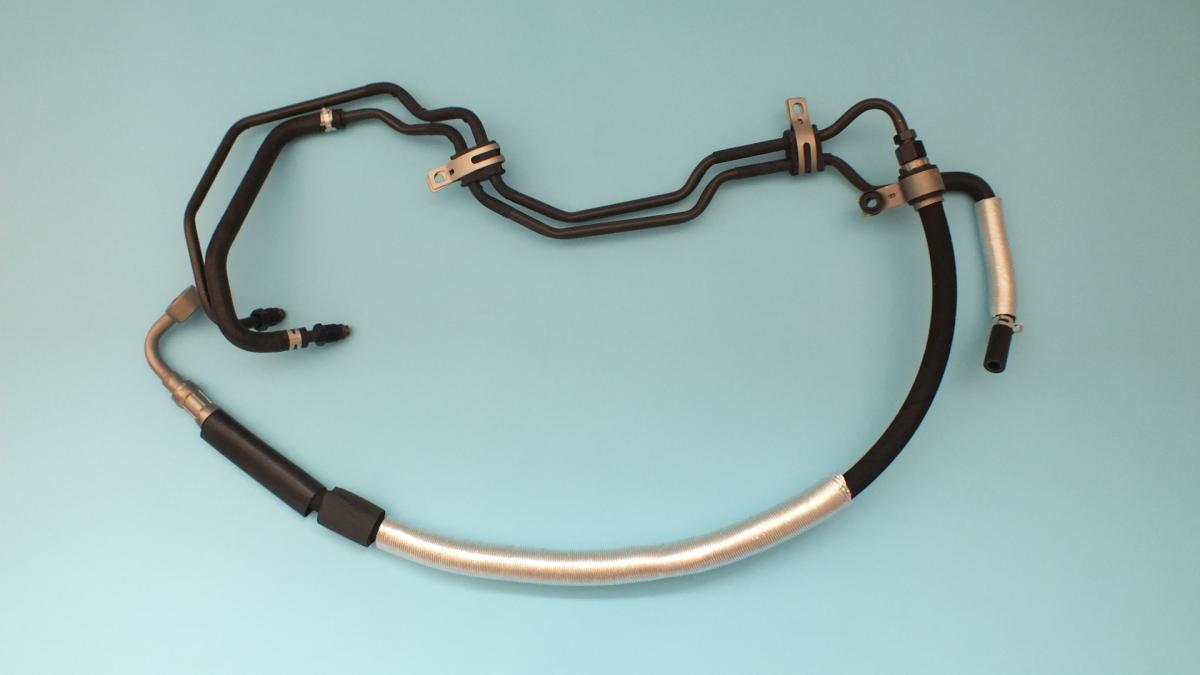
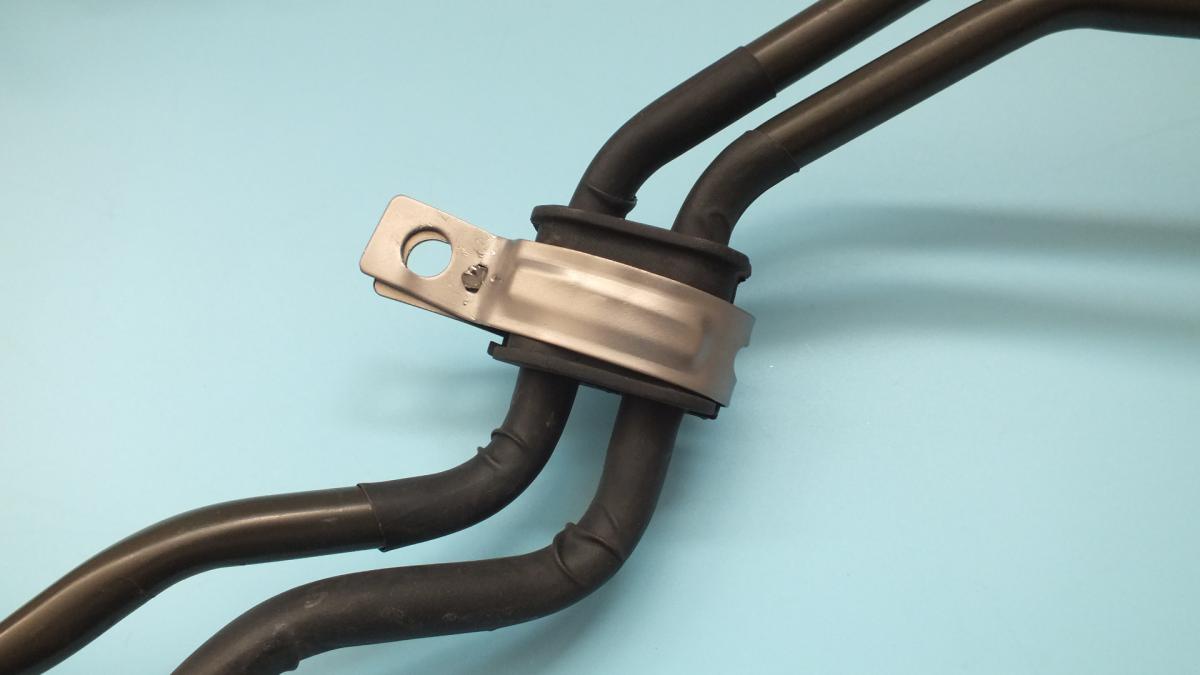
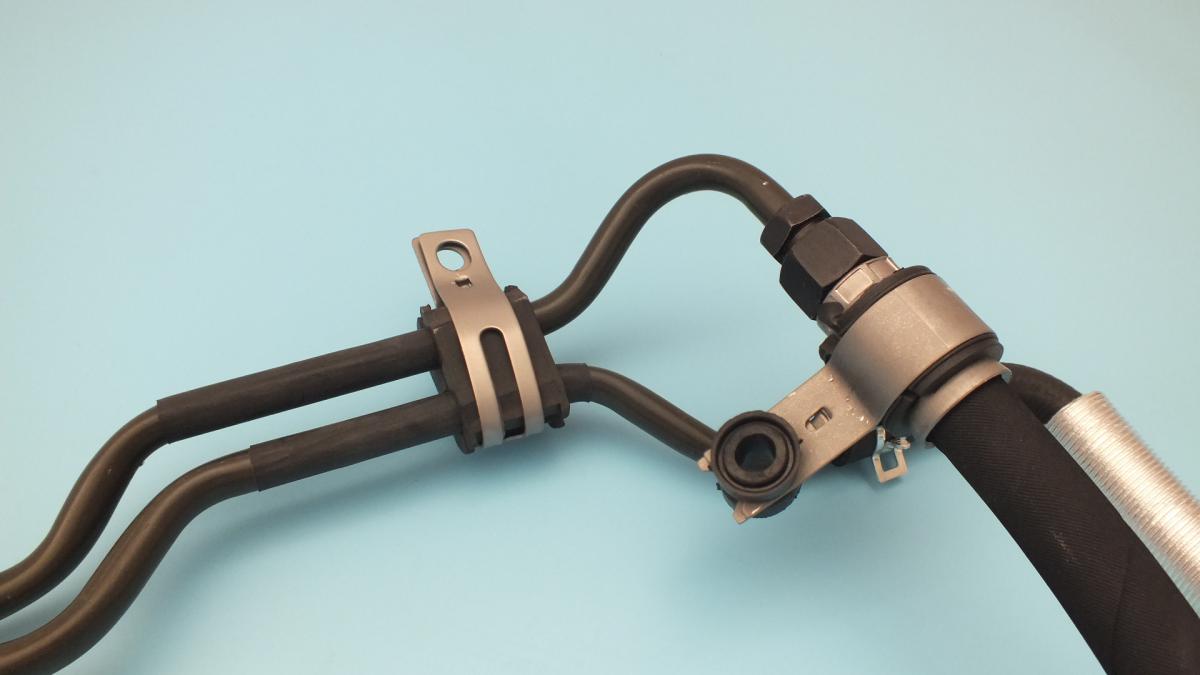
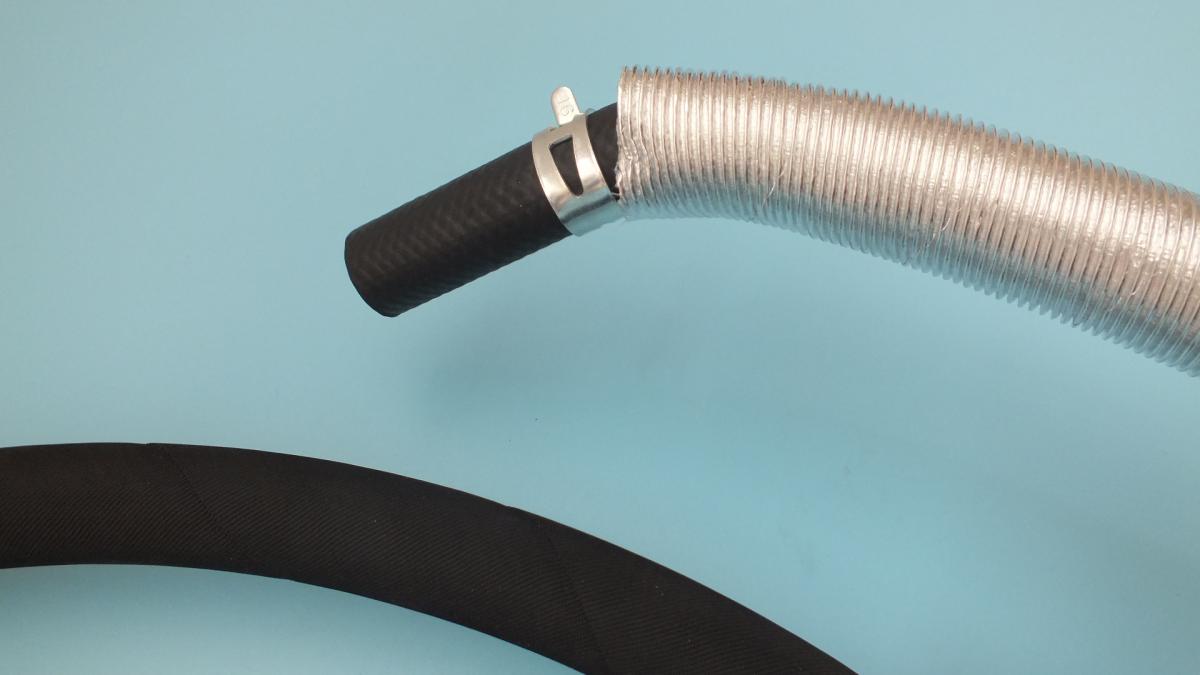
The TUBE ASSY PRESSURE is a high-pressure hydraulic hose assembly that forms part of the power steering circuit, conveying pressurised hydraulic fluid between the power steering pump, the steering rack rotary valve, and the fluid reservoir at the operating pressures generated by the vane pump — typically 80–160 bar at the pump outlet, reducing to 10–40 bar at the return line. The power steering hydraulic circuit contains two distinct hose types with fundamentally different pressure ratings and construction requirements: the high-pressure feed hose — the subject of this template — routes pressurised fluid from the pump outlet to the rack's rotary valve input port and must withstand continuous working pressure up to 160 bar and peak transient pressures up to 200 bar during full-lock steering manoeuvres; it is constructed from a steel-wire-braided or spiral-wound reinforced synthetic rubber inner tube with swaged or crimped steel end fittings that provide leak-free connections at both the pump outlet union and the rack inlet union. The low-pressure return hose routes spent fluid from the rack back to the reservoir and operates at near-atmospheric pressure — it uses a simpler unreinforced rubber construction. The high-pressure hose is routed through the engine bay in a path that provides adequate clearance from hot exhaust components and rotating engine accessories while accommodating the full range of engine movement on its mounts and steering rack articulation during lock-to-lock steering without chafing, kinking, or over-bending the hose.
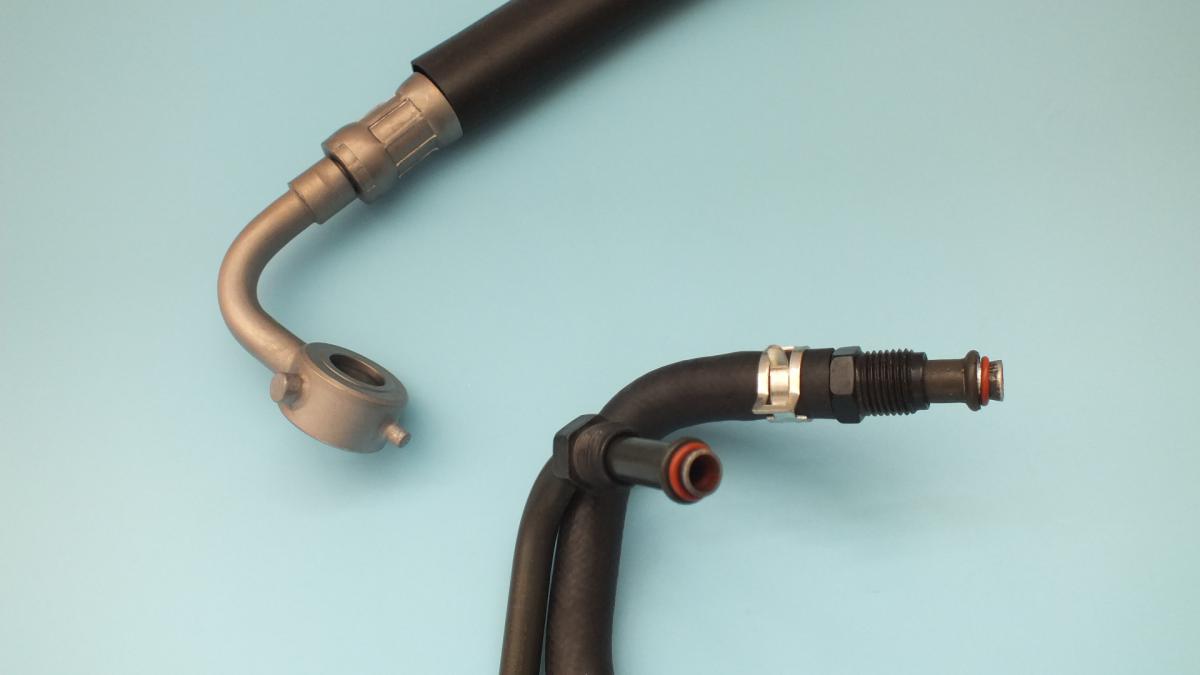
This unit — HYUNDAI/KIA 575102E001 — is manufactured to OEM-equivalent specifications: hose inner diameter for the correct flow velocity and pressure drop, wire braid or spiral reinforcement layer count and working pressure rating, inner tube compound for compatibility with both ATF and dedicated power steering fluid types, overall hose assembly length and curvature profile for the OEM routing path, and end fitting thread size and sealing face geometry at both the pump and rack connection points are matched to the original part. Supplied as a complete hose assembly with both end fittings pre-crimped and pressure-tested. Available wholesale from 15.93 USD, MOQ 20 pcs, production lead time 60-105 days.
Power steering high-pressure hoses fail through internal rubber tube delamination after high mileage that produces a flow restriction collapsing the inner bore under high-velocity flow — the steering becomes heavy under sustained lock without any external leak; through external rubber jacket cracking from heat and ozone exposure that exposes the wire braid reinforcement to corrosion and weakening; and through fitting-to-hose joint failure at the swaged crimp from pressure fatigue cycling that produces a weeping leak at the fitting base — a leak that initially appears as an oily residue on the fitting and progresses to an active drip under full-lock steering pressure.
- Allow the engine to cool fully before disconnecting any power steering hose fitting — the hydraulic fluid in the high-pressure line reaches 80–100°C at operating temperature and the system retains residual pressure after shutdown; disconnect the reservoir cap to release system pressure before opening any fitting; have absorbent cloths ready at both fitting positions as residual fluid in the hose will drain when the fitting is loosened.
- Use the correct open-ended spanners or flare nut crow-foot wrenches for both fittings — power steering high-pressure fittings use flare or banjo bolt connections with specific hex sizes; using adjustable spanners or the wrong size open-end spanner rounds the fitting hex and makes future removal impossible; confirm the correct spanner size from the fitting hex before applying any force; apply a second spanner to the adapter or union at the pump or rack to prevent the adapter from rotating with the fitting.
- Note the exact routing of the old hose before removal — photograph every clip position, grommet passage, and the curvature profile of the old hose through the engine bay; the new hose must follow exactly the same path to maintain the correct clearances from hot exhaust components, rotating accessory pulleys, and the steering column; an incorrectly routed hose will chafe against an adjacent component within a short operating period and reproduce the original failure.
- Replace all sealing washers — copper or aluminium crush washers at banjo bolt connections — power steering high-pressure connections frequently use banjo bolt designs with a copper or aluminium sealing washer on each face of the banjo fitting; these washers are single-use components that crush to seal on the first torquing; reusing them produces an immediate high-pressure leak at 160 bar; always have new sealing washers of the correct material and size before beginning fitting removal.
- Torque both end fittings to the OEM specification using a torque wrench — high-pressure power steering fittings are typically torqued to 25–55 Nm depending on the fitting size and design; undertightening at 160 bar produces an immediate leak; overtightening strips the rack or pump housing thread or cracks the banjo fitting body; the OEM torque value is published in the steering system service data for each fitting position.
- Install the new TUBE ASSY PRESSURE (HYUNDAI/KIA 575102E001), refill the reservoir with the correct power steering fluid specification, bleed the system by turning the steering slowly lock-to-lock five times with the front wheels off the ground, top up the reservoir as the level drops, start the engine and repeat the lock-to-lock bleeding, inspect all fittings under pressure for any weeping, confirm steering assistance is light and consistent at all steering angles, and check for fluid leaks after a 10-minute test drive before returning the vehicle to service.
| Part | Reason for Combined Replacement |
|---|---|
| Power Steering Return Hose Low-pressure return line — application-specific | The low-pressure return hose shares the same age, fluid exposure, and thermal cycling as the high-pressure feed hose. Although the return hose operates at near-atmospheric pressure and uses a simpler construction, its rubber compound degrades at the same rate from ozone and heat; a return hose that is cracked or swollen at high mileage will fail within a short interval of the high-pressure hose replacement, requiring the complete drainage and refill procedure to be repeated. Replacing both hoses simultaneously during a single fluid draining and refilling operation is the cost-effective approach. |
| Power Steering Pump Vane pump assembly — OEM ref. varies | A high-pressure hose that has failed from internal delamination producing a flow restriction has been causing the power steering pump to cavitate and overpressure on every full-lock manoeuvre. A pump that has been operating in cavitation from a restricted hose for an extended period has accelerated vane wear and reduced output pressure. If the hose replacement does not restore full steering assistance and the pump output pressure remains below specification, the pump requires replacement alongside the new hose. |
| Power Steering Fluid ATF or dedicated PS fluid — OEM specification | Hose replacement requires draining and refilling the power steering circuit — this is the mandatory time to renew the fluid if it is overdue. Degraded power steering fluid that has oxidised and lost its anti-wear and seal-conditioning additives accelerates hose inner tube degradation and rack seal wear. Always refill with fresh fluid of the correct OEM specification rather than reusing the drained fluid; the cost of fresh fluid is negligible relative to the labour of a repeat hose or rack replacement from fluid-induced degradation. |