FORD 2036682 CLUTCH ASSY
Product Specifications
| FORD | 2036682 |
| FORD | YB3210 |
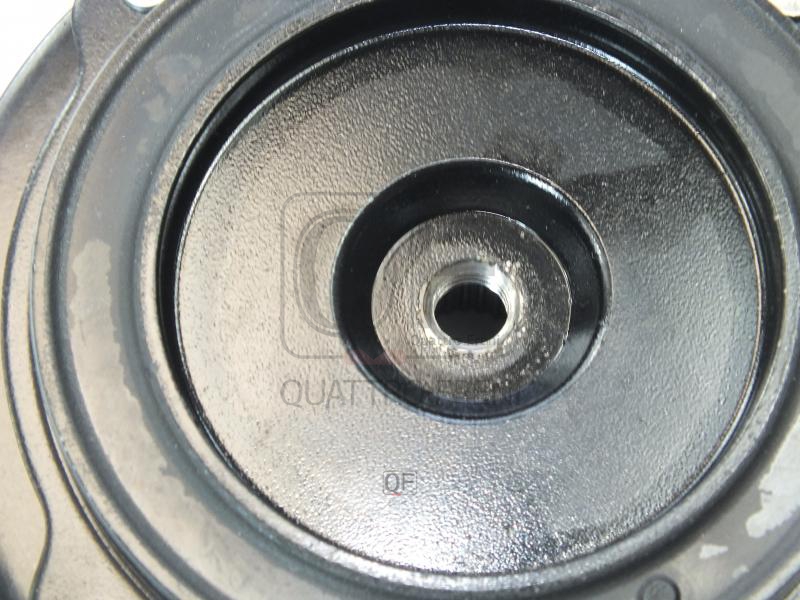
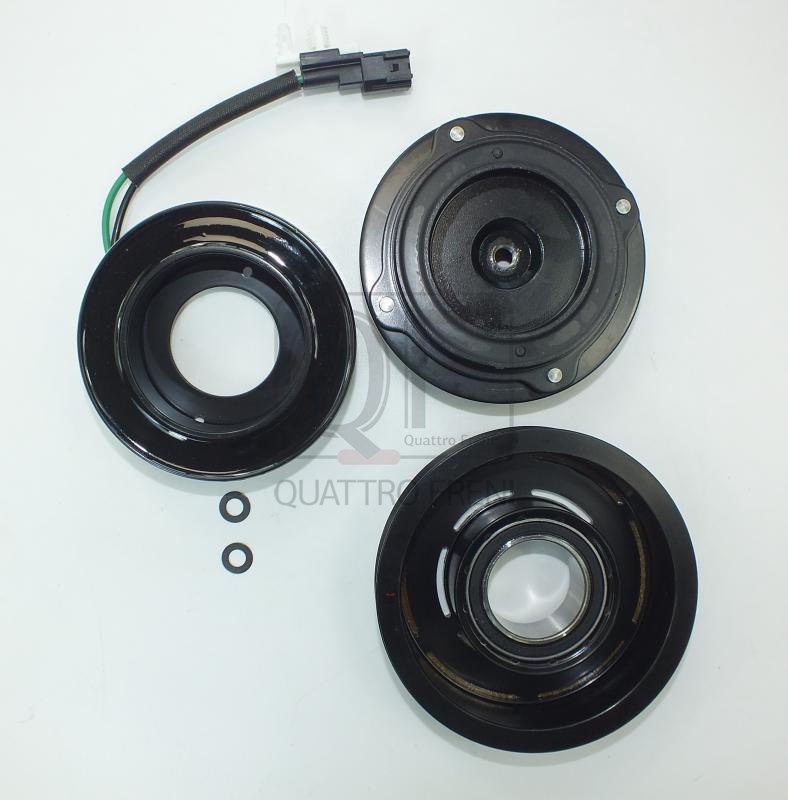
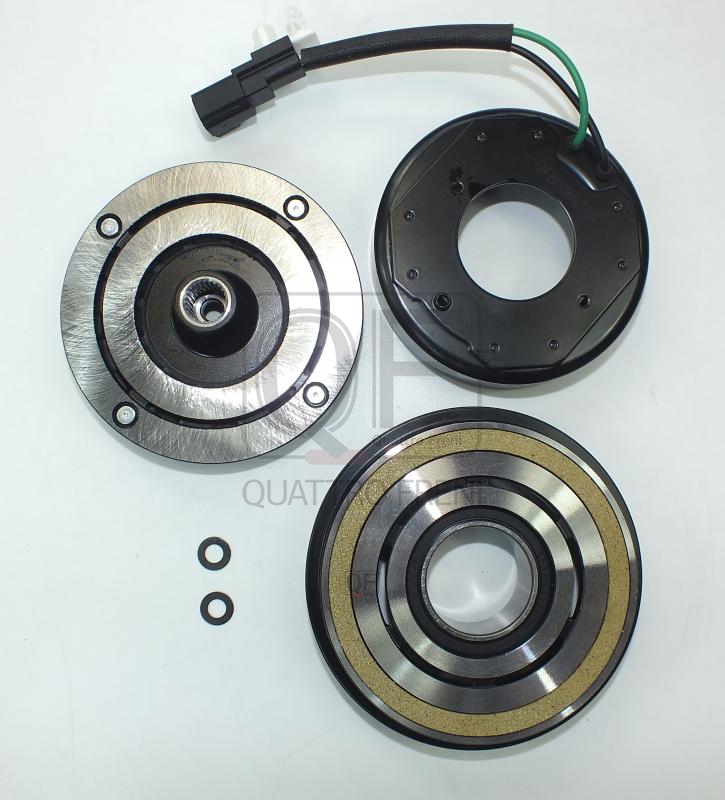
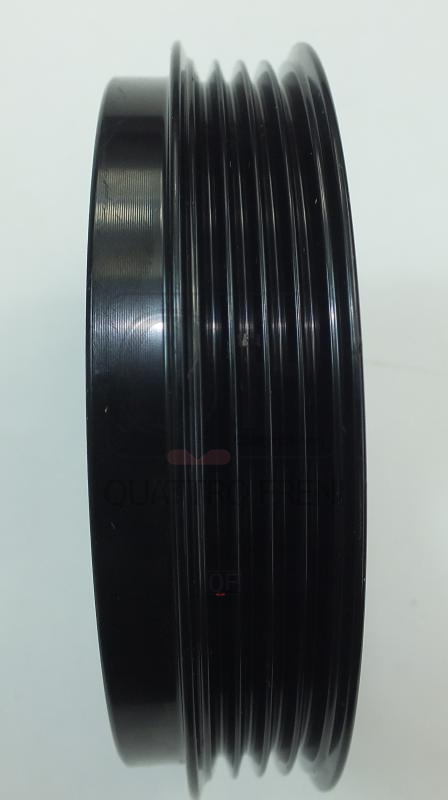
The Ford 2036682 (Motorcraft YB-3210) is an AC Compressor Clutch Assembly for Ford and Lincoln vehicles on the CD4 / CD5 platform — Ford Fusion 2nd-gen (2017–2020), Ford Edge 2nd-gen (2016–2018), Lincoln MKZ 2nd-gen (2017–2020) — with 2.0L EcoBoost turbo petrol or 2.5L iVCT naturally-aspirated 4-cyl engines. Complete assembly: rotor pulley with integrated bearing + electromagnet coil housing + drive plate (armature) with hub and shim kit. Mounts on the AC compressor nose, engaging / disengaging the compressor from the accessory belt on AC module command. Replaces a worn clutch without requiring complete compressor replacement.
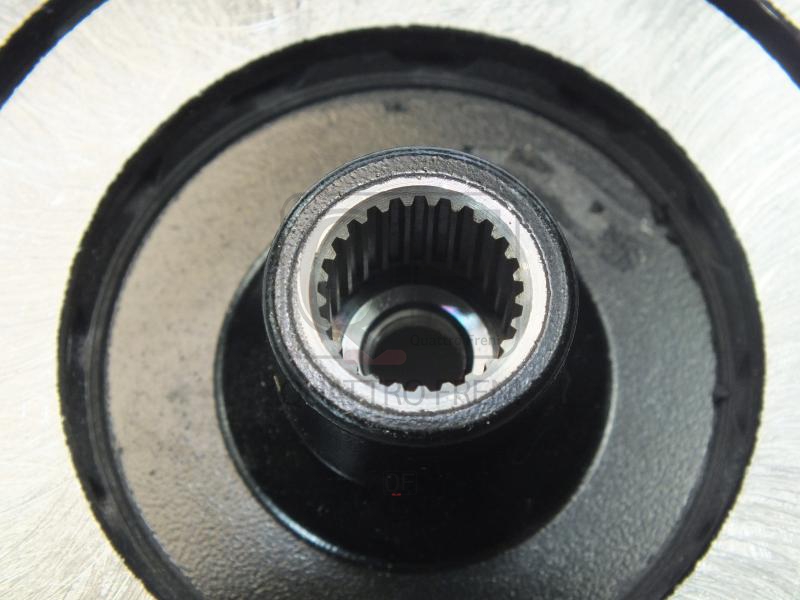
Three functional elements: (1) the rotor — a steel pulley with integrated double-row sealed ball bearing, runs continuously on the bearing whenever the engine is operating, driven by the serpentine belt. (2) the electromagnet coil housing — mounts stationary on the compressor body behind the rotor, generates a magnetic field of ~0.4–0.6 T when energised by the AC relay. (3) the drive plate (armature) — a spring-steel disc bolted to the compressor shaft via a splined hub.
When AC commands compressor on, the relay applies 12 V to the coil. The magnetic field pulls the drive plate across the calibrated 0.3–0.6 mm air gap into contact with the rotor face, coupling rotation through the splined hub to the compressor shaft. When AC commands off, the coil de-energises, the spring-steel drive plate flexes back, the air gap re-establishes, and the compressor stops while the rotor continues to spin freely on its bearing.
Air gap is critical: <0.3 mm = drag friction + bearing wear when disengaged; >0.6 mm = weak engagement, slipping, friction-face burning. The shim washer kit allows precise gap adjustment. The Ford / Lincoln control strategy cycles the clutch frequently to manage cooling load — correct gap is essential for service life.
| International HS Code | 8414.30 |
| EAEU Customs Code (TN VED) | 8414 30 810 0 |
| Country of Manufacture | China |
| Quality standard | IATF 16949 |
| Hazardous goods | No |
| Packaging | Individual branded packaging with vehicle application label |
AC compressor clutch assemblies are typically classified under HS 8414.30 (compressors of a kind used in refrigerating equipment, parts of compressors). The complete clutch assembly with rotor, coil, and drive plate is generally treated as a part of the AC compressor for tariff purposes. Confirm the exact 10-digit subheading and applicable duty rates with your customs broker. Particularly relevant for North American / European / Russian / CIS market shipments where the Ford Fusion / Edge / Lincoln MKZ fleet population is densest. Commercial invoice description: AC compressor electromagnetic clutch assembly for passenger vehicle, complete with rotor, coil, drive plate, and shim kit.
| Vehicle | Years & engines |
|---|---|
| Ford Fusion (2nd-gen, CD4) | 2017–2020 — 2.0L EcoBoost turbocharged petrol (4-cyl), 2.5L iVCT naturally-aspirated petrol (4-cyl). Trims: S, SE, SEL, Titanium, Sport, Hybrid, Energi (verify hybrid / Energi variant uses electric AC compressor without this clutch) |
| Ford Edge (2nd-gen, CD4) | 2016–2018 — 2.0L EcoBoost turbocharged (from production date 1/4/16). Trims: SE, SEL, Titanium, Sport. Pre-1/4/16 production may use different reference |
| Lincoln MKZ (2nd-gen, CD4) | 2017–2020 — 2.0L EcoBoost turbocharged (4-cyl). Trims: Premiere, Select, Reserve, Black Label. Hybrid variant uses electric AC compressor without this clutch |
Does NOT fit: Ford Fusion 1st-generation (2006–2012) — uses different compressor family with different clutch reference; Ford Edge 1st-generation (2007–2014) — older platform with different clutch; Ford Edge pre-production-date 1/4/16 — verify by build date plate; Ford Fusion / MKZ Hybrid / Energi — uses electric AC compressor with no electromagnetic clutch (electric motor-driven instead); Ford Escape (any generation) — different chassis and compressor; Ford F-150 / F-Series Super Duty — truck-specific compressors with different clutches; Ford Mustang — different compressor family; Ford Focus / Fiesta — smaller compressor with different clutch dimensions; Ford EcoSport — compact compressor (Visteon VS-12 with different clutch reference); Ford Explorer / Expedition — SUV / truck-specific compressors; Ford Transit / Transit Connect — commercial-vehicle compressors; Lincoln Continental / Navigator / MKX / Aviator — different compressor families. Always verify by the OEM number stamped on the existing clutch AND by visual confirmation of compressor model.
Difficulty: Moderate. Estimated time: 60–120 minutes. NO refrigerant recovery is required — the clutch is mounted externally on the compressor nose and replacement does not open the refrigerant circuit. The AC system remains sealed throughout the procedure.
- 1Disconnect the negative battery terminal and wait 1 minute for capacitor discharge. Remove the engine top cover. Loosen the serpentine belt tensioner and remove the accessory belt from the compressor pulley. Note belt routing for reinstallation (typically diagrammed on the engine label).
- 2Verify compressor shaft rotates freely — grip drive plate and rotate. If seized, do NOT proceed — compressor failed internally; new clutch destroyed on first engagement. Recovery + complete compressor replacement required.
- 3Remove drive plate centre bolt (14 mm or T50 Torx). Sometimes loctited — brief heat-gun heat releases. Use clutch hub puller (Ford 49S0011 / Snap-On A205A or equivalent) threading into the hub centre thread to release plate from shaft taper.
- 4Note the shim washer arrangement behind the drive plate hub. Photograph and label the washers in their original positions. The shim count and thickness determines the air gap on reassembly.
- 5Remove the rotor snap ring using snap-ring pliers. Use a rotor puller to extract the rotor + bearing. Force only on inner race / rotor hub — never strike the casting or force the outer race.
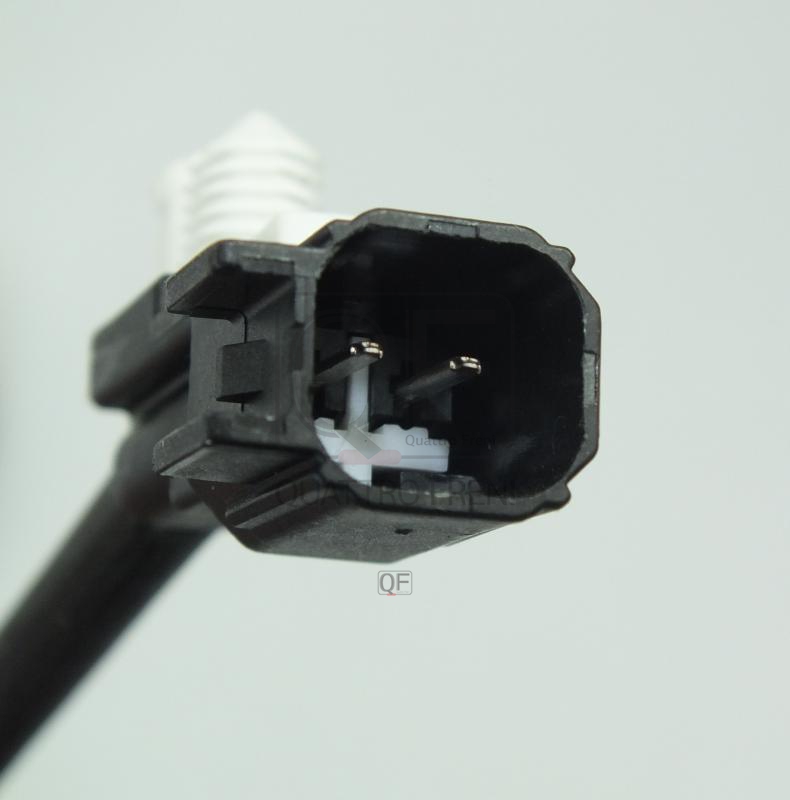
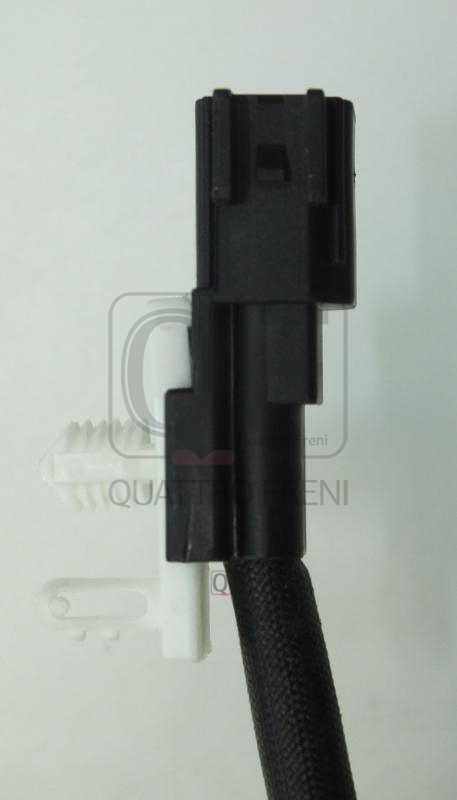
- 6Disconnect the coil 2-pin connector and unbolt the coil housing from the compressor body (typically 3 small Torx or hex bolts). Lift the coil housing free.
- 7Inspect compressor nose seats for damage / corrosion / galling. Clean with brake cleaner and brass brush — NO steel wool / abrasive paper (scratches seats). Apply very light film of clean refrigerant oil to ease bearing installation.
- 8Install the new coil housing first, aligning the locating pin with the boss on the compressor body. Torque the coil mounting bolts to OEM spec (typically 4–6 Nm). Reconnect the coil 2-pin connector.
- 9Press new rotor / bearing onto compressor nose with correct-diameter bearing driver. Force ONLY on inner race — outer race destroys the bearing. Drive until fully seated, install snap ring.
- 10Install the drive plate hub on the compressor shaft, aligning the hub spline / key. Place the original shim washers behind the hub initially. Install the centre bolt and torque to spec (typically 14–18 Nm).
- 11Measure air gap with feeler gauges at 3 equally-spaced points. Spec: 0.3–0.6 mm, uniform within 0.1 mm. Too large = add shims; too small = remove shims. Iterate until correct — critical for service life.
- 12Test electrically before reinstalling belt. Apply 12 V directly to the coil with jumper leads from the battery — drive plate should snap with clear single click. Buzzing / weak engagement = gap needs adjustment. Reinstall belt, reconnect battery, run engine, verify AC cooling.
| Part | Reference | Reason for Combined Replacement |
|---|---|---|
| Serpentine Accessory Belt | Ford / Motorcraft / Gates / Continental belt for 2.0L EcoBoost / 2.5L iVCT | Mandatory inspection at clutch service. If clutch failed from seized rotor bearing, belt was running hot and may have suffered glazing / cracking / rib damage. Inspect belt section that ran over compressor pulley — any visible damage requires replacement. Damaged belt produces slipping on all driven components. |
| AC Pressure Switch (High-Side / Low-Side) | Ford / Motorcraft pressure-switch family for Fusion / Edge / MKZ | Repeated slip / short-cycling causing the original failure may have been initiated by an incorrect AC pressure switch. Test cutout values with AC manifold gauge set. Failed switch with new clutch produces immediate recurrence within weeks. |
| AC Compressor | Ford / Motorcraft replacement compressor for 2.0L EcoBoost / 2.5L iVCT | Required if compressor shaft seized — verified by inability to rotate after clutch removal. New clutch fails on first engagement. Symptoms: metal particles in refrigerant oil, severe noise from compressor body, pressure imbalances. Compressor replacement requires refrigerant recovery + complete circuit flush. |
| AC Receiver-Drier | Ford / Motorcraft receiver-drier for Fusion / Edge / MKZ | Replace if AC system opened for compressor replacement. Desiccant becomes saturated when exposed to atmospheric moisture. Ford service procedure requires this for major AC service. Not required for clutch-only replacement (system stays sealed). |
| AC Clutch Relay | Ford / Motorcraft AC clutch relay for Fusion / Edge / MKZ | Worn relay with degraded contacts produces voltage drop, weakening magnetic field and causing intermittent engagement / slipping — easily mistaken for clutch failure. Inspect contacts during clutch service; replace if pitted / burned. Inexpensive insurance against repeat failure. |