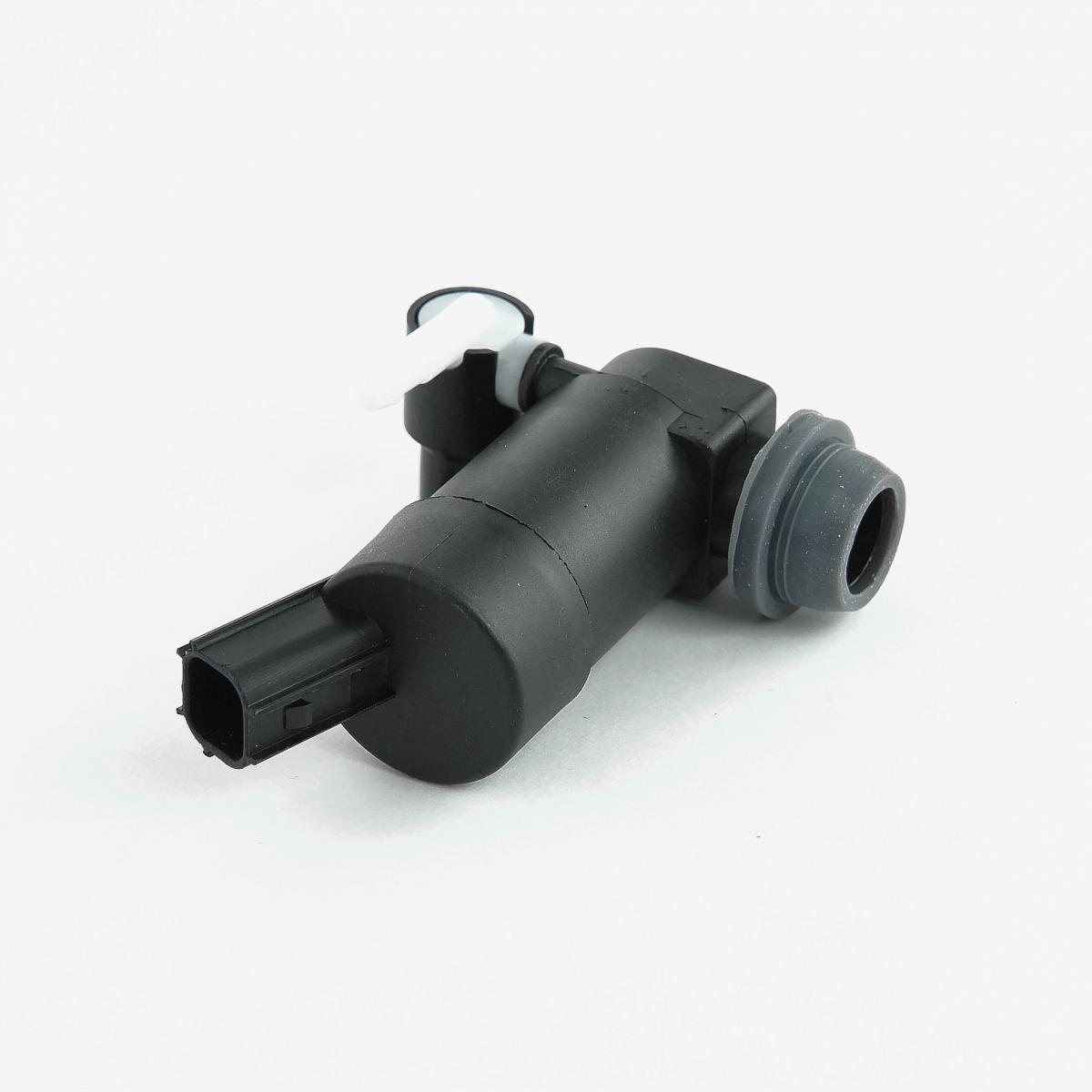
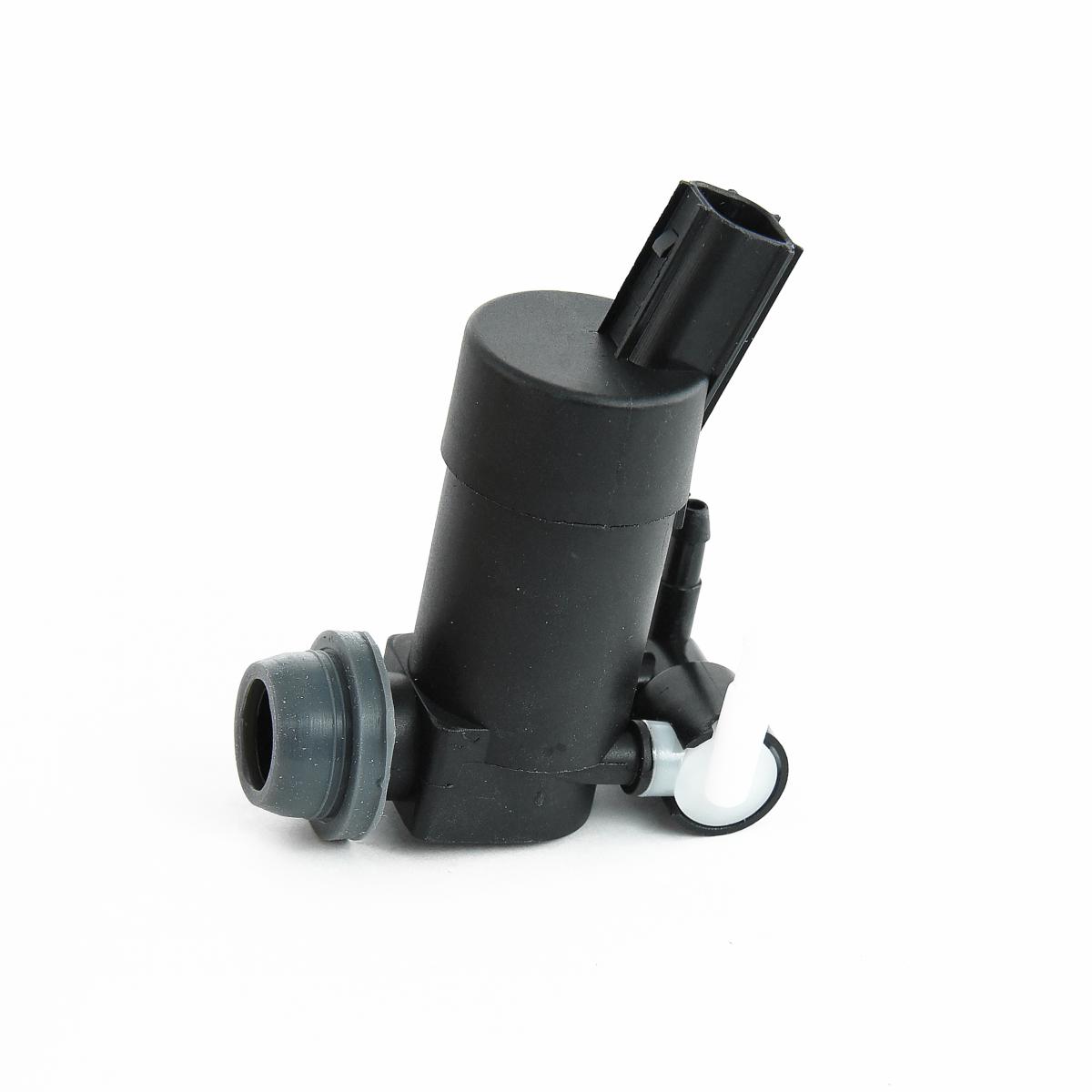
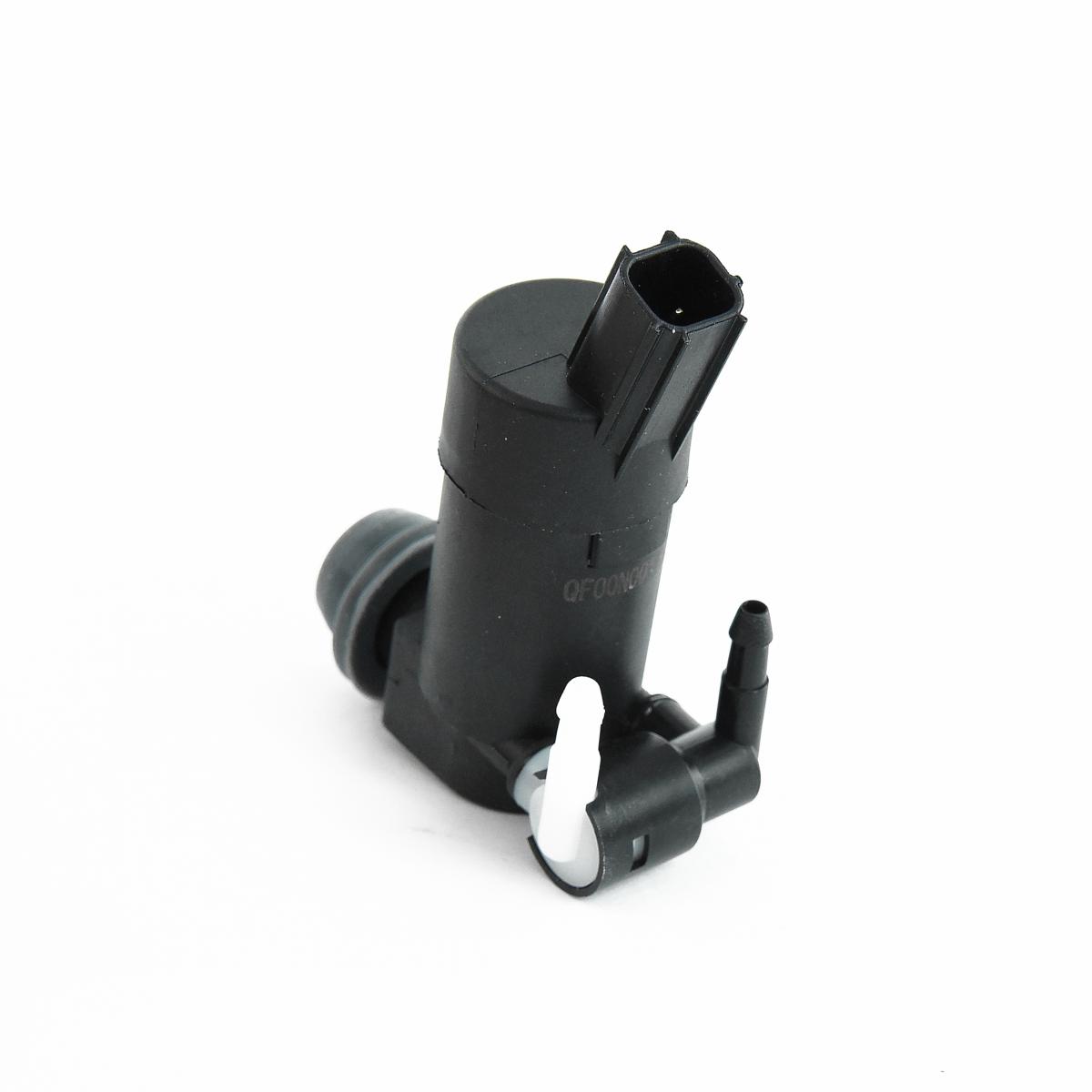
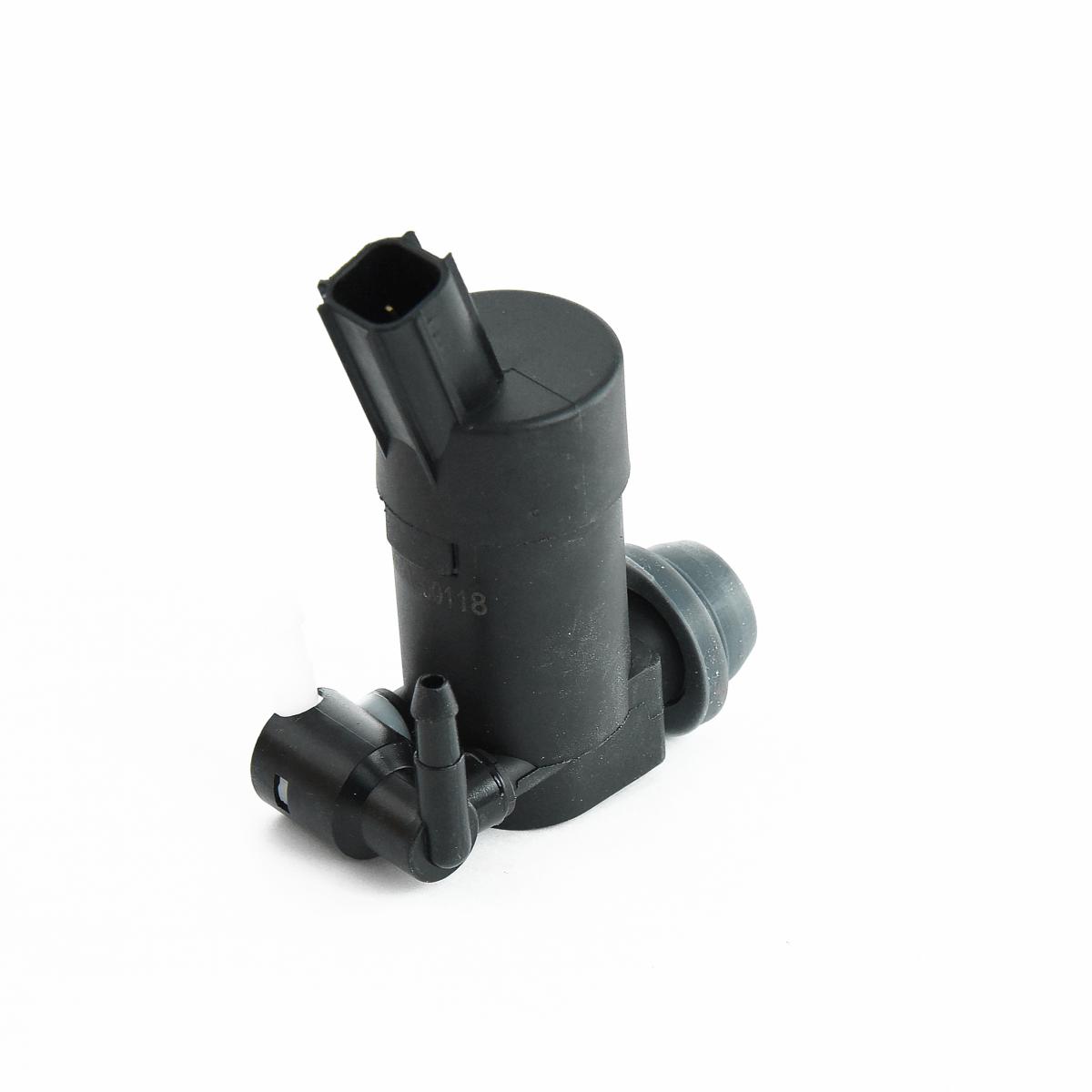
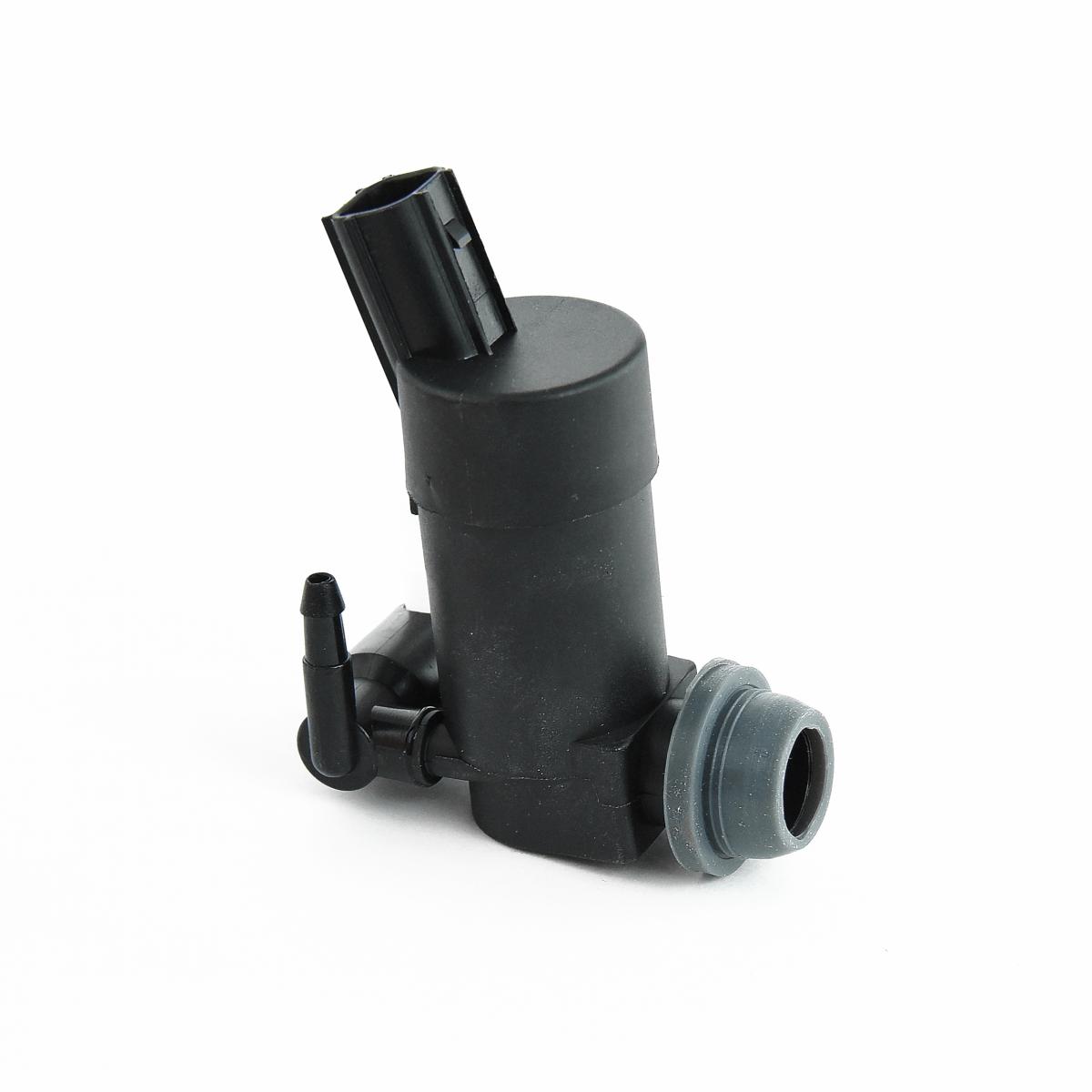
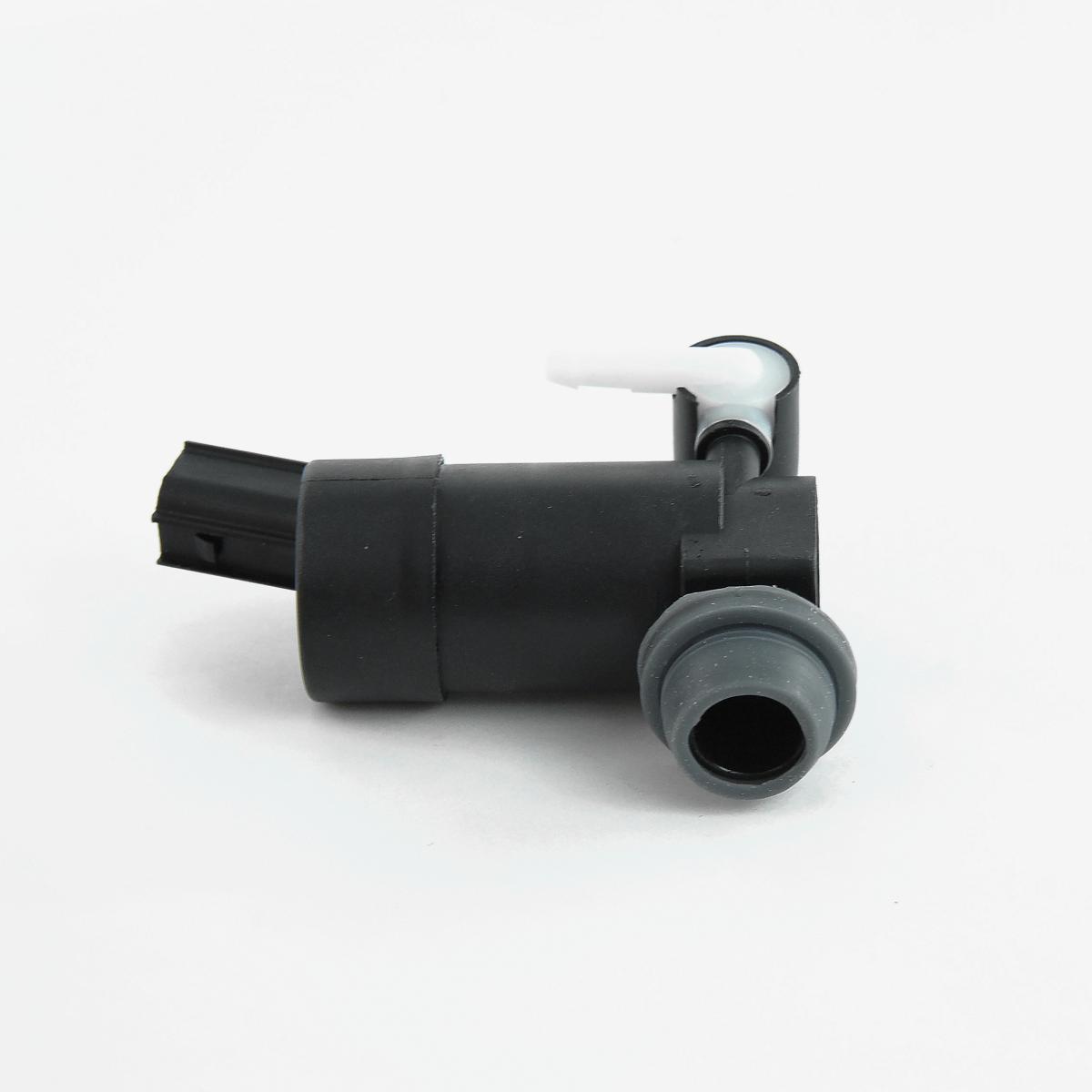
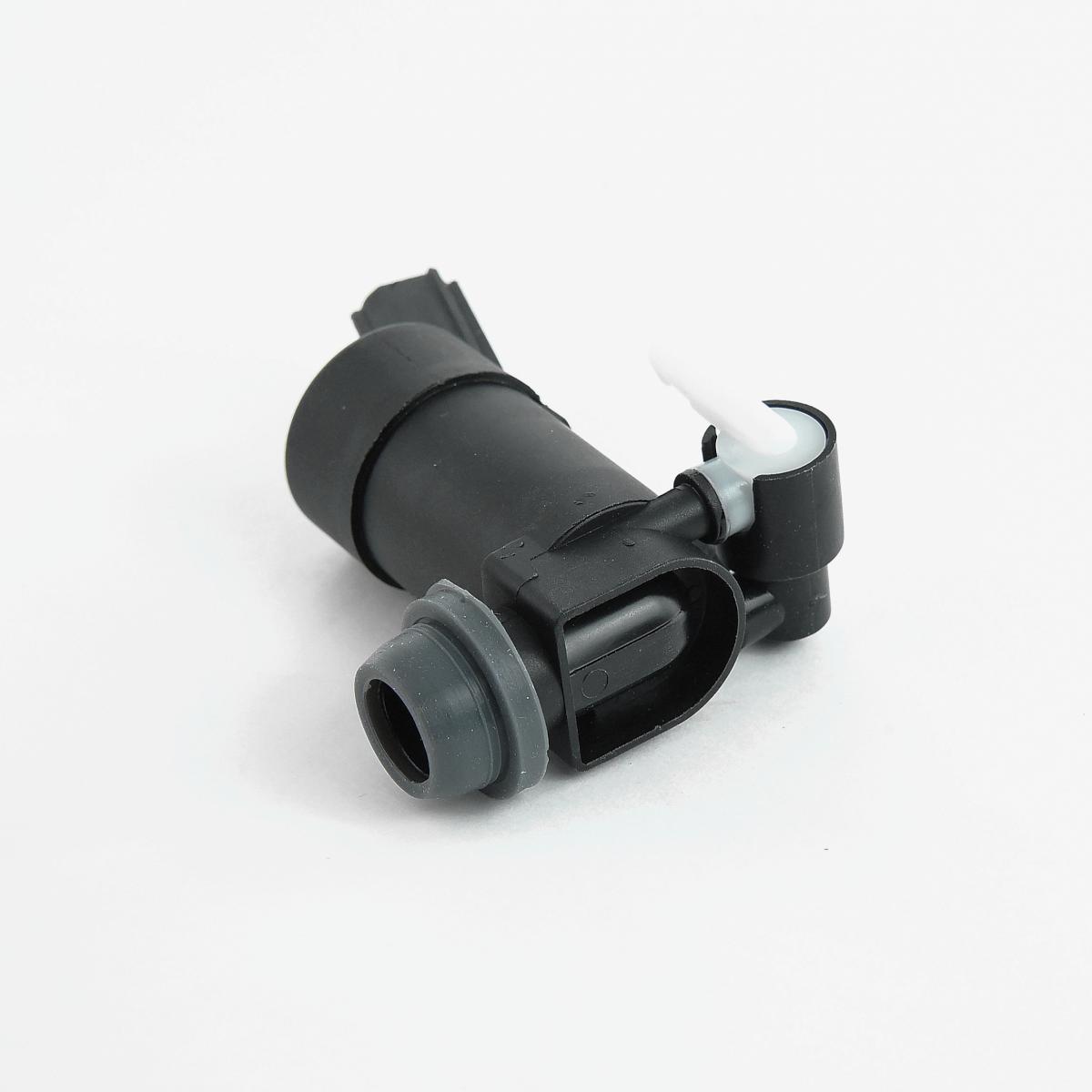
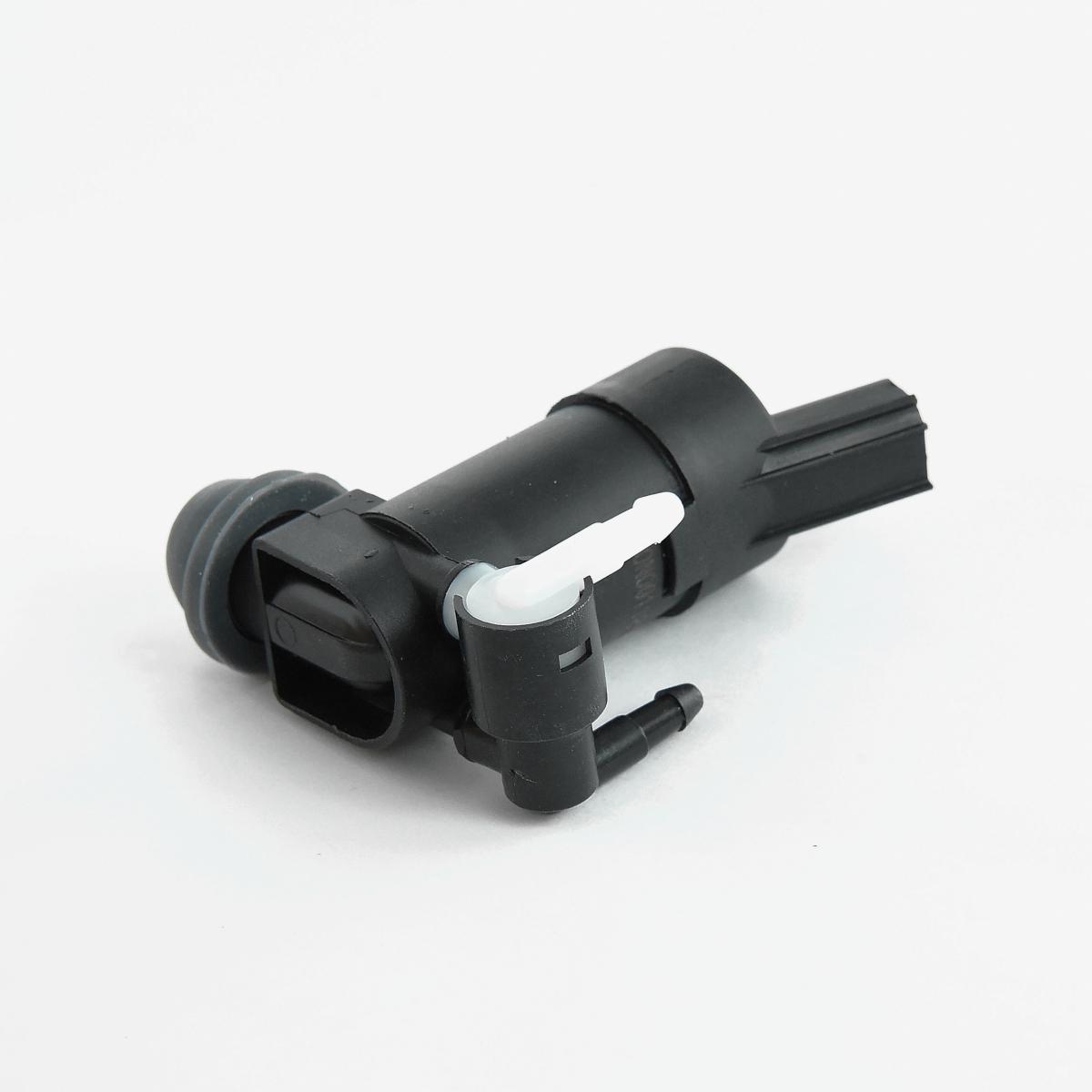
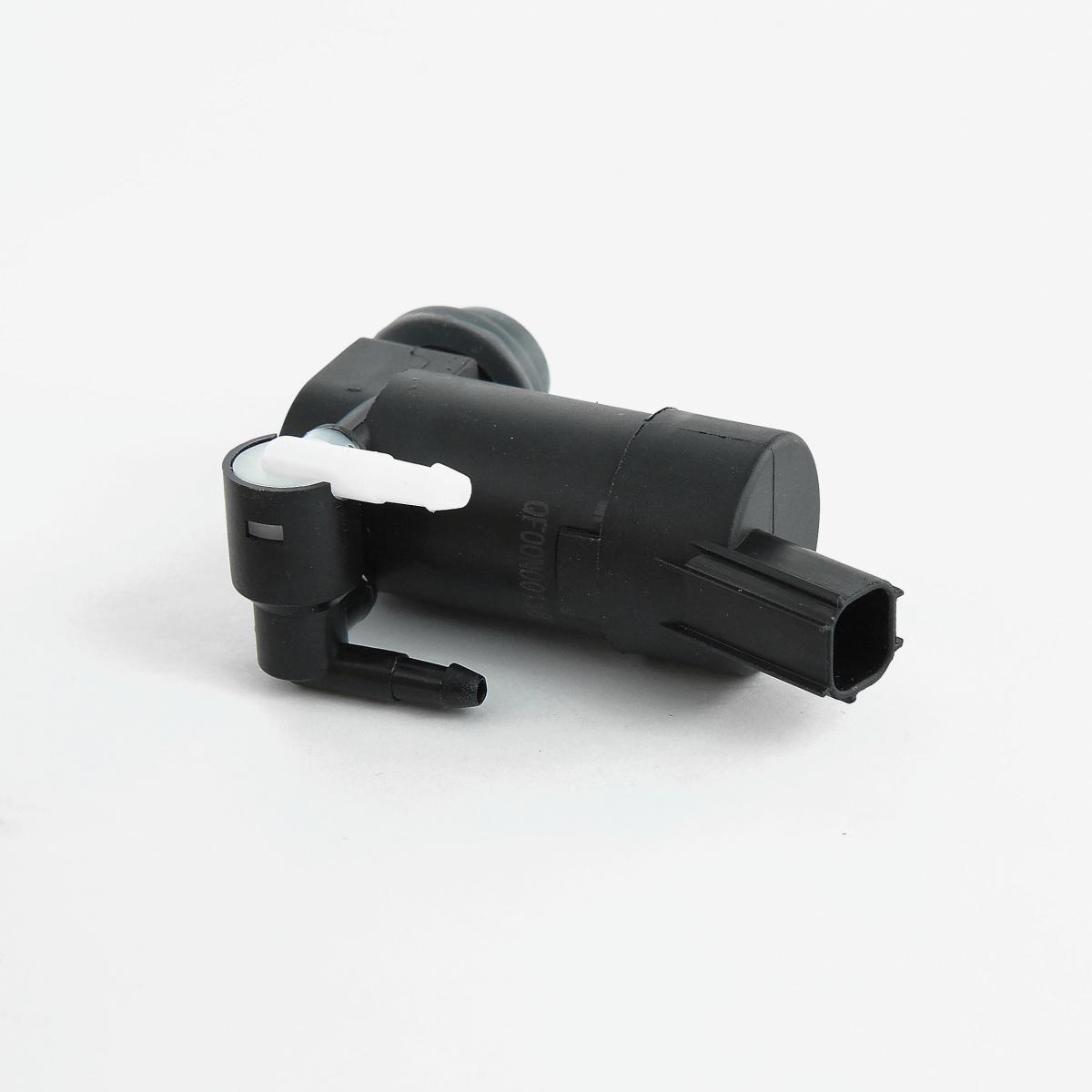
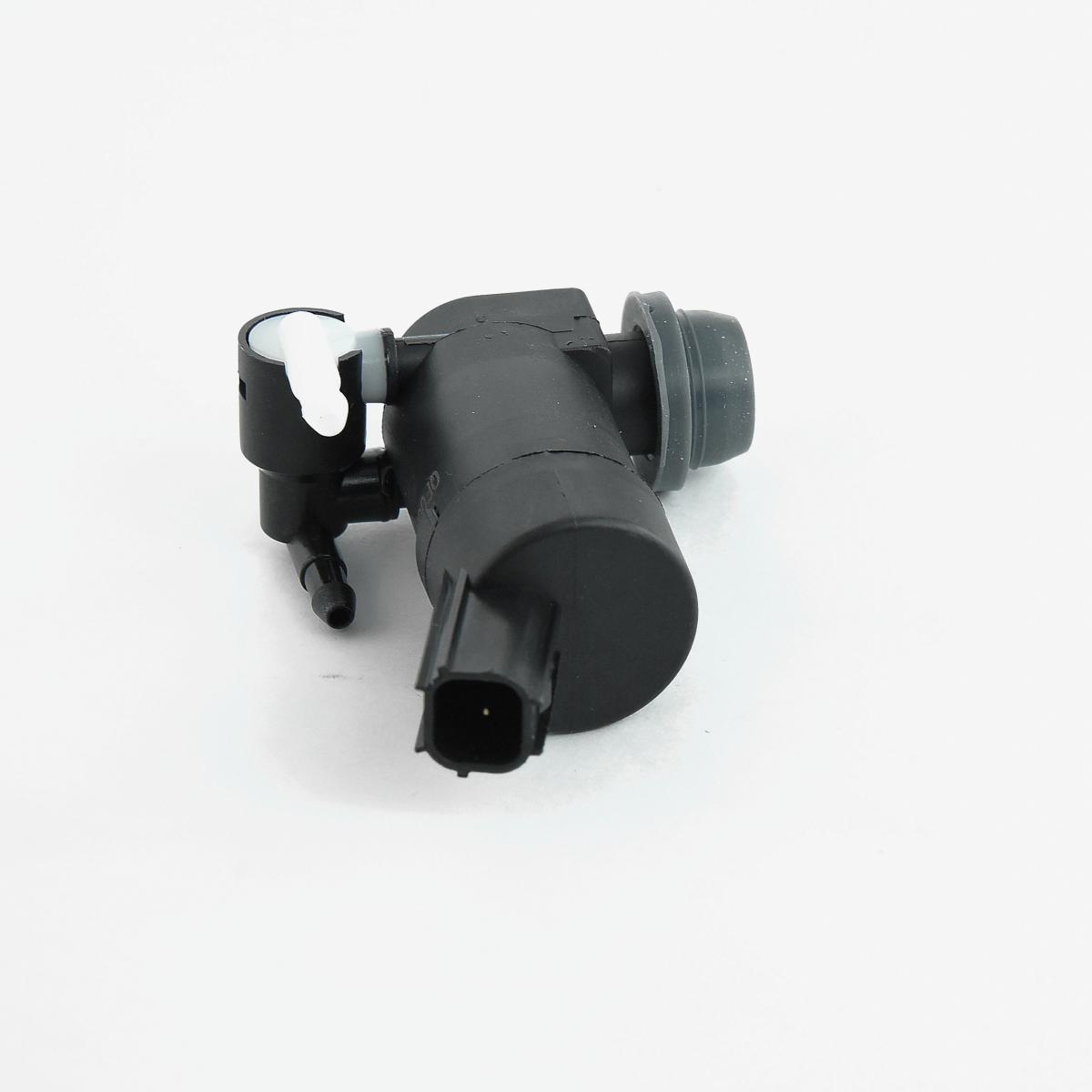
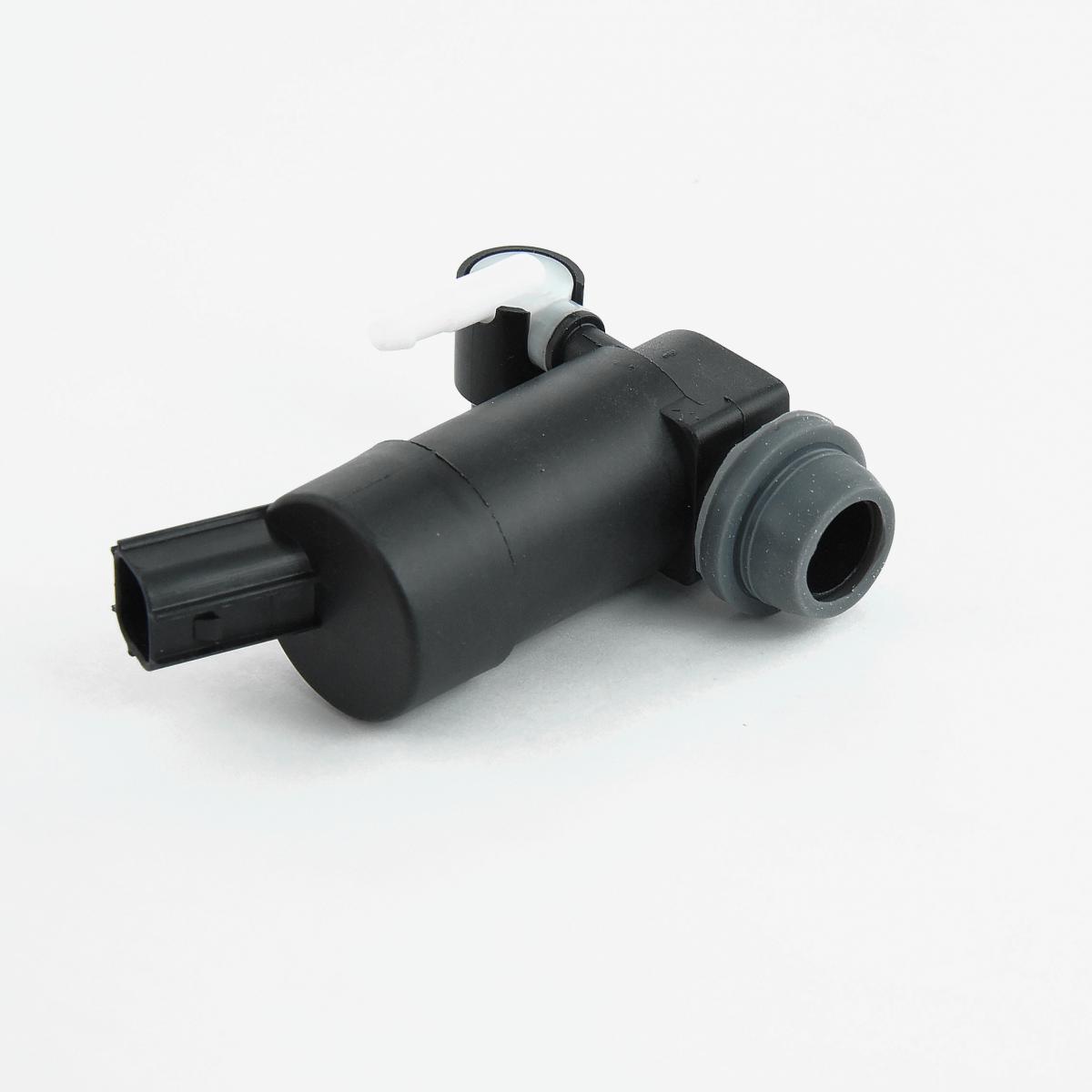
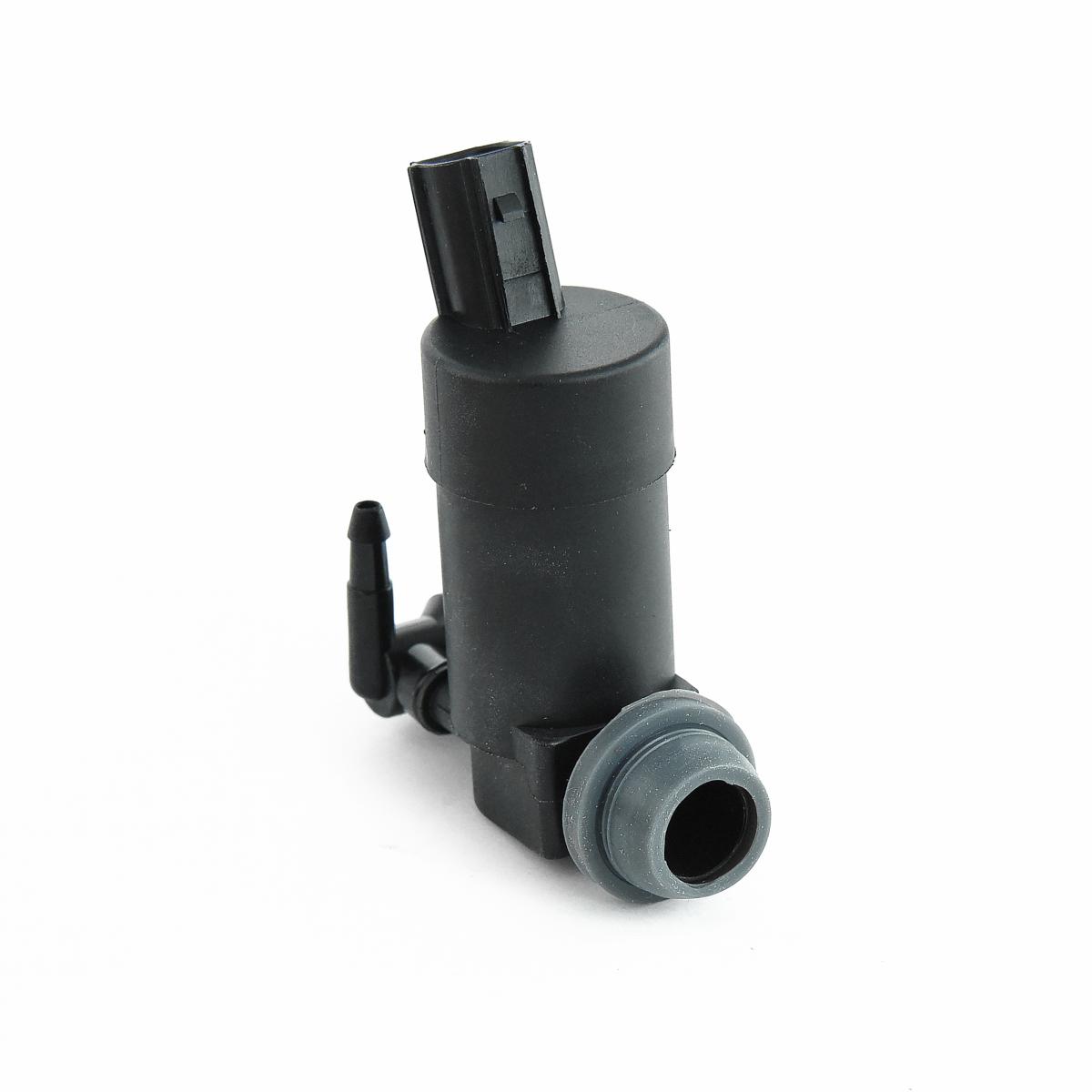
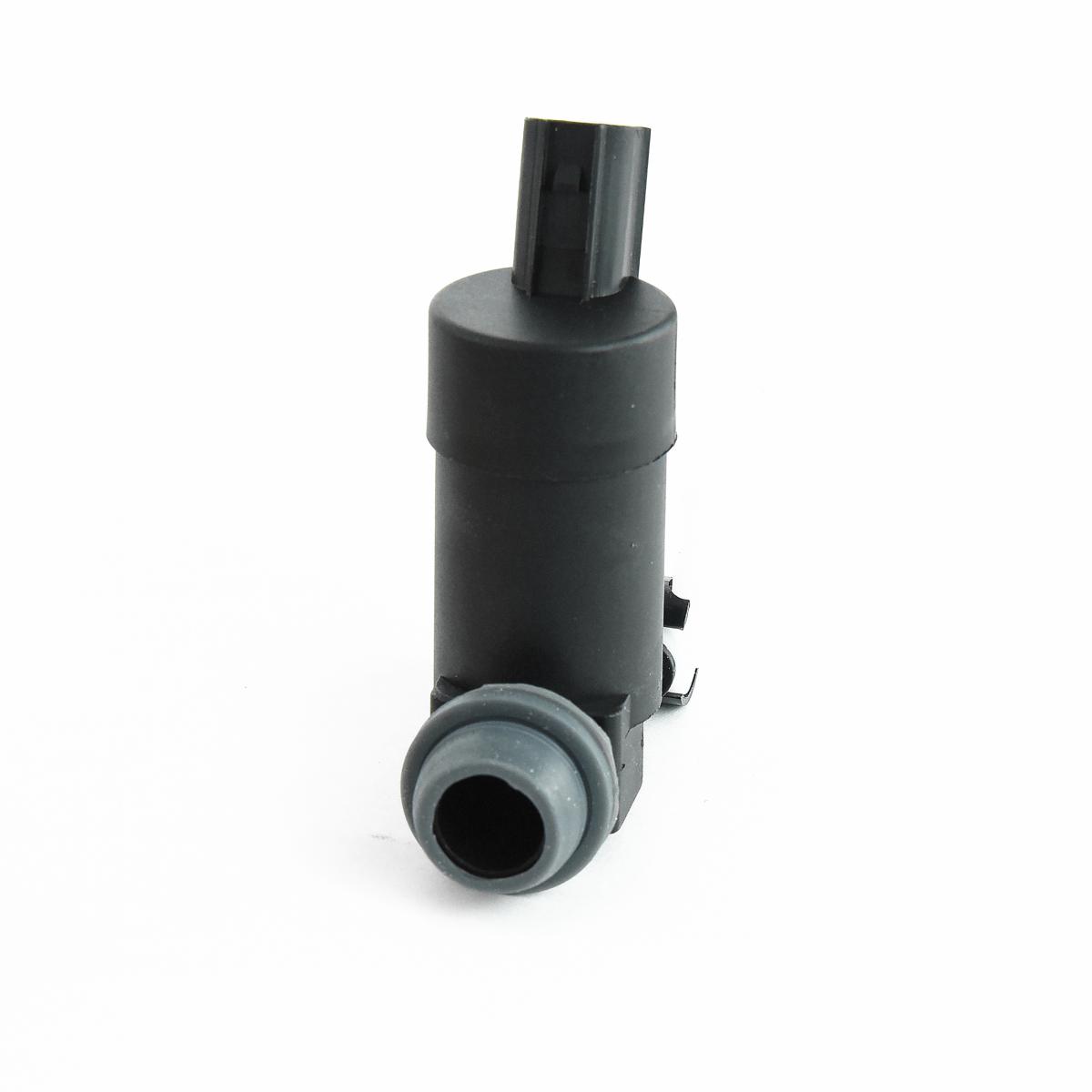
FORD 1355124 MOTOR PUMP ASSY
Product Specifications
| FORD | 1355124 |
| FORD | 1357105 |
| FORD | 1231600 |
| FORD | 1145866 |
| FORD | 1514079 |
| FORD | 2022321 |
| FORD | 1S7117K624FC |
| FORD | 1S7117K624FE |
| FORD | 1S7117K624FD |
| VOLVO | 1355124 |
The Ford 1355124 is the Windscreen Washer Pump — Twin-Outlet (Dual / Front + Rear) version fitted to a wide range of Ford C1 platform vehicles built approximately 2000-2015 (Mondeo Mk3 / Mk4, Focus Mk2, C-MAX, Galaxy Mk2, S-MAX, Kuga Mk1) and Volvo cars on the shared Ford-Volvo "P1/P2" architecture (V50, V70, XC70, XC90, C30). The pump is a submersible 12V DC permanent-magnet motor with integrated centrifugal impeller, mounted directly into the washer fluid reservoir via a rubber grommet seal. Twin-outlet design — the pump has TWO separate outlet barbs delivering washer fluid to either: (a) separate front windscreen and rear window wash circuits, or (b) front-only with dual jet supply. This is a distinct configuration from the single-outlet "Mono Pump" reference (Ford 1708254) fitted to later Focus Mk3 + Transit family.
The twin-outlet washer pump performs four integrated functions to deliver pressurised washer fluid on driver command: (1) electric activation — supply circuit from the wiper stalk through washer pump relay (controlled by GEM / BCM / CEM on modern Ford + Volvo applications with CAN-bus body electronics) provides 12V to the pump motor when the wash function is requested; (2) submerged motor operation — the pump body is fully submerged in the reservoir's washer fluid, which provides essential cooling and lubrication for the DC motor windings during operation; (3) centrifugal pumping — the impeller rotated by the motor creates centrifugal pressure in the volute housing, drawing fluid from the reservoir and pressurising it to 1.5-3.0 bar at the outlet manifold; (4) dual fluid delivery — pressurised fluid exits through two separate outlet barbs to the front and rear (or dual front) jet supply hoses.
The pump body seals to reservoir via rubber grommet press-fit in reservoir's outlet port. Twin outlet configuration: outlets supply different circuits depending on vehicle — hatchback / wagon / estate = front windscreen + rear window; saloon = dual front jet supply. Single motor drives single impeller with manifold splitting flow to both outlets; activation pressurises both simultaneously unless isolating valves in supply hose routing isolate selected circuits.
Three failure mechanisms: (1) motor winding burnout from dry-run when reservoir empty (fluid cools/lubricates motor; repeated dry cycles = winding insulation failure); (2) impeller wear from abrasive contamination; (3) grommet hardening / shrinkage = air ingress, reduced pressure. Prevention: keep reservoir ≥1/4 full; never activate with empty reservoir.
| International HS Code | 8413.20 |
| EAEU Customs Code (TN VED) | 8413 20 000 0 |
| Country of Manufacture | China |
| Quality standard | IATF 16949 |
| Hazardous goods | No |
| Shipping weight per piece | 0.102 kg (102 grams) |
| Packaging | Individual carton with part label and protective foam; bulk packaging available for wholesale |
Hand-operated pumps and other pumps for liquids are classified under HS 8413.20 (hand pumps); automotive washer pumps as electric pumps may also be classified under HS 8413.30 or 8413.50 depending on jurisdiction. Confirm exact 10-digit subheading and applicable duty rates with your customs broker. Commercial invoice description: automotive windscreen washer pump, 12V DC submersible electric pump, plastic body with rubber grommet, twin-outlet (dual) configuration, for passenger vehicle application.
| Vehicle | Generation / years |
|---|---|
| Ford Focus Mk2 (DA / HCP / DP / DB / FCH / DH / FFS / DS) | 2004-2012 hatchback / saloon / estate |
| Ford Focus C-MAX (DM2) | 2003-2007 MPV (first generation) |
| Ford C-MAX Mk1 (DM2) | 2007-2010 MPV (post-facelift) |
| Ford Mondeo Mk3 (B5Y / BWY / B4Y) | 2000-2007 hatchback / estate / saloon |
| Ford Mondeo Mk4 (BA7) | 2007-2014/15 hatchback / estate |
| Ford Galaxy Mk2 (WA6) | 2006-2015 MPV |
| Ford S-MAX Mk1 (WA6) | 2006-2014 MPV |
| Ford Kuga Mk1 | 2008-2013 SUV |
| Volvo C30 (P14) | 2006-2013 compact hatchback |
| Volvo V50 (P12) | 2004-2012 wagon |
| Volvo V70 (P26 / P24) | 1998-2015 wagon (verify by OEM stamping) |
| Volvo XC70 (P24 / P26) | 2007-2016 crossover wagon |
| Volvo XC90 (P28) | 2002-2014 SUV (first generation) |
| Citroen C5 (X4 / X7) | Selected variants share Ford-Volvo era supplier pump |
| Mazda 3 Saloon (BK / BL) | Shared platform via Ford ownership era of Mazda |
Does NOT fit: Ford Focus Mk3 (2010+) + Transit family (V363 / V362 / TF1) — these use the single-outlet "Mono Pump" reference 1708254, NOT the twin-outlet 1355124; Ford Focus Mk1 (pre-2004) — different older pump reference; Ford Fiesta (any generation) — different platform; Ford USA-market vehicles outside the shared platform applications — verify by Ford USA catalogue; Volvo S60 Mk1 + V70 P2 with rear-only-wash (saloon variants) — may use different reference; Volvo XC60 — uses different reference; Volvo 2nd generation XC90 (SPA platform, 2015+) — different platform with newer pump reference. Always verify by reading the OEM number stamped on existing pump before ordering; the 1355124 is specific to twin-outlet Ford C1 + Volvo P1/P2 platform applications.
Difficulty: Easy. Estimated time: 20–45 minutes depending on reservoir access. Drain or remove reservoir before extracting pump — pulling pump with full reservoir spills several litres of washer fluid into engine bay.
- 1Drain washer reservoir or remove reservoir from vehicle (consult Ford / Volvo service manual for your specific model). Pump is mounted in reservoir's outlet port below fluid level; pulling pump with full reservoir = fluid spill in engine bay.
- 2Disconnect wiring connector at pump — press release tab + pull connector body straight off. Do NOT pull by wires.
- 3Disconnect BOTH outlet supply hoses from pump barbs (twin-outlet design). Mark or photograph hose routing — front vs rear circuit hoses must be reconnected to correct outlet barbs; mis-routing produces wrong-direction wash on vehicles with separate front/rear circuits.
- 4Pull pump body straight out from reservoir with steady rocking motion to break grommet seal. Do NOT pull by wiring connector or outlet barbs — pull by pump body. Some applications require small flat-blade tool to release retention clip.
- 5Inspect reservoir grommet port opening — confirm bore clean and undamaged; cracked / deformed opening will not seal against new pump grommet. Clean mineral scale / debris with lint-free cloth.
- 6Compare new pump to old — verify dimensions, grommet profile, BOTH outlet barb positions and diameters, connector pinout match exactly. Confirm OEM 1355124 (or verified equivalent from supersession chain).
- 7Lubricate new pump grommet lightly with washer fluid or clean water — dry grommet requires excessive insertion force and may roll or tear. NEVER use petroleum-based lubricants on rubber grommets in washer fluid contact — petroleum swells and degrades rubber compound.
- 8Push new pump firmly into reservoir port until grommet flange seats flush against reservoir outer wall with no gap visible around circumference. Confirm full seating by attempting to pull pump back out with finger pressure — should resist removal.
- 9Reconnect BOTH outlet supply hoses to correct pump barbs (per marked / photographed routing). Reconnect wiring connector with release tab engagement click.
- 10Refill reservoir with correct-concentration washer fluid. Inspect immediately for leaks around grommet port — any visible fluid weep = incomplete grommet seating, remove pump and refit.
- 11Activate washer system and verify BOTH front + rear jets (where fitted) deliver fluid simultaneously when stalk activated. Pump audible during operation; no leak from grommet or hose connections; pump stops immediately when stalk released. Run several wash cycles to purge air from system.
- 12Final visual inspection after 24-hour soak test — check for slow leak from grommet base. Reset any Ford GEM / Volvo CEM washer-fault DTCs with appropriate diagnostic tool.
| Part | Reference | Reason for Combined Replacement |
|---|---|---|
| Washer Fluid Reservoir | Ford / Volvo-specific reservoir, varies by application | Cracked reservoir is frequently the underlying cause of the dry-run condition that burned out the pump motor — reservoir drains through hairline crack below pump inlet level. If failed pump showed signs of dry-run burnout, inspect reservoir for cracks before fitting new pump. |
| Reservoir Grommet (Pump Seal) | Ford / Volvo pump grommet (often included with pump kit) | Mandatory replacement when pump is removed. Grommet has hardened, compressed, and will not seal reliably on new pump if reused. Often supplied as part of pump kit; if not, order separately. Reusing old grommet on new pump = same leak as before. |
| Rear Window Jet Nozzle | Ford / Volvo rear jet nozzle, application-specific | On hatchback / wagon / estate vehicles with rear wash circuit, rear jet nozzle is a common failure point. UV-degraded plastic, blocked outlets from mineral scale. Inspect and replace simultaneously with pump service to prevent return visit for downstream component failure. |
| Rear Washer Supply Hose | Ford / Volvo rear hose routing, application-specific nylon tubing | On hatchback / wagon / estate vehicles, rear supply hose routes from reservoir under the vehicle floor / through tailgate hinge area — subject to flexing, frost cracking, and road salt corrosion. Split rear hose = no rear wash regardless of pump condition. Inspect and replace if any visible damage. |
| Front Windscreen Jet Nozzles | Ford / Volvo front jet nozzle set, application-specific | Blocked jet nozzles create back-pressure that forces pump to run against closed outlet, overheating motor and accelerating winding failure. Inspect and clear or replace front nozzles simultaneously with pump service. |