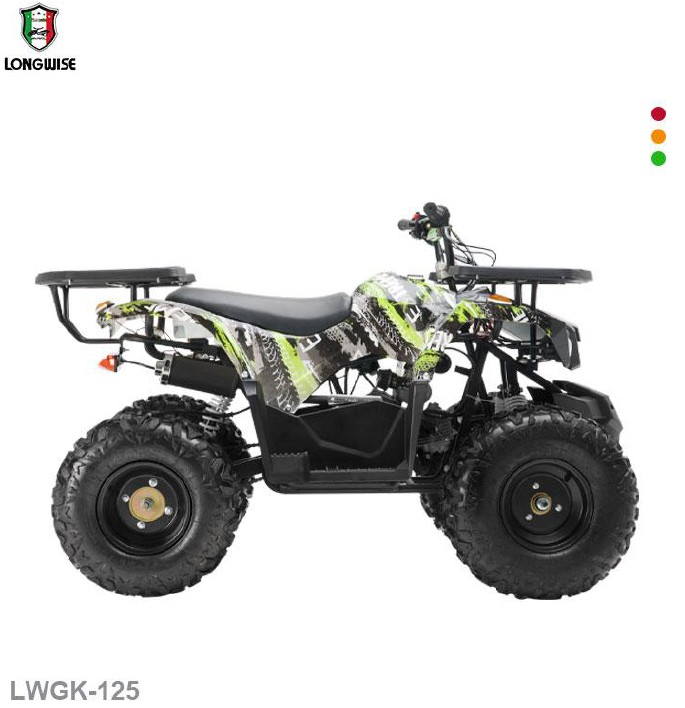
LONGWISE LWGK125 PETROL BEACH DRIFT KART
Product Specifications
| LONGWISE | LWGK125 |
Product Overview
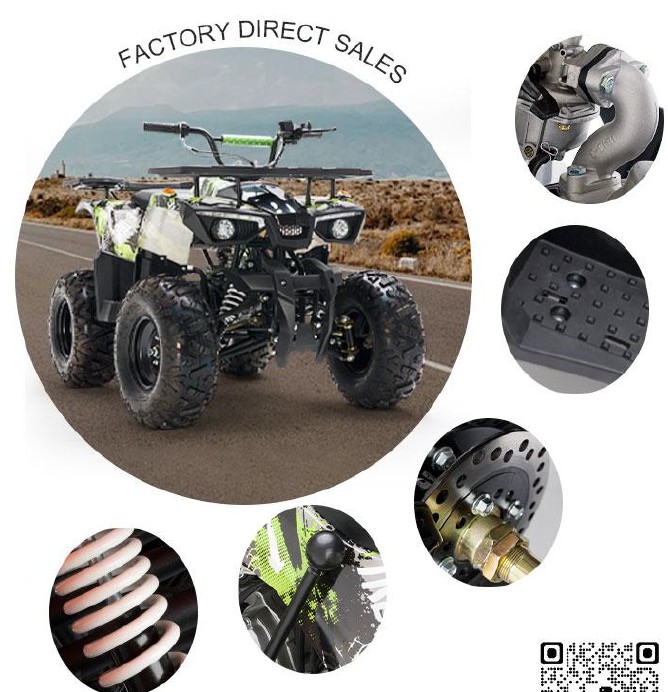
The LWGK-125 is a purpose-built beach drift ATV combining aggressive styling with practical 125cc 4-stroke engine performance. This compact all-terrain vehicle is specifically designed for beach riding, sand dunes, and light off-road recreation where maneuverability and fun factor take priority over utility.
Featuring a lightweight design with 6-inch aggressive-tread tires, carburetor fuel system, hydraulic disc brakes, and electric start convenience, the LWGK-125 delivers an exciting riding experience for recreational users, beach rental operations, and outdoor enthusiasts. The compact footprint and low weight make it ideal for transport and storage.
Core Specifications
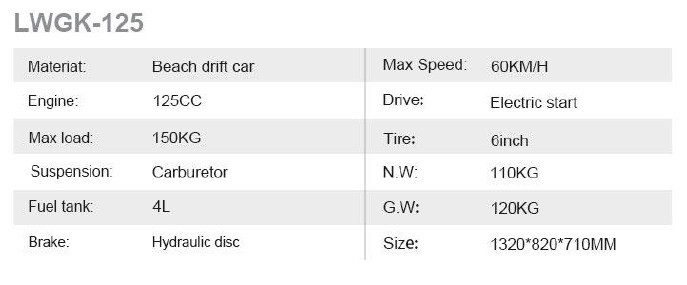
Detailed Technical Specifications
| Component | Specification | Details |
|---|---|---|
| Engine Type | 125cc 4-Stroke Gasoline | Air-cooled single cylinder design |
| Starting System | Electric Start | Push-button electric starter with backup kickstart |
| Fuel System | Carburetor | Reliable carburetor fuel delivery system |
| Fuel Tank Capacity | 4 liters | Approximately 80-120km range per tank |
| Transmission | Automatic CVT | Continuously variable transmission - no clutch required |
| Drive System | Chain Drive to Rear Axle | Sealed chain for reduced maintenance |
| Brake System | Hydraulic Disc Brakes | Front and rear hydraulic disc for reliable stopping power |
| Suspension Type | Front/Rear Swing Arm | Independent swing arm suspension both front and rear |
| Tire Size | 6-inch All-Terrain | Compact aggressive-tread tires for sand and dirt |
| Maximum Speed | 60 km/h | Manufacturer-rated top speed on flat terrain |
| Maximum Load | 150 kg | Combined weight of rider plus cargo |
| Net Weight | 110 kg | Vehicle weight without fuel or rider |
| Gross Weight | 120 kg | Shipping weight including packaging |
| Overall Dimensions | 1320 x 820 x 710 mm | Length x Width x Height |
| Ground Clearance | Approximately 120-150mm | Suitable for beach terrain and light obstacles |
Ideal Use Cases
The LWGK-125 Beach Drift ATV is purpose-built for sandy terrain and beach environments where conventional ATVs may struggle with traction or be prohibited due to noise/emissions concerns.
Beach and Coastal Recreation
- Beach Rental Operations: Perfect for beachfront rental businesses offering recreational ATV experiences to tourists
- Coastal Property Access: Ideal for navigating sandy beach access roads and coastal dune areas
- Beach Patrol and Lifeguard Support: Compact size allows quick response along crowded beaches
- Waterfront Resort Transport: Guest transportation across sandy resort properties
Recreational Use
- Dune Riding: Lightweight design and aggressive tires excel on sand dunes and beach terrain
- Private Property Recreation: Fun recreational vehicle for large rural properties with sandy soil
- Youth ATV Experience: Manageable size and automatic transmission suitable for supervised young riders (age 14+)
- Desert/Sandy Trail Riding: Works well on sandy trails, desert washes, and loose terrain
Light Commercial Applications
- Beach Maintenance: Accessing remote beach sections for cleanup and maintenance operations
- Event Support: Staff transport at beach events, festivals, and outdoor concerts on sandy grounds
- Property Inspection: Surveying sandy agricultural land, coastal properties, or construction sites
Rider Profile
Height Range: 150-180 cm for optimal control and comfort
Weight Limit: Maximum 150 kg combined rider plus cargo weight
Experience Level: Beginner to intermediate riders - automatic transmission, no clutch operation
Licensing: Check local regulations - may require ATV safety certification or driver's license
Performance Characteristics
Power Delivery: The 125cc 4-stroke engine provides smooth, predictable power suitable for recreational riding. Automatic CVT transmission eliminates clutch operation complexity.
Handling: Short wheelbase and lightweight design (110kg) deliver nimble handling and easy maneuvering through tight spaces. 6-inch tires provide excellent sand flotation.
Speed: 60 km/h top speed offers exciting performance while remaining manageable for less experienced riders.
Environmental Considerations
- Fuel Efficiency: 125cc engine delivers approximately 3-4 L/100km fuel consumption depending on riding style
- Noise Level: 4-stroke engine quieter than 2-stroke alternatives, approximately 85-90 dB at full throttle
- Emissions: Modern 4-stroke design produces cleaner emissions than older 2-stroke engines
- Beach Impact: Lightweight design and 6-inch tires minimize beach disturbance compared to heavier UTVs
125cc 4-Stroke Engine
The LWGK-125 is powered by a reliable 125cc air-cooled 4-stroke single-cylinder engine optimized for recreational riding. This engine configuration offers a balance of power, fuel efficiency, and ease of maintenance.
Engine Specifications
| Parameter | Specification |
|---|---|
| Displacement | 125cc (approximately 7.6 cubic inches) |
| Engine Type | 4-Stroke Single Cylinder |
| Cooling System | Air-Cooled (forced air via fan) |
| Starting System | Electric Start (push button) with backup kickstart |
| Fuel System | Carburetor (manual choke) |
| Transmission | Automatic CVT (Continuously Variable Transmission) |
| Fuel Requirement | Regular unleaded gasoline (87 octane minimum) |
| Oil Capacity | Approximately 0.9-1.0 liters (10W-40 motorcycle oil recommended) |
Fuel System and Range
Fuel Tank Capacity: 4 liters provides adequate range for recreational riding sessions without frequent refueling.
Fuel Consumption: Approximately 3-4 liters per 100km depending on riding style and terrain. Aggressive throttle, sand riding, and high speeds increase consumption.
Range per Tank: 80-120 km range on flat terrain with moderate riding. Beach riding typically reduces range to 60-80km per tank.
Fuel Type: Regular unleaded gasoline (87 octane or higher). Premium fuel not required. Avoid ethanol content above 10% (E10 maximum).
Keep engine properly tuned - clean air filter and properly adjusted carburetor
Reduce weight - remove unnecessary cargo to improve fuel economy
Maintain proper tire pressure - under-inflated tires increase rolling resistance
Avoid prolonged idling - shut off engine during extended stops
Carburetor System
The LWGK-125 uses a traditional carburetor fuel system rather than electronic fuel injection. While less sophisticated than EFI, carburetors offer simplicity, ease of maintenance, and lower repair costs.
Carburetor Maintenance
- Choke Operation: Use manual choke for cold starts, gradually reduce choke as engine warms
- Cleaning Interval: Clean carburetor jets every 50-100 hours of operation or annually
- Fuel Stabilizer: Add fuel stabilizer if storing vehicle more than 30 days to prevent carburetor gumming
- Air Filter: Clean foam air filter every 10-20 hours, replace every 50-100 hours
May experience starting difficulties below 0C - store indoors in winter
Choke must be used properly - excessive choke causes fouled spark plugs
Allow 2-3 minutes warm-up before riding in temperatures below 15C
Starting and Operation
Cold Start Procedure
- Turn fuel petcock to ON position
- Pull choke lever to FULL position
- Ensure transmission in neutral or parking brake engaged
- Press electric start button (or use kickstart)
- Engine should start within 2-3 seconds
- Allow 30-60 seconds initial warm-up at idle
- Gradually reduce choke to half position after 1-2 minutes
- Push choke to OFF position once engine runs smoothly without choke
Warm Start Procedure
- Ensure fuel petcock ON
- Choke should be OFF for warm engine
- Press electric start button - engine starts immediately
Pre-Ride Inspection
| Item | Check | Action if Problem Found |
|---|---|---|
| Fuel Level | Check fuel gauge or tank visually | Refuel if below 1/4 tank |
| Engine Oil | Check dipstick - oil should be at FULL mark | Add 10W-40 motorcycle oil if low |
| Tire Pressure | Press tires with thumb - should be firm | Inflate to 8-10 PSI for beach use |
| Brakes | Squeeze brake levers - should be firm, not spongy | Bleed hydraulic system or adjust |
| Chain Tension | Mid-chain deflection 15-25mm | Adjust chain tension |
| Controls | Throttle snaps back, brakes work | Repair or adjust as needed |
Riding Techniques for Sand/Beach
Sand Riding Best Practices
- Tire Pressure: Reduce pressure to 6-8 PSI for soft sand (improves flotation), increase to 10-12 PSI for hard-packed surfaces
- Momentum: Maintain steady momentum through soft sand - slowing down causes bogging
- Weight Distribution: Shift weight rearward when accelerating in sand to prevent front wheel digging
- Throttle Control: Smooth, progressive throttle application prevents rear wheel spin and sand roosting
- Steering: Use gentle steering inputs - aggressive turning causes loss of momentum
Maintenance Schedule
Regular Maintenance Tasks
| Interval | Maintenance Tasks |
|---|---|
| Every Ride | Pre-ride inspection | Clean sand/dirt from air filter |
| Every 10 Hours | Clean/oil air filter | Lubricate chain | Check tire pressure |
| Every 20-30 Hours | Change engine oil | Check spark plug | Inspect brakes | Adjust carburetor if needed |
| Every 50 Hours | Replace air filter | Replace spark plug | Clean carburetor | Inspect drive chain |
| Every 100 Hours | Deep carburetor cleaning | Replace chain/sprockets | Valve clearance check | Replace brake fluid |
| Annually | Complete service regardless of hours | Replace all fluids | Inspect all systems thoroughly |
Clean air filter after EVERY beach ride - sand ingestion causes rapid engine wear
Wash vehicle thoroughly after beach use to remove salt and sand
Lubricate chain more frequently - sand grit causes accelerated wear
Expect 30-50% shorter service life on chains, sprockets, and brake pads vs normal terrain
Critical Maintenance Procedures
Engine Oil Change (Every 20-30 hours):
- Warm engine for 2-3 minutes, shut off
- Place drain pan under engine
- Remove drain bolt, allow oil to drain completely (5-10 minutes)
- Reinstall drain bolt with new crush washer
- Add 0.9-1.0L of 10W-40 motorcycle oil through filler cap
- Check dipstick - oil should reach FULL mark
- Start engine, run 30 seconds, recheck oil level
Air Filter Cleaning (Every 10 hours or after beach riding):
- Remove air filter cover and foam filter element
- Wash filter in warm soapy water, rinse thoroughly
- Allow filter to dry completely
- Apply foam filter oil evenly to filter
- Squeeze out excess oil (filter should be damp, not dripping)
- Reinstall filter and cover
Troubleshooting
| Problem | Possible Cause | Solution |
|---|---|---|
| Engine won't start | No fuel | Dead battery | Fouled spark plug | Refuel | Charge battery | Replace spark plug |
| Engine starts then dies | Choke needed | Dirty carburetor | Fuel petcock OFF | Use choke | Clean carb jets | Turn petcock ON |
| Poor acceleration | Dirty air filter | Carburetor needs adjustment | Worn drive belt | Clean/replace filter | Adjust carb | Replace CVT belt |
| Engine overheats | Low oil level | Cooling fins blocked | Engine laboring in sand | Add oil | Clean fins | Reduce load/speed |
| Grinding noise from engine | Low oil | Internal engine damage | Add oil immediately | Professional inspection required |
Wholesale Pricing
Volume Pricing Structure
| Order Quantity | Typical Discount | Best For |
|---|---|---|
| 3-10 units | List price | Beach rental start-ups, private buyers |
| 11-25 units | 5-10% off | Established rental operations, dealers |
| 26-50 units | 10-15% off | Resort chains, regional distributors |
| 51-100 units | 15-20% off | National rental chains, large distributors |
| 100+ units | 20-30%+ (negotiable) | Fleet operators, private label programs |
Customization Options
- Color Options: Custom frame colors and body panel graphics (MOQ 10 units)
- Graphics Packages: Rental fleet branding, custom decals, company logos
- Performance Mods: Upgraded exhaust systems, air filters, carb jetting for specific conditions
- Accessory Packages: Cargo racks, headlight upgrades, windscreens, mirrors
Shipping and Logistics
Packaging
- Packaging Dimensions: Vehicle ships partially assembled in protective crate
- Assembly Required: Handlebars, front wheels, seat attachment (1-2 hours with basic tools)
- Net Weight: 110 kg per unit
- Gross Weight: 120 kg including packaging materials
Container Loading
| Container Type | Approximate Capacity |
|---|---|
| 20' Standard | 50-60 units |
| 40' Standard | 110-130 units |
| 40' High Cube | 130-150 units (optimal) |
Shipping Methods
- Sea Freight: 25-45 days port-to-port (most economical for container loads)
- Air Freight: 5-10 days (urgent orders, sample units)
- Rail Freight: 18-25 days China-Europe corridor
HS Code: 8711.20 - Motorcycles (including mopeds) and cycles with reciprocating internal combustion piston engine of cylinder capacity exceeding 50cc but not exceeding 250cc
Import Duties (Examples)
| Market | Typical Duty Rate |
|---|---|
| United States | 0-6% |
| European Union | 6-10% |
| United Kingdom | 6% |
| Canada | 6-8.5% |
| Australia | 5% |
| UAE | 5% |
Q: Is the LWGK-125 suitable for adults or only youth riders?
The LWGK-125 is designed for riders age 14+, including adults. The 150kg max load accommodates adult riders up to approximately 110-120kg bodyweight. Compact dimensions (1320mm length) suit riders 150-180cm tall. Larger or taller adults may find controls cramped.
Q: How does the 125cc engine compare to larger ATVs?
The 125cc engine is entry-level displacement, ideal for recreational beach riding but not high-performance trail riding. Produces approximately 8-10 horsepower - adequate for 60 km/h top speed with single rider. Larger 250-500cc ATVs offer significantly more power but weigh 2-3x as much.
Q: What is fuel consumption and operating cost?
Fuel consumption: approximately 3-4 liters per 100km. With 4L tank capacity, range is 80-120km per tank depending on terrain and riding style. At $1.50/L fuel cost, operating cost is approximately $4.50-6.00 per 100km. Annual maintenance costs: $150-250 for oil changes, filters, chain maintenance.
Q: Can it be used on public roads?
In most jurisdictions, NO. The LWGK-125 lacks required equipment for street-legal operation (turn signals, mirrors, horn, headlight/taillight meeting standards, license plate mount). Some rural areas allow ATV operation on specific roads with restrictions. Always check local laws before riding on public roads.
Q: How does it perform in soft sand vs hard-packed beach?
Performance varies significantly. Hard-packed beach: Excellent performance, reaches full 60 km/h speed easily. Soft/loose sand: Reduce tire pressure to 6-8 PSI for flotation, maintain momentum to avoid bogging. May struggle in very deep soft sand due to smaller 6-inch tires compared to full-size ATVs with 8-10 inch tires.
Q: What maintenance is required after beach riding?
Critical post-beach maintenance: (1) Rinse entire vehicle with fresh water to remove salt, (2) Clean air filter - sand ingestion causes rapid engine wear, (3) Lubricate chain - saltwater accelerates corrosion, (4) Check tire pressure and reinflate to normal PSI, (5) Inspect brake pads for sand contamination. Beach riding requires 2x more frequent maintenance than normal terrain.
Q: Is it waterproof? Can I ride through water?
Water-resistant but NOT waterproof. Safe for shallow water crossings up to 15-20cm depth (below footrests). Engine air intake positioned high to avoid water ingestion. Avoid deep water, extended submersion, or riding in surf zone. Rinse thoroughly with fresh water after saltwater exposure.
Q: What is the top speed and how fast does it accelerate?
Manufacturer-rated top speed: 60 km/h on flat terrain with average adult rider. Acceleration 0-50 km/h takes approximately 8-10 seconds. Performance varies with rider weight, terrain, and wind conditions. Automatic CVT transmission provides smooth acceleration without gear shifting.
Q: Electric start vs kickstart - which is better?
The LWGK-125 includes BOTH electric start (primary) and backup kickstart. Electric start offers push-button convenience, important for rental operations. Kickstart backup ensures you can start vehicle if battery dies. Best practice: use electric start normally, maintain kickstart mechanism as backup.
Q: How difficult is it to ride for beginners?
Very beginner-friendly. Automatic CVT transmission eliminates clutch operation and gear shifting - just twist throttle to go. Lightweight (110kg) makes it easy to handle. Lower 60 km/h top speed vs larger ATVs (80-100 km/h) provides margin of safety. Hydraulic brakes offer progressive, predictable stopping. Ideal first ATV for supervised young riders or adults new to off-road riding.