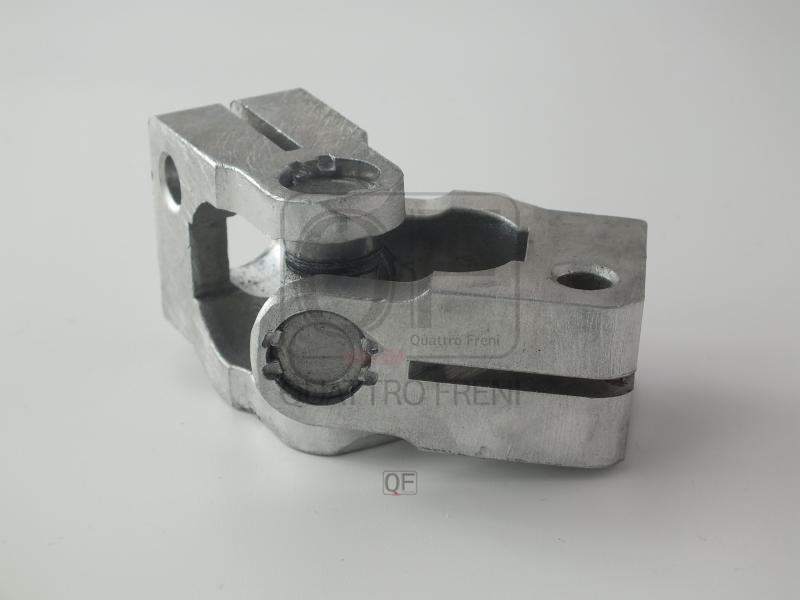
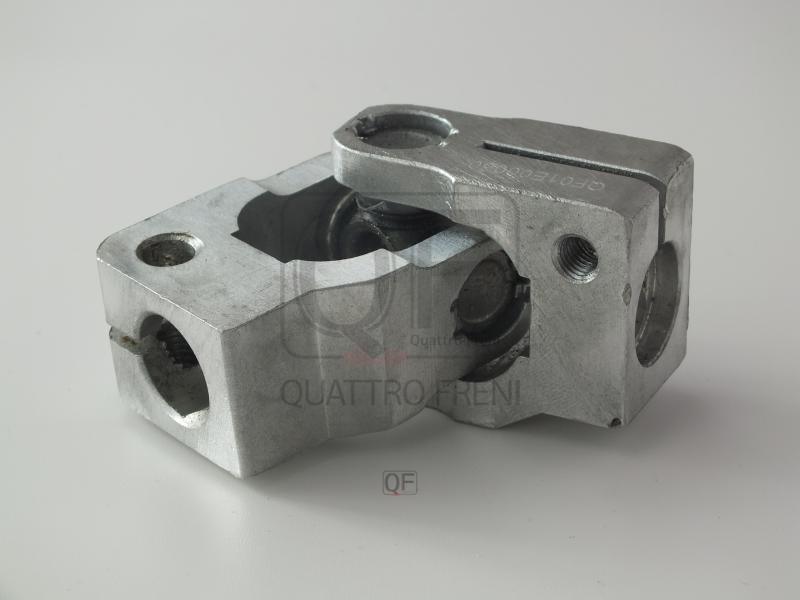
VOLVO 30741476 SHAFT ASSY STEERING
Product Specifications

Product quality
OEM Equivalent Grade
starstarstar
20 sold
Wholesale price USD $8.85
Wholesale price CNY ¥60
bolt MOQ (Minimal order)
20 pcs
local_shipping Production time
60 days
package_2 Shipping Weight: 0.21 kg
VOLVO 30741476
VOLVO 8602654
VOLVO 8603204
VOLVO 8603208
VOLVO 8603210
VOLVO 8603453
VOLVO 8603454
VOLVO 8603455
VOLVO 8603456
VOLVO 8603457
VOLVO 8603458
VOLVO 8603554
VOLVO 8603555
VOLVO 8603556
VOLVO 8603557
VOLVO 8603558
VOLVO 8603559
VOLVO 8603638
VOLVO 8603640
VOLVO 8603642
VOLVO 8603643
VOLVO 8603644
VOLVO 8603654
VOLVO 307414763
VOLVO 86034576
VOLVO 86036381
VOLVO 86036423
VOLVO 86036449
VOLVO 32311092958
GENERAL MOTORS 9223059
MILES DC11002
VOLVO V30741476
Overview & Operating Principle

The SHAFT ASSY STEERING is a drivetrain component responsible for engaging, disengaging, or transmitting rotational torque between the engine and gearbox or between drivetrain components. The clutch system connects and disconnects the engine from the gearbox, allowing gear changes without interrupting engine operation. It must handle the full engine torque output while accommodating the slippage required for smooth take-up from rest.

Components in this category are supplied as complete kits (pressure plate, friction disc, and release bearing) or as individual components where replacement of a single item is specified. Kit replacement is recommended over individual component replacement to ensure consistent wear rates and avoid repeat disassembly.

Verify the engine torque output, gearbox type, and flywheel specification before ordering. High-performance, diesel, and towing applications require clutch components rated for elevated torque loads.

Symptoms & Diagnostics
Clutch slip — engine RPM rises without a corresponding increase in vehicle speed, particularly noticeable under load.
Clutch judder or vibration on take-up from rest — indicates a worn or contaminated friction disc or a warped pressure plate.
High clutch biting point or difficulty fully disengaging — indicates a worn friction disc or hydraulic system fault.
Burning smell during heavy clutch use — friction material overheating due to prolonged slippage or riding the clutch.
Squealing or rattling when the clutch pedal is depressed — indicates a worn or failed release bearing.
Clutch pedal feels different from normal (spongy, heavy, or light) — indicates a hydraulic system fault (cylinder or fluid leak).
Logistics & Customs
International HS Code
8708.93
EAEU Customs Code (TN VED)
8708 93 100 0
Typical Net Weight
1.0–6.0 kg
Country of Manufacture
China
Standard MOQ
300 pcs
Production Lead Time
60 days
Always verify the exact 8-digit or 10-digit subheading with your customs broker for the destination country, as tariff schedules and duty rates vary by jurisdiction.
Installation Tips
  1. Replace the complete clutch kit (pressure plate, friction disc, and release bearing) as a set — replacing only the friction disc and reusing a worn pressure plate will result in early repeat failure.
  2. Measure flywheel runout and thickness before refitting. A flywheel below minimum thickness or with excessive runout must be resurfaced or replaced — fitting a new clutch on a warped flywheel causes immediate judder.
  3. Clean the flywheel and pressure plate mating surface with brake cleaner. Never touch friction surfaces with bare hands — oil contamination will cause immediate clutch slip.
  4. Centre the friction disc using an alignment tool before tightening the pressure plate. An off-centre disc will prevent the gearbox input shaft from engaging during reassembly.
  5. Torque the pressure plate bolts progressively in a star pattern to OEM specification. Uneven tightening distorts the pressure plate diaphragm spring.
  6. Bleed the clutch hydraulic system if the hydraulic components were disturbed. Check clutch pedal free play and adjust if specified by the OEM.
Tools: transmission jack, clutch alignment tool, torque wrench, flywheel holding tool, brake cleaner, dial gauge for flywheel runout.
Frequently Asked Questions
Should the flywheel be replaced when replacing the clutch?
The flywheel should always be measured for thickness and runout when the clutch is replaced. A flywheel that is within specification can be reused, but a dual-mass flywheel (DMF) should be replaced together with the clutch kit if it is worn or showing signs of failure — a failed DMF will damage the new clutch.
How long should a new clutch last?
Service life depends heavily on driving style and application. A normal passenger car clutch will last 80,000–150,000 km under normal use. Towing, heavy traffic, and aggressive driving significantly shorten clutch life. The clutch is a wear item and is not covered under standard component warranty for wear-out.
How does the OEM-equivalent aftermarket unit compare to the genuine OEM part?
OEM-equivalent grade units in this catalogue are manufactured to replicate the current OEM design geometry and material specification. Quality is verified against OEM cross-reference data. When ordering in bulk, confirm with our team that the specification matches the latest OEM revision for your application.
Is white-label or custom packaging available for wholesale orders?
Yes. ok.parts works directly with the manufacturing facility and can accommodate neutral white-label packaging or fully branded packaging with your company logo, part numbers, and barcode. Minimum order quantities and lead times for custom packaging may differ from standard stock. Contact the team via the inquiry form to discuss your specific requirements.
Frequently Replaced Together