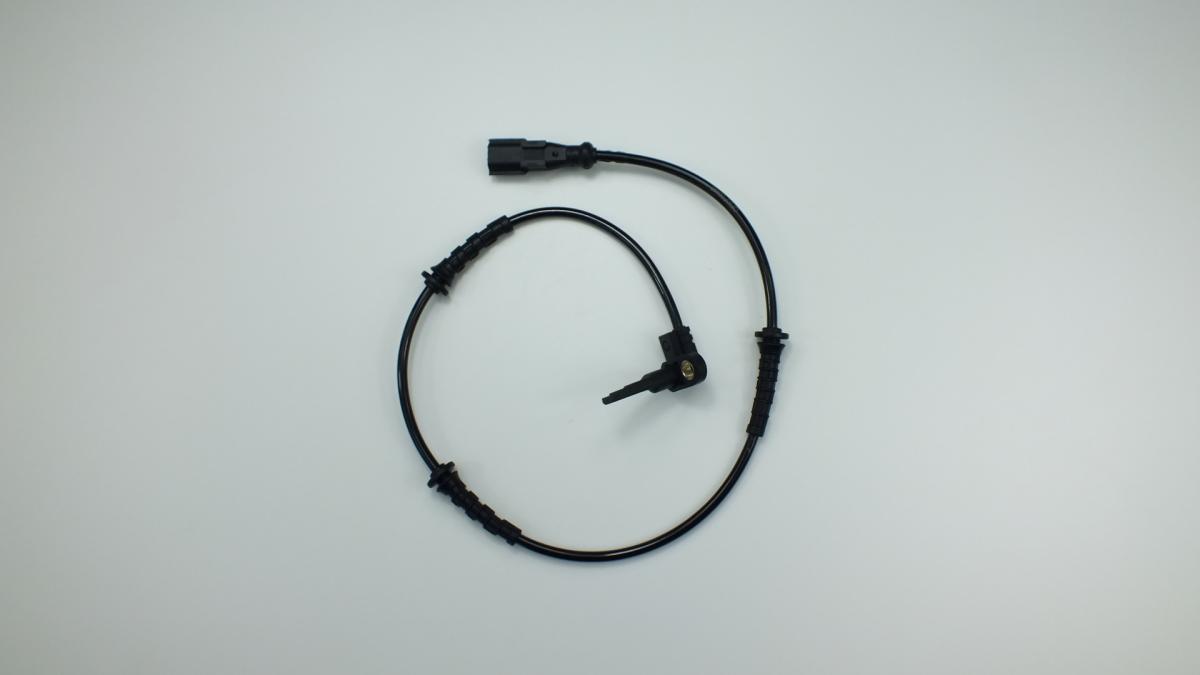
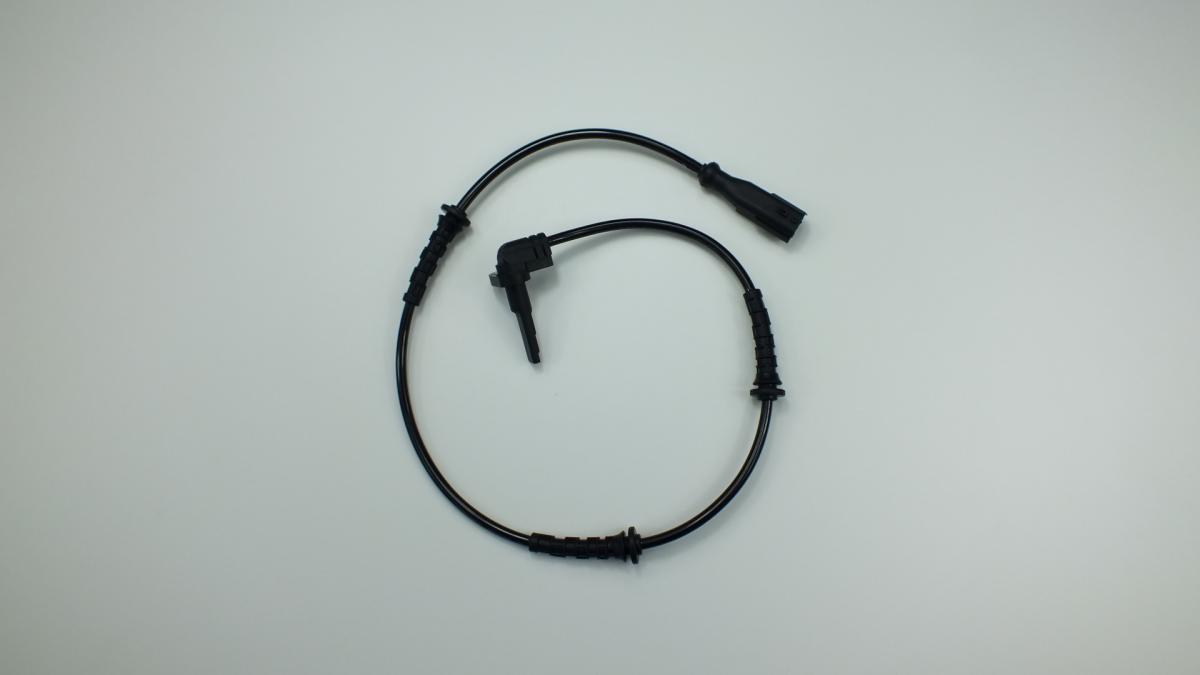
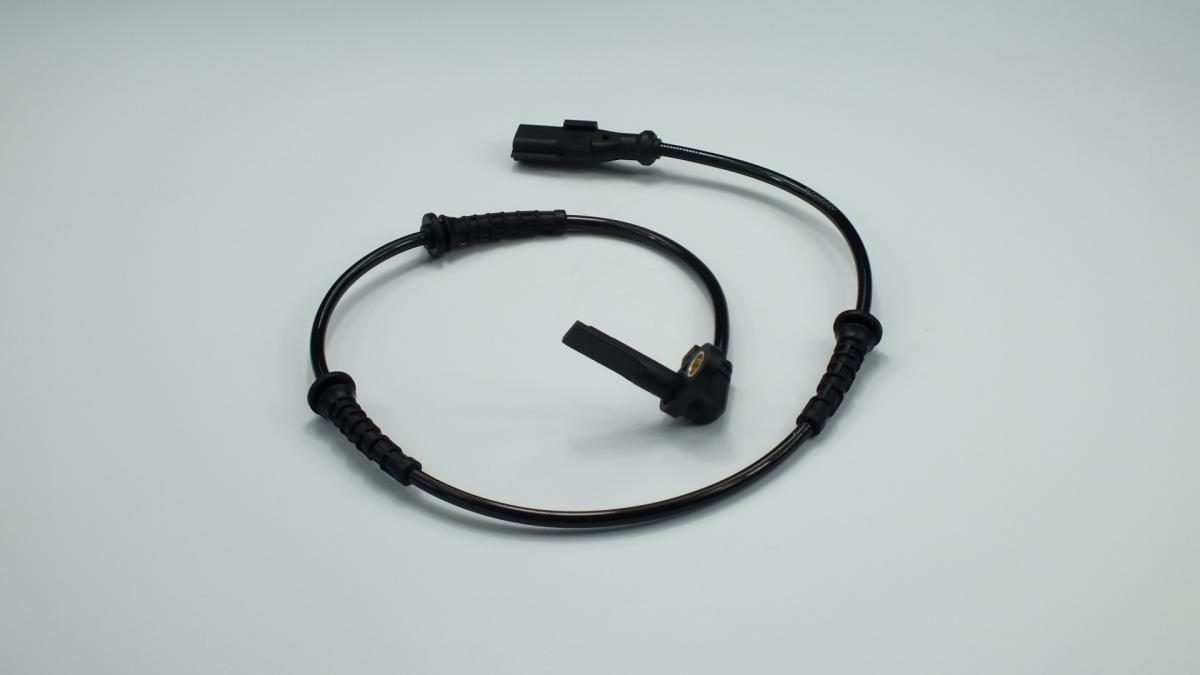
RENAULT 479109155R WHEEL SPEED SENSOR (ABS)
Product Specifications
| NISSAN/INFINITI | 4791000Q0E |
| NISSAN/INFINITI | 479109155R |
| NISSAN/INFINITI | 479100004R |
| QUATTRO FRENI | QF60F00448 |
| MILES | EFAB000 |
| RENAULT | 4159053000 |
| RENAULT | 417745600 |
| RENAULT | F00C1T8884 |
| RENAULT | 479100004R |
| RENAULT | 479109155R |
The front ABS wheel speed sensor is a critical chassis safety component designed for vehicles built on the Renault-Nissan-Mitsubishi Alliance shared B and C platforms. This sensor continuously monitors front wheel rotational speed and transmits real-time data to the ABS control module, enabling anti-lock braking, electronic stability control, and traction control systems to function properly. The sensor is compatible with Renault models including Captur and Koleos, Nissan models including Rogue, Rogue Select, and X-Trail, and Dacia models that share the same platform architecture. These vehicles utilize common ABS system components as part of the Renault-Nissan Alliance engineering and manufacturing collaboration established in 1999.
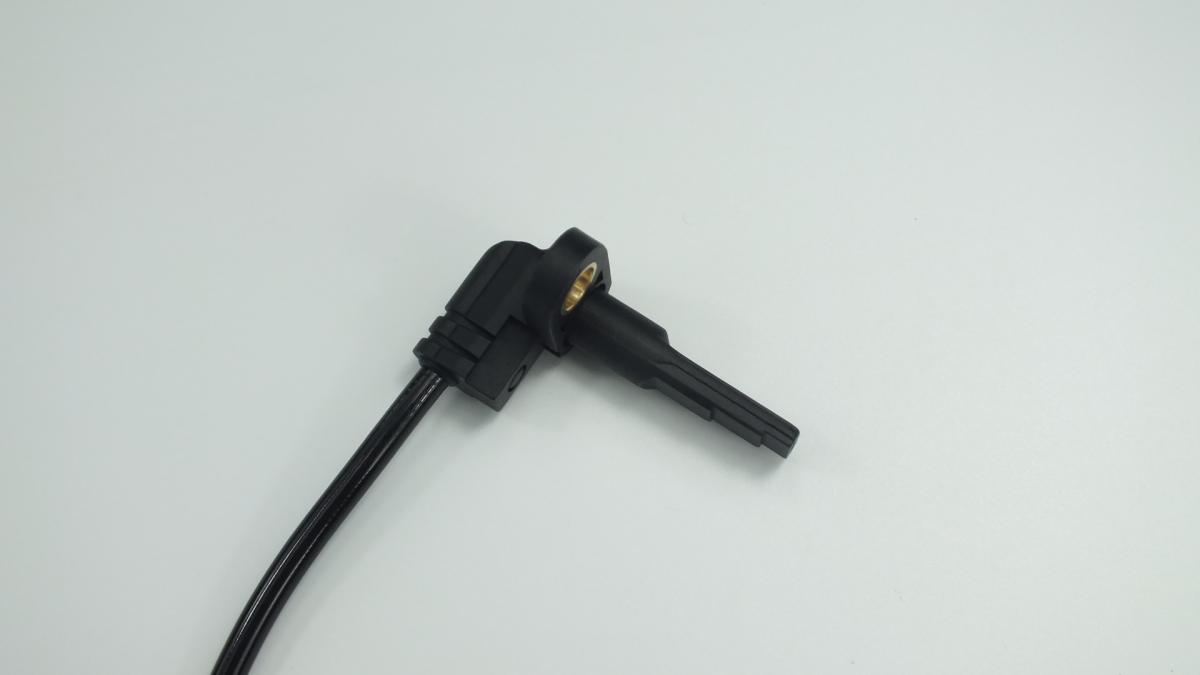
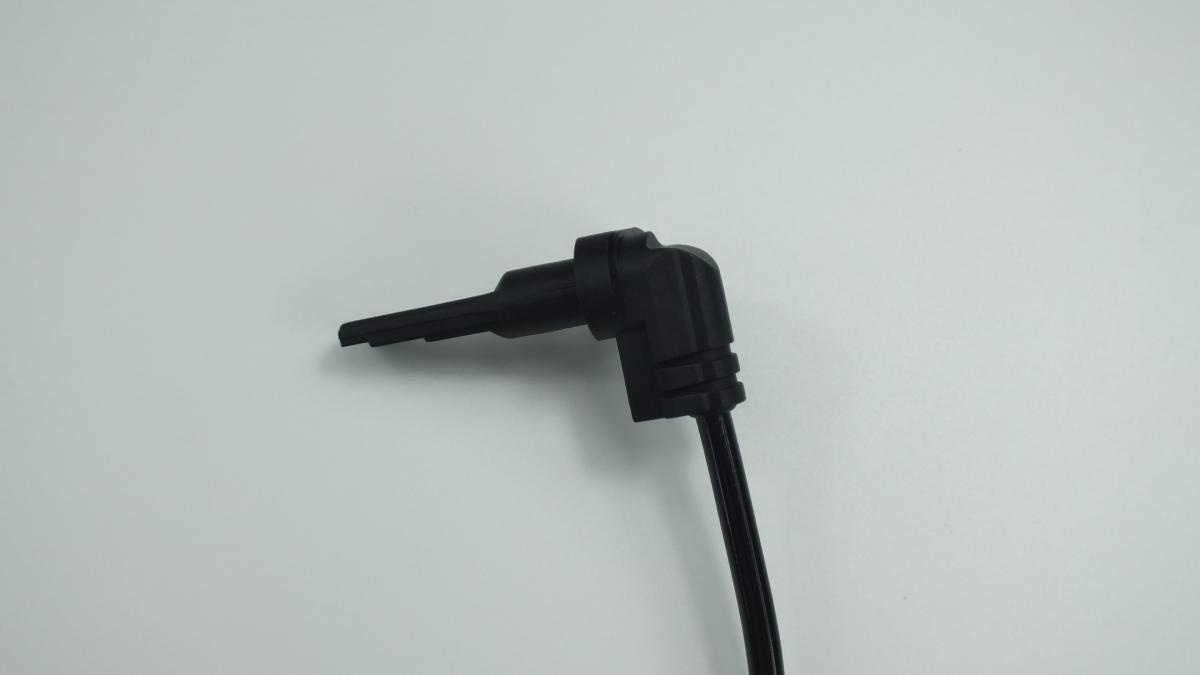
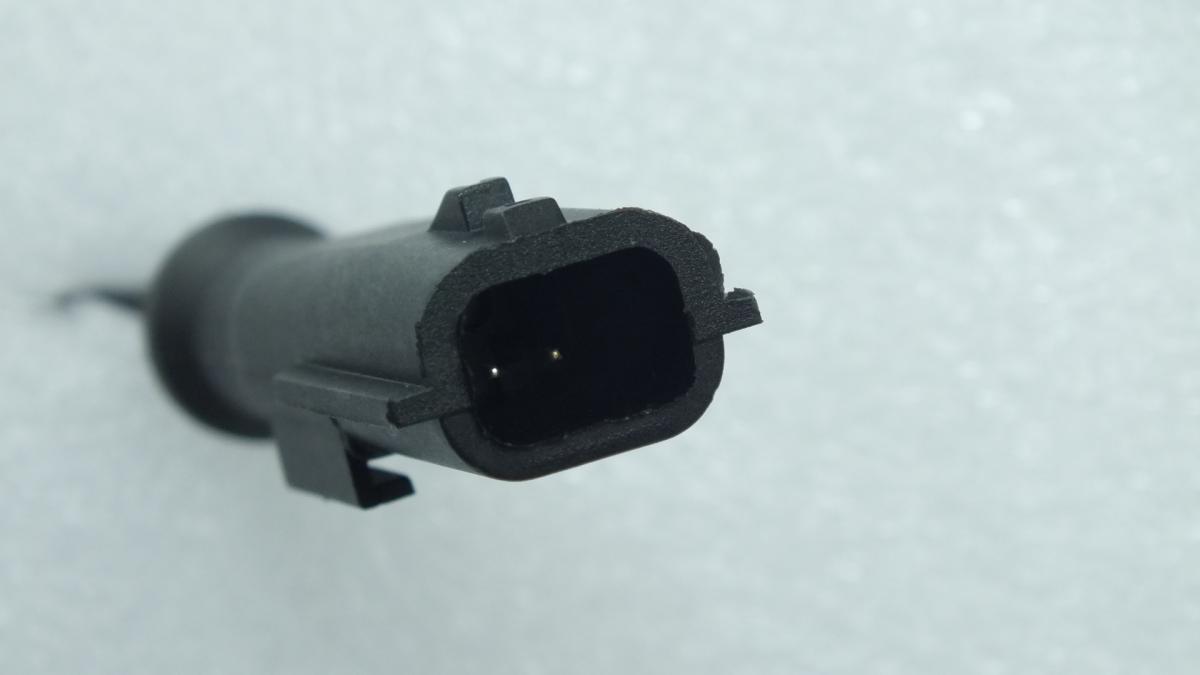
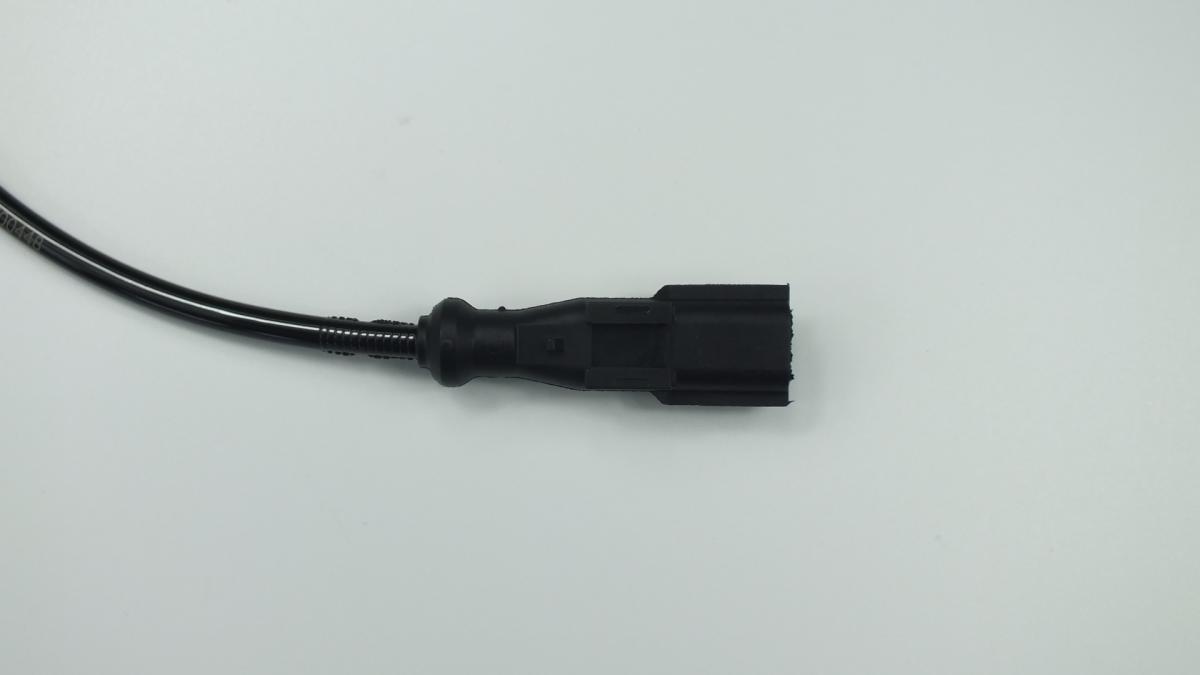
The sensor operates using active Hall effect technology. It mounts at the front wheel hub or steering knuckle assembly, positioned adjacent to a toothed tone ring (reluctor ring) integrated into the front wheel bearing hub. As the wheel rotates, each tooth of the tone ring passes through the magnetic field generated by the Hall effect semiconductor element inside the sensor housing. This creates discrete digital pulses with frequency directly proportional to wheel rotational speed. The signal is transmitted via a 2-pin weatherproof connector and wiring harness to the ABS/ESP control unit, which processes wheel speed signals from all four corners simultaneously during vehicle operation.
By providing accurate front wheel speed information, the sensor enables the ABS control module to detect when a front wheel is decelerating faster than other wheels during braking, indicating imminent lock-up. The ABS system responds by modulating hydraulic brake pressure through electromagnetic solenoid valves to prevent complete wheel lock, maintaining directional stability and steering control. The same wheel speed signal supports ESP (Electronic Stability Programme) which applies individual brake intervention to correct understeer or oversteer, ASR/TCS (Traction Control) which prevents wheel spin during acceleration on slippery surfaces, Hill Start Assist which prevents rollback on inclines, and contributes to speedometer and odometer accuracy on some vehicle configurations. This component is specific to front wheel speed measurement and must not be confused with rear wheel sensors, transmission speed sensors, or steering angle sensors.
Common Failure Symptoms
- ABS warning light illuminated constantly on instrument cluster; most consistent failure indicator
- ESP/ESC warning light activated alongside ABS light; Electronic Stability Programme becomes disabled
- ASR or TCS warning light illuminated; Traction Control system disables itself as safety precaution
- Service indicator with message "Check ABS system" or "Anti-lock brake system fault" displayed on dashboard
- ABS system fails to activate during hard braking or emergency stops; front wheel locks prematurely on wet or icy surfaces
- Brake pedal pulsation during normal gentle braking at low speeds, indicating ABS attempting to modulate pressure based on erroneous signal
- Hill Start Assist becomes inoperative or refuses to engage when stopped on incline
- Speedometer displays erratic readings, fluctuates unpredictably, or becomes intermittently inoperative on vehicles where instrument cluster derives speed from wheel sensors
- Vehicle stability degradation during cornering or lane changes; reduced intervention from ESP system
- On some Nissan models, VDC (Vehicle Dynamic Control) warning light illuminates along with ABS warning
Diagnostic Trouble Codes
Common diagnostic codes stored in ABS control module related to front wheel speed sensor failures on Renault-Nissan Alliance vehicles:
| Code | Description |
|---|---|
| C1113/C1115 | Front Left/Right Wheel Speed Sensor Circuit Malfunction - open circuit, short, or signal loss |
| C1145/C1148 | Front Left/Right Wheel Speed Sensor Signal Abnormal - signal present but outside parameters |
| C1xxx | Manufacturer-specific ABS codes (varies by brand: Renault, Nissan, Dacia use different code formats) |
| U0121 | Lost Communication with ABS Control Module - CAN bus communication failure |
Product Classification
| Product Type | Front ABS wheel speed sensor for Renault-Nissan-Dacia Alliance vehicles |
| HS Code | To be confirmed by customs broker |
| Country of Origin | China |
| Manufacturer | QUATTRO FRENI |
| Part Number | QF60F00448 |
| Position | Front (Left or Right - universal for both positions) |
| Hazardous Goods | No |
Available for wholesale distribution with bulk order support, mixed SKU consolidation, and custom packaging options. Private-label packaging, custom branding, and barcode labeling available. International shipping supported via express courier, air freight, or sea freight. Common Incoterms including EXW, FOB, and CIF available. Minimum order 1 piece with 1-day production and dispatch time. Commercial invoice, packing list, and export documentation provided for customs clearance.
This front ABS wheel speed sensor is designed for vehicles built on Renault-Nissan-Mitsubishi Alliance shared B and C platforms. The Renault-Nissan Alliance was formed in 1999 as a strategic partnership combining engineering resources and manufacturing capabilities. Dacia, a Romanian brand owned by Renault Group since 1999, uses Renault platforms and components including ABS sensors. These vehicles share common front suspension geometry, wheel bearing design, and ABS system architecture, making this sensor compatible across multiple brands within the Alliance.
OEM Cross-Reference Numbers
| Manufacturer | Part Number | Notes |
|---|---|---|
| Renault (OEM) | 479100004R | Primary Renault part number |
| Renault (OEM) | 479109155R | Alternative Renault part number |
| Nissan (OEM) | 4791000Q0E | Nissan part number for Alliance platform vehicles |
| Dacia (OEM) | 479100004R | Same as Renault (Dacia owned by Renault Group) |
| Dacia (OEM) | 479109155R | Same as Renault (badge engineering) |
| Bosch (Supplier) | 0265008941 | Original equipment supplier part number |
| Quattro Freni | QF60F00448 | Aftermarket direct replacement for all OEM numbers |
Confirmed Vehicle Applications
Position: Front (Left or Right - sensor appears to be universal for both front positions based on aftermarket sources). Always verify diagnostic code to determine which specific side has failed.
| Brand | Model | Years | Engine |
|---|---|---|---|
| RENAULT | Captur | 2017-2022 | Various petrol and diesel engines |
| RENAULT | Koleos | 2009-2016 | 2.5L petrol, diesel variants |
| NISSAN | Rogue | 2008-2014 | 2.5L I4 QR25DE |
| NISSAN | Rogue Select | 2014 | 2.5L I4 QR25DE |
| NISSAN | X-Trail | 2007-2013 | 2.5L I4, diesel variants (T31 generation) |
| DACIA | Various models | Platform-dependent | Uses same part numbers as Renault equivalents |
- Verify fault position with diagnostic scanner: Connect Renault CLIP, Nissan Consult-III, or compatible professional scan tool with Renault-Nissan protocol and ABS module access. Read stored fault codes from ABS/ESP control module. Codes will specify whether front left or front right sensor has failed. Confirming exact position prevents ordering incorrect side if sensor is position-specific for your vehicle variant.
- Prepare vehicle for safe service: Park vehicle on level ground and engage parking brake firmly. Place wheel chocks behind rear wheels. Disconnect negative battery terminal to prevent accidental airbag deployment or ABS system activation during service. Wear safety glasses and work gloves.
- Raise vehicle and remove affected front wheel: Loosen front wheel lug nuts approximately one turn while vehicle is on ground. Lift front of vehicle using floor jack at manufacturer-designated jacking point and support securely on jack stands rated for vehicle weight. Never work under vehicle supported only by jack. Remove front wheel completely and set aside.
- Locate sensor and clean mounting area: With wheel removed, locate ABS wheel speed sensor mounted on front steering knuckle or hub assembly near brake caliper. Sensor is typically secured by single 8mm or 10mm hex bolt. Clean area thoroughly around sensor using brake cleaner spray and wire brush to remove brake dust, road dirt, and corrosion.
- Inspect tone ring condition: Visually inspect ABS tone ring (toothed reluctor ring) integrated into front wheel bearing hub. Look for cracks, missing or damaged teeth, heavy rust, excessive runout, or metallic debris accumulation. A damaged tone ring requires complete wheel bearing hub replacement as tone ring cannot be serviced separately.
- Disconnect sensor electrical connector: Follow sensor wiring harness from sensor body along inner fender to inline connector, typically located near suspension strut tower or firewall. Press connector locking tab firmly and pull connector halves straight apart. Inspect connector terminals for corrosion, bent pins, or moisture intrusion. If contaminated, spray with electrical contact cleaner and allow to dry.
- Remove sensor mounting bolt and extract sensor: If sensor mounting bolt shows corrosion, apply penetrating oil and allow 10-15 minutes for penetration. Using appropriate socket (typically 8mm or 10mm), remove single sensor mounting bolt completely. Carefully pull sensor straight out from mounting bore using gentle rocking motion. If seized, avoid excessive force; use sensor removal tool or brass drift.
- Clean mounting bore and prepare installation: Use wire brush or emery cloth to clean sensor mounting bore in steering knuckle, removing all corrosion, dirt, and old seal material. Ensure bore is clean and smooth to allow proper seating of new sensor rubber O-ring seal.
- Install new sensor and secure: Apply very thin coat of anti-seize compound to outer body of new sensor (avoid sensor tip and threads). Insert new QF60F00448 sensor straight into mounting bore ensuring rubber O-ring seal seats flush. Hand-start mounting bolt. Tighten to manufacturer specification or 6-8 Nm (53-71 in-lb) using calibrated torque wrench. Do not overtighten.
- Reconnect, reassemble, and verify: Route sensor harness along original path ensuring all clips engaged and no contact with moving components. Apply dielectric grease to connector terminals before reconnecting. Press connector together until it clicks. Reinstall wheel and torque lug nuts to manufacturer specification (typically 90-110 Nm for Renault/Nissan) in star pattern. Lower vehicle, reconnect battery. Start engine - ABS and ESP lights should illuminate briefly then extinguish. Use scanner to clear stored codes. Test drive above 25-30 km/h to allow ABS module to validate sensor. Verify all warning lights remain off.