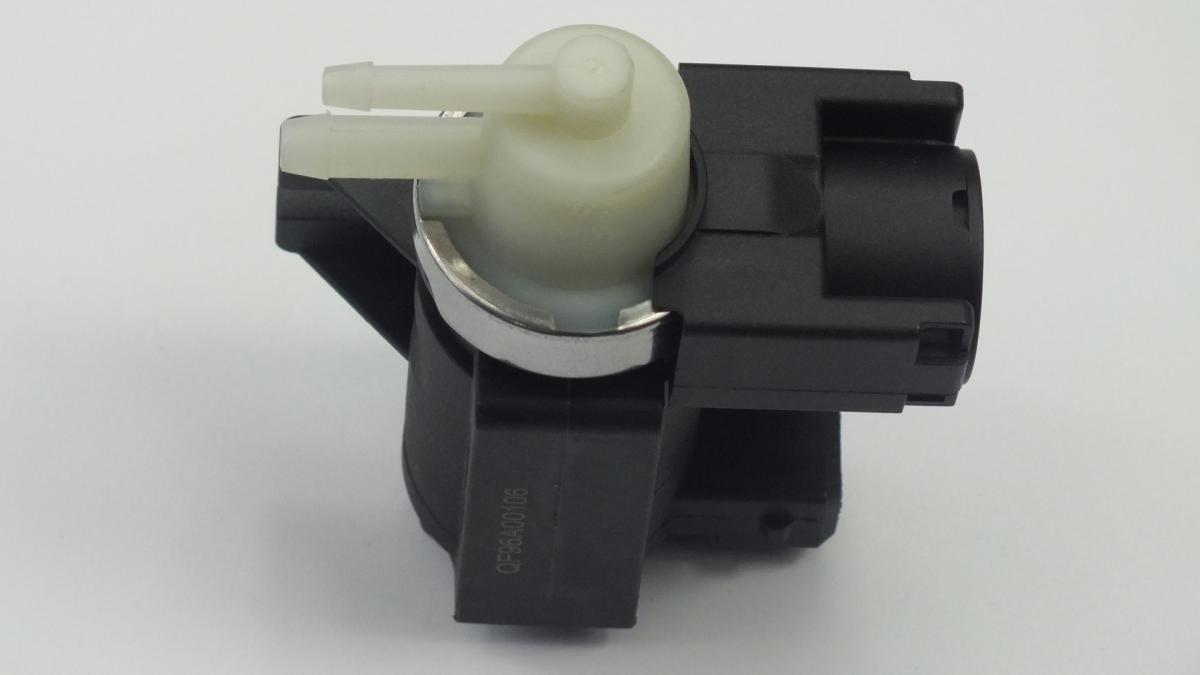
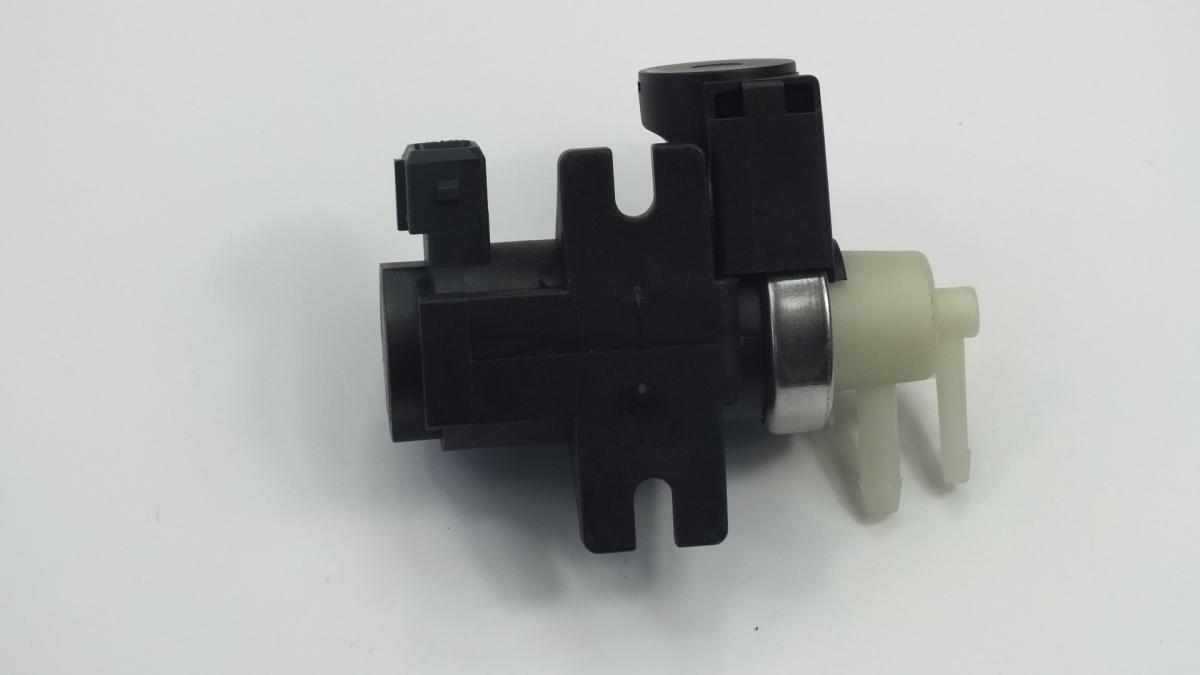
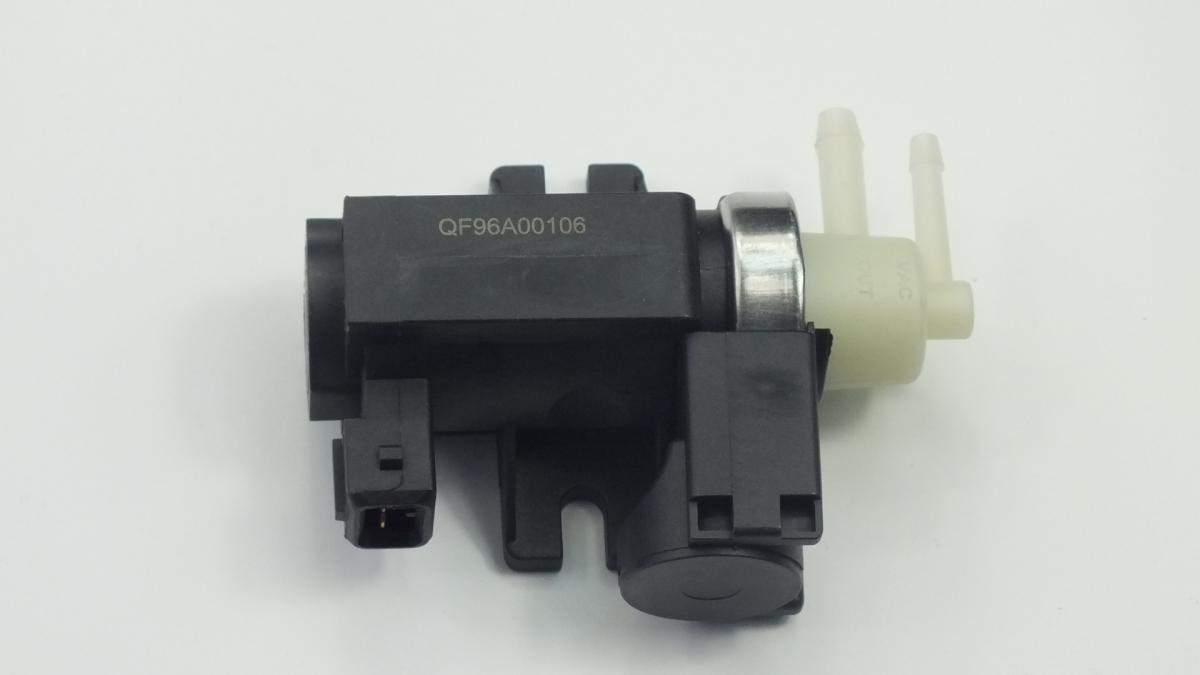
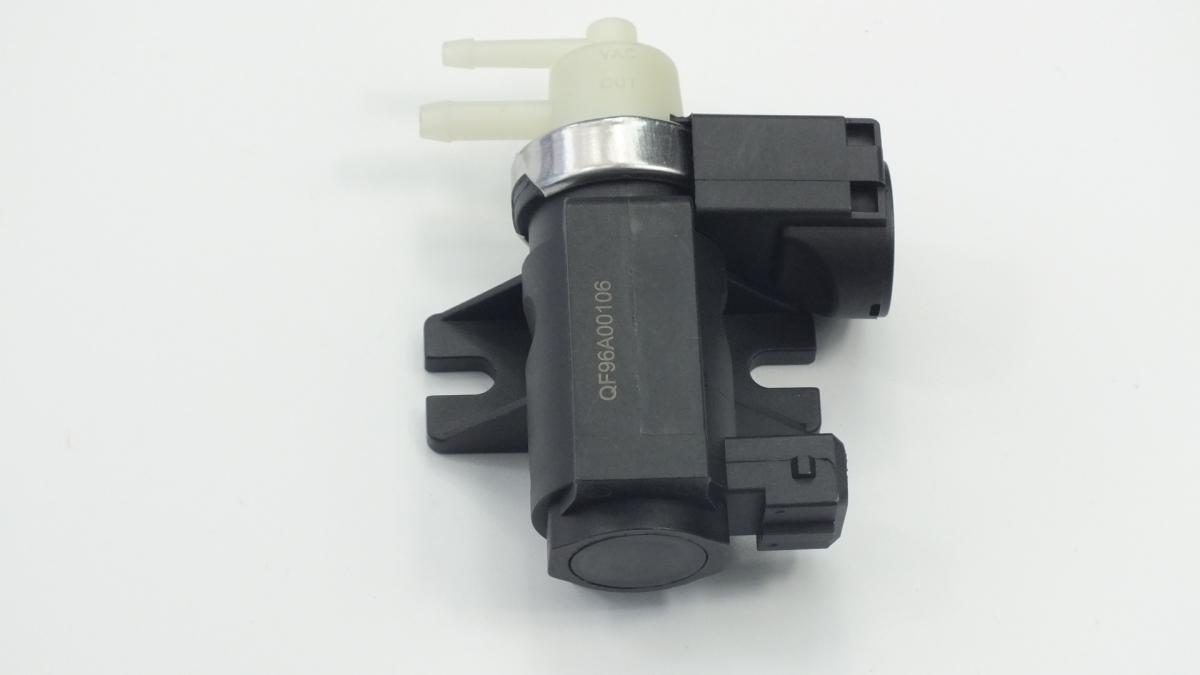
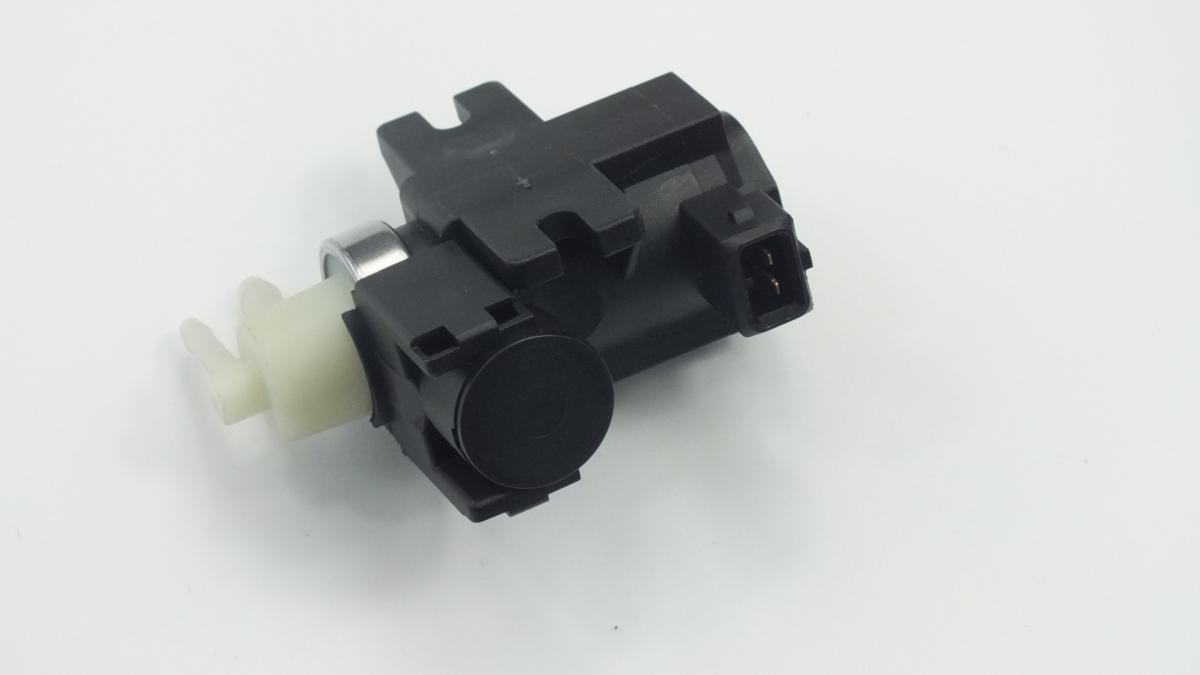
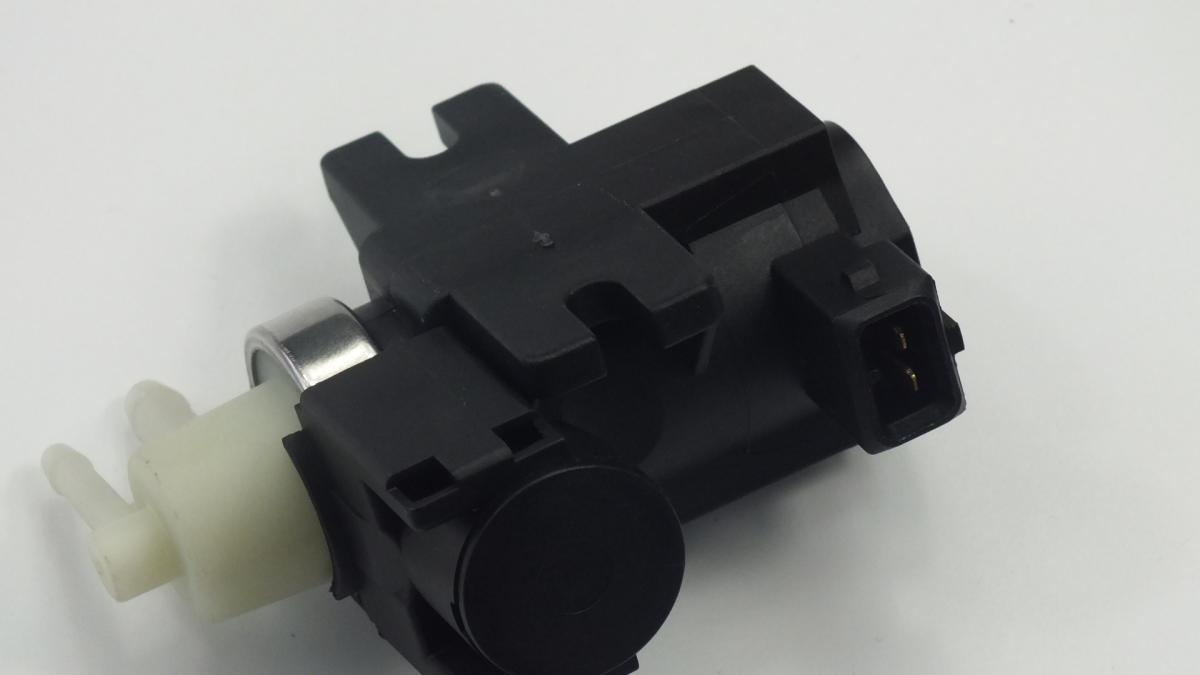
QUATTRO FRENI QF96A00106 TURBOCHARGER BOOST PRESSURE CONVERTER SOLENOID VALVE
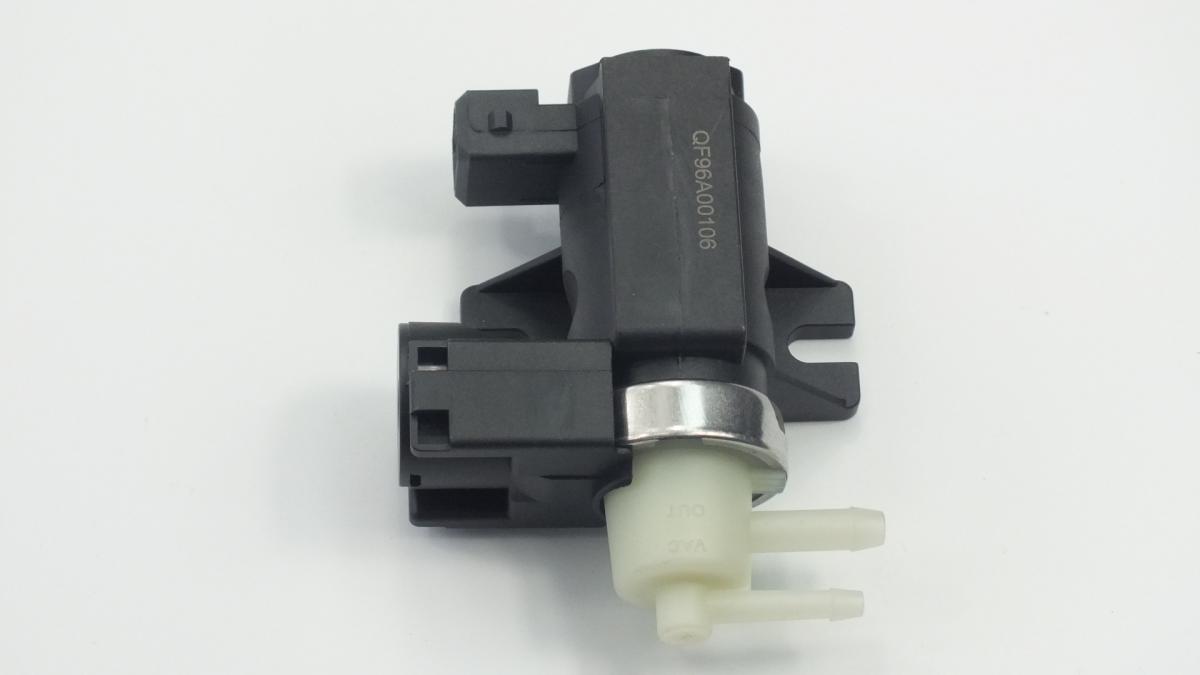
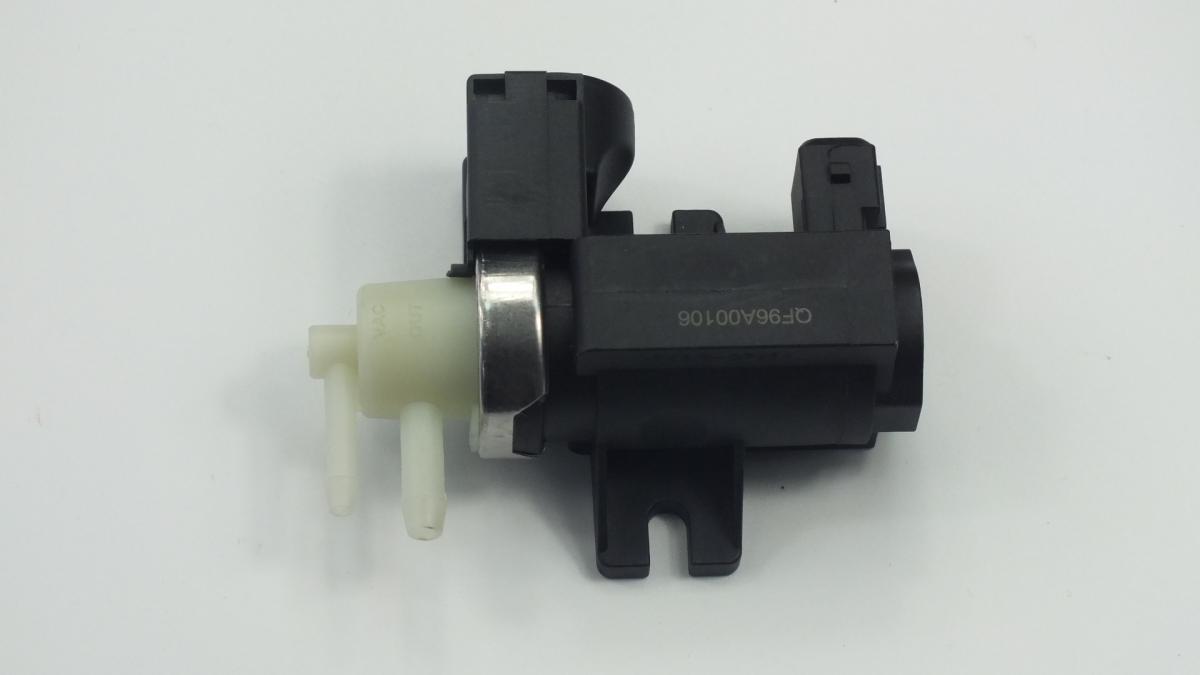
Product Specifications

Product quality
OEM Equivalent Grade
starstarstar
Wholesale price USD $7.95
Wholesale price CNY ¥54
bolt MOQ (Minimal order)
1 pcs
local_shipping Production time
1 days
package_2 Shipping Weight:
SSANGYONG 6655403497
SSANGYONG 6655403897
SSANGYONG 6655403197
SSANGYONG 6655403797
FIAT/ALFA/LANCIA 3512027000
QUATTRO FRENI QF96A00106
VAG 6655403897
BMW/MINI 6655403897
GEELY 6655403897
Overview & Operating Principle

The turbocharger boost pressure converter valve (also known as vacuum modulator, pressure transducer, or N75 valve) is an electro-pneumatic control component that regulates turbocharger wastegate operation on diesel engines. This SsangYong valve (OEM 6655403897) converts electronic control signals from the Engine Control Unit (ECU) into precisely modulated vacuum pressure that actuates the turbocharger wastegate, controlling boost pressure and optimizing engine performance across the entire RPM range.

The valve operates as a critical interface between the electronic engine management system and the mechanical wastegate actuator. The ECU continuously calculates the ideal boost pressure based on multiple parameters including engine speed, throttle position, intake air temperature, atmospheric pressure, and engine load. The ECU then commands the pressure converter valve using a Pulse Width Modulation (PWM) signal, typically operating at 10-100Hz frequency. The valve contains an internal solenoid coil that proportionally controls a pressure regulating mechanism, converting the electrical PWM signal into variable vacuum pressure output ranging from full manifold vacuum to atmospheric pressure.

When the ECU commands low boost pressure (during light throttle, low engine load, or cold start conditions), the valve applies strong vacuum to the wastegate actuator diaphragm. This vacuum pulls the wastegate actuator rod, mechanically opening the wastegate gate in the turbocharger exhaust housing. With the wastegate open, exhaust gases bypass the turbine wheel through the wastegate passage, reducing turbine speed and consequently reducing boost pressure in the intake manifold. Conversely, when high boost is required (during heavy acceleration, high load, or climbing grades), the valve reduces or completely blocks vacuum to the wastegate actuator. This allows the wastegate actuator spring to push the wastegate closed, forcing all exhaust gases through the turbine wheel, spinning it faster and increasing boost pressure delivered to the engine intake.

The pressure converter valve enables precise, continuously variable boost control that dynamically adjusts to changing driving conditions in real-time. Without this valve, turbocharger boost would be fixed by the wastegate actuator spring tension alone, resulting in either insufficient power at low RPM (if spring is stiff) or excessive boost causing engine knock or component damage at high RPM (if spring is soft). Modern diesel engines require sophisticated boost control to meet stringent emissions standards, achieve optimal fuel economy, deliver smooth power delivery across the RPM band, and protect engine components from over-boost damage.

Symptoms & Diagnostics

Common Failure Symptoms

Loss of Power or Sluggish Acceleration: Engine feels weak and unresponsive, especially during acceleration or when climbing hills. Turbocharger not producing adequate boost pressure due to valve failing to properly control wastegate position. Vehicle struggles to reach highway speeds, takes excessive time to accelerate from stop, or cannot maintain speed on inclines under load. Passing maneuvers become dangerous due to lack of power.
Black Smoke from Exhaust: Excessive black soot emissions from tailpipe during acceleration or under load. Insufficient turbo boost causes incomplete combustion in diesel engine as fuel-to-air ratio becomes too rich. Unburned fuel exits combustion chamber as black particulate matter, particularly noticeable during hard acceleration or when towing. May leave soot deposits on rear bumper or vehicle behind you.
Check Engine Light with Boost Codes: Malfunction Indicator Lamp (MIL) illuminated on dashboard with stored turbocharger or boost pressure related diagnostic trouble codes. ECU detects actual boost pressure from manifold pressure sensor significantly different from commanded target boost, triggering fault code storage. May enter limp mode with severely reduced power to protect engine from damage.
Excessive Boost Pressure or Overboosting: Engine produces dangerously high boost pressure beyond design limits. Valve stuck in closed position allows wastegate to remain shut, forcing all exhaust gas through turbine wheel. May cause turbocharger overspin beyond bearing design limits, intercooler pipe blowoff from excessive pressure, or engine detonation and potential piston/ring damage. ECU typically commands severe power reduction to protect engine when overboost detected.
Rough Running or Power Surging: Engine power delivery inconsistent with noticeable surging sensation during steady throttle cruising. Boost pressure fluctuating erratically due to intermittent valve operation from sticking solenoid or contaminated internal mechanism. ECU attempting to compensate for unstable boost causes uneven fueling rates and rough, jerky power output that makes smooth driving difficult.
Poor Fuel Economy: Significant decrease in miles per gallon, typically 10-25% below normal. Without proper boost control, ECU increases fuel injection quantity attempting to compensate for low intake air density, wasting fuel and producing black smoke. Driver may also compensate for lack of power by pressing accelerator harder, further increasing fuel consumption beyond normal driving patterns.
Turbo Whistle or Unusual Noises: Abnormal whistling, fluttering, or whooshing sounds from turbocharger area. If valve fails allowing excessive boost, turbocharger may spin beyond normal operating speed creating high-pitched whine. Alternatively, if wastegate stuck partially open, exhaust gases leaking through wastegate passage create distinctive flutter or chirping sound under acceleration.

Diagnostic Trouble Codes

P0234
Turbocharger Overboost Condition — Actual boost pressure exceeds maximum specified limit
P0235
Turbocharger Boost Sensor Circuit Malfunction — May be triggered by incorrect boost from valve failure
P0236
Turbocharger Boost Sensor Range/Performance — Boost pressure not matching commanded values
P0299
Turbocharger Underboost Condition — Insufficient boost pressure detected below minimum threshold
P0243
Turbocharger Wastegate Solenoid Malfunction — Electrical circuit fault in valve control
P0245
Turbocharger Wastegate Solenoid Low — Short circuit or low resistance detected
Important: Before replacing pressure converter valve, verify turbocharger wastegate actuator moves freely by hand, vacuum lines are intact without leaks or collapse, and boost pressure sensor functions correctly with accurate readings. Seized wastegate actuator, cracked vacuum hoses, or failed boost sensor can perfectly mimic pressure converter valve symptoms. Use diagnostic scanner to command valve operation via output test and monitor real-time boost pressure sensor response during test.
Logistics & Customs
ParameterValue
Net WeightApprox. 0.15 kg (150 grams)
Country of OriginChina
HS Code8481.80.19 — Solenoid valves
Alternative HS Code8708.99.97 — Other auto parts
EAEU Code8481 80 190 0
Vehicle Compatibility

Based on verified OEM cross-reference numbers from Application table. Compatible with SsangYong diesel (Xdi) models:

ModelYearsEngineOEM Numbers
Rexton2002–20122.7 Xdi (D27DT, 163-165hp), 2.9L Diesel (120hp)6655403897, 6655403797
Kyron2005–20142.0 Xdi (D20DT, 136-141hp), 2.7 Xdi (D27DT, 163-165hp)6655403897, 6655403497
Rodius / Stavic2005–20132.7 Xdi (D27DT, 163-165hp)6655403897, 6655403197
Actyon2005–20112.0 Xdi (D20DT, 141hp)6655403897, 6655403497
Actyon Sports2007–20142.0L Diesel Turbo (141hp)6655403897, 6655403497
Musso Sports2004–20072.9L Diesel Turbo (120hp)6655403897, 6655403797
Critical Compatibility Note: This valve is ONLY for SsangYong diesel engines with variable turbocharger boost control (Xdi designation). NOT compatible with gasoline engines or non-turbo diesel models. Verify engine code stamped on valve cover before ordering: D20DT (2.0L), D27DT (2.7L), or OM662 (2.9L). Application table lists SsangYong OEM numbers exclusively. Always match original part number on failed valve to confirm fitment.
Installation Tips

Difficulty: Easy to Moderate. Time: 30–60 minutes.

Required Tools

  • 10mm or 13mm socket/wrench (mounting bracket fastener)
  • Flat-blade screwdriver or hose clamp pliers
  • Vacuum hand pump with gauge (for testing)
  • Diagnostic scanner with output test capability (recommended)
  • Shop towels and brake cleaner

Installation Steps

1. Locate Valve: Pressure converter valve typically mounted on firewall, inner fender, or bracket near turbocharger. Follow vacuum lines from turbocharger wastegate actuator back toward engine bay to locate valve. Valve has electrical connector (2-pin) and multiple vacuum hose connections (typically 3 ports).
2. Disconnect Electrical Connector: Press locking tab on electrical connector and pull straight off valve terminals. Inspect connector pins for corrosion or bent terminals. Clean with electrical contact cleaner if corroded.
3. Disconnect Vacuum Lines: Note vacuum hose routing, colors, and port orientation before removal. Consider taking photo with phone for reference. Remove hose clamps using flat screwdriver or pliers. Disconnect all vacuum hoses from valve ports. Common configuration: one hose from wastegate actuator, one vacuum source from intake manifold or vacuum pump, one vent to atmosphere. Label hoses with tape if concerned about proper reconnection order.
4. Remove Old Valve: Remove mounting bracket bolt or screw (typically 10mm or 13mm). Extract valve from mounting location. Inspect vacuum hoses carefully for cracks, collapse, oil saturation, or age-related deterioration. Replace any damaged vacuum hoses now to prevent future issues. Check wastegate actuator movement by hand — should move smoothly without binding or excessive resistance.
5. Install New Valve: Mount new valve in bracket ensuring correct orientation matching old valve position. Install mounting fastener and tighten securely. Do not overtighten as valve housing is plastic and may crack under excessive force.
6. Connect Vacuum Hoses: Reconnect vacuum hoses to correct ports on new valve referring to photo or notes. Typical port configuration: port marked IN or VAC connects to vacuum source from intake manifold, port marked OUT or ACT connects to wastegate actuator, third port (if present) vents to atmosphere or connects to secondary vacuum circuit. Push hoses fully onto barbed fittings ensuring complete seating. Reinstall hose clamps positioned beyond barb ridges.
7. Connect Electrical: Plug electrical connector onto new valve ensuring proper pin alignment and locking tab fully engages with audible click.
8. Test Valve Operation: With key ON engine OFF, use diagnostic scanner output test function to command valve operation. Should hear distinct clicking sound as solenoid cycles. If equipped with vacuum pump or hand pump, can verify valve modulates vacuum properly by applying vacuum source and commanding valve — vacuum gauge should fluctuate between full vacuum and atmospheric pressure as duty cycle changes.
9. Clear Codes and Road Test: Use diagnostic scanner to clear all stored fault codes allowing ECU fresh start. Start engine and verify normal idle with no warning lights. Test drive vehicle under various loads: gentle acceleration, highway merging, hill climbing. Boost pressure should build smoothly without surging. Verify no black smoke from exhaust under acceleration. Monitor boost pressure with scanner during test drive if possible — should reach target values commanded by ECU.

Torque Specifications

  • Valve mounting bracket bolt: Hand tight plus 1/4 turn (plastic housing, do not overtorque)
  • Electrical connector: Push until locking tab clicks (no torque required)
  • Vacuum hose connections: Hose clamps snug, approximately 2-3 Nm if worm-drive type

Critical Reminders

  • Always verify vacuum hose routing before disconnection — incorrect connections cause immediate boost control malfunction
  • Thoroughly inspect all vacuum hoses for cracks, collapse, or oil contamination — replace any questionable hoses
  • Verify wastegate actuator moves freely without binding — seized actuator prevents proper boost control even with new valve
  • Clear stored fault codes after installation to allow ECU to relearn boost control parameters from scratch
  • Extended test drive essential including highway acceleration to verify proper boost under full load conditions
FAQ
Q1: Will my SsangYong diesel run with a failed pressure converter valve?
Yes, engine will start, idle, and drive but with significantly reduced power output and poor fuel economy. Turbocharger may produce minimal boost (wastegate stuck open) or excessive boost triggering limp mode (wastegate stuck closed). Black smoke highly likely during acceleration due to rich fuel mixture from insufficient boost. Vehicle safe to drive short distances to repair facility but strongly avoid sustained high-speed highway driving, heavy loads, or trailer towing until valve replaced. Extended driving with failed valve may cause turbocharger damage from overspin or underlubrication.
Q2: Can I bypass or delete this pressure converter valve?
Absolutely not recommended. Bypassing or deleting valve completely eliminates ECU electronic boost control, reverting to fixed boost pressure determined solely by wastegate actuator spring tension. This causes either grossly insufficient power at low RPM (if spring stiff) making vehicle undriveable, or dangerous excessive overboosting at high RPM (if spring soft) potentially causing catastrophic engine or turbocharger damage from detonation or overspin. Modern diesel emission control systems require precise variable boost control to meet NOx and particulate standards. Deleting valve violates emissions regulations in virtually all jurisdictions and will cause inspection failure.
Q3: How can I test if the valve is actually working before purchasing replacement?
Use diagnostic scanner with bi-directional controls or output test function to directly command valve operation while engine running at idle. Listen carefully for audible clicking sound as solenoid cycles open and closed — healthy valve produces distinct sharp clicks. Simultaneously monitor live boost pressure data on scanner — should see small fluctuations in manifold pressure as valve cycles. For more thorough test, apply handheld vacuum pump to wastegate actuator vacuum line while commanding valve with scanner. Vacuum gauge should fluctuate between full manifold vacuum (approximately 50-70 kPa or 15-20 inHg) and atmospheric pressure (0 kPa) as ECU cycles valve through full duty cycle range. Valve that fails to produce variable vacuum output indicates internal solenoid coil failure or stuck/contaminated internal mechanism requiring replacement.
Q4: Why do I still get boost-related fault codes after replacing the valve?
If diagnostic codes persist after valve replacement, systematically check: (1) Wastegate actuator seized or binding — disconnect actuator rod and verify moves freely by hand with smooth consistent motion, (2) Vacuum lines cracked, collapsed internally, or saturated with oil losing ability to hold vacuum — replace all questionable hoses, (3) Boost pressure sensor (MAP sensor) failed or reading incorrectly — test sensor voltage output at different engine loads, (4) Turbocharger wastegate mechanism mechanically stuck in exhaust housing from carbon buildup or corroded pivot — may require turbo removal for inspection, (5) Intake system boost leak from loose intercooler clamps, split intercooler boots, or cracked intercooler allowing pressurized air to escape. Valve replacement only resolves electrical/pneumatic control circuit failures, not mechanical turbocharger or actuator binding issues. Thorough diagnosis required before assuming valve at fault.
Q5: Do you offer wholesale bulk pricing for diesel repair specialists and SsangYong independent workshops?
Yes, wholesale pricing available for qualified repair facilities, parts distributors, and fleet maintenance operations. Minimum order quantity 50 units for shop/distributor pricing tier. Volume discounts: 15-25% discount for orders 100-499 units, 25-40% discount for orders 500+ units. We maintain inventory stock specifically for SsangYong Rexton, Kyron, Rodius, and Actyon diesel models commonly serviced by independent repair facilities. Custom packaging options available including individual boxes with barcodes, bulk cartons, or mixed SKU consolidation. Technical documentation and installation guides can be included with wholesale orders. Production lead time typically 7-15 business days from order confirmation to shipment. Contact B2B sales department for formal quotation and payment terms.
Frequently Replaced Together