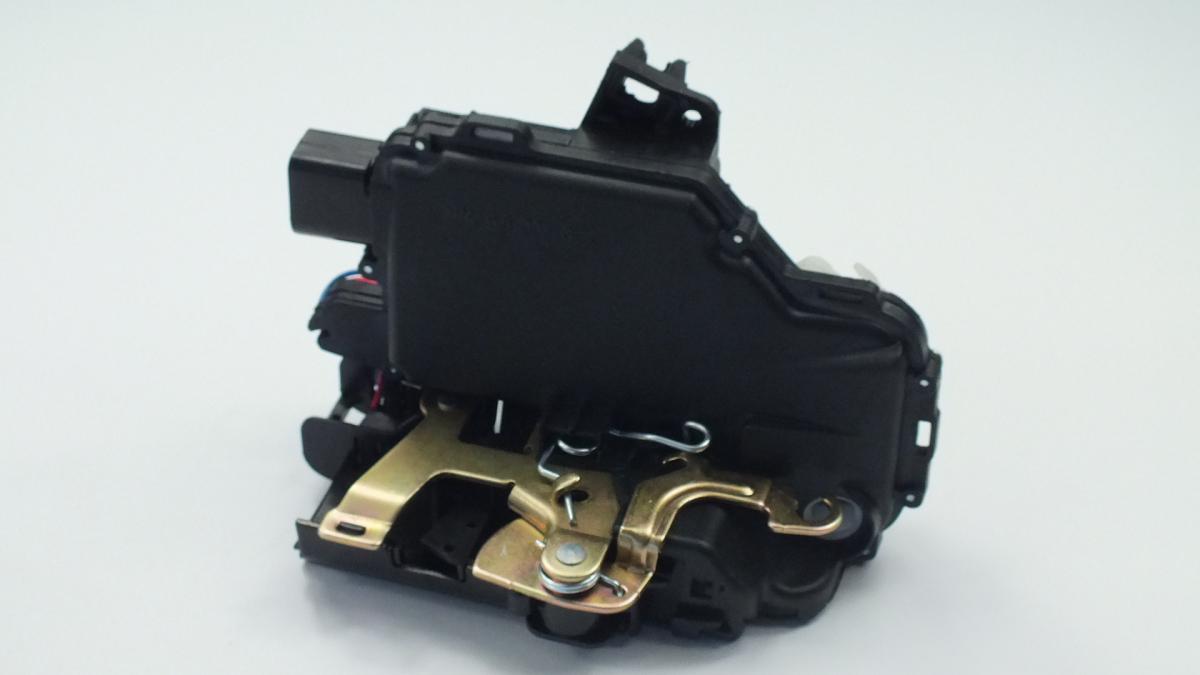
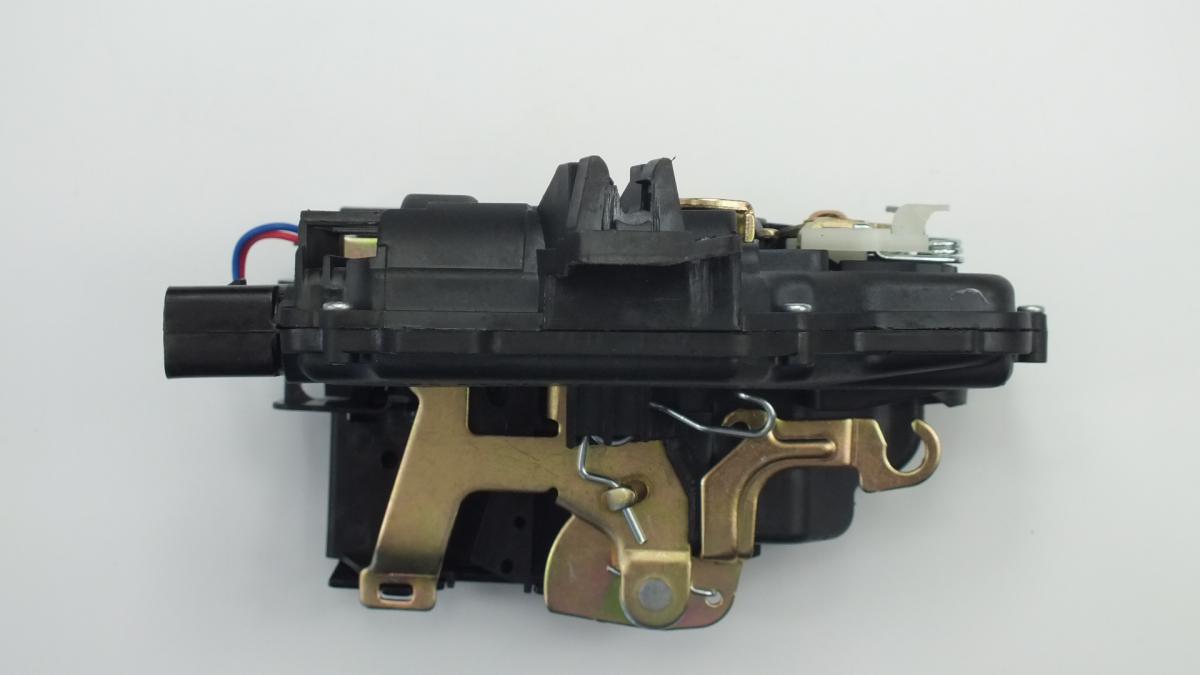
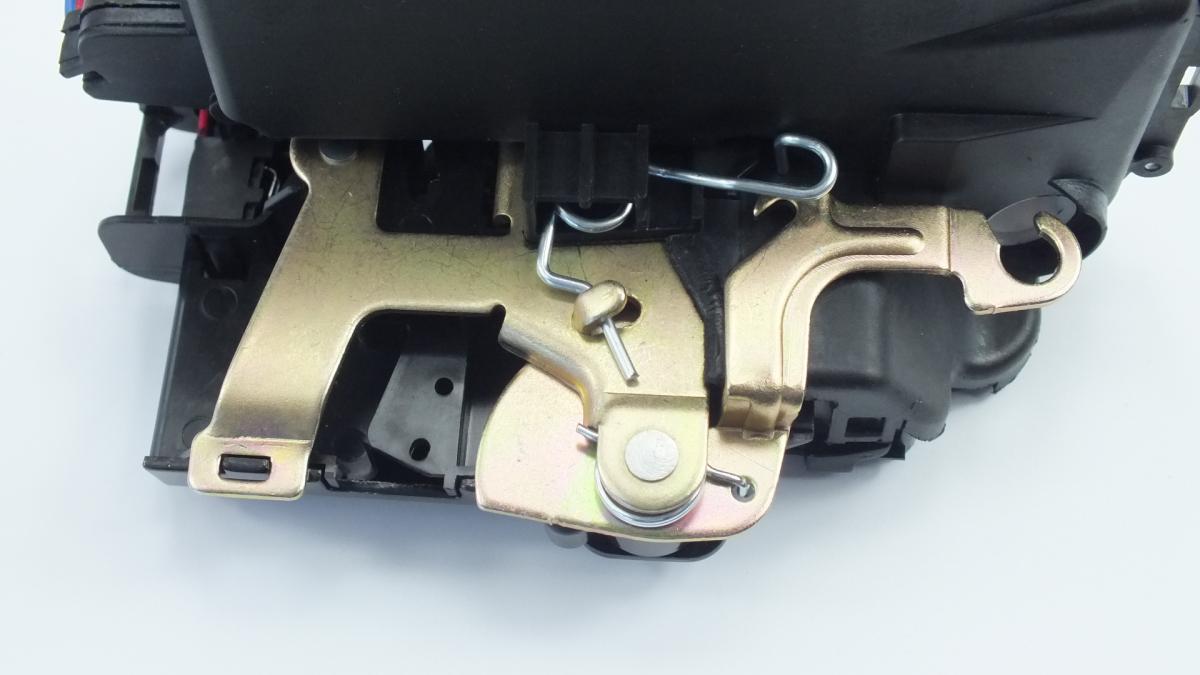
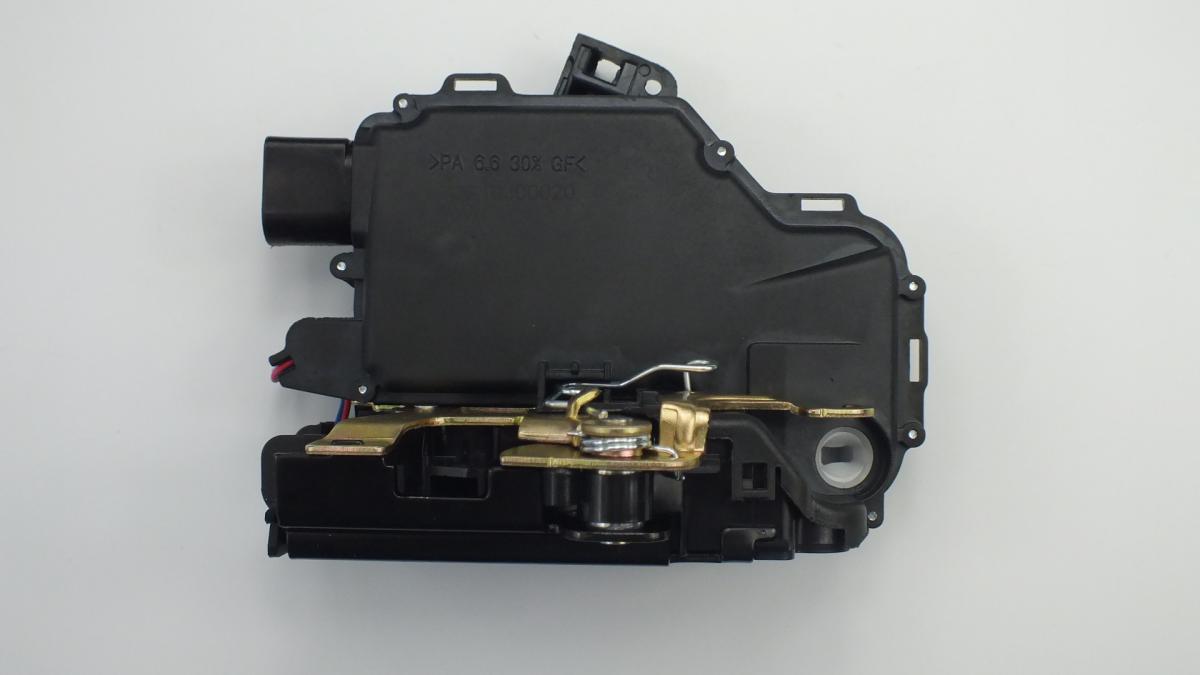
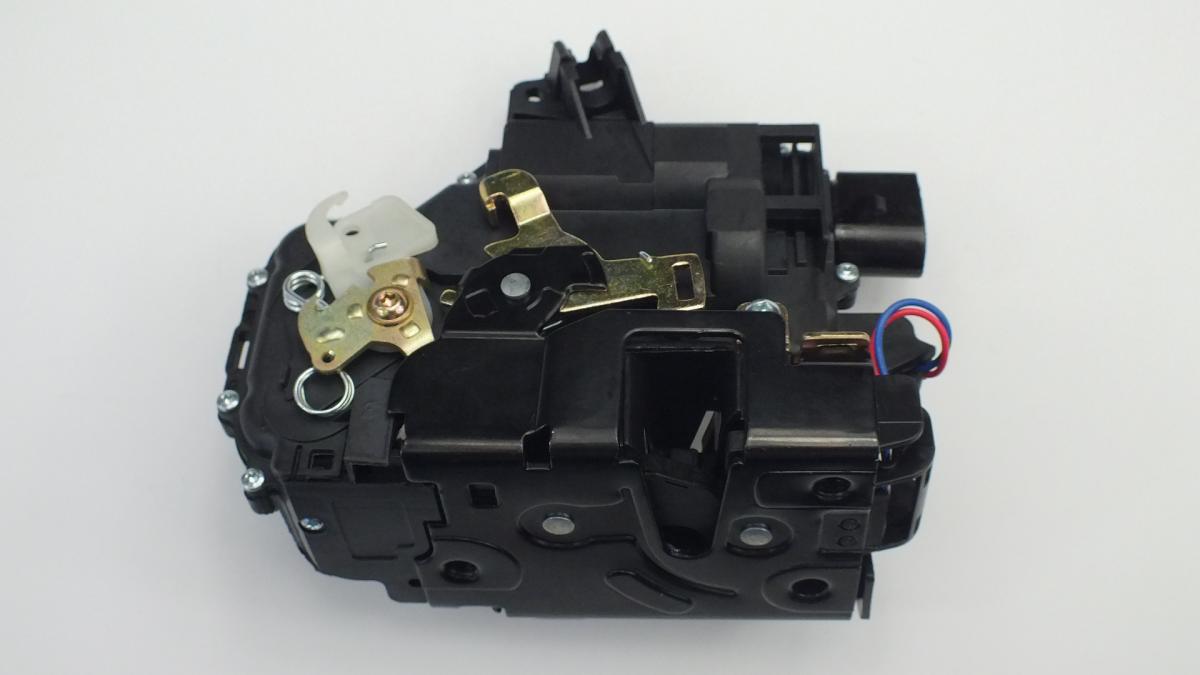
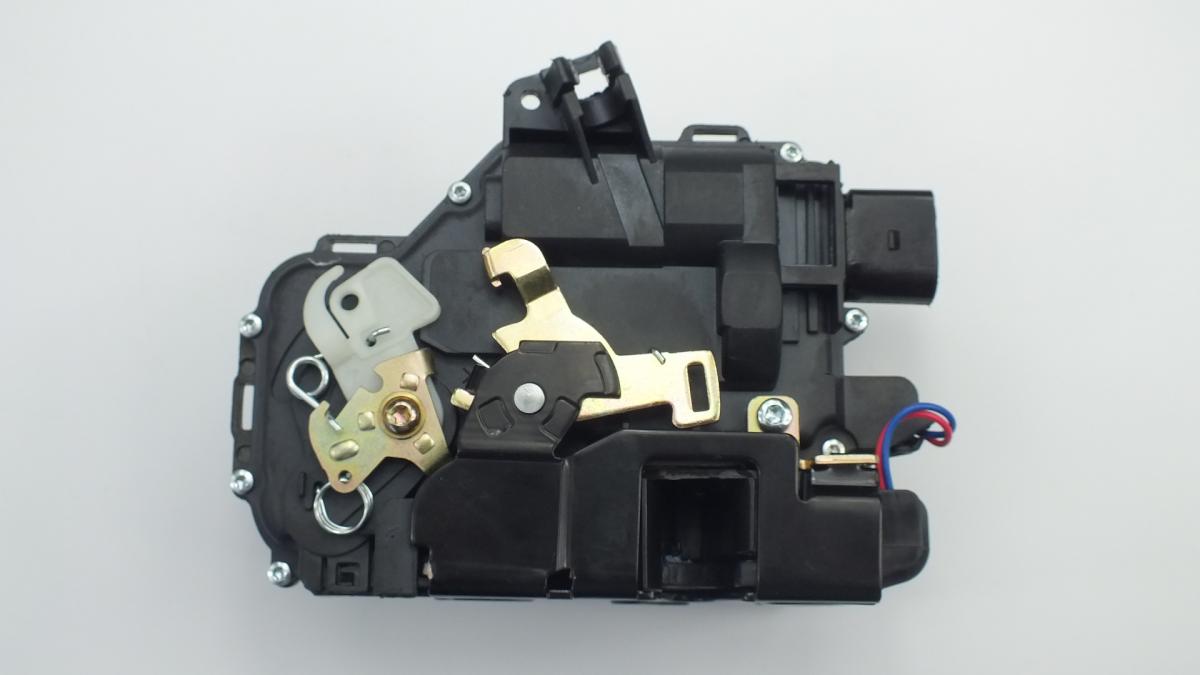
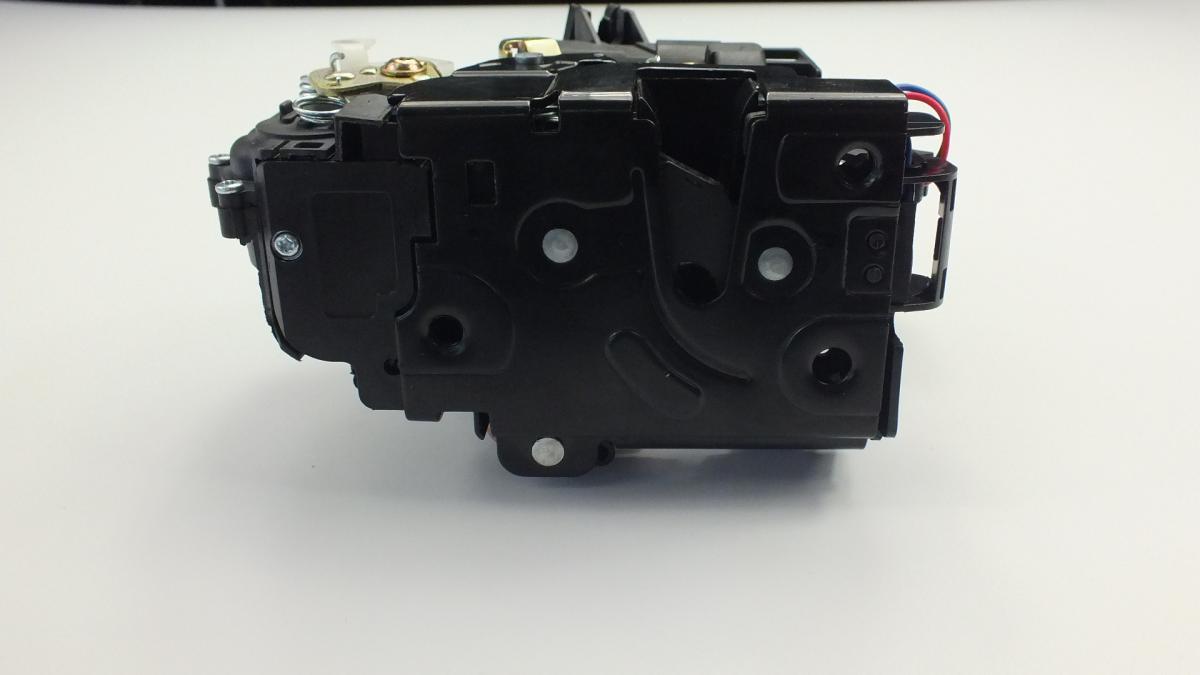
VAG 3B1837015A DOOR LOCK
Product Specifications
| VAG | 3B1837015A |
| VAG | 3B1837015AP |
| VAG | 3B1837015Q |
| VAG | 3D2837015K |
| VAG | 5Z1837015F |
| VAG | 5Z1837015R |
| VAG | 6X1837013A |
| VAG | 6X1837013H |
| VAG | 6X1837015Q |
The door lock actuator (also called door latch actuator or central locking motor) is an electromechanical component that physically locks and unlocks vehicle doors when commanded by the central locking system. This VAG group actuator (3B1837015A) integrates the mechanical latch mechanism with an electric motor and position sensors in a single housing mounted inside the front door.
When the driver presses the key fob button, door switch, or central locking button, the Body Control Module (BCM) sends a 12-volt signal to the actuator motor. The motor drives a gear train that rotates a cam or lever mechanism, moving the door latch rod from locked to unlocked position (or vice versa). The actuator contains internal microswitches that provide position feedback to the BCM, confirming lock status for dashboard indicators and anti-theft systems.
The integrated latch mechanism performs the critical safety function of keeping the door closed during driving. It consists of a fork-shaped latch that engages with the door striker pin mounted on the body pillar. When the door closes, the latch rotates around the striker and locks into place. The actuator motor controls a secondary locking pawl that prevents the latch from releasing, securing the door in the closed position.
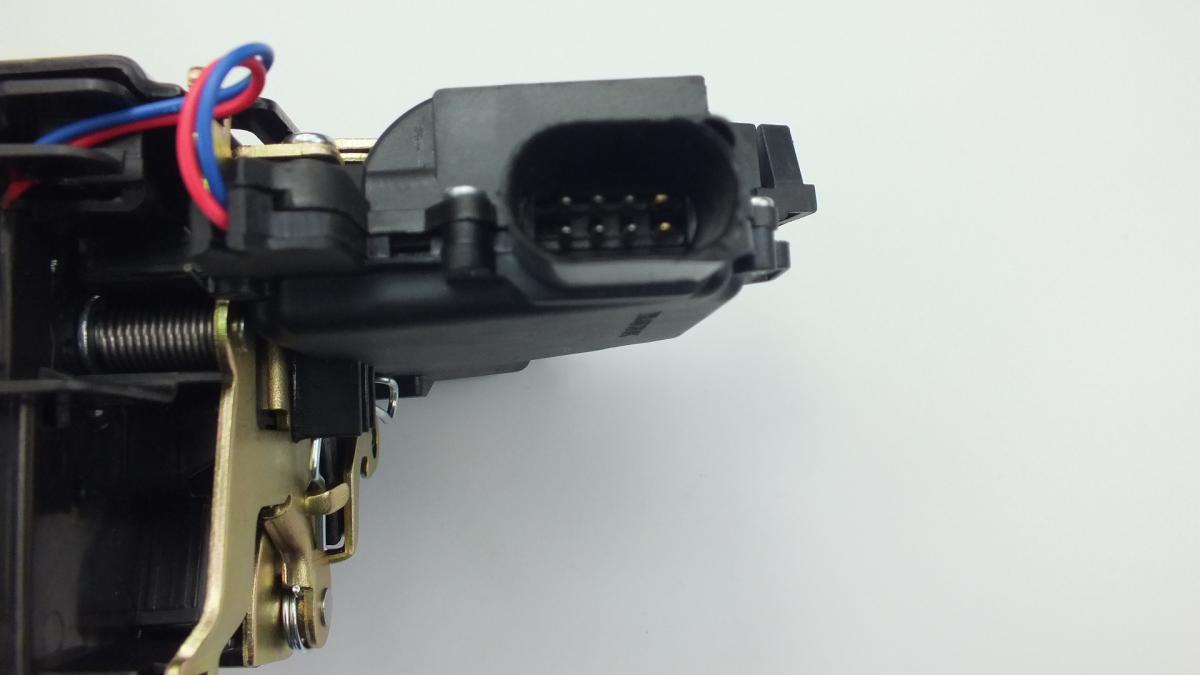
Front door actuators typically have 8-pin electrical connectors (vs 6-pin for rear doors) because they integrate additional functions: deadlock for anti-theft protection, safe unlock for child safety, and position sensors for alarm systems. The unit is designed as a complete replacement module - internal components are not serviceable separately.
Common Failure Symptoms
Diagnostic Procedure
Use VAG-COM or VCDS to access Body Control Module (Address 09). Check for stored fault codes related to central locking. Monitor actuator operation in output test mode - command lock/unlock cycles and listen for motor operation. Measure voltage at actuator connector: should see 12V when lock commanded, 12V reverse polarity when unlock commanded. If voltage present but no motor operation, actuator motor failed. If motor runs but door doesn’t move, internal gears stripped.
| Parameter | Value |
|---|---|
| Net Weight | 0.6 kg (600 grams) |
| Country of Origin | China |
| HS Code | 8512.30.10 — Signaling equipment (sound or visual) for motor vehicles |
| Alternative HS Code | 8708.29.50 — Other parts and accessories of bodies |
| EAEU Code | 8512 30 100 0 |
Based on verified OEM cross-reference numbers. This is a FRONT LEFT (driver side in LHD markets) door lock actuator with 8-pin connector.
| Brand | Model | Years | Notes |
|---|---|---|---|
| Volkswagen | Golf IV / Golf 4 | 1997–2006 | Built after 9/1998 production date |
| Volkswagen | Bora / Jetta IV | 1998–2005 | Sedan and wagon variants |
| Volkswagen | New Beetle | 1998–2010 | Hatchback (excluding convertible 2003-2010) |
| Volkswagen | Passat B5 / B5.5 | 1996–2005 | Sedan and wagon (Variant) |
| Volkswagen | Lupo | 1998–2005 | All variants |
| Volkswagen | Rabbit (North America) | 2006–2009 | Golf V rebadged for USA/Canada |
| Seat | Leon I | 1999–2006 | Hatchback |
| Seat | Toledo II | 1999–2006 | Sedan |
| Seat | Arosa | 1997–2004 | Small hatchback |
| Skoda | Octavia I | 1996–2010 | Hatchback and wagon (Combi) |
| Skoda | Superb I | 2002–2008 | Based on Passat B5 platform |
Difficulty: Moderate. Time: 60–90 minutes per door.
Required Tools
- Door panel removal tools (plastic pry tools)
- Torx driver set (T20, T25, T30)
- Phillips screwdriver
- 8mm and 10mm sockets
- Electrical connector release tool
- Shop towels
- Masking tape (to protect door panel)
Installation Steps
Critical Reminders
- Always test actuator function BEFORE reinstalling door panel to avoid duplicate disassembly
- Linkage rod clips must be fully engaged - incomplete connection causes erratic operation
- Do not force actuator into door cavity - if resistant, check for interference with window regulator
- Preserve door vapor barrier - torn barrier allows water intrusion and corrosion
- Verify correct pin count: 8-pin for front doors, 6-pin for rear doors