BMW/MINI 13537794553 GASKET
Product Specifications
| BMW/MINI | 13537794553 |
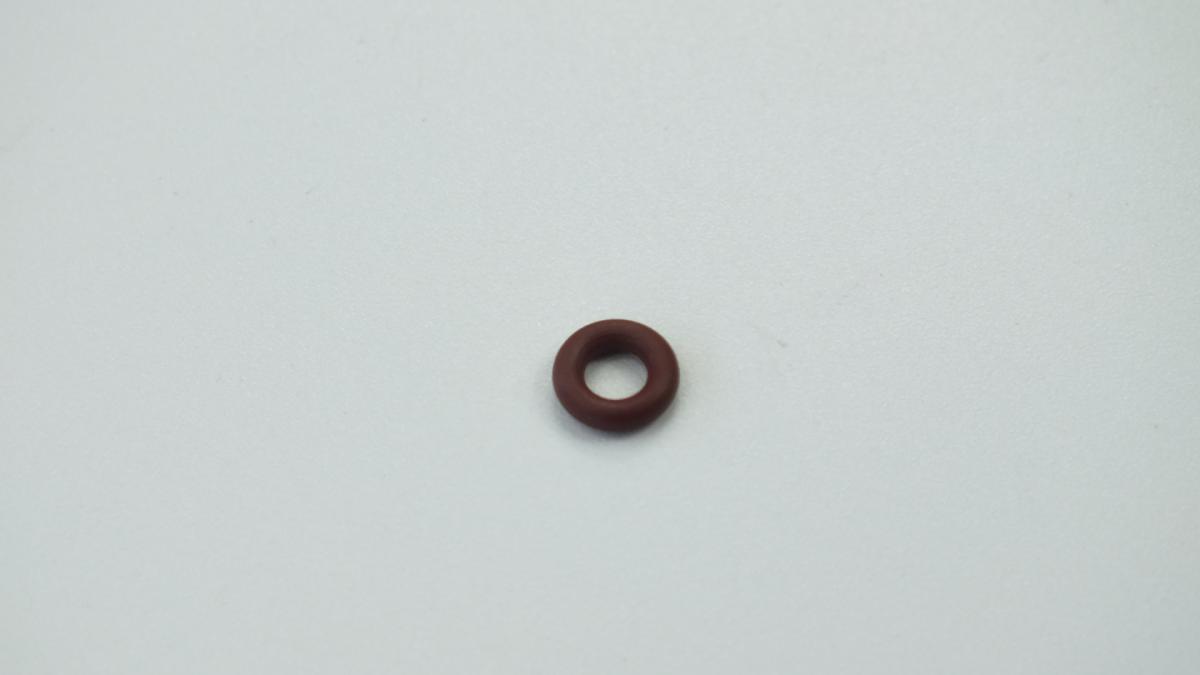
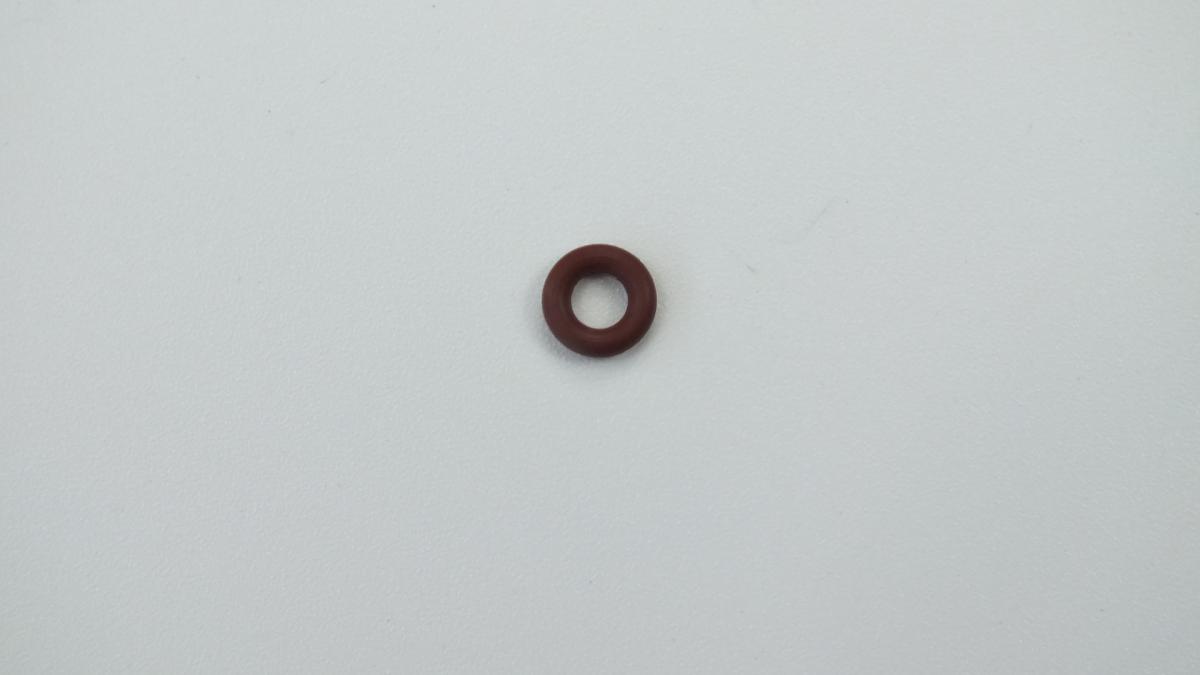
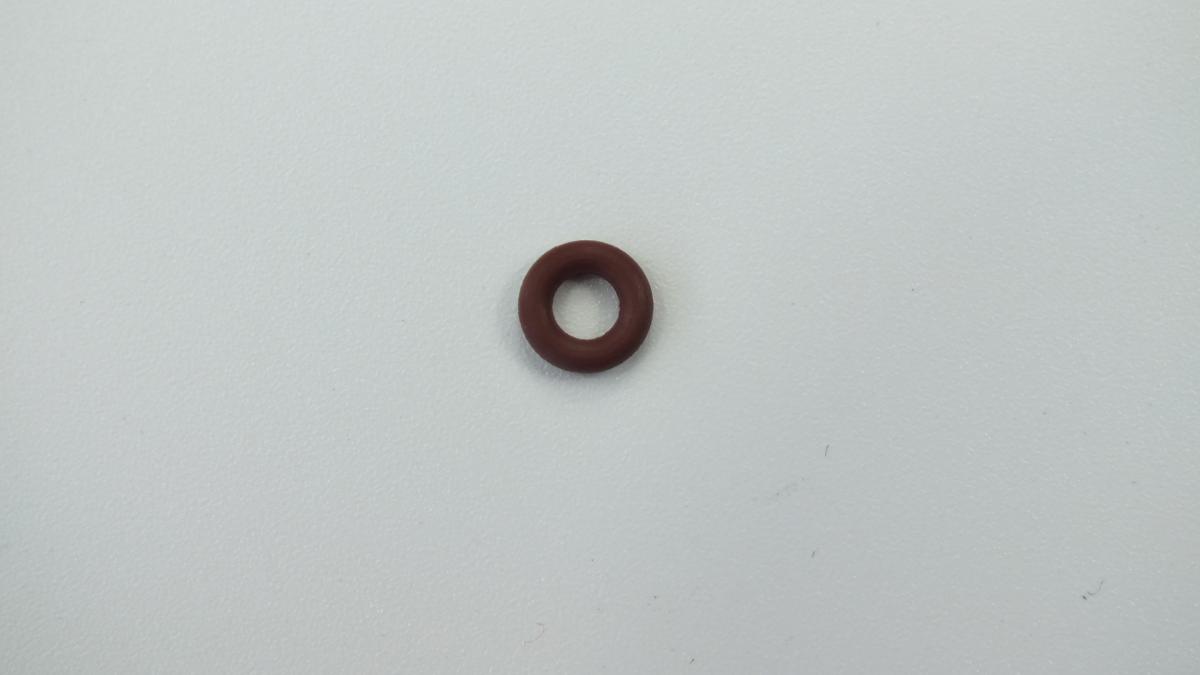
The BMW 13537794553 is the Fuel Injector Line-to-Pipe Sealing O-Ring for BMW diesel common-rail fuel injection systems — a small precision seal located at the connection point between the high-pressure fuel pipe (from common rail) and the upper inlet of each diesel injector. Despite the ok.parts listing description "Gasket", the part is precisely an O-ring seal with verified dimensions ID 2.8 mm, OD 5.8 mm, thickness 1.5 mm. The BMW 13- prefix identifies fuel preparation system components. Used across BMW's full diesel engine family — M57, N47, N57, B47, B57 series — one per cylinder, replaced as a complete set during any fuel injector or fuel pipe service operation.
On BMW common-rail diesel engines, the fuel delivery path runs: high-pressure pump → common rail → high-pressure fuel pipes (one per cylinder) → injector body. Each high-pressure pipe terminates at the injector with a threaded fitting that uses a small O-ring seal at the interface point. The 13537794553 is this O-ring — sealed against system operating pressure of 1,800-2,500 bar peak on M57 engines, increasing to 2,500-2,700 bar on N47/N57 generations, and 2,700-3,000 bar on the newer B47/B57 generation engines.
The O-ring functions as a static high-pressure seal that conforms under compression to seal the metal-to-metal interface against extreme pressure cycling. Its material specification is critical — the seal must withstand: (a) extreme pressure cycling (1,800-3,000 bar during injection events occurring up to 4-5 times per cylinder cycle on multi-pulse injection); (b) diesel fuel chemical exposure including any aftermarket biodiesel content (FAME); (c) thermal cycling from cold-start ambient to engine bay operating temperature; and (d) vibration-induced fatigue from engine firing-order pulses transmitted through the fuel pipe assembly.
The O-ring is supplied as a single-use sealing element — per BMW service procedure, the O-ring is replaced every time the high-pressure fuel pipe is disconnected from the injector. Reusing a removed O-ring risks fuel leak at the connection, which on a common-rail diesel system is both a fire safety hazard (fuel atomised at high pressure ignites easily on hot exhaust) and a performance fault (loss of system pressure causes injection volume errors triggering DTC P008X / P02XX fuel system codes). On BMW diesel engines, this O-ring is replaced as a matched set of 4 (4-cyl) or 6 (6-cyl) units during any operation that opens the high-pressure fuel circuit.
| International HS Code | 4016.93 |
| EAEU Customs Code (TN VED) | 4016 93 005 0 |
| Country of Manufacture | China |
| Quality standard | IATF 16949 |
| Hazardous goods | No |
| Packaging | Bulk plastic bag (200 pcs per bag); individual barcoded sachets available for retail packaging on request |
Sealing O-rings and gaskets of vulcanised rubber are classified under HS 4016.93 (gaskets, washers and other seals of vulcanised rubber other than hard rubber). Some jurisdictions classify under HS 8484.10 (gaskets and similar joints of metal sheeting combined with other material or of two or more layers of metal). Confirm exact 10-digit subheading and applicable duty rates with your customs broker. Commercial invoice description: fuel injector line sealing O-ring for diesel common-rail fuel injection system, vulcanised rubber or fluoroelastomer (FKM/Viton) material per BMW specification.
| Engine family | Vehicle applications |
|---|---|
| BMW M57 (3.0L diesel I-6) | E60/E61 525d/530d/535d (2003-2010); E83 X3 3.0d (2003-2010); E70 X5 3.0d/30d/35d (2006-2013); E90/E91/E92/E93 330d/335d (2005-2013); E65/E66 730d (2002-2008); E63/E64 635d (2007-2010); E71 X6 30d/35d/40d (2008-2014) |
| BMW N47 (2.0L diesel I-4) | E81/E82/E87/E88 116d/118d/120d/123d (2007-2013); E90/E91/E92/E93 316d/318d/320d/325d (2007-2013); E84 X1 sDrive/xDrive 18d/20d/23d (2009-2015); F20/F21/F22/F23 (early); MINI Cooper D R55-R61 (2007-2014) |
| BMW N57 (3.0L diesel I-6) | F10/F11 525d/530d/535d (2010-2017); F30/F31/F34 330d/335d (2012-2019); F25 X3 30d/35d (2010-2017); F15 X5 30d/40d/M50d (2013-2018); F16 X6 30d/40d/M50d (2014-2019); F01/F02/F03 730d/740d (2008-2015) |
| BMW B47 (2.0L diesel I-4, current) | F20/F21/F40 116d/118d/120d (2014+); F30/F31/F34/G20/G21 316d/318d/320d (2014+); F25/G01 X3 18d/20d (2014+); F26/G02 X4 20d (2014+); F48/U11 X1 sDrive/xDrive 18d/20d (2015+); F39/U10 X2 18d/20d (2018+); MINI Cooper D F55-F60 (2014+) |
| BMW B57 (3.0L diesel I-6, current) | G30/G31 525d/530d/540d (2017+); G20/G21 330d (2018+); G01 X3 30d/M40d (2017+); G02 X4 30d/M40d (2018+); G05/G18 X5 30d/M50d (2018+); G06 X6 30d/M50d (2019+); G07 X7 30d/M50d (2018+); G11/G12 730d/740d (2015+) |
Does NOT fit: BMW petrol engines (M52/M54/N52/N54/N55/S55/B58/S58) — petrol DI uses different seal references; BMW M47 first-gen diesel (1998-2003) — older common-rail design; BMW M51 diesel (1991-2000) — indirect-injection system; BMW N20/N26 petrol; MINI petrol engines (N12/N14/N16/N18/B36/B38/B48). The 13537794553 is specific to BMW common-rail diesel injector pipe connections (M57, N47, N57, B47, B57 generations). Verify by existing seal dimensions (ID 2.8 / OD 5.8 / 1.5 mm thick) before ordering.
Difficulty: Moderate. Estimated time: 30-90 minutes depending on engine access (4-cyl simpler, 6-cyl requires intake manifold removal on most platforms). Critical safety: high-pressure fuel system must be depressurised before opening any fuel pipe; residual pressure of 250-300 bar can persist for hours after shutdown.
- 1Allow engine to cool fully (minimum 4-6 hours, ideally overnight). Diesel rail pressure bleeds down gradually after shutdown through injector return circuit but can take significant time. NEVER work on high-pressure fuel pipes with recently-run engine.
- 2Depressurise high-pressure fuel system: BMW diagnostic tool (ISTA, INPA or equivalent) depressurisation routine. Alternative manual: disconnect injector return line, allow residual pressure bleed via return circuit; verify zero pressure on rail sensor live data before opening any pipe.
- 3Disconnect negative battery terminal. Remove engine cover, air intake duct, and (on 6-cyl engines) intake manifold to expose all injectors. Photograph routing of high-pressure pipes, fuel rail, and injector wiring connectors for reference during reassembly.
- 4Cap all open fuel connections immediately as they are disconnected — high-pressure fuel system is extremely sensitive to debris ingress. Use BMW-spec capping plugs or sealed plastic bags. NEVER allow ambient dust / dirt to enter any opened fuel pipe or injector port — injector damage results.
- 5Disconnect the high-pressure fuel pipe from the injector using BMW specific 17 mm flare-nut wrench (NOT open-ended). Apply gentle but progressive force; if heavily seized, apply penetrating oil + allow soak time. Do NOT use heat on the pipe-to-injector connection.
- 6Extract the old O-ring from the pipe end or injector port. Use a plastic pick or wooden toothpick — NEVER use metal pick which can score the precision sealing surface of the injector port or pipe end fitting. Inspect both mating surfaces for any score, gouge, or carbon deposit that would prevent the new seal from functioning — clean carefully if needed.
- 7Compare the new O-ring to the old — verify ID 2.8 mm / OD 5.8 mm / thickness 1.5 mm match exactly. The O-ring should be black or dark green for fluoroelastomer (FKM/Viton) construction; reject if colour or material appears questionable.
- 8Install the new O-ring dry or with a very thin film of new diesel fuel as lubricant — NEVER use silicone grease, RTV sealant, or any other lubricant. Position the O-ring carefully into its groove / land on the pipe end or injector port; ensure it sits flat without twist or distortion.
- 9Reconnect pipe to injector. Start flare nut BY HAND several turns BEFORE wrench torque — cross-threading high-pressure flare connections is leading cause of post-install leaks AND injector port damage. Torque to BMW spec (25-28 Nm typical for M14 x 1.5 flare nut; verify against your specific service manual).
- 10Repeat for all remaining cylinders — BMW service standard mandates replacing ALL O-rings in a matched set during any high-pressure pipe service, NOT just the one that failed. Mixing aged seals with new seals on the same fuel rail produces uneven seal preload.
- 11Refit intake manifold, intake duct, engine cover. Reconnect electrical connectors verified against your reference photographs. Reconnect negative battery terminal.
- 12Crank engine in short cycles (10-15 sec each, 30 sec cool-down) until rail pressure builds. BMW diagnostic tool clears fault codes set during depressurisation. Visually inspect all joints at idle — ANY diesel weep / smoke / fuel smell is CRITICAL safety; shut down immediately. Road test only after multiple heat cycles confirm leak-free.
| Part | Reference | Reason for Combined Replacement |
|---|---|---|
| Injector Copper Washer (Heat Shield) | BMW 13627794194 (M57 / N57) or application-specific copper washer for B47 / B57 | Mandatory at injector service. Copper washer / heat shield seals between injector body and cylinder head injector bore, sealing combustion pressure. Always replaced with pipe-to-injector O-ring. Reusing risks combustion gas blowback and injector seizure. |
| High-Pressure Fuel Pipe | BMW high-pressure fuel pipe (application-specific) | High-pressure pipes are wear items. Aged pipes show metal fatigue at formed bends and threaded ends. Inspect during O-ring replacement; replace if visible corrosion / distortion / thread damage. BMW recommends pipe replacement every 2-3 cycles of O-ring service on high-mileage vehicles. |
| Injector Return Line / Leak-Off Hose | BMW diesel injector return hose set | Low-pressure return / leak-off hoses harden and crack over time. Aged return hoses leak diesel onto engine top (commonly misdiagnosed as injector body or pipe seal failure). Inspect during service; replace if visible cracking / hardness / connection failure. |
| Fuel Rail Pressure Sensor / Regulator | BMW rail pressure sensor (DRV / RPCV reference) | On high-mileage M57 / N57 engines, the rail pressure regulator (DRV - Druckregelventil) is a common failure point. The same OBD-II codes that indicate pipe seal failure (P0087, P0088) can also be caused by failing DRV. Inspect and test rail pressure sensor live data during pipe seal service; replace if any pressure-tracking irregularity confirmed. |
| Diesel Fuel Filter | BMW diesel fuel filter (application-specific) | Premature pipe seal failure can be triggered by abrasive particulate contamination in the high-pressure fuel circuit from a saturated/failing fuel filter. Replace fuel filter during pipe seal service to address potential root cause and prevent immediate re-contamination of the new seals. Recommended replacement interval: 30,000-60,000 km depending on fuel quality. |