GENERAL MOTORS 13340391 CABLE ASSY PARKING
Product Specifications
| GENERAL MOTORS | 13340391 |
| GENERAL MOTORS | 13157064 |
| GENERAL MOTORS | 0522053 |
| GENERAL MOTORS | 0522036 |
| GENERAL MOTORS | 0522028 |
| GENERAL MOTORS | 13237275 |
| GENERAL MOTORS | 13321653 |
| GENERAL MOTORS | 0522067 |
| GENERAL MOTORS | 522028 |
| GENERAL MOTORS | 522036 |
| GENERAL MOTORS | 522053 |
| GENERAL MOTORS | 522067 |
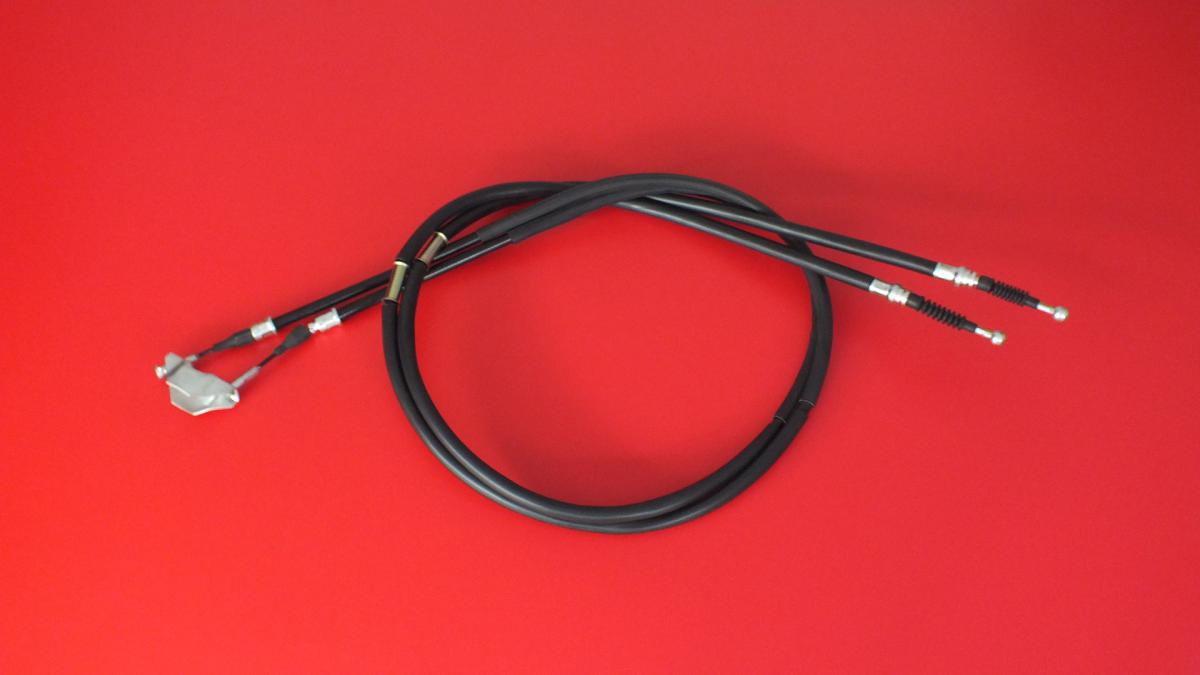
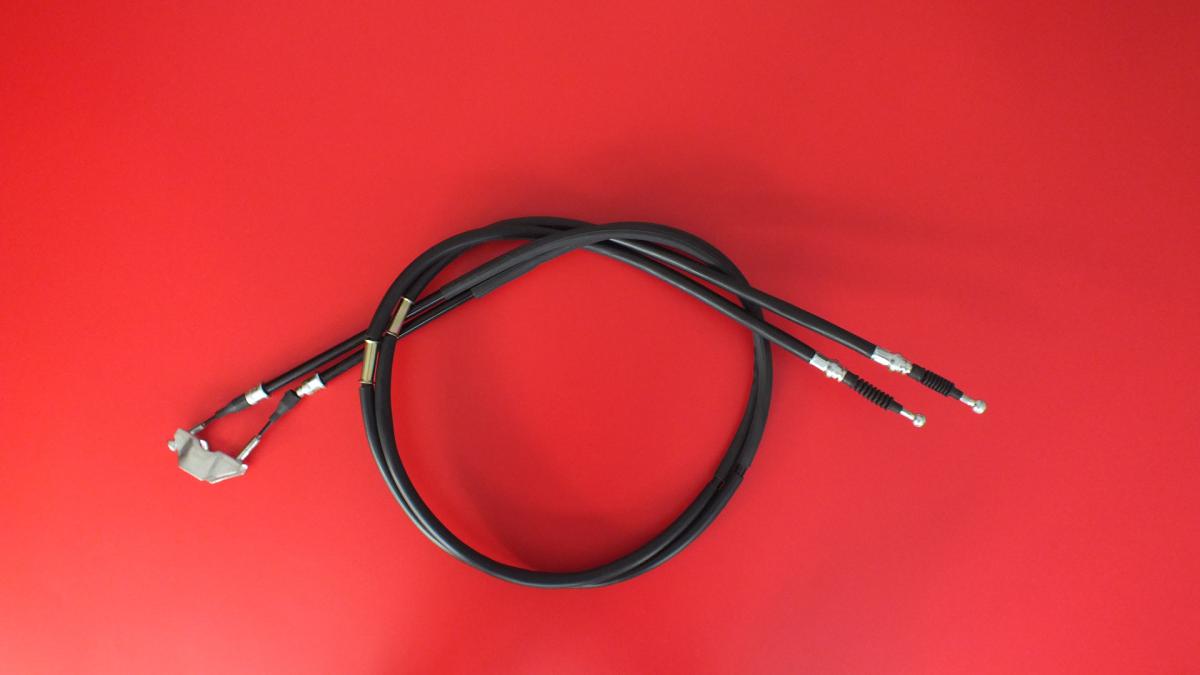
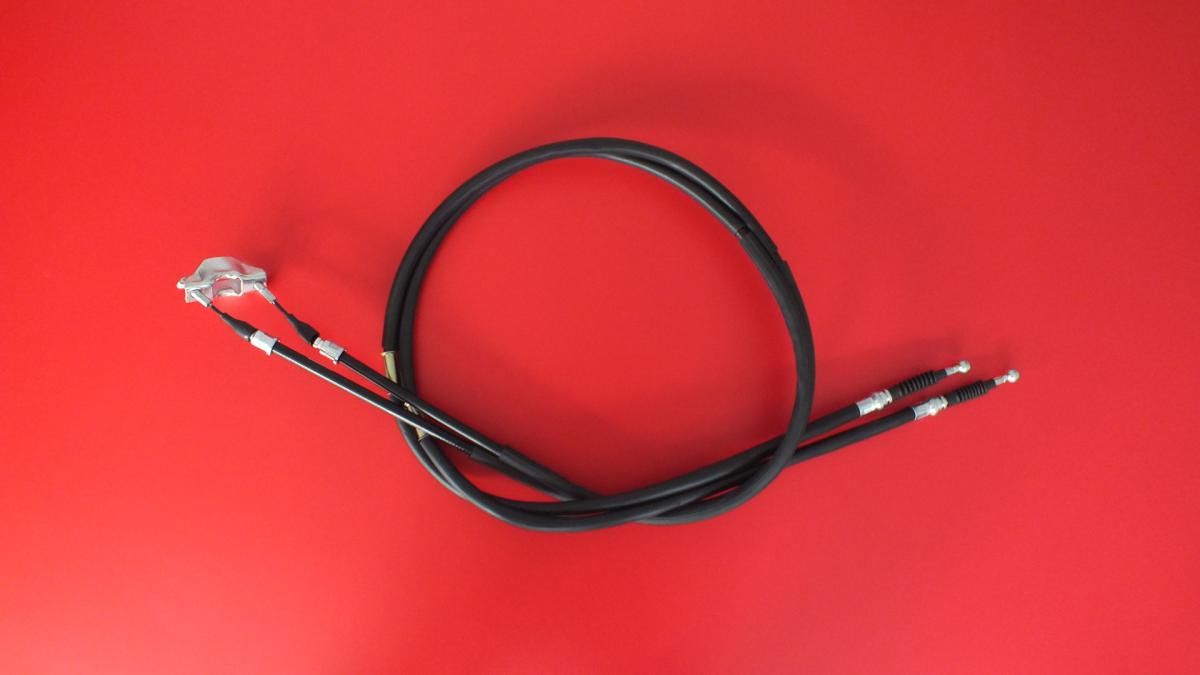
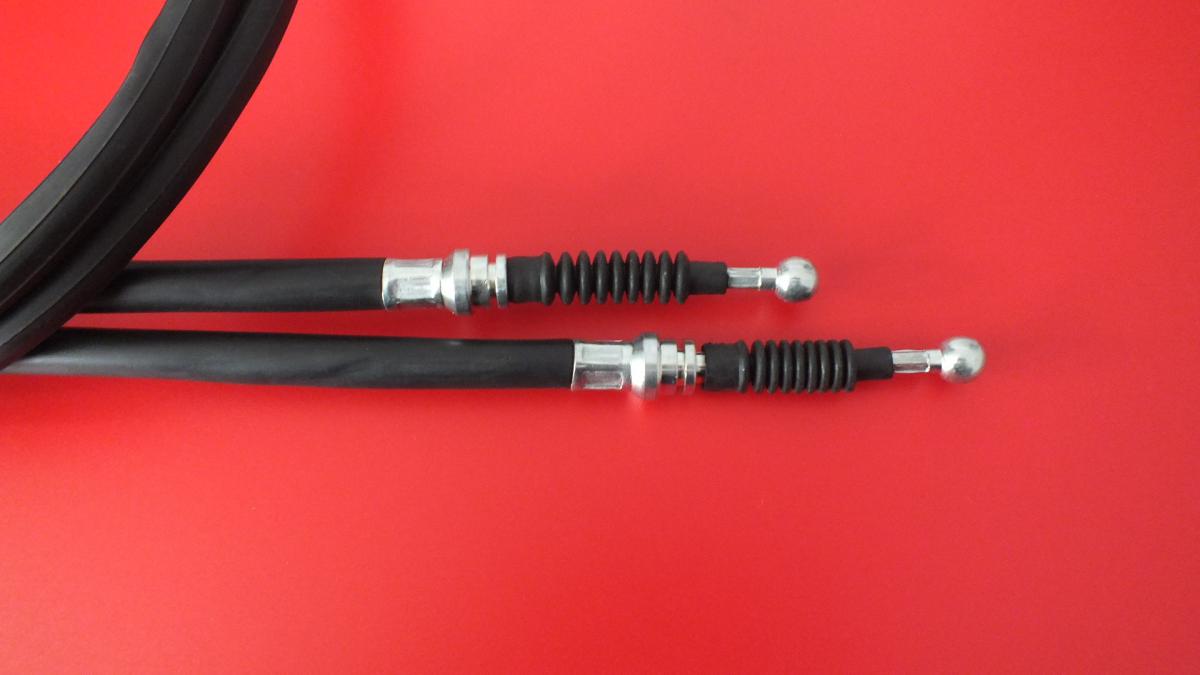
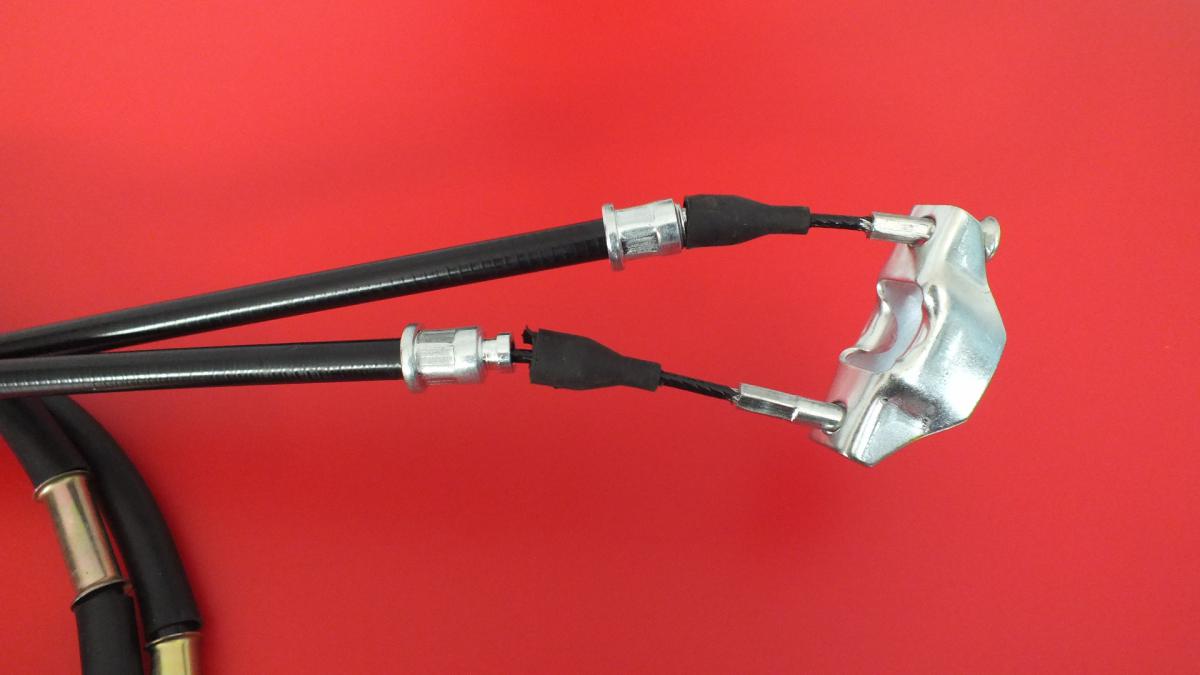
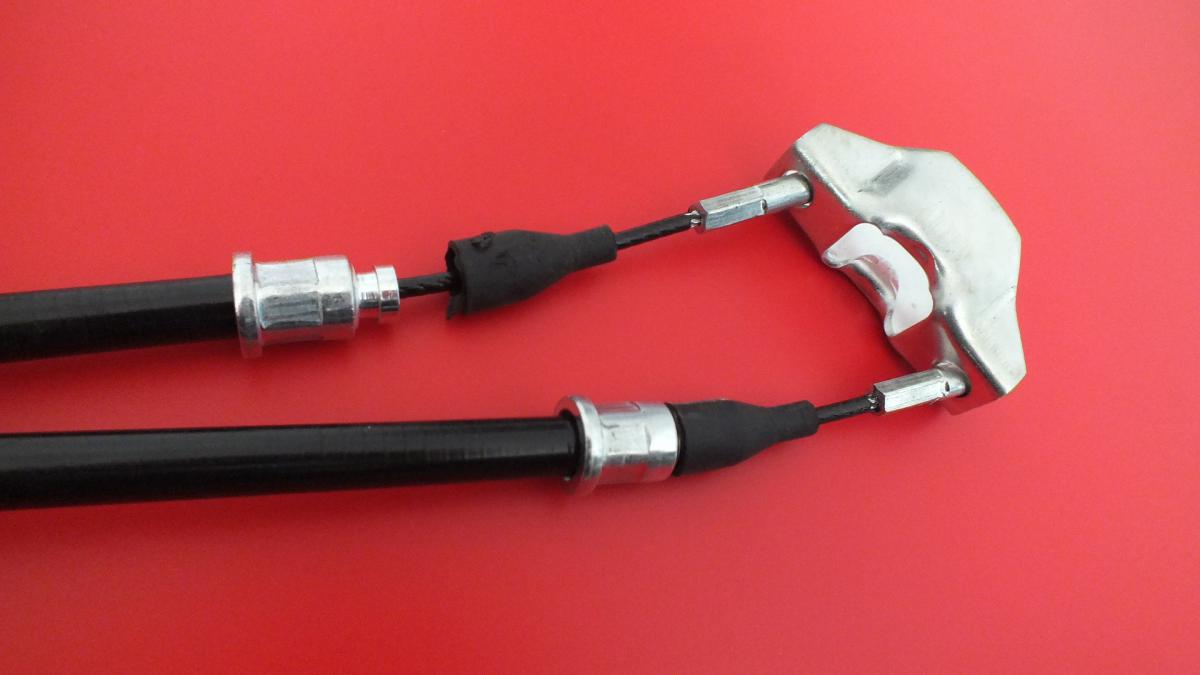
The Handbrake Cable Assembly (General Motors OEM 13340391) is the rear parking brake cable for the Vauxhall / Opel Zafira B (A05 platform, 2005–2015). At 1,729 mm in length, this is one of the two rear secondary cables that run from the handbrake equaliser bracket under the floor to each rear brake caliper arm or drum brake shoe lever. The cable transmits the mechanical pulling force generated by the handbrake lever through a steel inner wire rope sliding within a protective outer conduit, applying the rear brakes and holding the vehicle stationary when parked.
The Zafira B (A05) parking brake system uses a three-segment cable layout: a single primary (front) cable runs from the handbrake lever in the cabin to an equaliser bracket under the vehicle floor, and two rear secondary cables — one per side — connect the equaliser to each rear brake. The 13340391 is one of the rear secondary cables. The equaliser bracket distributes tension equally to both rear cables, ensuring symmetric parking brake application. On Zafira B variants with drum rear brakes, the cable nipple engages the brake shoe actuating lever inside the drum backplate; on variants with disc rear brakes, the cable connects to the parking brake caliper lever arm.
Handbrake cable failure on the Zafira B is most commonly caused by corrosion of the inner wire from road salt and water ingress at the conduit end seals — a prevalent issue in UK, Northern European, and CIS market vehicles where road salt is used extensively. Individual wire strands corrode and snap progressively until the cable seizes in its conduit or fractures completely. Available wholesale from ok.parts, $3.67 USD, MOQ 35 pcs, lead time 51 days.
| International HS Code | 7312.10 |
| EAEU Customs Code (TN VED) | 7312 10 890 0 |
| Net Weight | 0.95 kg |
| Country of Manufacture | China |
| Standard MOQ | 35 pcs |
| Production Lead Time | 51 days from order confirmation |
| Wholesale Price (USD) | $3.67 per unit (at MOQ) |
| Packaging — Standard | Individual box / carton |
| Packaging — Custom | White-label or branded — available on request |
HS code 7312.10 covers stranded wire, ropes, and cables of iron or steel, correctly classifying parking brake cable assemblies. At 0.95 kg per unit, a carton of 35 units weighs approximately 33 kg — suitable for sea freight in standard export cartons.
The 13340391 handbrake cable (1,729 mm) is confirmed for the Vauxhall / Opel Zafira B (A05 platform) across its full production run with conventional (non-electric) parking brake. The cable is used on all engine variants — petrol and diesel — of the Zafira B.
| Brand | Model | Platform / Gen | Years | Brake Type |
|---|---|---|---|---|
| VAUXHALL | Zafira B | A05 (2nd gen) | 2005–2015 | All variants with conventional handbrake — all engine codes |
| OPEL | Zafira B | A05 (2nd gen) | 2005–2014 | Continental Europe market — same vehicle and cable |
Petrol: Z 16 XER, A 16 XER, Z 18 XER, A 18 XER, Z 20 LER, Z 20 LEH, Z 22 YH, Z 16 XE1, Z 16 XEP, A 16 XNT
Diesel: Z 19 DTL, Z 19 DTH, A 17 DTR, A 17 DTJ, Z 17 DTJ, Z 17 DTH
• The 13340391 cable is the rear secondary cable (1,729 mm). It is sold individually — both left-hand and right-hand rear positions use the same cable (they are symmetric on the Zafira B rear axle). Order two units for a complete rear cable set.
• The Zafira B primary (front) cable from the lever to the equaliser is a separate, shorter component with a different part number. If the primary cable or equaliser bracket is damaged, it must be ordered and replaced separately.
• The Zafira C Tourer (P12 platform, 2011+) uses a different handbrake system and is NOT compatible with this cable.
Difficulty: Easy to Moderate. The rear handbrake cable on the Zafira B runs from the equaliser bracket (under the floor centre) along the underside of the vehicle to each rear brake. The primary access challenge is releasing the corroded cable from its underbody routing clips and conduit brackets. On a vehicle that has been operating in a salt-contaminated environment, the conduit brackets and clip pins may be heavily corroded. Estimated time: 45–90 minutes per side.
-
1Slacken the handbrake cable adjuster fully. Inside the vehicle, locate the handbrake adjuster — on the Zafira B this is at the equaliser bracket under the floor, accessible from below the vehicle with the handbrake lever in the released position. Wind the adjustment nut fully off to provide maximum cable slack. This allows the cable nipples to be removed from the rear brake fittings without tension.
-
2Raise and support the rear of the vehicle on axle stands with the wheels hanging at full droop. Apply penetrating oil to all underbody cable conduit brackets, retaining clips, and brake-end connections along the cable run — allow 15–20 minutes to soak before attempting to release any corroded fittings.
-
3Disconnect the cable at the rear brake end. On disc brake variants, the cable nipple engages a slot in the caliper parking brake lever arm — compress the arm slightly against spring tension, slide the nipple out of the slot, and thread the cable end out of the bracket. On drum brake variants, the drum must be removed first to access the cable-to-shoe lever connection inside the backplate — remove the brake drum (noting the self-adjuster position), compress the shoe lever, and release the cable nipple from the shoe actuating lever.
-
4Release all underbody conduit retaining clips along the cable run. Use a flat-bladed trim tool to release plastic clips without breaking them. Some metal retaining clips require a small punch to remove the retaining pin. Work from the brake end toward the equaliser, releasing each clip in sequence before pulling the cable clear of its routing.
-
5Disconnect the cable from the equaliser bracket by sliding the cable end fitting out of the equaliser. Thread the new 13340391 cable from the equaliser end, routing it exactly as the original cable — following your reference photographs. Secure all conduit clips along the routing. Connect the brake end nipple. Adjust the handbrake via the equaliser adjustment nut until the rear wheels lock firmly with 4–6 clicks of lever travel and both rear wheels rotate freely with the handbrake released.
-
6Bed in the new cable and verify adjustment. Apply and release the handbrake 5–10 times to allow the new cable to seat in its conduit and any drum brake self-adjusters to set. Re-check the lever travel — if it has changed from 4–6 clicks after bedding, re-adjust at the equaliser. Lower the vehicle and test parking on a gradient to confirm the vehicle is held securely.
| Part | Reference | Reason for Combined Replacement |
|---|---|---|
| Second Rear Handbrake Cable (opposite side) | GM 13340391 (same PN — both sides use the same cable) | Both rear cables on the Zafira B are the same part number and have accumulated identical corrosion exposure. Replacing one side eliminates one failure point while leaving the other in the same deteriorated condition — the remaining cable will fail within a short period. Replacing both cables in one underbody access visit takes minimal additional time and eliminates the guaranteed return booking. Order two units per vehicle for a complete rear pair replacement. |
| Rear Brake Pads or Brake Shoes | Vauxhall/Opel rear brake friction — confirm by axle type (disc or drum) and specification | A seized handbrake cable on the Zafira B that has been holding the rear brakes in partial application causes accelerated and uneven friction material wear. Disc brake variants will show premature inner pad wear from caliper parking brake arm loading; drum variants may show scored or overheated shoe friction material. Inspect friction material thickness and surface condition when the cable is removed. If uneven wear is found, replace brake pads or shoes simultaneously to restore correct geometry and prevent rapid re-wear of the new friction material against an uneven drum or disc surface. |
| Primary Handbrake Cable (lever to equaliser) | Vauxhall/Opel GM OEM — Zafira B primary cable PN; confirm from GM ETIS by registration | On high-mileage Zafira B vehicles, the primary cable (running from the handbrake lever to the equaliser bracket) is subject to the same corrosion profile as the rear cables, particularly at the point where it exits the cabin floor through a grommet into the underbody environment. Inspect the primary cable for fraying, corrosion at the conduit end seals, and freedom of movement through its full travel range while the rear cables are disconnected. A stiff or corroded primary cable prevents correct adjuster compensation after rear cable replacement and causes asymmetric parking brake application that persists despite correct adjustment. |