Ignition Coils: Complete Technical and Wholesale Sourcing Guide
A comprehensive guide to ignition coil technology, failure diagnostics, OEM cross-references by vehicle brand, and how to source wholesale from China through verified factories.
The ignition coil is the heart of every gasoline engine's ignition system. It takes the battery's 12 volts and transforms it into the 20,000-40,000 volt pulse needed to create a spark at the spark plug - and it does this thousands of times per minute, under extreme heat and vibration, for years on end. When a coil fails, the engine loses an entire cylinder, fuel economy drops, emissions spike, and if left unaddressed, the catalytic converter can be permanently damaged by unburned fuel.
For auto parts distributors and importers, ignition coils are one of the most profitable aftermarket categories. Modern engines use one coil per cylinder - meaning every 4-cylinder car has four, every V6 has six, and every V8 has eight individual coils that will all eventually need replacement. For mechanics, understanding the differences between coil types, diagnostic methods, and correct OEM cross-referencing is critical for fast, accurate repairs.
This guide covers the complete picture. The full ok.parts ignition coil catalog contains over 2,600 SKUs searchable by OEM number, vehicle application, or manufacturer.
- How Ignition Coils Work
- Types of Ignition Coils
- Failure Symptoms and Diagnostic Trouble Codes
- Common Failure Causes
- OEM Cross-Reference Guide by Vehicle Brand
- Why Ignition Coils Are a Top Wholesale Opportunity
- Sourcing Ignition Coils Wholesale from China
- Installation Best Practices
- Frequently Asked Questions
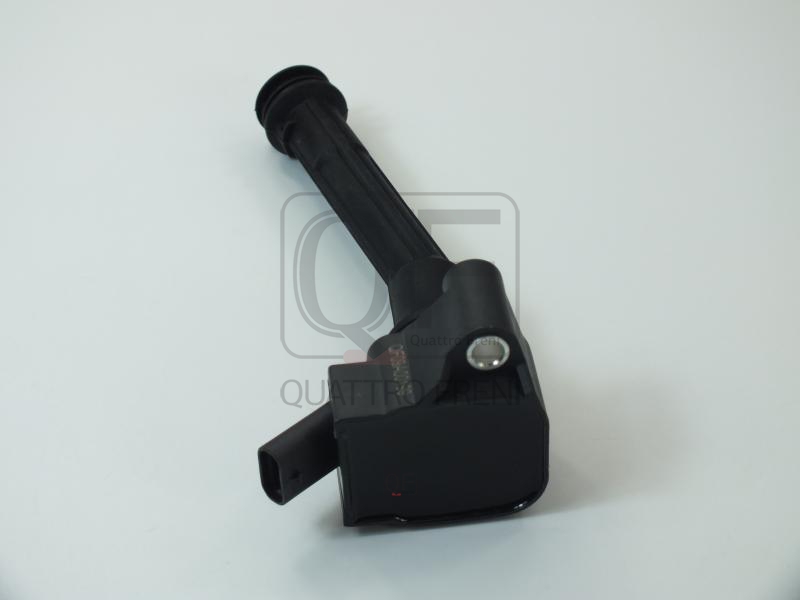
Compact Coil-on-Plug (COP) ignition coil - the most common type in modern vehicles. View in catalog
1. How Ignition Coils Work
An ignition coil is an electromagnetic step-up transformer. It consists of two coils of wire (primary and secondary) wound around a shared iron core, enclosed in an epoxy-filled or oil-filled housing for insulation and heat dissipation.
The primary winding has relatively few turns of thick copper wire (typically 100-200 turns) and is connected to the battery voltage through the ignition module or ECU. The secondary winding has thousands of turns of very thin wire (typically 10,000-25,000 turns) and is connected to the spark plug.
When the ECU signals the coil to fire, current flows through the primary winding, building a magnetic field in the iron core. When the current is abruptly cut off, the magnetic field collapses and induces a high voltage in the secondary winding - amplified by the turns ratio between the two windings. This high-voltage pulse (20,000-40,000V) travels to the spark plug and jumps the electrode gap, igniting the air-fuel mixture.
The entire charge-and-fire cycle takes just a few milliseconds, and each coil repeats this cycle hundreds or thousands of times per minute depending on engine RPM. At 6,000 RPM on a 4-stroke engine, each coil fires 3,000 times per minute. This extreme duty cycle, combined with under-hood temperatures that can exceed 150C, is why ignition coils are among the most stressed electronic components in a vehicle.
2. Types of Ignition Coils
Understanding the different coil types is essential for correct part sourcing. Each type has a fundamentally different design, mounting method, and connector - they are not interchangeable.
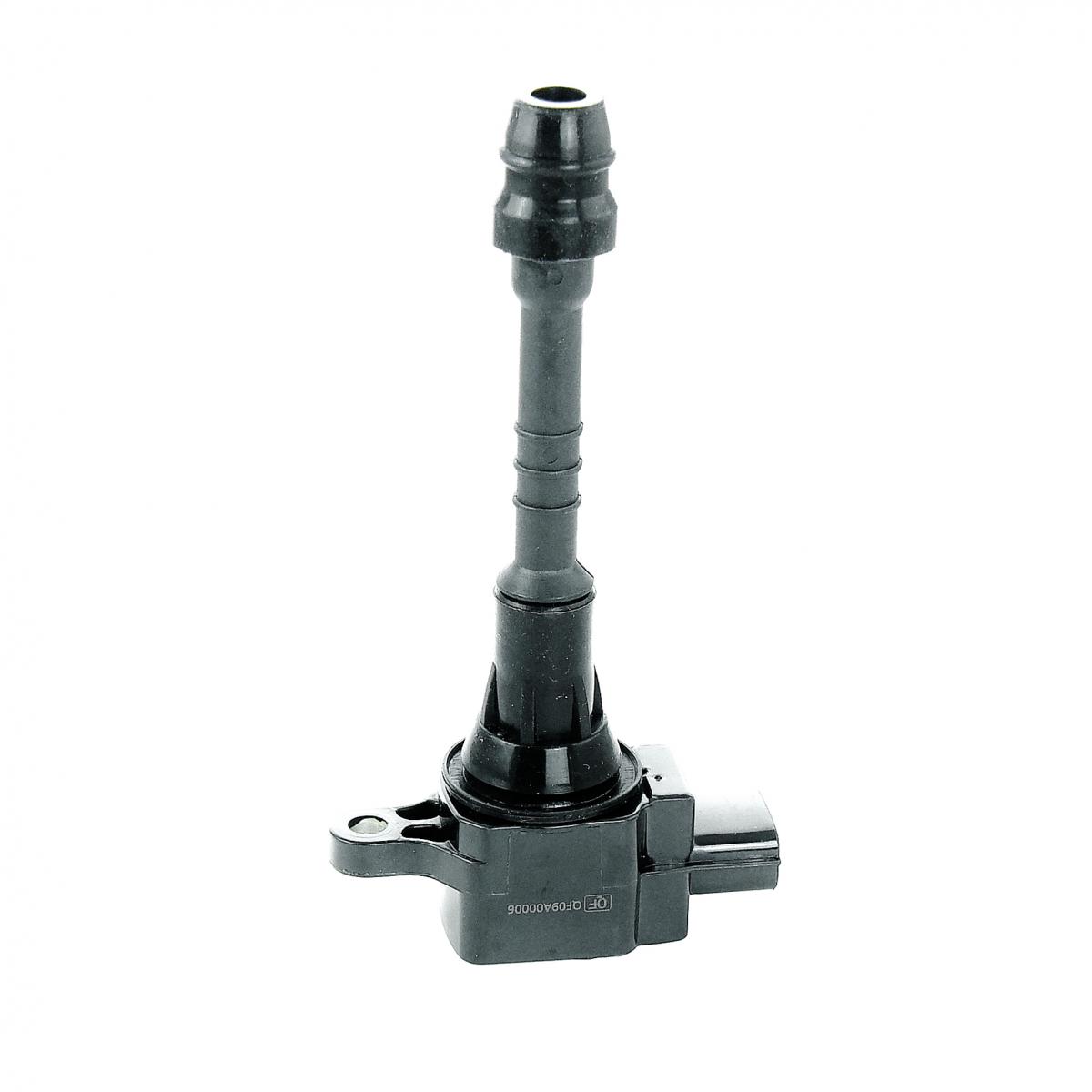
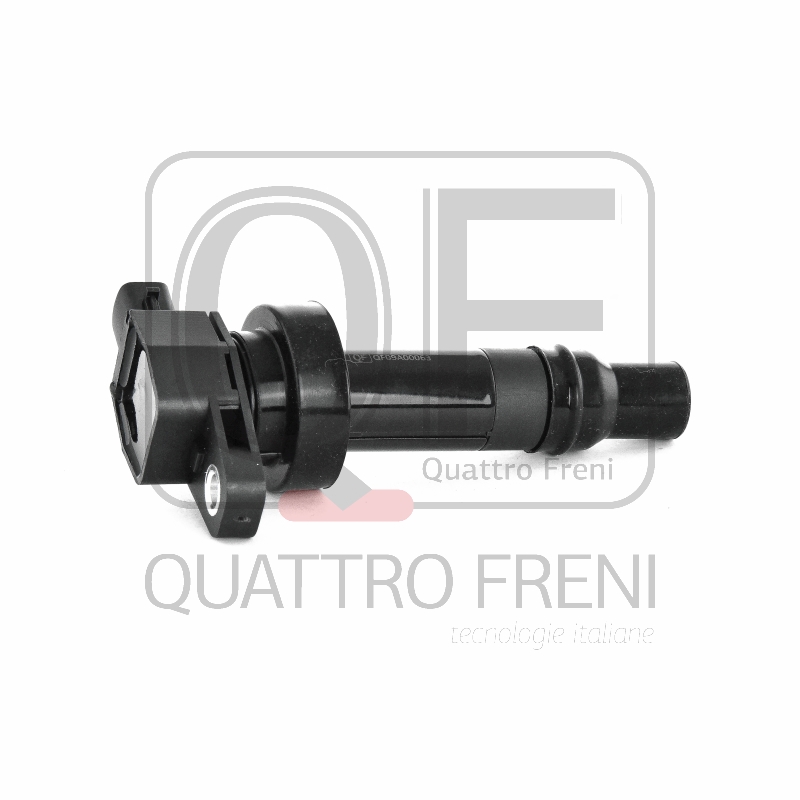
Coil-on-Plug (COP)
COP coils mount directly on top of the spark plug, eliminating the need for spark plug wires. Each cylinder has its own individual coil. This is by far the most common design on vehicles manufactured from approximately 2000 onward. COP coils come in two sub-types: pencil-type (long, thin, fits down into a deep spark plug well) and compact/top-mount (shorter, sits on top of the valve cover with a short boot reaching the plug).
Pencil-type COP ignition coil (Nissan/Infiniti style) - individual coil for each cylinder. View in catalog
COP advantages: shorter spark path (less energy loss), individual coil control by the ECU (precise timing per cylinder), no spark plug wires to deteriorate, and easier diagnostics (swap a suspect coil to another cylinder and see if the misfire follows).
Wasted Spark (DIS - Distributorless Ignition System)
Wasted spark coils fire two spark plugs simultaneously - one cylinder on its compression stroke (the useful spark) and its paired cylinder on the exhaust stroke (the "wasted" spark that does nothing). This design uses one coil per pair of cylinders, so a 4-cylinder engine has two coils and a 6-cylinder has three.
Wasted spark coils are commonly found on vehicles from the 1990s through early 2000s, and on some current production economy vehicles. They are typically block-shaped with two high-tension outputs and mount remotely from the spark plugs, requiring spark plug wires.
Coil Pack (Rail Type)
Some manufacturers integrate multiple coils into a single unit - a coil pack or coil rail. A 4-cylinder coil pack contains four individual coils in one housing that bolts across all four spark plugs simultaneously. Common on some VW/Audi, Opel/Vauxhall, and certain Ford and GM applications.
Coil packs simplify installation (one unit, one connector) but mean that if one coil in the pack fails, the entire unit must be replaced. This makes the per-unit wholesale price higher but also means higher revenue per repair.
Distributor-Type Coils (Legacy)
Older vehicles (pre-1990s and some models into the late 1990s) use a single ignition coil that sends high voltage through a distributor to each spark plug in sequence. These are cylindrical can-shaped coils mounted externally. While declining in the active vehicle fleet, there is still significant aftermarket demand in markets with older vehicle populations - particularly in Africa, South Asia, and Latin America.
Why This Matters for Sourcing
A COP coil, a wasted spark coil, and a coil pack for the same engine family are completely different parts. Even within COP designs, pencil-type and compact-type are not interchangeable. Always verify by OEM part number. The ok.parts catalog specifies the exact OEM cross-reference and coil type for every SKU.
3. Failure Symptoms and Diagnostic Trouble Codes
Ignition coil failures are one of the most common causes of engine misfires and check engine lights. Coils typically fail in one of two ways: complete failure (no spark at all on that cylinder) or intermittent failure (works when cold but fails when hot, or fails under load but works at idle).
Common Failure Symptoms
Engine misfire. The most characteristic symptom. The engine stumbles, jerks, or hesitates - particularly noticeable during acceleration. A single failed COP coil causes a consistent misfire on one specific cylinder. A failed wasted spark coil causes misfires on two cylinders simultaneously.
Check engine light with misfire codes. The ECU detects the misfire through crankshaft position sensor data (it sees the momentary deceleration when a cylinder does not fire) and stores a diagnostic code identifying the affected cylinder.
Rough idle. At idle speed, a misfiring cylinder is very noticeable as a rough, uneven engine vibration. The tachometer may fluctuate.
Reduced power and acceleration. With one cylinder not firing, the engine loses 25% of its power (on a 4-cylinder) or 12-17% (on a 6 or 8-cylinder). The vehicle feels sluggish, especially uphill or when overtaking.
Increased fuel consumption. Unburned fuel from the misfiring cylinder passes through the exhaust system. The ECU may also enrichen the mixture on other cylinders to compensate for the power loss.
Engine warning light flashing. A flashing (not steady) check engine light indicates active misfire that is damaging the catalytic converter. This is an urgent condition - continued driving will destroy the converter.
Difficulty starting. If multiple coils have failed or a coil pack has an internal short, the engine may crank but struggle to start or fail to start entirely.
Common Diagnostic Trouble Codes
| DTC Code | Description | What It Means |
|---|---|---|
| P0300 | Random/multiple cylinder misfire detected | Misfires jumping between cylinders - could be coil, fuel, or mechanical issue |
| P0301-P0308 | Cylinder 1-8 misfire detected | Misfire on a specific cylinder - most common coil failure codes. P0301 = cylinder 1, P0302 = cylinder 2, etc. |
| P0351-P0358 | Ignition coil A-H primary/secondary circuit | ECU has detected electrical fault in the coil circuit itself - almost always a failed coil or wiring fault |
| P0420/P0430 | Catalyst efficiency below threshold | Often the downstream result of prolonged misfire from a bad coil - unburned fuel has damaged the converter |
Diagnostic tip: On COP systems, the fastest diagnostic method is the coil swap test. Move the suspect coil to a different cylinder and clear the codes. If the misfire code follows the coil to the new cylinder (e.g., P0301 changes to P0303), the coil is confirmed faulty. This takes 5 minutes and requires no special tools.
4. Common Failure Causes
Heat damage. Ignition coils operate in one of the hottest areas of the engine bay. Prolonged exposure to extreme temperatures breaks down the epoxy insulation inside the coil, causing internal shorts between the primary and secondary windings. This is the most common failure mode, especially on turbocharged engines where exhaust manifold temperatures are higher.
Worn spark plugs. A spark plug with an excessive electrode gap forces the coil to produce higher voltage to bridge the wider gap. This increased electrical stress accelerates coil degradation. Always replace spark plugs at the recommended interval - worn plugs are the number one cause of premature coil failure.
Vibration. The constant vibration of a running engine can crack solder joints, break internal wire bonds, and fatigue the coil housing over time. Vibration-related failures often present as intermittent misfires that worsen over time.
Moisture intrusion. COP coils, particularly pencil-type designs, sit inside deep spark plug wells that can accumulate water from condensation, leaking valve cover gaskets, or pressure washer use. Water in the spark plug well causes arc-over - the high voltage jumps to the cylinder head instead of crossing the plug gap. This damages both the coil boot and the coil itself.
Voltage spikes and electrical issues. A failing alternator producing unstable voltage, corroded battery terminals, or poor ground connections can cause voltage spikes that stress the coil's primary circuit. Always check the charging system when replacing coils on vehicles with repeated coil failures.
5. OEM Cross-Reference Guide by Vehicle Brand
Ignition coils are highly vehicle-specific. Each engine family has unique coil dimensions, connector type, mounting configuration, and electrical specifications. Below are examples of common OEM numbers by brand - all searchable in the ok.parts ignition coil catalog.
European Vehicles
| Brand | Example OEM Numbers | Common Applications |
|---|---|---|
| VAG (VW/Audi/Skoda/Seat) | 07K905715F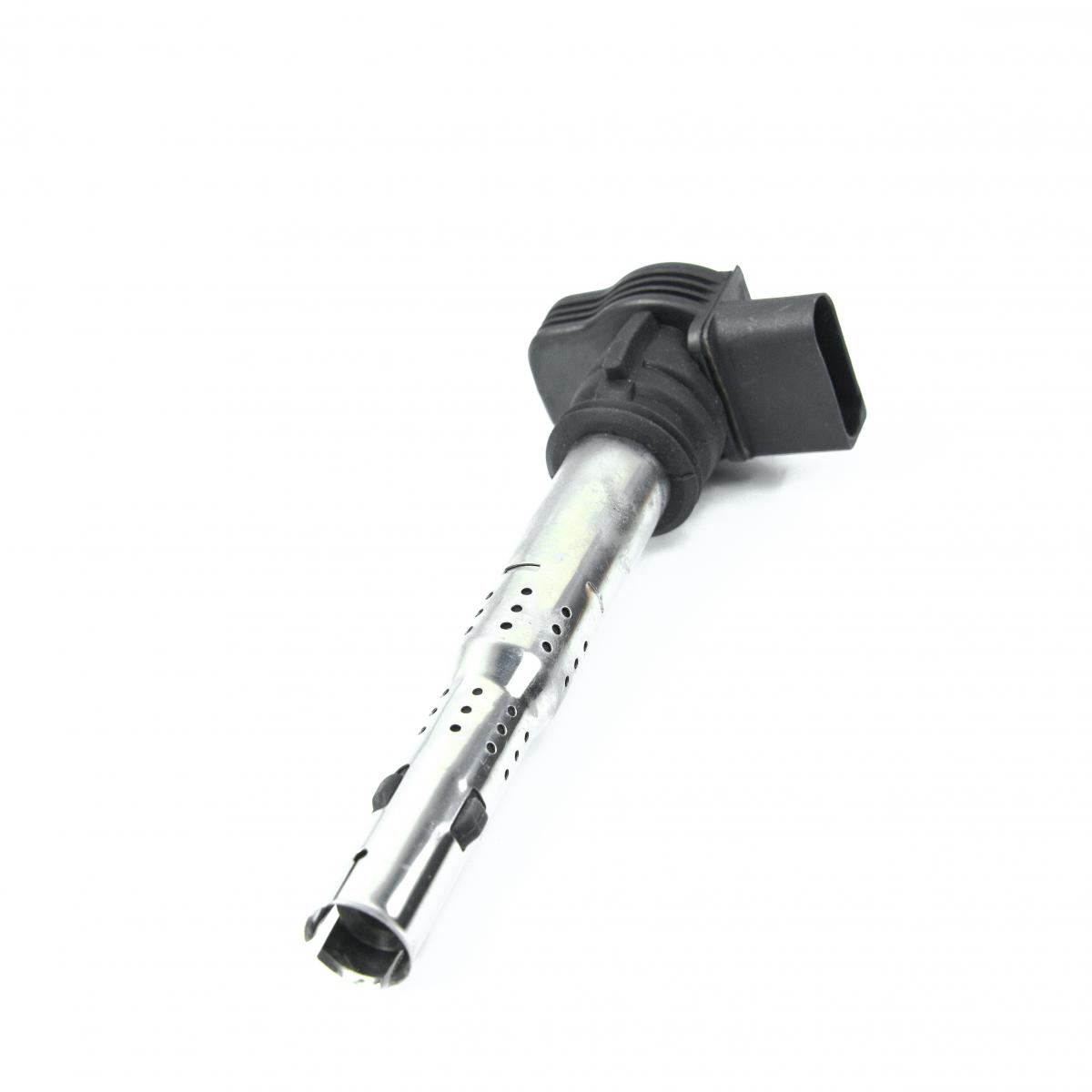 VAG 07K905715F, 06H905110D VAG 07K905715F, 06H905110D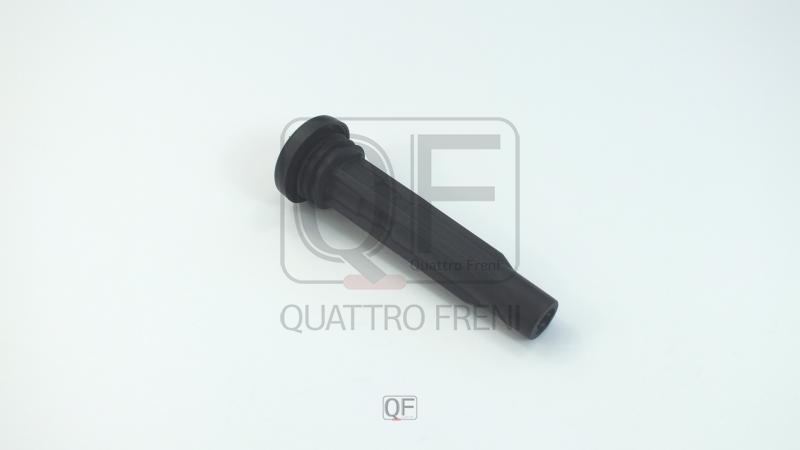 VAG 06H905110D, 022905715B VAG 06H905110D, 022905715B | Golf, Passat, Tiguan, A3, A4, A6, Octavia |
| BMW / Mini | 12137594937, 12138616153, 12137562744 | 3 Series, 5 Series, X3, X5, Mini Cooper |
| Mercedes-Benz | A2769063700 Mercedes-Benz A2769063700, A0001502580 Mercedes-Benz A2769063700, A0001502580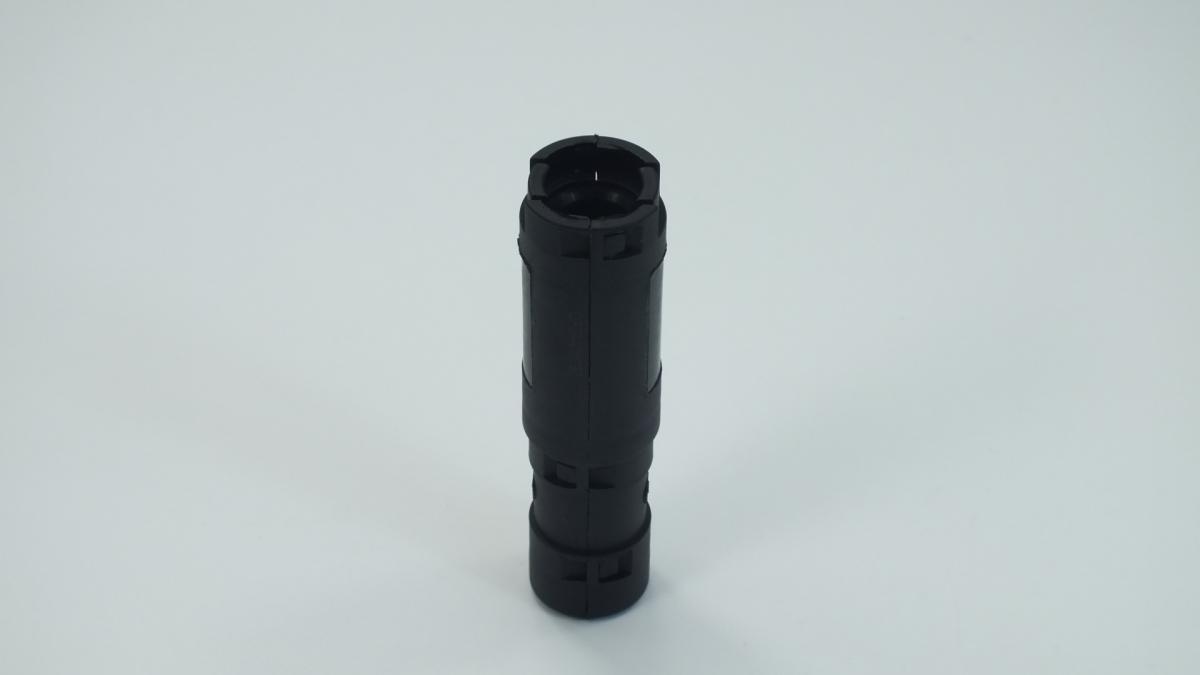 Mercedes-Benz A0001502580, A0001501780 Mercedes-Benz A0001502580, A0001501780 | C-Class, E-Class, GLC, S-Class, Sprinter |
| Renault | 224333529R, 8200765882, 224336023R | Clio, Megane, Scenic, Duster, Captur |
| Peugeot/Citroen | 1637109980, 597080, 9674680380 | 308, 3008, 208, C3, C4, Berlingo |
Japanese and Korean Vehicles
| Brand | Example OEM Numbers | Common Applications |
|---|---|---|
| Toyota/Lexus | 9091902240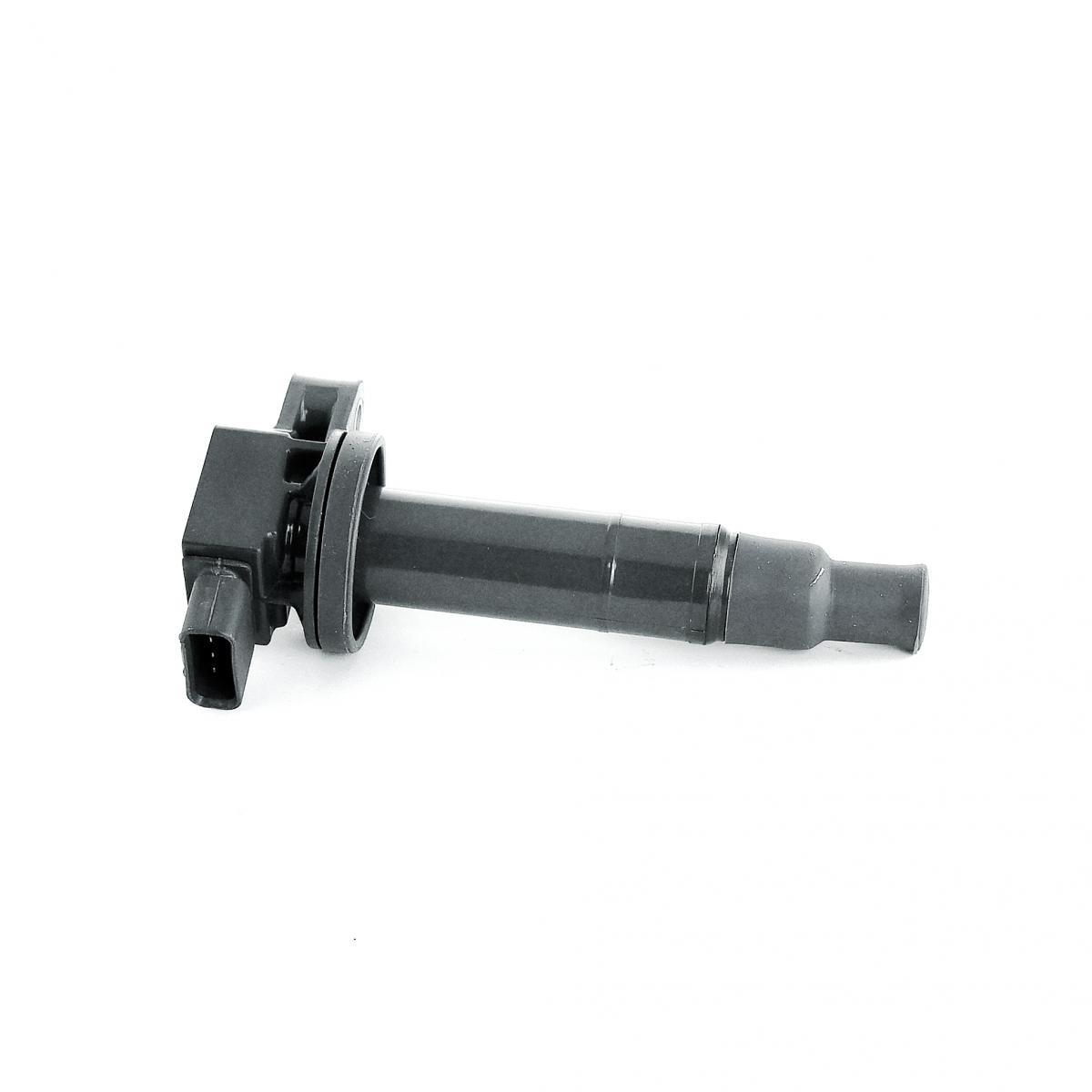 Toyota/Lexus 9091902240, 9091902244, 9008019021Toyota/Lexus 9008019021 Toyota/Lexus 9091902240, 9091902244, 9008019021Toyota/Lexus 9008019021 | Camry, Corolla, RAV4, Highlander, Land Cruiser |
| Honda | 30520RNA007, 30520PVFA01, 30520R1AA01 | Civic, Accord, CR-V, HR-V, Jazz/Fit |
| Nissan/Infiniti | 2244895F0ANissan/Infiniti 2244895F0ANissan/Infiniti 2244895F0A, 224488H315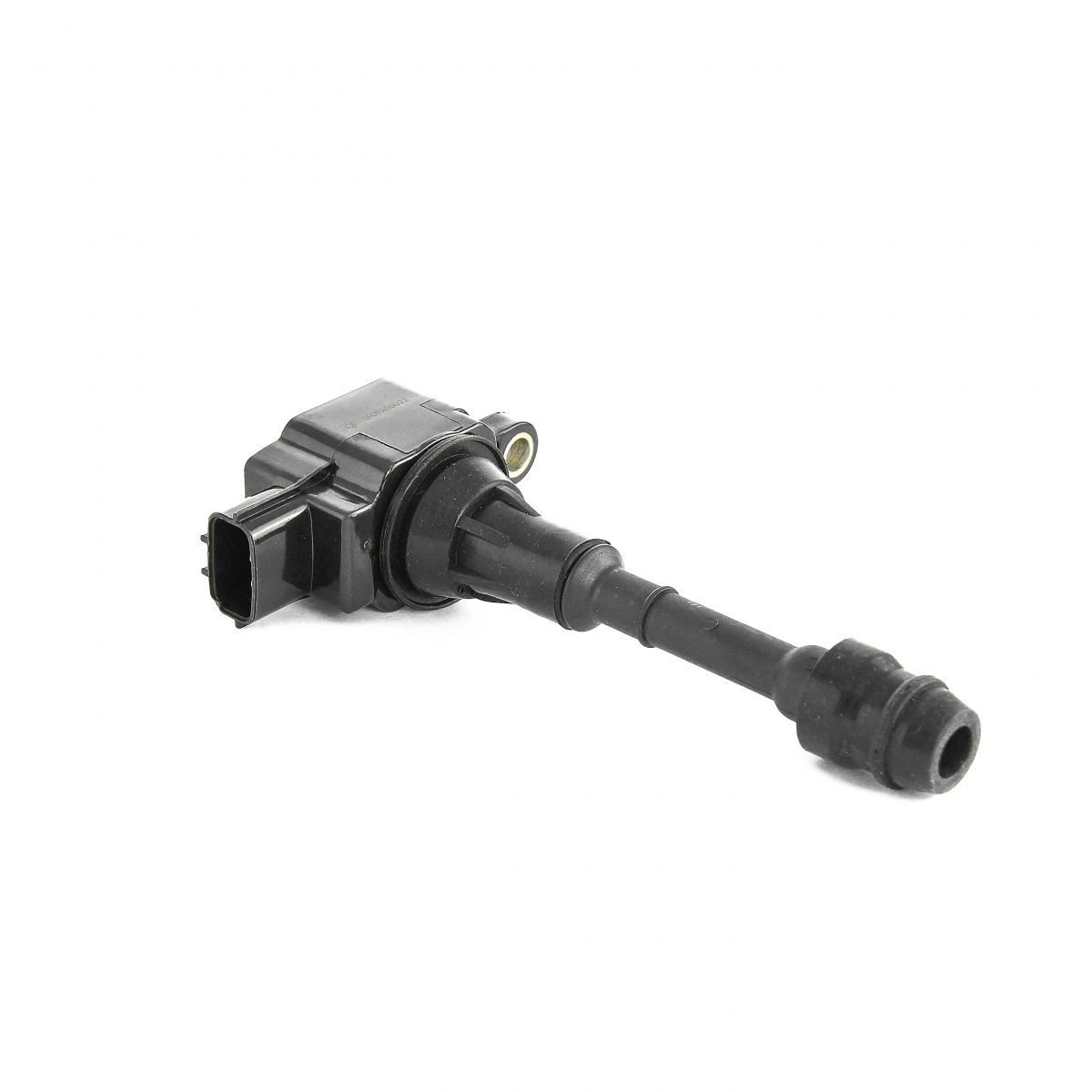 Nissan/Infiniti 224488H315, 22448CJ00A Nissan/Infiniti 224488H315, 22448CJ00A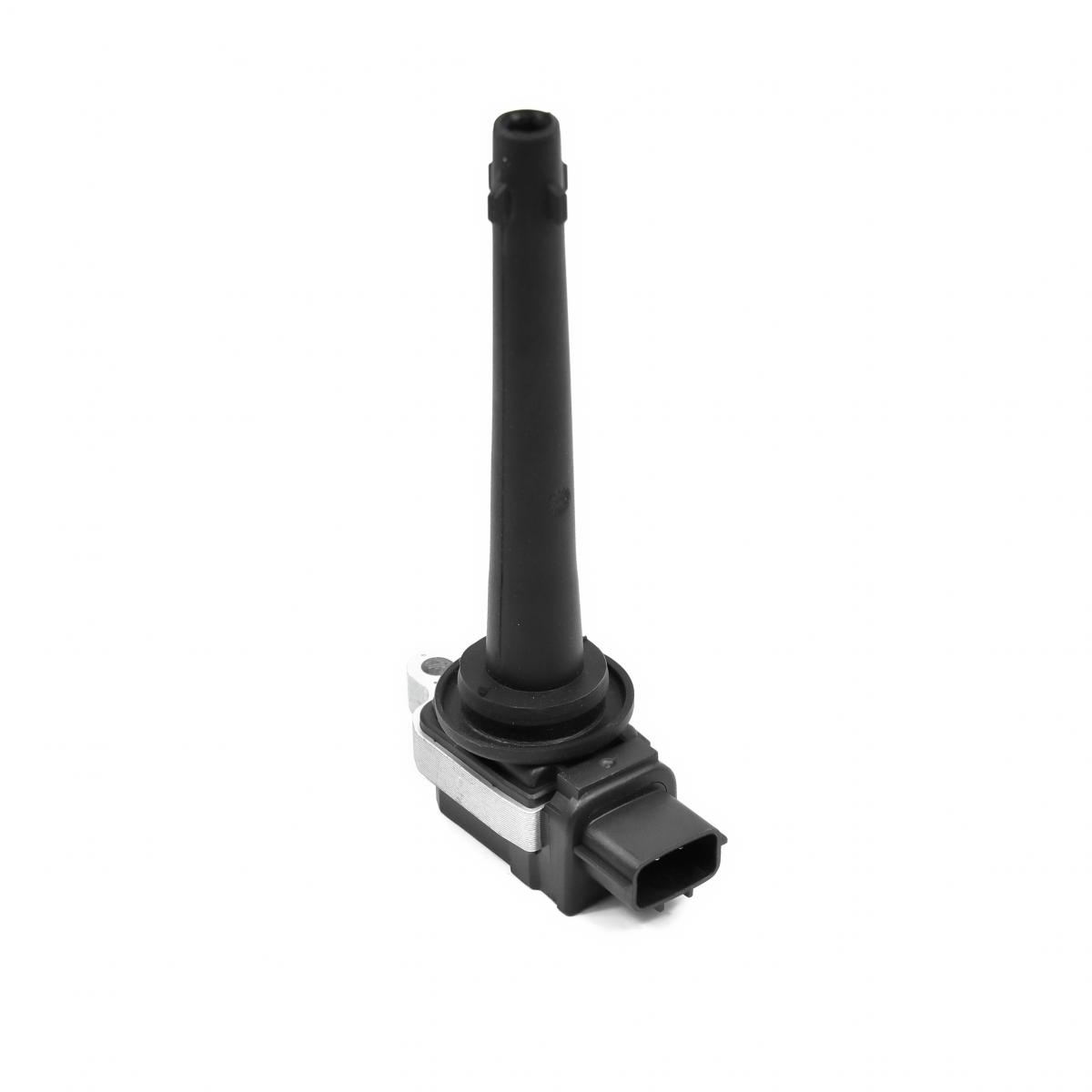 Nissan/Infiniti 22448CJ00A Nissan/Infiniti 22448CJ00A | Qashqai, X-Trail, Navara, Pathfinder, Note |
| Hyundai/Kia | 273012B010Hyundai/Kia 273012B010, 273012B100, 273002E000 | Tucson, Sportage, Creta, Rio, Cerato, Accent |
American and Chinese Vehicles
| Brand | Example OEM Numbers | Common Applications |
|---|---|---|
| General Motors | 12611424, 12632479, 12578224 | Silverado, Equinox, Malibu, Cruze, Tahoe |
| Ford | 5047437Ford 5047437, CM5G12029FB, DG508 | Focus, Mondeo, Escape, F-150, Transit |
| Great Wall | SMW250510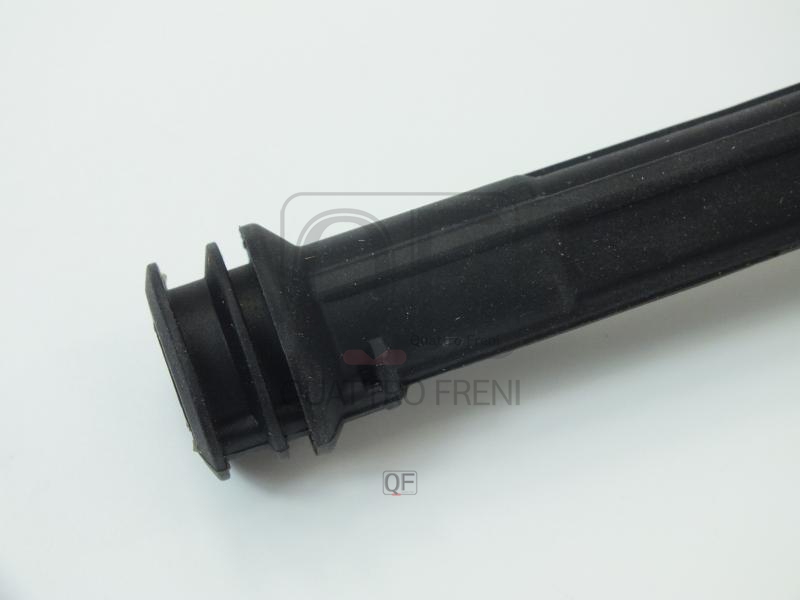 Great Wall SMW250510Great Wall SMW250510, F01R00A003, 3705100ED01 Great Wall SMW250510Great Wall SMW250510, F01R00A003, 3705100ED01 | Haval H6, H2, Wingle, Poer |
| Geely | 2036011400Geely 2036011400Geely 2036011400, 2036513000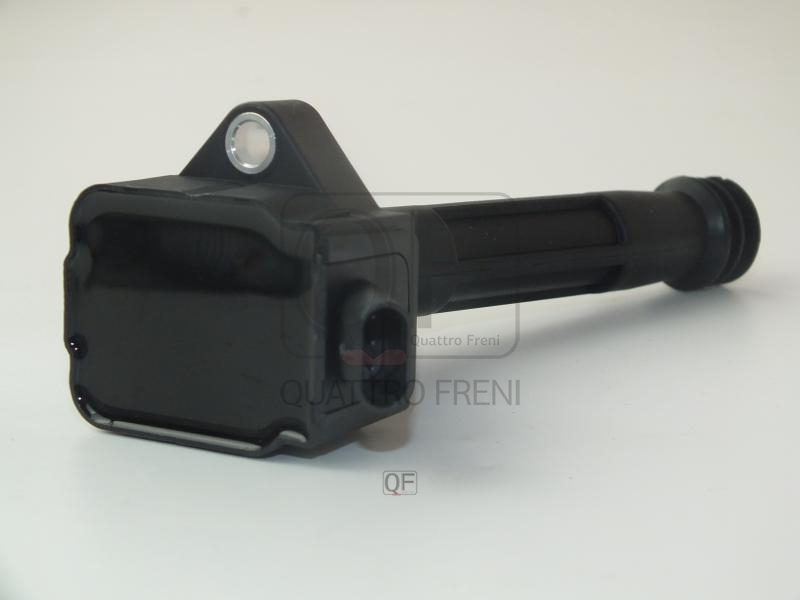 Geely 2036513000, 1016050462 Geely 2036513000, 1016050462 | Coolray, Atlas, Emgrand, Monjaro |
This is a small sample. The complete ignition coil catalog on ok.parts contains over 2,600 SKUs covering all major vehicle brands.
6. Why Ignition Coils Are a Top Wholesale Opportunity
Multiple units per vehicle. Unlike most other parts where you sell one per car, modern vehicles have 4-8 ignition coils each. When one fails, workshops often recommend replacing all of them - meaning a single repair can consume 4-8 units. This multiplier effect is unique to ignition coils and spark plugs.
High wholesale margins. Wholesale pricing from Chinese factories ranges from $3-$15 per unit. Aftermarket retail pricing runs $20-$80 per coil. Even at distributor-to-workshop wholesale pricing, margins of 50-70% are standard.
Frequent replacement. Ignition coils typically last 80,000-120,000 km. With the global vehicle fleet averaging over 12 years old and climbing, the installed base of coils approaching end-of-life grows every year.
Spark plug synergy. Coil replacement almost always accompanies spark plug replacement - and vice versa. Distributors who stock both categories capture the complete repair ticket.
Diagnostic simplicity drives sales. Unlike many engine management issues that require extensive diagnostics, a misfire code pointing to a specific cylinder is straightforward: swap the coil, clear the code, confirm. This simplicity means faster repairs, more coils sold per day, and higher workshop throughput.
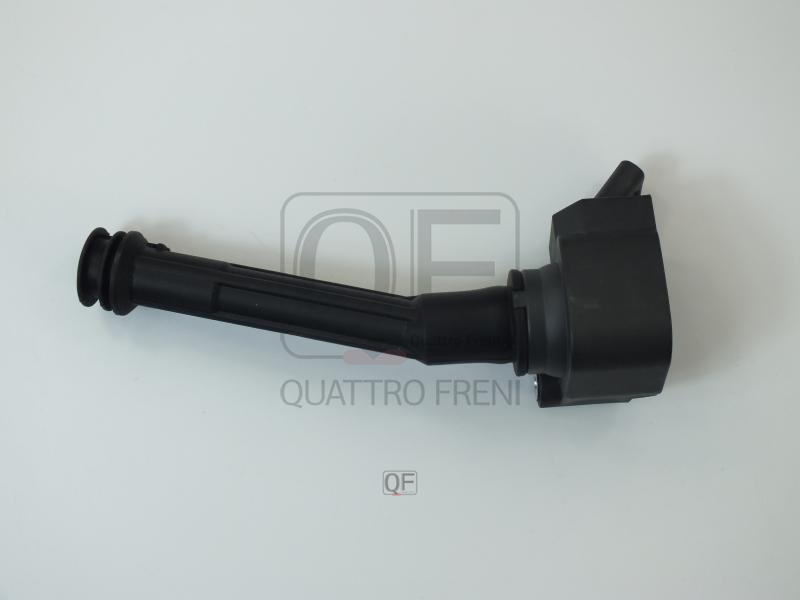
Detail view of a COP ignition coil showing the electrical connector and mounting bolt pattern.
7. Sourcing Ignition Coils Wholesale from China
China is the world's largest manufacturer of aftermarket ignition coils, with primary production clusters in Ruian (Zhejiang), Wenzhou (Zhejiang), and Guangzhou (Guangdong). These regions have specialized factories producing coils for the global aftermarket at scale.
Critical Quality Checks
Primary and secondary resistance. Measure primary winding resistance (typically 0.3-1.5 ohms) and secondary winding resistance (typically 5,000-15,000 ohms) with a multimeter. Values must match OEM specifications - out-of-spec resistance indicates winding quality issues.
Spark output test. Using a spark tester or adjustable gap tool, verify the coil produces a consistent spark at the rated gap distance. Weak or intermittent spark under load indicates insufficient insulation or winding quality.
Boot and connector quality. The silicone boot that connects the coil to the spark plug must fit snugly and resist heat degradation. The electrical connector must match OEM pin-out exactly. Poor boot quality is the most common complaint with low-grade aftermarket coils.
Thermal cycling resistance. Quality coils use high-grade epoxy encapsulation that resists cracking through thousands of heat-cool cycles. Inferior coils use cheaper potting compounds that crack after 6-12 months, causing internal shorts.
Connector fit and retention. The coil connector must click securely into the vehicle harness connector. A loose connection causes intermittent misfires that are difficult to diagnose and generate warranty claims.
ok.parts applies its 3-stage quality control process to all ignition coil orders - including resistance measurement, spark output verification, and connector fit testing on sampled units.
8. Installation Best Practices
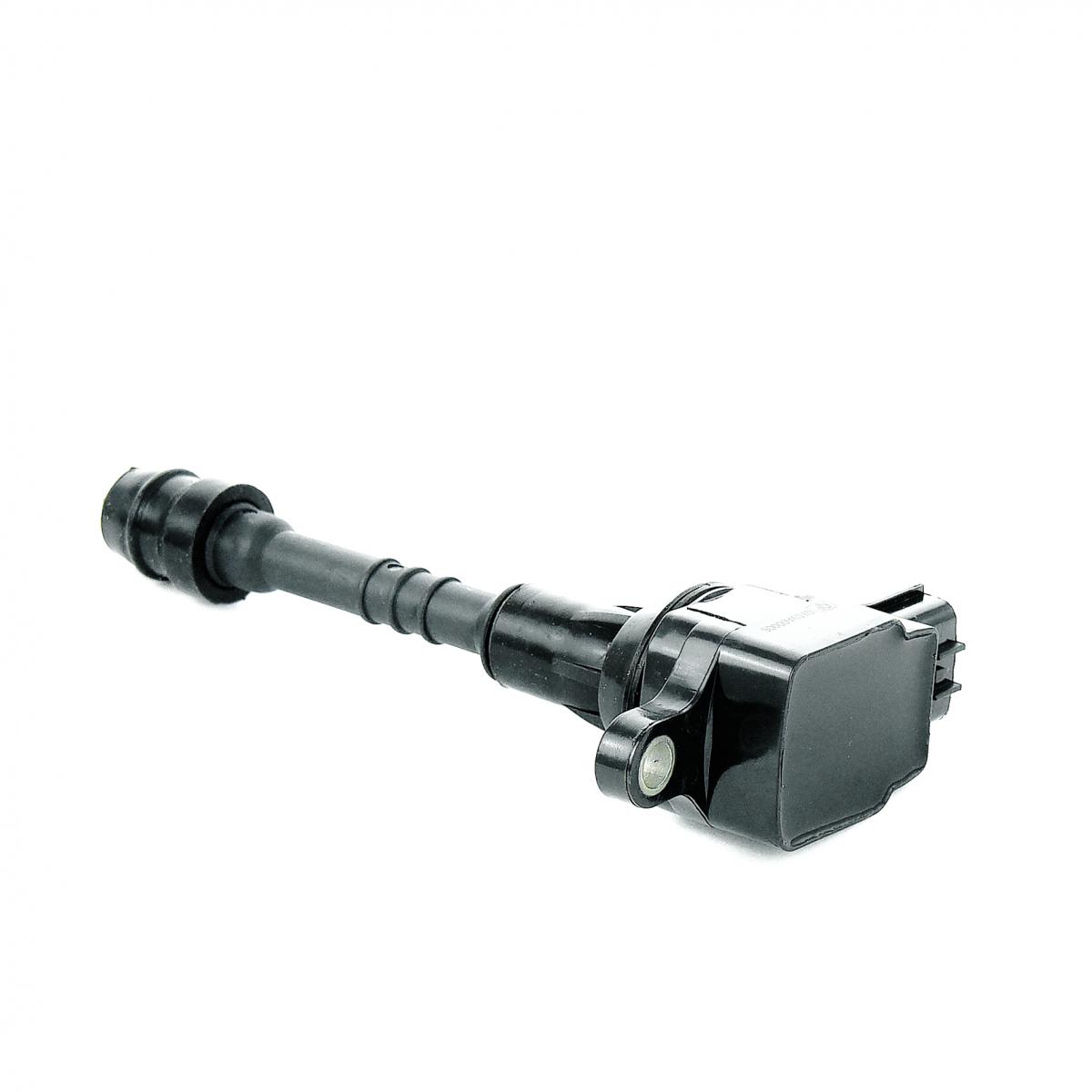
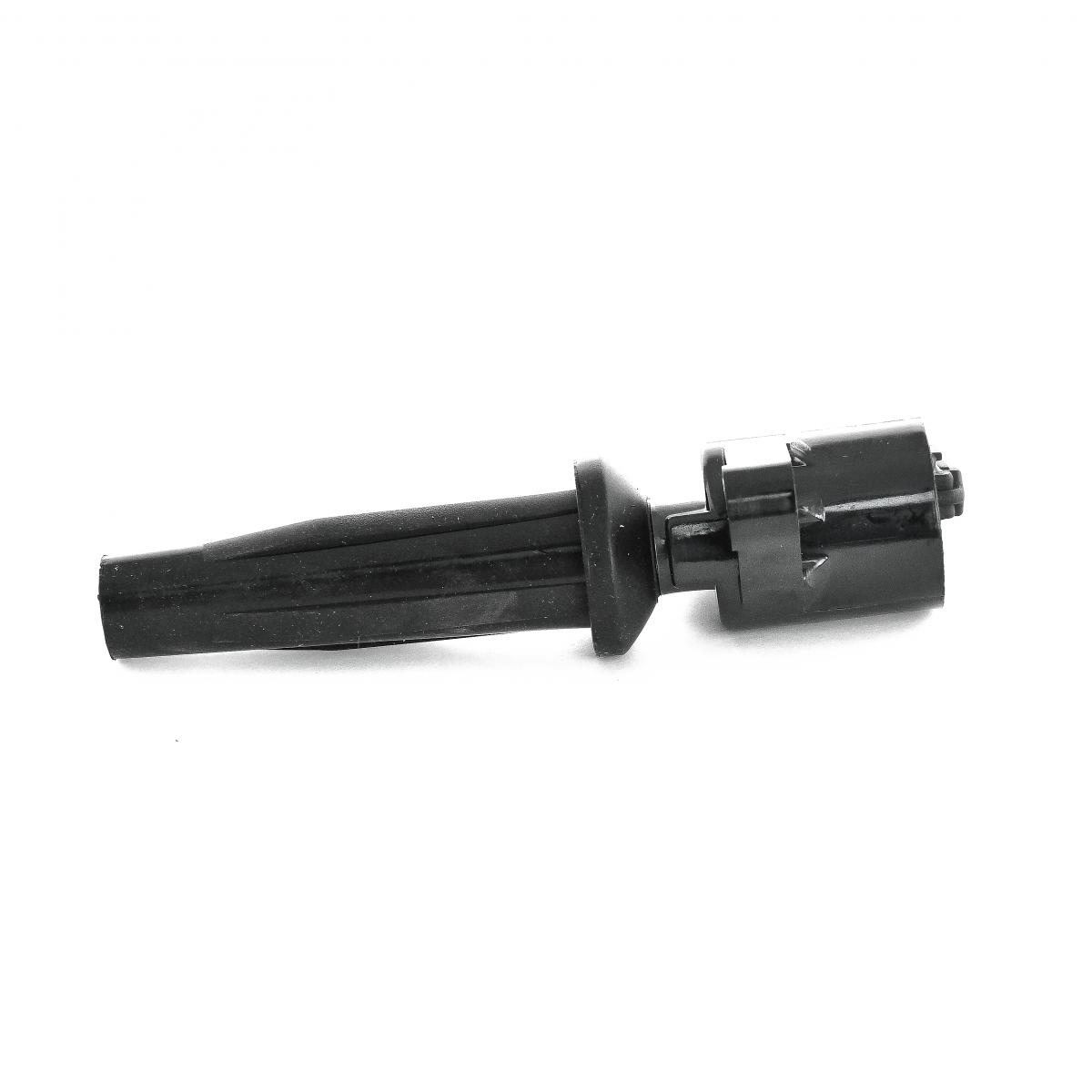
Ignition coil with boot and connector - inspect the boot condition before installation.
Always replace spark plugs at the same time. Worn spark plugs with excessive gap are the primary cause of premature coil failure. Installing a new coil on a worn plug is setting it up to fail early. This is the single most important installation rule.
Inspect the spark plug well. Before installing a COP coil, inspect the spark plug well for moisture, oil, or debris. Oil in the well (from a leaking valve cover gasket) will damage the new coil boot. Water will cause arc-over. Clean and dry the well before installation.
Apply dielectric grease to the boot interior. A thin coating of dielectric silicone grease inside the coil boot prevents moisture ingress, makes future removal easier, and improves the electrical connection to the spark plug terminal.
Do not overtorque the mounting bolt. COP coils typically use a single M6 bolt torqued to 8-12 Nm. Overtorquing can crack the coil housing or strip the mounting hole in the valve cover.
Check the connector for corrosion. Before plugging in the new coil, inspect the vehicle-side connector for corroded or bent pins. Clean with electrical contact cleaner if needed. A corroded connector will cause intermittent misfires with the new coil.
Clear codes and verify. After installation, clear all stored DTCs and run the engine for several minutes. Monitor for returning misfire codes. Take a test drive including acceleration under load to confirm no misfires under all conditions.
9. Frequently Asked Questions
What is an ignition coil and what does it do?
An ignition coil is an electromagnetic transformer that converts the battery's 12V into a high-voltage pulse of 20,000-40,000 volts needed to create a spark at the spark plug. This spark ignites the air-fuel mixture in the combustion chamber. Modern engines use one coil per cylinder (COP design), so a 4-cylinder engine has 4 coils.
What are the symptoms of a bad ignition coil?
Engine misfires (jerking, stumbling, loss of power), check engine light with codes P0300-P0312 or P0351-P0358, rough idle, increased fuel consumption, difficulty starting, and in severe cases a flashing check engine light indicating active catalytic converter damage.
Should all ignition coils be replaced at the same time?
Not strictly necessary, but often recommended. If one coil has failed due to age, the others have the same mileage and are approaching failure. Replacing all coils and spark plugs together prevents repeat visits and is more cost-effective. Many distributors sell complete coil sets for this reason.
How much do wholesale ignition coils from China cost?
Wholesale pricing from verified Chinese factories ranges from $3-$15 per unit depending on coil type and order volume. Aftermarket retail pricing runs $20-$80 per coil. The ok.parts catalog shows transparent wholesale pricing for all 2,600+ ignition coil SKUs.
What is the difference between COP and wasted spark coils?
COP (Coil-on-Plug) places one coil directly on each spark plug - one coil per cylinder. Wasted spark uses one coil per pair of cylinders, firing both simultaneously. COP is the standard design on most vehicles from 2000 onward and provides more precise ignition control. The two types use completely different parts.
Can a bad ignition coil damage the catalytic converter?
Yes. A misfiring cylinder sends unburned fuel into the exhaust system and through the catalytic converter. This overheats the converter substrate and can cause permanent thermal damage or clogging. A flashing check engine light indicates active converter damage from misfire. Replace failed coils promptly to protect the converter.
What causes ignition coils to fail prematurely?
The most common causes are: worn spark plugs (excessive gap forces higher voltage), heat damage from under-hood temperatures, moisture in the spark plug well (leaking valve cover gasket), vibration-related fatigue, and voltage instability from a failing alternator or corroded battery connections.