Private Label Auto Parts Manufacturer in China - Build Your Own Brand
A step-by-step guide to creating, manufacturing, and launching your own auto parts brand using China's factory infrastructure - from product selection and packaging to certification and global distribution.
The aftermarket auto parts industry runs on brands. Walk into any auto parts store and you will see shelves lined with names like Febi Bilstein, Meyle, TRW, Lemforder - each selling parts manufactured in the same Chinese and Turkish factories, often on the same production lines, sometimes using the same tooling. The difference? Branding, packaging, and the margin that comes with it.
If you are an importer or distributor currently reselling other brands' parts, you are competing on price in a race to the bottom. A private label auto parts manufacturer in China gives you the ability to step off that treadmill - creating a brand you own, with margins you control, built on the same factory infrastructure that produces parts for established names.
This guide covers the complete process: from choosing the right product categories to designing packaging, obtaining certifications, managing quality, and shipping your branded parts worldwide. It is based on real operational experience - including the launch and ongoing production of QUATTROFRENI, ok.parts' own private label aftermarket brand.
- Why Private Label Is the Highest-Margin Strategy in Auto Parts
- How Private Label Auto Parts Manufacturing Works
- Best Product Categories for Private Label
- Step-by-Step: Launching Your Private Label Brand
- Packaging, Branding, and Part Numbering
- Certifications and Compliance by Market
- Costs, MOQ, and Investment Breakdown
- Quality Control for Private Label Production
- Case Study: QUATTROFRENI by ok.parts
- Common Mistakes That Kill Private Label Projects
- Frequently Asked Questions
QUATTROFRENI branded product lineup - ok.parts' own private label aftermarket brand, built on the same factory network available to all customers.
1. Why Private Label Is the Highest-Margin Strategy in Auto Parts
When you resell an established aftermarket brand, your margin is dictated by the brand owner's pricing structure. You are one of dozens (or hundreds) of distributors selling the same product, competing on price and delivery speed. Margins in this model typically sit at 15-25%.
With private label, the economics shift dramatically. You buy at factory-direct wholesale prices and sell at branded retail or wholesale prices. The brand equity you build over time becomes an asset that compounds - customers return specifically for your brand, not because you happen to have the lowest price today.
The margin advantage is real, but the strategic value goes beyond pricing. A private label brand gives you control over product range (you choose what to offer), exclusivity (no one else sells your brand), customer loyalty (repeat purchases under your name), and long-term asset value (the brand itself becomes valuable).
2. How Private Label Auto Parts Manufacturing Works
At its core, private label manufacturing in the auto parts industry follows a simple model: a Chinese factory produces aftermarket parts to OEM-equivalent specifications, and packages them under your brand identity instead of theirs.
There are three tiers of private label, each with increasing investment and differentiation:
| Tier | What You Get | Investment | Differentiation |
|---|---|---|---|
| Tier 1: Repackaging | Existing stock parts with your brand labels and barcodes | $5K-$15K | Brand identity only - same parts other brands sell |
| Tier 2: Custom Packaging | Same parts with fully custom box design, inserts, QR codes, your part numbering system | $10K-$25K | Professional brand experience, catalog integration |
| Tier 3: Custom Spec | Modified parts - upgraded materials, different coatings, design changes - plus full custom packaging | $20K-$50K+ | Genuine product differentiation from competitors |
Most successful private label programs start at Tier 1 or 2 to validate the market, then graduate to Tier 3 for key product lines where differentiation drives premium pricing.
The factory does not change. Whether it is producing parts for a European brand, a Turkish distributor's private label, or your brand - it is the same production line, same tooling, same raw materials. What changes is the packaging, labeling, and sometimes the specification. This is why private label from China delivers such strong margins: you are accessing the same manufacturing quality at factory-direct prices.
3. Best Product Categories for Private Label
Not all auto parts categories are equally suited for private label. The best candidates share specific characteristics: high replacement frequency, large addressable market, manageable SKU count per vehicle application, and low brand loyalty among end buyers.
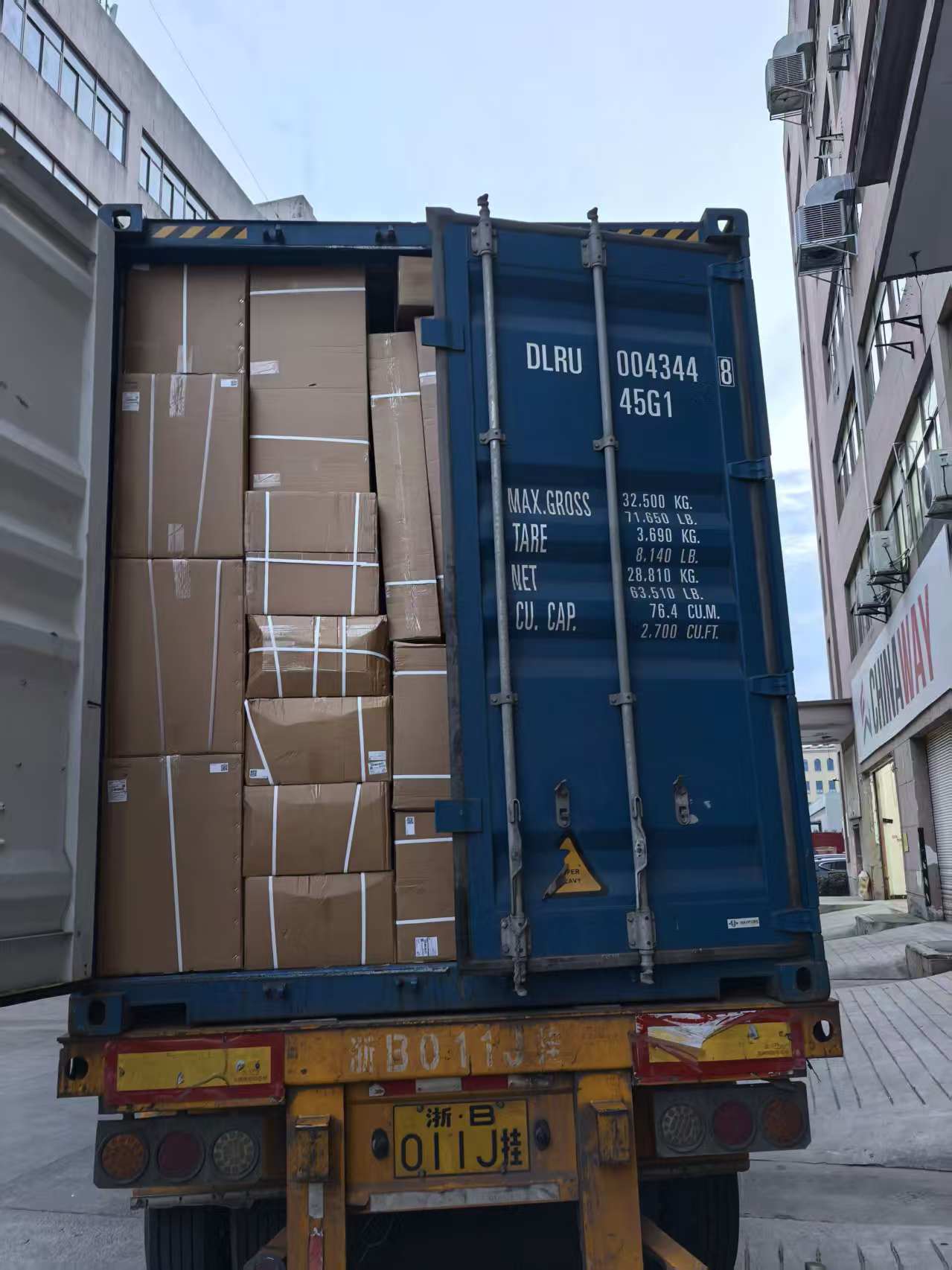
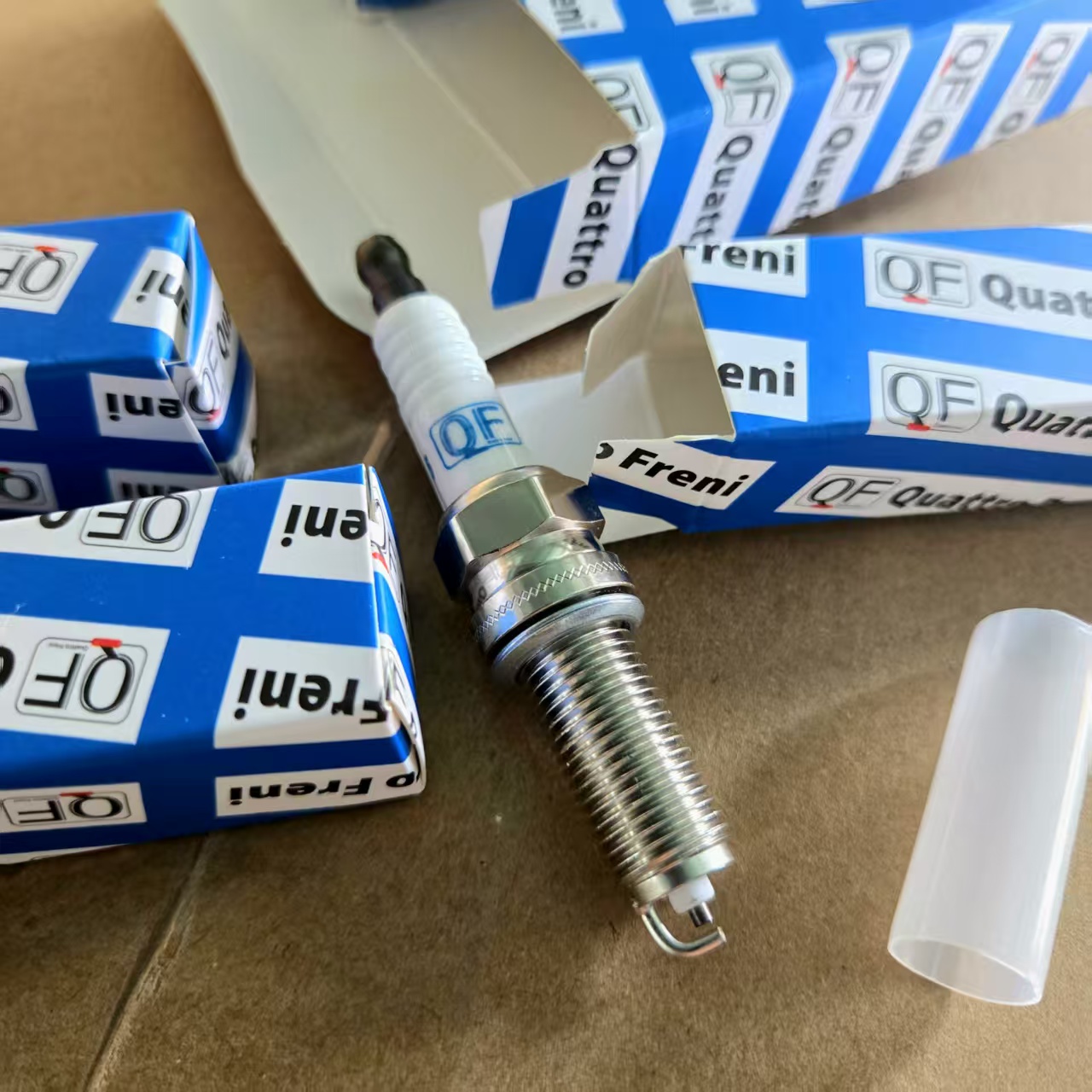
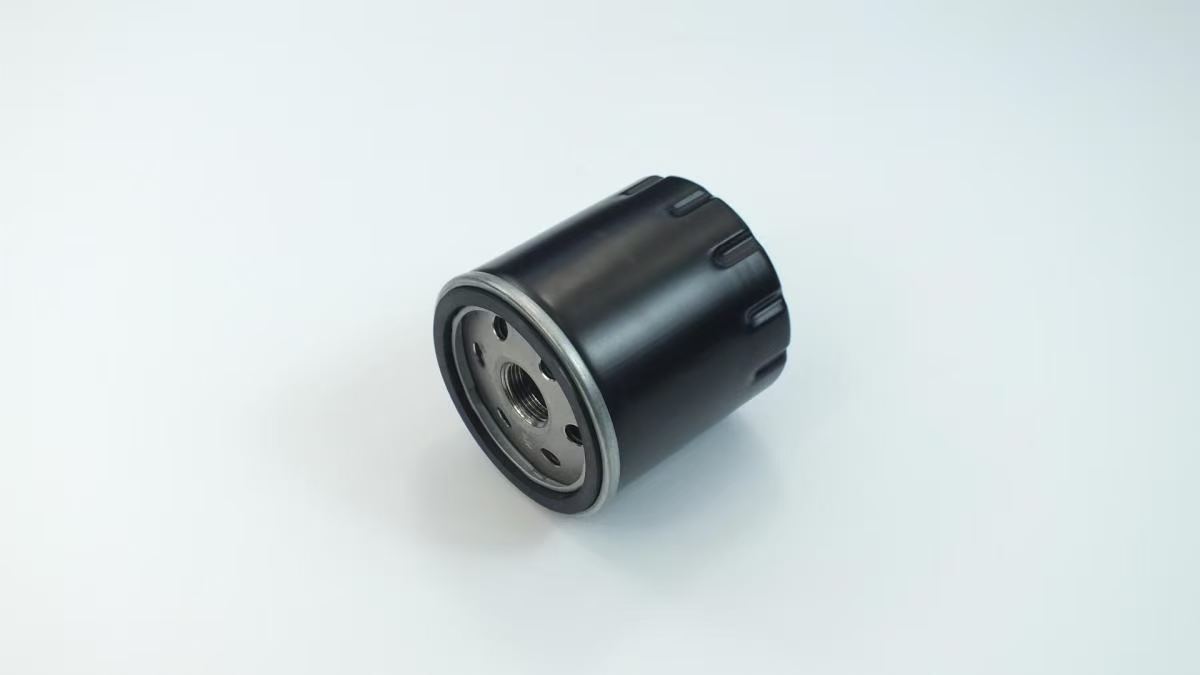
QUATTROFRENI branded auto parts - demonstrating the professional quality achievable through private label manufacturing in China.
| Category | Why It Works for Private Label | Typical Margin |
|---|---|---|
| Brake Pads and Discs | Highest-volume consumable. Replaced every 30K-70K km. Price-sensitive buyers compare aggressively. | 50-65% |
| Filters (Oil/Air/Fuel/Cabin) | Replaced at every service interval. Low unit cost, high volume. Easy to stock and ship. | 55-70% |
| Suspension Components | Control arms, ball joints, tie rod ends, stabilizer links. Growing demand as fleet ages. | 45-60% |
| Gaskets and Seals | Low production cost, high markup, wide application coverage per SKU. | 60-75% |
| Engine Sensors | O2 sensors, ABS sensors, crankshaft sensors. High unit value, moderate volume. | 50-65% |
| Rubber and Polyurethane Parts | Bushings, mounts, boots. Low tooling cost, high replacement frequency. | 55-70% |
Caution: Categories to approach carefully for first-time private label: turbos, injectors, and electronic control modules. These have high warranty risk, complex specifications, and require significant technical expertise. Build your brand on high-volume consumables first, then expand into complex categories once you have the quality control infrastructure.
4. Step-by-Step: Launching Your Private Label Brand
Step 1: Market Research and Product Selection. Analyze your market: which part categories have the highest demand, which brands dominate, and where is there room for a new entrant? Focus on categories where price - not brand name - drives purchasing decisions.
Step 2: Define Your Brand Identity. Choose a brand name, design a logo, define your visual identity. Register the trademark in your target markets - this is non-negotiable and should happen early. A trademark protects your brand from copycats and is required by most e-commerce platforms.
Step 3: Create Your Part Numbering System. Develop a logical, scalable part numbering format. Include a brand prefix, category code, and sequential number. Example: QF00326 (QF = QUATTROFRENI, 003 = brake category, 26 = sequential). Map every private label number to the corresponding OEM cross-references.
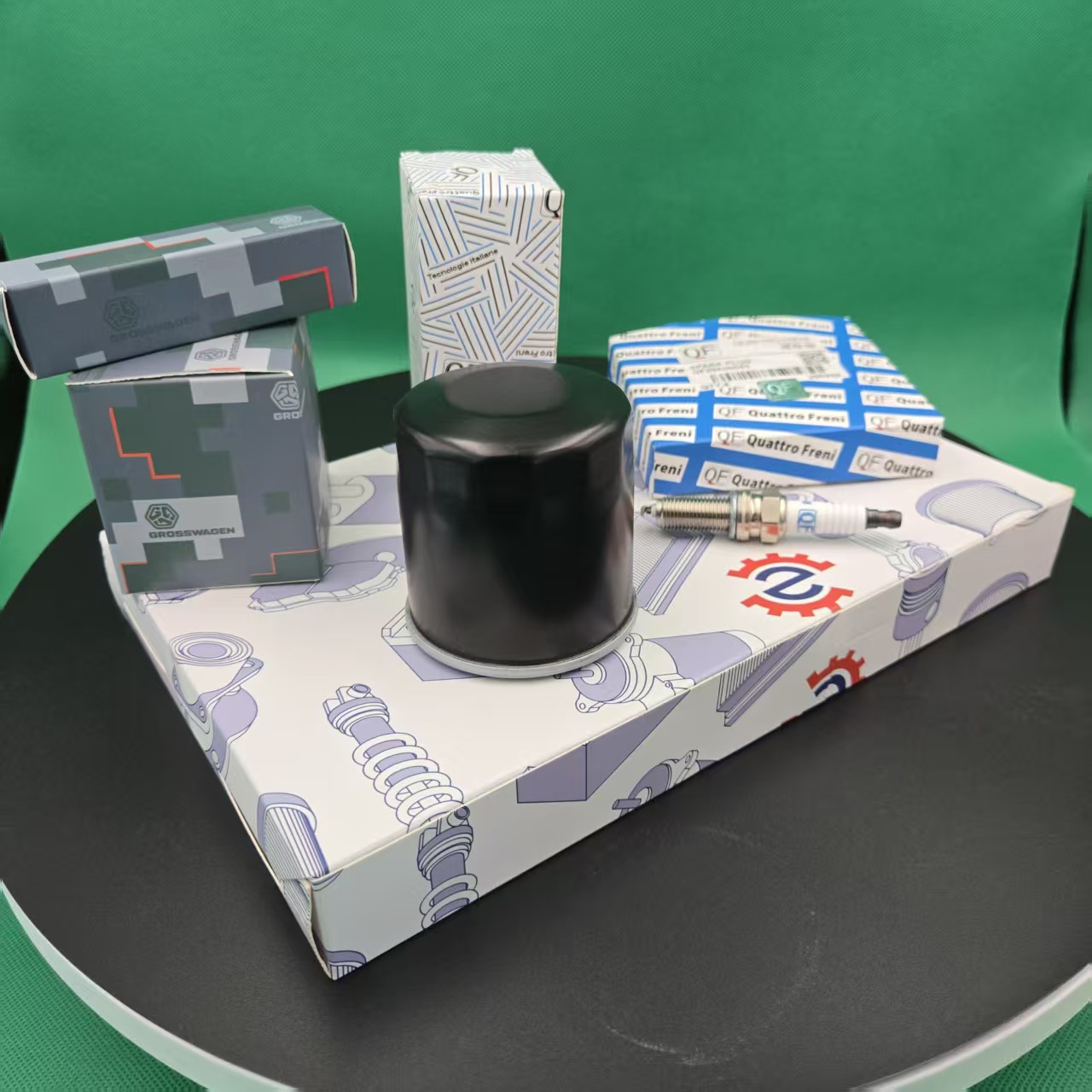
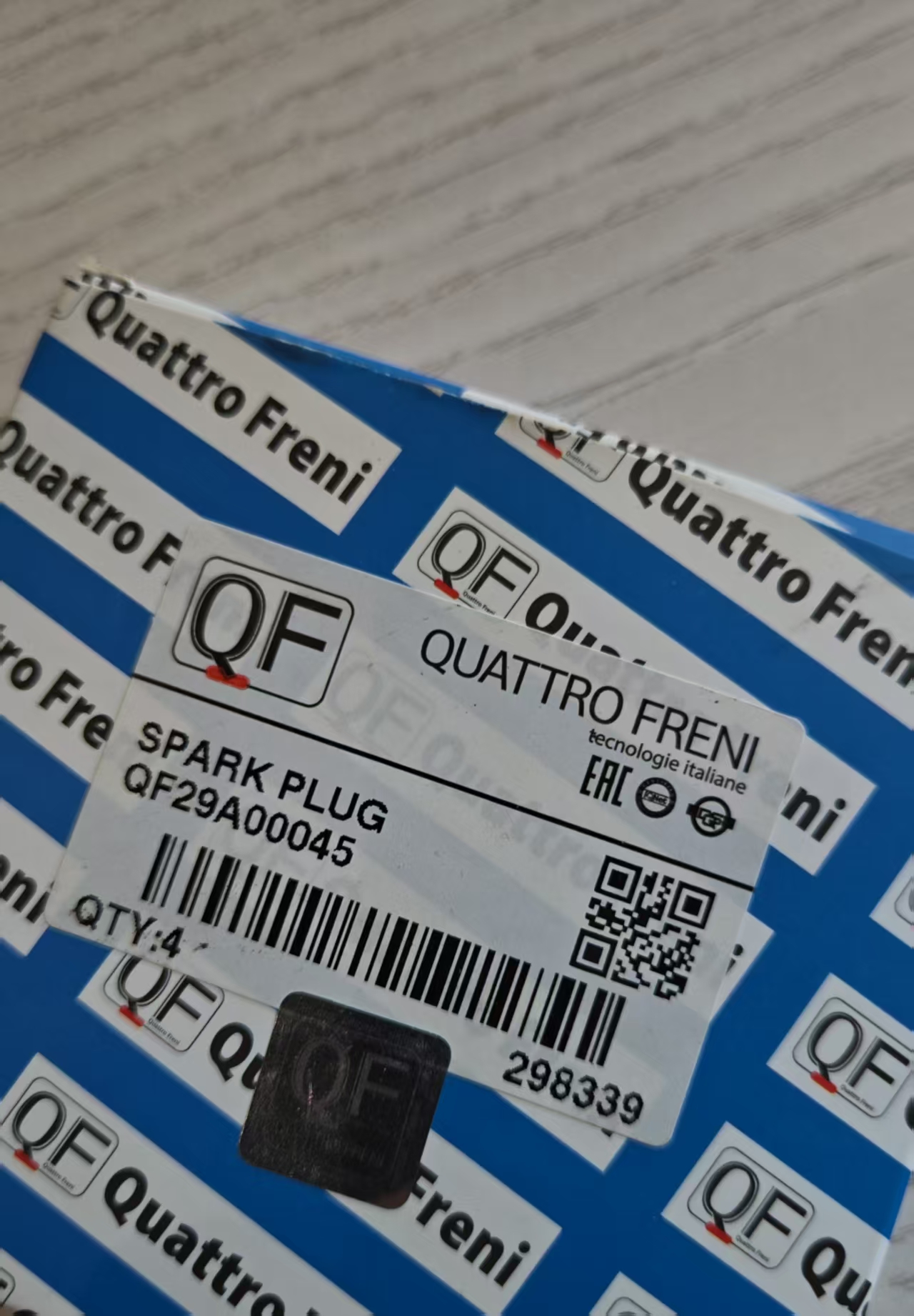
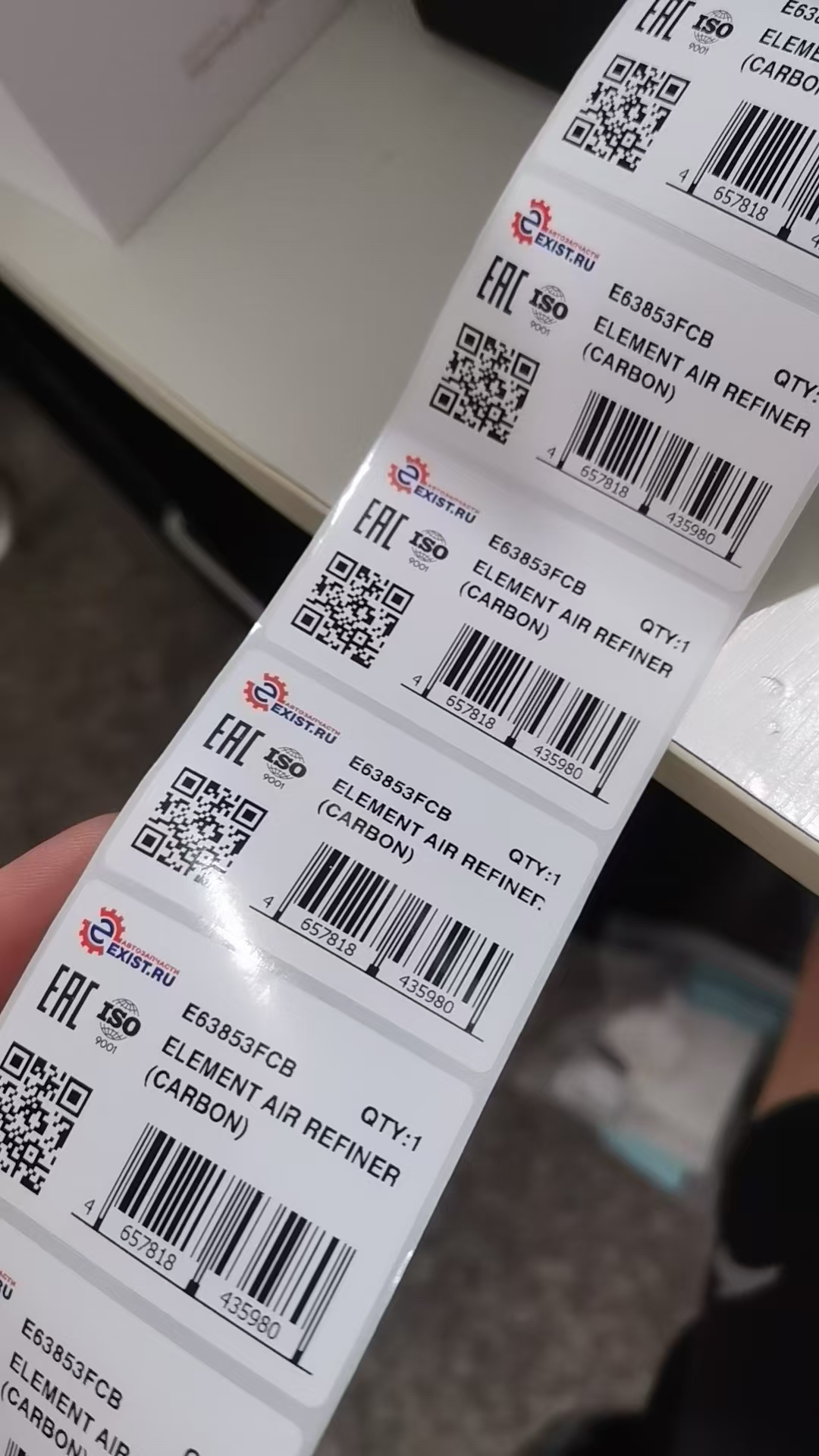
QUATTROFRENI branded packaging and labeling - every detail from barcodes to certification marks professionally applied.
Step 4: Select Your Manufacturing Partner. This is where most private label projects succeed or fail. You need a private label auto parts manufacturer (or aggregator platform) that can deliver consistent quality across your entire product range. Working with ok.parts gives you access to 3,500+ verified factories through a single partner - rather than negotiating private label terms with each factory individually.
Step 5: Sample Production and Approval. Order samples with your branding applied: branded packaging, labeled parts, barcode stickers, and any inserts. Physically inspect everything. Test parts against OEM references. Verify barcode scannability. Only after written approval should production begin.
Step 6: First Production Run and Launch. Start with your top 50-100 SKUs. This keeps initial investment manageable and lets you validate the supply chain before scaling. Apply full 3-stage quality control. Ship via DDP for the first order to eliminate logistics risk.
5. Packaging, Branding, and Part Numbering
Packaging is where your private label brand comes to life. In the aftermarket, packaging is often the first and only interaction a buyer has with your brand before installing the part.
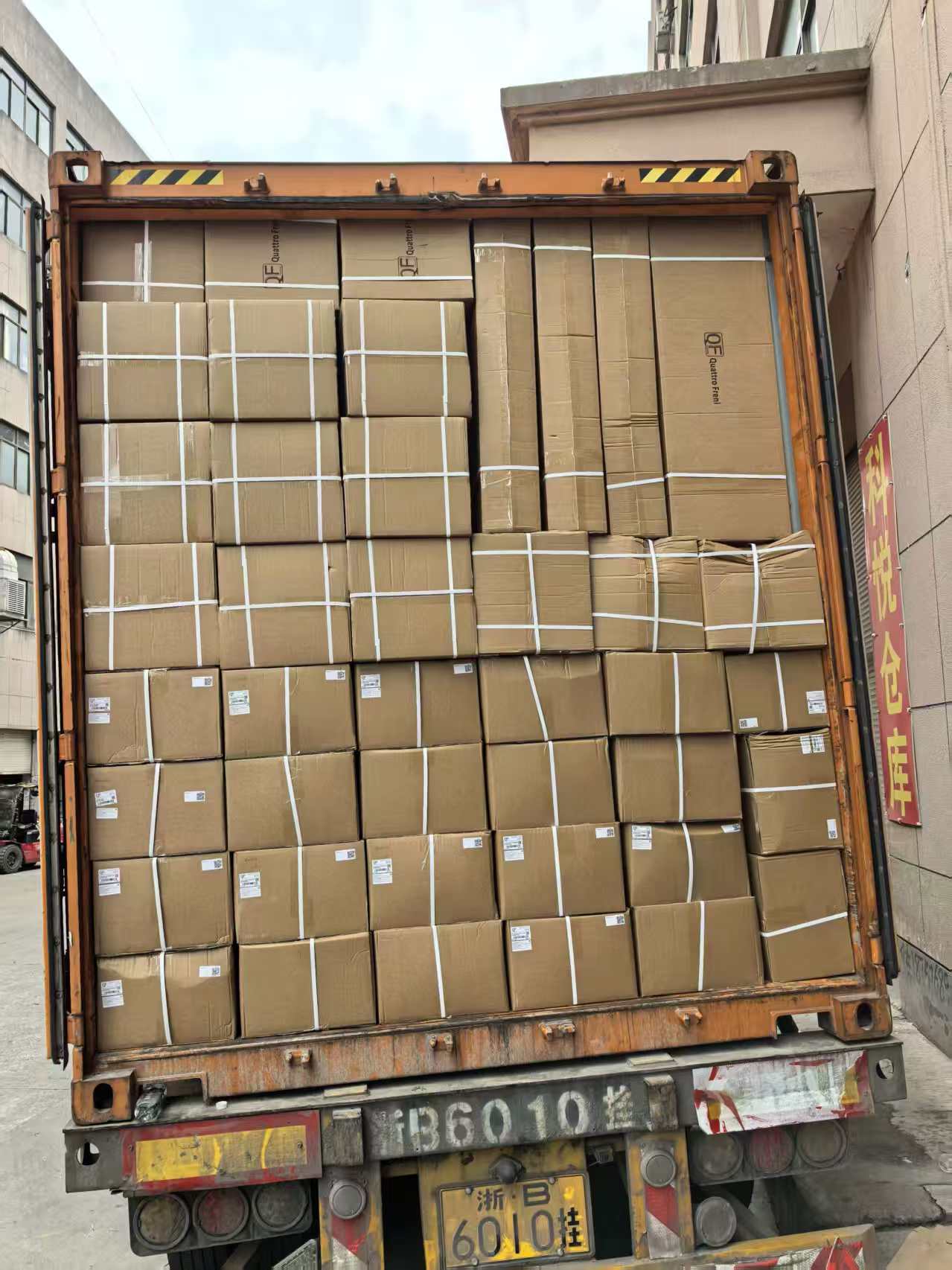
QUATTROFRENI professional packaging - custom boxes, branded labels, barcodes, and certification marks create a premium brand experience.
What goes on the packaging: brand name and logo (prominent, consistent placement), your private label part number, OEM cross-reference numbers (for searchability), vehicle application list (make, model, year range), product name and description in target market languages, EAN/UPC barcode (register with GS1), QR code linking to your digital catalog, country of manufacture, certification marks (ECE, ISO, etc.), and net weight and dimensions.
Packaging quality matters. Invest in proper packaging materials. A well-made part in a flimsy box signals cheap quality - even if the product itself is excellent. Use rigid corrugated board for heavy parts, branded poly bags for small components, foam inserts for sensors and electronics. The packaging cost typically adds $0.15-$0.80 per unit - a tiny fraction of the retail price but a massive factor in brand perception.
6. Certifications and Compliance by Market
| Market | Key Certifications | Applies To |
|---|---|---|
| European Union | ECE R90 (mandatory for brake components), REACH, RoHS | Brake pads, discs, linings, drums |
| Middle East (GCC) | SASO / GSO conformity certificate | All auto parts categories |
| Russia / EAEU | EAC (Eurasian Conformity), GOST-R | Safety-critical components |
| North America | FMVSS compliance, SAE standards, CARB | Brake, emissions, lighting components |
| All Markets | ISO 9001 / IATF 16949 (factory level), Material Safety Data Sheets | All categories - baseline requirement |
Your private label auto parts manufacturer should handle the testing and documentation required for certification. At ok.parts, certification support is built into the private label service - including coordination with accredited testing laboratories.
7. Costs, MOQ, and Investment Breakdown
| Cost Item | Range | Notes |
|---|---|---|
| Trademark registration | $500-$2,000 | Per market. File early - takes 6-12 months. |
| Brand / packaging design | $1,000-$5,000 | Logo, box templates, label designs. One-time cost. |
| GS1 barcode registration | $250-$500/year | Required for retail and most B2B channels. |
| Packaging production | $500-$3,000 | Printing plates, die-cuts. One-time per box type. |
| Sample production | $500-$2,000 | Branded samples for approval before production. |
| Certifications | $2,000-$10,000 | ECE R90 for brake parts: ~$3,000-$5,000 per formulation. |
| First inventory order | $5,000-$30,000 | Depends on SKU count and MOQ. This is inventory, not sunk cost. |
Total realistic investment for a starter private label program: $10,000-$50,000, depending on product range and certification requirements.
8. Quality Control for Private Label Production
Quality control is even more critical for private label than for unbranded wholesale purchases. When a part carries your brand name, every defect damages your reputation directly.
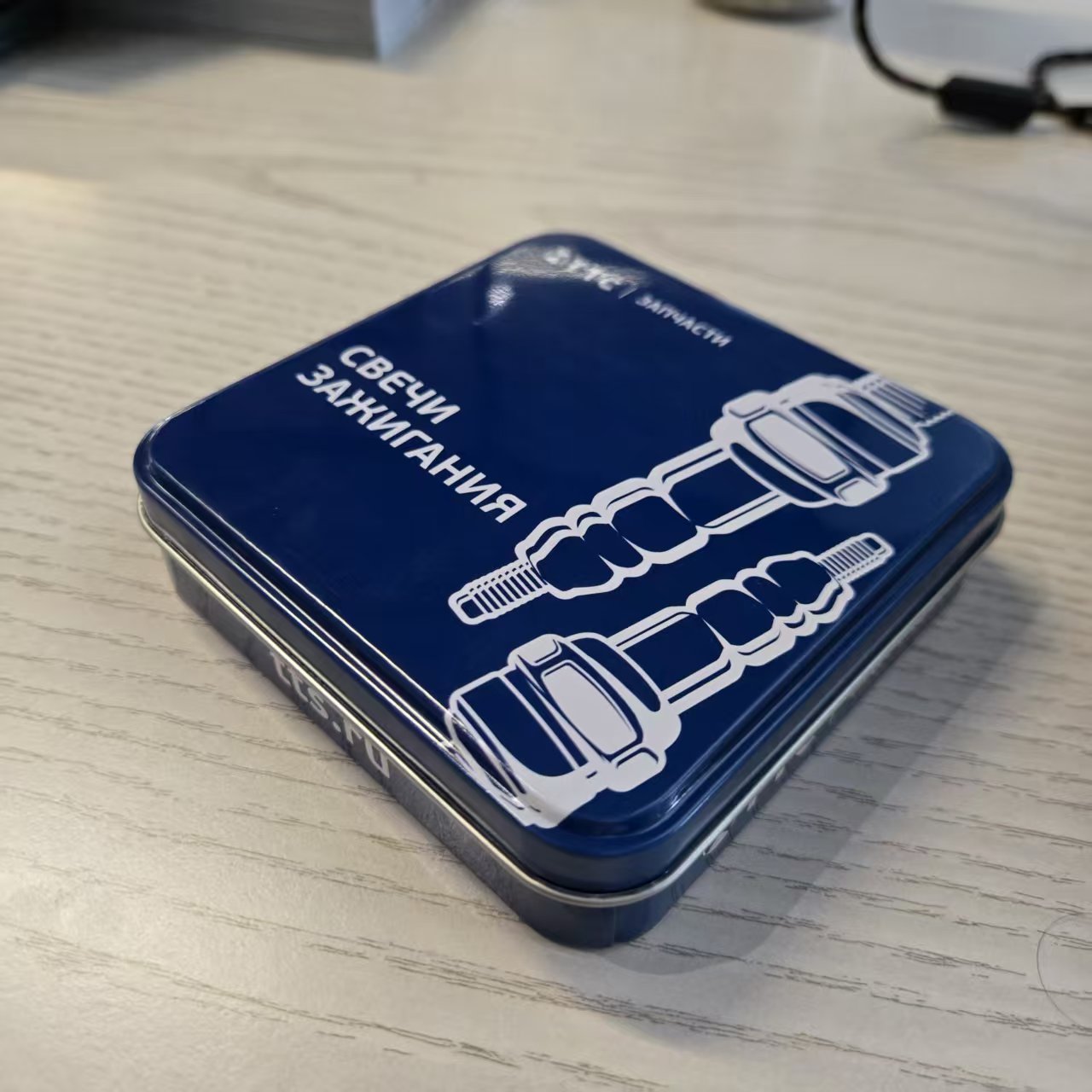
QUATTROFRENI product in branded packaging - quality verification ensures correct part in correct box with correct labeling.
The ok.parts 3-stage quality control process applies to all private label production:
Stage 1 - Pre-production: Verify raw materials, tooling, and branded packaging materials (colors, text, barcodes all verified against approved proof).
Stage 2 - In-process: At 30-50% completion, inspect parts and simultaneously verify packaging assembly: right part in right box, right label on right box, barcode matches part number.
Stage 3 - Pre-shipment: AQL sampling of finished, packaged goods. Random boxes opened and inspected. Barcodes scanned and verified. Only after passing all three stages is the shipment authorized.
Why labeling accuracy matters: A mislabeled part - wrong OEM cross-reference on the box, wrong barcode, wrong vehicle application - is worse than a quality defect for a private label brand. It creates returns, erodes trust, and can get your brand delisted from e-commerce platforms.
9. Case Study: QUATTROFRENI by ok.parts
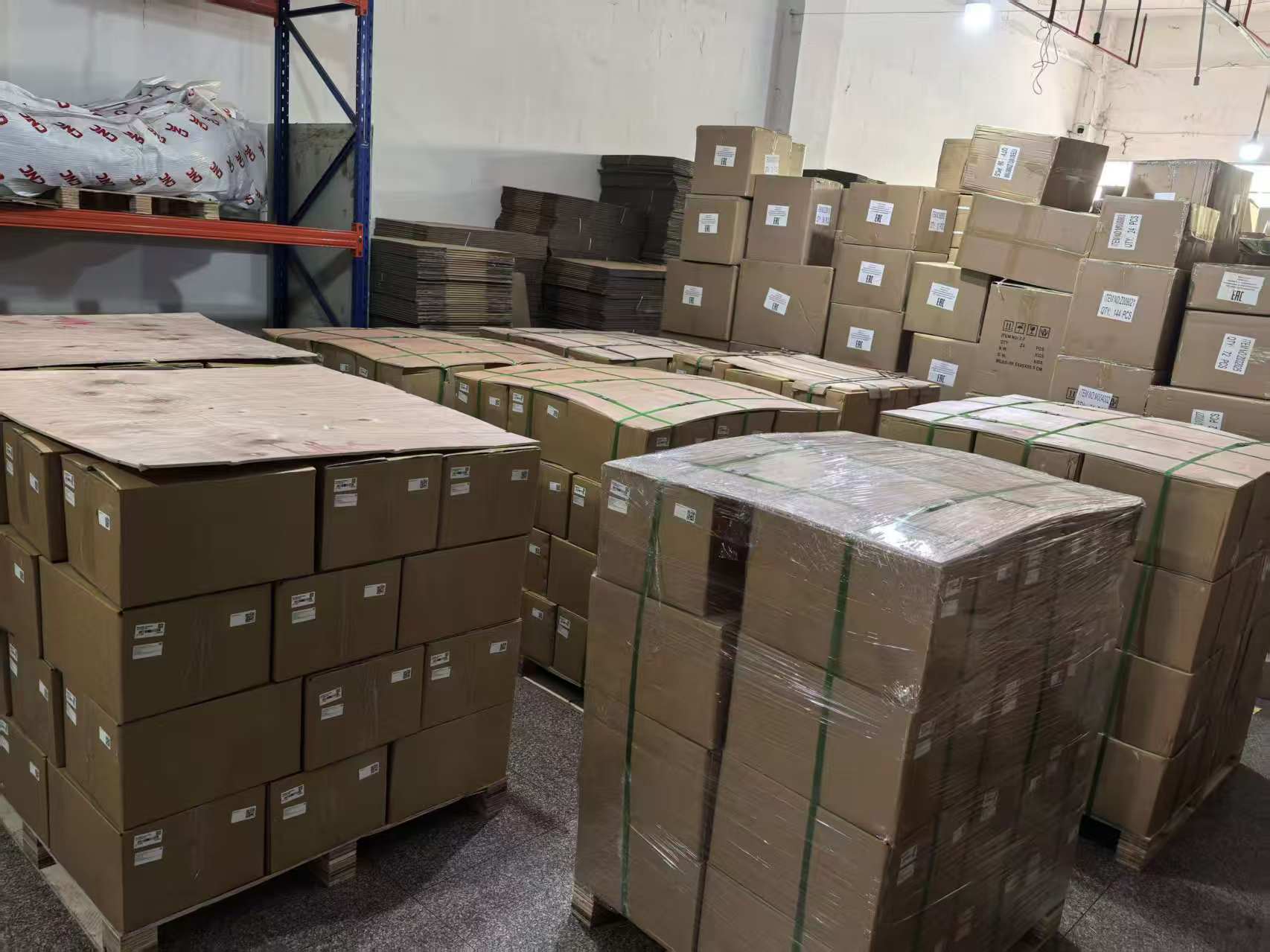
QUATTROFRENI complete branded product - from factory production through 3-stage QC to professional packaging, all managed through ok.parts.
QUATTROFRENI is ok.parts' own private label aftermarket brand - and a working proof-of-concept for the entire private label model described in this guide.
The brand was built from the ground up using the same factory network, quality control infrastructure, and logistics system that ok.parts offers to its wholesale customers. Key elements include: dedicated brand identity with trademark registrations in multiple countries, structured part numbering system mapped to OEM cross-references, custom packaging with branded boxes, labels, and barcodes (EAN/UPC registered through GS1), full 3-stage quality control on every production run, and distribution across multiple markets.
QUATTROFRENI demonstrates that a private label auto parts brand can be launched and scaled without owning a single factory - by leveraging China's manufacturing infrastructure through a professional aggregator platform. The same infrastructure, processes, and factory relationships used for QUATTROFRENI are available to ok.parts customers building their own brands.
10. Common Mistakes That Kill Private Label Projects
Starting with too many SKUs. Launching with 500 SKUs means high initial investment, complex inventory management, and diluted marketing focus. Start with 50-100 top sellers. Expand only after the first batch proves the market.
Skipping trademark registration. If you build a brand without registering the trademark, anyone can copy it - and on platforms like Amazon, they can even hijack your listings.
Choosing a factory without private label experience. Not every factory can handle branded packaging, custom labeling, and barcode compliance. Work with manufacturers (or aggregators) who have demonstrated private label capabilities.
Underinvesting in packaging. A premium part in a cheap box tells customers you are a budget brand. Packaging is the single biggest driver of brand perception in auto parts.
Ignoring certification requirements. Selling brake pads without ECE R90 in Europe is illegal. Research your target market's requirements before production, not after.
No written quality agreement. Define defect resolution terms before the first order: replacement, credit, rework thresholds, claim deadlines.
Start Your Private Label Project
11. Frequently Asked Questions
How much does it cost to start a private label auto parts brand?
Initial investment ranges from $10,000 to $50,000 depending on product range and certification needs. A basic program (custom packaging on existing parts) can start from $5,000-$15,000 covering design and a first production run. The bulk of the cost is inventory - parts you will sell - not sunk costs.
What is the minimum order quantity for private label auto parts from China?
MOQ for private label is typically 500-2,000 pieces per SKU for simple components, 200-500 for complex parts. Working through an aggregator like ok.parts can help negotiate lower MOQs by leveraging combined purchasing power.
What certifications do I need for private label auto parts?
Depends on your market: ECE R90 for brake components in Europe, SASO/GSO for Middle East, EAC for Russia/EAEU, FMVSS for North America. Factory-level ISO 9001 and IATF 16949 are baseline. Certificates of conformity and material test reports are needed for all markets.
How long does it take to launch a private label auto parts line?
Typically 3-6 months from concept to first shipment: 2-4 weeks product selection, 2-3 weeks packaging design, 4-8 weeks sample production, 4-8 weeks first production run, plus shipping time. Custom tooling or certifications may extend to 6-12 months.
Can I private label auto parts without visiting China?
Yes. Working with ok.parts eliminates the need for factory visits. The platform handles factory selection, sample management, quality control, and logistics. Samples ship to you for approval. All management happens remotely.
What is the difference between private label and OEM auto parts?
OEM parts carry the vehicle manufacturer's brand and require authorization. Private label parts are manufactured to match OEM specs but sold under your own brand. Manufacturing quality can be identical - the difference is branding and distribution channel.
Which auto parts categories are best for starting private label?
High-volume consumables: brake pads and discs, filters (oil/air/fuel/cabin), suspension components, gaskets and seals, and engine sensors. These have high demand, strong margins, and less brand loyalty. See our detailed guides on ABS sensors, oxygen sensors, and ignition coils for category-specific sourcing information.
Related Guides
- Auto Parts Quality Control in China: The Complete Inspection Guide
- How to Source OEM-Quality Auto Parts from China
- Wholesale Auto Parts Supplier from China
- Throttle Bodies: Complete Technical and Wholesale Guide
- Ignition Coils: Complete Technical and Wholesale Guide
- Oxygen Sensors (Lambda Sensors): Complete Guide
- ABS Wheel Speed Sensors: Complete Guide